
While Portugal’s Minho region gives its name to this lush corner of the country, the true soul of this landscape flows through the Rio Lima. Picture a valley where morning mist clings to medieval bridges like whispered secrets, where vineyards drape over hillsides like emerald quilts, and where time moves to the rhythm of church bells rather than digital clocks. This is the Lima Valley – a living tapestry woven with Roman roads, pilgrim trails, and stories older than the nation itself.
Stretching from Viana do Castelo’s coastal charm to the wild embrace of Peneda-Gerês National Park, the Lima’s waters have shaped human experience here for millennia. Today, travelers discover a Portugal that remains deliciously untouched by mass tourism. Whether you’re pedaling along riverside bike paths, savoring crisp vinho verde in a sun-dappled square, or simply listening to the river’s quiet song at dusk, this valley offers something precious in our fast-paced world: the chance to breathe.
Discovering the Lima Valley’s Enchanting Location
Tucked into Portugal’s northernmost reaches, the Lima Valley forms the liquid heart of the Minho region. Imagine drawing a line from the Atlantic waves crashing near Viana do Castelo to the mountainous embrace of Peneda-Gerês – that’s the valley’s magical axis. The journey covers about 40 kilometers as the crow flies, but the real distance traveled is measured in shifting landscapes rather than miles.
Ponte de Lima, the valley’s crown jewel, sits approximately 85 kilometers north of Porto. In practical terms, that translates to a 75-minute drive through landscapes that gradually transform from coastal breezes to mountain air. But this is no mere pit stop between bigger destinations. The Lima Valley stands proudly as one of Portugal’s most authentic experiences, where Roman stones still remember legionnaires’ footsteps and farmers’ markets overflow with cherries so fresh they still wear morning dew.
Many visitors describe arriving in Ponte de Lima feeling like they’ve discovered Portugal’s best-kept secret. Cobbled streets wind past Gothic windows, Roman bridges frame mountain vistas, and the pace of life follows the sun’s arc rather than a watch’s hands. It’s the sort of place where elderly women still beat rugs from wrought-iron balconies first thing in the morning, and where the scent of roasting chestnuts mingles with jasmine blooms on evening walks.
Mastering Lima Valley Transportation: Your Options Unpacked
Let’s be honest – the magic of the Lima Valley reveals itself gradually, like a flower unfurling its petals. To truly experience its hidden villages, vineyard-clad hills, and forgotten chapels, you’ll need wheels or sturdy walking shoes. Here’s your complete guide to navigating this liquid landscape:
Walking: Pace Yourself to Discover Hidden Gems
In Ponte de Lima and Viana do Castelo, your own two feet become the best transportation. Wander Ponte de Lima’s riverside promenades where willows dip their branches in the current like girls testing bathwater. The town’s Roman bridge and arcaded square practically demand leisurely strolls – especially when golden hour paints everything in honeyed light.
Pro Tip: Don’t miss the Paço Ducal gardens near the Roman bridge. These hidden Renaissance gardens feature boxwood labyrinths perfect for losing track of time.
Car: Freedom to Roam Like a Local
Renting a car unlocks the valley’s full potential. Those narrow backroads winding through vineyards? They lead to family-run wineries where fourth-generation vintners will pour you glasses of green wine with proud smiles. Rural churches with Romanesque arches appear around bends like architectural surprises. And when you spot that perfect picnic spot by the river, you can stop on a whim.
Important Notes: Parking proves easy except on Ponte de Lima’s market days (Mondays). Locals park slightly outside the center near the Exhibition Park. Automatic transmissions cost more but prove valuable on mountain roads if you’re continuing to Gerês.
Bus: Budget-Friendly with Patience Required
Rede Expressos buses connect Porto to Viana (1.5 hours) and Ponte de Lima (2 hours). Regional services run between valley towns but with gaps that demand careful planning. The 5€ fare from Viana to Ponte de Lima seems unbeatable – until you realize the 10AM bus doesn’t return until 3PM.
Bike: The Lima’s Beating Heart on Two Wheels
The Ecovia do Lima cycle path ranks among Portugal’s most glorious rides. This flat, well-maintained trail follows the river for 34 kilometers between Viana, Ponte de Lima, and Ponte da Barca. Rent bikes in either town (€15/day) and stop at river beaches for impromptu swims. Pack a picnic of local cheese and bread – you’ll find countless perfect spots to refuel.
Taxi & Ride-Sharing: Spontaneous Trips Made Simple
Bolt and Uber operate reliably in Viana and Ponte de Lima. For villages like Arcozelo or Gemieira, have your hotel call a traditional radio taxi (expect €25-35 for cross-valley trips). Always arrange return pickups when visiting remote areas – mobile service can be patchy in the hills.
Crafting Your Perfect Lima Valley Itinerary
Watch any local grandmother shelling beans on her doorstep in Ponte de Lima, and you’ll understand this truth: the Lima Valley rewards those who linger. While ambitious travelers could cross the Roman bridge, sample green wine, and snap photos of Viana’s basilica in one frantic day, this region deserves deeper savoring.
The Perfect 24 Hours (When Time is Tight)
- Morning: Watch mist rise from Ponte de Lima’s medieval bridge while enjoying pastéis de nata at Café Caravela
- Midday: Walk the Ecovia trail to the charming village of Arcozelo (5km return)
- Afternoon: Explore Viana’s Costume Museum and Santa Luzia hilltop sanctuary
- Evening: Sunset wine tasting at Quinta de Paços near Ponte de Lima
The Golden 72 Hours (Recommended Stay)
Day 1: Dive into Ponte de Lima’s history: Roman bridge, Gothic churches, and the fascinating Toy Museum.
Day 2: Drive the valley’s northern bank, stopping at Arcos de Valdevez’s medieval tower and Bertiandos’ protected wetlands.
Day 3: Cycle the Ecovia east to Ponte da Barca or ascend into Peneda-Gerês National Park for waterfall hikes.
Extended Stays (For the Truly Enchanted)
Add days for: Visiting Viana do Castelo’s famous folk festivals (Feiras Novas in September is magical), exploring Peneda-Gerês’ Celtic ruins and wild horses, or participating in a cooking class to master arroz de sarrabulho (the region’s iconic blood rice stew).
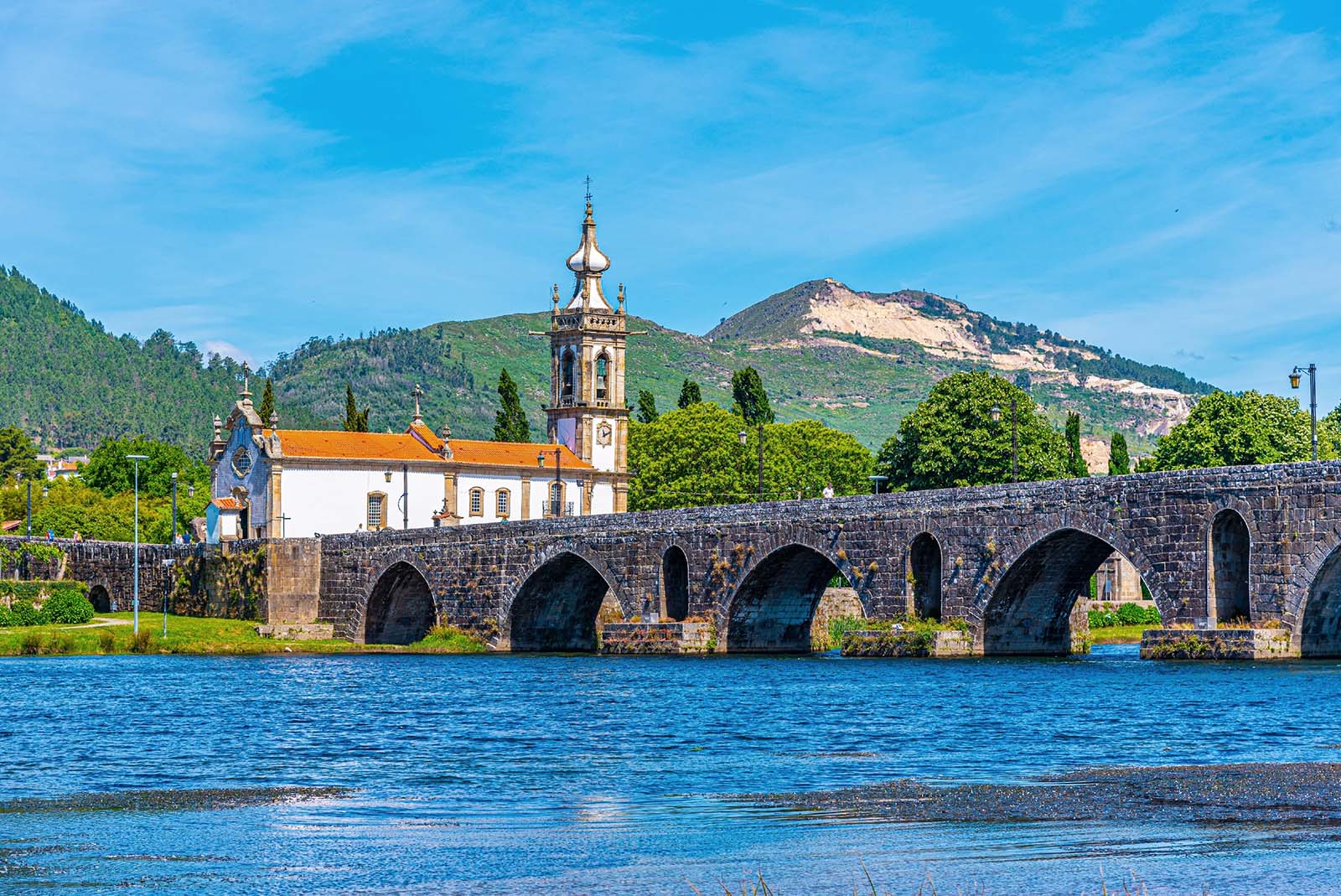
Roman bridge at Ponte de Lima in Portugal © Shutterstock
Finding Your Perfect Lima Valley Retreat
From boutique hotels in converted convents to rural quintas where peacocks stroll through olive groves, the Lima Valley offers stays as diverse as its landscapes. Here’s how to match your travel style with the ideal base:
For First-Time Visitors: Ponte de Lima’s Historic Heart
Wake to church bells in a restored 16th-century mansion at Casa do Arrabalde, where antique-filled rooms open onto a courtyard fragrant with orange blossoms. For modern luxury, Hotel Império do Norte offers spa treatments using Vinho Verde grapes – perfect after cycling the Ecovia. Budget travelers love Pensão São Paulo, family-run since 1932 with stunning river views from its tile-lined breakfast room.
Romantic Escapes: Rural Manors & Vineyard Hideaways
Quinta da Bouça da Marco near Arcos de Valdevez epitomizes rustic romance. This 18th-century wine estate offers candlelit dinners in stone cellars and rooms with four-poster beds. Couples seeking pampering adore Casa da Cisterna near Ponte da Barca, where massages come with mountain vistas and breakfast includes homemade jams from the orchard.
Family Adventures: Space to Play & Explore
Hotel Parque Rio near Viana do Castelo wins parents over with its indoor pool and proximity to both beaches and the Lima River. Quinta do Ameal offers self-catering cottages surrounded by organic vineyards – kids can collect eggs from resident chickens while parents sip award-winning Loureiro whites. For older families, hiking from Arcos de Valdevez’s Quinta do Penso leads directly into Gerês trails.
Cultural Immersion: Living Like A Local
Book a room at Santa Marta de Portuzelo, an aristocratic manor turned guesthouse near Viana where antiques-filled salons host fado nights. Or try agriturismo at Quinta do Corvo in São Martinho da Gandra – help harvest grapes in September or learn to bake broa cornbread with Dona Rosa’s guidance.
Beyond the Bridge: Unforgettable Lima Valley Experiences
The Lima Bridge may be Ponte de Lima’s star attraction, but the valley brims with unexpected adventures. Here’s how to experience this region like few tourists do:
Taste Time Through Vinho Verde
Don’t mistake Vinho Verde’s youthful freshness for simplicity. Schedule a private tasting at Quita de Soalheiro where fifth-generation winemaker João will explain how altitude affects Alvarinho grapes. In Ponte da Barca, tiny Quinta do Ermelo crafts sparkling Vinho Verde using ancestral methods – their rosé bubbly paired with river fish is revelation.
Walk With History Along Roman Trails
Beyond Ponte de Lima’s famous bridge, Geira Roman Road in Gerês reveals mile markers carved by legionnaires. Hike the 5-kilometer stretch from Campo do Gerês to São Bento da Porta Aberta to tread stones worn smooth by centurions’ sandals.
Celebrate Like A Local
Time your visit for Ponte de Lima’s Feiras Novas every September. For three days, the town transforms with flower carpets, ox-cart parades, and folk dancers performing the vibrant vira. Sample vendas – temporary taverns in family homes selling homemade sausages and fiery jeropiga liqueur.
Discover Portugal’s Only Immortal Legend
Locals swear the Lima River is the mythical Lethe – the River of Forgetfulness from Greek mythology. Test the legend yourself: Drop a coin in designated spots while making a wish. If it stays submerged, your wish will be granted… but you’ll forget this ever happened!
Essential Lima Valley Travel Tips
To make your journey as smooth as the region’s famous vinho verde, keep these expert tips in mind:
Timing Your Visit
May-June and September-October offer ideal weather with fewer crowds. July-August brings festivals but higher prices. Winter sees most rural quintas close, though Ponte de Lima remains charming with Christmas lights reflecting on the river.
Market Days Worth Planning For
Ponte de Lima’s Monday market is legendary – arrive by 8 AM to watch farmers unpack still-warm queijadas (sweet cheese tarts). Viana’s Friday market near the train station overflows with embroidered linens handmade by local artisans.
Money Matters
While cards work in towns, carry €20-50 cash for village purchases. ATMs exist but can be scarce in rural areas. Tipping 5-10% suffices in restaurants – leave it in cash even if paying by card.
Language & Etiquette
Learn basic Portuguese phrases – locals appreciate even clumsy attempts. Always greet shopkeepers with “bom dia” (good day) and never rush interactions. Meal times run late here; dinner reservations before 8 PM may get puzzled looks.
Packing Essentials
- Comfortable walking shoes for cobblestones
- Light layers – mornings can be cool even in summer
- A reusable water bottle – Lima Valley’s fountain water is delicious
- Binoculars for spotting storks nesting in church towers
- A corkscrew – you’ll inevitably buy wine from small producers
Why the Lima Valley Calls You Home
In our age of overtourism and hurried bucket lists, the Lima Valley remains gloriously resistant to haste. Here, tradition isn’t performed for visitors – it’s lived in the old women who still wear filigree gold earrings daily, in the fishermen who cast nets as Romans once did, in the way time bends around long meals shared with new friends.
Returning visitors speak of this valley with a wistful fondness usually reserved for first loves. Perhaps it’s the quality of light at dusk, when the river turns molten gold. Maybe it’s the taste of poncha – a local brandy cocktail that warms even rainy afternoons. Or possibly it’s the quiet revelation that in a world obsessed with moving faster, the Lima Valley teaches the profound pleasure of going slow.
Your journey awaits where Roman stones meet mountain streams, where hospitality flows as freely as green wine, and where Portugal remembers its soul. Come discover why those who wander the Lima Valley don’t just find Portugal – they find a piece of themselves they didn’t realize was missing.
Discovering the Soul of Portugal’s Lima Valley: 10 Authentic Experiences
Hidden between the Minho region’s rolling vineyards and Portugal’s only national park lies a place where time flows as gently as the river itself. The Lima Valley—Vale do Lima in Portuguese—may not dominate most travel itineraries, but those who linger here discover one of northern Portugal’s most rewarding slow travel destinations. With Roman bridges kissed by morning mist, medieval markets bursting with local color, and villages where tradition isn’t for show but simply a way of life, this valley rewards travelers willing to trade rushing for roaming. Let’s wander through ten essential experiences that reveal the Lima Valley’s rich layers.
What Makes the Lima Valley Special
Shaped by the Lima River’s journey from Peneda-Gerês mountains to Atlantic shores, this compact valley feels worlds removed from Portugal’s tourist trail. Here, Romans built strategic river crossings and medieval pilgrims traversed the Camino de Santiago route. Today, visitors find winding river trails, heritage vines producing Portugal’s famous “green wine,” and stone villages where greeting strangers remains an art form. The magic lies in unhurried exploration—sipping coffee as old farmers debate politics, stumbling upon moss-covered Romanesque churches, or watching sunlight dance on Roman stone bridges that have stood for millennia.
Experience the Timeless Charm of Ponte de Lima’s Roman Bridge
Every great river valley needs an iconic crossing, and in Ponte de Lima, you’ll find not just a functional bridge but a character-filled time capsule. Legend claims Julius Caesar’s troops refused to cross the Rio Lima, fearing the “Lethe”—mythical river of forgetfulness. A shrewd Roman general supposedly walked across shouting his soldiers’ names to prove memory intact. Today, this sturdy stone marvel—bearing Roman foundations and medieval renovations—still arches gracefully over sparkling waters.
Arrive as swallows begin their evening dance above the river. Light diffuses into golden hues, reflecting off the bridge’s weathered arches. From the far bank, admire how Ponte de Lima’s terracotta rooftops, baroque church towers, and riverside plane trees frame the postcard view. Crossing this historic bridge feels like walking alongside ghosts—from sandaled legionnaires to medieval merchants and weary Camino pilgrims.
Lose Yourself in Ponte de Lima’s Living History Market
Every second Monday since 1125 AD, something remarkable transforms Ponte de Lima’s riverside esplanade. Farmers arrive before sunrise, unpacking crates of sun-ripened tomatoes, handwoven baskets, and clucking chickens. By midmorning, the air buzzes with bartering banter and sizzling gridiron chorizo. This isn’t a tourist spectacle—it’s one of Portugal’s oldest markets where locals buy hand-churned butter and discuss village gossip.
Follow your nose past smoke-tanned sausage merchants to herb-sellers bundling fragrant bay leaves. Watch wrinkled hands expertly selecting the juiciest cabbages. In artisan stalls, discover embroidered linens crafted using techniques unchanged for generations. Even souvenir-hunters find treasures here—perhaps a leather wineskin or ceramic rooster figurine. Time your visit with the monthly “Artesanato em Movimento” crafts fair for live blacksmithing demonstrations and folk musicians plucking traditional Minho tunes.
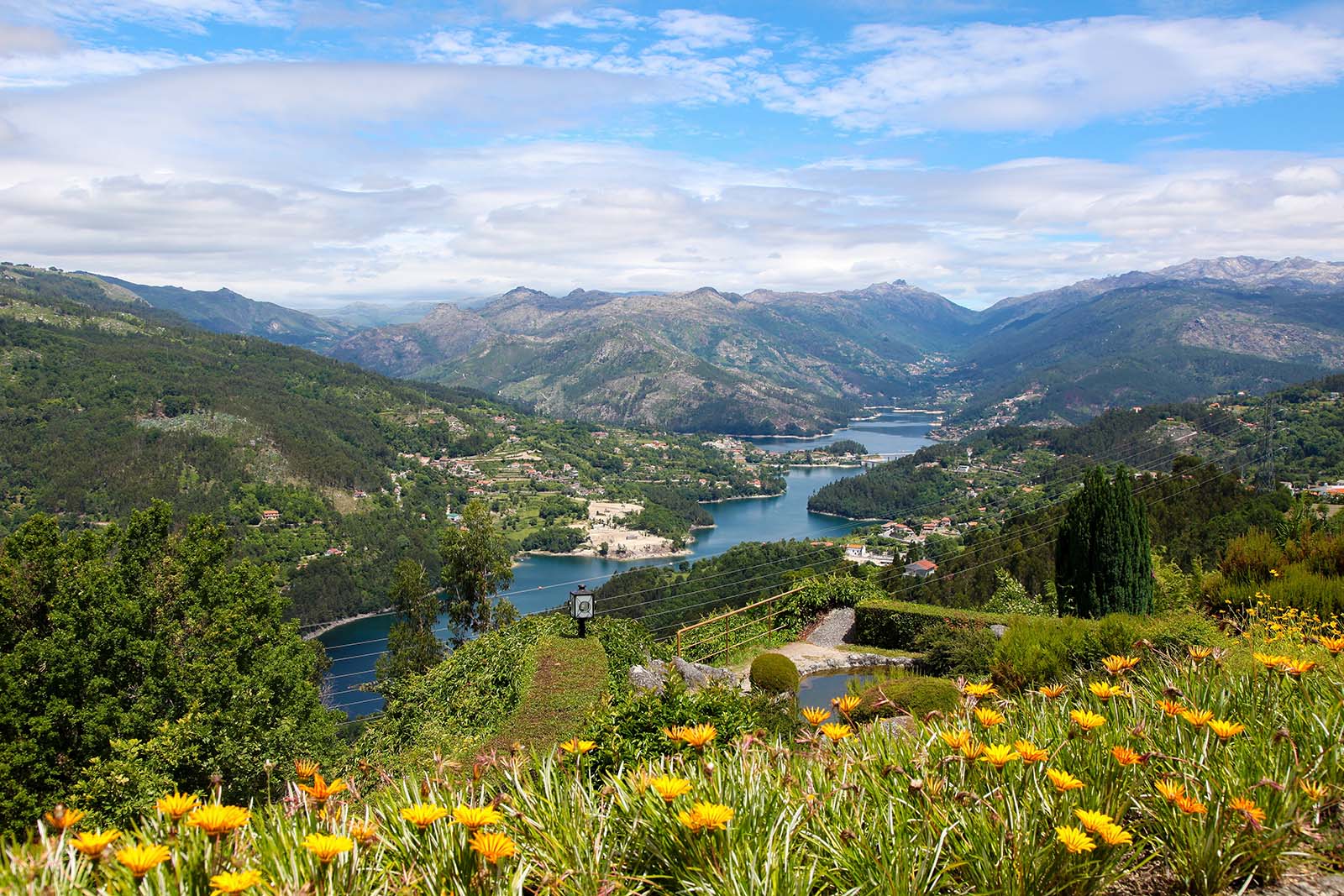
The Lima River’s peaceful flow defines the valley’s pace of life © Shutterstock
Pedal or Stroll Along the Ecovia do Lima Riverside Trail
For travelers craving active immersion, the Ecovia do Lima offers 32km of riverside bliss between Viana do Castelo, Ponte de Lima, and Ponte da Barca. This well-maintained path guides cyclists and walkers past waterwheels creaking beside centuries-old corn mills, vineyards clinging to sun-drenched slopes, and sandy river beaches perfect for impromptu swims.
Rent bikes in Ponte de Lima’s historic center—standard or electric—for the most flexible exploration. Pedal east through the “Veiga” floodplains where farmers still plow fields with oxen. Watch for azure flashes as kingfishers dive for fish beside traditional espigueiros (stone granaries). Pack a picnic of Queijo da Serra cheese and crusty broa cornbread for leisurely stops on river rocks. The trail’s gentle grades and frequent benches make it accessible for all fitness levels—one of Portugal’s most rewarding flat hikes.
Discover Hidden Gems in the Valley’s Romanesque Churches
Tucked between vine rows and forested hillsides lie architectural treasures revealing medieval Minho’s spiritual heritage. The Lima Valley’s Romanesque churches, built between the 12th and 14th centuries by crusading Knights Hospitaller, showcase rugged stone craftsmanship weathered by centuries of Atlantic rains.
Seek out Rubiães’ Igreja de São Pedro de Rubiães along the Portuguese Camino. Pilgrims have rested here since the Middle Ages, tracing carved stone symbols on the southern portal. Near the Serra de Labruja crossing, the tiny Ermida de Nossa Senhora da Paz wears a cloak of moss where mountain springs trickle nearby. Many churches remain active parishes—time visits outside Sunday masses. Inside, expect simple whitewashed walls, hand-carved wooden altars dripping with gilt, and the faint scent of incense lingering from generations of whispered prayers.
Taste Liquid Heritage: Vinho Verde in Its Birthplace
No Lima Valley experience feels complete without tasting the region’s signature elixir. Vinho Verde—Portugal’s vibrant “green wine”—originates in these fertile riverlands. Unlike heavy reds, these young, slightly effervescent wines burst with citrus and mineral notes—perfect complements to the valley’s smoky grilled meats.
Visit family-run quintas like Quinta de Alderiz in Arcos de Valdevez for intimate tastings beneath centuries-old grape pergolas. Learn how Loureiro, Alvarinho, and Trajadura grapes thrive near the river’s cooling influence. Sample crisp whites paired with tangy Serra da Estrela cheese or traditional bacalhau fritters. Larger estates like Quinta do Cruzeiro offer guided vineyard walks explaining traditional trellising methods. Pro tip: Vinho Verde cocktails beautifully with fresh tonic—order a “Vinolima” spritz at Ponte de Lima’s riverside cafes at sunset.
Wander Through History in Viana do Castelo’s Old Town
Where the Lima River kisses Atlantic waves, discover Viana do Castelo—an elegant maritime hub crowned by the mountaintop Templo de Santa Luzia. Ride the antique funicular railway up to this Byzantine-inspired sanctuary for panoramic vistas spanning river mouth, surf-pounded coast, and distant mountains.
Down in the UNESCO-listed historic center, black-and-white calçada cobblestones lead past Renaissance fountains, azulejo-tiled mansions, and seafood taverns steaming with caldeirada fish stews. Don’t miss the Costume Museum’s dazzling collection of traditional Minho costumes—intricate gold filigree jewelry and vibrant embroidered skirts worn during Viana’s famous Romaria festivals. Time permits, watch artisans crafting the iconic heart-shaped Viana filigree at Ourivesaria Carvalho workshop—perfect souvenir hunting.
Celebrate Like a Local at Riverside Festivals
Summer transforms the Lima Valley into a cultural stage with roots stretching back centuries. Ponte de Lima’s Feiras Novas erupts every September—three days of brass bands parading past flower-decked windows, folk dancers twirling in ancestral costumes, and nighttime fireworks reflecting off the Roman bridge.
August brings Viana do Castelo’s Romaria da Senhora d’Agonia—one of Portugal’s most exuberant religious festivals. Watch fishermen carry flower-bedecked boats through streets carpeted in intricate floral designs. Savor freshly grilled sardines while concertina players squeeze out fado-tinged melodies. Festivals here welcome visitors warmly—join the dancing or simply soak up the joyous chaos with a glass of vinho verde in hand.
Discover Arcos de Valdevez: Gateway to Mountain Adventures
Venture east through the valley’s narrowing contours to reach Arcos de Valdevez—a town where terracotta rooftops cluster beneath forested peaks. Its photogenic medieval bridge arches over the Vez River, offering Instagram-perfect reflections at golden hour. Wander the riverside park past Japanese gardens and locals playing petanque beneath palm trees.
From here, winding roads lead into Peneda-Gerês National Park’s wilderness. Base yourself at charming Quintas like Casa do Barreiro for guided hikes to wolf territories or kayaking on alpine lakes. Back in town, sample regional delicacies like cabrito (roasted kid goat) washed down with local Melgaço reds—richer cousins to vinho verde. Arcos balances small-town charm with easy access to wild landscapes—perfect for travelers seeking both culture and nature.
Embrace Wilderness in Peneda-Gerês National Park
Following the Lima River upstream leads to Portugal’s first and only national park—a 700km² wonderland of cascading waterfalls, prehistoric standing stones, and granite villages seemingly frozen in time. Join ecotourism operators like Hike Caminho for insightful treks through this protected landscape.
Spring hikes reveal hillsides carpeted in wild orchids and blankets of golden gorse. Summer invites refreshing dips in natural pools at Tahiti Waterfall or Ermida’s river beaches. Come autumn, misty forests explode in russet hues—prime season for spotting Garrano wild horses grazing amid ling heather. Stay overnight in park villages like Lindoso to experience full-moon tours to illuminated espigueiro granaries—a truly otherworldly Lima Valley experience.
Slow Down in Timeless Riverside Villages
The Lima Valley’s true magic emerges when you pause in places where tourism hasn’t diluted authenticity. Wander Labruja’s single street, where grandmothers in black shawls sweep doorsteps and roosters patrol beside ancient granaries. In Bravães, chat with winemaker José at Adega Regional over glasses of ruby-red vinho tinto poured straight from clay amphoras.
At dusk in Ponte da Barca, join locals strolling beneath Gothic arches in Praça da República as swallows swoop around the pillory tower. These villages remind us travel isn’t about ticking sights—it’s finding beauty in wrinkled hands kneading cornbread, harmonious church bells floating over rivers, and the timeless dance between people and place that shapes the Lima Valley’s enduring charm.
Planning Your Lima Valley Escape
Ready to follow the river’s call? Ponte de Lima makes an ideal base with its central location and accommodation ranging from boutique hotels in Baroque mansions to rural turismo de habitação farmstays. Rent cars in Porto (90 minutes south) for maximum flexibility, though regional buses connect major towns. Spring (April-June) offers wildflowers and comfortable temperatures, while September’s grape harvest brings colorful festivals. Whether road-tripping through Portugal or seeking an offbeat cultural immersion, the Lima Valley promises authentic connections—with landscapes, traditions, and people who still measure life in seasons rather than schedules.
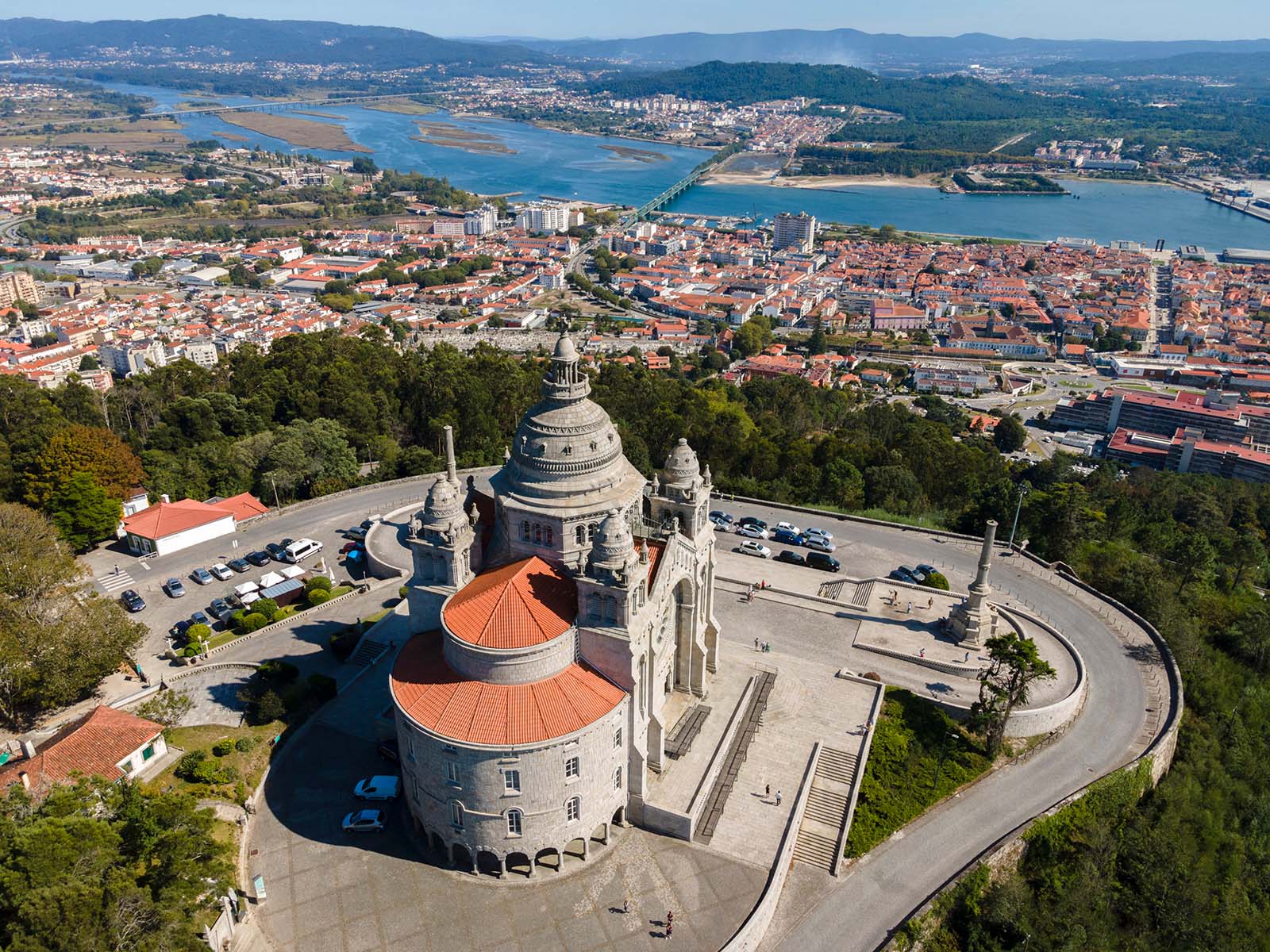
Church of Santa Luzia in Viana do Castelo, Portugal © Shutterstock
Discovering Lima Valley’s Seasonal Charms
Nestled in Portugal’s Minho region, the Lima Valley serves as a living postcard with weather patterns that paint the landscape in ever-changing beauty. The Atlantic Ocean gifts this region with gentle winters and sun-drenched summers, creating perfect conditions for exploration year-round. Locals will tell you the river has its own microclimate – morning mists cling to the water’s surface like whispered secrets, particularly during spring and autumn transitions.
The Rhythm of Seasons in Northern Portugal
From the crisp freshness of spring blossoms to winter’s misty embrace, each season brings its own magic to the Lima Valley. The mercury typically dances between 46°F (8°C) during January mornings to 81°F (27°C) in August’s peak warmth. But these numbers tell only half the story – the real essence lies in how the light filters through vine leaves in summer or how autumn colors reflect in the tranquil Lima River.
Spring: Nature’s Grand Revival
When March arrives, the valley shakes off winter’s slumber in spectacular fashion. Daytime temperatures climb from 60°F (16°C) to balmy 72°F (22°C) by May, creating perfect conditions for outdoor adventures. This is when the Ecovia do Lima walking path becomes a floral runway showcasing nature’s finest designs. Travelers enjoy several advantages during these months:
- Wildflower displays transform riverbanks into living tapestries
- Village markets reopen with fresh produce and handmade crafts
- Comfortable accommodation rates between €60-€85 nightly
- Peaceful exploration before summer crowds arrive
Pack layers for cool mornings that melt into sun-warmed afternoons, and don’t miss the Festa das Cruzes in early May when flower-covered crosses appear throughout local villages.
Summer: Festival Season Under The Sun
June through August transforms the valley into Portugal’s festival heartland. With temperatures hovering around 81°F (27°C) and nearly 15 hours of daylight, this is when the region truly sparkles. The river becomes central to social life – families picnic under ancient plane trees while children splash in safe swimming spots. Key summer highlights include:
- Viana do Castelo’s Romaria da Senhora d’Agonia (third week of August)
- Ponte de Lima’s Feiras Novas celebrations in September
- Riverside concerts and traditional folk dancing
- Extended daylight for exploring hilltop monasteries
Book accommodations early (€90-€130/night) especially for waterfront locations, and follow locals’ lead by enjoying leisurely afternoon breaks during peak heat.
Autumn: The Valley’s Golden Secret
September through November might just be the Lima Valley’s best-kept secret. Harvest season brings earthy aromas of fermenting grapes and roasting chestnuts to the crisp air. Temperatures gradually cool from 77°F (25°C) in September to milder 57°F (14°C) by late November, creating perfect hiking weather along vineyard-lined trails.
- Wine harvest festivals in villages like Arcos de Valdevez
- Stunning fall foliage against Romanesque chapel backdrops
- Cozy taverns serving hearty caldo verde soup
- Accommodation rates drop to €55-€80/night
Don’t miss the Magusto celebrations in November, when communities gather around bonfires to roast chestnuts and celebrate São Martinho.
Winter: Misty Serenity by the River
December through February reveals the valley’s quieter, introspective beauty. While daytime temperatures hover around a gentle 52°F (11°C), the real magic comes from mist-shrouded riverside walks and wood-fired kitchen aromas drifting through medieval streets. Winter visitors enjoy:
- Deep discounts on charming guesthouses (€45-€65/night)
- Atmospheric walks through centuries-old town centers
- Traditional lamprey fishing season (January-March)
- Authentic local experiences without tourist crowds
Pack waterproof boots and warm layers to enjoy crisp morning walks before settling into tavernas for steaming bowls of caldo verde soup.

A small waterfall and green lagoon hidden in the mountains. Arado river, Peneda-Geres National Park, Portugal © Shutterstock
Culinary Journey Through Lima Valley
Dining in the Lima Valley isn’t just sustenance – it’s a cultural immersion. The region’s fertile lands and Atlantic proximity create a food lover’s paradise where time-honored recipes pass through generations. Meals here unfold like leisurely ceremonies, best enjoyed at weathered wooden tables overlooking the shimmering Lima River.
Savoring Minho’s Signature Flavors
The valley’s culinary identity reflects its landscape – hearty, verdant, and deeply satisfying. These essential tastes define the region:
- Arroz de Sarrabulho: More than just rice with pork, this iconic dish embodies Minho’s soul. Cumin-infused rice binds tender meat in a rich, comforting embrace that warms from within – perfect after a cool river walk.
- Bacalhau à Minhota: Portugal’s beloved salt cod transforms here into golden perfection. The crisp exterior gives way to flaky flesh, harmonizing with sweet roasted peppers and garlicky potatoes.
- Rojões à Moda do Minho: Succulent pork cubes sizzled to crispy perfection, best enjoyed with a mound of milho bread to soak up every drop of garlic-infused juices.
- Lampreia do Rio Lima: A medieval delicacy revived each winter. The eel-like lamprey may challenge newcomers, but its unique flavor – best in rich rice stews – connects diners to centuries of riverside tradition.
- Broa de Milho: This dense cornbread anchors every meal. Crack open a warm loaf to release earthy aromas, perfect for sopping up caldo verde or accompanying tangy local cheeses.
Legendary Lima Valley Dining Venues
From rustic tavernas to elegant riverfront establishments, these culinary institutions showcase the region’s best:
- Sabores do Lima (Ponte de Lima): Reserve a terrace table at sunset here. Their bacalhau dishes achieve perfection, especially when paired with crisp vinho verde from nearby vineyards.
- Restaurante Alameda: Locals have frequented this riverside institution for generations. Their arroz de sarrabulho recipe remains unchanged since the 1960s – rich, comforting, and utterly authentic.
- A Carvalheira: Step into this historic stone building for exemplary rojões. The crackle of pork fat in the open kitchen mingles with lively Portuguese chatter – order house wine by the pitcher.
- O Pescador (Viana do Castelo): A seafood oasis where Atlantic treasures meet Minho flavors. Their amêijoas à bulhão pato (clams in garlic sauce) demands extra bread for sauce-dipping.
- O Brasão: Central Ponte de Lima’s beating culinary heart. Time visits between January-March for their legendary lamprey rice, served with theatrical flair.
Dining Like A Local: Insider Tips
- Meal times run later here – lunch at 1:30pm, dinner after 8:30pm
- Many restaurants close Sunday evenings and Mondays
- Don’t miss the Vinho Verde wine route along the river valley
- Order “meia dose” (half portions) to sample multiple dishes
- Finish with abade de priscos pudding, a Port wine-infused egg custard
Unforgettable Lima Valley Experiences
Beyond its natural beauty and culinary treasures, the Lima Valley offers immersive experiences that linger in memory long after departure. These carefully crafted adventures reveal the region’s authentic character through local eyes.
Cultural Immersions
- Historic Ponte de Lima Walking Tour: Meander through Europe’s oldest chartered town with a storyteller-guide. Trace Roman footprints across medieval bridges, discover Renaissance manor houses, and decode ancient stone carvings. Culminates with coffee and queijadas (sweet cheesecakes) in a 15th-century square.
- Romanesque Architecture Trail: Uncover hidden sanctuaries where time stands still. From Rubiães’ mysterious stone carvings to Labruja’s mountain-perched chapel, this pilgrimage through sacred art reveals medieval spiritual life. Includes riverside picnics featuring broa bread and regional sausages.
Active Adventures
- Ecovia Cycling & Wine Tasting: Pedal along the Lima River’s gentle cycling paths aboard premium bicycles. Stop at family vineyards to taste effervescent vinho verde straight from the barrel. Includes private cheese tasting in a riverside quinta with views of grape-laden arbors.
- Peneda-Gerês National Park Expedition: Journey from Ponte de Lima to Portugal’s only national park. Hike through oak forests to hidden waterfalls, encounter wild Garrano horses, and enjoy traditional post-hike cozido (stew) in a mountain village tavern.
Festival Experiences
- Viana do Castelo’s Romaria Celebration: Witness one of Portugal’s most vibrant festivals alongside passionate locals. Our expert guides navigate you through flower-carpeted streets, costumed parades, and dazzling fireworks displays. Includes privileged access to traditional folk dance performances.
- Gastronomic Festival Immersion: Time your visit with Arcos de Valdevez’s Feiras Novas or Ponte da Barca’s food festival. Behind-the-scenes access includes meeting artisan cheesemakers, olive growers, and bakers who keep ancient traditions alive.
Tailoring Your Perfect Visit
Every Lima Valley journey can be customized to personal interests. Consider adding these special touches:
- Private fado music performances in historic manor houses
- Traditional linens workshop in Viana do Castelo
- Sunset kayak tours on the Lima River with local fishermen
- Photography tours capturing golden hour at Santa Luzia Basilica
- Pottery classes using Minho’s distinctive red clay
Whether celebrating an anniversary with private vineyard dinners or creating family memories through hands-on farming experiences, the Lima Valley’s authentic charm promises unforgettable encounters at every turn.


🌟 The Travaloca Travel Editors Community is a dynamic collective of individuals united by their passion for travel and their dedication to high-quality content creation. This community serves as the driving force behind Travaloca's informative and engaging travel resources. ✨ Core Identity: This group consists primarily of passionate travel enthusiasts who have turned their love for exploration into a commitment to writing and content curation. Members are recognized for their: Extensive Travel Experience: Possessing valuable firsthand knowledge from their journeys worldwide. Aptitude for Writing and Editing: Demonstrating a keen interest and skill in crafting, reviewing, and perfecting travel narratives, guides, tips, and reviews. Dedication to Storytelling: Transforming personal experiences and destination knowledge into accessible, inspiring, and reliable information for a global audience. 📝 Community Focus: The community’s primary role is to contribute, edit, and maintain the diverse range of content on Travaloca's platform. They ensure the information provided is accurate, engaging, and reflective of current travel trends. In essence, the Travaloca Travel Editors Community is where travel passion meets editorial excellence, enriching the user experience and solidifying Travaloca’s standing as a trusted travel resource.


