
Flowing gracefully into the Atlantic just north of Porto, the Rio Minho does more than mark Portugal’s border with Spain – it whispers tales of centuries past while shaping one of Europe’s most captivating regions. Welcome to Minho, where vineyard-draped hills meet medieval fortresses, where wild Atlantic beaches crash against rugged cliffs, and where mountain villages keep traditions alive in Portugal’s green heartland.
Imagine a Portugal in miniature, where every turn reveals new wonders: cobblestone streets echoing with history, terraced vineyards producing crisp Vinho Verde, and landscapes that shift from coastal drama to alpine serenity within an hour’s drive. The Minho remains wonderfully accessible yet beautifully untouched, offering that rare combination of convenience and authenticity that discerning travelers cherish.
Discovering Minho: Portugal’s Green Crown Jewel
Tucked away in Portugal’s northwestern corner, Minho stretches from the Atlantic’s pounding surf to the misty peaks of Peneda-Gerês National Park. This lush region follows the Rio Minho border with Spain while reaching south toward Porto’s bustling energy. What makes Minho truly special lies in its diversity – you can savor fresh seafood at a coastal fisher’s dock in the morning and hike to alpine waterfalls by afternoon.
The region’s accessibility surprises many visitors. Just an hour north of Porto’s international airport, Minho feels worlds away from urban hustle. Winding roads connect UNESCO World Heritage sites with hidden river beaches, making it perfect for both leisurely road trips and immersive cultural stays. Whether you’re drawn to Guimarães’ medieval streets (the birthplace of Portuguese nationhood) or the Baroque splendors of Braga’s sanctuaries, Minho serves history with side of stunning scenery.
Navigating Minho: Your Transportation Guide
Exploring Minho’s contrasts requires smart transportation choices. The region unfolds across river valleys, coastal stretches, and mountain terrain – savvy travelers match their itinerary to the right travel style.
Walking: Perfect for immersing yourself in historic centers. Lose yourself in Guimarães’ labyrinthine alleys or Braga’s Rococo staircases without worrying about parking. Both cities reveal their secrets best on foot, with hidden courtyards and family-run tascas (taverns) waiting around every corner.
Car Adventures: For maximum flexibility, nothing beats having your own wheels. Modern highways connect major towns, but the real magic happens on secondary roads winding through vineyard country. Picture this: stopping spontaneously at a roadside stall for blisteringly sweet arbutus berries, then detouring to a riverside picnic spot locals keep secret. Rental cars with good GPS (or offline maps) let you chase golden hour light across the Lima Valley or discover coastal viewpoints between Viana do Castelo and Caminha.
Public Transport: Efficient trains link Porto to Braga (50 minutes) and Guimarães (1h15m), while regional buses reach smaller towns like Ponte de Lima. Be mindful that services thin out on weekends and in rural areas – perfect if you crave authenticity, less so if you’re on a tight schedule.
Cycling: Minho’s varied terrain rewards pedal-powered explorers. Electric bikes conquer vineyard hills with ease, while dedicated paths like the Ecovia do Vez offer car-free touring through postcard landscapes. Many rural quintas (estates) now offer bike rentals to guests, pairing wine tastings with two-wheeled adventures.
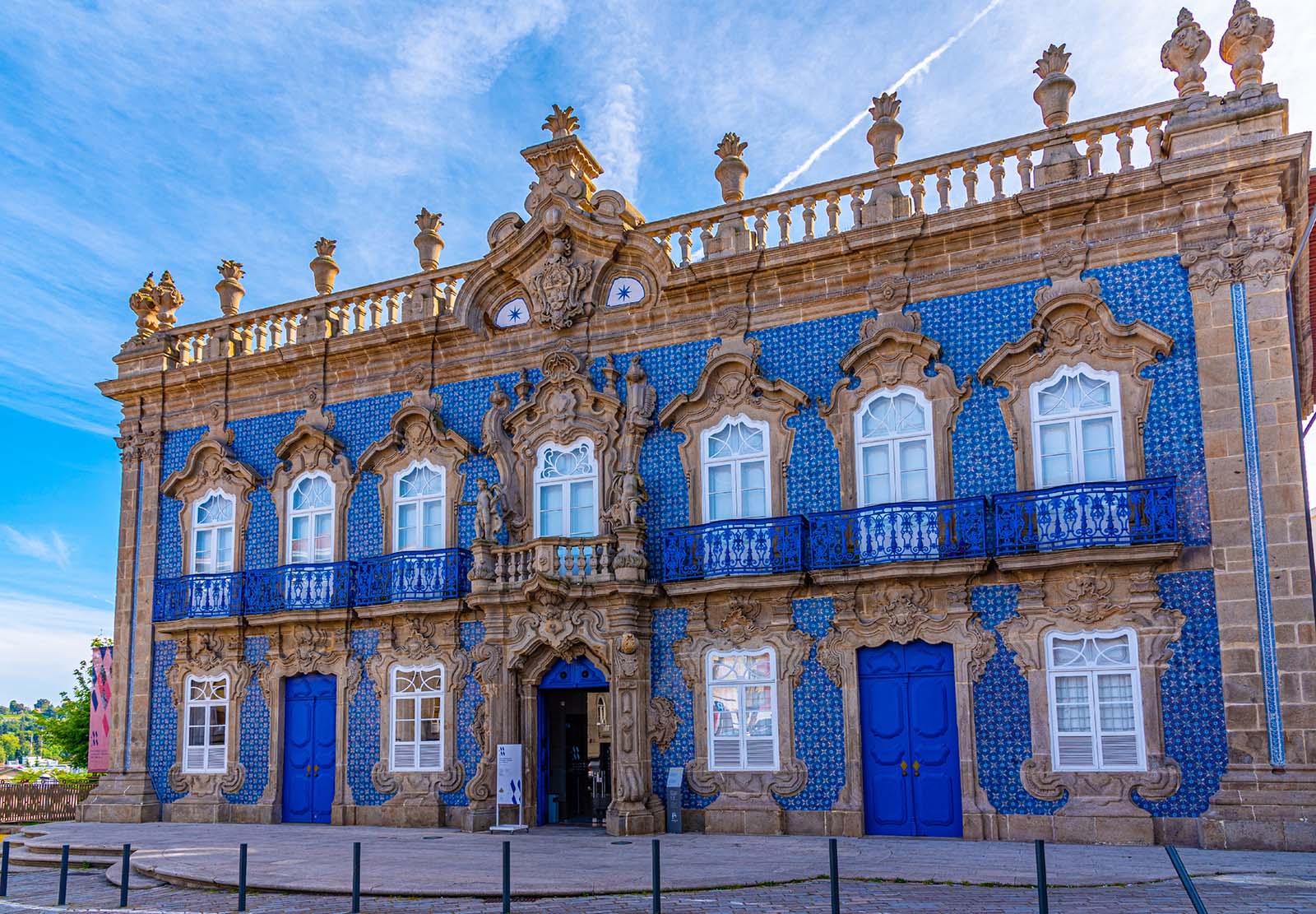
Palacio do Raio’s azulejo tiles showcase Braga’s Baroque splendor © Shutterstock
Crafting Your Minho Itinerary
Minho reveals its layers depending on how long you linger. Here’s how to maximize your visit:
24-Hour Sprint: Base yourself in Braga for a whirlwind tour. Marvel at the zigzagging Baroque staircase of Bom Jesus do Monte (especially atmospheric at dawn), explore the Sé Cathedral’s medieval heart, then savor caldo verde soup at a traditional taberna. Perfect for cruise passengers or Porto day-trippers.
Weekend Escape: Add romantic Guimarães to your Braga stay. Walk the castle walls where Portugal’s first king was born, then contrast it with cutting-edge cuisine at award-winning restaurants. Rent a car for half-day trips – perhaps to Amarante’s photogenic bridge or Póvoa de Varzim’s fishing docks.
5-Day Immersion: This magic number lets you dive deep. Combine city culture with countryside serenity: three nights in a historic hotel (try Braga’s converted convents), then two in a rural quintas near Ponte de Lima. Hike Peneda-Gerês’ trails, learn traditional bread-making in mountain villages, and toast with Vinho Verde where the grapes grow.
10-Day Deep Dive: Live like a local along Portugal’s Green Coast. Start with cities, transition to countryside estates, then conclude with coastal relaxation. Learn surf techniques in Esposende, take boat trips up the Minho River, and time your visit with summer festivals when villages explode with music and flower carpets.
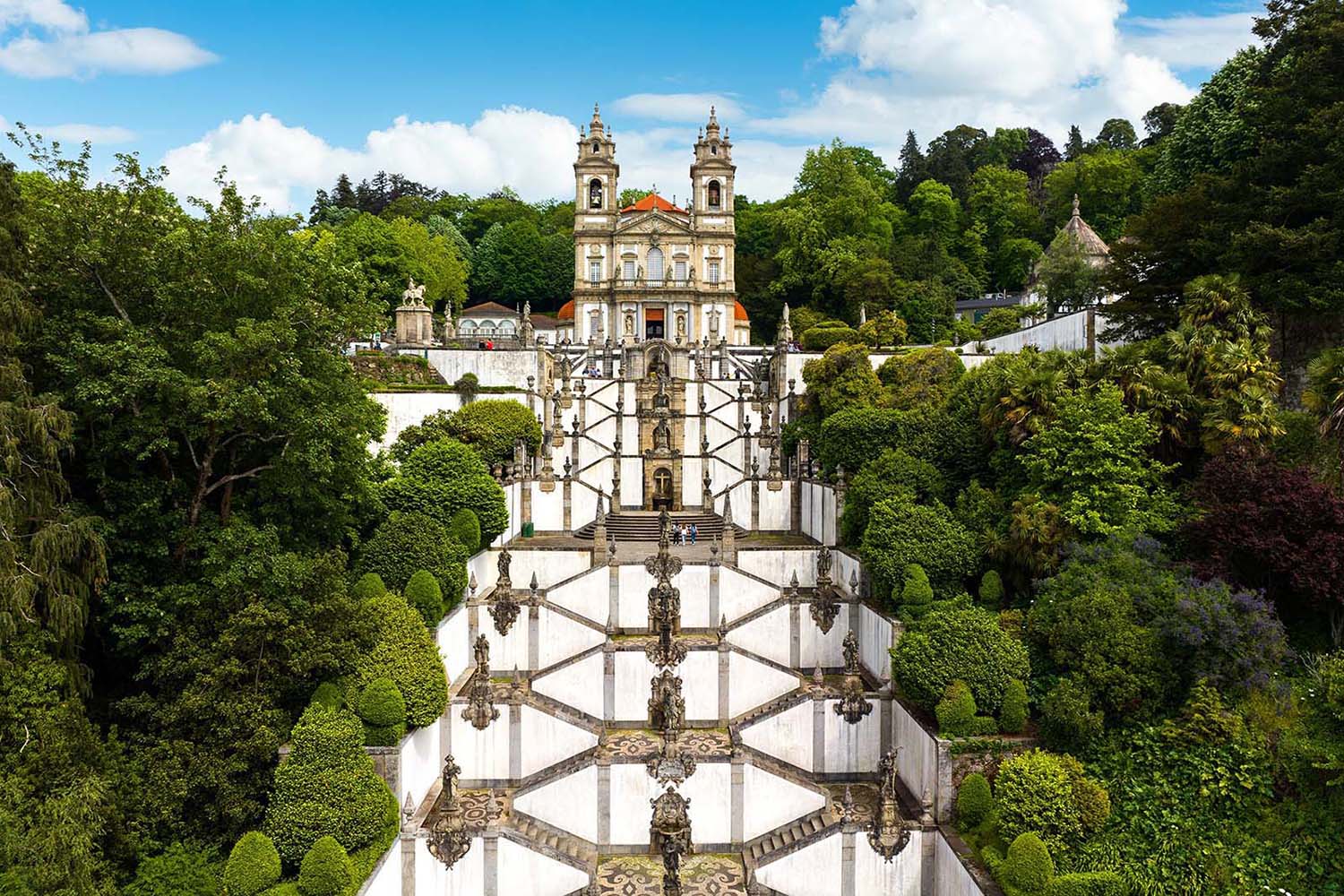
The dramatic stairway to Bom Jesus do Monte offers spiritual and visual rewards © Shutterstock
Where to Rest Your Head: Minho Accommodation Guide
From hilltop castles to vineyard boutique hotels, Minho’s accommodations reflect its diverse landscapes. Consider these bases:
Braga’s Urban Energy: Choose historic center hotels for Gothic charm blended with modern design. The Sé District surrounds you with baroque churches and cafe-lined plazas. Ideal for travelers who want walkable culture and lively evening ambiance.
Guimarães’ Medieval Romance: Opt for refurbished manor houses inside UNESCO-protected walls. You’ll wake to birdsong over terracotta rooftops before exploring Portugal’s birthplace. Perfect for couples and history buffs.
Vineyard Retreats: Work remotely from wine estates between Braga and Viana do Castelo. Many quintas offer cooking classes paired with their crisp Vinho Verde production. Morning walks through emerald vines before breakfast? Yes please.
Mountain Hideaways: Lodges near Peneda-Gerês National Park provide direct trail access. Imagine evenings by stone fireplaces after days hiking to Roman milestones or natural pools. Great for active travelers and nature lovers.
Coastal Hospitality: Atlantic-view guesthouses in Viana or Caminha blend fresh seafood breakfasts with easy beach access. Choose these for family-friendly stays and water sports.
Minho’s Unmissable Highlights
Braga’s Spiritual Soul: Beyond the iconic Bom Jesus sanctuary lies Europe’s oldest archbishopric. The Sé Cathedral’s mix of Manueline, Gothic, and Baroque styles tells Portugal’s religious story in stone. Don’t miss the treasure museum’s 12th-century chalices.
Guimarães’ Birthplace Legacy: More than just a hilltop castle (though that view!), Guimarães charms with its well-preserved medieval center. Join locals eating steak sandwiches at Praça de Oliveira before visiting the Alberto Sampaio Museum’s medieval art collection.
Viana’s Festa da Senhora d’Agonia: Visit in August when Portugal’s most dazzling festival transforms this fishing port. Fishermen carry flower-bedecked boats, streets become floral mosaics, and traditional costumes glitter during all-night celebrations.
Ponte de Lima’s Timeless Beauty: Portugal’s oldest village beautifully straddles the Limia River. Walk Europe’s largest variable-length Roman bridge, then picnic by its medieval tower. The Thursday market continues a 700-year tradition.
Taste of Minho: Culinary Adventures
Minho’s cuisine reflects its landscapes – expect mountain cheeses and smoked meats inland transitioning to seafood feasts near the coast. Essential experiences:
1. Drink Vinho Verde straight from small producers in Melgaço’s hills
2. Learn to make bolas de carne (spiced meat pies) in Monção
3. Catch your octopus lunch at Viana’s fish market
4. Taste arroz de sarrabulho (blood rice stew) in a Braga tavern
5. Follow Rota do Vinho Verde trails with olive oil tastings included
When Minho Shines: Seasonal Guide
Spring (April-June): Wildflowers carpet hillsides, festivals launch, and comfortable temperatures make hiking ideal.
Summer (July-August): Lively festivals reach their peak but expect coastal crowds and warmer temperatures. Cool off in river beaches like Portela do Homem.
Autumn (September-November): Wine harvest transforms landscapes into gold – participate in vineyard pickings by special arrangement.
Winter (December-March): Misty mountain views and fireside evenings – some rural hotels close, but cities remain vibrant.
Beyond the Beaten Path: Minho Secrets
Escape the usual tourist trails with these local favorites:
• Castro Laboreiro’s wolf-tracking routes in Peneda-Gerês
• Soajo’s unique espigueiros (stone grain stores) standing like skeletal sentinels
• Santa Maria da Feira’s nocturnal hot air balloon festival (October)
• The ancient São Torcato Fair mixing mysticism with handicrafts
• Melgaço’s thermal springs – better kept secrets than more famous Portuguese spas
Why Minho Matters Now More Than Ever
In an age of overtourism, Minho offers sustainable sanctuary. The region’s commitment to preserving traditions creates authentic encounters absent from more commercial destinations. Watch artisans weave linen using medieval techniques. Learn ancestral farming methods from villagers. Witness community-run conservation projects protecting Iberian wolves.
The slow travel ethos feels natural here. Meandering drives through river valleys, impromptu picnics overlooking vineyard scenery, afternoons whiled away in village bakeries – this is travel that feeds the soul without exploiting the destination.
Your Minho Adventure Awaits
From the moment you taste your first Vinho Verde overlooking the Lima River to the visceral thrill of standing atop Guimarães’ castle walls, the Minho region etches itself into your travel memories. This is Portugal before mass tourism – proud of its traditions yet welcoming to curious visitors. Whether tracing pilgrimage routes, discussing world-class canned fish with Viano dockworkers, or letting mountain guides reveal hidden swimming holes, Minho delivers connection over checklist tourism.
Discovering Portugal’s Minho Region: A Journey Through Time, Nature, and Culture
Nestled between the Douro River and the Spanish border, Portugal’s Minho region remains one of Europe’s best-kept secrets – a land where medieval castles watch over vineyard-covered hills, granite villages cling to mountain slopes, and Atlantic waves crash against wild, golden beaches. Whether you’re drawn to historic cities, wilderness adventures, or leisurely wine country explorations, this emerald-hued corner of northern Portugal promises unforgettable experiences around every bend in its winding roads.
Where to Stay in the Minho: Tailored Accommodations for Every Traveler
Choosing your base in the Minho determines the rhythm of your journey – whether you want city buzz, romantic hideaways, family-friendly spaces, or nature immersion. Here’s how to match your travel style with the perfect Minho home base:
- For solo travelers: Braga. Portugal’s third-largest city combines walkable historic quarters with youthful energy from its university population. Stay near Sé Cathedral to be steps from baroque churches and taverns serving Vinhão wine, with excellent train links to Porto and Guimarães for easy day trips.
- For couples: Guimarães. Known as Portugal’s birthplace, this UNESCO-listed medieval town transforms into a lantern-lit fairytale after sunset. Book one of the intimate boutique hotels within its ancient walls – imagine wrought-iron balconies overlooking castle towers and private terraces perfect for sharing a bottle of Alvarinho under the stars.
- For families: Lima Valley. The gentle countryside around Ponte de Lima and Arcos de Valdevez serves up kid-friendly adventures. Farm stays offer lamb petting and fruit picking, while rural guesthouses feature pools and gardens. The paved Ecovia cycling path follows the Lima River past Roman bridges perfect for little explorers.
- For nature lovers: Peneda-Gerês National Park. Wake up to misty valleys in a stone-built eco-lodge using wool insulation from local sheep. Hike directly from your doorstep to hidden waterfalls like Tahiti waterfall’s turquoise plunge pools, returning to stargaze from wood-fired hot tubs as wild Garrano horses roam nearby hills.

Peneda Geres National Park, Portugal @ Shutterstock
11 Unforgettable Experiences in Portugal’s Minho Region
Beyond choosing where to sleep, the Minho enchants with activities blending history, nature, and gastronomy. Here’s how to immerse yourself authentically in Portugal’s cultural heartland:
1. Ascend the Spiritual Staircase of Bom Jesus do Monte
Braga’s hilltop Sanctuary of Bom Jesus do Monte isn’t just a church – it’s an architectural allegory of spiritual ascent. The famous Zigzag Staircase challenges visitors to climb 581 steps through three symbolic levels:
- The Portico of the Five Senses: Baroque fountains representing sight, smell, hearing, taste, and touch
- The Stairway of Virtues: Statues embodying faith, hope, and charity
- Mount Calvary: Chapels depicting Christ’s Passion
Pro tip: Arrive at sunrise when morning mist shrouds the valley, creating an ethereal atmosphere. Reward your climb with café com leite at the hilltop café while panoramic views emerge over Braga’s red rooftops.
2. Walk Where Portugal Was Born in Guimarães
Step inside the cradle of Portuguese nationhood where Afonso Henriques declared independence in 1128. The story unfolds through three iconic sites:
Guimarães Castle: Climb the keep’s spiral staircase for views over terracotta rooftops to distant mountains. Run your hands along the same granite walls where knights once stood watch.
Ducal Palace: Marvel at 15th-century Flemish tapestries in this Burgundian-style residence, then admire its unique chimneys from the herb garden below.
Historic Center: Lose yourself in Largo da Oliveira square, where gothic arches frame al fresco diners enjoying bacalhau à Braga (salt cod gratin). Evening transforms the quarter as wrought-iron lanterns cast golden light on medieval façades.

Aerial View of Guisi Lighthouse in Guimaras © Shutterstock
3. Discover Layers of History in Braga’s Living Museum
Portugal’s religious capital rewards slow exploration. Beyond its famous cathedral, these experiences reveal Braga’s soul:
Sé Cathedral & Treasury: Admire the Romanesque arches where Portugal’s first king was baptized before viewing extraordinary relics – an intricately carved 14th-century ivory Virgin Mary, and gem-encrusted chalices displayed in dimly-lit vaults.
Holy Week Processions: Time your visit for Semana Santa when hooded penitents carry flower-covered floats through streets strewn with rosemary. The scent of incense mixes with mournful chants for an unforgettable atmosphere.
Contemporary Surprises: Contrast ancient sites with modern wonders like the swirling steel façade of the new International Guitar Center, hosting fado performances in its acoustically-perfect auditorium.
4. Cross Myth and History at Ponte de Lima
Roman legions established Portugal’s oldest chartered town in 1125, but Ponte de Lima’s magic lies in blending antiquity with living traditions. Don’t miss:
The Roman Bridge: Walk its humpbacked arches at sunset when golden light reflects off the Lima River. According to legend, Roman soldiers feared crossing what they believed was the Lethe – myth’s river of forgetfulness.
Feira Quinzenal: Experience Portugal’s longest-running market (every other Monday since 1125). Farmers display sacks of scarlet-podded Feijão Vermelho beans alongside craftsmen selling hand-carved butter molds, while smoke curls from grills cooking cabrito assado (roast kid goat).
Golf Course Roman Villa: Few visitors realize the town’s nine-hole golf course surrounds a 1st-century villa with remarkably preserved mosaic floors featuring geometric patterns and mythological scenes.
5. Taste Viana do Castelo’s Seafaring Soul
Where the Lima River kisses the Atlantic, Viana do Castelo reveals maritime heritage through architectural jewels and living traditions:
Santa Luzia Basilica: Ride the 1923 funicular up Monte de Santa Luzia for panoramic vistas, then step inside the Byzantine-Romanesque basilica to admire rose windows scattering rainbow light over the marble interior.
Gil Eannes Hospital Ship: Board this floating museum to see where cod fishermen received treatment during perilous Newfoundland voyages. Guides share gripping tales of 1950s life aboard the “Lifesaver of the Frozen Seas.”
Festas da Senhora d’Agonia: Visit in August when streets explode with floral carpets during Portugal’s most spectacular folk festival. Watch women parade in elaborate gold filigree jewelry weighing up to 12 pounds – heirlooms protected for generations.
6. Trek Through Paradise in Peneda-Gerês National Park
Portugal’s sole national park offers wilderness adventures across 270 square miles of glacier-carved valleys and forgotten villages. Top experiences include:
Waterfall Hopping: Cool off in natural infinity pools beneath cascades like Tahiti, Arado, and Fecha de Barjas. Early autumn brings golden foliage framing these emerald pools.
Espigueiros Trail: Hike between the elevated granite granaries of Soajo and Lindoso, medieval structures standing on mushroom-shaped legs to deter rodents. Some still store corn harvested by descendants of their 18th-century builders.
Brandas & Inverneiras: Discover ancient transhumance patterns in villages like Sistelo. Farmers still move livestock between brandas (summer pastures) and inverneiras (winter valleys), maintaining traditions visible in stone-walled fields nicknamed “the Portuguese rice terraces.”
7. Sip Liquid Gold Along the Vinho Verde Route
The Minho’s humid climate creates Portugal’s unique “green wines” – crisp, slightly effervescent whites perfect for summer. Tour family-run quintas to:
- Stroll among vines trained on pergolas high above the ground
- Taste minerally Alvarinhos in Monção/Melgaço subregion
- Pair floral Loureiro varietals with grilled sardines
- Discover rare red Vinhão at rustic adega cooperativas
8. Surf Portugal’s Wild Northern Coast
While Algarve beaches crowd with tourists, the Minho’s Atlantic coast serves up dramatic scenery and empty waves. Base yourself in Ofir or Vila Praia de Âncora for:
Cabedelo Beach: Consistent beach break waves ideal for beginners, with surf schools offering lessons under former fishing sheds converted to cool beach bars.
Moledo do Minho: Challenge experienced surfers at this reef break with views of Spain’s Santa Tecla mountain rising across the river estuary.
Post-Surf Rituals: Warm up with caldo verde (kale soup) at cliff-top cafes, followed by fiery ginginha cherry liqueur shared with salty-haired locals.
When to Visit Portugal’s Minho Region
The Minho shines year-round with distinct seasonal charms:
- Spring (April-June): Wildflowers blanket national park trails, Holy Week fills Braga with processions
- Summer (July-August): Folk festivals in Viana, river beaches buzzing, vineyards lush – book ahead
- Autumn (September-October): Golden vineyards during grape harvest, warm seawater for surfing
- Winter (November-March): Snow-dusted peaks in Gerês, romantic city breaks with fewer crowds
No matter when you visit, Minho’s magic lies in its authenticity. Unlike southern Portugal, mass tourism hasn’t diluted traditions here. Farmers still plow fields with oxen, grandmothers hang laundry outside stone cottages, and village bakeries sell broa de milho cornbread warm from wood-fired ovens. Come with curiosity and slow down – this green wonderland rewards travelers willing to wander beyond Portugal’s beaten paths.
The Enchanting Minho: Portugal’s Secret Garden of Green Wines and Golden Memories
Imagine a place where vineyards climb like green waterfalls over granite pergolas, where Roman roads wind through time-forgotten villages, and where every meal feels like a grandmother’s embrace. Welcome to Portugal’s Minho region – a land of misty mountains, hearty flavors, and traditions older than the nation itself.
Follow the Wine Routes Through Emerald Valleys
The Minho cradles Portugal’s most refreshing secret – vinho verde. Not actually green, this “young wine” dances in your glass with playful bubbles and a crisp acidity that perfectly cuts through summer heat. The Lima and Cávado river valleys form nature’s own wine cellar, where generations of families have trained vines up towering pergolas like living tapestries.
Unlike the formal wine experiences of Douro Valley, Minho’s quintas welcome you like distant cousins. Winemakers might pour your tasting while sharing stories about their grandfather’s first vineyard. Pair that citrusy Alvarinho with tangy Serra da Estrela cheese and delicate presunto ham under chestnut trees older than your passport. Suddenly, you’re not just sipping wine – you’re tasting centuries of tradition.

Discover why the Cavado River Valley is called Portugal’s “Green Cathedral” © Sergey Peterman/Shutterstock
Unwind on Wild Atlantic Beaches
Forget the crowded Algarve – Minho’s coastline whispers secrets to those who seek untamed beauty. Picture wide ribbons of golden sand framed by rolling dunes and fragrant pine forests. At Cabedelo and Afife beaches, the Atlantic delivers exhilarating waves that surfers chase like maritime cowboys.
But our favorite is Moledo Beach, where the Minho River kisses the ocean. Here, you can wade in calm tidal pools while watching Spain shimmer across the water. After beachcombing, follow your nose to wooden kiosks grilling plump sardines rubbed with sea salt and served with the region’s signature vinho verde. It’s coastal Portugal exactly as your dream vacation imagined it.
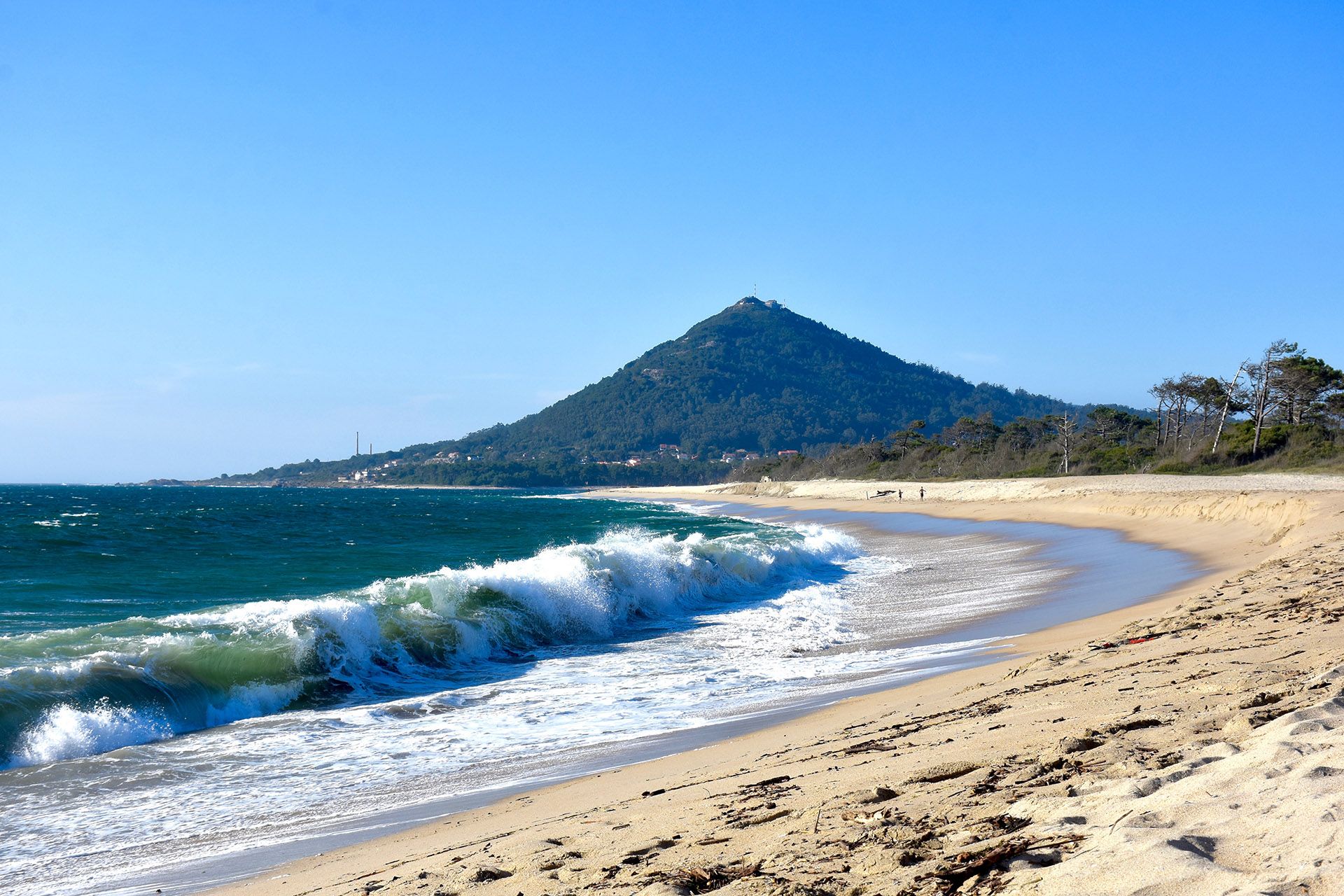
The pristine beauty of Moledo Beach – where Portugal meets Spain © Vita Borges/Shutterstock
Step Back in Time at Ancient Sites
The Minho’s story began long before Portugal existed. At Citânia de Briteiros near Guimarães, walk among the ghostly stone circles of Iron Age homes where Celtic tribes cooked meals nearly 3,000 years ago. Time your visit for sunset when long shadows make the carved warriors on Pedra Formosa stones seem ready to speak.
Don’t miss crossing the Minho River to Spain’s Castro de Santa Trega – a hillfort offering panoramic views of where two countries become one landscape. Back in Portugal, keep eyes peeled for mysterious dolmens (ancient stone tombs) peeking through farmer’s fields like nature’s own time capsules.
Dance in the Streets During Festas
If church bells don’t wake you in Minho villages, festival fireworks will. This region hosts Portugal’s most exuberant celebrations. In August, Viana do Castelo explodes during Romaria da Senhora da Agonia – imagine women balancing towers of golden jewelry while marching to pounding drums.
Ponte de Lima’s Feira do Cavalo showcases the region’s magnificent horses in parades that make Andalusian exhibitions look tame. But the real magic happens at tiny village festas where grandmothers grill sardines while children dance to traditional vira music. Join in – even two left feet earn smiles here.
When Nature Paints the Minho: Seasonal Secrets
The Minho wears different crowns through the year – each more splendid than the last. Understanding its seasonal moods ensures you witness this northern wonderland at its best.
Spring’s Floral Love Song (March-May)
As March whispers through vine buds, the Minho erupts in wildflower confetti. Days hover around 63°F (17°C) – perfect for hiking Gerês mountain trails alongside rushing waterfalls swollen with snowmelt. Hotels average €70-€95 as pilgrims flood Braga for Portugal’s most dramatic Holy Week processions.
Summer’s Golden Embrace (June-August)
Warm days averaging 82°F (28°C) bring beach crowds and festa fever. Book months ahead for coastal towns where rooms hit €90-€130. Seek relief inland where castle-cooled wine cellars promise 58°F (14°C) perfection year-round. August nights blaze with Viana’s fireworks reflecting off the Lima River.
Autumn’s Harvest Feast (September-November)
September’s 78°F (25°C) warmth lingers as vineyards hang heavy. Join grape harvests rewarded with vineyard lunches at long wooden tables. As leaves turn gold, Peneda-Gerês trails crunch underfoot while room rates dip to €60-€85. By November, bring rain jackets for hauntingly beautiful misty castle hikes.
Winter’s Quiet Romance (December-February)
Embrace cozy taverns where €50-€70 rooms let you linger. Though rainy, momentary sun breaks reveal frost-kissed vineyards and steamy bowls of caldo verde soup. Expect 50°F (10°C) days perfect for empty Roman bridge photos and fireside tales with winemakers now bottling next year’s vintage.
A Food Lover’s Pilgrimage Through the Minho
Minho cuisine mirrors its landscape – hearty, verdant, and generous. Dishes rooted in Celtic, Roman, and Moorish traditions satisfy like grandmotherly love. Here’s how to feast like royalty without the castle budget:
Cozinha de Amanhã (Tomorrow’s Kitchen)
Visit family-run tascas where menus change with market catches. Start with broa de milho – cornbread so crusty you’ll fight for the last crust. Dive into caldo verde soup where smoky chouriço swims with kale ribbons. For mains, nothing beats arroz de sarrabulho – a blood rice stew that sounds daring but tastes like comfort incarnate.
Seafood from River to Sea
Coastal spots serve percebes (gooseneck barnacles) worth every penny of their “white gold” price. Inland, river trout grilled with presunto ham proves mountains know seafood too. Don’t miss lampreia à Minhota – eel-like lamprey cooked in vinho verde and its own blood. Sounds intense, but rides the line between adventurous and addictive.
Sweet Endings
Save room for toucinho do céu – “heaven’s bacon” almond cakes that dissolve like sugary clouds. Or try pudim Abade de Priscos – a rich egg pudding perfumed with port wine and cinnamon. Brace yourself: Minho pastries are so good they’ve inspired sonnets.
Where to Savor Authentic Flavors
In Braga, O Jacó serves rojões (marinated pork cubes) in a 15th-century stone cellar. Ponte de Lima’s Tasca do Alberto crafts modern twists on grandma’s recipes using hyper-local ingredients. For seafood theater, Moledo’s wooden Cabedelo restaurant delivers whole fish grilled over almond wood while waves crash nearby.
Why the Minho Steals Hearts
There’s magic in how Minho’s landscapes and traditions entwine. Whether you’re tracing Roman stones smoothed by countless sandals, sharing wine from generations-old vineyards, or joining villagers dancing under festival lights, you become part of something timeless.
This is Portugal’s soul territory – where “saudade” (longing) was born, and where memories linger like morning mist on the Lima River. Come for the wines, stay for the warmth, leave forever changed. The Minho awaits with open arms and a glass of something cool and green.
Minho: An Unforgettable Gateway to Portugal’s Soul
Picture this: endless vineyards cascading down rolling hills, medieval castles standing guard over cobblestone villages, and the scent of roasting chestnuts wafting through ancient town squares. Welcome to Portugal’s Minho region – where history breathes through stone walls, traditions remain vibrantly alive, and every meal feels like a homecoming. As the cradle of Portuguese nationhood and vinho verde wine culture, this lush northern territory invites travelers to slow down and savor authentic Iberian life at its most captivating.
The Beating Heart: Towns of Minho
The Minho reveals its personality through four extraordinary towns, each offering distinct flavors of northern Portuguese culture:
Braga: Sacred City of Baroque Splendor
Dubbed the “Portuguese Rome” for its astonishing concentration of churches, Braga’s spiritual energy pulses through every narrow alley. The zigzagging staircases of Bom Jesus do Monte create one of Europe’s most remarkable religious landscapes – climb them at sunset when golden light washes over the pink granite fountains. Don’t miss the Saturday market around Arcada Square, where elderly farmers sell fist-sized cabbages next to women embroidering delicate regional costumes.
Guimarães: Where Portugal Took Its First Breath
Walking through Guimarães’ UNESCO-protected center feels like stepping into an illuminated manuscript. At the hilltop castle where Portugal’s first king was born, you can still touch stones laid in the 10th century. The olive-tree shaded Largo da Oliveira square comes alive each evening as generations mingle over bifanas (pork sandwiches) and glasses of verde tinto – the region’s distinctive young red wine.
Viana do Castelo: Bride of the Atlantic
Where the Lima River kisses the ocean, this maritime jewel dazzles with azulejo-clad buildings and fishermens’ cottages painted in carnival colors. Ride the clanking elevator up Santa Luzia Basilica’s dome for panoramic views stretching from surf-pounded beaches to the undulating Minho countryside. Time your visit for August’s Romaria d’Agonia festival when streets transform into rivers of folk costumes and marching bands.
Ponte de Lima: Fairy-Tale Riverside Charm
Portugal’s oldest village exudes storybook magic with its Roman bridge reflected in still waters and flower-decked balconies overflowing with geraniums. On alternate Thursdays, one of the country’s largest traditional markets spreads along the riverbanks – a sensory feast of chirping chicks, hand-woven linens, and old farmers decanting ruby-red vinho tinto from oak barrels directly into customers’ jugs.
Peneda-Gerês: Portugal’s Wild Mountain Sanctuary
Beyond the vineyard-dotted valleys lies Portugal’s only national park – a 270-square-mile wilderness of granite peaks, foaming waterfalls, and villages where time moves to medieval rhythms. Here’s how to experience its magic:
Seasonal Splendors
Spring paints Gerês in technicolor wildflowers and fills streambeds with snowmelt ideal for waterfall chasing. Summer brings perfect conditions for swimming in natural pools like Tahiti Beach’s turquoise waters. Come autumn, the landscape erupts in golden hues while villages harvest chestnuts and smoke presunto ham. Even winter captivates with misty valleys and hearthside cuisine.
Villages Frozen in Time
Don’t miss Pitões das Júnias, where stone houses huddle like sheep against the mountains, or Castro Laboreiro’s hilltop fortress watching over espigueiros granaries. In Soajo, photographer-favorite granite grain stores perch on mushroom-shaped stones with breathtaking valley views.
Adventure Awaits
- Trek between mountain villages along ancient Roman roads
- Spot Garrano wild horses galloping through morning mists
- Kayak across Caniçada Reservoir’s glassy waters
- Go canyoning down the Arado River’s natural waterslides
- Join park rangers tracking Iberian wolves (from a distance!)
A Feast for the Soul: Minho Cuisine
In Minho’s kitchens, grandmothers’ recipes reign supreme. This is hearty peasant cooking elevated to art – expect platters overflowing with slow-cooked meats, catch-of-the-day river fish, and vegetables so fresh they still smell of earth. Meals unfold in family-run tascas where checking your watch feels sacrilegious and carafes of young vinho verde keep flowing.
Iconic Flavors to Savor
- Arroz de Sarrabulho: Not for the faint-hearted, this rich rice dish gets its burgundy hue from pork blood and deep flavor from cumin and cinnamon. Traditionally served with rojões – succulent fried pork chunks – it’s Ponte de Lima’s ultimate comfort food.
- Bacalhau à Minhota: Portugal’s beloved salt cod gets a northern twist, pan-fried with peppers and onions then roasted with thinly sliced potatoes until everything caramelizes into savory perfection.
- Lamprey Spectacle: Each spring, these ancient eels migrate up Minho’s rivers, inspiring festivals and rich stews where lampreys swim in wine-dark sauces. Brave foodies swear by this medieval delicacy’s unique flavor.
- Caldo Verde: Deceptively simple kale-and-potato soup transforms into velvetiness with slices of smoky chouriço. Locals claim Braga’s nuns perfected this national staple.
- Rabanadas: The Minho’s answer to French toast – thick brioche soaked in wine-scented custard, fried golden, and dusted with cinnamon. Best enjoyed after Sunday lunch while uncles argue about football.
Culinary Havens Worth the Journey
- O Brasão (Ponte de Lima): Walls hung with copper pots frame feasts of sarrabulho and vinho served in traditional ceramic pitchers. Come hungry – portions could feed a medieval army.
- Taberna do Trovador (Guimarães): This vaulted stone cellar feels plucked from the 12th century. Their bacalhau à Brás (shredded cod with crispy potatoes) pairs beautifully with Alvarinho white wine.
- Restaurante São Frutuoso (Braga): A locals’ secret just outside town, serving textbook-perfect cabrito assado (roast kid goat) and Portugal’s creamiest arroz doce rice pudding.
- Tasquinha da Linda (Viana do Castelo): Watch fishing boats unload your lunch at this dockside gem. Their ameijoas à bulhão pato (clams in garlic-cilantro broth) demands bread for sopping.
- Pastelaria Clarinha (Guimarães): The namesake pastry – delicate puff parcels filled with almond cream – pairs wonderfully with their strong bica coffee. Perfect for afternoon people-watching.
Crafting Your Perfect Minho Journey
The Minho rewards those who wander slowly and dive deep into local rhythms. These curated experiences reveal the region’s authentic heart:
Braga & Bom Jesus Immersion
Spend a morning tracing 2,000 years of history from Roman thermal baths to Braga Cathedral’s stunning Manueline chapels. After lunch at a traditional tasca with nuns’ egg-yolk desserts, ascend to Bom Jesus. Climb the striking Baroque stairway’s 577 steps (or ride the gravity-powered water elevator) as pilgrims have done for centuries.
Guimarães Birth of a Nation
Stand where Portugal’s first king took his oath in Guimarães Castle’s keep, then explore the fairy-tale Ducal Palace. Wander through Largo da Oliveira’s medieval arcades before crafting your own clay pottery under a master artisan’s guidance.
Portugal’s Northern Soul
Combine Minho with other northern treasures: follow Douro Valley’s wine roads, explore Porto’s riverside cellars, then contrast with Minho’s emerald landscapes and historic villages. This 10-day journey reveals Portugal’s beautiful duality.
Family Expeditions
Kids become castle explorers with treasure hunts through Guimarães, learn to make traditional bread in Gerês mountain villages, and splash in natural river pools. Even picky eaters devour bifana sandwiches at rustic picnic stops.
Vinho Verde Voyage
From boutique quintas to family vineyards, meet winemakers preserving ancient techniques. Taste crisp Alvarinhos overlooking Lima River valleys and full-bodied vinhão reds in atmospheric stone lagares (wine presses).
Travel Smart: Minho Essentials
When to Visit
May-June and September-October promise pleasant temperatures and fewer crowds. July-August brings festive energy (and higher prices). Winter offers misty landscapes and hearthside dining minus tourist bustle.
Getting Around
While trains connect major towns, renting a car unlocks hidden valleys and mountain villages. For urban exploring, Braga and Guimarães have excellent local buses and taxis.
Unique Souvenirs
- Barcelos rooster figurines (Portugal’s iconic good luck symbol)
- Viana do Castelo filigree heart jewelry
- Handwoven Arcos de Valdevez linen
- Artisanal sausages from Monção markets
- Clay pottery from traditional olarias (workshops)
Cultural Tips
Dinner starts late (8-10PM), villages still observe siesta (1-3PM), and Sunday remains sacred family time. A basic “por favor” (please) and “obrigado/a” (thank you) opens hearts everywhere.
The Minho offers more than a vacation—it delivers an immersion into Portugal’s living history and culinary soul. From vineyard-draped valleys where wine flows like water to mountain trails where wild horses roam free, this northern sanctuary writes itself into your memory across incredible meals and warm encounters. Whether tracing Roman roads in Braga, celebrating in Guimarães’ medieval squares, or feasting on generations-old recipes at rustic taverns, you’ll find Portugal’s essence flows strongest here at its green, beating heart.


🌟 The Travaloca Travel Editors Community is a dynamic collective of individuals united by their passion for travel and their dedication to high-quality content creation. This community serves as the driving force behind Travaloca's informative and engaging travel resources. ✨ Core Identity: This group consists primarily of passionate travel enthusiasts who have turned their love for exploration into a commitment to writing and content curation. Members are recognized for their: Extensive Travel Experience: Possessing valuable firsthand knowledge from their journeys worldwide. Aptitude for Writing and Editing: Demonstrating a keen interest and skill in crafting, reviewing, and perfecting travel narratives, guides, tips, and reviews. Dedication to Storytelling: Transforming personal experiences and destination knowledge into accessible, inspiring, and reliable information for a global audience. 📝 Community Focus: The community’s primary role is to contribute, edit, and maintain the diverse range of content on Travaloca's platform. They ensure the information provided is accurate, engaging, and reflective of current travel trends. In essence, the Travaloca Travel Editors Community is where travel passion meets editorial excellence, enriching the user experience and solidifying Travaloca’s standing as a trusted travel resource.


