
Discovering Lisbon’s Vibrant Soul: The Ultimate Guide to Bairro Alto
Lisbon holds many secrets, but none quite as delightfully contradictory as Bairro Alto. By day, this historic quarter wears the relaxed demeanor of a local artisan – all sun-drenched cobblestone streets, independent boutiques, and walls transformed into urban art galleries. But as twilight falls over the Seven Hills, a transformation occurs. The neighborhood slips into its evening attire, becoming Portugal’s most electric nightlife destination where fado melodies mingle with the clink of ginjinha glasses and laughter spills from crowded taverns.
Nestled west of Baixa district, this elevated enclave rewards visitors with more than just nocturnal adventures. Beyond the mosaic of bars lining Rua da Atalaia, you’ll discover architectural treasures, hilltop panoramas, and quiet squares where Lisbon’s true character unfolds at a leisurely pace. Whether you’re planning romantic sunset views or hunting for the perfect petiscos (Portuguese tapas), let’s unravel why this neighborhood deserves top billing on your Lisbon itinerary.
Conquering the Hill: Your Transportation Guide to Bairro Alto
Reaching Lisbon’s upper town presents a delicious dilemma: earn your pastéis de nata calories with a cardio climb or arrive in vintage style via the city’s iconic transport. While sturdy walking shoes will serve you well on charming ascents like Calçada da Glória, why not embrace local tradition aboard one of the city’s historical funiculars?
The Funicular Experience: Riding Lisbon’s Moving Monuments
These bright yellow carriages aren’t mere transportation – they’re time machines rattling through Lisbon’s history. Their charming persistence against the city’s steep gradients has made them both UNESCO-listed heritage and practical commuter vehicles.
- Elevador da Glória: Your direct route from Praça dos Restauradores drops you precisely where you want to be – at Rua São Pedro de Alcântara. As you disembark, pause at the neighboring viewpoint where red rooftops cascade toward the Tagus River.
- Elevador da Bica: For photographers and romantics, this postcard-perfect route through artfully crumbling façades deposits travelers near Rua Loreto, just steps from Bairro Alto’s western edge.
- Elevador de Santa Justa: Though technically a lift rather than a funicular, this neo-Gothic marvel designed by a student of Eiffel connects Baixa to Carmo Convent. From its wrought-iron observation deck, it’s a short downhill stroll to the neighborhood’s eastern perimeter.
Pro Travel Tip: Purchase a reusable Viva Viagem card (€0.50) at any metro station, charging it with zapping credits for seamless funicular and tram rides throughout your stay. Single tickets (€3.80 via cash) add up quickly for multiple climbs!

Lisbon tram @ Shutterstock
Bairro Alto Unleashed: 6 Unmissable Experiences Beyond the Nightlife
While moonlit revelry defines Bairro Alto for many, the district reveals intricate layers when explored by daylight. From sacred spaces with shocking opulence to botanical time capsules, here’s how to craft your perfect Lisbon day in this multifaceted neighborhood.
1. Igreja de São Roque – Europe’s Most Deceptively Plain Church
Gaze up at its simple Renaissance façade and you might walk right past São Roque Church – which would be Lisbon’s greatest travel tragedy. Step inside to confront what 16th-century missionaries considered tasteful decoration: a delirious explosion of gold leaf, rare marbles, and enough lapis lazuli to sink a galleon. Don’t miss the Capela de São João Baptista – constructed entirely in Rome using ivory, porphyry, and agate before being dismantled, shipped to Lisbon, and reassembled like the world’s most expensive IKEA project.
Hidden Gem: The Underrated Museu de São Roque
Connected to the church, this compact museum houses religious treasures that missed the chapel cut. Beyond the expected silver chalices, seek out the intricate embroidery of vestments dating to Portugal’s Age of Exploration, offering tactile connections to seafarers who once prayed here before rounding the Cape of Good Hope.
2. Convento do Carmo & Museu Arqueológico – Lisbon’s Earthquake Moment Frozen in Time
The 1755 earthquake that leveled much of Lisbon left these Gothic arches roofless but standing – creating Europe’s most poignant architectural wound. Today, open to sun and stars where incense once swirled, the ruins function as both memorial and art space. Modern sculptures juxtapose against medieval stone, while the adjoining archaeological museum displays a fascinatingly random collection including Roman mosaics, Visigothic jewelry, and a Peruvian mummy preposterously far from home.
3. Praça do Príncipe Real – The Neighborhood’s Sophisticated Green Heart
Flee the nightlife bustle for this elegant square where giant cedar trees drape shade over leisurely locals. The 19th-century palacetes lining the perimeter now house concept stores worth browsing – especially Embaixada, a neo-Moorish palace reinvented as Lisbon’s coolest design emporium. By day, kids conquer the playground while retirees debate politics over €1 espresso. Come evening, rainbow flags announce Lisbon’s LGBTQ+ hub with lively terrace bars and drag queen-hosted karaoke nights.

The Bairro Alto neighbourhood in Lisbon
4. Museu da Água – Lisbon’s Secret Underground Cathedral
Beneath the whimsical Custódio Galharda fountain lies an architectural marvel few tourists discover: a 19th-century subterranean reservoir resembling an underground basilica. Descend into cool darkness where 31 mighty pillars support vaulted ceilings stretching 100 meters – a temple honoring water’s life-giving power. Adventurous spirits can continue through a 410-meter brick tunnel built without modern tools, emerging blinking at Miradouro de São Pedro de Alcântara. Note: Mild claustrophobia may be triggered in the passageway section.
5. Jardim Botânico – A Global Garden Rooted in Colonial Ambition
Tucked behind unassuming gates south of Príncipe Real, Lisbon’s botanical gardens unfold as a swashbuckling tale of Portuguese exploration. Palms from Brazil stand alongside Japanese camellias and African ferns – living trophies gathered when Portugal’s ships ruled sea routes. The romantic ruins of an old greenhouse frame Instagram-perfect tropical lily ponds. For nature lovers, the garden offers cool retreats under monumental fig trees; families adore Lugartagis butterfly house where jewel-toned wings flutter between flowering vines.
6. Miradouro de São Pedro de Alcântara – Lisbon’s Greatest Free Show
All roads in Bairro Alto eventually lead to this panoramic terrace where Lisbon unfurls like a pop-up book. From the hilltop castle to the glittering river, the view captures every Lisbon cliché while remaining utterly authentic. By day, you’ll find artists sketching the skyline and elderly locals debating football over card games. As sunset paints the terracotta roofs golden, students share cheap bottles of vinho verde while street musicians provide the soundtrack. The kiosk bar serves decent drinks, but for authentic vibes, grab supermarket snacks and claim a bench as your front-row seat to Europe’s most charismatic capital.
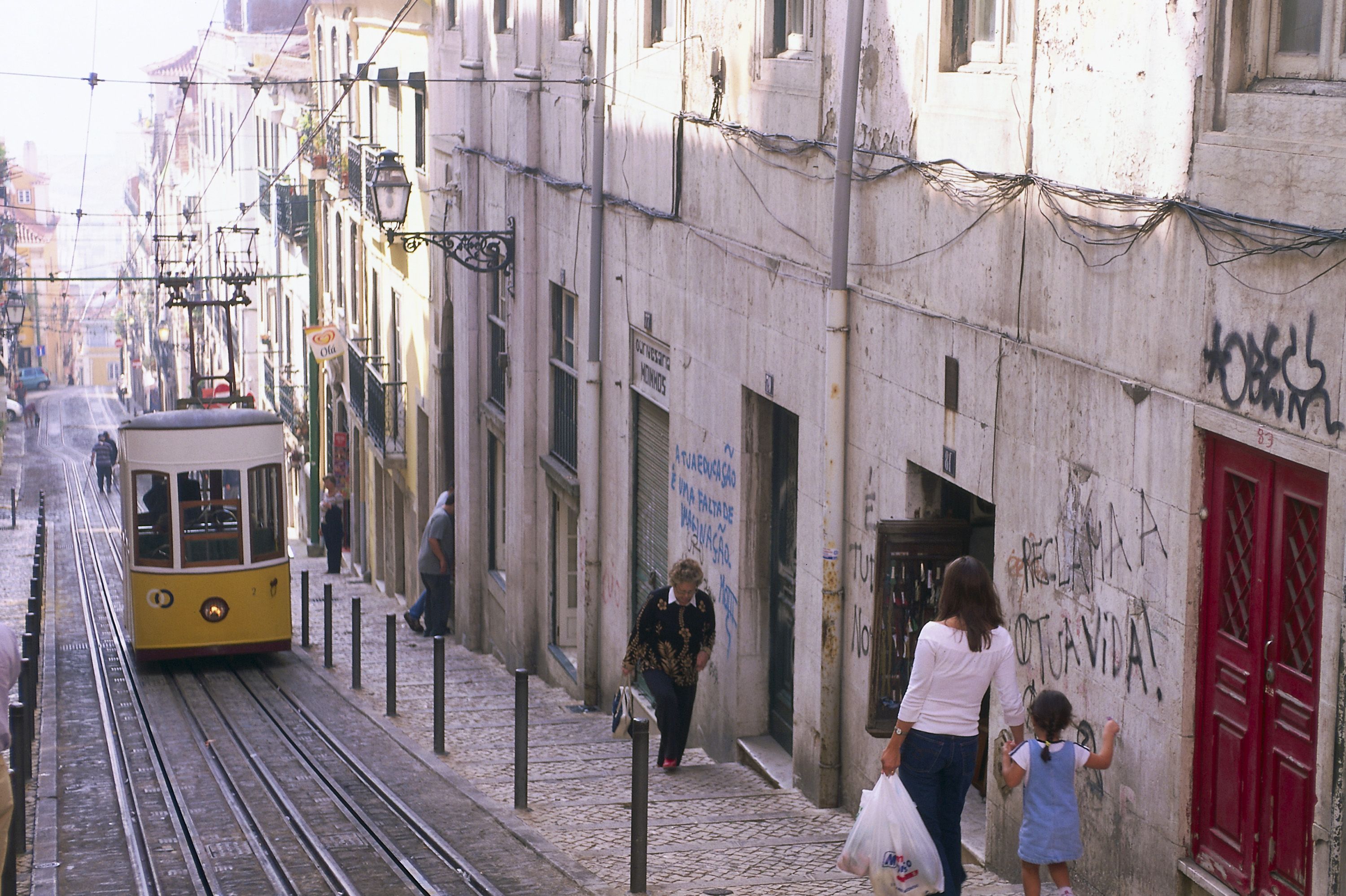
Portugal, Lisbon
Nightfall in Bairro Alto: Where Lisbon Dances Until Dawn
As street lamps flicker on around 10 PM, Bairro Alto undergoes its daily metamorphosis. Restaurant kitchens shift from preparing bacalhau to plating petiscos. Fado houses draw velvet curtains closed as younger crowds cluster outside tiny bars where €2 beers fuel animated conversations. The neighborhood’s beauty lies in its democratic revelry – groups spill onto cobblestones clutching plastic cups, hopping between watering holes displaying more creativity than square footage allows.
Navigating the Nightlife:
- Pre-dinner drinks kick off around 7 PM in specialty ginjinha spots like A Ginjinha, serving Portugal’s sour cherry liqueur since 1840
- Fado experiences range from touristy shows to intimate casas de fado like Os Ferreiras requiring dinner reservations
- Trendy cocktail dens like Red Frog (accessed via hidden telephone booth) cater to upscale crowds after 11 PM
- Students cluster around Park Bar – a rooftop oasis atop a parking garage (Rua do Comércio 160)
Local Etiquette Tip: Street drinking is acceptable but buy from local businesses rather than bringing outside beverages. Strict noise regulations mean crowds migrate to Cais do Sodré clubs or riverside after 2 AM.
Bairro Alto Beyond the Checklist: Unexpected Delights
To truly savor this neighborhood, abandon your to-do list and embrace serendipity. Follow your nose to A Muralha, where flaky pastéis de bacalhau (codfish fritters) emerge fresh from ovens older than your grandparents. Duck into LX Boutiques for Portuguese-designed leather bags created in hidden upstairs workshops. Challenge locals to a game of petanque near Miradouro de Santa Catarina at dusk, rewarding winners with pasteis de nata from Manteigaria.
In Bairro Alto, the real magic happens between guidebook entries – when a spontaneous conversation with a sardine shop owner leads to fado house recommendations, or when turning down an unmarked alley reveals a vertical garden cascading down four stories of vine-draped balconies.
A Neighborhood for All Seasons
While summer nights buzz with festival energy, Bairro Alto reveals subtler charms off-season. Winter transforms the quarter into a cozy labyrinth; raindrops glisten on tiled façades as the scent of roasting chestnuts drifts from street carts. Locals swarm charmingly cramped bookstores like Livraria da Travessa or gather in candlelit taverns where €4 bottles of Alentejo wine ward off the chill. Whenever you visit, this Lisbon icon delivers authenticity alongside its postcard views – proving that the best neighborhoods aren’t just places, but living stories waiting to pull you into their narrative.
The Pulse of Lisbon: Exploring Bairro Alto’s Unforgettable Charms
Where Nightlife Comes Alive: Rua da Atalaia & Rua da Rosa
When Lisbon’s sun dips below the horizon, Bairro Alto’s heartbeat quickens along its most famous thoroughfares. Rua da Atalaia isn’t just a street – it’s an experience that grabs you by the senses. The air hums with laughter clashing with guitar riffs from open bar doors, while the scent of grilled chorizo mingles with the tang of summer sweat. This is where Lisbon’s youth congregates, where plastic cups of Sagres beer become social currency and every doorway promises a new adventure.
Just around the corner, Rua da Rosa offers a slightly different rhythm. Here, wine bars spill candlelight onto cobblestones while vintage boutiques stay open late for browsing between drinks. It’s the perfect place to experience Lisbon’s famous ‘saudade’ – that bittersweet longing – as fado melodies drift from open windows. You don’t need an itinerary here; the night will write itself. Follow the sound of jazz pouring from an underground cellar, or join the impromptu sidewalk party that forms when someone breaks out a guitar. This is Lisbon at its most alive, where strangers become friends before last call.
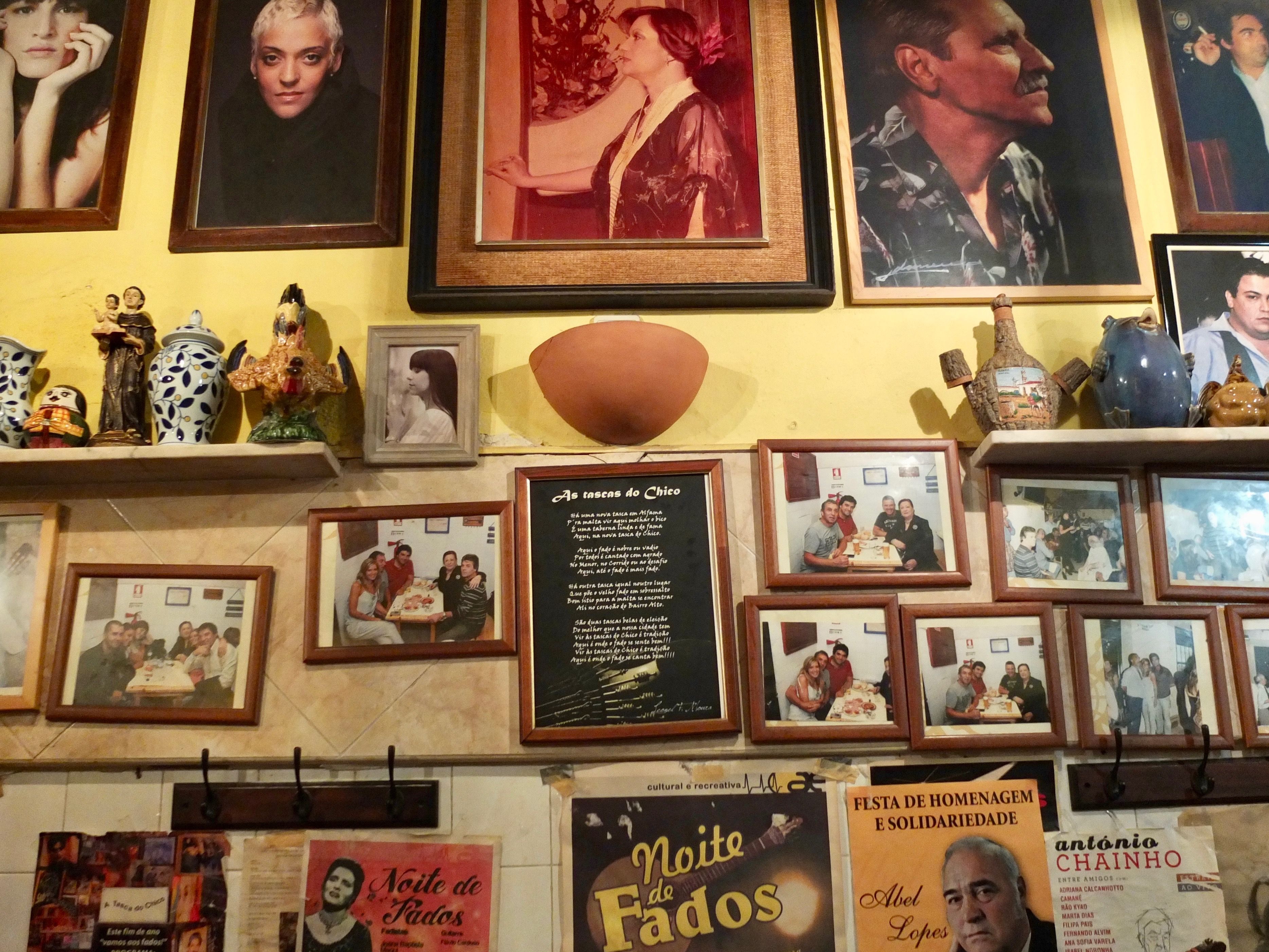
Tasca do Chico, Lisbon – Where Fado Finds Its Rawest Voice
Soul Music in Cramped Quarters: Tasca do Chico’s Fado Magic
In a city filled with fado performances, Tasca do Chico stands apart. This isn’t the polished dinner-and-show experience tourists often encounter – this is fado with its sleeves rolled up, sweat on its brow, and emotion laid bare. The space feels more like someone’s crowded living room than a performance venue, with chairs nearly touching and walls that seem to absorb decades of musical heartbreak.
What makes Tasca do Chico special isn’t just the talent (though the singers are exceptional), but the complete lack of barrier between performer and audience. When a fadista begins their mournful lament, you’ll feel the vibrations in your ribcage. Waiters navigate the tight space with plates of sizzling chouriço, their timing perfected to avoid interrupting the musical spells. If you’re lucky enough to get a seat (arrive early or embrace the wait as part of the experience), you’ll leave with more than just memories – you’ll carry a piece of Portugal’s musical soul.
Street Art Safari: Bairro Alto’s Living Gallery
Bairro Alto’s walls tell stories in spray paint and wheatpaste. This neighborhood transforms daily, with new artworks appearing overnight like urban mushrooms after rain. The street art here serves as both social commentary and creative playground. Wander down Rua da Vinha and you might encounter towering murals of historical figures staring down at passersby, or surreal cartoon creatures crawling across electrical boxes.
For the most dramatic pieces, follow the Elevador da Glória’s tracks upward – here, multi-story murals turn building facades into canvases. The scene around Travessa dos Fiéis de Deus offers constantly evolving works ranging from delicate stencil art to explosive abstract pieces. Local artists treat these walls as conversation spaces, layering new work over old in a visual dialogue about politics, love, and Lisbon life. Bring your camera but leave expectations at home – today’s masterpiece might be tomorrow’s painted-over memory.
Culinary Adventures in Bairro Alto
In Bairro Alto, dining isn’t fuel – it’s part of the adventure. From midnight bifana stands to inventive culinary hotspots, this neighborhood feeds both body and spirit. The dining scene reflects Lisbon’s soul: unpretentious yet passionate, traditional but never boring. Forget white tablecloths; here, the best meals come with chipped plates, bustling noise, and flavors that linger in memory long after your visit ends.
A Cevicheria: Sea-to-Table Innovation
Chef Kiko Martins’ seafood shrine marries Peruvian zing with Portuguese sensibility. That dramatic octopus sculpture dangling from the ceiling? It’s not just decor – it’s a promise of the oceanic flavors to come. The star here is tender octopus ceviche bathed in tiger’s milk marinade, its bright citrus notes cutting through rich olive oil. While celebrity chefs often prioritize style, every dish here delivers substance beyond the Instagrammable interior.
Arrive before the crowds or embrace the queue as part of the experience. Strong cocktails balance the citrus-forward dishes, while the concise wine list offers perfect Iberian pairings. This is Lisbon dining at its most vibrant – where tradition and innovation collide deliciously.
Taberna da Rua das Flores: Handwritten Perfection
In an alley just beyond official Bairro Alto boundaries, this unassuming tavern serves some of Lisbon’s most exciting small plates. The daily-changing menu scrawled on paper reflects whatever the markets offered that morning – perhaps razor clams with garlicky persillade, or blood sausage paired with roasted quince.
What makes Taberna special isn’t just the creative takes on Portuguese classics, but the palpable passion behind them. Expect elbows-to-elbows seating and staff who truly care about your experience. The wine list reads like a love letter to smaller Portuguese producers, with crisp Vinhos Verdes and complex Douro reds. It’s worth planning your evening around their no-reservations policy – this meal might become your Lisbon highlight.
Antiga Wine Bar: Serenity in Liquid Form
When Bairro Alto’s energy threatens to overwhelm, Antiga offers civilized refuge. This intimate wine den takes Portugal’s liquid treasures seriously without a hint of pretension. Knowledgeable staff might guide you from a crisp Alvarinho to an inky Touriga Nacional, each pour accompanied by perfectly sliced presunto ham or tangy Serra da Estrela cheese.
Unlike many neighborhood spots that prioritize volume, Antiga understands the art of pacing. Sit at the marble bar to watch experts pour with precision, or claim a corner table to linger over wine flights. The peaceful atmosphere proves Bairro Alto isn’t all revelry – sometimes, the magic lies in quiet communion with a perfectly poured glass.
Café Luso: Fado’s Grand Stage
For travelers seeking traditional fado without sacrificing culinary standards, Café Luso delivers. The vaulted stone cellar feels transported from another century, its acoustics perfectly framing every emotional vocal run. While dining options lean toward reliable classics like bacalhau à brás (shredded cod with potatoes and eggs), the true star here is the music program.
Unlike tourist traps where fado becomes background noise, Café Luso maintains respectful silence during performances. Arrive early to appreciate the architectural details between sets – Moorish-inspired arches frame the stage, while candlelight dances across ancient stone. It’s fado with a capital F, honoring tradition without feeling frozen in time.
A Cultura do Hambúrguer: Unexpected Excellence
Sometimes, all you crave is a perfect burger – even in bacalhau territory. Cultura delivers this with flair, sourcing premium Portuguese beef for patties matched only by their house-made brioche buns. Vegetarians rejoice for options beyond the standard veggie patty, like smoky mushroom-portobello creations.
The craft beer selection reads like a tour of Portugal’s burgeoning microbrew scene, offering hoppy counterpoints to rich burgers. In a neighborhood where service can be brusque during rushes, Cultura’s friendly team stands out. It’s proof that even in tradition-steeped Lisbon, there’s room for perfectly executed modern comforts.
Living the Bairro Alto Lifestyle
Beyond specific bars and restaurants, Bairro Alto teaches visitors how to embrace Lisbon’s particular rhythm. Mornings here dawn quietly – recover from last night’s adventures with strong bica coffee and pastéis de nata at a sleepy corner café. Afternoons invite exploration through hidden courtyards and independent boutiques selling Portuguese crafts.
As evening approaches, join locals in the pre-dinner ritual of sunset viewing at Miradouro de São Pedro de Alcântara. Then let the neighborhood’s energy carry you through nightfall, whether you’re bar-hopping between tascas or listening to fado’s emotional crescendos. Bairro Alto isn’t a place you visit – it’s a place you experience with all five senses, a neighborhood that will make you feel truly alive long after you’ve left its colorful streets behind.


🌟 The Travaloca Travel Editors Community is a dynamic collective of individuals united by their passion for travel and their dedication to high-quality content creation. This community serves as the driving force behind Travaloca's informative and engaging travel resources. ✨ Core Identity: This group consists primarily of passionate travel enthusiasts who have turned their love for exploration into a commitment to writing and content curation. Members are recognized for their: Extensive Travel Experience: Possessing valuable firsthand knowledge from their journeys worldwide. Aptitude for Writing and Editing: Demonstrating a keen interest and skill in crafting, reviewing, and perfecting travel narratives, guides, tips, and reviews. Dedication to Storytelling: Transforming personal experiences and destination knowledge into accessible, inspiring, and reliable information for a global audience. 📝 Community Focus: The community’s primary role is to contribute, edit, and maintain the diverse range of content on Travaloca's platform. They ensure the information provided is accurate, engaging, and reflective of current travel trends. In essence, the Travaloca Travel Editors Community is where travel passion meets editorial excellence, enriching the user experience and solidifying Travaloca’s standing as a trusted travel resource.


