
Discover the Magic of Óbidos: Portugal’s Walled Jewel
Imagine stepping through ancient stone gates into a world where time stands still. Whitewashed houses draped in bougainvillea, cobbled streets whispering centuries of stories, and castle towers keeping watch over vineyards stretching to the horizon. Welcome to Óbidos – a living postcard from medieval Portugal that somehow feels both frozen in history and vibrantly alive.
This fairy-tale town, completely encircled by formidable 14th-century walls, has enchanted visitors for generations. Once beloved by Portuguese queens who received it as wedding gifts from their kings, today it gifts travelers with unforgettable memories. Though the 1755 earthquake reshaped much of the town, Óbidos retains an irresistible old-world charm with its Manueline doorways, blue-tiled churches, and secret alleyways begging to be explored.
Here’s what makes Óbidos extraordinary: it’s a place where sea and land danced a slow tango across centuries. Originally a bustling coastal port where ships docked beneath castle walls, geological shifts gradually left the town perched inland, with the Atlantic retreating to form the beautiful Óbidos Lagoon a few kilometers away. This transformation created a unique landscape where you can stroll medieval battlements in the morning and kayak through coastal wetlands by afternoon.

Vibrant streets of Óbidos decorated for festivals © Shutterstock
The Perfect Location: Finding Óbidos on Portugal’s Map
Tucked away in central Portugal’s Silver Coast, Óbidos sits like a crown jewel atop a gentle hill just 50 miles north of Lisbon. Its strategic hilltop position made it an important defensive stronghold for centuries. Today, that elevation gifts visitors with breathtaking panoramas – from the terracotta rooftops tumbling down the hillside to the patchwork farmland and glimpses of the Atlantic shimmering in the distance.
This prime location places Óbidos at the heart of Portugal’s cultural treasures. Within a 30-minute drive you’ll find:
- The holy trinity of Portuguese monasteries (Alcobaça, Batalha, and Tomar)
- The dramatic Atlantic cliffs and seafood paradise of Peniche
- The therapeutic hot springs of Caldas da Rainha
- The surfing mecca of Nazaré with its world-record waves
Most visitors arrive from Lisbon, making it an easy day trip via the A8 highway. But savvy travelers know Óbidos deserves more than a quick stop. Staying overnight transforms the experience – as sunset paints the whitewashed buildings gold and the last day-trippers depart, you’ll have this magical place nearly to yourself.
Navigating Óbidos Like a Local
Óbidos reveals its secrets best when explored slowly and intentionally. Leave the car behind (they’re prohibited within the walls) and embrace these authentic ways to discover the town:
On Foot: The Soul of Óbidos
Slip on comfortable walking shoes – the uneven cobblestones demand them. Start at the majestic Porta da Vila gate, its blue-and-white tiled chapel setting the tone for the beauty within. Wander aimlessly up Rua Direita, the spine connecting castle to gate, but don’t miss detouring down flower-filled alleyways where elderly women still hang laundry from wrought-iron balconies.
The Wall Walk: Not for the Faint-Hearted
For the town’s most unforgettable perspective, climb the stone steps to walk the complete mile-long circuit atop the medieval walls. With no guardrails and some sections barely shoulder-width, it’s an exhilarating experience offering panoramic views across terracotta rooftops to the surrounding countryside. Pro tip: Do this early morning when the light is magical and crowds are sparse.
Two-Wheeled Exploration
While impractical inside the walls, cycling becomes magical in Óbidos’ surroundings. Rent an e-bike to conquer the gentle hills and follow the Ecopista do Oeste – a converted railway line taking you through vineyards, past windmills, and along the tranquil Óbidos Lagoon.
Crafting Your Perfect Óbidos Stay
How long should you linger in this medieval dream? While many rush through in half a day, we recommend savoring Óbidos like fine port wine:
The 24-Hour Immersion (Perfect for First-Time Visitors)
Arrive mid-afternoon, check into a historic guesthouse, then explore as day-trippers depart. Seize golden hour for photography along the walls. After dinner in a candlelit tavern, join locals in the square for ginjinha (cherry liqueur) served in chocolate cups. Next morning, visit the castle before breakfast and shop for ceramics before the crowds return.
The 48-Hour Experience (For Culture Lovers)
Day one focuses on the walled town: castle visit, church hopping (don’t miss the tiled Igreja de Santa Maria), and browsing Portugal’s most unusual bookstores. Day two ventures outward: a lagoon kayak tour, wine tasting at Quinta d’Areia vineyard, and sunset at Praia d’el Rey beach.
The Festival Escape (Check Dates Carefully!)
Plan extra days if visiting during the Chocolate Festival (spring), Medieval Fair (July-August), or Christmas Village (November-January). These transform Óbidos into pure magic – think jousting tournaments, artisan markets, and streets filled with performers in period costume.

Óbidos Castle glowing at sunset © Shutterstock
Sleeping in History: Óbidos Accommodation Guide
Where you stay in Óbidos shapes your experience. From royal suites to rustic retreats, here’s how to choose your perfect base:
The Castle Convert: Pousada do Castelo
Sleep like royalty (literally) in Óbidos Castle’s converted palace. Stone archways, four-poster beds, and breakfast served in medieval banquet halls make this Portugal’s most atmospheric hotel. Perfect for romantic escapes.
The Literary Hideaway: The Literary Man
A bibliophile’s dream with 30,000 books lining the walls. Each guestroom celebrates a Portuguese writer, while public spaces feature typewriters, vintage globes, and cozy reading nooks. Ideal for solo travelers and culture vultures.
The Countryside Escape: Casa das Senhoras Rainhas
Just outside town, this 17th-century farmhouse offers rustic-chic rooms overlooking vineyards. The infinity pool seemingly spills into the Óbidos Lagoon. Perfect for families and travelers seeking tranquility.
The Budget Gem: Joséfa d’Óbidos Guesthouse
Colorful, art-filled rooms in a traditional townhouse just 200m from the castle. The roof terrace offers stunning sunrise views. Great for young travelers and backpackers.
Beyond the Walls: Culinary & Cultural Adventures
While the walled town captivates, Óbidos’ surroundings offer unforgettable experiences:
Lagoon Life at Lagoa de Óbidos
This tranquil estuary, one of Portugal’s largest coastal lagoons, teems with birdlife. Kayak through salt marshes at dawn, stand-up paddleboard past fishing boats, or hike the Trilho do Facho trail for panoramic views.
Literary Pilgrimages
Since UNESCO designated Óbidos a City of Literature in 2015, creative energy has flourished. Seek out unique bookstores inside disused churches, wine cellars, and even an old fire station. Don’t miss Livraria de Santiago – its floor-to-ceiling bookshelves in a 12th-century chapel create a reader’s paradise.
Coastal Escapes
The Silver Coast beaches near Óbidos offer drama and serenity. Family-friendly Foz do Arelho sits where the lagoon meets the sea, while Praia d’el Rey’s golden sands host championship golf courses. Surfers flock to Baleal near Peniche for consistent Atlantic swell.
Ábidos Through the Seasons: Festivals & Events
The town’s calendar bursts with color and celebration year-round:
March – Chocolate Festival
The air fills with cocoa aromas as pastry chefs create chocolate castles, sculptures, and exotic flavor combinations. Don’t miss the hot chocolate served in edible cups.
July-September – Medieval Market
Óbidos transforms into a 14th-century marketplace. Blacksmiths hammer weapons, jesters perform fire tricks, and taverns serve mead in clay goblets. Try archery lessons or watch knights jousting in the castle grounds.
October – International Piano Festival
World-class musicians perform intimate concerts in churches and courtyards. The historic stone buildings create incomparable acoustics.
November-January – Christmas Village
Half a million lights illuminate the town as log cabins sell handmade gifts, roasted chestnuts, and warm vinho quente (mulled wine). Visit after dark for maximum enchantment.
Smart Traveler Tips for Óbidos
- Best Time to Visit: April-June and September-October offer pleasant weather with fewer crowds. July-August brings festivals but maximum tourists.
- Shoe Wisdom: Leave heels at home! Cobblestones demand sturdy flats or sneakers.
- Parking Strategy: Book accommodation with parking – spaces outside Porta da Vila gate fill by 10am.
- Ginjinha Etiquette: When ordering the local cherry liqueur, specify “com ela” (with the fruit) or “sem ela” (without).
- Photography Magic Hour: Arrive by 8am to capture empty streets bathed in golden light.
- Rainy Day Plan: Visit the Museo Municipal for exquisite Josefa de Óbidos Baroque paintings.
Why Óbidos Captivates Hearts
In an era of overtourism, Óbidos remains refreshingly authentic. Yes, souvenir shops dot Rua Direita, but turn any corner and you’ll find elderly ladies chatting in doorways, children playing football in quiet squares, and neighbors sharing coffee at family-run pastelarias.
This is a town that lives its history without becoming a museum piece. Where else can you attend knight school, sleep in a castle, browse books in a Gothic church, then kayak to a seafood lunch – all within a few square miles?
Óbidos understands that true preservation balances heritage with creativity. From its literary festivals to chocolate workshops, this walled wonder keeps one foot firmly in the past while embracing the future. As UNESCO recognized, it’s not just preserved stone that makes Óbidos special, but the living culture thriving within those ancient walls.
So come with comfortable shoes, an open heart, and willingness to wander slowly. Let Óbidos work its quiet magic upon you. As the Portuguese say: “Quem vê Óbidos, nunca mais esquece” – “Who sees Óbidos, never forgets.” Your memories of golden sunsets over medieval ramparts, laughter echoing down centuries-old streets, and the sweet tang of ginjinha on your lips will stay with you forever.
Discover the Magic: Top Experiences in Óbidos
Nestled within ancient walls, Óbidos whispers tales of knights, queens, and artisans through its cobblestone streets. This Portuguese gem may be compact, but every corner reveals layers of history, culture, and sensory delights. Imagine strolling through living history where cherry liqueur flows in chocolate cups and bookshelves line former churches. Here’s your insider’s guide to experiencing Óbidos at its finest.
Walk Along the Iconic Medieval Walls
Picture yourself tracing the skyline atop Óbidos’ crown jewel: its perfectly preserved 14th-century fortifications. These stone guardians stretch nearly 2 kilometers around the village, offering panoramic views of terracotta rooftops, olive groves, and the shimmering Lagoa de Óbidos. As your fingers brush centuries-old masonry, you’ll understand why generations of soldiers kept watch from these ramparts.
Pro Tip: Visit at dawn when golden light bathes the landscape, or during twilight when the walls cast dramatic shadows. Wear sturdy shoes—the path narrows in places, and those medieval stonemasons weren’t thinking of trainers!
Step Inside the Castle That Became a Palace
The Castle of Óbidos stands as a timeline in stone. Moorish foundations support Manueline Gothic arches, while the interior now houses one of Portugal’s most enchanting pousadas (historic hotels). Even if you’re not staying overnight, wander through its atmospheric courtyards where kings once hosted banquets. Notice how Gothic windows frame views of the village below—a photographer’s dream.
Visit during July’s Medieval Market to see the castle reborn: jongleurs tumble across the grounds, blacksmiths clang at forges, and the scent of roasting meats fills the air. It’s time travel you can taste!
Find Serenity at Santa Maria Church
Beneath a celestial blue ceiling adorned with golden stars, this 12th-century church holds quiet wonders. The tiles (azulejos) tell biblical stories in cobalt hues, while the baroque altar gleams with gilded details. History buffs will love standing where child monarchs Afonso V and Isabel exchanged vows in 1441—a political union that changed Portugal.
Time your visit to the hourly chimes when sunlight streams through rose windows, painting the nave in kaleidoscope colors. Outside, the square often hosts artisans selling handmade ceramics—perfect gifts infused with local spirit.
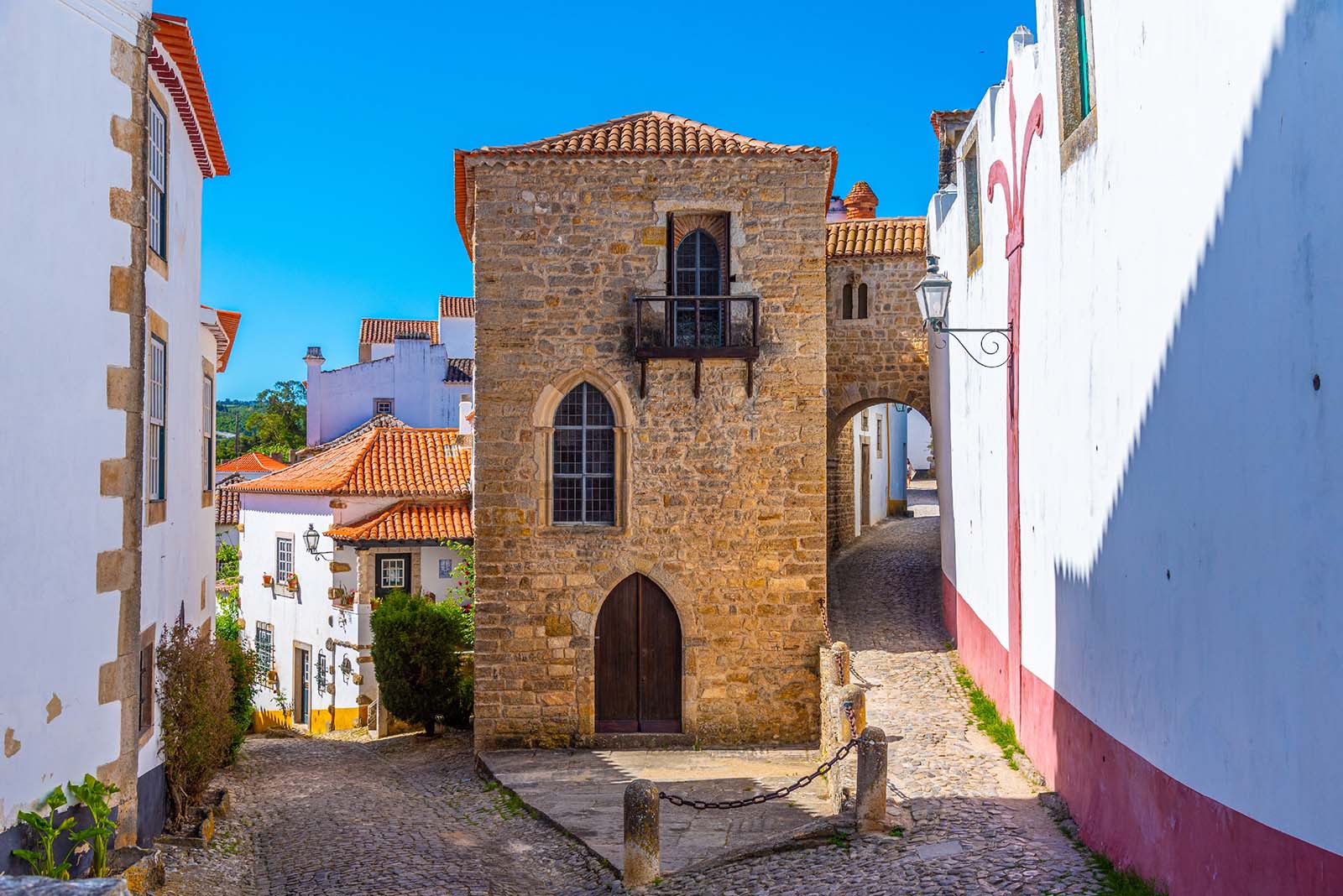
The labyrinthine beauty of Óbidos’ streets invites leisurely exploration
Lose Yourself in Literary Wonderlands
Óbidos earned its UNESCO City of Literature title through magical bookshops that transform unlikely spaces. Don’t miss Livraria de Santiago—a former church where books nestle in arched alcoves beneath vaulted ceilings. At Mercearia da Minhata, sip local wine while browsing novels stacked in vintage grocery shelves.
Our favorite? The Gothic cellar at Livraria da Adega, where thrillers hide in wine barrels. These shops celebrate slow reading—grab a cappuccino, claim a velvet armchair, and let afternoon dissolve into literary bliss.
Stroll (and Savor) Rua Direita
Óbidos’ bustling main street is a carnival for the senses between Porto da Vila gate and the castle. Follow your nose past bakeries emitting buttery pastéis de nata aromas, then pause to admire artisans hand-painting azulejos. Yes, it gets lively—that’s half the fun! Duck into Numark for cork handbags (Portugal’s sustainable fashion statement) or Oficina do Calado for intricate lace.
Return by moonlight when lanterns glow on cobblestones. With day-trippers gone, you might hear fado music drifting from a hidden tavern—Portugal’s soul in every note.
The Ginjinha Ritual: Chocolate Cups Required
Here’s a tasty tradition: ginjinha (sour cherry liqueur) sipped from edible chocolate cups. The tangy-sweet combo originated here, and shopkeepers along Rua Direita vie for “best presentation.” Some pour from towering fountains; others garnish with cinnamon. Just €1.50 buys this delicious moment—snap a photo before the chocolate melts!
Want the full experience? December’s Vila Natal festival serves ginjinha quente (hot version) that warms you from fingertips to toes.
Uncover Secrets at José Franco’s Folk Museum
Tiny but mighty, Óbidos’ municipal museum packs fascinating punches. See Joséfa d’Óbidos’ 17th-century still lifes—rare female perspectives in religious art—alongside Roman coins found near the aqueduct. Upstairs, scale models show the castle’s evolution from fortress to royal love gift (Portuguese queens received Óbidos as wedding presents!).
Bonus: The museum resides in a former baroque hospital. Check surgical tools from the 1600s—you’ll appreciate modern medicine!
Marvel at the Monumental Aqueduct
A 3-kilometer walk southeast rewards you with Óbidos’ unsung wonder: its 1573 aqueduct. Queen Catherine of Austria commissioned this engineering marvel to quench the town’s thirst. Today, its 30 arches stride across vineyards—a sublime photo op at sunset when stone glows honey-gold.
Follow the walking path beneath arches fringed with wildflowers. You’ll pass vegetable plots where locals grow ingredients for that night’s caldeirada (fish stew)—simple Portuguese living at its best.
Dive into Festival Fever
Óbidos throws legendary parties that blend past and present:
- March: Chocolate Festival—watch chefs sculpt Taj Mahal replicas from molten cocoa
- July-August: Medieval Market—cheer knights in clanging armor at sunset tournaments
- October: FOLIO Literary Festival—join author Q&As in candlelit chapels
- December-January: Vila Natal—ice skate beside the castle moat!
Booking tips: Accommodations vanish months before major events. Consider staying at nearby Bombarral vineyards and commuting by train (15 minutes).
Coastal Escapes: Beyond the Walls
Óbidos makes the perfect base for Atlantic adventures:
Lagoa de Óbidos: Kayak these glassy lagoon waters spotting flamingos. Families love Praia d’El Rey’s calm waves.
Peniche Peninsula: Watch surfers conquer Nazaré’s skyscraper waves (40 minutes west), then feast on barnacles at Supertubos beach shack.
Monastery Route: Drive 30 minutes to Alcobaça’s 12th-century abbey where star-crossed lovers lie in ornate tombs—a real-life Romeo & Juliet tale!
Why Óbidos Captures Hearts
Few places balance history and whimsy like this walled marvel. Where else can you breakfast in a castle, drink poetry in a converted church, then picnic beneath Roman aqueducts? Óbidos refuses to be just a museum—it’s a living story where every cobblestone has tales to whisper. Come for the ginjinha, stay for the magic that lingers long after the gates fade from view.
A Fairytale Escape: Discovering Óbidos, Portugal’s Walled Wonder
Crowned by medieval walls that glow like spun sugar in the Portuguese sun, Óbidos feels lifted straight from a storybook. This perfectly preserved village in Portugal’s Oeste region whispers tales of lovesick queens, warrior kings, and culinary secrets passed through generations. Just an hour north of Lisbon’s bustle, Óbidos offers travelers a chance to wander cobblestone alleys unchanged for centuries, sip cherry liqueur from chocolate cups, and watch sunset light dance across the Óbidos Lagoon. Whether you’re savoring slow-cooked duck rice in a rustic tavern or tracing the ancient battlements with panoramic coastal views, this miniature kingdom delivers outsized magic at every turn.
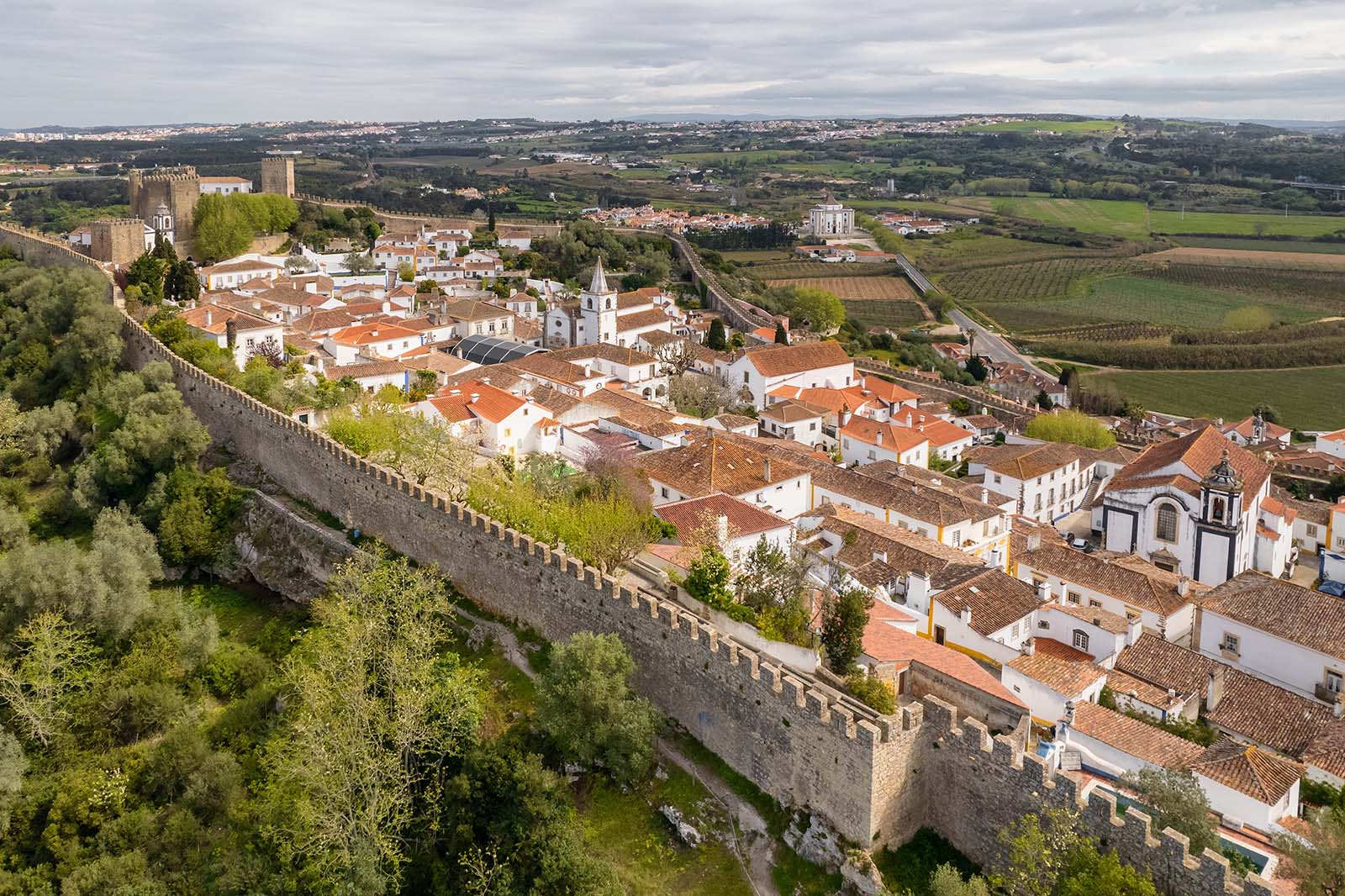
Aerial view of the historic walled town of Obidos, near Peniche, Portugal. Aerial shot of Obidos Medieval Town, Portugal © Shutterstock
When to Visit Óbidos: A Season-by-Season Guide
Óbidos wears every season beautifully, but your experience will shift dramatically depending on when you visit. Thanks to its coastal position near Peniche, the town enjoys cooler summers and milder winters than inland Portugal. Let’s break down what to expect so you can perfectly time your Portuguese fairytale getaway.
A Symphony of Blooms: Spring Perfection (March-May)
Picture this: rolling hills carpeted in wild poppies, wisteria tumbling over whitewashed walls, and daytime temperatures hovering in the Goldilocks zone between jacket-optional and sundress-ready. Spring is Óbidos at its most lyrical. As March’s crisp 63°F (17°C) averages soften into May’s balmy 73°F (23°C), the crowds remain manageable while the whole region erupts in color.
This is prime time for photographers and nature lovers. Walk the entire 1.5 km circuit atop the medieval walls without battling summer heat, then explore the lagoon’s wetlands where flamingos pause during migration. Insider tip: Visit during the Semana Santa (Holy Week) processions for dramatic torchlit parades, though book accommodations early. Guesthouses average €60-€95/night—fairytale charm without castle prices.
Sun-Drenched Festivals: Summer Energy (June-August)
When school holidays hit, Óbidos transforms. By July and August, temperatures peak around 82°F (28°C)—warm but rarely sweltering thanks to Atlantic breezes. The Medieval Market (July-August) brings jesters, jousting knights, and mead-drinking revelers, though narrow streets get packed midday.
Smart travelers arrive early to photograph dew-kissed cobblestones before crowds descend, then escape to hidden courtyards or sunset ginjinha tastings. Evenings here are magic—day-trippers retreat to Lisbon, leaving taverns filled with musicians rather than megaphones. Hotels jump to €90-€130/night, but many include pool access for afternoon cool-downs.
Golden Light & Harvest Feasts: Autumn Bliss (September-November)
Locals whisper that early autumn is Óbidos’ best-kept secret. September’s 77°F (25°C) days beg for lazy lunches in vine-covered courtyards, while October’s golden light makes castle stones shimmer. The grape harvest brings vineyard festivals in nearby towns, and mushroom foragers comb the surrounding pine forests.
Crowds thin dramatically after mid-September, dropping hotel rates to €55-€80/night. Don’t miss the International Chocolate Festival (October/November) where pastry wizards craft cocoa masterpieces inside old churches. Pack layers—November evenings dip to 50s Fahrenheit (10-12°C) with occasional showers perfect for cozying up with grilled chouriço and a novel.
Misty Romance: Winter’s Quiet Charm (December-February)
Imagine having Óbidos’ snow-globe beauty almost to yourself. Winter days average a mild 54°F (12°C), with foggy mornings giving way to crystalline afternoons where almond blossoms hint at spring’s approach. December sparkles with Christmas markets in stone courtyards, while January offers silent walks along empty ramparts.
This is writing retreat season—picture crackling fireplaces in boutique hotels converted from 16th-century convents. Rates drop to €45-€65/night, and rain rarely lasts all day. Pro tip: Book a table at Petrarum Domus for their wild boar stew on drizzly afternoons—pure medieval comfort food.
Óbidos’ Culinary Secrets: From Cherry Elixirs to Soul-Warming Stews
Forget haute cuisine—Óbidos specializes in gut-warming, love-filled dishes served in spaces steeped in history. The town’s star attraction might be ginjinha, that ruby-red cherry liqueur sipped from edible chocolate cups, but its food scene runs much deeper. Think grandma-approved recipes, seafood hauled from Peniche that morning, and taverns where the wine flows as freely as the fado music.
5 Flavors That Define Óbidos
1. Ginjinha de Óbidos: More than just a drink, this tart-sweet elixir (18-22% alcohol) crafted from local Morello cherries is ritual. Sip it slowly at Capinha d’Óbidos, where elderly ladies have poured glasses since 1966.
2. Caldeirada de Peixe: The Atlantic’s bounty shines in this fisherman’s stew. At Tasquinha do Lagar, they simmer monkfish, clams, and potatoes in a tomato-and-piri-piri broth that’ll make you rethink all other fish soups.
3. Arroz de Pato: Portugal’s answer to paella, this baked duck rice gets its smoky depth from chouriço and crispy skin. A Nova Casa de Ramiro serves theirs in a traditional copper pan—order with their full-bodied red from Óbidos’ own Dão region.
4. Queijadas de Óbidos: These petite cinnamon-spiked cheese tarts have fueled pilgrims since the 12th century. Find the best at Confeitaria D. João V near the castle gate—their recipe uses fresh cheese from nearby Bombarral.
5. Chouriço Assado: Dinner and a show! Restaurants like Alcaide bring sizzling clay dishes to your table, setting humble sausage ablaze with brandy for a caramelized, slightly theatrical treat.
Where Locals Break Bread
A Nova Casa de Ramiro: Tucked under vine-strung arches, this family-run spot does the classics right. Their bacalhau com natas (creamy cod casserole) is legendary—request a terrace seat overlooking Rua Direita.
Ja!món Ja!món: A refreshing modern twist where Iberian ham shares the menu with black pork burgers topped with melted queijo da serra cheese. Great veggie options like roasted eggplant with minted goat cheese.
Petrarum Domus: Dine where knights once feasted! Stone arches frame hearty dishes like wild boar stew or octopus rice. Save room for their heaven-scented egg-yolk pudding (trouxas de ovos).
The Ginja Experience: No visit ends without a pitstop at this hole-in-wall gem. For €1.50, you get ginjinha in a chocolate cup—but the real magic is chatting with owner Sergio about his 40-year-old cherry liqueur recipe.
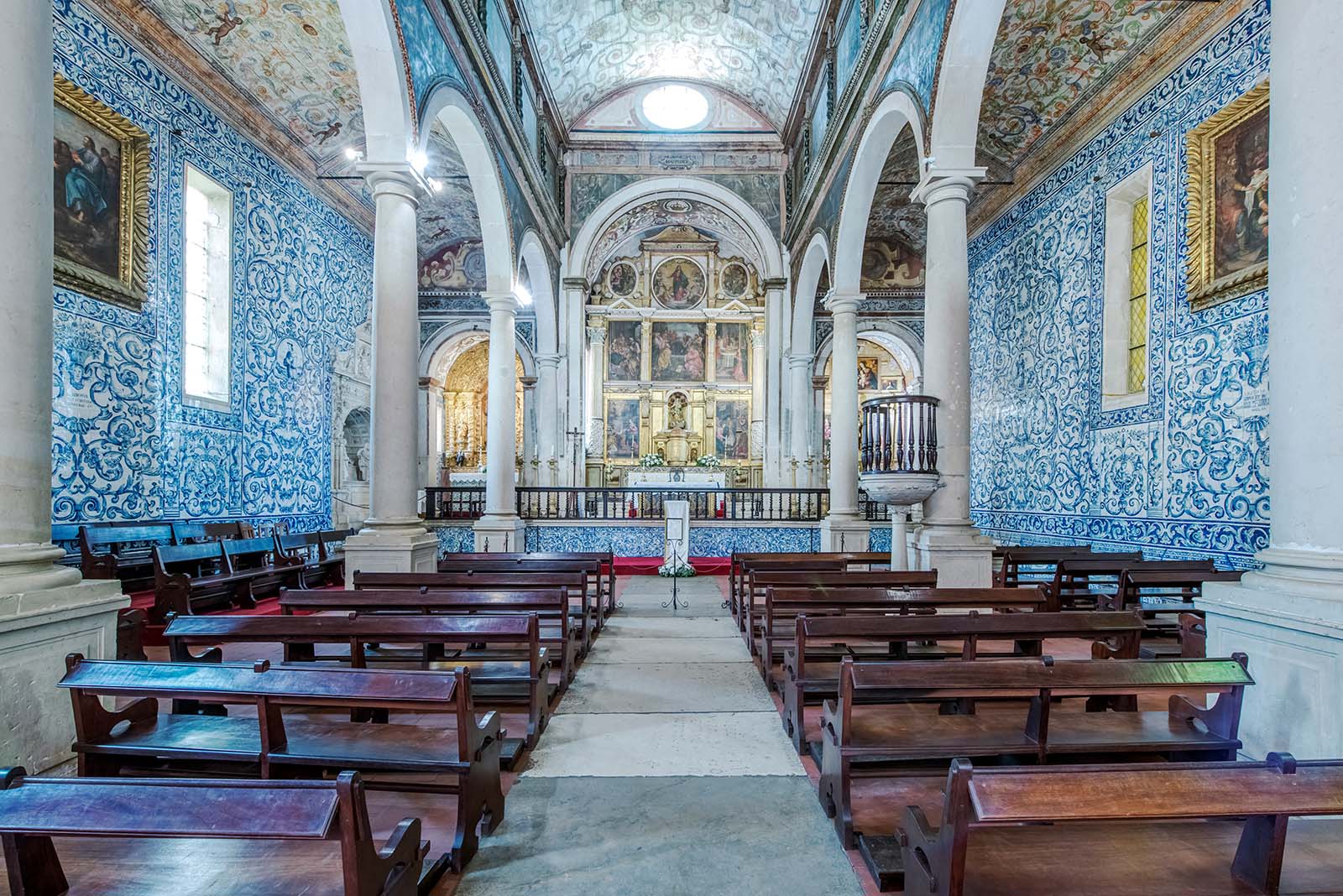
Ornate arches and pews in Iglesia de Santa Maria, Obidos, Leiria, Portugal © Shutterstock
Crafting Your Óbidos Story: Unforgettable Experiences
Óbidos rewards slow travelers—those who linger over long lunches and meander beyond the main gates. These handcrafted experiences blend history, flavor, and local secrets for memories that outlast any souvenir.
For History Heartthrobs
Óbidos History & Walking Tour: Let Maria or João—born inside these very walls—show you hidden chapels, whisper scandals of medieval queens, and reveal why doorframes were built intentionally low (hint: it kept invaders stumbling!). Includes privileged access to the castle’s normally private terraces.
UNESCO Monasteries Day Trip: Contrast Óbidos’ intimacy with Alcobaça Monastery’s jaw-dropping scale. Your guide decodes Gothic tombs of star-crossed lovers, then leads a tasting of monastery liqueurs before sunset back in Óbidos.
For Epicurean Adventurers
Óbidos Food & Wine Experience: Wander vineyards where Franciscan monks first cultivated grapes, then dive into Chef António’s kitchen for a petiscos (tapas) masterclass. Highlights include pairing smoky chouriço with fernão pires white wine, then crafting your own chocolate cup for ginjinha.
Lagoon Seafood Safari (Seasonal): Join fishermen hauling nets at dawn on Óbidos Lagoon, then cook your catch at a waterfront shack. Savor percebes (goose barnacles) and amêijoas à bulhão pato (garlic clams) with the guides who caught them.
For Wanderlust Families
Medieval Quest Adventure: Kids become knights or princesses on a playful scavenger hunt—decode stone-carved clues, “trade” spices in the old market, and enjoy a chocolate shield-making workshop. Ends with a toy sword coronation at the castle!
Secret Lagoon Kayaking: Paddle past 17th-century mills and kingfisher nests in Óbidos’ serene lagoons. Guides tailor routes by age—gentle circuits for littles, hidden channel explorations for teens.
For Soulful Explorers
Watercolor Sketching Retreat: Local artist Leonor teaches you to capture Óbidos’ hues—ochre walls, bougainvillea spills—from hidden vantage points. Includes a handmade journal and picnic with queijadas.
Writing in King Dinis’ Shadow: Morning workshops in a 14th-century tower where Portugal’s poet-king composed verses. Afternoons free for scribbling in flower-filled courtyards before evening sharing sessions over port wine.
Beyond the Walls
Óbidos & Peniche Coastal Immersion: Contrast fairy-tale charm with Peniche’s wind-whipped drama—surfers carving barrel waves at Supertubos, fortress cells where political prisoners etched desperate poetry, and a seafood feast at Restaurante Prim’s (the tuna tartare tastes like ocean mist).
West Coast Vineyards Tour: Discover why sommeliers rave about Óbidos’ emerging wineries. Bike between organic vineyards for crisp arinto whites, then picnic among olive groves where donkeys still tread grapes for rare natural wine.


🌟 The Travaloca Travel Editors Community is a dynamic collective of individuals united by their passion for travel and their dedication to high-quality content creation. This community serves as the driving force behind Travaloca's informative and engaging travel resources. ✨ Core Identity: This group consists primarily of passionate travel enthusiasts who have turned their love for exploration into a commitment to writing and content curation. Members are recognized for their: Extensive Travel Experience: Possessing valuable firsthand knowledge from their journeys worldwide. Aptitude for Writing and Editing: Demonstrating a keen interest and skill in crafting, reviewing, and perfecting travel narratives, guides, tips, and reviews. Dedication to Storytelling: Transforming personal experiences and destination knowledge into accessible, inspiring, and reliable information for a global audience. 📝 Community Focus: The community’s primary role is to contribute, edit, and maintain the diverse range of content on Travaloca's platform. They ensure the information provided is accurate, engaging, and reflective of current travel trends. In essence, the Travaloca Travel Editors Community is where travel passion meets editorial excellence, enriching the user experience and solidifying Travaloca’s standing as a trusted travel resource.


