
Every place has its ordinary beginnings, but Fátima stands as living proof that destiny can rewrite a town’s story in miraculous ways. One spring morning in 1917, three shepherd children—Lúcia Santos and her cousins Francisco and Jacinta Marto—witnessed an extraordinary vision near their small Portuguese village. On that fateful May 13th, the Blessed Virgin Mary appeared to them in a blaze of light, igniting a spiritual phenomenon that would transform this rural backwater into hallowed ground.
What followed became one of the most significant chapters in modern religious history. Across six consecutive months, crowds swelling from curious neighbors to tens of thousands gathered at the Cova da Iria meadow. They came bearing hope, desperation, and wonder, drawn by prophecies of peace and warnings that echoed across a war-torn Europe. A century later, Fátima has blossomed into one of Christianity’s most revered sanctuaries, welcoming six million spiritual seekers annually—a sacred space where devotion and curiosity dance beneath the same Portuguese sun.
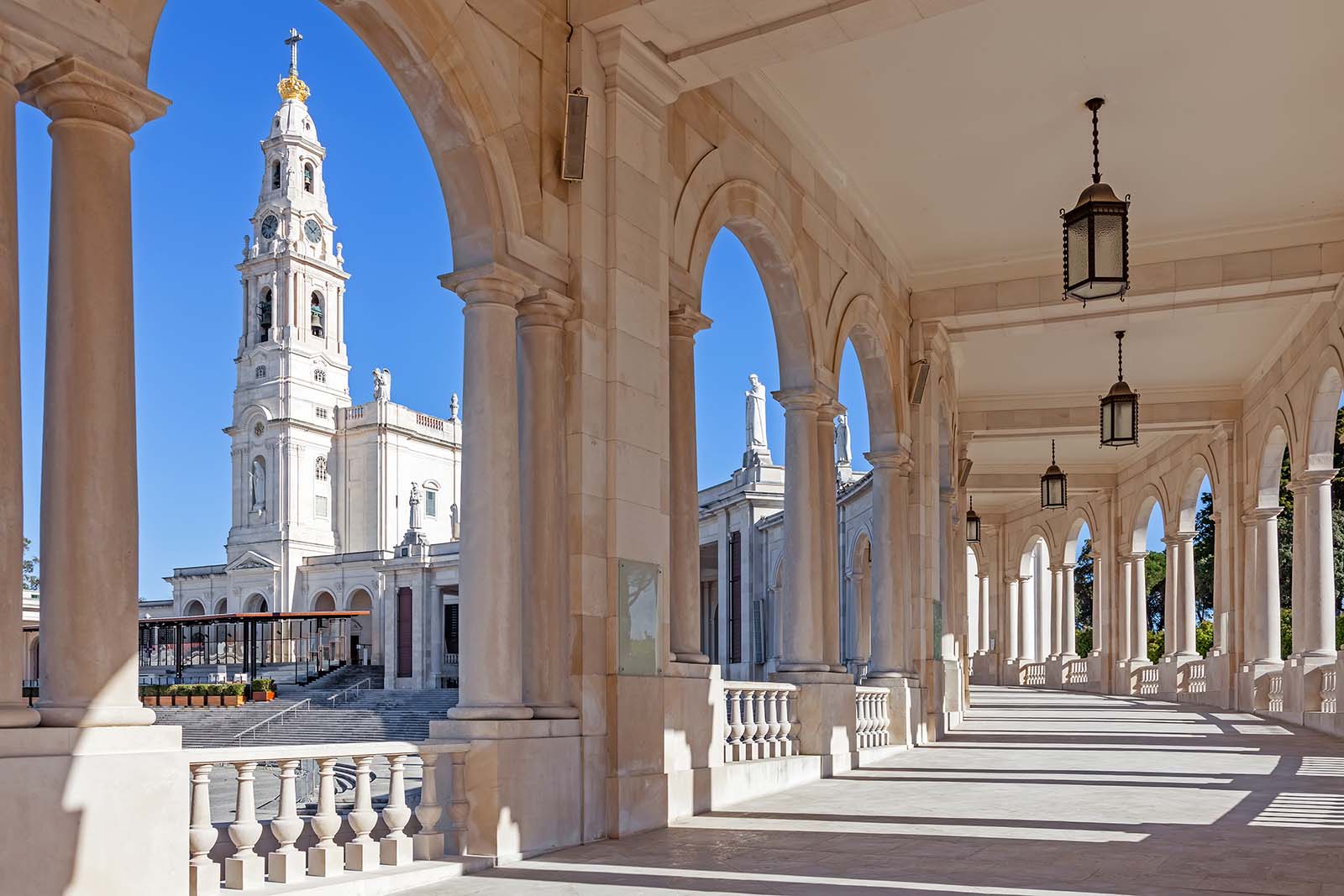
Sanctuary of Our Lady of Fátima – Spiritual Heart of Portugal © Shutterstock
Fátima’s Geographic Tapestry: Finding Portugal’s Spiritual Heart
Nestled in Portugal’s sun-drenched heartland between Lisbon and Porto, Fátima occupies a strategic crossroads in the country’s spiritual and cultural landscape. Located just 80 miles north of Lisbon’s bustling streets and 118 miles south of Porto’s vine-covered hills, this small town in Santarém district has become the country’s most visited religious destination. Though modest in size, Fátima’s influence stretches across continents, drawing visitors from every corner of the globe.
The journey here feels like passing through Portugal’s living postcards. Rolling hills carpeted with olive groves give way to limestone outcrops as you approach, with the Sanctuary’s pristine white towers gleaming like celestial beacons. This region—known locally as the Serra de Aire—boasts natural wonders that complement Fátima’s spiritual magnetism. Just 9 miles west lie the stunning Mira de Aire caves, Europe’s largest underground network where mineral formations create natural cathedrals beneath the earth. To the northeast stands Batalha Monastery, a UNESCO treasure showcasing Portugal’s golden age of discovery. These nearby attractions make Fátima much more than a pilgrimage stop—it serves as a perfect launchpad for exploring central Portugal’s hidden jewels.
Moving Through Fátima: Your Complete Transportation Guide
Navigating Fátima requires understanding its dual nature—a compact spiritual center surrounded by Portugal’s breathtaking countryside. Whether you arrive seeking contemplation or adventure, these transportation options will help you connect with every facet of this remarkable destination.
Sacred Steps: Exploring on Foot
The Sanctuary’s layout encourages slow, contemplative movement. From the Basilica of Our Lady of the Rosary to the Chapel of the Apparitions, everything unfolds across a vast marble esplanade large enough to accommodate St. Peter’s Square. Walking here becomes part of the experience—the cool stone beneath your feet, the scent of candle wax mingling with wild thyme from nearby fields. Comfortable shoes prove essential, especially if you plan to walk the Stations of the Cross path winding through Valinhos, site of the fourth apparition.
Local Transport: Buses and Taxis
Though Fátima lacks metro lines, affordable buses connect the Sanctuary with key locations:
- Ourém’s fairy-tale castle (15 minutes northeast)
- Mira de Aire caves (20 minutes west)
- Batalha Monastery (15 minutes southwest)
Taxi stands cluster near the Basilica, with fares averaging €5-7 for town journeys. Pro tip: Book return trips to rural sites in advance—mobile signal fades quickly in Portugal’s hills.
Two-Wheeled Exploration: Bike Rentals
Several hotels near the Sanctuary’s southern edge (like Hotel Santa Maria) offer bike rentals—perfect for cycling to the Aljustrel shepherd homes where the visionaries once lived. The 3-mile almond tree-lined route to Valinhos makes a particularly scenic ride, especially in spring when wildflowers carpet the hills.
Road Freedom: Driving in Fátima
Renting a car unlocks Portugal’s “Land of Monasteries.” Picture this: By 9 AM you’re attending English Mass at the Chapel, by 10:30 you’re photographing Batalha’s stone lacework, and by lunchtime you’re tasting rustic cuisine in medieval Ourém. Parking proves stress-free—most hotels offer spots, while the Sanctuary’s underground garage accommodates 800 vehicles.
Crafting Your Fátima Experience: Ideal Visit Durations
Fátima isn’t about ticking boxes—it’s about immersion. Whether you have hours or days, these itineraries maximize your spiritual and cultural journey.
The Essence of Fátima (One Day)
- Morning: Begin at the Chapel of Apparitions during the 11 AM International Mass
- Noon: Light candles along the esplanade’s eastern wall
- Afternoon: Visit the Basilica tombs of the visionaries
- Dusk: Join the moving candlelit procession (May-October evenings)
Deep Dive Discovery (Two to Three Days)
Day two unlocks the region’s treasures: Explore the poignant houses in Aljustrel where the shepherd children lived, then continue to Valinhos’ Stations of the Cross. On day three, venture underground through Mira de Aire’s crystalline caverns before concluding at Batalha’s Gothic masterpiece.
Pilgrim’s Passage (Five Days to One Week)
Walk the 60-mile “Path of Light” pilgrimage route from Tomar, approaching Fátima as generations of believers have. Participate in Wednesday’s special blessing of religious articles, or time your visit for May 13th or October 13th anniversary celebrations when hundreds of thousands gather beneath the stars.
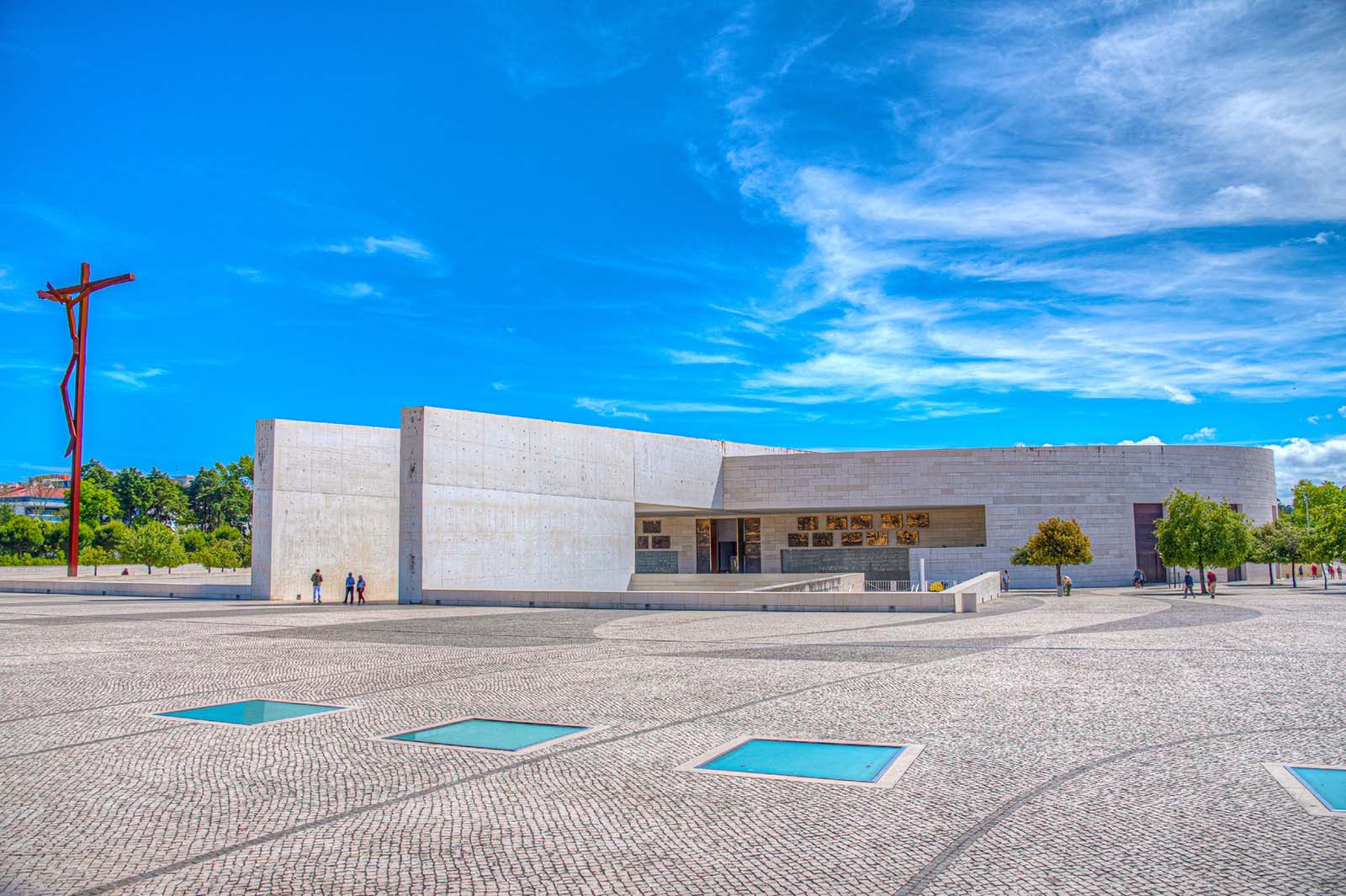
The Modernist Basilica of the Holy Trinity – Fátima’s Architectural Marvel © Shutterstock
Resting in the Sacred: Fátima Accommodations for Every Traveler
Fátima’s lodging landscape mirrors its visitors—diverse yet deeply connected. From simple pilgrim hostels to luxurious countryside quintas, these options promise rest for both body and spirit.
Sanctuary-Adjacent Stays: For First-Comers
Hotel Fátima stands as the grande dame—opened in 1973 just steps from the apparition site, its terraces offer front-row seats to nightly processions. More budget-conscious pilgrims favor the Hospedaria Zurco, where simple rooms maintain the town’s original hospitality spirit. Don’t miss their rooftop views of the illuminated basilicas at night—a spectacle that turns architecture into ethereal light sculptures.
Romantic Rural Retreats: Love Among the Olive Groves
Couples find sanctuary at Quinta Vale Souto, a restored 19th-century farmhouse nestled in the Serra de Aire foothills. Private stone cottages surround a centuries-old olive press, with candlelit dinners featuring produce from their organic gardens. The property’s hiking trails lead to hidden viewpoints where you can see Fátima’s spires rising like prayers from the valley.
Pilgrim Hostels: Affordable Spiritual Havens
The Casa São Francisco shelters travelers in simple comfort, offering shared kitchens for preparing meals with fellow pilgrims. After sunset, their courtyard becomes an impromptu international gathering spot—a place where Polish nuns trade recipes with Brazilian seminary students beneath the stars.
Luxury Refuges: Sanctuary Spa & Wellness
For those seeking indulgence, the Hotel⁻SPA Fátima combines modern design with therapeutic waters. Their heated indoor pool (fed by Mira de Aire’s mineral springs) proves heavenly after hours of walking the sanctuary grounds. Don’t miss their signature rosemary-and-olive-oil massages—a true taste of Portugal.
Your Complete Travel Guide to Fátima: Where Faith Meets Portuguese Charm
Nestled in Portugal’s serene countryside, Fátima stands as one of the world’s most significant Catholic pilgrimage destinations. Yet beyond its spiritual significance, this historic town offers travelers rich cultural experiences, architectural wonders, and peaceful retreats into Portugal’s heartland. Whether you’re walking ancient pilgrimage routes or discovering hidden gems with your family, Fátima welcomes every traveler with open arms.
Choosing Your Perfect Base: Fátima Accommodations for Every Traveler
The right accommodation transforms any trip. In Fátima, your lodging choice shapes your experience—whether you seek contemplative quiet near holy sites or need convenient family-friendly spaces.
Pilgrim-Friendly Stays Close to the Sanctuary
For those arriving on foot or bicycle via Portugal’s historic pilgrimage routes, practical lodgings cluster near the Sanctuary grounds. These pilgrim-focused residences favor simplicity over luxury:
- Affordable dorms and private rooms with shared kitchens and laundry facilities let you recharge after long journeys
- Communal living spaces foster connections with fellow travelers sharing your spiritual path
- Basic but meticulously clean accommodations prioritize location over lavish amenities
Staying here means rolling out of bed to join sunrise prayers at the Chapel of Apparitions—an experience that lingers in memory long after your Portugal journey ends.
Family Retreats on Avenida Beato Nuno
Young explorers need space to play, and parents appreciate convenience. Avenida Beato Nuno delivers both just a short walk from Fátima’s bustling spiritual center:
- Apartment-style accommodations with separate bedrooms and kitchenettes make family travel easier
- On-site parking accommodates families road-tripping through Portugal
- Kid-friendly dining options line this leafy avenue with less foot traffic than areas closer to the Sanctuary
- Green spaces nearby provide welcome breaks from sightseeing
Morning visits to the Basilicas become more meaningful when followed by relaxed lunches and afternoon downtime in these peaceful surroundings.
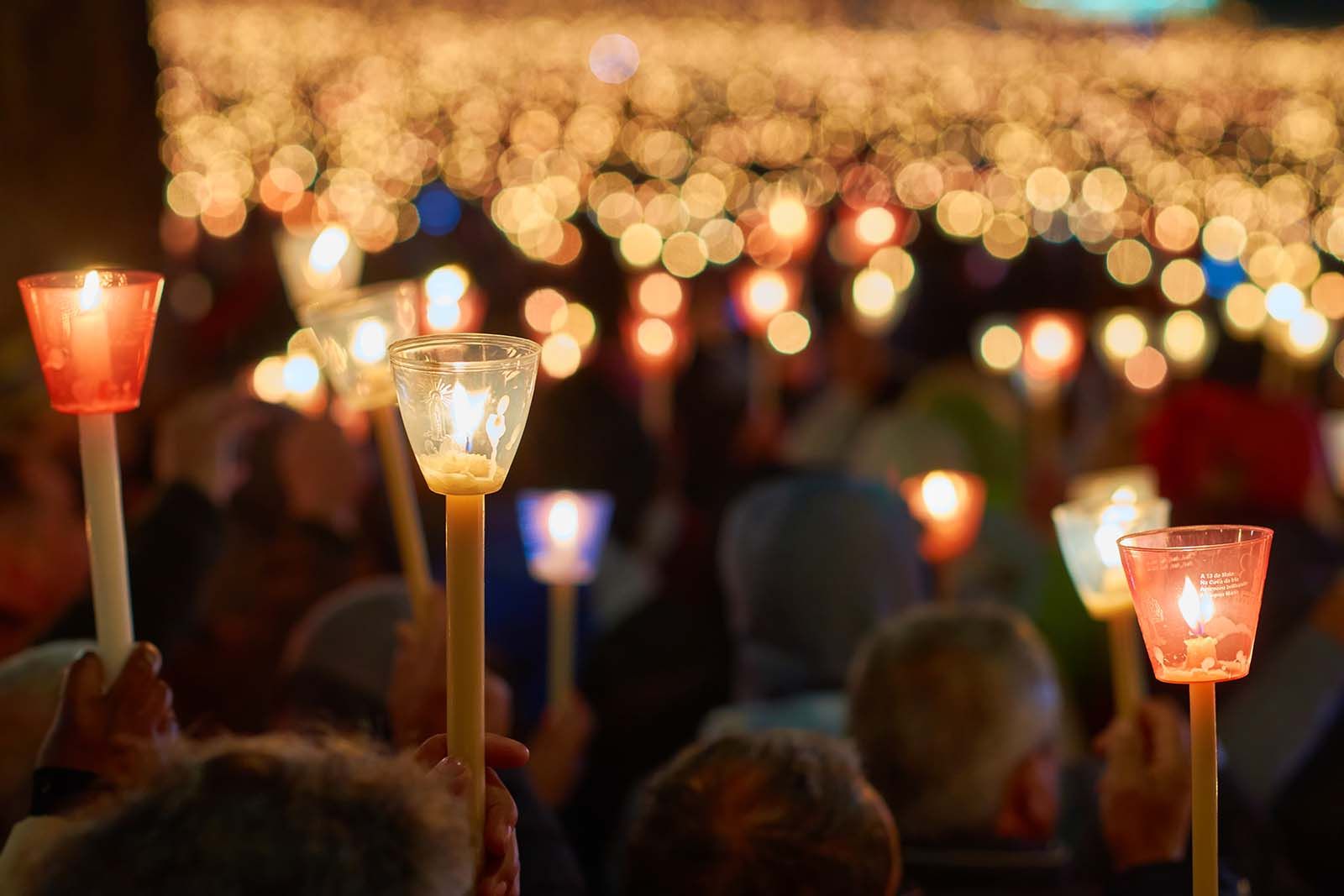
The magical glow of Fátima’s evening candle processions © Shutterstock
Unforgettable Experiences in Fátima: More Than A Pilgrimage Site
Fátima’s layered identity reveals itself gradually—equal parts living shrine, historical landmark, and gateway to Portugal’s pastoral beauty. Here’s how to embrace all dimensions of this remarkable destination:
Sanctuary of Our Lady of Fátima: Heart of Spiritual Portugal
The sprawling Sanctuary complex forms Fátima’s spiritual nucleus. Two stunning basilicas frame the vast esplanade while the humble Chapel of Apparitions grounds visitors in the site’s miraculous origins.
Pro Tip: Visit at different times to appreciate changing atmospheres:
- Dawn: Experience solitary contemplation as morning mist hugs the colonnades
- Midday: Witness the vibrant energy of international pilgrims during mass
- Dusk: Join the transition from daytime visits to evening candle rituals
Spend a full morning or afternoon exploring the grounds—there’s no entrance fee, allowing unhurried exploration.
Chapel of Apparitions: Where Heaven Touched Earth
This open-air chapel marks the exact spot where three shepherd children first encountered the Virgin Mary in 1917. Today, pilgrims kneel where miracles began, creating an atmosphere thick with devotion:
- Multilingual services accommodate global visitors throughout the day
- Candle offerings create flickering landscapes of hope and gratitude
- Personal mementos left at the altar form a moving mosaic of human faith
Non-religious visitors often find themselves unexpectedly moved by the profound stillness that descends here during quiet moments between services.
Basilica of Our Lady of the Rosary: A Neo-Classical Masterpiece
Completed in 1953, Fátima’s original basilica rises like a prayer in stone. The 65-meter bell tower serves as the town’s visual anchor while the interior houses Portugal’s most sacred tombs:
- Tombs of the visionaries: Pay respects to Lúcia, Francisco, and Jacinta in side chapels
- Stained glass narratives: Vibrant panels depict key moments from the 1917 apparitions
- Best viewing light: Late afternoon sunlight ignites the mosaics in golden hues
While photographers focus on the striking exterior, the true magic unfolds inside where whispers of prayer float upward into the vaulted ceiling.
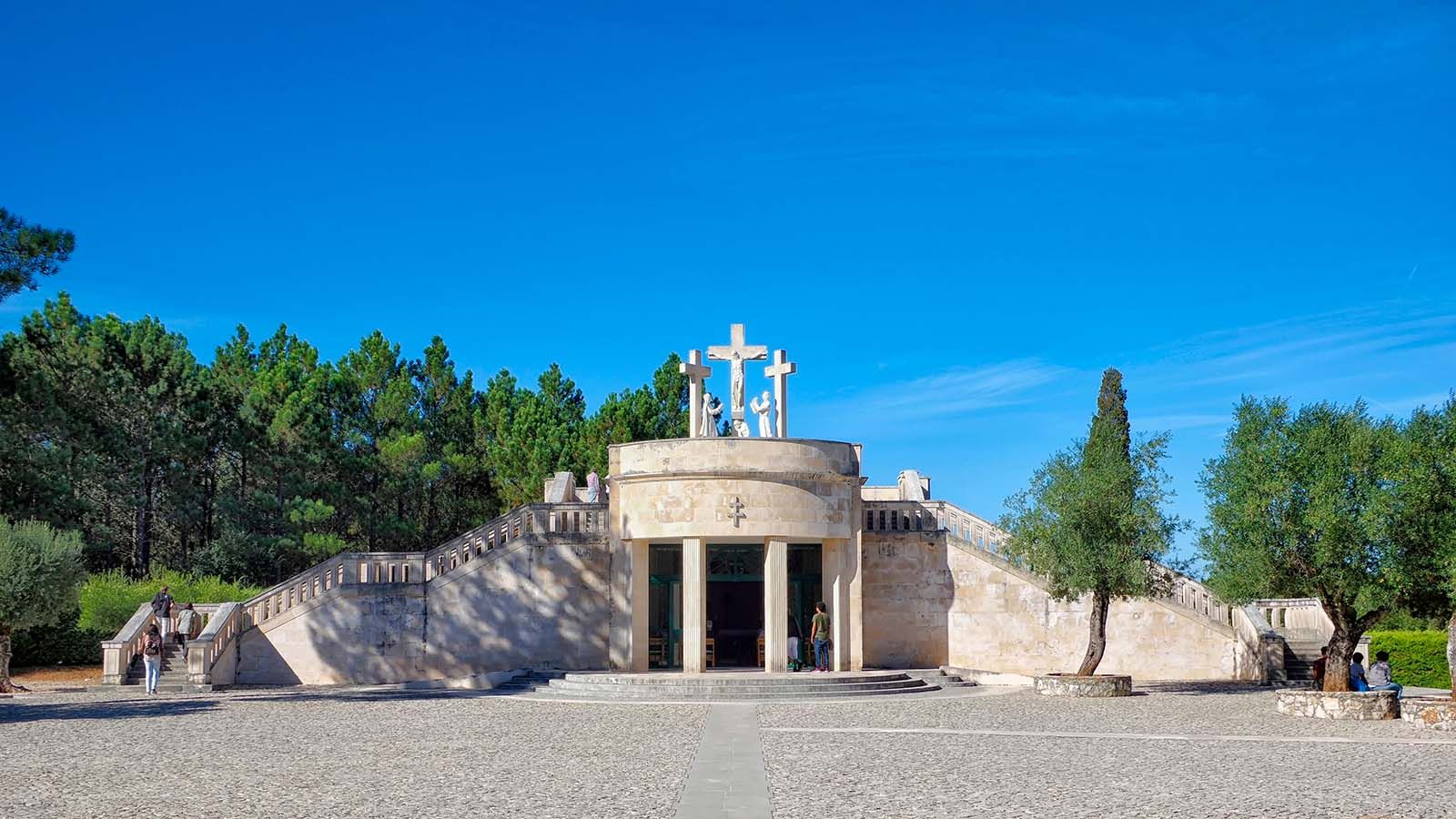
The contemplative Way of the Cross pathway in Fátima © Shutterstock
Basilica of the Holy Trinity: Modern Marvel of Sacred Architecture
Fátima’s second basilica showcases how ancient faith translates into contemporary spaces. As one of the world’s largest churches by capacity, its circular design creates remarkable acoustics:
- Innovative design elements: Abstract mosaics and minimalist lines reinterpret traditional motifs
- Monumental artwork: Bronze doors weigh 86 tons yet move with surprising grace
- Live broadcasts allow overflow crowds to participate in major ceremonies
Wander the perimeter to admire how architects balanced monumental scale with intimate prayer niches—a physical manifestation of Fátima’s universal appeal.
Candlelight Processions: When Night Falls on Fátima
Between May and October, the Sanctuary esplanade transforms into a sea of flickering lights as thousands participate in Fátima’s iconic candle processions.
Visitor tips:
- Arrive early: Secure prime viewing spots along the statue’s procession route
- Bring tissues: The collective singing of “Ave Maria” moves many to tears
- Dress warmly: Night temperatures drop even in summer months
The scent of melting beeswax mingles with whispered prayers in dozens of languages—an experience that transcends religious boundaries.
Via Sacra Pathway: Walking Through Biblical History
Fátima’s “Sacred Way” invites contemplation through movement. The 3km path winds past 14 stations depicting Christ’s Passion:
- Life-size sculptures: Dramatic tableaux bring each biblical scene to life
- Natural surroundings: Olive groves and wildflowers frame the path in spring
- Calvary Chapel: Reward your climb with panoramic Sanctuary views
Whether completing the route as spiritual discipline or scenic hike, wear sturdy shoes—Portugal’s sun-baked paths demand proper footwear.
Museum of the Sanctuary: Tracing Fátima’s Global Impact
This often-overlooked treasure trove illuminates how a small Portuguese town became a world pilgrimage destination:
- Papal artifacts: See vestments and gifts from multiple pontiffs
- Historical documents: Original letters detail the children’s visions
- International tributes: Gifts from global Catholics reflect diverse devotional traditions
Allow 45 minutes to fully appreciate exhibits that contextualize everything you’ve seen around the Sanctuary.
Beyond the Sanctuary: Discovering Fátima’s Hidden Charms
While spiritual sites dominate most itineraries, Fátima rewards travelers who explore beyond the basilicas. These local gems reveal Portugal’s rich cultural tapestry:
Wax Museums: Bringing History to Life
Interactive exhibits tell Fátima’s story through realistic dioramas:
- Apparitions Experience: Dramatic recreations of 1917 events
- Rural Life: Depictions of traditional Portuguese farming communities
- Combination Tickets: Save by purchasing joint access to multiple museums
Aljustrel Village: Step Into the Shepherds’ World
Walk in the visionaries’ footsteps at this preserved hamlet just 2km from Fátima:
- Original family homes furnished as they appeared in 1917
- The Well of Arneiro where the children saw an angelic precursor to Marian apparitions
- Guided walking tours available from Fátima’s tourist office
Gastronomic Discoveries: Savoring Portugal in Fátima
After spiritual nourishment, indulge in Portugal’s legendary cuisine:
- Leitaria Restaurante: Family-run spot famous for grilled chicken dinners
- Pastelaria Arade: Sink your teeth into heavenly pastéis de nata custard tarts
- Mercado Municipal: Local market perfect for assembling picnic provisions
Planning Your Fátima Visit: Essential Tips
Maximize your Portugal pilgrimage with these practical insights:
Best Times to Visit
- Peak devotion months: May-October for apparition anniversaries
- Quieter spiritual retreats: November-April offers contemplative peace
- Weather considerations: Spring blooms & fall colors enhance outdoor experiences
Getting Around Fátima
- Walking: Most key sites cluster within pedestrian-friendly zones
- Taxi services: Available for visits to outlying attractions
- Tourist train: Fun option for families with young children
Cultural Etiquette
- Dress modestly: Shoulders and knees covered when entering churches
- Photography rules: Observe restrictions during services
- Candle purchasing: Small bills appreciated at votive stalls
Fátima as Your Portugal Travel Hub
While Fátima deserves ample exploration time, its central location makes day trips effortless:
- Batalha Monastery: Gothic masterpiece just 20 minutes by road
- Tomar Templar Castle: UNESCO site revealing Knights Templar history
- Atlantic Coast: Nazaré’s legendary waves lie 40 minutes west
- Coimbra University: Historic academic center within hour’s drive
Whether spending three days immersed in spiritual discovery or making Fátima your base for regional adventures, this Portuguese jewel offers profound experiences that resonate across beliefs and backgrounds. As candle flames dance in the night and ancient hymns rise beneath starry skies, visitors understand why millions pilgrimage here—not just to witness history, but to feel timeless hope made tangible.
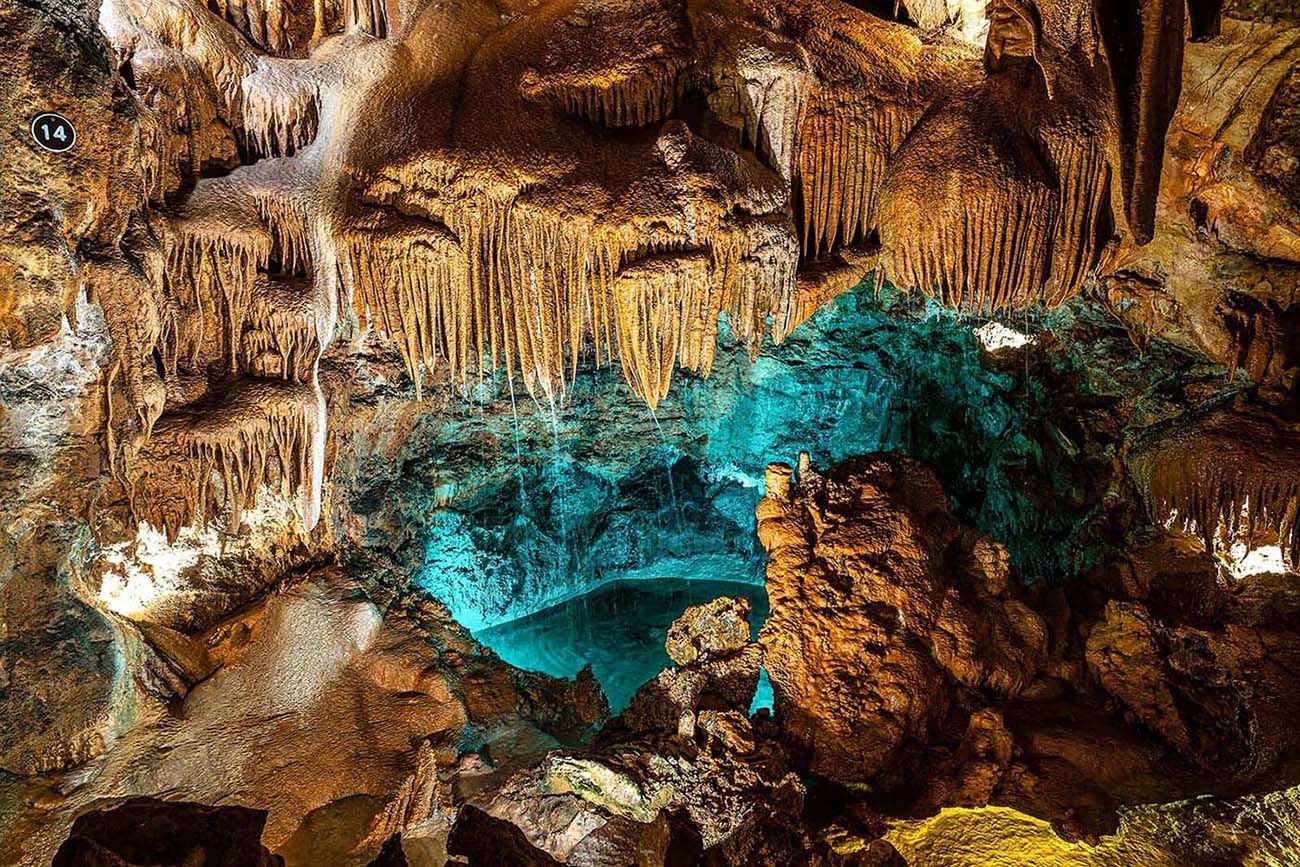
Mira de Aire Caves, Grutas de Mira de Aire at Leiria, Portugal © Shutterstock
Exploring Beyond the Sanctuary: 10 Captivating Experiences Near Fátima
While Fátima draws millions of spiritual seekers to its revered sanctuary, the surrounding region offers treasures waiting to be explored. From underground wonders to medieval fortresses, these destinations reveal Portugal’s rich history and stunning landscapes. Here’s how to expand your pilgrimage into an unforgettable Portuguese adventure.
Underground Marvels at Grutas de Mira de Aire
Just 15 kilometers from Fátima’s spiritual center lies a different kind of sanctuary – the otherworldly Grutas de Mira de Aire caves. Discovered in 1947 by intrepid local explorers, this limestone labyrinth stretches an astonishing 11 kilometers beneath the earth’s surface, though only 600 meters are accessible to visitors. What awaits is nothing short of magical.
As you descend 683 steps into the cool, subterranean world (average temperature: 17°C year-round), dramatic formations reveal themselves under carefully positioned lighting. The Red Dome Chamber dazzles with mineral-rich stalactites glowing in crimson hues, while the Grand Lake mirrors cathedral-like ceilings above its glassy surface. Guides share geological secrets of these formations that took millions of years to develop – the slow dance of water and mineral creating nature’s artwork. Comfortable walking shoes are essential for navigating the sometimes slippery paths, but every step rewards with new wonders.
Practical Tip: Visit midday when sunlight penetrates deepest into the cave system, creating ethereal light beams in the Gallery of the Virgin chamber. Allow two hours for the full experience including the informative mineral museum above ground.
Ourém Castle: Where History Meets Panoramic Splendor
Perched like a stone crown above the quaint village of Ourém, this 12th-century fortress offers a journey into Portugal’s medieval past. A mere 15-minute drive from Fátima transports you to a dramatically different atmosphere. As you approach the castle hill, the strategic importance becomes clear – from these ramparts, sentries could spot approaching armies from miles away.
Today’s visitors explore restored battlements where Count Afonso once ruled his domain. Climb the Torre de Menagem (castle keep) for breathtaking 360-degree views stretching to Fátima’s basilica spires on clear days. Below lies Ourém’s charming historic quarter, its whitewashed houses and flower-filled balconies begging to be explored. After working up an appetite, descend to Largo do Pelourinho where café terraces serve robust Portuguese coffee alongside traditional queijadas (sweet cheese tarts).
Insider’s Secret: Arrive early to photograph the castle kissed by morning light, then stay to watch sunset paint the stones in gold. The twilight hour transforms the ruins into something truly magical.
Serra de Aire e Candeeiros Natural Park: Portugal’s Wild Heart
Nature enthusiasts find paradise in this protected limestone landscape stretching northeast of Fátima. The Serra de Aire e Candeeiros Natural Park presents a dramatic karst topography sculpted by time – think hidden caves, underground rivers, and rugged trails through aromatic Mediterranean scrub.
Hikers can choose among waymarked routes like the PR1 Carenque trail (7km loop) passing dinosaur footprints preserved in stone, or the challenging PR2 S. Mamede route rewarding climbers with summit panoramas. Spring transforms the park into a botanical wonderland bursting with orchids, lavender, and rock roses. Birdwatchers bring binoculars to spot Bonelli’s eagles circling cliffs or little owls perched in olive groves.
For cavers inspired by Mira de Aire, the park offers more underground adventures at Grutas de Santo António and Alvados. Local villages like Alcanadas maintain traditional lifestyles – pause at family-run taverns for goat cheese with homemade bread and a glass of regional red.
Preparation Essentials: Weather can change rapidly – pack layers, sturdy footwear, and at least 2L water per person. Purchase the “Walking Trails” map at park visitor centers in Rio Maior or Alvados.
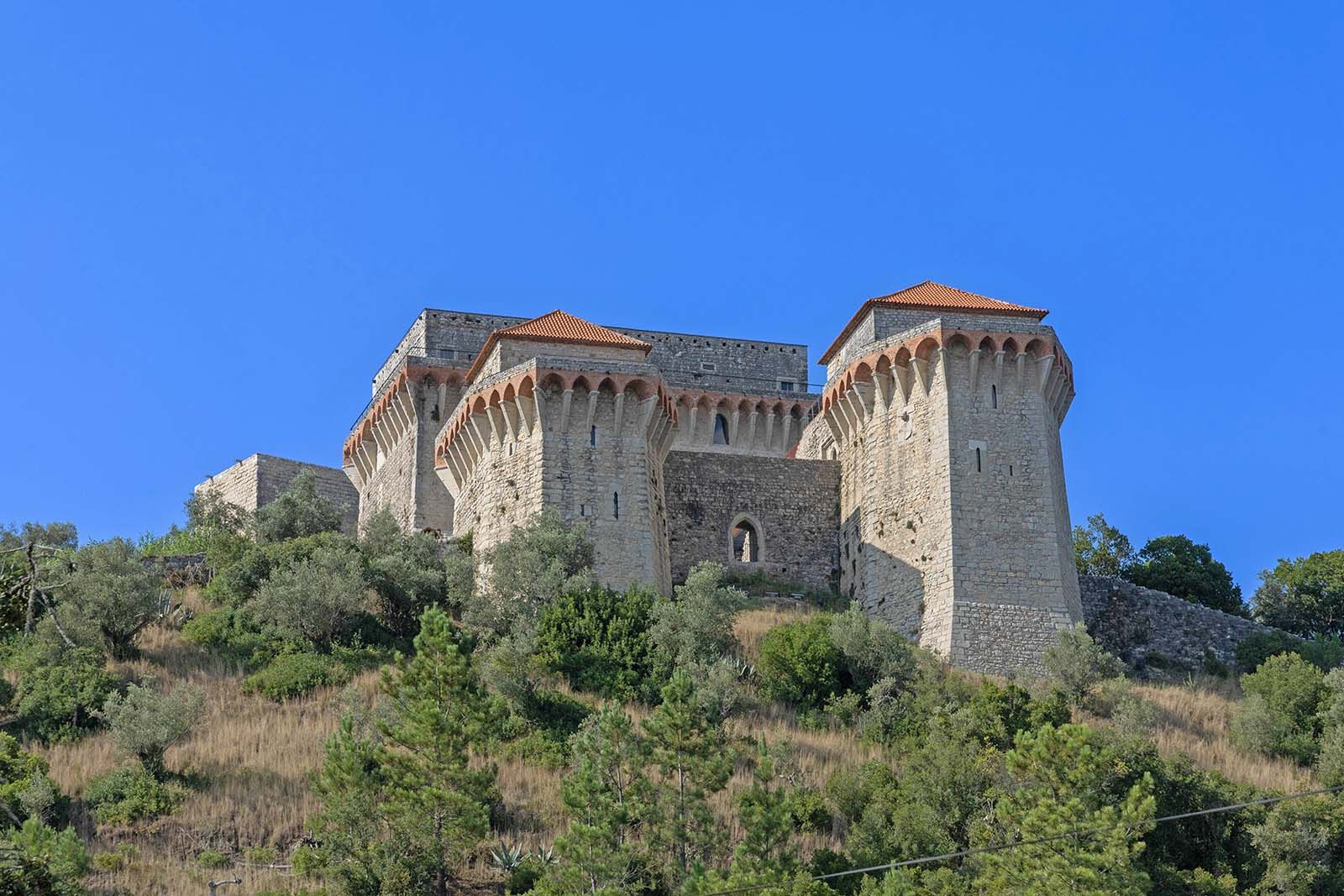
Ourem castle in Portugal © Shutterstock
Fátima Through the Seasons: Your Month-by-Month Guide
Understanding Fátima’s Mediterranean climate patterns ensures you experience this special region at its best. With mild winters and warm summers, each season offers unique advantages for pilgrims and explorers alike.
Spring Blossoms and Spiritual Renewal (March-May)
March wakes the countryside with almond blossoms painting hillsides white and pink. Average temperatures climb from 14°C to 22°C by May, perfect for exploring outdoor sites without summer crowds. The famous May 13th anniversary celebrations see pilgrims arriving from across the globe – book accommodations at least six months ahead for this period. Budget-conscious travelers enjoy shoulder season rates in early spring while still witnessing the candlelit processions held monthly on the 13th.
Pack Like a Pro: Layer with a waterproof jacket for sudden spring showers. Comfortable walking shoes handle both sanctuary marble floors and muddy park trails.
Summer Festivities and Warm Nights (June-August)
Sunshine dominates from June through August, with temperatures peaking around 28°C (occasionally reaching 32°C during heatwaves). While midday heat can be intense, Fátima’s elevation ensures cooler evenings than coastal areas – perfect for the moving Night Procession of the Candles. August 13th marks another major pilgrimage date, drawing enormous crowds. Savvy visitors schedule cave explorations or castle visits during peak afternoon heat when others rest.
Beat the Crowds: Visit popular sites before 10 AM or after 4 PM. Many tour groups depart by late afternoon, leaving quieter evenings to reflect at the basilica.
Autumn Colors and Mild Explorations (September-November)
September lingers with summer warmth (25°C average), while November brings crisp air and landscape hues of gold and auburn. The October 13th Miracle of the Sun anniversary creates a special atmosphere – witness thousands praying the rosary in unison. Accommodation prices become more wallet-friendly post-September, though rooms still fill quickly around pilgrimage dates. This is prime time for hiking in Serra de Aire e Candeeiros as trails dry out from summer heat.
Don’t Miss: Autumn olive harvests – join local workshops to learn traditional pressing methods and taste freshly pressed azeite.
Winter Serenity and Cultural Immersion (December-February)
With temperatures averaging 12°C daytime (dipping to 5°C at night), Fátima’s winter offers peaceful contemplation without summer crowds. While December brings higher rainfall, it also showcases stunning Christmas displays throughout the sanctuary complex. January and February see the fewest visitors – ideal for unhurried exploration of museums and nearby historic towns. Monthly candlelit processions continue regardless of weather, their glow especially poignant against winter darkness.
Winter Wellness: Combine spiritual retreat with physical rejuvenation – several convent-turned-hotels near Fátima offer thermal baths and massage therapies.
Savoring Fátima: A Food Lover’s Pilgrimage
Beyond its spiritual significance, Fátima’s location between mountain and coast creates a culinary crossroads. Traditional recipes perfected by generations meet contemporary interpretations in the town’s evolving dining scene.
Signature Dishes to Warm Body and Soul
Start your gastronomic journey with these regional specialties:
Sopa da Pedra (Stone Soup) – More luxurious than its humble name suggests, this Almeirim-originated stew combines smoked meats, chouriço sausage, kidney beans, and vegetables in a rich broth. Legend says a hungry friar convinced villagers he could make soup from a stone, then gradually “improved” it with their contributions.
Bacalhau com Natas – Portugal’s beloved salt cod reaches creamy perfection in this baked casserole layered with potatoes, onions, and béchamel sauce. Pair it with a crisp white from nearby Bairrada vineyards.
Frango Assado Piri-Piri – Succulent grilled chicken marinated in the iconic spicy sauce. For authentic preparation, watch chefs baste chickens over charcoal at family-run churrasqueiras.
Arroz de Pato – Decadent duck rice slow-cooked with chorizo, herbs, and sometimes a splash of port wine. The crispy top layer gives way to moist, flavorful rice beneath – comfort food elevated to art.
Where to Dine: From Humble Taverns to Gourmet Tables
Tia Alice (Rua de São João de Deus 28) – Don’t let the simple decor fool you. This family-run gem serves arguably Fátima’s best stone soup alongside grilled octopus that melts in your mouth. Reservations essential during pilgrimage seasons.
Restaurante O Crispim (Estrada de Ourém) – A feast for the senses offering both quality and quantity. Their bacalhau com natas comes bubbling in traditional clay pots, while the dessert trolley showcases classic convent sweets.
Rotunda da Paz (Avenida Dom José Alves Correia da Silva) – Perfect post-pilgrimage spot facing the sanctuary. While catering to international tastes, their piri-piri chicken stays authentic to Portuguese recipes.
Taberna do Bacalhau (Rua Francisco Marto 52) – Specializing in creative codfish preparations. Try their bacalhau à Brás (shredded cod with eggs and straw potatoes) paired with green wine from Vinho Verde region.
Restaurante A Cave (Rua dos Escuteiros) – For special occasions, descend into this elegant stone cellar. Their tasting menu highlights regional ingredients reinvented – think partridge with almond crust or fig and queijo da serra cheesecake.
Local Insight: Many restaurants offer “Prato do Dia” (Dish of the Day) specials – complete meals including soup, main, dessert and drink for €10-15. Ask for “diária” recommendations when lunching like a local.
The Magnetic Pull of Fátima: Portugal’s Sacred Heart
Nestled in Portugal’s sun-drenched hills, Fátima stands as one of Christianity’s most revered destinations – a place where spiritual devotion and cultural heritage intertwine beneath wide Iberian skies. What began as a quiet farming village transformed forever after three shepherd children witnessed celestial visions that would ripple across continents. Today, over five million visitors annually walk the same cobblestone paths, drawn by faith, curiosity, or the simple human longing for connection with something greater.
Whispers From the Past: Fátima’s Divine Origins
The story of Fátima’s emergence as a spiritual epicenter reads like pages from a celestial novel. Between May and October 1917, siblings Francisco and Jacinta Marto and their cousin Lúcia dos Santos reported six encounters with a luminous being they called the Virgin Mary. These apparitions culminated in the “Miracle of the Sun” on October 13th – a day when some 70,000 witnesses claimed to see the celestial body dance wildly across storm-darkened skies. Whether skeptical or devout, visitors can’t help but feel the emotional weight permeating the Sanctuary grounds where holm oaks once sheltered the visionaries.
Modern Fátima honors this legacy through sacred spaces designed for reflection. The Chapel of Apparitions marks the precise locust tree stump where the Virgin first appeared, its simple white columns crowned by an open roof – a symbolic embrace of heaven meeting earth. Nearby, the children’s tombs rest in the Basilica of Our Lady of the Rosary, their marble effigies eternally gazing toward pilgrims from beneath the church’s 65-meter bell tower.
Beyond Devotion: Unexpected Treasures
While spiritual experience anchors any Fátima visit, the town reveals surprising layers for explorers willing to look beyond its sacred core:
Sacred Artifacts & Human Stories
- The Berlin Wall Fragment: Along the Via Sacra path rests a chilling reminder of earthly divides – a concrete slab from the fallen Berlin Wall. Its juxtaposition against messages of peace transcends politics to speak to universal longing for unity.
- Wax Museum: Through 31 vividly crafted scenes, this attraction chronicles not just the apparitions but Portugal’s social fabric in 1917. Visitors glimpse village life, traditional dress, and historical context often overlooked in sacred narratives.
Hidden Gems Beyond the Sanctuary
- Aljustrel Village: Walk the 3km path to the shepherds’ ancestral homes. Sun-bleached cottages stand preserved with original furnishings, washing basins still perched in courtyards where children once played.
- Valinhos Shrine: This wooded hillside location marks where the fourth apparition occurred after the children’s imprisonment. Today, pilgrims pause by the marble column encircled with fragrant lavender bushes.
- Ourém Castle: Perched high above Fátima, this 12th-century fortress offers panoramic views. Explore its Gothic archways and imagine medieval lords gazing across the same valleys where celestial mysteries would later unfold.
Moving Moments: Witnessing Fátima’s Living Faith
Experiencing Fátima’s ceremonies offers profound insight into its spiritual heartbeat:
Candlelight Vigils (May 12th & 13th)
As dusk settles on anniversary dates, the Esplanade transforms into a sea of flickering lights. Thousands silently process behind statues of Our Lady, creating a river of gold visible from miles away. The scent of melting beeswax mingles with night-blooming jasmine in an atmosphere thick with devotion.
International Pilgrim Encounters
Visit mid-week to avoid crowds yet witness diverse expressions of faith. You might see:
- Korean pilgrims singing hymns from printed booklets
- Brazilian groups traversing the esplanade barefoot on penitential journeys
- Elderly Portuguese women threading rosary beads through work-roughened fingers
Chapel Night Prayers
Return post-midnight for quiet contemplation. Though crowds disperse, dedicated pilgrims maintain constant prayer by the Chapel of Apparitions. Their murmured devotions create a soothing mantra beneath star-filled skies – a testament to Fátima’s unceasing spiritual pulse.
Culinary Pilgrimages: Fátima’s Flavors
Portugal’s soulful cuisine finds unique expression in Fátima’s family-run kitchens. Beyond sustenance, meals here connect travelers to generations-old traditions shaped by farmland bounty and Catholic fasting customs.
Signature Dishes
- Bacalhau à Brás: Shredded salted cod mingles with silky eggs and golden potato strings – a Portuguese comfort classic perfected at wood-fired hearths.
- Caldeirada Ocean-fresh seafood stews arrive steaming in clay pots, redolent with tomatoes, peppers, and the day’s catch from nearby fishing ports.
- Leitão: Suckling pig slow-roasted to crackling perfection. Seek this Sunday specialty at countryside eateries along the Ourém road.
- Arroz Doce: Cream-soft rice pudding dusted with cinnamon and brightened with lemon zest, served in bowl-painted porcelain at convents-turned-cafés.
Insider’s Eats
- Tia Alice: Chef Rodrigo’s refined takes on tradition turn simple ingredients into artistry. Don’t miss the slow-roasted lamb with mint-infused honey glaze followed by egg-yolk-rich serradura pudding.
- A Cave: Generous platters of piri-piri chicken emerge from blazing charcoal grills alongside pitchers of house sangria – perfect after candlelit processions.
- O Crispim: Family recipes shine in this bustling tavern where terracotta tiles cool bare feet. Their bacalhau com natas (cod baked with cream) defines soul-warming comfort food.
- O Convite: Modern Portuguese cuisine where thin-sliced octopus carpaccio meets lemony alheira sausage foam. Their wine pairings highlight undiscovered regional vintners.
- Apollo Caffé: For quick refuels, their prego (garlic steak sandwich) on crusty bread satisfies hungry pilgrims between spiritual explorations.
Monthly Tapestries: Seasonal Magic
Fátima’s personality shifts like rosary beads through changing seasons:
January–March
Misty mornings amplify sanctuary silence broken only by the clack of rosary counters. Low-season perks: intimate chapel moments and cheaper boutique stays.
April–June
Spring colors explosion! Surrounding almond orchards burst into pink-white blooms while May pilgrimages bring vibrant folk costumes and heartfelt fado performances.
July–September
Warm nights buzz with local festivals. Join August’s Ourém medieval fair – expect jousting tournaments, mead tastings, and troubadours echoing under castle arches.
October–December
Anniversary crowds give way to contemplative Advent preparations. December 8th’s Feast of the Immaculate Conception sees Cova da Iria glowing with nativity installations.
Journeys Within Journeys: Memorable Excursions
Fátima serves as the perfect base for discovering central Portugal’s hidden gems:
World Heritage Wonders
- Batalha Monastery (40 min drive): Gothic stone lacework frames Manueline masterpieces. Stand beneath Chapter House’s star-vaulted ceiling – built “to last until judgment day” and still unsupported after six centuries.
- Alcobaça Monastery (35 min): Walk the hauntingly beautiful Cloister of Silence where Cistercian monks once tread. Don’t miss the adjacent tombs of star-crossed lovers Pedro and Inês – their stone coffins forever angled to meet at resurrection.
Templar Secrets & Mystic Caves
- Tomar’s Convent of Christ (40 min): Uncover Templar mysteries through layers of history – Romanesque simplicity gives way to Manueline windows resembling stone ship ropes frozen mid-tide.
- Mira de Aire Caves (30 min): Descend 110 meters into Portugal’s largest cavern system where subterranean lakes mirror towering stalactites. Nearby hiking trails in Serra de Aire offer rugged limestone panoramas.
Coastal Escapes
- Nazaré’s Giant Waves (50 min): Between November-February, watch daredevil surfers tackle 30-meter swells from safe clifftop viewpoints. Off-season reveals charming fishing traditions too.
- Óbidos’ Fairytale Village (55 min): Sip ginginha liqueur from chocolate cups as you stroll flower-draped medieval lanes. Time visits for July’s medieval market or December’s storybook Christmas village.
Offbeat Adventures
- Grutas da Moeda (15 min): Smaller caves with intimate guided tours revealing underground waterfalls and geological formations christened “Virgin’s Portal” by devout discoverers.
- Ourém’s Castle Nights (10 min): July-August evening tours reveal Count Ourém’s fortress dramatically spotlit against the night sky, complete with historical reenactments under the stars.
Making Meaningful Memories: Practical Wisdom
Sacred Etiquette
- Observe silent zones within sanctuaries (marked by multilingual signs)
- Photography permitted, but avoid flashes during services
- Dress respectfully – cover shoulders/knees when entering sacred spaces
Native Nuances
- Mornings (8-10am) offer quiet sanctuary moments before tour groups arrive
- Small restaurants appreciate cash payments; carry €5-€10 notes
- Greet locals with “Bom dia” (before 1pm) or “Boa tarde” (afternoon)
Family Travel Tips
- Children adore Ourém Castle’s toy museum and Parque da Cidade’s animal-themed playground
- Teenagers engage through app-based pilgrimage scavenger hunts available at visitor centers
- Baby-changing facilities found near Chapel of Apparitions’ restrooms
Postcards From the Soul: Why Fátima Endures
What transforms simple geographic coordinates into hallowed ground is less about marble monuments than the human stories etched into this land. Whether kneeling beside Portuguese grandmothers clutching worn rosaries or meeting Brazilian couples fulfilling decades-old spiritual promises, visitors inevitably become part of Fátima’s living narrative.
Beyond candle smoke and whispered prayers, Fátima gifts travelers something increasingly rare – space for contemplation amid life’s relentless pace. As afternoon light gilds the Basilica’s golden crown, pilgrims and casual wanderers alike often find themselves pausing, breathing deeper, and discovering unexpected moments of quiet connection. It’s this universal resonance – between history and present, devotion and discovery – that turns a Portuguese provincial town into a compass for souls worldwide seeking light, hope, and home.


🌟 The Travaloca Travel Editors Community is a dynamic collective of individuals united by their passion for travel and their dedication to high-quality content creation. This community serves as the driving force behind Travaloca's informative and engaging travel resources. ✨ Core Identity: This group consists primarily of passionate travel enthusiasts who have turned their love for exploration into a commitment to writing and content curation. Members are recognized for their: Extensive Travel Experience: Possessing valuable firsthand knowledge from their journeys worldwide. Aptitude for Writing and Editing: Demonstrating a keen interest and skill in crafting, reviewing, and perfecting travel narratives, guides, tips, and reviews. Dedication to Storytelling: Transforming personal experiences and destination knowledge into accessible, inspiring, and reliable information for a global audience. 📝 Community Focus: The community’s primary role is to contribute, edit, and maintain the diverse range of content on Travaloca's platform. They ensure the information provided is accurate, engaging, and reflective of current travel trends. In essence, the Travaloca Travel Editors Community is where travel passion meets editorial excellence, enriching the user experience and solidifying Travaloca’s standing as a trusted travel resource.


