
Uncover the Splendor of Conímbriga: Portugal’s Roman Legacy Comes Alive
As your footsteps echo across ancient cobblestones where Roman citizens once walked, Conímbriga transports you through time to an era of imperial grandeur less than two hours from Lisbon. These remarkably preserved ruins offer modern travelers an unparalleled journey into Portugal’s ancient past, where vine-tangled columns frame intricate mosaics frozen in eternal beauty.
Essential Experiences at Portugal’s Premier Roman Site
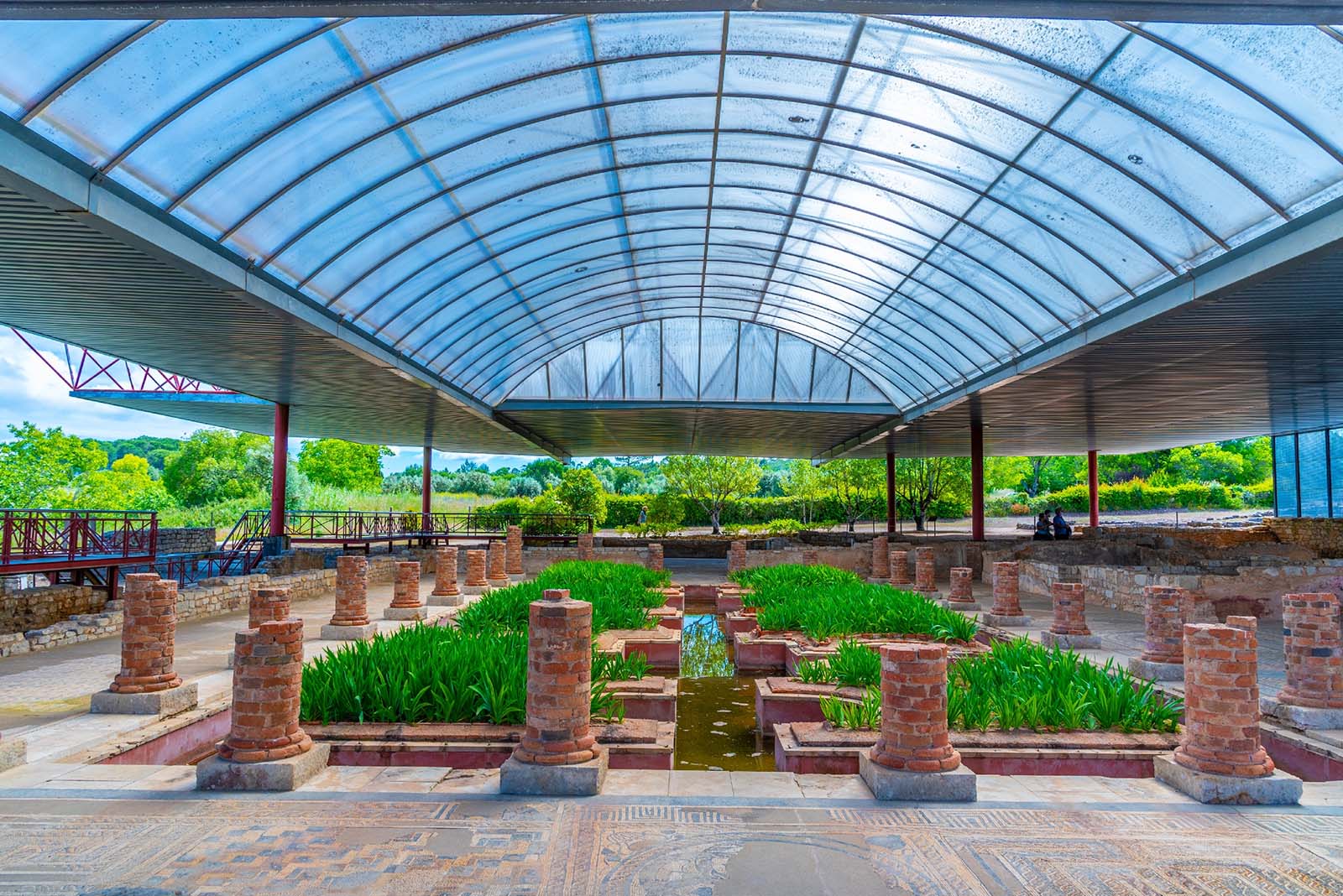
Marvel at the House of the Fountains Mosaics
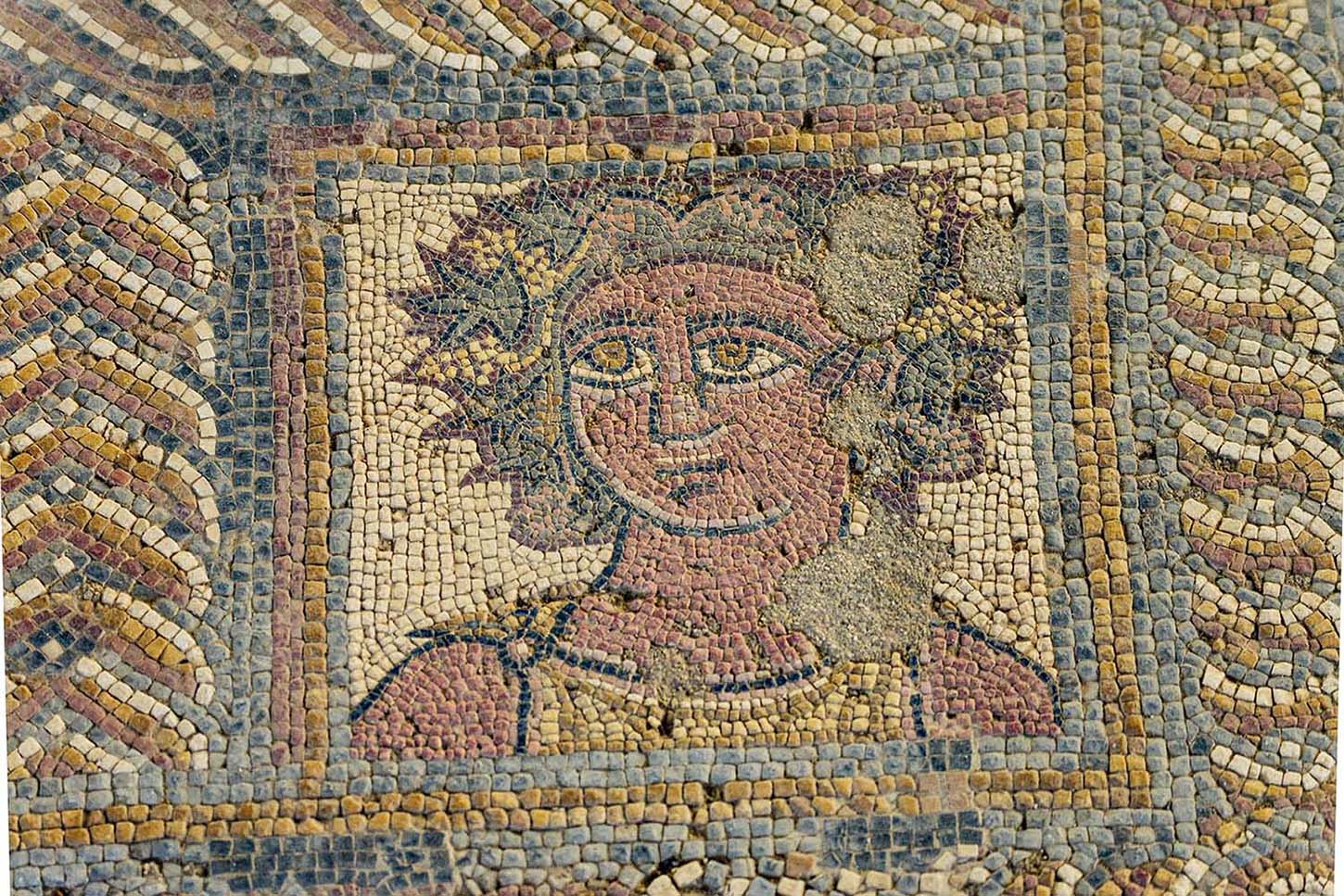
The triumphant centerpiece of Conímbriga reveals itself in the stunning water gardens of the House of the Fountains. Stretch your imagination across 1,800 years as you witness the largest residential mosaic collection in Western Europe. Gaze in wonder at the central labyrinth motif – its spiraling patterns whispering forgotten secrets – while vibrant hunting scenes and marine creatures dance across forty surrounding mosaic panels. Arrive during golden hour when long shadows emphasize these stone masterworks in dramatic relief.
Trace the Evolution of Roman Construction
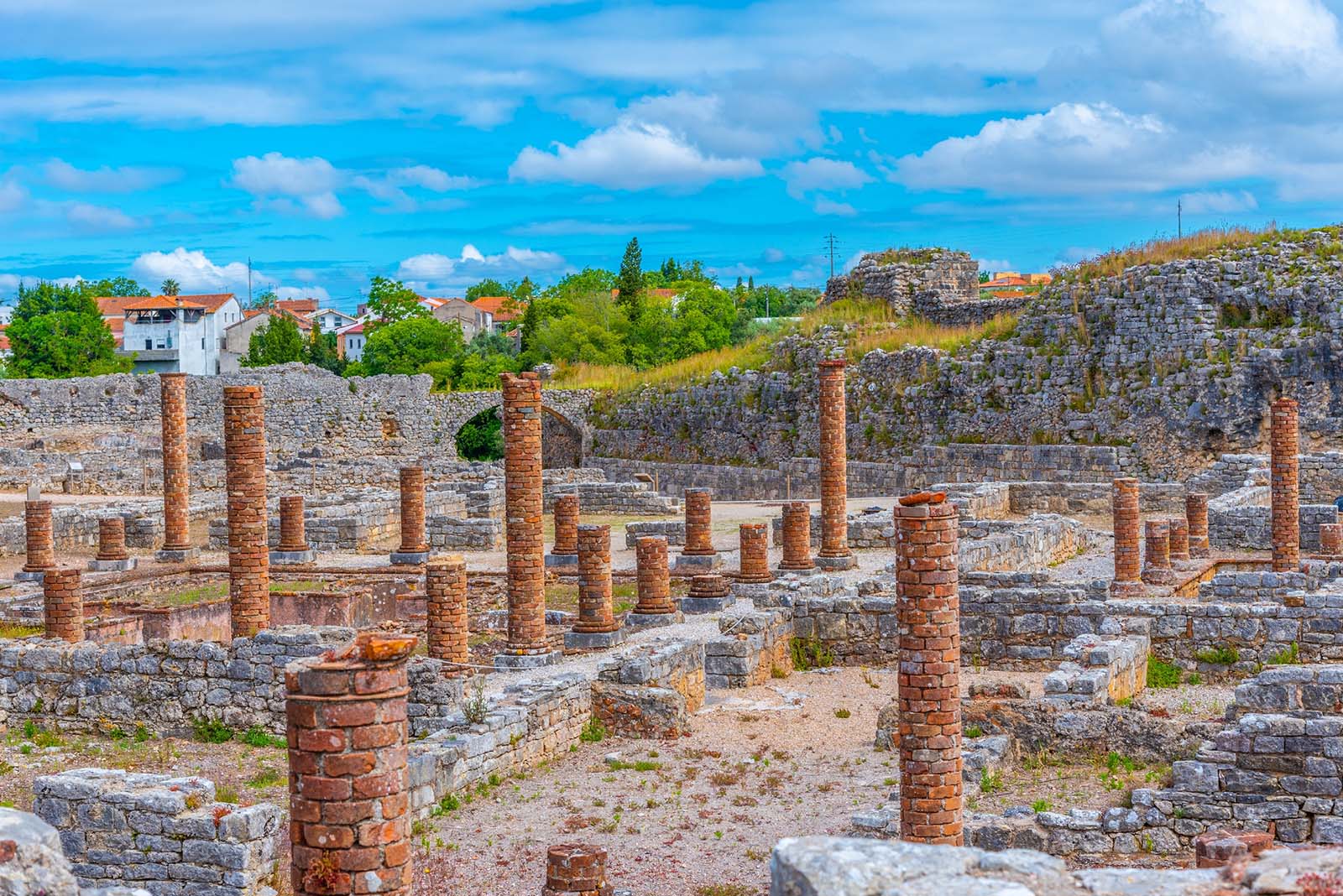
Witness archaeology firsthand as you follow the timeline etched in stone. Start at the crude granite foundations from Rome’s early conquests (138 BCE), then move to elegant limestone constructions from the Imperial golden age. Don’t miss the poignant juxtaposition later builders created by plundering older structures for new walls during the site’s twilight years around 468 CE. This architectural evolution tells a powerful story of ambition, adaptation, and ultimately, survival.
Decipher Life in Ancient Lusitania
The on-site museum transforms artifacts into vivid stories – handle replica oil lamps, examine surgical tools that once healed Roman citizens, and marvel at glassware that survived millennia intact. Personal effects like hairpins and children’s toys offer intimate glimpses of daily living. Your journey through the galleries culminates with remarkable scale models that resurrect the bustling city from ruin, showing public baths, markets, and temples exactly as they appeared in their prime.

Intricate Roman mosaic at Conímbriga © Shutterstock
Seasonal Magic: When to Visit
Conímbriga’s ever-changing moods through the seasons offer distinct experiences for every traveler:
Spring Awakening (March-May)
Awash in wildflowers and birdsong, spring transforms the ruins into a living canvas. Comfortable temperatures (64-75°F) create ideal conditions for exploration, while vibrant green landscapes frame the ancient stones. Nearby accommodation ranges from charming guesthouses (€60-€90) offering homemade breakfasts with local honey, to vineyard stays just minutes from the site.
Summer Spectacle (June-August)
As temperatures climb to 86°F, strategic planning unlocks summer’s rewards. Arrive when gates open at 9 AM to wander empty pathways before coaches arrive. Many hotels offer sunset tours when the golden light makes mosaics appear to glow from within. Though midday heat can be intense, evening concerts in the ancient theater make summer visits unforgettable.
Autumn’s Golden Embrace (September-November)
September’s lingering warmth (80°F) gradually yields to November’s crisp air (60°F). This sweet spot delivers smaller crowds and stunning visuals – imagine silver olive leaves quivering against amber ruins. Local wine harvests mean you’ll taste exceptional vintages in nearby taverns, while accommodation prices dip to €55-80.
Winter’s Quiet Majesty (December-February)
Winter reveals Conímbriga’s dramatic bones when stripped of foliage. Mist-shrouded mornings create an atmosphere worthy of a Roman ghost story, with temperatures hovering around 54°F. You’ll often have entire sections to yourself – just pack waterproof shoes for occasional showers. Nearby thermal spas offer the perfect complement after exploring chilly ruins.
Culinary Journeys Through Ancient Lands
The region surrounding Conímbriga nourishes travelers with authentic Portuguese flavors. After exploring the ruins, journey just 2 km to quaint Condeixa-a-Nova where family-run establishments serve time-honored recipes using methods unchanged for generations.
Local Specialties to Savor
- Leitão à Bairrada: Suckling pig roasted until the skin crackles like Roman pottery shards, traditionally served with tangy orange slices
- Chanfana de Cabrito: Fall-off-the-bone kid goat slow-cooked in red wine with bay leaves and garlic
- Azeite da Beira Litoral: Buttery olive oil pressed from century-old groves surrounding the ruins
- Queijo de Rabaçal: Pillowy sheep-and-goat cheese from nearby villages – pair with quince paste
Unforgettable Dining Experiences
- Taberna Lupus: Inside a renovated stone cottage with exposed Roman-era foundations, enjoy charcoal-grilled meats with smoked paprika
- Solar dos Pássaros: Their €18 “Roman Feast” menu features dishes recreated from ancient texts, served in replicas of Samian ware pottery
- Vinha da Paula: Sunset tastings at this family vineyard include olive oil samples pressed using Roman-inspired techniques
Beyond the Ruins: Enriching Excursions
Extend your journey into Portugal’s layered history with these handcrafted experiences:
Journey Through Time Tour
Our signature full-day experience begins with privileged access to Conímbriga’s restricted dig sites, including ongoing excavations where archaeologists share their latest discoveries. After lunch featuring 2000-year-old recipes at a local quinta, continue to Rabaçal’s villa where stunning dolphin mosaics hint at Roman maritime trade.
Aqueducts & Academia Adventure
Combine Conímbriga with Coimbra’s UNESCO wonders in one seamless itinerary. Walk sections of the original Roman aqueduct before descending to the atmospheric Cryptoporticus under Machado de Castro Museum. Your scholar-guide connects Roman educational systems to Coimbra University’s medieval traditions over a traditional Portuguese dinner accompanied by live fado.
Mosaic Masterclass
In this hands-on workshop at a studio overlooking the ruins, create your own tesserae artwork using traditional Roman techniques. Local artisans guide you through stone cutting and color theory used in ancient designs, ensuring you leave with not just photos, but personal creations inspired by the master mosaicists of Lusitania.

Roman ruins at Conímbriga © Shutterstock
Essential Visitor Insights
Planning Your Visit
Summer crowds peak between 11 AM-3 PM; arrive early or enjoy late afternoon golden hour. Wear sturdy walking shoes for uneven surfaces. The museum offers excellent English translations, but hiring a guide unlocks hidden stories – available onsite for €25/hour. Budget 2-3 hours minimum; history enthusiasts easily spend half a day. Recent improvements include shaded rest areas with water stations throughout the site.
Beyond the Main Site
Don’t miss the panoramic views from the Cabeço de Viamonte lookout trail, linking Conímbriga to Iron Age settlements that predate Roman occupation. Nearby, the Roman Road Conservation Park preserves 500 meters of authentic paving stones where you can walk along the original route that connected ancient cities.
Family Exploration Tips
Children become junior archaeologists with our specially designed interactive guidebook (available at the ticket office). Engage young minds with mystery-solving activities like deciphering Roman numerals in the bathhouse or identifying mythical creatures in mosaics. Cool off afterwards at nearby Aquaduct Springs’ natural swimming pools formed by ancient underground channels.
Where History Meets Hospitality
Sleeping Near Ancient Stones
- Quinta da Conímbriga: Farmstay with Roman-themed rooms overlooking olive groves (€85-€120)
- Hotel Pedra d’Água: Modern comfort in Condeixa with thermal spa fed by ancient springs (€70-€150)
- Domus Romana Guesthouse: Reconstructed Roman-style lodging featuring hypocaust heating recreations (€95-€180)
Sustainable Tourism Practices
Your visit supports vital conservation work – ticket revenue funds ongoing excavations and mosaic restoration projects. The site uses innovative rainwater harvesting and solar-powered lighting systems to minimize environmental impact. Consider offsetting your carbon footprint by contributing to the Olive Grove Initiative, planting trees in areas deforested during Roman mining operations.
Crafting Your Portuguese Odyssey
Linking Conímbriga with Portugal’s other treasures maximizes your journey through time:
The Roman Coastal Route
Combine Conímbriga with two days exploring Lisbon’s underground Roman Theater and Museum before continuing north. Visit the remarkably preserved fish salting tanks at Troia’s Roman ruins along the coast, ending with Porto’s ancient bridges and wine cellars where techniques descend from Roman viniculture traditions.
Medieval Romance Circuit
From Conímbriga’s Roman stones, journey through time to Coimbra’s medieval university city (20 minutes), then climb to the fairy-tale castle at Montemor-o-Velho overlooking rice fields. Continue to Batalha’s spectacular Gothic monastery (40 minutes) and finish at Óbidos’ walled village where flower-draped lanes evoke Portugal’s golden age.
Your Gateway to Ancient Lusitania
Standing before Conímbriga’s breathtaking mosaics, you join generations of travelers marveling at Rome’s provincial splendor. Here, history isn’t confined to dusty books – it breathes through sun-warmed stones and whispers in olive groves planted when emperors ruled. As Portugal’s best-preserved Roman treasure, Conímbriga rewards curious travelers with profound connections across millennia. Will you answer time’s invitation?


