
The Ultimate Guide to Viseu: Portugal’s Hidden Gem Between Mountains and Vineyards
Perched on a sun-drenched plateau in central Portugal, Viseu whispers its charms rather than shouting them. This is a city where ancient stone walls cradle Renaissance treasures, where vineyard-covered hills stretch as far as the eye can see, and where modern life unfolds at that perfect Portuguese pace – unhurried but full of flavor. Viseu isn’t just a stopover; it’s a destination that reveals why Portugal continues to enchant thoughtful travelers looking beyond the well-trodden paths.
Imagine standing where Roman soldiers once marveled at strategic views (they called it Viso for good reason), tracing the same cobbled streets where legendary warrior Viriatus plotted resistance. Today’s Viseu merges this layered history with vibrant modernity – think Gothic cathedrals shadowing trendy wine bars, medieval lanes opening into leafy parks, and a shopping complex where locals gossip over espresso just as their ancestors did in the town square.
Viseu’s Crown Jewel: A Journey Through Time and Taste
Any visit to Viseu pivots around two cultural treasures – the breathtaking Museu de Grão Vasco and the liquid gold flowing from surrounding vineyards. Housed in the historic bishop’s palace adjacent to Sé Cathedral, this museum holds Portugal’s most significant collection of religious art. The vivid blues and golds of Vasco Fernandes’ 16th-century altarpieces will leave you breathless, their emotional intensity undimmed by centuries.
As you wander downtown lanes, you’ll notice wine isn’t just a beverage here – it’s a birthright. Viseu sits at the literal heart of Dão wine country, where granite soils yield elegant reds and aromatic whites. Every tasca (tavern) and fine dining spot proudly pours local vintages. Time your visit for late summer and you’ll catch the city buzzing with the Feira de São Mateus, a six-century-old festival transforming Viseu into a carnival of grilled meats, folk music, and barrels of that famous Dão wine.
Viseu’s Strategic Heart: Location Perfection
Finding Viseu on a map reveals why it’s been coveted for millennia. Imagine drawing a triangle between three Portuguese icons – historic Porto to the north, Lisbon’s capital energy to the southwest, and the Serra da Estrela’s mountain grandeur to the southeast. Right at the center sits Viseu, 500 meters above sea level on Portugal’s highest plateau.
This geography gifts Viseu with distinct advantages. Unlike coastal cities swarmed by summer tourists, Viseu maintains its authentic rhythm year-round. The absence of a train station (you’ll arrive by car or bus) acts as a gentle filter, ensuring visitors tend to be those genuinely curious about Portugal’s soul rather than checking boxes on a hurried itinerary.
From Viseu’s plateau, adventures ripple outward:
- 60 minutes north: Porto’s Ribeira district and Douro River vistas
- 45 minutes west: Aveiro’s Venice-like canals and coastal salt flats
- 90 minutes east: Serra da Estrela Natural Park’s hiking trails and Portugal’s highest peak
- 30 minutes south: Dão Valley’s family-run wineries and quintas
Navigating Viseu: A City Made for Wandering
Viseu rewards those who explore at walking pace. The compact historic center reveals its secrets gradually – a glimpse of azulejo tiles through an archway, the sound of fountains in hidden courtyards, the scent of charcoal-grilled sardines wafting from a tasca. But smart navigation ensures you maximize your experience without missing essentials.
Mastering Viseu’s Walkability
Pack comfortable shoes with grip – Viseu’s hills and cobbles demand them. Start at the Praça da Sé (Cathedral Square), where the fortress-like cathedral and Grão Vasco Museum stand shoulder-to-shoulder. From here, follow the Rua Direita (Straight Street) – actually delightfully curved – downhill past Renaissance mansions toward Rossio Square with its plane trees and open-air cafés.
Watch for these pedestrian arteries:
- Rua Augusta: Lined with artisan shops selling clay pottery and linen
- Rua do Comércio: Boutique galleries and wine bars with outdoor seating
- Rua Escura: Atmospheric “Dark Street” tunneling beneath medieval arches
Beyond Walking: When to Use Wheels
While the historic core spans just 1.5 square kilometers, having transportation options enhances your visit:
- Bicycles: Rent from municipal stations near Rossio for the Ecopista do Dão – a 49km traffic-free path along a retired railway through vineyards and villages.
- Ride-shares: Bolt operates reliably here. Use for hilltop returns after dinner – a 10-minute ride costs about €4-€5.
- Driving: Essential for wine tours. Note that many quintas require appointments.
- Bus network: Helpful for reaching Fontelo Park or the modern shopping districts.
Timing Your Visit: How Long to Soak in Viseu?
Viseu operates on “Portuguese time” – meaning experiences deepen when you slow down. Here’s how to match your schedule to the city’s rhythm:
The 24-Hour Sprint (Not Recommended But Possible):
8 AM: Pastéis de Viseu (custard tarts) with coffee at Confeira Amaral
10 AM: Museu Grão Vasco masterpieces
1 PM: Alheira sausage lunch at Muralha da Sé
3 PM: Cathedral climb for panoramic views
5 PM: Wine tasting at Solar do Dão enoteca
8 PM: Fine dining at DOC Dão (Michelin-recommended)
What you miss: Sunset at Cava do Viriato, nightcap in Rossio Square’s wine bars
The 48-Hour Immersion (Ideal):
Day 1: Historic center, adaptive reuse boutiques (think cork fashions at Pura Concept), evening fado in Adega Tipica
Day 2: Morning at Fontelo Park/Palácio do Gelo complex, afternoon wine estate tour
Pro tip: Add a third night if visiting during São Mateus festival
The Weeklong Stay (For Slow Travelers):
Combine city days with:
- Hiking in Serra do Caramulo
- Cheese-making workshops in Serra da Estrela
- Multi-day cycling along Ecopista
- Cooking classes focusing on Dão region cuisine

Pousada de Viseu © TMP – An Instant of Time/Shutterstock
Where to Stay: Accommodations as Unique as Viseu Itself
From aristocratic mansions to vineyard eco-lodges, Viseu offers stays that amplify your travel style:
Historic Center (For First-Time Visitors)
Sleep where bishops and merchants once lived. Pousada de Viseu occupies a restored 19th-century hospital with cloistered gardens. For boutique charm, Casa da Sé has just five rooms behind a Renaissance façade, with breakfast served on azulejo-tiled patios.
Rossio Square Area (Couples & Nightlife)
Hotel Montebelo‘s rooftop bar offers cathedral views with your gin tonic. Newer Rossio Boutique Hotel merges mid-century design with smart tech – rain showers, wine minibars stocked with local Dao vintages.
Fontelo Park (Families)
Hotel AJ Viseu provides family suites, pools, and play areas minutes from Fontelo’s trails. Quinta de Santiago, a converted farm just outside town, offers apartment-style stays with kitchenettes.
Dão Wine Estates (Luxury & Seclusion)
Casa do Requeijo combines wine tastings with cheese-making workshops. For full immersion, Quinta da Pacheca lets you sleep in giant wine barrels amid the vineyards, 30 minutes from Viseu’s center.
The Viseu Experience: More Than Just a Stopover
What truly distinguishes Viseu isn’t just its attractions or wines, but its ability to make visitors feel like temporary locals rather than tourists. Morning markets buzz with farmers selling just-picked cherries. Elderly men debate football over espresso shots under the arcades of Praça Dom Duarte. Artisans still shape pottery using Roman-inspired techniques. This is living heritage, not museum dioramas.
As you plan your Portuguese journey, consider this: In Viseu, you’ll find the authentic connections travel is meant to foster. You’ll sip wines poured by generations-old vintners, sleep within ancient walls that tell stories, and wander streets free from the hurried crowds of Portugal’s better-known cities. That rare alchemy makes Viseu not just a place to visit, but a place to remember.
Viseu Portugal: An Unforgettable Journey Through History, Wine & Authentic Beauty
Nestled in the heart of Portugal’s Dão wine region, Viseu unveils itself like a well-kept secret. This historic city combines medieval charm with modern vitality, offering travelers an authentic Portuguese experience away from crowded tourist hotspots. With its golden stone architecture, world-class museums, and rolling vineyards right outside city limits, Viseu invites you to slow down and savor its unique atmosphere.
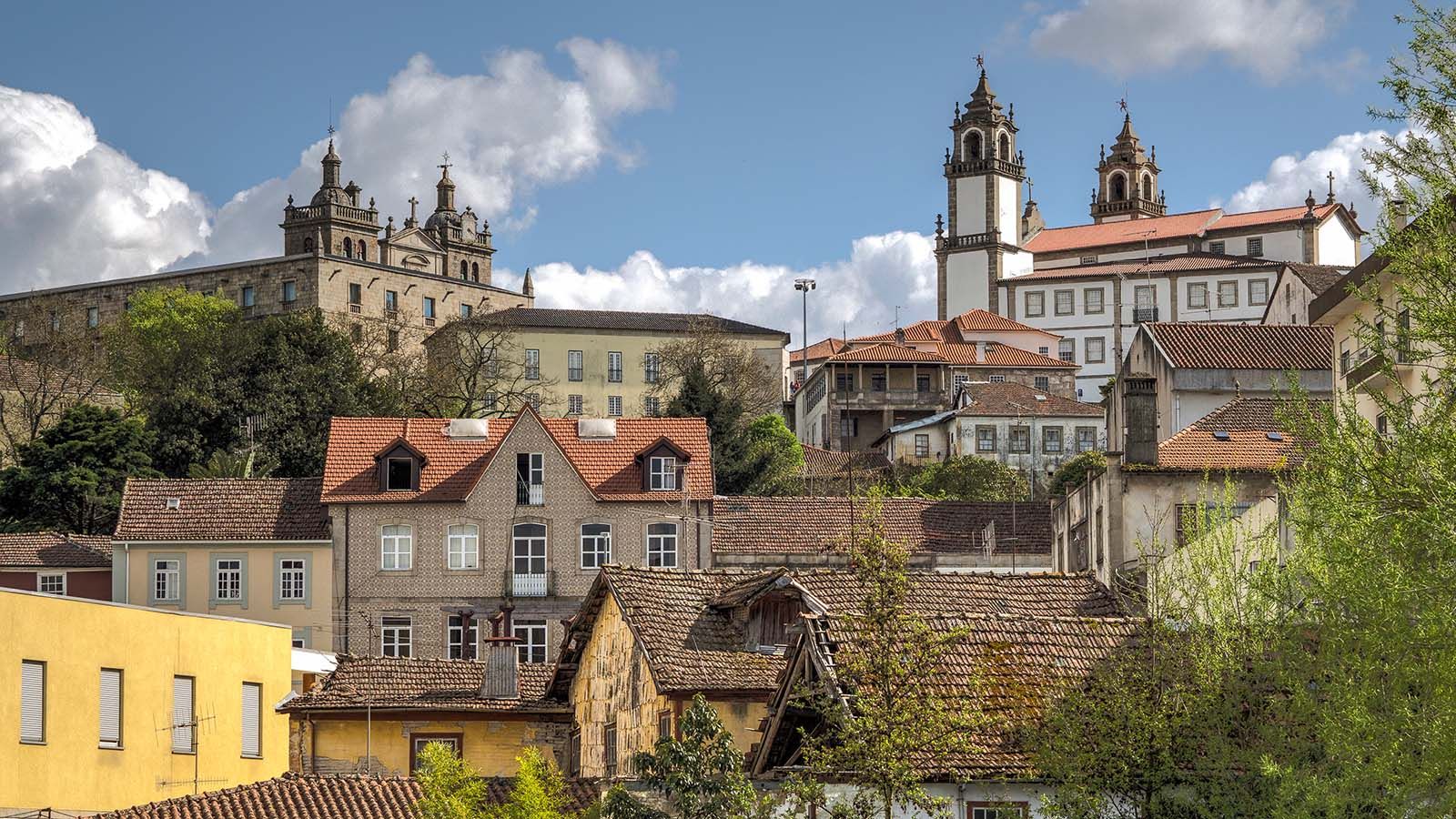
Captivating streets of central Viseu, Portugal © Shutterstock
The 7 Essential Experiences in Viseu
Immersing Yourself in Sé Cathedral’s Living History
The formidable Sé Cathedral doesn’t just dominate Viseu’s skyline – it encapsulates the city’s soul. Imagine tracing eight centuries of Portuguese history through its evolving architecture: the Romanesque foundation stones laid in the 12th century, Gothic arches reaching heavenward, and Baroque flourishes added during Portugal’s golden age. Inside, shafts of sunlight illuminate astonishing details – gilded altarpieces that glow like trapped sunlight, and cloisters whose silence carries whispers of past bishops. Pro tip: Visit at twilight when the golden-hued granite seems to absorb the sunset, creating an almost ethereal atmosphere around the cathedral square.
Museu de Grão Vasco: Portugal’s Artistic Treasury
Next door to the cathedral, the Museu de Grão Vasco offers one of Portugal’s most remarkable art experiences. The museum’s namesake, Vasco Fernandes (better known as Grão Vasco), left an indelible mark with his 16th-century religious paintings. His altarpieces reveal astonishing detail – look closely at Saint Peter’s expression in the “Pentecost” panel, where divine inspiration seems to radiate from every brushstroke. Beyond these Old Masters, the museum’s collection spans carved wood sacramental art and intriguing Flemish tapestries. Did you know? The museum building itself was once the residence of Viseu’s bishops – imagine influential church figures walking these same halls centuries ago.
Finding Zen in Parque do Fontelo
Need a break from stone streets and museum halls? Parque do Fontelo offers 10 hectares of woodland sanctuary right in the city center. Originally a 16th-century bishop’s hunting estate, this green oasis features majestic plane trees, medieval walls draped in ivy, and hidden Renaissance chapels. Today’s visitors might jog along pine-scented trails, play soccer where bishops once rode horses, or enjoy family picnics near trickling fountains. Local’s secret: The west-side pathway offers stunning views of Viseu’s terracotta rooftops framed by distant vineyards – especially magical at golden hour.
Getting Lost in Viseu’s Medieval Maze
Viseu’s old town doesn’t just preserve history – it breathes life into every cobblestone. Begin your wandering at Praça Dom Duarte (named after Portugal’s philosopher-king who was born here), letting the network of alleys guide you past surprises like hidden courtyards with lemon trees and family-run taverns serving homemade queijo da serra cheese. Notice the distinct “calçada portuguesa” stone mosaics underfoot – decorative pavements that have become a Portuguese art form. Evening tip: As daylight fades, follow the warm glow emanating from traditional tabernas to enjoy local red wine and petiscos (Portuguese tapas) among locals.
Solar do Vinho do Dão: Your Dão Wine Education
No visit to Viseu is complete without tasting the elegant wines that made the Dão region famous. The Solar do Vinho do Dão operates in a beautifully restored 17th-century manor where wine appreciation becomes accessible to all. Young, knowledgeable sommeliers guide you through flights that showcase Dão’s diverse terroirs – from the robust Touriga Nacional reds to increasingly acclaimed Encruzado whites. For wine novices: Ask about “Viseu for Wine Beginners,” a tasting experience that compares local grapes to more familiar international varieties. Rooftop perk: The terrace offers panoramic views of Viseu’s historic center, creating the ultimate sunset wine-sipping experience.
Museu Almeida Moreira: A Collector’s Passion Project
This often-overlooked museum provides a fascinating glimpse into early 20th-century Portuguese intellectual life. Art critic Francisco de Almeida Moreira filled his belle-époque mansion with eclectic treasures – from Chinese porcelain collected during Macau trade missions to delightfully quirky personal portraits. As you wander creaking wooden floors between rooms, the museum feels more like visiting a sophisticated great-uncle’s home than a formal institution. Hidden gem: The library preserves Moreira’s personal notes about art acquisitions, revealing the collector’s enthusiastic personality.
Rossio Square: Where History Meets Daily Life
At first glance, Rossio Square appears to be Viseu’s modern social hub – all café umbrellas and families strolling amid garden flowers. Look closer at its surrounding walls: Massive azulejo tile panels tell dramatic visual stories of regional heroes and historic events. These aren’t antique blue-and-white tiles but vibrant mid-century creations commissioned during Portugal’s Estado Novo regime. The most striking work shows Viriatus, leader of local Lusitanian tribes who defied Roman conquest with clever guerrilla tactics. Café tip: Order a galão (Portuguese latte) at Pastelaria Rossio and study the tiles sequentially – they reveal how Viseu wants to remember its past.

Viseu’s Hidden Treasures Beyond the Guidebooks
While the main attractions captivate, Viseu’s magic often shines brightest when you wander off-script. Consider these local-approved experiences:
The Rabelo Boat Festival (September)
Each autumn, Viseu celebrates its historical Douro Valley wine connection with colorful rabelo boats in dry-dock parades – a tradition recalling vessels that once transported port wine barrels to Porto.
Feira de São Mateus
Starting August 15th, Viseu hosts Portugal’s oldest continuous fair (dating back to 1392!), transforming the city with folk dancing, traditional crafts, and food stalls serving up regional specialties like trutas doces (sweet trout pastries).
Village Day Trips
Venture into the Dão Valley to discover whitewashed villages like Santar that time forgot, complete with stone grain mills still standing beside rushing streams. The drive itself through vine-covered hillsides makes for stunning photography.
Practical Tips for Visiting Viseu
When to Visit
Spring (April-May) and autumn (September-October) offer mild weather perfect for exploring. Summer brings fewer crowds than coastal Portugal but does get warm – plan indoor activities for midday.
Staying Connected
Free municipal Wi-Fi blankets the historic center – look for “Viseu Digital” hotspots. English proficiency grows with younger generations, but basic Portuguese phrases earn warm smiles.
Getting Around
Viseu’s compact center rewards walkers. For vineyards or mountain viewpoints, rent a car or use Uber (surprisingly available in this midsize city).
Gastronomic Delights
Beyond Dão wines, don’t miss:
- Cabrito assado (roast kid goat)
- Migas à Viseense (bread-based pork dish)
- Castanha pilada – candied chestnut specialty
Why Viseu Belongs on Your Portugal Itinerary
In a country celebrated for coastal cities, Viseu offers something different – an authentic Portuguese experience where history feels present in everyday life. Where else can you admire Renaissance masterpieces in the morning, taste award-winning wines in a 400-year-old cellar at midday, and wander cobblestone alleys unchanged for centuries by twilight? Viseu reveals Portugal’s heartland soul, rewarding travelers who venture beyond the standard Lisbon-Porto-Algarve circuit with memories of warmth, beauty, and cultural discovery.
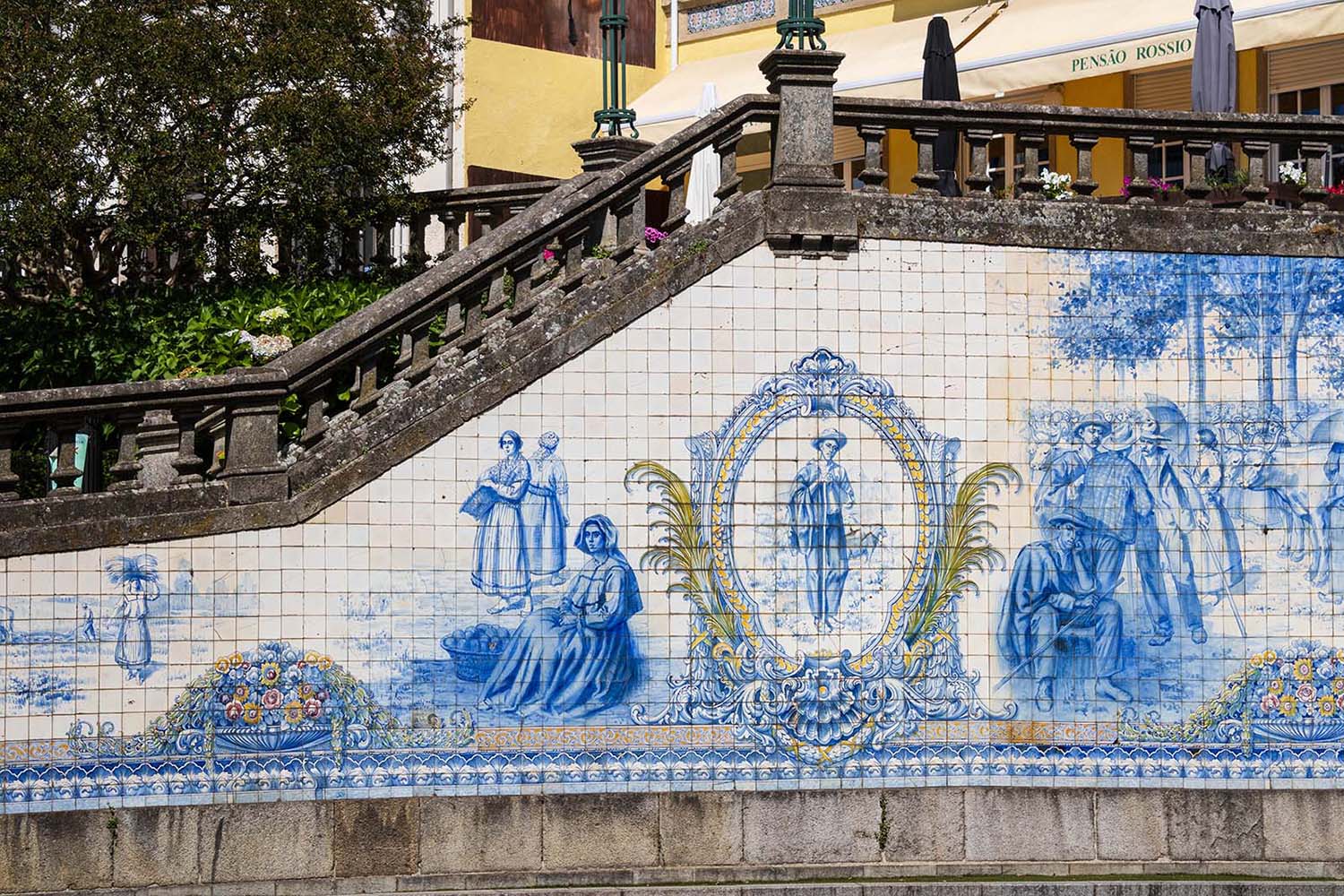
The curious Tile Panel in Praça da República (Rossio) in Viseu © Shutterstock
Discover Viseu: Portugal’s Hidden Mountain Gem
Nestled atop Portugal’s scenic Beira Alta plateau, Viseu invites travelers to discover its rare blend of medieval charm and modern vitality. This underrated destination combines granite-paved streets with panoramic vineyards, Renaissance art with family-friendly attractions, making it perfect for travelers seeking authentic experiences beyond Portugal’s crowded coastal hotspots. Let’s explore what makes this city so unforgettable.
Palácio do Gelo: Where Shopping Meets Glaciers
Imagine lacing up ice skates in central Portugal – that’s Palácio do Gelo’s delightful paradox. More than just Portugal’s largest shopping complex, this entertainment wonderland features a year-round ice rink surrounded by over 200 stores. Opened in the 1990s and expanded into a local institution, it’s where international brands sit beside traditional pastry shops serving pastéis de feijão (bean tarts).
What truly surprises visitors is how seamlessly modernity integrates with local life here. Parents sip espresso while watching kids practice pirouettes, teenagers flirt between H&M and ice cream stands, and elderly couples admire sweeping city views from upper-floor terraces. Even if malls aren’t your usual travel stop, the food court delivers regional specialties like crispy leitão (suckling pig) sandwiches perfect for a quick lunch between cathedral visits.
Ecopista do Dão: Cycling Through Liquid Gold
Former railway lines often become forgotten scars on landscapes, but Viseu transformed its disused tracks into the magnificent Ecopista do Dão. This 49-kilometer greenway winds from the city’s edge through Dão Valley’s famous vineyards, where Portugal’s elegant red wines originate. The path’s gentle grade makes it accessible for all – rent bikes from local shops or simply walk a few kilometers to feel Portugal’s rural pulse.
Spring transforms the route into a wildflower runway buzzing with butterflies, while autumn drapes vines in ruby clusters ready for harvest. Stop at converted stations-turned-cafés for bolo de arroz rice cakes and observe local farmers tending olive groves. Morning light filtering through chestnut forests creates magical photo opportunities, especially near the bridges spanning the sparkling Dão River tributaries.
Feira de São Mateus: Europe’s Oldest Party
Imagine a fair that’s survived plagues, wars, and modernization since 1392. Viseu’s Feira de São Mateus isn’t just Portugal’s oldest continuous festival – it’s a living museum of tradition meets modern revelry. From mid-August through September, fairgrounds at Campo de Viriato transform into a Portuguese dreamscape: smoky grill stalls perfuming the air with febras (marinated pork), folk bands competing with carnival rides, and generations dancing under paper lanterns.
Don’t miss September 21st’s climax – the streets erupt with brass bands, flower carpets, and religious processions honoring Saint Matthew. Insider tip: arrive hungry for favas (fava beans stewed with chouriço) and finish with doce da feira, a cinnamon-dusted pastry only available during the fair.
Viseu’s Four-Season Charm
Perched at 480 meters elevation, Viseu enjoys a Goldilocks climate – milder than coastal humidity yet warmer than Serra da Estrela’s peaks. The city wears each season beautifully, offering different reasons to visit year-round.
Spring Blossoms (March-May)
As almond trees erupt in pink confetti, Viseu shakes off winter’s chill with daytime temperatures climbing from 16°C to 23°C. April’s moderate rains feed surrounding valleys, creating emerald landscapes perfect for photographing historic facades against vibrant fields. Hotel rates hover around €75 nightly – ideal for budget-conscious travelers wanting to hike Ecopista do Dão before summer crowds arrive.
Summer Festivities (June-August)
With average highs of 28°C cooled by mountain breezes, summer turns Viseu into an open-air celebration. Extended daylight allows leisurely dinners on Rossio Square’s terraces, where you’ll hear clinking wine glasses until midnight. Pack wide-brimmed hats for exploring the Gothic cathedral’s exposed courtyards, and reserve rooms early (€90-€130 nightly) during Feira de São Mateus when the city nearly doubles in size.
Autumn’s Golden Embrace (September-November)
Wineries spark to life during September’s grape harvest – join vindimas (grape picking) excursions or taste fresh vinho verde at quintas along Ecopista do Dão. Crisp mornings (14°C) yield to sunny 23°C afternoons perfect for photography, as vineyards blush crimson and walnut trees shed golden leaves. With rates dipping to €65-€85 nightly, couples find romantic solitude in candlelit taverns serving wild boar stews.
Winter Warmth (December-February)
Frost occasionally dusts the cathedral’s spires, but Viseu winters rarely dip below 5°C – just right for steaming mugs of ginjinha sour cherry liqueur in cafés. Chilly rains polish granite streets into mirrors reflecting fairy-lit shops, while fireside fado sessions in wine cellars draw locals. Budget travelers score deals at €50-€70 nightly, often upgraded to suites in heritage manors with roaring fireplaces.
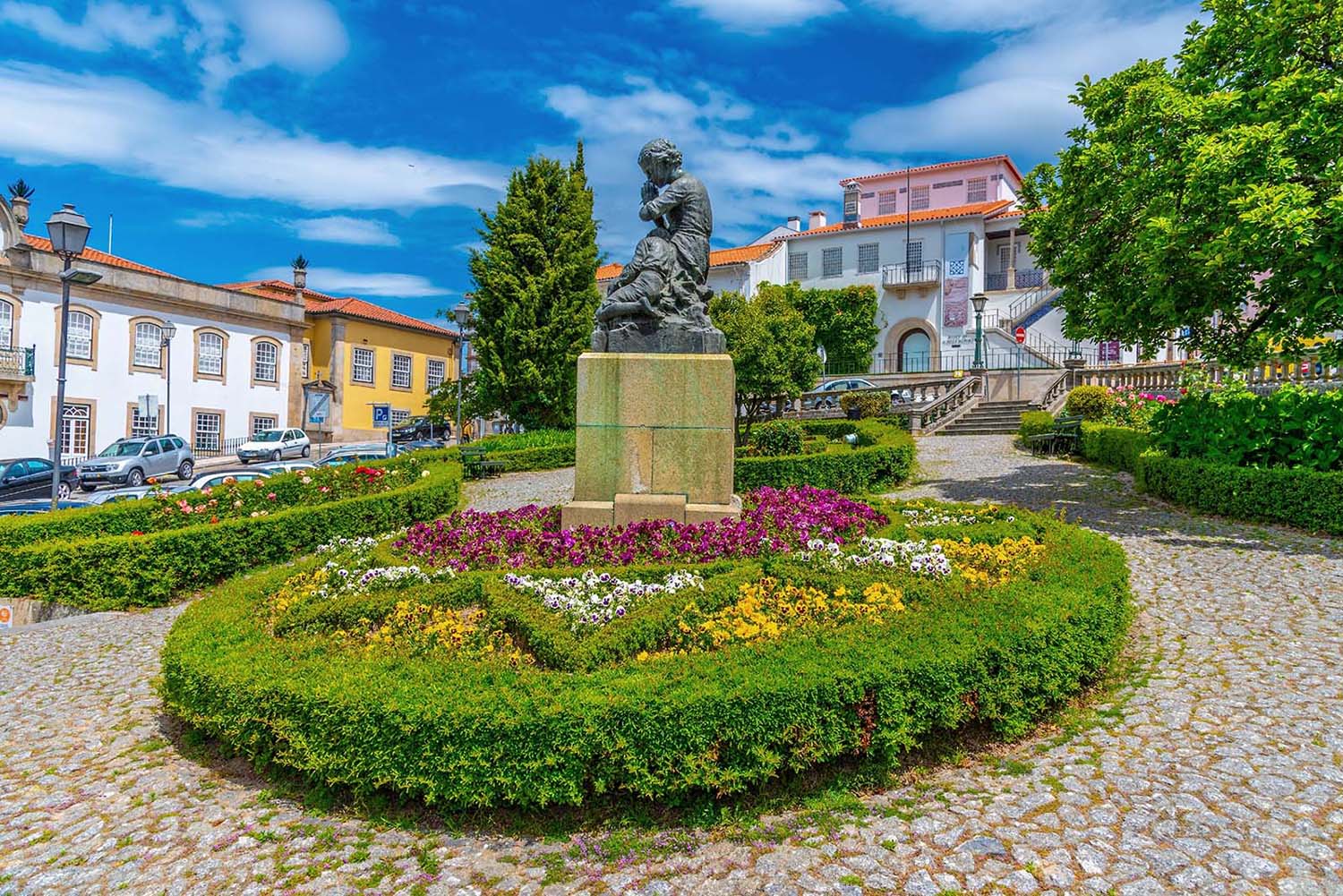
View of the museum of Almeida Moreira in Viseu, Portugal © Shutterstock
Viseu’s Culinary Symphony
In this land where Dão wines mature and mountain cheeses ripen, meals become celebrations of terroir. Viseu’s tables groan under weighty clay pots of slow-cooked meats, organic greens from nearby farms, and bread still warm from wood-fired ovens. Every bite tells centuries of shepherd traditions meeting aristocratic refinement.
Iconic Flavors to Savor
Queijo da Serra DOP – Picture a snowy-white cheese so unctuous it’s scooped with spoons. Produced from springtime sheep’s milk in nearby Serra da Estrela, this creamy marvel pairs perfectly with quince jam and crusty Broa de Milho cornbread.
Vitela Assada à Moda de Viseu – Succulent veal roasted in olive oil and wine until falling-off-the-bone tender, traditionally served with roasted potatoes caramelized in the meat’s dripping.
Bolo de Ferradura – The city’s signature horseshoe-shaped almond cake, its crust crackling with caramelized sugar over moist, citrus-kissed sponge.
Top Tables for Authentic Experiences
Restaurante Muralha da Sé – Dine within stone walls older than Columbus’ voyages, feasting on roast kid goat paired with Dão Reserva wines selected by award-winning sommeliers.
Mercado 2 de Maio – Viseu’s vibrant morning market where cheesemongers offer Serra samples amid piles of purple kale and ruby chouriços. Grab a stool at Tasca da Sé for €5 lunches of bean stew with locals.
Pastelaria Amaral – Since 1928, this patisserie crafts Viseu’s finest pastéis de Vouzela – flaky pastry horns filled with velvety egg-yolk cream.
Why Viseu Should Be Your Next Portuguese Escape
Beyond the well-trodden paths of Lisbon and Porto, Viseu offers travelers something increasingly rare: authenticity. Here, elderly women still exchange gossip while queueing for bread at century-old bakeries, vintners hand-decide grape harvest dates based on ancestral wisdom, and festivals feel like family reunions rather than tourist spectacles.
Whether you’re tracing Grão Vasco’s Renaissance brushstrokes in the cathedral museum, cycling through vineyards at golden hour, or simply lingering over espresso while the Rossio fountain dances, Viseu imprints itself on your soul. Its beauty lies not just in postcard-perfect plazas, but in the rhythm of daily life that welcomes visitors as temporary locals.
Pack comfortable shoes for the hilly streets, bring an appetite for hearty flavors, and prepare to discover why Viseu remains one of Portugal’s best-kept secrets – though perhaps not for much longer.
Tasting Viseu: A Culinary Journey Through Portugal’s Mountain Heartland
As you wander through Viseu’s medieval streets, the aromas wafting from rustic kitchens tell stories older than the cobblestones beneath your feet. This highland city nurtures culinary traditions passed down through generations – recipes crafted from necessity that became legends. Let’s explore the soul-warming dishes that define this region.
The Holy Quartet of Beira Alta Cuisine
Four iconic dishes form the cornerstone of Viseu’s gastronomic identity, each revealing a different facet of the region’s character:
Chanfana: The Dark Jewel of Portuguese Comfort Food
This isn’t just goat stew – it’s alchemy. Tough mountain goat transforms into silk through a 24-hour baptism in Dão red wine, garlic, and bay leaves. Cooked in traditional black clay pots called “caçoilas,” chanfana emerges with meat so tender it whispers off the bone. Locals swear the true magic happens during reheating, when flavors deepen like old friendships. Pair it with crusty broa cornbread to mop up the inky sauce, and you’ll understand why this dish survived wars and winters.
Javali Estufado: The Forest on Your Plate
When autumn paints Viseu’s woodlands crimson, hunters return with wild boar to fuel kitchens through the cold months. The javali estufado simmers for hours with onions, carrots, and just a whisper of red wine until the meat becomes earthy velvet. It’s served with chestnuts gathered from local forests – nature’s perfect pairing. Each bite carries the essence of Portugal’s mountain landscapes.
Arroz de Carqueja: The Bitter-Sweet Symphony
This humble rice dish tells a story of poverty turned poetry. The carqueja plant once fed livestock before clever cooks discovered its complex herbal notes could elevate simple rice. Its green bitterness plays against sweet onions and garlic like folk musicians trading verses. Locals cherish it as comfort food, while adventurous foodies celebrate it as Portugal’s answer to trendy bitter greens.
Viriato Cake: The Golden Legend
Every culture has its sweet warrior, and Viseu’s comes crowned with almond flakes. Named after Lusitania’s freedom fighter Viriatus, this golden confection of egg yolks and almonds shows the extravagant simplicity of Portuguese convent sweets. Legend says nuns created it to use leftover yolks (whites being used for communion wine clarification), but today it’s a regal treat. The crisp exterior surrenders to moist almond richness – history you can taste.
Feasting in Viseu: Where Tradition Meets the Table
These iconic dishes come alive in Viseu’s diverse eateries – from rustic taverns to refined manor houses. Here’s where locals and savvy travelers find authentic flavors.
Solar do Vinho do Dão: The Cathedral of Portuguese Wine
Housed in a 17th-century granite manor, this isn’t just a restaurant – it’s a vinous pilgrimage. Vaulted cellars house the region’s finest Dão bottles, while above ground, cheese and charcuterie boards become edible maps of local terroir. Try their curated pairing menus where elegant Touriga Nacional wines meet aged Serra da Estrela cheese. Their wine flights offer the perfect introduction to Viseu’s liquid heritage.
Mesa d’Alegria: Where Generations Gather
Tucked near the old Jewish quarter, this family-run tavern lives up to its name – “Table of Joy.” Stepping inside feels like joining a Beira Alta family reunion. Their chanfana recipe (secret: a dash of Port wine) has regulars lining up on Sundays. Don’t miss their post-meal tradition – a complimentary glass of humble but potent ginginha cherry liqueur.
Muralha da Sé: History You Can Taste
Just footsteps from Viseu’s stunning cathedral, this stone-walled institution specializes in time-honored recipes. Their roast kid goat emerges crackling-skinned from wood-fired ovens, served with migas (bread crumbs sautéed with garlic and olive oil). On winter days, their thick bean and cabbage soup could thaw frostbitten toes. Ask for window seats to dine with cathedral views.
Cortiço: The Flavors of Beira Alta
For 40 years, Cortiço’s wooden beams have absorbed the laughter of communal feasts. Portions here defy modern restraint – their wild boar plates could feed medieval hunters. Their bacalhau à Lagareiro (salt cod in olive oil) showcases Portugal’s national obsession. Leave room for their queijada de viseu – creamy cheese tarts dusted with cinnamon.
Santa Luzia: Tradition Refined
This elegant grande dame bridges rustic flavors and contemporary presentation. Their tasting menus take diners through Beira Alta’s seasons – white bean stew in winter, roasted peppers in autumn. Don’t miss their modernist twist on Viriato cake, deconstructed into almond cream with crispy pastry shards. The mineral-driven Dão whites from their curated list perfectly cut through rich dishes.
Experiencing Viseu: Beyond the Plate
Viseu’s magic extends far beyond its kitchens. These immersive experiences reveal the city through local eyes, whether you’re a history buff, wine lover, or adventurous family.
Cobblestones & Chronicles: The Essential City Walk
Viseu’s compact old town rewards wandering, but a knowledgeable guide transforms stones into stories. On this 3-hour journey, you’ll discover:
- The Sé Cathedral’s hidden symbols – from Templar crosses to pagan motifs reclaimed by Christianity
- Grão Vasco’s vibrant Renaissance paintings – Portugal’s answer to Caravaggio
- The ghost stories in Capela das Malheiras’s gilded baroque interior
- Viriatus’ legacy – how this shepherd-turned-rebel outwitted Rome’s legions
Dão Valley Wine Immersion
Just 20 minutes from Viseu, Portugal’s oldest delimited wine region unfolds. Artisanal producers craft elegant reds from tough mountain grapes. A typical day includes:
- Morning tours through century-old vineyards where granite soils stress vines into complexity
- Comparative tastings at estates – discover why Dão’s Touriga Nacional differs from Douro’s
- Al fresco lunches pairing velvety reds with smoked alheira sausages
- The secret “engaranhado” technique – how traditional basket-pressing creates finer tannins
Artisan Trails & Cultural Gems
Viseu’s creative spirit thrives beyond its museums:
- Watch bobbin lace makers in Cerca do Bispo village – patterns unchanged since the 1500s
- Blacksmiths forging wrought-iron crosses using medieval techniques
- Pottery workshops creating iconic rooster whistles
- Guided visits to the Almeida Moreira Museum reveal a scholar’s treasure-filled home
Family Adventures in Viseu
Portugal with kids? Viseu’s gentle pace and interactive experiences delight all ages:
Park Explorers
Viseu’s Parque do Fontelo engages children with:
- Centuries-old boxwood mazes perfect for hide-and-seek
- Renaissance loggia ruins to ignite castle fantasies
- Miniature train rides through woodland trails
Sweet Connections
At Confeitaria Amaral bakery, families create traditional:
- Brisas do Dão (Coconut-Almond Cupcakes)
- Estrelinhas (Star-Shaped Honey Cookies)
- The secret? Local honey from Serra do Caramulo’s wildflowers
Ecopista do Dão
This 49-km greenway along disused railway lines offers easy cycling:
- Gentle grades perfect for little legs
- Tunnel explorations with dramatic echo effects
- Picnic spots by medieval bridges
Mountain Wilderness: Beyond the City
Viseu serves as the perfect base for exploring Portugal’s rugged heartland:
Serra da Estrela Foothills
Europe’s westernmost ski resort transforms in summer into hiking heaven:
- Guided wildflower walks – spot rare narcissus and mountain orchids
- Traditional schist villages like Loriga, where bread still bakes in communal ovens
- Swimming in glacier lakes with sublime Natural Park views
Caramulo Mountains Art & Nature
A surprising cultural oasis where you can:
- Visit the Caramulo Motor Museum’s vintage car collection
- Hike among 200-million-year-old Jurassic rock formations
- Taste unique honey liqueurs at mountain taverns
The Viseu Experience: When to Visit & Traveler Tips
Seasonal Secrets
- Spring: Almond blossoms frame the city; Easter processions fill the streets
- Summer: Cool mountain air attracts Portuguese escaping coastal heat
- Autumn: Wine harvest festivals; forests erupt in gold and crimson
- Winter: Smoke from chestnut roasters perfumes the air; Christmas markets sparkle
Practical Wisdom
- Walk the “Roman triangle” – Praça da Sé to Rua Direita’s covered arcades
- Buy Dão wines directly from producers (Solar do Vinho can arrange visits)
- Mornings quiet, evenings lively – join the 6 PM passeio ritual
- Most shops close 1-3 PM – perfect for long lunches


🌟 The Travaloca Travel Editors Community is a dynamic collective of individuals united by their passion for travel and their dedication to high-quality content creation. This community serves as the driving force behind Travaloca's informative and engaging travel resources. ✨ Core Identity: This group consists primarily of passionate travel enthusiasts who have turned their love for exploration into a commitment to writing and content curation. Members are recognized for their: Extensive Travel Experience: Possessing valuable firsthand knowledge from their journeys worldwide. Aptitude for Writing and Editing: Demonstrating a keen interest and skill in crafting, reviewing, and perfecting travel narratives, guides, tips, and reviews. Dedication to Storytelling: Transforming personal experiences and destination knowledge into accessible, inspiring, and reliable information for a global audience. 📝 Community Focus: The community’s primary role is to contribute, edit, and maintain the diverse range of content on Travaloca's platform. They ensure the information provided is accurate, engaging, and reflective of current travel trends. In essence, the Travaloca Travel Editors Community is where travel passion meets editorial excellence, enriching the user experience and solidifying Travaloca’s standing as a trusted travel resource.


