
Imagine standing atop Portugal’s rooftop, where snow-dusted peaks stretch toward the sky and ancient stone villages cling to hillsides like natural extensions of the landscape. Welcome to Serra da Estrela – a world away from Portugal’s coastal resorts and a revelation for travelers seeking raw natural beauty. As the country’s highest mountain range, this geological wonder isn’t just a destination; it’s an immersive experience where nature writes its own rules and time moves at the pace of grazing sheep.
Carved by glaciers over millennia, this 1,000-square-kilometer natural park contains secrets waiting around every winding turn – from surprise waterfalls tumbling down granite cliffs to shepherds tending flocks as their ancestors did centuries ago. Here, Portugal’s only significant ski slopes sit just hours from Mediterranean beaches, while villages like Loriga and Linhares preserve traditions unchanged by modernity. Whether you come for heart-pumping hikes, crystalline river swims, or simply to breathe air pure enough to bottle, Serra da Estrela delivers Portugal’s most unexpected and unforgettable adventures.
Discovering Portugal’s Mountain Heart: Serra da Estrela’s Location
Driving just 45 minutes east from the historic city of Guarda brings you to a different Portugal entirely. Situated almost exactly midway between Lisbon and Porto (about 3.5 hours from each), Serra da Estrela forms the dramatic centerpiece of Portugal’s largest protected area. The park’s crowning glory is Torre – at 1,993 meters, it’s mainland Portugal’s highest point, marked by a curious stone tower that lets visitors literally stand on the nation’s rooftop.
What surprises first-time visitors most is the landscape diversity. The western approach through Seia reveals rolling foothills dotted with cherry orchards that explode in pink blossoms each April. Moving eastward, the terrain transforms dramatically – glacial valleys like the stunning Vale do Zêzere show nature’s sculpting power, while the high plateau near Torre feels more lunar than terrestrial. Between these extremes, you’ll find cork oak forests, alpine meadows, and quartzite ridges glowing golden at sunset.
Your Complete Guide to Getting Around Serra da Estrela
Navigating Serra da Estrela requires embracing the mountain mentality: the journey matters as much as the destination. While day-trippers might rush from viewpoint to viewpoint, true discovery happens when you slow down and let the landscape guide you.
The Freedom of Four Wheels
Renting a car unlocks Serra da Estrela’s full potential. The N339 road to Torre summit provides easy access to high-altitude vistas, but the real magic lies on secondary routes like the EN232 between Gouveia and Manteigas. These winding ribbons of asphalt twist through chestnut forests, past shepherd’s huts, and alongside rivers that flash silver in the sunlight. Pro tip: Fill your tank in lowland towns like Covilhã or Seia – gas stations become scarce in the high country.
Step Into Adventure
Serra da Estrela reveals its secrets most generously to those who travel by foot. Over 375km of marked trails cater to all abilities:
- Glacial Valley Explorer: An easy 4km loop from Manteigas follows the Zêzere River through sculpted valleys
- Torre Ridge Challenge: Strenuous 12km route with 360-degree views from mainland Portugal’s rooftop
- Village-to-Village Pilgrimage: Medium-difficulty 8km path connecting historic Linhares to Folgosinho
Local tourist offices provide excellent free maps, but consider hiring one of the region’s knowledgeable mountain guides to uncover hidden waterfalls and shepherd trails.
Two-Wheeled Perspectives
Cyclists find both challenge and reward here. Experienced road bikers test themselves on the serpentine climb to Torre (famous as the only Portuguese mountain featured in the Volta a Portugal), while gravel enthusiasts explore backcountry tracks leading to remote valleys. Several villages now offer e-bike rentals, making high-country exploration accessible to more riders.
Crafting Your Perfect Serra da Estrela Itinerary
How long should you devote to Portugal’s mountain kingdom? While you can drive through in a day, true immersion requires slowing your pace. Here’s how to maximize your time at different durations:
Weekend Warriors (2 Days)
Day 1: Arrive early via Covilhã. Drive to Torre summit for panoramic views before descending to Manteigas for lunch. Hike the Poço do Inferno waterfall trail in afternoon. Overnight in historic village guesthouse.
Day 2: Sunrise visit to glacial Vale do Zêzere. Explore wool workshop in Sabugueiro village. Depart via Seia with stop at Bread Museum.
Seasonal Immersion (4 Days)
Summer: Add river swimming in Loriga’s natural pools, overnight mountain refuge stay, and star-gazing night hike.
Winter: Include skiing at Vodafone Ski Resort, traditional sheepfold visit, and hot springs soak in Manteigas spa.
Ultimate Adventure Week
Combine hiking the historic Caminhos de Fronteira trail, cheese-making workshops with shepherds, kayaking on artificial lakes, and multi-day mountain hut trekking. Add rest days in picturesque villages like Alvoco da Serra for complete cultural immersion.

Serra da Estrela mountains © Shutterstock
Finding Your Perfect Mountain Retreat
Accommodation in Serra da Estrela reflects the landscape – authentic, solid, and full of character. Forget impersonal resorts; here you’ll sleep in converted shepherd houses, historic manor homes, and eco-lodges that blur the line between indoors and out.
Village Charm Meets Modern Comfort
Casa de São Lourenço near Penhas da Saúde sets the standard for mountain luxury with floor-to-ceiling windows framing breathtaking vistas. Their indoor infinity pool seems to spill into the Zêre valley below – perfect après-hike relaxation.
Authentic Rural Experiences
For genuine mountain living, Casa das Obras in Alvoco da Serra offers stone-walled rooms in a restored 18th-century complex. Hosts Ana and João organize cheese-making demos with local shepherds and know every hidden waterfall in the region.
High-Altitude Adventure Bases
The Refúgio da Montanha near Torre summit provides simple dorm-style lodging for serious hikers. At 1,800m altitude, waking here feels like having the mountaintop to yourself – especially when dawn paints the eastern slopes pink.
Experiencing Serra da Estrela Through the Seasons
This mountain realm transforms dramatically with each season, offering compelling reasons to return year-round:
Spring Renewal (March-May)
As snow recedes, hillsides explode with wildflowers – over 800 species thrive here, including rare mountain orchids. Waterfalls roar with meltwater, making April ideal for photographers. Local villages celebrate ancient religious festivals marked by flower-decked altars.
Summer Playground (June-August)
Mountain streams warm enough for swimming in natural pools like Praia Fluvial de Loriga. Hiking trails dry out, with long July days perfect for extended routes. Don’t miss Sabugueiro’s Wool Festival celebrating the region’s pastoral heritage.
Autumn’s Golden Embrace (September-November)
September brings the Chestnut Harvest Festival in Covilhã – smoky aromas fill village streets as locals roast nuts in open fires. Hillsides blaze with color while vineyards at lower elevations begin harvest. Crisp air and fewer crowds make this a local favorite season.
Winter Wonder (December-February)
When snow blankets the high plateau (usually January-February), Portugal’s only ski resort buzzs with activity. Even non-skiers enjoy horse-drawn sleigh rides, melted cheese dishes by crackling fires, and stunning ice formations along the High Route trails.
Savoring Serra da Estrela: Flavors and Traditions
Mountain culture here revolves around timeless traditions expressed through food, crafts, and community. These experiences shouldn’t be missed:
Cheese That Tastes of the Land
Serra da Estrela cheese isn’t just food – it’s cultural heritage. Made from Bordaleira sheep milk and thistle flower rennet, this creamy DOP-protected delicacy has been crafted the same way for centuries. Visit Queijaria O Pastor in Valezim to watch masters work copper cauldrons of warm curds before tasting paired with regional honey.
Textile Treasures
The wool that keeps sheep warm through mountain winters becomes beautiful blankets and garments. Lanifícios da Covilhã, a historic textile factory turned museum, showcases how local wool transformed Portugal’s economy. Many family workshops still operate traditional looms – look for the “Feito à Mão” (handmade) label.
Mountain Table Traditions
Menus reflect survival wisdom – hearty soups like caldo verde, smoked meats preserved through winter, and roast kid goat slow-cooked in wine. Must-try dishes include chouriço sausage roasted over fire at your table, and tibornada – baked trout fresh from mountain streams. Pair with local Dão region wines found nowhere better than at their source.
Beyond the Beaten Path: Serra da Estrela’s Secret Spots
Venture deeper to discover these lesser-known treasures:
Suspended in Time: Piódão Village
This UNESCO-recognized schist village appears carved from the mountainside itself. Its slate-roofed houses stack vertically up the valley walls like a Portuguese Machu Picchu. Come for lunch at O Fontinha restaurant, staying to hear ancient legends from locals as mist settles in the valley.
Waterfall Sanctuary
While Poço do Inferno draws crowds, seek out Cascata da Fraga near Vide for a magical experience. Following a narrow trail through pine forest reveals this 30m waterfall creating a perfect natural swimming hole – often with nobody else around.
Star-Gazer’s Paradise
As Portugal’s first UNESCO-certified Dark Sky Park, Serra da Estrela offers celestial spectacles. The Observatório Astronómico da Lousã hosts summer stargazing nights, while simple mountain lodges like Casas do Côro provide telescopes for guest use on crystal-clear nights.
Essential Tips for Your Mountain Adventure
Maximize your Serra da Estrela experience with these practical insights:
- Footwear Rules: Even easy trails have rocky sections – sturdy hiking boots prevent twisted ankles
- Weather Whiplash: Mountains create microclimates – carry layers year-round as temperatures can swing 20°C in hours
- Cash is King: Remote villages and trailside cafes often don’t accept cards
- Mobile Maze: Download offline maps – cellular coverage disappears in valleys
- Safety First: Inform accommodations of hiking plans and carry emergency whistle/blanket
- Ethical Visits: Never enter fenced pastureland, approach shepherd dogs cautiously, and pack out all waste
Why Visit Serra da Estrela Now?
In our increasingly homogenized world, places like Serra da Estrela become precious treasures. Here, shepherds still guide flocks using centuries-old migration routes, villages celebrate solstice festivals unchanged since medieval times, and nature maintains its raw power untouched by mass tourism. Unlike crowded Alpine destinations, you’ll share trails with more goats than people, encounter hospitality born of genuine mountain culture, and find prices refreshingly modest compared to other European mountain regions.
But subtle changes whisper on the wind – improved roads bring more visitors, younger generations drift toward cities, and climate shifts alter snowfall patterns. While development brings needed economic opportunity, the essential magic of Serra da Estrela lies in its preservation of authentic mountain life. Visit now not just to witness living traditions, but to support local communities keeping these traditions alive through your tourism euros.
The Lasting Call of the Mountains
Ultimately, Serra da Estrela offers more than stunning vistas and outdoor adventures. It provides a rare opportunity to reconnect with nature’s rhythms and humanity’s enduring relationship with wild places. Whether you spend your days conquering peaks or simply sipping regional wine beside a roaring fire as snow blankets silent slopes, these mountains stay with you. They become that quiet place in your memory you return to when life feels crowded – a reminder of Portugal’s wild heart, beating steadily between granite peaks and star-filled skies.
Experiencing Serra da Estrela: A Hidden World of Wild Beauty
Serra da Estrela isn’t your typical tourist destination with checklist attractions. This mountain sanctuary offers something far more precious – expansive spaces where time slows down, where crisp air fills your lungs, and where landscapes unfold with raw magnificence. Here, the true magic lies in embracing unhurried moments: tracing ancient glacial paths with your boots, savoring artisan cheese that tastes of the highlands, or watching sunlight play across Europe’s westernmost alpine ridges. Prepare to discover Portugal’s most soul-stirring natural wonder through these unforgettable experiences.
#1 Hike Through Nature’s Sculpture Gallery: Zêzere Glacial Valley
Step into one of Portugal’s most breathtaking geological wonders, where ancient ice sheets carved a masterpiece through solid granite. The Zêzere Glacial Valley stretches like a giant’s fingerprint between Manteigas and Torre, its U-shaped formation revealing layers of geological history. As you walk this ancient river path, you’ll navigate pine-scented forests, scramble over boulder fields left by retreating glaciers, and marvel at slopes where granite meets sky.
Choose between the full valley traverse for committed hikers or accessible sections perfect for families. While well-maintained trails make navigation straightforward, prepare for elevation changes and exposed sections where mountain weather asserts itself. Visit between March-May when melting snow creates cascading waterfalls and wildflowers blanket the ground, or experience the valley’s golden transformation in September-November when autumn paints the slopes and solitude reigns.
#2 Summit Mainland Portugal: The Drive to Torre’s Peak
Touching mainland Portugal’s highest point at 1993 meters becomes an adventure you’ll savor long after the drive. Whether approaching from Covilhã’s winding roads or Seia’s forested slopes, the journey to Torre transforms ordinary driving into a spectacle. Make time for unplanned stops – perhaps at Covão do Boi’s panoramic viewpoint or Lagoa Comprida’s reflective waters – where the park’s scale truly reveals itself.
At the summit, you’ll discover surprisingly human elements amidst the raw nature: trinket stalls offering woolen hats, warming cafés with hot chocolate, and the iconic stone tower marking Portugal’s rooftop. But the real magic lies beyond the parking area. Wander even 500 meters from the crowds and you’ll discover wind-sculpted snow formations in winter or fields of alpine blooms in summer. Pro tip: Mountain weather shifts rapidly – always pack an extra layer regardless of the forecast.
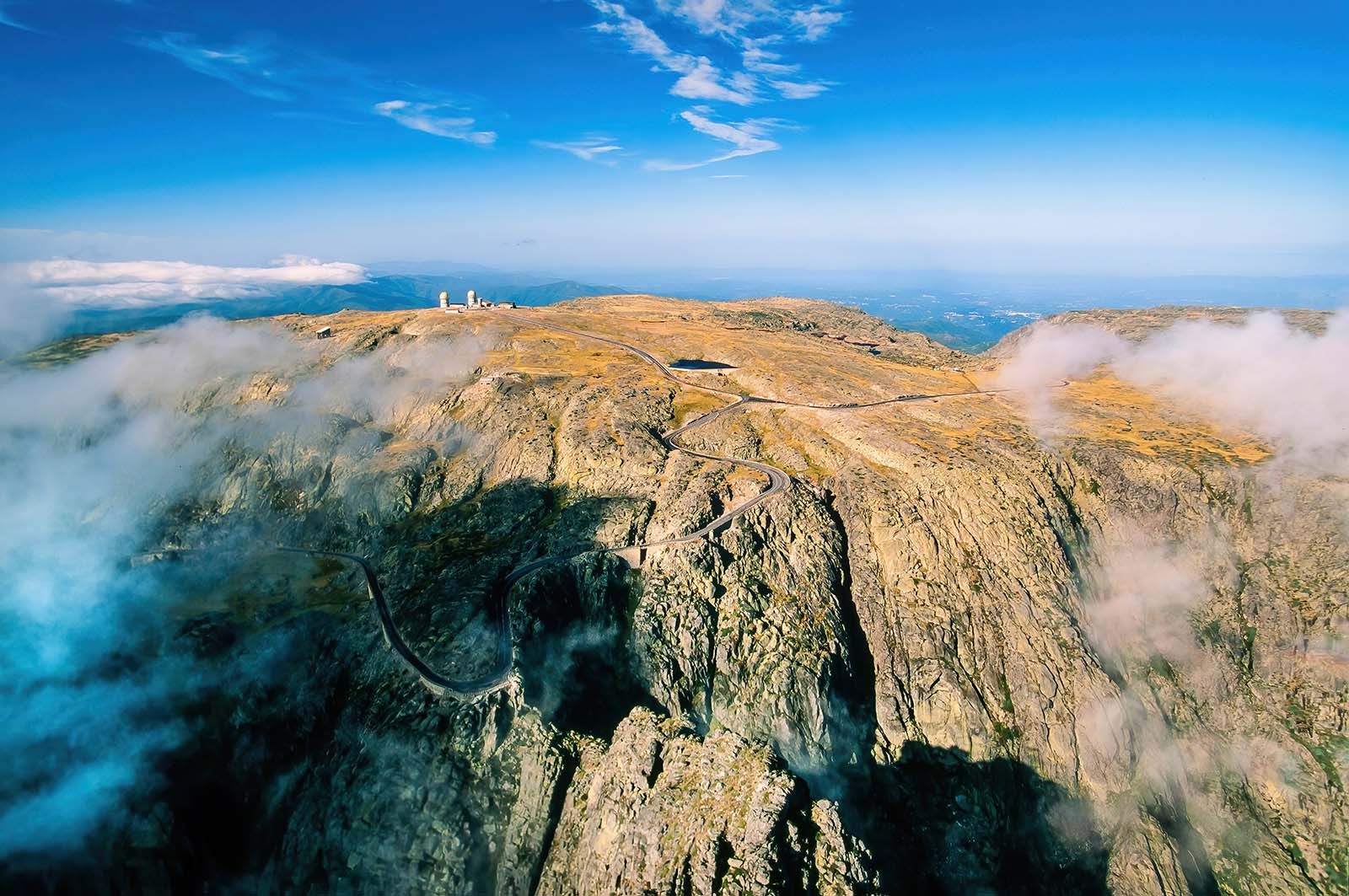
Torre mountain © Shutterstock
#3 Plunge Into Crystal Waters: Loriga’s Natural Lido
Imagine swimming where mountain peaks reflect in glacial-fed waters so clear you can count river stones five meters down. Loriga’s river beach isn’t just Portugal’s highest natural pool – it’s an immersion into geological drama. Sheer granite cliffs frame this boulder-lined sanctuary where water temperatures remain fresh even in summer’s peak.
Early arrivals reap rewards: mornings see sunlight illuminating water like liquid topaz, while late afternoons gild the cliffs with golden light. Though facilities stay humble – think rustic changing rooms and a small seasonal café selling pulled-pork sandwiches – this simplicity preserves the wild charm. Families appreciate shallow edges for paddling children, while adventurous swimmers can stroke across the deeper central channel. Water shoes prove invaluable for navigating natural stone platforms both in and out of the water.
#4 Time Travel Through Stone: Linhares da Beira
Often overshadowed by Sintra or Óbidos, Linhares da Beira represents medieval Portugal at its purest. This granite village clings stubbornly to its ridge above the Mondego Valley, its 12th-century castle standing guard as it has for nine hundred winters. Wandering its labyrinthine alleys feels like entering a living museum – discover worn-stone stairs leading to Romanesque chapels, centuries-old sundials still tracking time accurately, and doorways carved with dates from Portugal’s Age of Discovery.
If winds favor the paragliding community (Linhares’ claim to aviation fame), watch brave souls leap from castle walls to ride valley thermals. For ground-based exploration, the village hides unexpected treasures: purchase beekeepers’ mountain honey from a tiny grocery, or decipher faded frescoes in the whitewashed Santa Maria church. When hunger strikes, Café Avenida on the square serves robust Portuguese coffee and earthy mountain stews.
#5 Taste the Highlands: Queijo da Serra Pilgrimage
No Serra da Estrela experience completes without savoring its liquid-gold cheese. Queijo da Serra’s unique texture – spoonable softness encased in firm rind – comes from centuries-old production techniques. Between December and March, watch artisans at family-run queijarias like Queijaria O Retiro in Manteigas transform raw sheep’s milk through thistle-flower rennet into Portugal’s most prized dairy treasure.
The true connoisseur experience? Eating it fresh from cellar-aged storage rooms where stone walls maintain perfect humidity. Pair oozing slices with dark rye bread or drizzle chestnut honey over its savory richness. For deeper immersion, Celorico da Beira’s Cheese Route connects farms and dairies where you can witness the craft from milking to maturing.
#6 Discover Solitude: Loriga Glacial Valley Walk
Escape well-trodden paths in this quietly spectacular valley extending like a glacier’s last fingerprint above Loriga village. Significantly less crowded than the Zêzere Valley route, this trail reveals the highlands’ raw geology through abandoned shepherd huts, seams of sparkling quartzite, and eagle-patrolled skies overhead.
The four-hour circuit rewards prepared hikers with ever-changing perspectives: one moment you’re traversing flower-strewn pastures dotted with grazing sheep, the next you’re navigating dramatic boulder fields. Pack picnic supplies and pause where crystalline streams emerge straight from mountain springs. For photography enthusiasts, late afternoon transforms the valley into a play of sharp shadows and russet-hued light – prime conditions for capturing the Serra’s rugged essence.
#7 Zen in the Highlands: Covão d’Ametade Picnics
Seeking sanctuary from wind and crowds? The Zêzere River’s birthplace offers gentle respite in Catalonia-approved dramatic scenery. At Covão d’Ametade, resilient birch trees cluster around the river’s first whispers, creating a microclimate where moss thrives and picnic blankets unfurl naturally on springy grass.
This glacial basin serves nature’s finest three-course picnic experience:
1. Appetizer: Sparkling water freshly bottled from mountain springs
2. Main: Crusty bread smeared with pungent queijo da Serra
3. Dessert: Sun-warmed berries foraged from the surrounding slopes
Arriving before 10am grants birdwatchers warblers and finches bathing in shallow pools, while dusk brings bats skimming the water’s surface. Remember: this protected area has no facilities – visitors must pack out all waste while keeping the silence that makes Covão d’Ametade special.
#8 Knead to Know: Secrets of Bread at Seia’s Museum
Portugal’s complex relationship with its staple food unfolds beautifully at Museu do Pão. Far from stale displays, this modern institution brings bread culture alive through immersive exhibits occupying four floors in Seia’s outskirts. Discover how grain shaped Portugal’s history – from Roman watermills still operating in nearby valleys to rye bread sustaining medieval armies.
The highlight? Watching master bakers transfer dough onto wood-fired oven paddles in traditional brick-lined furnaces. Time your visit for 11am when warm broa (cornbread) emerges from the oven, available fresh in the museum café alongside regional specialties like bôla de Lamego (sweet bread bursting with cured meats). Interactive touchscreens reveal Portugal’s remarkable bread diversity across regions – perfect foodie inspiration for your next culinary road trip.
#9 Seasonal Spectacle: Shepherd’s Winter Migration
If visiting between December and March, witness a tradition unchanged since Portugal’s founding: transumância. For centuries, shepherds have guided flocks along zimbreiros (migratory routes) from lowland pastures to Serra da Estrela’s sheltered valleys. With jangling bells echoing across snowy slopes, these woolen-coated processions create living paintings reminiscent of Bruegel’s winter scenes.
Manteigas remains central to this tradition. January often sees families welcoming returning flocks with community celebrations featuring mountain accordion music, cured meats, and potent red wines. Ethical observation tip: maintain respectful distance from working dogs and allow right-of-way to migrating herds – this is essential livelihood, not performance.
#10 Starry Serenity: Europe’s Newest Dark Sky Reserve
As sunset chases last light from Torre’s slopes, Serra da Estrela reveals its final magic. In 2021, UNESCO certified the region as Portugal’s first Starlight Tourism Destination – a testament to skies unsullied by light pollution. Between June and September, multiple observatories open for public nights where telescopes reveal Jupiter’s moons or distant nebulae.
For casual stargazers, simply spread a blanket near Lagoa Comprida after dusk. The Milky Way spills across the heavens so vividly that constellations become hard to recognize amidst the stellar density. Photographers capture time-lapses of celestial rotation mirrored perfectly in the lake’s still waters. Pro tip: Download a stargazing app like SkyView before visiting to decode the cosmic spectacle unfolding above your head.
Crafting Your Perfect Serra da Estrela Adventure
Whether craving outdoor challenges or quiet moments with nature, Serra da Estrela reveals its treasures to those embracing mountain time. The most fulfilling itineraries balance active exploration with cultural immersion – perhaps mornings hiking glacial valleys followed by afternoons sipping regional wines in centuries-old tabernas.
Seasonal considerations shape experiences dramatically. Winter travelers enjoy snow-shoeing through hushed valleys followed by fireside cheese fondue, while summer visitors hike high trails cooled by altitude. Spring and autumn offer perfect balance – comfortable temperatures, explosive wildflowers or autumnal colors, and significantly fewer visitors.
No matter your travel style, let Serra da Estrela work its subtle alchemy. Slow your pace to match the shepherds’ flocks. Listen for wolves howling in distant valleys (they’ve recently returned!). Taste cheese made from milk produced within sight of your plate. In Portugal’s highest sanctuary, the extraordinary hides within simple moments – if you give them space to unfold.
Beyond the Peaks: Experiencing Serra da Estrela’s Hidden Charms
Serra da Estrela isn’t just Portugal’s highest mountain range—it’s a living postcard where jagged peaks meet storybook villages and landscapes transform with the seasons. Whether you’re chasing waterfalls at dawn or savoring molten sheep’s cheese by a stone hearth at dusk, this natural wonderland rewards those willing to explore beyond the obvious. Let’s wander through some of its most captivating experiences that often fly under the tourist radar.
The Enchanting River Beach of Loriga
Tucked like a secret within the glacial valley of Loriga, the village’s river beach feels like something from a fairy tale. Crystal-clear waters from mountain springs cascade into natural pools surrounded by smooth granite boulders—nature’s perfect lounge chairs. Unlike crowded coastal beaches, here you’ll share the space with locals swimming with their dogs and grandmothers knitting under the pines.
Timing is everything. Arrive before noon to claim your spot on the rocks and witness sunlight creeping down the valley walls. The water maintains a brisk temperature year-round—a shocking but delicious contrast to summer’s heat. Local families bring picnic baskets loaded with crusty bread, smoked meats, and the region’s famous Serra cheese for impromptu waterside feasts. Don’t leave without exploring the cobbled streets of Loriga itself, where ancient stone houses cling to cliffs like mountain goats.
Sunset Rituals at Penhas Douradas
Once a sanctuary for Lisbon’s elite seeking mountain air cures, Penhas Douradas now offers different medicine—the soul-stirring spectacle of sunset over the Zêzere Valley. Perched at 1,500 meters, this hamlet seems designed for golden hour worship. Settle onto one of the weathered granite benches as the light show unfolds:
- Watch shadows stretch like dark velvet across the valley folds
- See granite outcrops blush rose-gold then deepen to violet
- Count the layers of ridges dissolving into atmospheric perspective
The real magic happens after sundown. As the last light fades, the village’s constellation of guesthouse windows flickers on while the Milky Way emerges overhead—a celestial encore worthy of the drive up twisting mountain roads.
Wildlife Encounters in the Highlands
Serra da Estrela shelters more than stunning vistas—it’s a sanctuary for creatures that vanished from most of Western Europe. The key to wildlife spotting here is embracing the mountain’s rhythms:
| Creature | Where to Look | Best Time |
|---|---|---|
| Griffon Vultures | Alvoco Valley cliffs | Midday thermals |
| Iberian Wolves | Remote eastern slopes | Dusk/Dawn |
| Wild Boar | Oak forests near Manteigas | Early morning |
Pack binoculars and patience. The greatest thrill often comes from subtle signs—fresh prints in trailside mud, a distant echoing howl, or the shadow of an eagle crossing your path. Remember, you’re walking through one of Iberia’s last true wilderness corridors where nature still writes the rules.
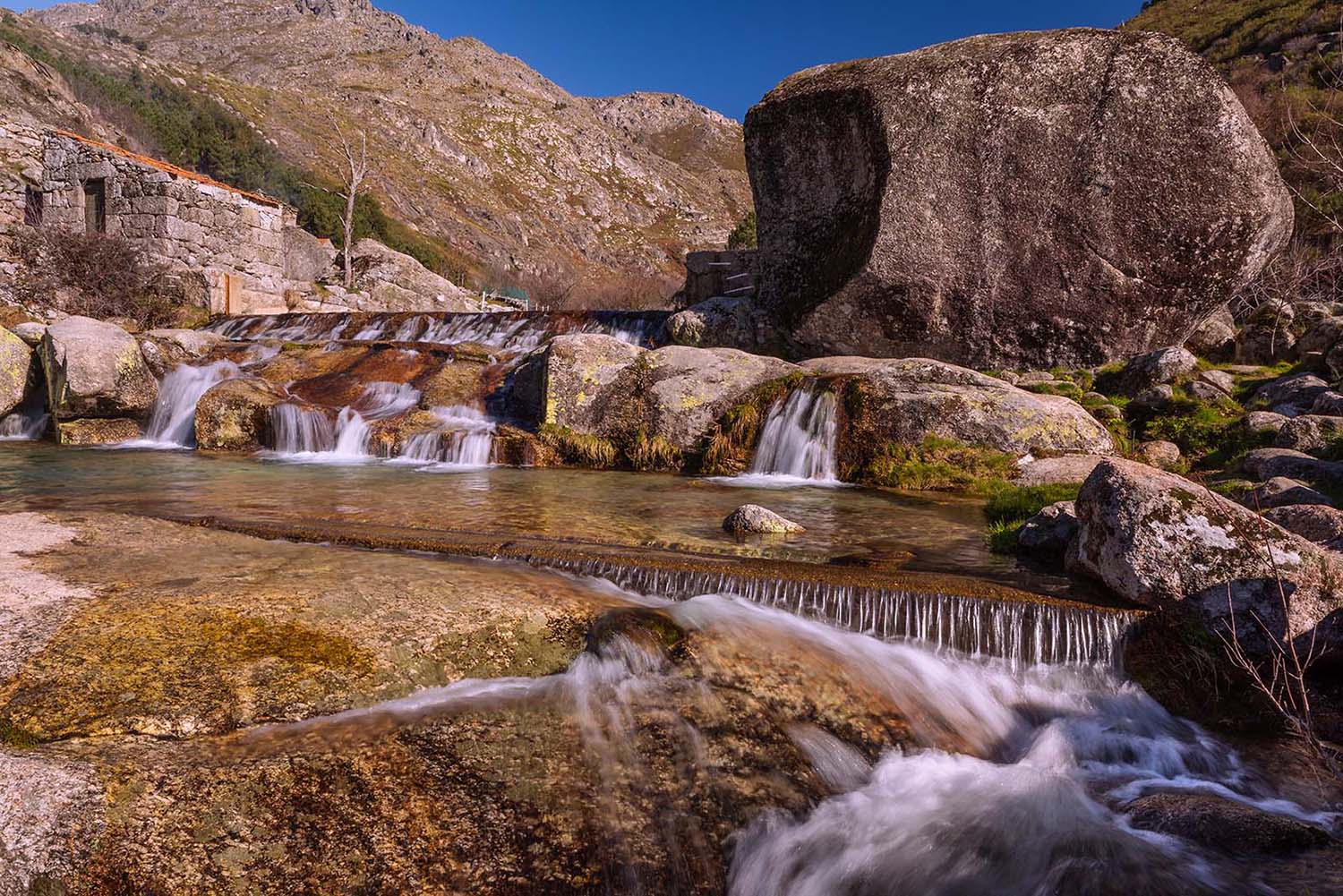
The beautiful view of the river beach of Loriga © Shutterstock
Mountain Climate Through the Seasons
Serra da Estrela’s weather dances to its own rhythm—expect microclimates that change dramatically within a few kilometers. One moment you’re squinting in Mediterranean sunshine, the next you’re zipping your jacket against mountain winds. This diversity makes packing an art form, but rewards visitors with dramatically different landscapes across the seasons.
Spring’s Floral Awakening (March-May)
March arrives with snow still frosting the highest ridges while valley floors explode in botanical confetti:
- Meadow saffron carpets turn Covão d’Ametade into a purple lake
- Alpine chamomile perfumes the air around Lagoa Comprida
- Rivers swollen with meltwater power impressive waterfalls
Temperatures swing wildly—frosty mornings give way to T-shirt afternoons. This is prime hiking season before summer crowds arrive, with guesthouse prices hovering around €60-85 nightly.
Summer’s High Altitude Escape (June-August)
While Lisbon swelters, Serra da Estrela becomes Portugal’s natural air conditioner. The secret? Dry air and dramatic temperature drops after sunset:
| Location | Day Temp | Night Temp |
|---|---|---|
| Torre Summit | 68°F (20°C) | 48°F (9°C) |
| Manteigas Valley | 79°F (26°C) | 61°F (16°C) |
River beaches like Loriga and Penhas Douradas become social hubs, while shepherds still move flocks to higher pastures—a timeless spectacle unchanged for centuries.
Autumn’s Golden Transformation (September-November)
September sun still warms the stones, but October brings nature’s grand finale. Beech and oak forests ignite in colors you’d expect in New England, reflected perfectly in the park’s glacial lakes. Mists begin creeping through valleys at dawn, creating ethereal scenes worthy of fantasy novels. It’s harvest season—follow the scent of woodsmoke and roasting chestnuts to remote quintas where locals press olives and make the year’s first Queijo da Serra.
Winter’s Snowy Embrace (December-February)
When Portugal’s highest peaks don their white mantles, Serra da Estrela transforms into a winter wonderland. Temperatures at Torre often dip below freezing, creating perfect conditions for (limited) skiing while villagers light fireplaces and simmer stews:
- Only 4km of ski runs exist—manage expectations
- Roads require chains or 4WD during snow events
- Deepest snow usually falls mid-January to mid-February
The off-season offers unique charm—frozen waterfalls sculpted into icy cathedrals, flocks of sheep moving through snow-dusted valleys, and quiet moments with just your breath visible in the mountain air.
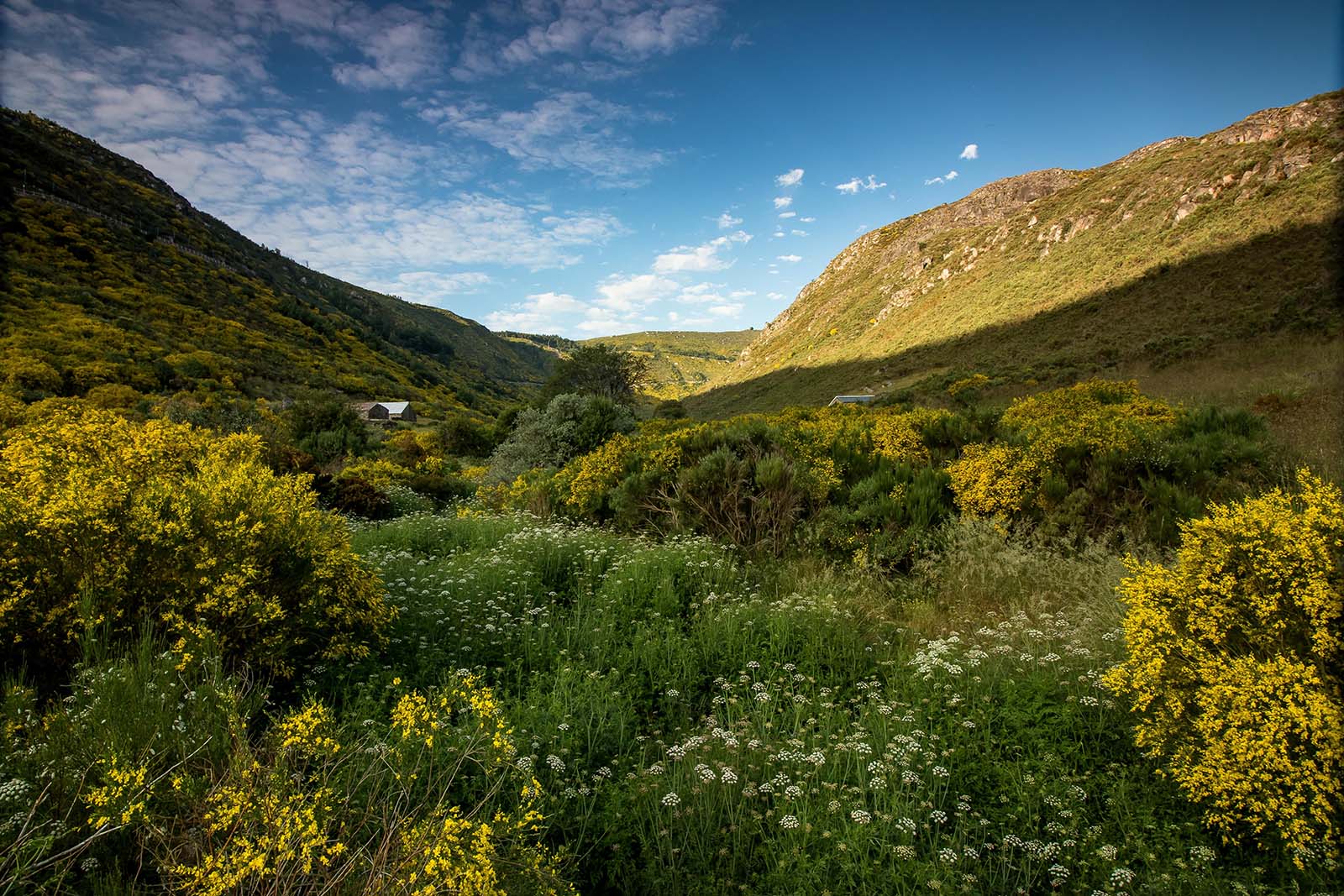
Early morning in the Glacier Valley of Zêzere (Serra da Estrela, Portugal) © Shutterstock
Feasting the Mountain Way
Serra da Estrela’s cuisine tells the story of shepherds, harsh winters, and ingenious preservation methods. Meals here stick to your ribs in the best possible way—think slow-cooked meats, dense rye breads, and cheeses that taste of wild herbs and mountain air.
Three Can’t-Miss Culinary Experiences
- Queijo da Serra DOP
This oozy sheep’s milk cheese protected by PDO status (Denominação de Origem Protegida) must be tasted in situ. At room temperature, it develops custard-like texture—slice off the top and scoop with rustic bread. The best versions have herbal notes from thistle rennet and summer pastures bursting with lavender.
- Javali Estufado
Wild boar stewed for hours with red wine, mountain herbs, and sometimes prunes or chestnuts for sweetness. Find it at family-run adegas like Restaurante São Lourenço in Manteigas, served in traditional earthenware and paired with local Dão wines.
- Broa de Milho
This dense cornbread made with rye flour sustained generations through hard winters. Today’s versions might include sweet potatoes or bacon bits—perfect for mopping up feijoada (bean stew) or dipping in local honey.
Where Shepherds Dine
- Tasca do Cerro
- Unpretentious roadhouse near Penhas Douradas serving massive portions of cabrito (roast kid). Try their mistura—mixed grill for two that could feed four.
- Adega do Albertino
- Hole-in-wall in Sabugueiro village specializing in post-hike comfort food. Their truta grelhada (grilled trout) comes from mountain streams and arrives sizzling with garlic butter.
- Petiscos & Granitos
- Modern twist on mountain cuisine in Seia. Creative petiscos (tapas) like Queijo da Serra fritters with pumpkin jam showcase tradition in bite-sized innovations.
Immersive Experiences Beyond Tourism
For travelers craving deeper connections, several seasonal traditions welcome respectful visitors:
Transhumance (Late Spring/ Early Autumn)
Witness shepherds guiding flocks between winter and summer pastures along ancient caminhos. The jingle of sheep bells echoing through foggy valleys creates hauntingly beautiful moments.
Folares de Páscoa (Easter)
Taste these savory breads stuffed with meat that local families exchange on Easter morn. Bakeries in Linhares sell versions decorated with hand-sculpted dough crosses.
Dia do Pastor (September)
Shepherd’s Day celebrations bring traditional games, cheese tastings, and Border Collie demonstrations to towns across the park—vibrant living culture, not staged folklore.
The Takeaway
Serra da Estrela refuses to fit into neat tourist packages. Its magic lies in weathered shepherds’ faces, golden light on granite slopes, cheese oozing onto wooden boards, and moments when you stand completely alone on a ridge watching birds circle ancient valleys. Come with flexible plans, sturdy shoes, and an appetite for raw natural beauty—Portugal’s rooftop will reward you with memories that cling like mountain mist.
A Gastronomic Journey Through Serra da Estrela: Portugal’s Mountain Treasure
Nestled in Portugal’s highest mountains, Serra da Estrela offers more than breathtaking landscapes – it presents a culinary adventure shaped by centuries of tradition. Here, food tells stories of shepherds, glacial valleys, and villages clinging to granite cliffs. This guide invites you to explore the region’s living food heritage, where every meal celebrates mountain resilience and creativity.
Serra da Estrela’s Culinary Heritage
Food in Serra da Estrela follows nature’s rhythm. Harsh winters demanded preservation techniques that created iconic regional flavors, while short summers inspired inventive uses of garden-fresh ingredients. Sheltered valley farms and high-altitude pastures create unique growing conditions where ancient recipes remain perfectly preserved.
9 Must-Try Traditional Dishes
Serra da Estrela’s cuisine reflects its landscape – rugged, honest, and deeply satisfying. These dishes have sustained generations through mountain winters:
- Queijo Serra da Estrela DOP: Portugal’s most prized cheese. Made from raw sheep’s milk, this buttery wonder ranges from creamy spoonable textures when young to complex, peppery flavors when aged. Best enjoyed with crusty cornbread and a drizzle of mountain honey.
- Chanfana: A rich goat stew slow-cooked in clay pots with red wine, garlic, bay leaves, and paprika. Traditionally prepared in wood-fired ovens, this dish becomes fall-off-the-bone tender with hours of patient cooking.
- Feijoada de javali: A wild boar version of Portugal’s beloved bean stew. Earthy borlotti beans balance the gamey meat, simmered with smoked sausages, onions, and mountain herbs. Often called “the hunter’s feast.”
- Broa de milho: Hearty cornbread baked in wood ovens using heirloom maize varieties. Crusty outside, moist inside, perfect for sopping up stews or layered with honey and cheese as dessert.
- Sopa da Beirã: The ultimate mountain comfort food. This kale and cabbage soup bursts with flavor from smoked pork products, cannellini beans, and garlic. Topped with a poached egg for extra richness during cold months.
- Cordeiros assados: Milk-fed lambs roasted over vine cuttings in stone ovens. The mountain herbs they graze on infuse the meat with herbal notes, while crispy skin gives way to succulent flesh.
- Trutas da ribeira: Freshwater trout caught in icy mountain streams. Served simply grilled with garlic-infused olive oil or fried whole until the fins become crackly edible crisps.
- Migas serranas: A rustic masterpiece transforming stale bread into golden crumbs fried with garlic, shredded cabbage, and chunks of smoky linguiça sausage. Equal parts comfort food and culinary ingenuity.
- Papas de milho: Versatile cornmeal porridge that shifts from savory companion to sweet dessert with toppings. Comforting when paired with stews, magical when crowned with cinnamon and tangy local cheese.
5 Mountain Restaurants Worth the Destination
These establishments showcase Serra da Estrela’s culinary soul, combining breathtaking views with authentic flavors:
1. Varanda da Estrela (Covilhã)
Perched above the glacially sculpted Vale do Zêzere, this wooden-beamed restaurant delivers hearty portions of mountain classics. Winter visitors gather around crackling fireplaces while savoring wild boar dishes and rosemary-scented roasted lamb. The adjoining terrace offers panoramic valley views that taste even better with their homemade walnut liqueur digestif.
2. Museu do Pão Restaurant (Seia)
Attached to the fascinating Bread Museum, this establishment elevates regional cuisine with refined techniques. Dine beneath century-old wooden beams while enjoying fork-tender roast lamb rubbed with thyme and garlic. Their prix-fixe menu often includes rich bean stews and soups made with museum-ground flours. Don’t miss dessert – their corn cake with requeijão cheese and pumpkin jam connects you directly with mountain grandmothers’ recipes.
3. O Albertino (Folgosinho)
This legendary tavern embodies mountain hospitality. With no printed menu, the chef presents a procession of sunken clay pots brimming with whatever local seasonal ingredients shine brightest. Expect at least five courses – perhaps cabbage soup with blood sausage, followed by clay-baked rabbit, then creamy sheep’s cheese with honeycomb. Reservations are non-negotiable, and elastic waistbands strongly recommended.
4. Madre De Água (Gouveia)
An elegant vineyard retreat offering farm-to-table sophistication. Ingredients travel mere meters from estate gardens to your plate – try garden beet salad with goat cheese followed by pasture-raised veal with wild mushroom risotto. Their artisanal cheese plate features aged variations you won’t find elsewhere, perfectly paired with estate wines from terraced vineyards visible through the dining room windows.
5. Restaurante Medieval (Linhares da Beira)
Dining beneath stone arches near a 12th-century castle, you’ll feel culinary history come alive. The wild mushroom rice arrives steaming in earthenware pots, heady with forest aromas. Their rosemary-crusted lamb honors medieval preparation methods using a wood-fired oven. Come during truffle season for shaved black diamonds over handmade pasta. Reserve ahead for weekend castle-view tables.
3 Authentic Guided Experiences
Beyond restaurants, these immersive tours connect you with Serra da Estrela’s living food culture:
1. Hidden Valleys Nature Walks
Walk in glacial footsteps with local guides who decipotherwise hidden mountain stories. Along Zêzere Valley trails, learn how Ice Age glaciers sculpted the landscape while identifying edible plants like sorrel and wild asparagus. Guides explain how snowmelt feeds the pastures creating unique terroir for the region’s cheeses and meats. These easy-moderate hikes often conclude with picnic lunches featuring local cured meats and cornbread.
2. Farm-to-Table Discovery Tours
Spend mornings with artisanal cheesemakers in high-altitude meadows, witnessing the ancient craft of queijo da Serra production. Afterward, food historians lead tastings in century-old tabernas, explaining how mountain preservation techniques created iconic products like smoked sausages and chestnut honey. Many tours include hands-on experiences – perhaps rolling broa dough or stirring copper pot jams.
3. Mountain Village Culinary Expeditions
Specialized guides reveal hidden gastronomic gems in stone villages dotting the mountains. In Folgosinho, meet grandmothers guarding secret recipes for almond cookies. Near Valezim, discover underground cheese aging caves. Each village stop includes tastings and stories about how isolation preserved unique culinary traditions. Tours often include lunch in a family-owned eatery impossible to find without local knowledge.
Mountain Food Calendar: When to Taste What
Serra da Estrela’s cuisine changes dramatically with the seasons. Plan your culinary journey with this guide:
- January-March: Comfort food reigns during snowy months. Seek out slow-cooked chanfana stews and smoking fireplace grilled sausages. This is prime queijo da Serra season when cheeses reach peak creaminess.
- April-June: Spring brings wild greens and tender lamb. Menus feature herb-rich soups and milk-fed roasted meats. Look for fresh goat cheeses and foraged mushroom dishes as the snow melts.
- July-September: Summer abundance arrives. Restaurants showcase garden vegetables – try stuffed squash blossoms and tomato-based rice dishes. Berry desserts and river trout dominate menus. Late August begins chestnut harvest preparations.
- October-December: Autumn means game meats and preservation rituals. Hunting season brings venison and wild boar specialties. Participate in annual chestnut festivals or watch families make smoked sausages for winter.
Shopping for Lasting Flavor Memories
Bring Serra da Estrela’s flavors home with these edible souvenirs:
1. Local Markets
Weekly markets in Seia and Covilhã burst with authentic products. Visit Seia’s Saturday market for wax-sealed queijo da Serra and Manteigas’ Wednesday market for smoked meats. Winter brings special event markets featuring Christmas nuts and dried fruits.
2. Specialty Producers
Stop at Queijaria O Pastor near Loriga for sheep milk cheeses wrapped in cloth. In Sabugueiro, Enchidos Dom Sancho crafts sausages using medieval spice blends. Don’t miss Pão da Vila in Linhares for wood-fired cornbread made with heritage maize.
3. Winery Visits
High-altitude vineyards produce crisp whites and light reds perfect with mountain cuisine. Caminhos Cruzados near Gouveia offers tastings of their citrusy Siria white, while Quinta da Fata in Celorico makes elegant Pinot Noir surprising for this elevation.
Serra da Estrela’s cuisine offers more than sustenance – it provides edible maps revealing cultural identity, geological history, and human resilience. Every bite connects you to shepherds whistling to flocks on misty slopes, grandmothers stirring pots in stone cottages, and artisans keeping traditions alive. Come hungry for spectacular views, but leave transformed by flavors that linger in memory long after the mountain roads descend back to everyday life. Whether savoring cheese at Portugal’s rooftop or sharing stew in a village tavern, you’re not just eating – you’re participating in a delicious centuries-old story.


🌟 The Travaloca Travel Editors Community is a dynamic collective of individuals united by their passion for travel and their dedication to high-quality content creation. This community serves as the driving force behind Travaloca's informative and engaging travel resources. ✨ Core Identity: This group consists primarily of passionate travel enthusiasts who have turned their love for exploration into a commitment to writing and content curation. Members are recognized for their: Extensive Travel Experience: Possessing valuable firsthand knowledge from their journeys worldwide. Aptitude for Writing and Editing: Demonstrating a keen interest and skill in crafting, reviewing, and perfecting travel narratives, guides, tips, and reviews. Dedication to Storytelling: Transforming personal experiences and destination knowledge into accessible, inspiring, and reliable information for a global audience. 📝 Community Focus: The community’s primary role is to contribute, edit, and maintain the diverse range of content on Travaloca's platform. They ensure the information provided is accurate, engaging, and reflective of current travel trends. In essence, the Travaloca Travel Editors Community is where travel passion meets editorial excellence, enriching the user experience and solidifying Travaloca’s standing as a trusted travel resource.


