
A crown jewel nestled high in Portugal’s countryside, Monsanto wears its title of “Most Portuguese Village” with quiet pride. Since earning this national distinction three quarters of a century ago in 1938, this living postcard of stone and granite has remained frozen in time, yet completely alive. Visitors stepping into its labyrinthine streets find themselves transported to another era, where houses aren’t just built between boulders – they become one with the very mountain itself.
Picture this: cottages wedged under massive granite formations, their roofs formed by the mountain’s own skin. The remarkable Casa de Uma Só Telha astonishes with its roof – a single colossal stone slab that defies belief. By daylight, you’ll discover a handful of cafes where elderly residents sip espresso, a tiny grocer stocking local cheeses, and gift shops catering mostly to Spanish visitors on day trips. But as sunset paints the sky in tangerine hues, something magical happens. The village exhales. Lamplight spills across ancient cobblestones. The distant clang of goat bells creates a soothing rhythm. And from the Templar castle ruins crowning the summit, views stretch endlessly across golden plains that seem to glow with their own inner light.
This isn’t just a place to visit – it’s an experience to absorb slowly, like fine port wine. Those who linger past dusk discover Monsanto’s true soul, when the last car engine fades and silence blankets the village like a soft quilt. Suddenly, you’re not just observing history – you’re living inside it.
Discovering Monsanto: Portugal’s Mountain-Hugging Village
Tucked away in Portugal’s oft-overlooked interior, Monsanto perches dramatically on a granite outcrop in the Beira Baixa region. If you drew a line between Lisbon and the Spanish border, you’d find this village about 220 kilometers northeast of the capital – roughly a three-hour scenic drive through olive groves and cork oak forests. The nearest sizeable town is Castelo Branco, 26 kilometers southwest, though you wouldn’t know it from Monsanto’s lofty vantage point.
Its strategic hilltop position hasn’t gone unnoticed through history. Romans, Visigoths, Moors, and medieval knights have all coveted this natural fortress. Today, that same isolation preserves its timeless character. While many Portugal itineraries stick to coastal cities, those venturing inland discover why Monsanto consistently ranks among the country’s most unforgettable destinations.
Beyond the village itself, extraordinary experiences wait within easy reach. History enthusiasts can explore Idanha-a-Velha’s remarkably preserved Roman ruins, just 20 minutes away. Nature lovers find paradise in Serra da Malcata Natural Reserve, home to elusive Iberian lynxes. For cultural cross-pollination, the Spanish border lies close enough that you could breakfast in Portugal and lunch in Spain – though Monsanto’s charms will likely coax you to stay put.
Navigating Monsanto: A Walk Through Time
Let’s be clear from the start – Monsanto wasn’t designed for convenience. This vertical village demands sturdy footwear, adventurous spirit, and perhaps slightly better knees than your average seaside resort. But that’s precisely why it enchants travelers seeking authentic experiences.
The Only Way Is Up: Walking Monsanto
Your feet become your trusted companions here. The medieval core is a cobbled maze of alleys so narrow that two donkeys couldn’t pass side by side. Visitors quickly understand why local legend claims the giant boulders were tossed playfully by a mountain deity – navigating between these granite behemoths feels like moving through a giant’s playground. Expect calf-burning inclines rewarded with sudden breathtaking vistas, especially when climbing towards the Templar castle ruins. After rain, tread carefully – centuries-old stones become slippery pathways to the past.
By Car: The Approach Strategy
While cars can’t penetrate the historic heart, strategic parking makes exploration manageable. The main parking area sits below the village center, a 10-15 minute uphill walk to the main square. During peak seasons, arrive early to secure a spot. Your vehicle serves best for reaching nearby attractions like Penha Garcia’s dinosaur-emblazoned cliffs or the medieval bridge in Segura.
Alternative Transports: Taxis & Bikes
Taxi services from Castelo Branco or Idanha-a-Nova require advance booking, especially for return trips. For cycling enthusiasts, be warned – the final approach feels like pedaling directly upward. Ebikes have made this more feasible, transforming what was once an Olympian feat into a challenging but rewarding adventure. Just watch for shepherds guiding their flocks along these rural roads!
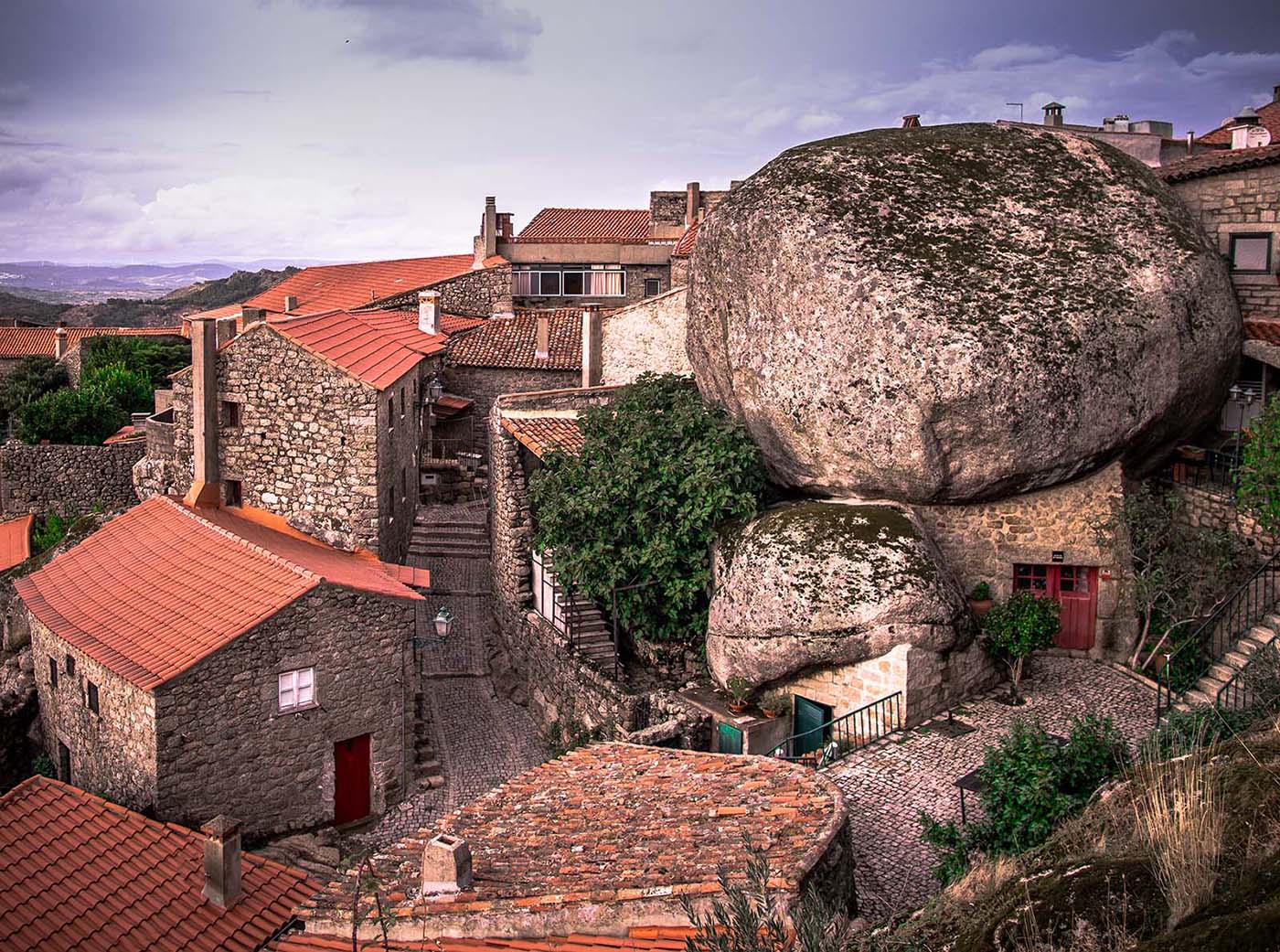
Houses merge with boulders in this unique Portuguese village © Shutterstock
Timing Your Visit: How Long to Soak Up Monsanto’s Magic?
The true magic of Monsanto reveals itself through patience. While many visitors treat it as a quick photo stop, savvy travelers know better.
The Day-Tripper Experience
A single full day allows you to tick off main attractions: the Templar castle with its panoramic views, the geological marvel of Casa de Uma Só Telha, and São Salvador Church where time seems suspended. Pace yourself – constant uphill walking amidst thin mountain air demands leisurely exploration. Start early to avoid midday summer heat and tour groups.
The Overnight Revelation
As dusk descends, a transformation sweeps through Monsanto. Day visitors vanish, restaurant shutters close, and an almost sacred stillness settles over stone lanes illuminated by golden lamplight. Staying overnight grants access to this serene world where you can imagine yourself living centuries ago. Booking even one night lets you witness both sunset’s fiery spectacle and dawn’s soft debut from the castle walls – experiences no day visitor ever witnesses.
Extended Stays: Discovering Hidden Portugal
For travelers crafting a comprehensive Portugal vacation, consider allocating two nights. This allows thorough exploration of Monsanto plus unhurried day trips. Drive 20 minutes to Idanha-a-Velha’s Roman ruins – so well-preserved you’ll half-expect legionnaires to march by. Another day could explore Penha Garcia’s fossil-rich cliffs and mountain springs. Active travelers might spend a day hiking Serra da Malcata’s trails, keeping watch for wild boar, deer, or even the majestic Iberian lynx. Alternatively, cross into Spain’s Extremadura region to contrast Monsanto’s intimacy with grandiose cities like Cáceres.
Laying Your Head: Finding Your Perfect Monsanto Retreat
Monsanto’s accommodation options mirror its character – small-scale, authentic, and brimming with charm. Whether you’re chasing romance, family convenience, or solo adventurer thrills, there’s a perfect nest waiting.
History Hunters: Village Heart Stays
For your first visit, immerse completely by staying in the historic center. Waking up steps from twelfth-century chapels and sixteenth-century manor houses creates incomparable atmosphere. Expect charming limitations: rooms shaped by underlying boulders, uneven floors whispering centuries of footsteps, and views that travel to the horizon. Prepare for luggage-hauling challenges up steep alleys – the tradeoff for being enveloped by history.
Romantic Escapes: Upper Village Sanctuaries
Couples seeking seclusion should look uphill toward the castle. Here, converted shepherd cottages offer candlelit dinners on private terraces overlooking quilted farmlands. Architecturally fascinating with their stone-faced walls and wooden ceiling beams, these hideaways guarantee privacy once day crowds depart. Fall asleep to owl hoots and wake to shepherds leading their flocks along ancient trails below your window.
Family-Friendly Options: Lower Slope Comfort
Traveling with youngsters? Seek guesthouses on Monsanto’s outskirts offering easier parking and outdoor space. Many feature gardens perfect for children to play while adults marvel at village silhouettes against twilight skies. Several renovated farmhouses offer swimming pools – welcome relief after hilltop explorations. You sacrifice immediate access to charm for practicality, remaining within easy walking distance of all attractions.
Regional Explorers: Beyond Village Borders
Adventurous travelers using Monsanto as a central hub might prefer nearby villages. Idanha-a-Velha enchants with Roman temple columns juxtaposed against medieval churches – fascinating historical layers just fifteen minutes away. Penha Garcia offers river beaches alongside dramatic geology, perfect for summer cooling-off. These alternatives provide cost savings and different atmospheres while keeping Monsanto within easy reach.

Panoramic views reward castle visitors © Shutterstock
Why Monsanto Belongs on Your Portugal Bucket List
Many travelers initially visit Monsanto for its Instagram-worthy rocks, but leave carrying something deeper – a connection to Portugal’s enduring rural soul. Unlike Europe’s museum villages, Monsanto thrums with authentic life. Observe elderly women tending kitchen gardens squeezed into crevices between boulders. Watch craftsmen chiseling granite into functional art. Listen as church bells mark time in a place that seems to exist outside its relentless march.
The village teaches us about resilience. Generations have adapted to this challenging landscape, creating ingenious architecture harmonizing with nature rather than conquering it. Restaurants still serve recipes perfected centuries ago, from black pork stews to chestnut flour pastries. Seasonal festivals explode with vibrancy – particularly the May Festa de Santa Cruz where villagers carpet streets with flowers before parading a sacred cross up the hill.
Moreover, visiting Monsanto supports a vanishing way of life. Tourism income helps maintain traditions while providing young residents reasons to stay rather than abandoning homes for cities. By choosing locally-owned inns and cafes, you contribute to preserving Europe’s irreplaceable cultural landscapes.
Whether you’re an architecture enthusiast, nature lover, or simply someone needing perspective, Monsanto provides. Gazing from castle ruins that have witnessed millennia of sunsets puts modern worries into humbling context. Walking paths trodden by generations before you connects humanity across centuries. And perhaps, when you pause to stroke moss growing on ancient stone walls, you’ll feel that uncanny tingle – the whispering ghosts of history welcoming kindred spirits home.
Insider Tips for Visiting Portugal’s Rock Village
To make your Monsanto adventure smoother, keep these practical considerations in mind:
Seasonal Considerations
Spring (March-May) brings wildflowers spangling meadows and comfortable temperatures ideal for hiking. Summer (June-August) sees intense heat – start explorations early and siesta when sun peaks. Autumn (September-November) offers cooler weather with golden landscapes. Winter (December-February) transforms Monsanto into a mystical escape wrapped in mountain fog, though some businesses close seasonally.
Dining Essentials
Restaurants are limited within the village. Reservations become crucial during festivals or peak weekends. Don’t miss regional specialties like migas (bread-based dish with pork) or cabrito assado (roast kid). Several family-run spots allow you to feast on panoramic terraces – the ultimate sunset dining.
Event Planning
Check Monsanto’s festival calendar before booking. While celebrations like Festa de Santa Cruz (May) showcase incredible traditions, they mean accommodation scarcity and crowds. Conversely, visiting off-season provides solitude but limited services.
Accessibility Notes
Monsanto presents challenges for those with mobility issues. Steep, uneven pathways with steps make wheelchairs impractical. However, less mobile visitors can still enjoy lower village viewpoints and the lovely drive approaching the hilltop.
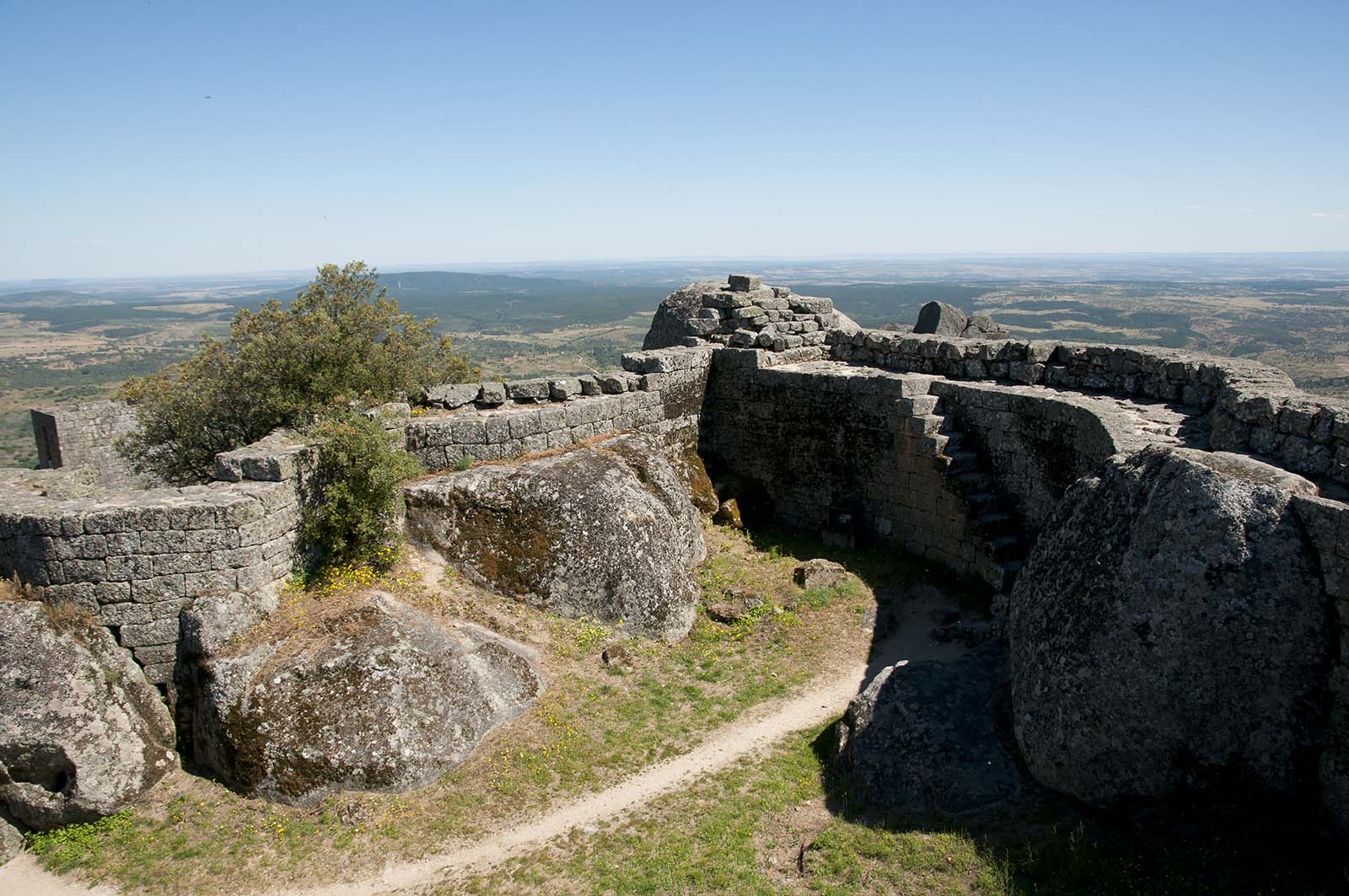
Monsanto Castle Ruins – Portugal © Shutterstock
Discovering Monsanto: Portugal’s Stone-Built Wonder
Perched atop a dramatic granite hill in eastern Portugal, Monsanto feels like a place frozen in time. Crowned with medieval castle ruins and dotted with houses sculpted into giant boulders, this “Most Portuguese Village” offers an unforgettable journey through history, architecture, and breathtaking landscapes. While compact enough to explore in a day, Monsanto rewards slower travelers who linger in its cobblestone alleys and savor its rural charm. Let’s uncover the best experiences this geological wonder has to offer.
Scale the Heights at Templar Castle Ruins
Your Monsanto adventure begins with a pilgrimage to its most iconic landmark. The ruins of Castelo dos Templários (Templar Castle) loom over the village like a stone sentinel. Built in 1171 by the legendary Knights Templar, this fortress guarded Portugal’s border with Spain for centuries. Today, its crumbling walls whisper tales of medieval warfare and seismic upheavals – major earthquakes in the 16th and 18th centuries left much of the structure in romantic disrepair.
The 15-minute climb from the village square proves moderately challenging but immensely rewarding. Sturdy walking shoes are essential as you navigate uneven steps worn smooth by centuries of foot traffic. At the summit, 360-degree panoramas unfold – endless plains stretch toward Spain while patchwork fields create a quilt of greens and golds below. Look closely among the ruins to discover remnants of storage cisterns, arrow slits, and the original keep. Many visitors find the magic amplifies at golden hour when sunset paints the granite in warm hues and long shadows dance across the valleys.
Architectural Marvel: The House of One Tile
Monsanto’s ingenious stone architecture reaches its zenith at Casa de Uma Só Telha. This gravity-defying structure appears to grow directly from a massive granite outcrop, its roof formed by a single colossal stone slab weighing several tons. While not open to the public, the house serves as a striking photo opportunity and testament to human ingenuity.
Architecture enthusiasts should allow time to study nearby buildings that demonstrate similar rock integration. Notice how some homes use boulders as walls, while others position front doors beneath natural stone overhangs. Local legend claims villagers resisted using dynamite on encroaching rocks, instead whispering “Grow, stone, grow!” – an attitude that birthed this unique architectural style.
Spiritual Sanctuary: São Salvador Church
Nearly hidden along the castle path, the 13th-century São Salvador Church offers peaceful respite from the midday sun. Its unassuming Romanesque facade gives way to an atmospheric interior where candlelight flickers across ancient stonework. Take time to admire hand-carved capitals depicting mythical beasts and weathered burial slabs worn smooth by generations of worshippers.
The church terrace presents one of Monsanto’s most picturesque viewpoints – a postcard-perfect scene of terracotta roofs cascading between granite monoliths. Listen closely and you might hear the distinctive chime of sheep bells drifting from surrounding valleys, a reminder that rural traditions remain alive here.
Panoramic Perspectives: Monsanto’s Viewpoints
In a village where every turn reveals new vistas, several strategic lookouts deserve special attention:
Tower of Lucano: Beneath this 18th-century bell tower lies a stone terrace offering vast views across Portugal’s central plains. Morning visitors might witness mist rising like ghostly rivers through distant valleys.
Castle Battlements: From the highest intact walls, sharpen your gaze northwest to spot Serra da Estrela’s snow-dusted peaks (December-March) – mainland Portugal’s highest mountains.
Sunset Rock: Locals know this hidden perch offers dazzling evening displays as the sun sinks behind Spain, setting granite outcrops ablaze in fiery oranges.
Birdwatchers should pack binoculars to spot booted eagles circling thermals or colorful bee-eaters darting between cliffs during migration seasons.
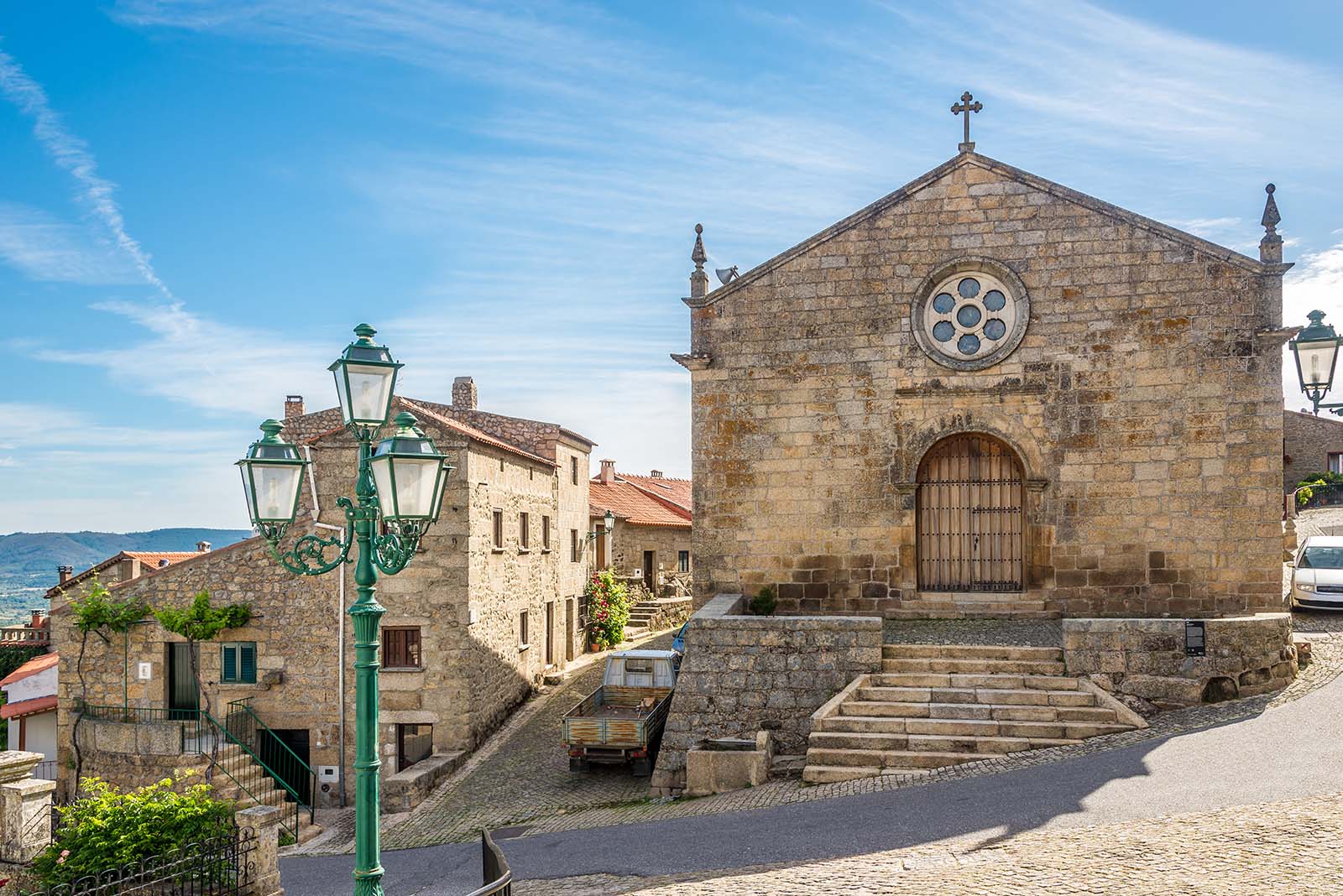
Church Matriz of Sao Salvador in the streets of Monsanto in Portugal © Shutterstock
Wanderlust Through Living History
The real magic of Monsanto reveals itself when you surrender to its labyrinthine charm. Ditch the map and let curiosity guide you through twisting stone alleys where geraniums spill from window boxes and cats sunbathe on warm flagstones. Pass beneath arches carved directly through bedrock, and spot whimsical details:
Stone Date Stones: Look for numerical carvings above doorways – some mark construction dates as early as the 1600s.
Community Ovens: These dome-shaped structures once served as communal baking spots, their wood-fired aromas drifting through the village.
Hidden Chapels: Miniature shrines nestle between houses, decorated with fresh flowers and flickering candles.
Engage with friendly locals tending kitchen gardens or whitewashing stone walls – many speak limited English but welcome visitors with warm smiles and gestures.
Lucano Tower: The Heartbeat of Monsanto
No visit feels complete without pausing beneath the Torre de Lucano. This elegant clock tower symbolizes Monsanto’s 1948 victory in the “Most Portuguese Village” competition. Though the interior remains off-limits, the surrounding plaza buzzes with life, especially during evening passeios (strolls) when villagers gather to chat. The tower’s silver rooster weathervane has watched over countless generations, its tail feathers perpetually turned toward Spain – locals joke it symbolically turns its back on their neighbors!
Savor Authentic Beira Baixa Flavors
Monsanto’s rustic tascas (taverns) offer hearty mountain cuisine steeped in tradition. Must-try specialties include:
Queijo da Serra: Creamy sheep’s cheese often drizzled with local chestnut honey
Marafonas: Unique cornbread-stuffed sausages bursting with smoky flavor
Javali Estufado: Rich wild boar stew simmered with red wine and bay leaves
For an unforgettable dining experience, reserve at Petiscos & Granitos. Here, octogenarian Dona Ana serves family recipes beneath grapevines, her vest-pocket restaurant carved directly into the living rock. Wash your meal down with bold Beira Interior reds or tangy Licor de Sarro – a traditional digestive infused with local herbs.
Seasonal Secrets & Practical Tips
Best Visiting Times: Spring (April-May) brings wildflowers and comfortable temperatures, while autumn (September-October) offers golden light and harvest festivals. Summer days can be fiercely hot – arrive early to beat crowds and heat.
Festivals: Time your visit with the annual “Festa de Santa Cruz” (May 1-3) when village streets transform with floral carpets and the castle hosts a medieval fair.
Getting There: Monsanto lies 30 minutes from Idanha-a-Nova. Public transport is limited, making rental cars ideal. Parking outside the village gates avoids damaging ancient cobbles.
Stay Overnight: Extend your experience at charming guesthouses like Casa da Tia Piedade, where stone-walled rooms feature traditional embroidery and panoramic breakfast terraces.
Unforlasting Impressions
More than just a tourist destination, Monsanto embodies Portugal’s resilient spirit. As you descend past granite cottages where elderly women still bake bread in communal ovens, you’ll understand why poet Fernando Namora described this place as “a landscape made of wonder.” Whether marveling at geological marvels, tracing Templar history, or simply sipping local wine as bells echo through stone canyons, Monsanto leaves visitors with something increasingly rare – the soul-deep satisfaction of discovering a place truly untouched by time.
Uncover Hidden Treasures Near Monsanto, Portugal’s Mountain Gem
Step Back in Time at Idanha-a-Velha’s Roman Ruins
Just a stone’s throw from Monsanto lies Idanha-a-Velha, where ancient cobblestones whisper tales of empires past. This open-air history book was once Egitânia – a thriving Roman hub that later hosted Visigoths and medieval settlers. Today, visitors roam freely among perfectly preserved relics: weathered city walls standing sentinel for two millennia, the haunting arches of a 6th-century basilica, and the Visigothic baptismal font where countless souls were welcomed into early Christianity.
What makes Idanha-a-Velha truly magical is its palpable sense of discovery. Unlike crowded European heritage sites, you’ll often find yourself alone with history here. Run your fingers over Latin-inscribed stones in the outdoor lapidary museum, then pause where Roman carts once rolled through the Triumphal Arch. Local cafes serve robust Portuguese coffee perfect for contemplating how this quiet village was once center stage to civilization’s greatest dramas.
Walk Through Prehistory in Penha Garcia
Twenty minutes north, Penha Garcia offers a double delight – medieval charm collides with primordial wonders. Begin at the castle ruins perched like an eagle’s nest above the village, then descend into the fossil-rich Ponsul River gorge. The real marvel? 500-million-year-old trilobite fossils embedded in the cliffs – nature’s own museum exhibits from when Portugal slept beneath ancient seas.
The 3km Fossil Trail rewards explorers with waterfall vistas and restored watermills where grain was ground for centuries. In warmer months, daring travelers dip in natural pools beneath the cascades. Pro tip: wear sturdy shoes – the path reveals why locals call these “the wrinkled mountains.” Interpretive panels turn your walk into a fascinating geology lesson, making this an ideal outing for curious families.
Experience Wild Portugal in Serra da Malcata
For unbeaten paths, journey east to Serra da Malcata Natural Reserve. This sprawling wilderness guards Portugal’s fading wild heart – cork oak forests sheltering golden eagles, deer, and the elusive Iberian lynx (though sightings are exceptionally rare). Trails wind through landscapes unchanged for centuries, where silence is broken only by wind rustling through centuries-old trees.
Unlike curated nature parks, Malcata offers raw adventure. Pack lunches from Monsanto’s bakeries – you’ll find no cafes here – and navigate using their excellent trail maps. Visit in April when wildflowers carpet meadows, or October when autumn sets the hills ablaze with color. As you stand atop ridges gazing into Spain, you’ll understand why this sanctuary was worth protecting.
Monsanto’s Seasons: Your Guide to Perfect Timing
Perched at 758 meters, Monsanto dances to its own climatic rhythm – Mediterranean warmth tempered by mountain sensibilities. Understanding its seasonal personality helps travelers unlock this village’s full charm while avoiding weather pitfalls.
Spring Blooms & Gentle Exploration (March-May)
As March arrives, Monsanto shrugs off winter’s chill with daytime temperatures climbing to comfortable 17°C (63°F). By May, the mercury hits 24°C (75°F) – ideal for scrambling up castle rocks without summer’s blistering heat. Spring’s true magic unfolds across the Serra da Estrela foothills, where wildflowers create vibrant quilts across slopes still glowing from winter rains.
This sweet-spot season means fewer crowds at photo hotspots like the Chapel of São Miguel. Pack light layers for cool mornings perfect for village walks, and sunny afternoons made for countryside picnics. Mid-range guesthouses offer value around €60-€90 nightly – book early though, as Portuguese families often sneak spring weekends here.
Summer Festivals & Starlit Nights (June-August)
True to its Mediterranean roots, Monsanto sizzles come summer. August highs average 29°C (84°F), but altitude ensures evenings cool pleasantly – perfect for terrace dining under star-strewn skies. Though hotter than coastal Portugal, shade-seeking in the village’s narrow lanes provides natural air conditioning.
June’s Festa do Divino Espírito Santo sees streets ablaze with paper flowers as locals parade with copper crowns symbolizing the Holy Spirit. Come August 15th, Nossa Senhora do Castelo fills the air with incense during candlelit castle processions. Book months ahead for coveted rooms (€90-€130/night) and start hikes early to beat afternoon rays on exposed castle paths.
Autumn Hues & Harvest Flavors (September-November)
As Portuguese families return to school routines, September gifts travelers with 26°C (79°F) days and vineyard valleys shimmering golden. October brings crisp 10°C (50°F) nights ideal for fireplace-lit taverns. This secret season lets you photograph Monsanto’s iconic house-boulders without tourists photo-bombing your shots.
Autumn’s culinary crown? Freshly pressed olive oil drizzled over roast lamb in village tascas. Room rates dip to €55-€80 – often including harvest experiences like chestnut gathering. Pack versatile layers: warm afternoons for hiking Malcata’s trails, light rain gear for occasional showers, and cozy sweaters for evening wine tastings.
Winter Serenity & Stark Beauty (December-February)
When winter wraps Monsanto in misty mornings (averaging 12°C/54°F days), the village transforms into a Bruegel painting. Frost-etched granite glows under low sunlight, while woodsmoke perfumes the air from chimney fires. Though some shops close January-February, those who brave cooler temps (pack thermals!) discover Monsanto at its most authentic.
Winter walkers reap rewards – empty trails revealing wildlife tracks in rare snowfall, and budget-friendly stays (€45-€65/night) in stone houses radiating rustic charm. Cafés become social hubs where €5 buys steaming bowls of caldeirada de cabrito (kid goat stew) shared with shepherds escaping the chill.

Ancient Roman inscriptions whisper tales of Idanha-a-Velha’s storied past – a must-see day trip from Monsanto
Monsanto’s Delicious Secrets: A Food Lover’s Guide
In a village where houses grow from boulders, it’s fitting that Monsanto’s cuisine emerges straight from the rugged landscape. Food here tells the story of shepherds, Roman legions, and medieval pilgrims – all flavored by the Beira Baixa terroir. Expect unpretentious taverns where grandma’s recipes rule, portions satisfy mountain appetites, and every meal feels like joining a family celebration.
Taste History: Monsanto’s Signature Dishes
Queijo da Beira Baixa DOP: This protected sheep’s milk cheese varies from creamy amanteigado to harder curado versions aged in cellars. Savor it drizzled with chestnut honey at sunset – a perfect pairing with local vinho tinto.
Cabrito à Moda da Beira: Suckling goat roasted with white wine, bay leaves, and secret herb blends until the meat falls from the bone. The ultimate Sunday lunch, best enjoyed with crusty bread to mop up garlic-infused juices.
Sopa de Beldroegas: A bright green purslane soup reflecting Moorish influences, often enriched with poached eggs. Locals swear by its restorative powers after hiking the castle trail.
Chanfana: No special occasion is complete without this rich goat stew slow-cooked in clay pots with paprika and red wine. Originally made by shepherds needing durable campfire meals, now elevated to feast status.
Bolo Rançoso: Forget dainty pastries – this dense orange-scented cake sustained field workers for generations. Today’s versions might surprise with dark chocolate or almond twists.
Where to Savor Authentic Flavors
Petiscos & Granito – Monsanto’s culinary star turns tradition playful. Try their secretos de porco preto (Iberian pork “secrets”) with quince jam, or black pudding stuffed mushrooms. Their €15 tasting board showcases six regional cheeses with homemade jams.
Adega Típica O Cruzeiro – Built into a boulder cave, this landmark serves grandma-style portions. Don’t miss their ensopado de borrego (lamb stew) – ordered a day ahead for perfect tenderness. Cash-only authenticity at €12-€18 mains.
Café Lusitano – The village’s social hub since 1923. Morning regulars gossip over €1.50 bica (espresso) and warm bola de carne meat pastries. Return evenings for live fado some weekends – the stone walls amplify every emotive note.
Mercearia da Ti Isabel – Part grocery, part impromptu eatery. For €10, Isabel assembles sublime picnic boards: smoked ham from nearby Idanha, rye bread baked in wood ovens, and her famous pickled olives. Perfect for castle-top feasts.
Local Wisdom for Hungry Travelers
Monsanto dines on Portuguese time: lunches run 12:30-3 PM, dinners 7:30-10 PM. Many eateries close Mondays-Tuesdays outside summer. While cards are accepted in larger spots, carry cash for family-run taverns. Vegetarians should seek sopa da pedra (stone soup) – packed with beans, cabbage, and surprising depth despite its meat-free origins here. And always ask for the day’s special – you might discover dishes like rabbit rice or wild asparagus omelets missing from menus.
Making Memories in Central Portugal’s Timeless Landscape
From Roman stones whispering empire tales to shepherds’ paths winding through wildflower meadows, the Monsanto region offers more than checklist tourism. It invites you to slow down – to trace your fingers over a Visigothic carving as swallows dart overhead, or share laughter with villagers over robust red wines as the sunset turns granite walls golden. Here, history isn’t confined to museums; it lives in every cobblestone, every cheese aging in cool cellars, every fossil telling Earth’s ancient story.
Whether you’re hiking Malcata’s lonely trails with only eagles for company, savoring twelve-hour roasted kid goat in a centuries-old tavern, or getting lost in Monsanto’s labyrinthine alleys where houses wear boulders like crowns, this corner of Portugal promises something rare in our modern world – the profound sense of having discovered a place where time plays by different rules. And isn’t that the truest gift of travel?
Monsanto Portugal: Your Complete Guide to Portugal’s Mountain Jewel
Boulders and History: The Soul of Monsanto
Nestled in Portugal’s Castelo Branco district, Monsanto appears as if giants have casually scattered granite boulders across a hillside. This is no ordinary village – houses squeeze between rocky outcrops, terracotta roofs contrast against pale stone, and medieval walls rise organically from the cliffside. Crowned as “Portugal’s Most Portuguese Village” in 1938, Monsanto feels both ancient and alive, its residents having adapted brilliantly to the dramatic landscape for centuries.
Through the Ages: Monsanto’s Living History
The story of human settlement here reads like an adventure novel written in stone:
- The First Residents (Stone Age – 500 BCE): Iron Age shepherds built sturdy granite shelters against the elements, their circular foundations still visible among the boulders. These practical people chose elevation for defense and visibility – traits that would define Monsanto’s future.
- Romans & Visigoths (2nd century BCE – 8th century): Walk the same paths Roman soldiers patrolled when Monsanto served as a military outpost. Look for carved stones repurposed into newer buildings – the ultimate in ancient recycling. When the Visigoths arrived around 600 CE, they left their mark too, constructing the village’s first chapel where pilgrims still light candles today.
- Knights Templar Era (12th-14th centuries): Everything changed in 1165 when King Afonso Henriques handed Monsanto to these warrior-monks. Their castle expansion created an imposing fortress that still dominates the skyline. Explore the reconstructed keep and imagine Templar sentries scanning the horizon for approaching threats.
- Strategic Stronghold (17th-19th centuries): During Portugal’s border conflicts with Spain, Monsanto’s defenders proved their ingenuity. The story of the defiant housewife who dropped a boiling beehive on invaders has become legend. Though the medieval walls are now picturesque ruins, the village’s fierce independence spirit survives in every handwritten menu and hand-woven blanket.
Must-See Magic: Monsanto’s Top Attractions
Wandering through Monsanto feels like stepping into an open-air museum where every turn reveals something extraordinary:
The Castle That Touches Clouds
Follow the stone path winding uphill to Monsanto’s crowning glory. The castle ruins reward visitors with 360-degree views stretching to Spain on clear days. Don’t miss:
- The surprisingly intact Templar keep where sunlight streams through narrow arrow slits
- Ramparts clinging precariously to cliff edges – hold the railings!
- The ruined Romanesque chapel filled with wildflowers in spring
Village Wonders Beneath the Boulders
The real magic happens between Monsanto’s iconic rocks:
- House of One Tile (Casa de Uma Só Telha): Marvel at this architectural puzzle – a cottage literally capped by an enormous granite slab instead of conventional roofing. The afternoon light filtering around the edges creates an unforgettable glow.
- Chapel of São Miguel: Built into a natural cave, this intimate chapel holds centuries of whispered prayers. Feel the cool stone beneath your fingertips and notice the faint medieval frescoes showing through protective glass.
- Manueline Pillory (Pelourinho): This beautifully carved 16th-century monument shows the elaborate Manueline style – a symbol of royal authority now surrounded by geranium-filled flower pots.
- Lucinda’s Loom (Tear da Lucinda): In this humble workshop, third-generation weaver Lucinda demonstrates traditional techniques passed down through her family. Her colorful wool creations make perfect souvenirs.
Resting Among the Rocks: Where to Stay in Monsanto
Immerse yourself in Monsanto’s unique atmosphere with these unforgettable accommodations:
- Monsanto GeoHotel Escola: This converted schoolhouse blends modern comforts with geological wonder. Some rooms feature literal boulder walls – fall asleep touching stone worn smooth by millennia. Their rooftop breakfast terrace offers village views where sparrows dart between clay chimney pots.
- Casa da Tia Piedade: A family-run guesthouse bursting with character. Each room tells a story through antique furniture and handmade quilts. Join the owners for sunset vinho on their boulder-top patio.
- Casa da Amélia: Tucked between giant stones near the castle path. Expect creaky wooden floors, thick stone walls that keep rooms deliciously cool, and a breakfast featuring honey from the owner’s hives. Ask Maria about her grandmother’s memories of village life.
- Hospedaria Dona Santana: For budget travelers who want authenticity. Simple rooms with whitewashed walls and iron bedsteads. The shared kitchen often fills with the aroma of neighbor Dona Rosa’s bean stew.
The Flavors of the Hills: Where to Eat in Monsanto
Prepare for hearty mountain cuisine loaded with local flavor. Don’t miss these culinary gems:
- Petiscos & Granitos: This tavern under boulders feels like dining in a cozy cave. Their slow-cooked rabbit with chestnuts falls off the bone, and the sheep cheese drizzled with rosemary honey lives in travelers’ memories long after they leave.
- Taverna Lusitana: Reserve their terrace for golden hour dinners. While savoring tender kid goat roasted with mountain herbs, watch the plains below transform in the setting sun. The owner’s homemade olive oil deserves its own applause.
- Adega Tipica O Cruzeiro: Family recipes shine in this rustic space decorated with vintage farming tools. Their lamb stew (ensopado de borrego) warms you from the inside out – staff will happily pack leftovers when generous portions defeat you.
- Quinta da Pedra Grande: Just outside the village, this farm-restaurant connection delights foodies. Taste the difference in asparagus picked that morning or free-range pork from pigs you might have petted earlier. Their bean and wild herb salad with edible flowers is an Instagram favorite.
Beyond Sightseeing: Immersive Monsanto Experiences
Discover Monsanto’s secrets with these locally designed adventures:
- Mornings With History: Follow Isabel, born in house #17, through hidden alleyways. She points out Templar symbols carved into thresholds and knows which boulders make the best echo chambers when you whisper ancient prayers. Her ending at the castle includes almond cookies from her mother’s recipe.
- Idanha-a-Velha Time Travel: Just 15 minutes away, this open-air museum village reveals Roman mosaics under olive trees and a medieval fountain still used by shepherds. After deciphering Visigothic inscriptions with archaeologist Tiago, enjoy cheese tasting at an 1800s dairy where time moves at a cow’s gentle pace.
- Taste of Terreiro Adventures: Spend a day grazing through food traditions with local guide Carlos. Hunt for wild asparagus (season depending), sample smoked sausages at a family smokehouse, then crush grapes barefoot at a vineyard older than Portugal itself. Ends with a picnic overlooking plains that inspired epic poetry.
- Young Explorers Quest: Kids lead the way in this interactive hunt. They’ll decode stone animal carvings, collect wild thyme for dinner, and “interview” costumed villagers at the castle ruins. Includes fossil hunting at Penha Garcia’s prehistoric sea floor turned waterfall canyon.
- Wilderness Behind Monsanto: Hike with biologist Sofia through Malcata Nature Reserve. Learn to identify lynx tracks, spot golden eagles spiraling on thermals, and discover medicinal plants locals still use. Morning coffee brewed over campfire tastes better with endangered species protection stories.
Practical Magic: Planning Your Monsanto Visit
Make the most of your adventure with these local insights:
When Stone Speaks Sweetest
- Spring (April-June): Wildflowers cascade between boulders, temperatures hover around 20ºC (68ºF) – ideal for hiking. Easter week sees beautiful processions.
- Fall (September-October): Golden light illuminates ancient stones. Harvest festivals fill the air with roasting chestnut aromas. Fewer crowds than summer.
- Winter Weekdays (November-March): Frost transforms the village into a fairy tale. Some restaurants close midweek – confirm ahead. Pack warm layers for stone-cold nights perfect for fireplace tales.
Journey to the Mountain
Monsanto rewards those who embrace slow travel:
- By Car: Scenic 2.5-3h drive from Lisbon. Take the A23 to exit 33, then enjoy winding rural roads. Small parking lot fills quickly – arrive before 10AM during peak season.
- By Regional Transport:
- From Lisbon: Bus to Castelo Branco (Rede Expressos), then local service to Monsanto (limited schedule). Total ~4.5 hours.
- From Porto: Train to Coimbra, connect to Castelo Branco, then bus. Whole-day journey best made with overnight stops.
Granite Etiquette: Visitor Tips
- Wear sturdy shoes – even cobblestones have cobblestones here
- Slow down – narrow paths mean stepping aside for locals with baskets
- Look up and down – rooftop gardens and cellar windows reveal hidden life
- Learn two phrases: “Bom dia” (Good day) and “Obrigado/a” (Thank you)
- Carry cash – while cards work at hotels, many small shops prefer euros
The Call of the Stones: Your Invitation to Monsanto
Monsanto doesn’t just welcome visitors – it enchants them. With every step along its boulder-flanked paths, you participate in a story written across centuries. What will you discover? The thrill of standing where Templar knights stood guard? The warmth of bread baked in wood-fired ovens older than your great-grandparents? Or perhaps that quiet moment watching storks circle castle ruins at dusk, when time itself seems to pause?
This is more than a village; it’s a living conversation between humans and nature sculpted in granite. As one traveler recently whispered while tracing Roman carvings weathered smooth, “It feels like the mountain is hugging us back.” Come feel that embrace for yourself.


🌟 The Travaloca Travel Editors Community is a dynamic collective of individuals united by their passion for travel and their dedication to high-quality content creation. This community serves as the driving force behind Travaloca's informative and engaging travel resources. ✨ Core Identity: This group consists primarily of passionate travel enthusiasts who have turned their love for exploration into a commitment to writing and content curation. Members are recognized for their: Extensive Travel Experience: Possessing valuable firsthand knowledge from their journeys worldwide. Aptitude for Writing and Editing: Demonstrating a keen interest and skill in crafting, reviewing, and perfecting travel narratives, guides, tips, and reviews. Dedication to Storytelling: Transforming personal experiences and destination knowledge into accessible, inspiring, and reliable information for a global audience. 📝 Community Focus: The community’s primary role is to contribute, edit, and maintain the diverse range of content on Travaloca's platform. They ensure the information provided is accurate, engaging, and reflective of current travel trends. In essence, the Travaloca Travel Editors Community is where travel passion meets editorial excellence, enriching the user experience and solidifying Travaloca’s standing as a trusted travel resource.


