
Planning a trip to Morocco? Timing is everything. The best time to visit Morocco is during the shoulder seasons—spring (March through May) and fall (September to November). During these magical months, the temperatures are just right—not too hot, not too cold—perfect for wandering through bustling souks or trekking across golden desert dunes.
Steer clear of the south and desert regions during mid-summer when the heat can become intense. Coastal areas offer a breezy escape in July and August, while the mountains promise adventure all year long.
When’s the Best Time to Visit Morocco?
If you’re dreaming of exploring Morocco, aim for spring (March to May) or fall (September to October). These months serve up picture-perfect weather with temperatures floating between 68 and 77°F—ideal for sightseeing, hiking, or simply soaking in the vibrant atmosphere of cities like Marrakech and Fes.
April through October marks Morocco’s peak tourist season, with the most visitors flocking in during spring and fall. While the crowds are larger, the mild weather makes it well worth it. You’ll enjoy sunny days and pleasant evenings, whether you’re wandering through ancient medinas or gazing at star-filled desert skies.
Summers—especially July and August—bring intense heat, particularly in the Sahara and southern regions. If you’re not a fan of scorching temperatures, it’s best to avoid these months or stick to breezy coastal towns like Essaouira and Agadir.
Winter, from November to February, can be surprisingly chilly, especially in the Atlas Mountains and desert at night. But if you don’t mind cooler weather, you’ll be rewarded with fewer tourists and a more intimate experience of Morocco’s magic.
When planning your trip, don’t forget to check out Morocco’s vibrant festivals—they can add an extra sprinkle of cultural wonder to your journey.
| Jan | Feb | Mar | Apr | May | Jun | Jul | Aug | Sep | Oct | Nov | Dec | |
|---|---|---|---|---|---|---|---|---|---|---|---|---|
| ☀️ (°F) | 59 | 61.5 | 65.5 | 68 | 71.5 | 76 | 81.5 | 81.5 | 78 | 72.5 | 65.5 | 61.5 |
| 🌧️ (in) | 1.5 | 1.2 | 1.3 | 1.1 | 0.6 | 0.2 | 0.1 | 0.2 | 0.5 | 0.8 | 1.4 | 1.7 |

Visiting the Atlas Mountains is best during spring and autumn © Shutterstock
Weather in Morocco at a Glance
- The Sweet Spot: Spring (March to May) and fall (September to November) offer ideal weather—comfortably warm with temperatures around 68–77°F (20–25°C).
- Skip the Scorchers: Avoid July and August, especially if you’re headed to the desert or inland regions where the heat can be intense.
- Peak Season Buzz: From April to October, Morocco fills up with travelers. Coastal spots like Essaouira and Agadir become lively, colorful hubs.
Morocco Weather by Month
Spring (especially April and May) is a dream for travelers—warm enough for hiking the Atlas Mountains, exploring coastal towns, or camel trekking in the Sahara. Summers bring fiery temperatures inland, while winters offer crisp mountain air and chilly desert nights.
Use this month-by-month guide to pick the perfect time for your Moroccan getaway.
January: Best for Avoiding the Crowds
Winter makes Morocco feel more intimate. Coastal cities like Casablanca enjoy mild temperatures—hovering between 50°F and 64°F—perfect for relaxed exploration.
Visiting in January means fewer crowds and a quieter, more budget-friendly experience. Pack a light jacket and soak in the serene charm of Morocco.
February: Budget-Friendly and Beautiful
February offers pleasant weather and fewer tourists, making it a smart choice for budget-conscious travelers. Wander medinas, hike mountains, or venture into the desert—all under crisp, clear skies.
With affordable hotel rates and comfortable conditions, February is a traveler’s secret.
March: Early Spring Awakening
March marks the beginning of warm, sunny days and blooming landscapes. It’s not yet peak season, so you’ll enjoy milder crowds and wallet-friendly stays.
Perfect for outdoor adventures, photography, or diving deep into Moroccan culture—March invites you to explore at your own pace.

Legzira dramatic natural stone arches reaching over the sea, Atlantic Ocean © Shutterstock
April: The Sweet Spot for Moroccan Adventures
April in Morocco feels like turning the page to a brighter chapter. Winter’s chill has gracefully retreated, making way for mild, sunny days that feel tailor-made for exploration. This is spring at its most vibrant—fields bloom in brilliant colors and cities buzz with renewed energy. Strolling through bustling medinas, diving into the country’s rich cultural tapestry, or soaking in the dramatic landscapes becomes an absolute pleasure. If you’re dreaming of a trip with ideal weather—neither too hot nor too cool—April is your perfect match.
Curious about more April getaway ideas? We’ve got plenty of inspiring destinations to share.
May: Morocco in Full Bloom
When May arrives, Morocco truly blossoms. The countryside is lush, the sun generous yet gentle, and the atmosphere is irresistibly inviting. It’s the perfect season to lose yourself in ancient city labyrinths, indulge in flavorful local dishes, and admire stunning architecture steeped in history. Whether you’re exploring Roman ruins or wandering through spice-scented souks, May offers a beautiful balance of warmth and comfort.
June: Sun, Sea, and Endless Adventure
Summer officially kicks off in June, wrapping Morocco in a warm, golden glow. It’s prime time for beach lovers, with coastal towns like Agadir and Essaouira offering refreshing sea breezes. Feel free to hike the scenic Atlas Mountains, dive into vibrant market life, or simply unwind by the ocean. June showcases Morocco’s versatility—from busy city centers to peaceful natural escapes.
Planning a summer escape? Check out our top picks for June vacations.
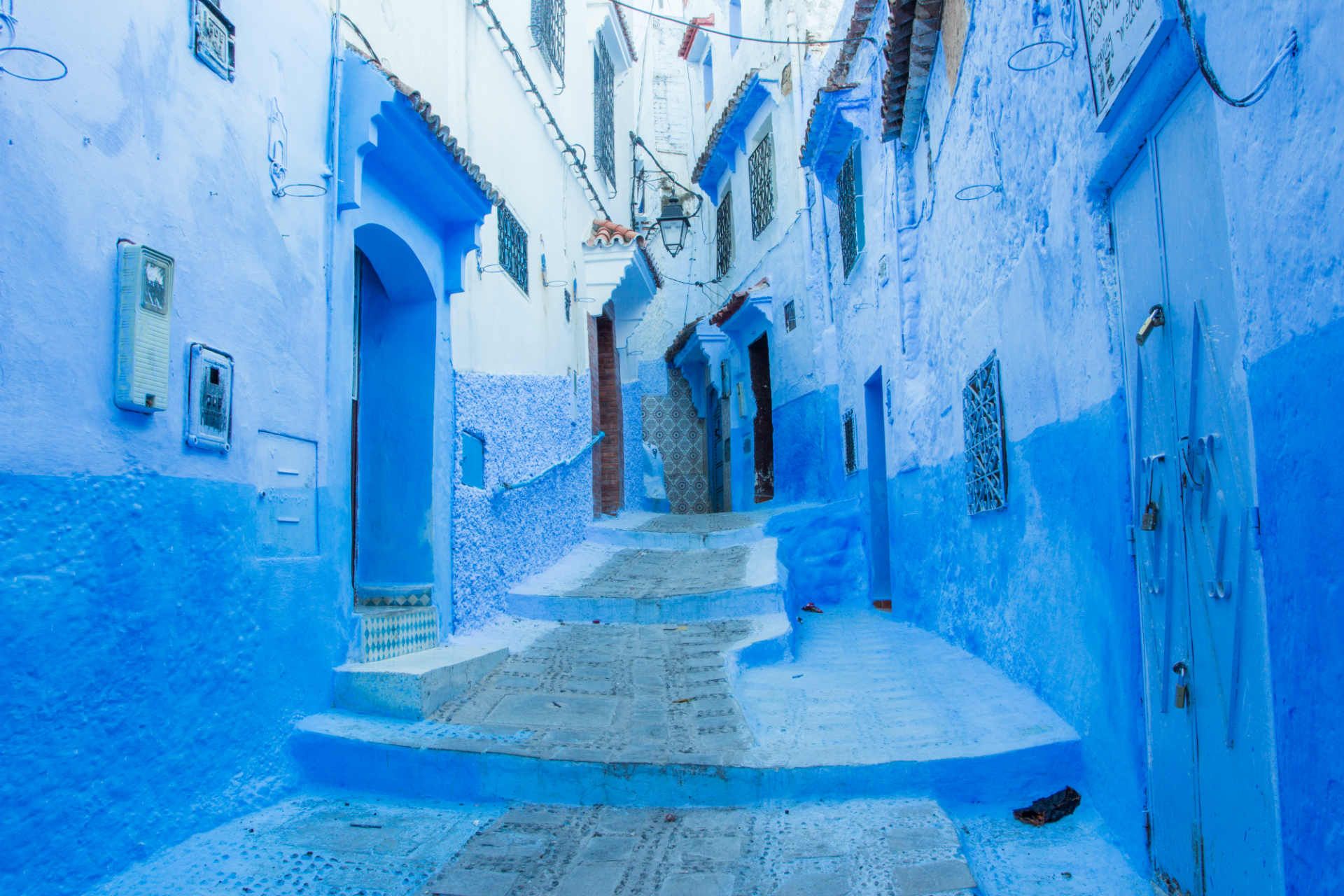
Chefchaouen, also known as the Blue City © Shutterstock
July: Desert Days and Coastal Nights
July turns up the heat, especially inland, but don’t let that deter you—this is the month for epic desert expeditions and lively cultural festivals. Head to the coast to enjoy cooler temperatures and buzzing beach scenes. If you love summer energy and don’t mind a little warmth, July offers unforgettable moments under Morocco’s sun-drenched skies.
August: Beat the Heat by the Sea
August keeps the summer vibes strong, with sun-filled days perfect for coastal getaways. While the interior can get quite hot, cities like Casablanca and Tangier provide a breezy, comfortable escape. Dive into water sports, explore historic ports, or simply relax with a view—August is all about savoring Morocco’s seaside charm.
September: The Golden Hour of Travel
As summer winds down, September steps in with quieter streets and still-lovely weather. This is shoulder season at its best—warm days, cooler evenings, and fewer crowds. Explore ancient ruins, wander through medinas, or trek through scenic valleys without the peak-season rush. If you crave a more relaxed pace without sacrificing sunshine, September is your ideal window.

Koutoubia mosque in Marrakech, Morocco © Migel/Shutterstock
October: Autumn Bliss in the Medina
October wraps Morocco in a gentle, golden light. The weather is simply sublime—warm enough for sightseeing but cool enough for long walks and outdoor adventures. It’s a beautiful moment to experience everything from the lively souks of Marrakech to the serene expanse of the Sahara. If you want the best of both worlds—culture and nature in perfect harmony—October delivers.
November: Hiker’s Paradise
November brings crisp, clear days that are perfect for exploring Morocco’s great outdoors. Gone is the summer heat; instead, you’ll find comfortable temperatures ideal for hiking in the Atlas Mountains or wandering through ancient kasbahs. With fewer tourists and stunning fall scenery, November is a hidden gem for travelers who love active, immersive experiences.
November in Morocco: Perfect Weather for Explorers
Thinking about a trip to Morocco? November might just be the sweet spot you’re looking for. The weather typically stays pleasant—not too hot, not too cold—which makes exploring the country’s bustling souks, ancient medinas, and breathtaking landscapes a joy. Without the sweltering summer heat or chilly winter nights, you can explore everything from the Sahara Desert to coastal towns like Essaouira with ease.
Curious about what to expect? Find out more about Morocco’s weather in November in our detailed guide.
December: A Cultural Paradise
While much of Europe is bundling up for winter, Morocco in December remains invitingly mild. Imagine strolling through the medinas of Fez or Marrakech under a warm sun, hiking in the Atlas Mountains without breaking a sweat, or even relaxing on coastal beaches without needing a sweater.
December offers cultural richness without the extreme weather, making it ideal for those who want to dive deep into Morocco’s heritage. Whether you’re wandering through historic sites or mingling with locals during festive evenings, this month promises a memorable adventure.
Wondering how to plan? Explore our full guide to Morocco’s weather in December.
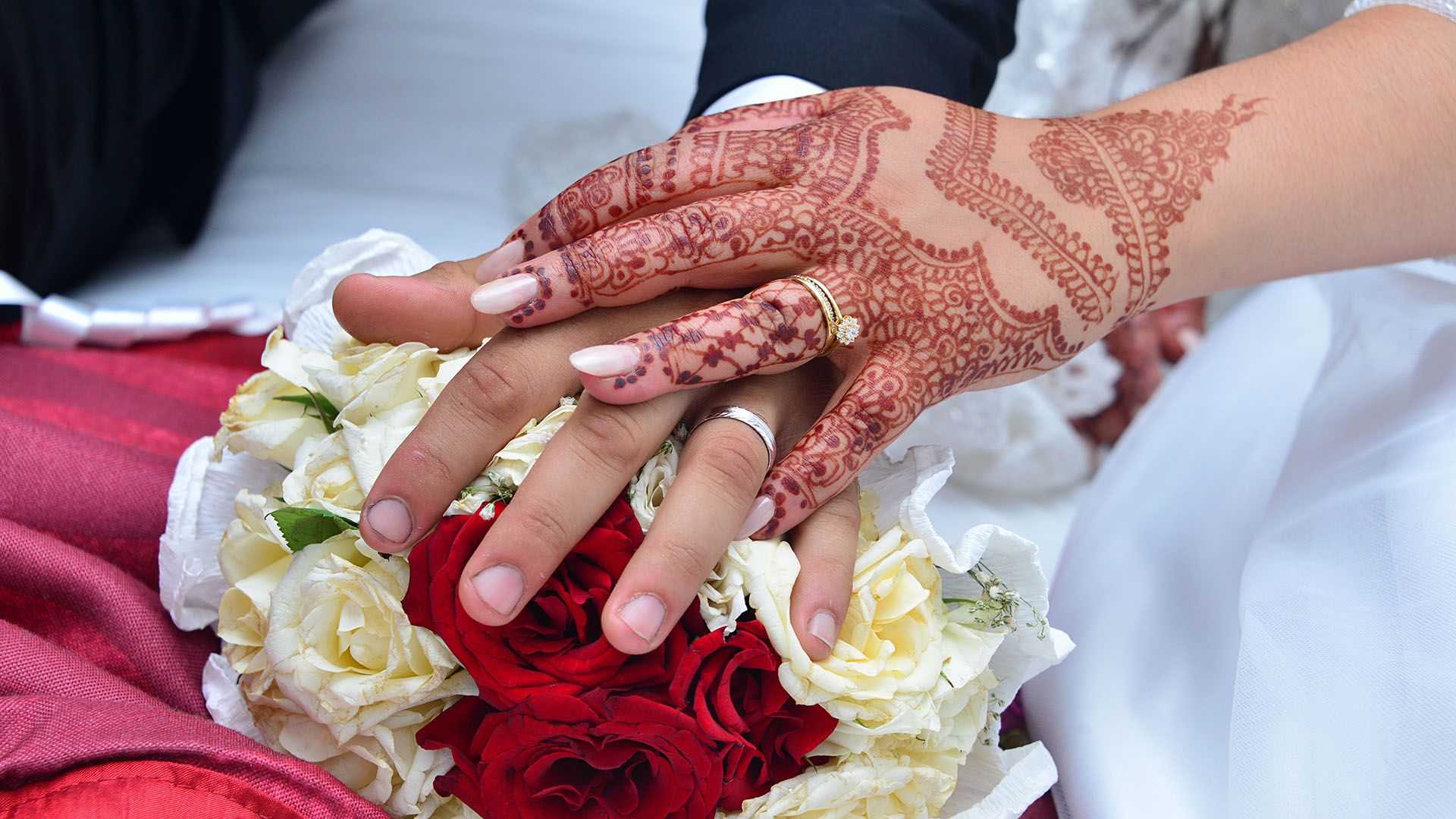
Moroccan wedding © Issam alhafti/Shutterstock
When Is Morocco’s Peak Season?
Morocco’s peak season runs from mid-May to mid-October, drawing travelers from around the world. During these months, you’ll find warm, sunny days perfect for visiting iconic destinations like Marrakech, Fez, and Chefchaouen. The Sahara Desert is alive with camel treks, and the Atlas Mountains offer incredible hiking opportunities.
However, popularity comes with a price: crowds swell, and accommodation prices rise. Booking your hotels and activities ahead of time is a must to ensure a smooth and enjoyable trip. If you love vibrant atmospheres and sunny skies, this is your window—just plan wisely!
Ready to explore Marrakech? Check out our guide to the best places to stay in Marrakech before you go.
Morocco’s Dry Season: Sun-Soaked Adventures Await
From April to October, Morocco enjoys its dry season—a time of minimal rainfall and warm, inviting weather. This is the perfect opportunity to soak up Moroccan culture, wander through ancient medinas, and venture into the Sahara or Atlas Mountains.
Whether you’re hiking, shopping in bustling markets, or simply relaxing under the North African sun, the dry season offers ideal conditions. Just remember: demand is high, so booking early ensures you won’t miss out on the best experiences.
Want to make the most of your trip? Read our essential Morocco travel tips for a hassle-free adventure.
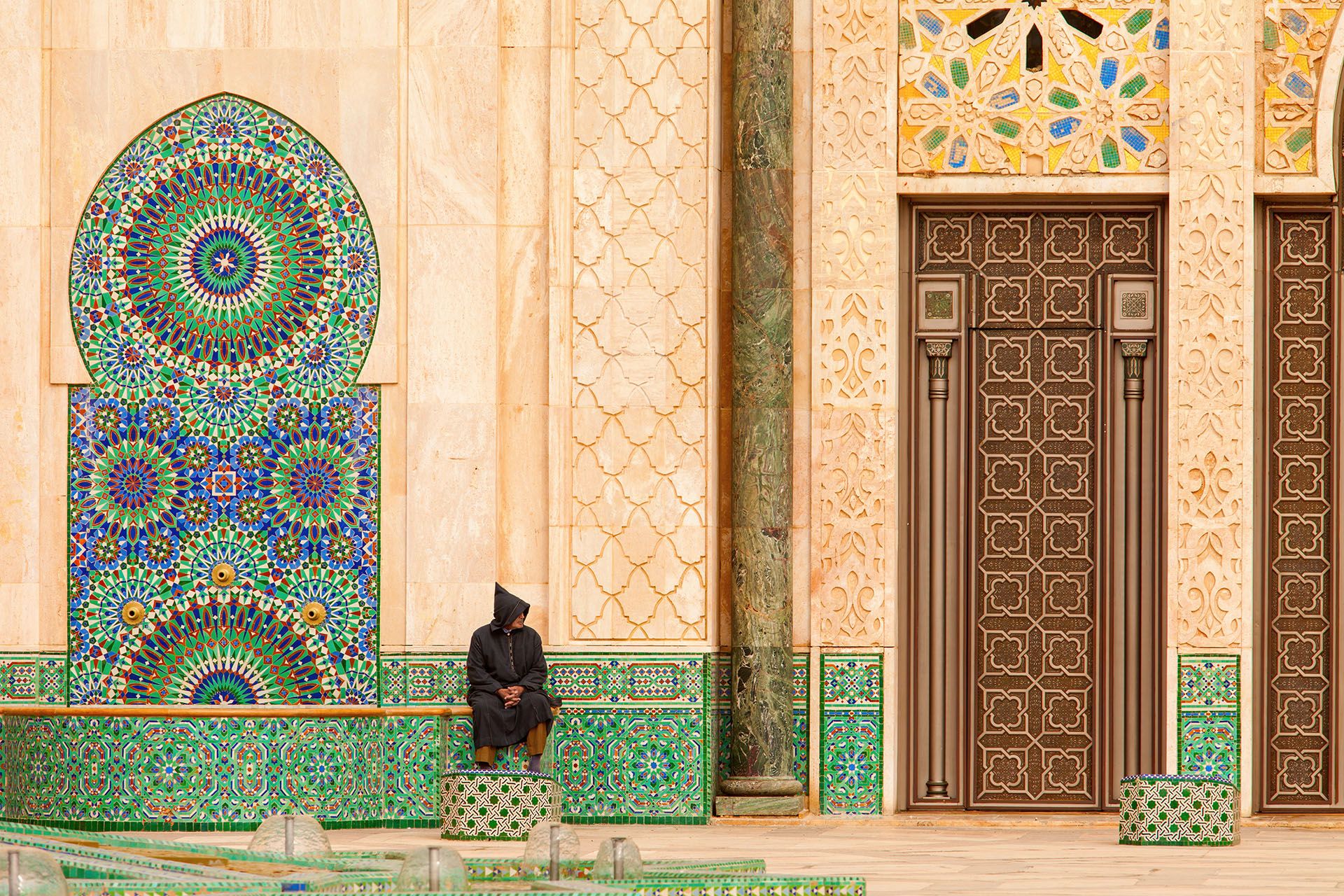
The Grande Mosquée Hassan II Casablanca © Shutterstock
Does Morocco Have a Rainy Season?
Yes, Morocco does experience a rainy season, typically from November to March. While rainfall varies across regions—coastal and northern areas see the most—this period transforms the landscape into lush, vibrant greens. Temperatures are milder, making it a peaceful time for travelers seeking a quieter getaway.
If you don’t mind packing a rain jacket and prefer fewer crowds, the rainy season can be a wonderful time to explore. Evenings can be cool, so layering is key. For those who love serenity and scenic beauty, this season offers a unique perspective on Morocco.
Looking for inspiration? Check out our curated 7-day Morocco itineraries to plan your perfect trip.
Experiencing Ramadan in Morocco
Ramadan, the holy month of fasting in the Islamic calendar, is a deeply meaningful time in Morocco. While it involves daytime fasting, the nights come alive with music, food, and community spirit. Public observance is respectful and enforced, making it a unique cultural immersion for visitors.
During Ramadan, Moroccans fast from sunrise to sunset—abstaining from food, drink, smoking, and other activities. Many restaurants and cafés close during the day, and daily life slows down. Travelers should be mindful not to eat or drink in public during fasting hours, but joining in the evening festivities can be a highlight of any trip.
After sunset, cities like Marrakech, Fez, and Rabat burst into life with celebrations, music, and delicious street food. Non-Muslims are not required to fast, but participating respectfully—even partially—can create unforgettable memories and a deeper connection to Moroccan culture.
Looking for vacation ideas in Morocco? Explore our 5-day Morocco itinerary for a quick adventure, or dive deeper with our 10-day Morocco itineraries for an extended cultural journey.
Immerse Yourself in the Magic of Ramadan and Eid Celebrations in Morocco
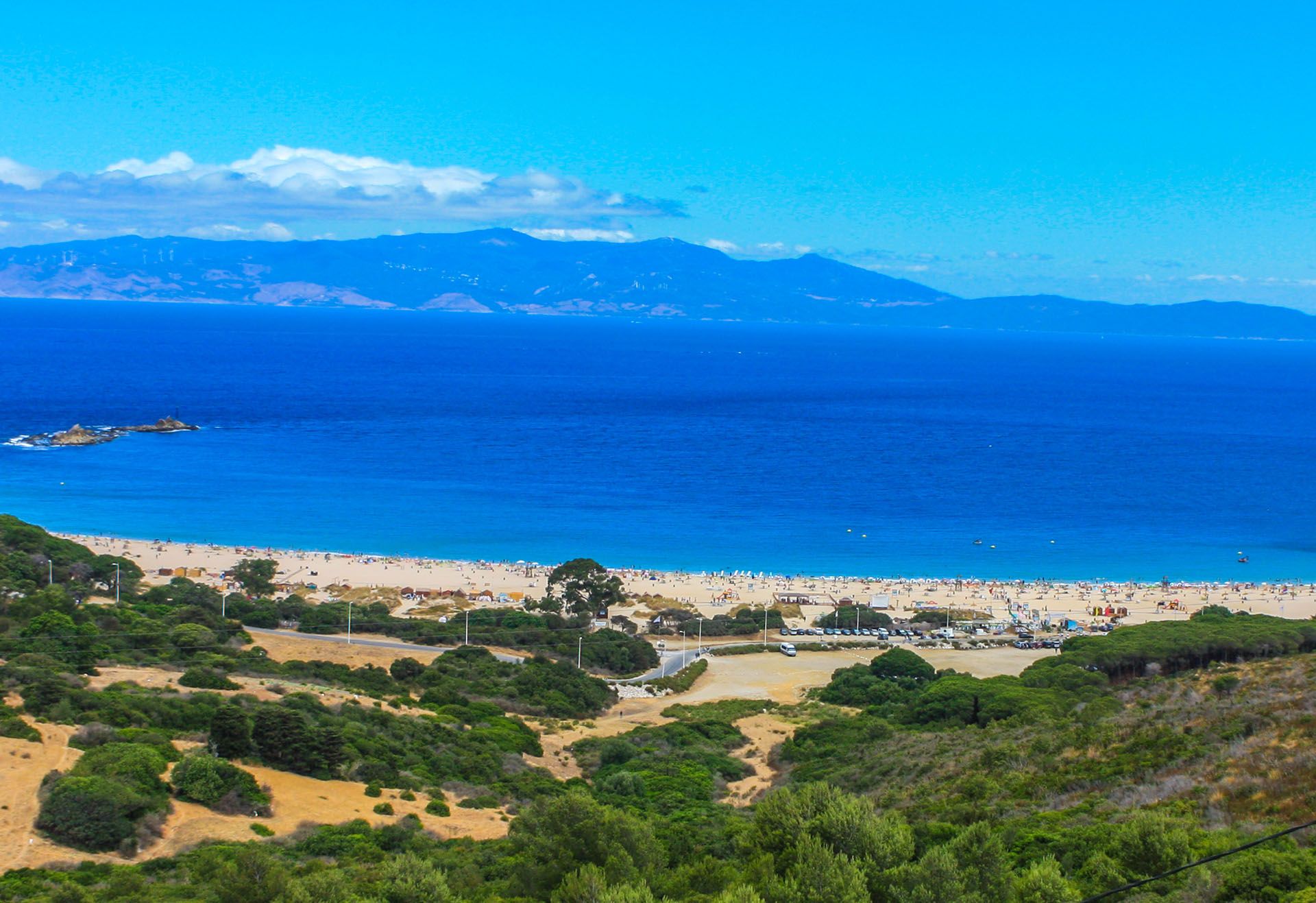
Panoramic view from the Daliyya (Dalia) Beach in Tangier © Shutterstock
Celebrating Ramadan and Aïd el Fitr
A journey to Morocco during the holy month of Ramadan offers a profound glimpse into the nation’s soul. The atmosphere transforms as days are dedicated to fasting, prayer, and reflection. As the sun sets each evening, the cities come alive with the vibrant energy of Iftar, the meal to break the fast. The air fills with the scent of traditional delicacies like harira soup, dates, and chebakia pastries. The culmination of this sacred month is the joyous celebration of Aïd es Seghir, also known as Aïd el Fitr.
This festival marks the end of Ramadan and is a time of immense happiness, forgiveness, and gratitude. Families dress in their finest clothes, attend special morning prayers, and visit relatives and friends. It’s a beautiful spectacle of community bonding, gift-giving, and sharing lavish meals. Streets are often decorated, and a genuine sense of joy permeates every corner of the country.
The Significance of Aïd el Kebir
An even more significant observance is Aïd el Kebir, the “Festival of Sacrifice.” This deeply spiritual event commemorates the willingness of Prophet Ibrahim (Abraham) to sacrifice his son as an act of obedience to God. In Morocco, this is a time of profound faith and tradition.
Leading up to the feast, you’ll notice sheep tethered in homes and even on rooftops, as each family that can afford it prepares for the ritual sacrifice. Following the special prayers, the meat is divided into three parts: one for the family, one for relatives and friends, and one for those in need. This act symbolizes charity and community support. In the days following Aïd el Kebir, public life slows down. Stores close, and transportation becomes crowded as people travel to reunite with their families, creating a unique and authentic travel experience.
Other Notable Islamic Festivals
Beyond the two main Eid celebrations, Morocco’s calendar is dotted with other meaningful events. The Mouloud, celebrating the Prophet Muhammad’s birthday, is widely observed with religious gatherings and vibrant festivals known as moussems, particularly famous in cities like Meknes and Salé.
Approximately thirty days after Aïd el Kebir, the streets of many towns fill with music during the celebration of Ashorou. This lively festival sees people of all ages bringing out traditional instruments, creating an impromptu symphony of drums, flutes, and string instruments that echoes through the alleyways, showcasing Morocco’s rich musical heritage.
Ready to Experience Morocco’s Cultural Riches?
Planning a trip to coincide with these incredible celebrations can be the journey of a lifetime. Our team of local travel experts is here to craft a personalized Moroccan adventure tailored just for you. We handle all the intricate details, from accommodations to cultural experiences, ensuring you have a seamless and deeply enriching visit.
If you’re inspired to discover the magic of Ramadan, Eid, or any other Moroccan festival, contact us. We can adapt any of our existing itineraries to suit your travel style and interests, creating a unique and unforgettable experience.


🌟 The Travaloca Travel Editors Community is a dynamic collective of individuals united by their passion for travel and their dedication to high-quality content creation. This community serves as the driving force behind Travaloca's informative and engaging travel resources. ✨ Core Identity: This group consists primarily of passionate travel enthusiasts who have turned their love for exploration into a commitment to writing and content curation. Members are recognized for their: Extensive Travel Experience: Possessing valuable firsthand knowledge from their journeys worldwide. Aptitude for Writing and Editing: Demonstrating a keen interest and skill in crafting, reviewing, and perfecting travel narratives, guides, tips, and reviews. Dedication to Storytelling: Transforming personal experiences and destination knowledge into accessible, inspiring, and reliable information for a global audience. 📝 Community Focus: The community’s primary role is to contribute, edit, and maintain the diverse range of content on Travaloca's platform. They ensure the information provided is accurate, engaging, and reflective of current travel trends. In essence, the Travaloca Travel Editors Community is where travel passion meets editorial excellence, enriching the user experience and solidifying Travaloca’s standing as a trusted travel resource.


