
Dreaming of whitewashed villages against sparkling blue seas? Ancient temples whispering myths of gods and heroes? Greece delivers all this and more – if you know how to plan your adventure. Let’s cut through the overwhelm and craft your perfect Greek getaway.
This practical guide helps you skip the rookie mistakes and plan like a pro. We’ll walk through timing, budgeting, and crafting an itinerary that matches what you want from this iconic destination. Plus, we’ve got real-world Greece itinerary examples based on trip length.
Step 1: Find Your Greek Vibe
Greece isn’t one-size-fits-all. Pirate-ship beach bars and all-night parties? Zen-like hikes through olive groves? Start by asking yourself:
- Cruise through multiple islands or sink deep into one place?
- Ancient ruins and museums or lazy beach days?
- Buzzing Mykonos energy or quiet mountain villages like Zagori?
- First-timer bucket list spots or uncovering hidden corners?
If your heart beats for mythology, ground yourself in Athens or the Peloponnese’s ancient sites. Seek authentic island life? Naxos or Crete serve up local flavor without the crowds. Want those Insta-famous Santorini sunsets? Go for it – just know premium views come with premium prices.
Remember: Trying to cram everything into one trip leaves you exhausted. Pick your passions and design around them. You’ll savor experiences more.
Step 2: Timing is Everything in Greece
Your Greek fantasy hinges on when you go. Here’s the seasonal breakdown:
- Peak Summer (June-August): Guaranteed sunshine, jumping nightlife, and all ferries running. Perfect for beach bums and party seekers. Downside? Expect Sardine-mode crowds at hotspots like Mykonos and Oia. Book accommodations way ahead.
- Golden Shoulder Seasons (April-May & Sept-Oct): Our favorite hack. Warm-but-not-scorching days, thinner crowds, and lower prices. Ideal for hiking Samaria Gorge, exploring Delphi, or enjoying Santorini without elbow-to-elbow selfie sticks. Bonus: September’s sea is bathwater warm.
- Winter Wander (Nov-March): Athens shines with locals reclaiming their city. Perfect for cozy tavernas, Acropolis views without queues, and discovering Macedonia’s snow-dusted villages. Warning: Many islands become ghost towns. Stick to Crete or Corfu if island-bound.
Pro Tip: Always double-check ferry schedules and opening hours. A charming taverna open in July might shutter come October – especially on smaller islands like Folegandros.

The Corinthian Canal in Greece © Shutterstock
Step 3: Budget Smart, Travel Well
Crafting your Greek dream doesn’t require breaking the bank – just smart planning. Let’s break down costs and timelines:
Greece Travel Budget Breakdown
- Budget Warrior ($50-80/day): Hostels, local buses, and gyros feasts keep costs down. Ferry early/late for cheaper tickets. Islands like Paros offer great value.
- Comfort Seeker ($150-250/day): Boutique guesthouses, mid-range ferries, and taverna dinners with wine. Perfect balance for most.
- Luxury Explorer ($400+/day): Private yacht days, cave pool suites in Santorini, and chef’s table dining. Worth splurging on unique splurges like a Meteora monastery stay.
How Many Days Do You Need in Greece?
Avoid the “trying to see it all” trap. Here’s what’s realistic:
- 5 Days: Athens essentials (2 days) + one nearby island (Santorini, Hydra). Fast-paced but doable with flights.
- 7 Days: Combine Athens with two islands OR pair Athens with Peloponnese road trips. Example: Athens → Mykonos → Delos day trip → Santorini.
- 10 Days (Sweet Spot!): Island-hop Cyclades (Mykonos → Paros → Naxos) at leisure OR blend mainland (Delphi, Meteora) with Crete’s beaches. Time to breathe!
- 14+ Days: Dive deep! Combine Crete’s palaces with lesser-known gems like Milos or hike the Vikos Gorge up north.
Key Takeaway: Slower travel = richer experiences. Spend at least three nights per island to absorb its rhythm.

The North Entrance of the Palace with charging bull fresco in Knossos at Crete, Greece © Shutterstock
Crafting Your Greek Adventure: Where to Wander
Picture this: you’re sipping local wine as the sun dips below the horizon, ancient stones warm beneath your feet, and the scent of oregano and salt air mingles around you. This is Greece calling – but with over 6,000 islands and a treasure-filled mainland, where do you begin? Let’s create your perfect Greek storyboard.
Mainland Marvels vs. Island Dreams
For History Hunters & Road Warriors
If your heart races for mythology-steeped ruins and authentic village life, mainland Greece delivers. Feel the whispers of history at Delphi’s sacred slopes, marvel at cliff-perched monasteries in Meteora, and stroll through charming Nafplio’s Venetian alleyways. Rent a car for freedom: discover the Peloponnese’s wild beauty, trek through central Greece’s rugged landscapes, or explore the untamed north where tourism feels refreshingly light.
For Salt-Kissed Souls & Slow Living
When your perfect day involves turquoise coves and lazy seaside lunches, the Greek islands beckon. While island-hopping sounds romantic, smart travelers focus. Choose one archipelago to sink into its rhythm – ferry schedules can be fickle, especially outside peak season.
Island sweet spots for new explorers:
- The Cyclades: Iconic white-and-blue vistas (yes, Santorini’s sunsets deserve the hype) but leave room for Naxos’ family-run tavernas and Paros’ windsurfing beaches
- Crete: A universe unto itself – hike Samaria Gorge, explore Minoan palaces, and find your secret cove along 1,000 km of coastline
- Ionian Gems: Lush Corfu and Zakynthos serve Italian-Greek fusion charm with pine-fringed beaches
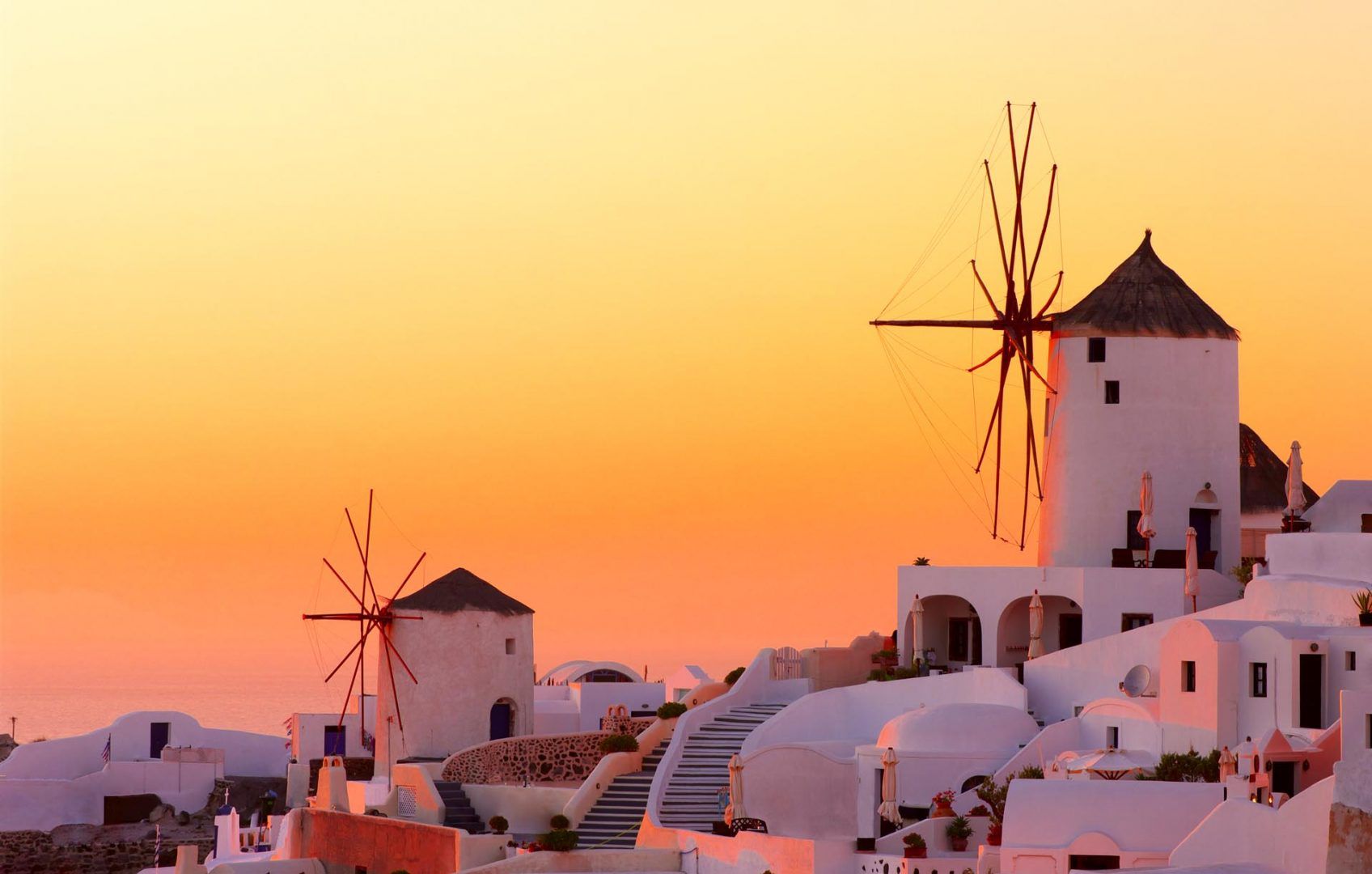
Santorini’s cliffside charm © Shutterstock
Smart Route Planning: Your Greek Odyssey Blueprint
Great Greek trips flow like retsina – smooth and refreshing. Avoid the rookie mistake of island-hopping fatigue with these pro tips:
The Geography Game
Cluster your destinations like grapes on the vine. Base yourself in the Cyclades? Perfect – ferry between Santorini, Naxos, and Milos seamlessly. Road-tripping the Peloponnese? Hit Epidaurus’ theatre, Mycenae’s lion gates, and Monemvasia’s castle town without backtracking.
Golden rule: Treat Thessaloniki and Crete as separate vacations from your Cycladic adventures unless you’ve got weeks to spare.
Travel Time Realities
That “quick ferry hop” often eats half a day once you factor in packing, transfers, and queuing. Spend at least two nights per location – three if you’re changing regions.
Sample 10-Day Flow:
- Athens (2 nights) – Acropolis mornings and souvlaki evenings
- Meteora (2 nights) – Monasteries in the clouds
- Peloponnese road trip (3 nights) – Nafplio, Olympia, coastal drives
- Hydra (2 nights) – Car-free island serenity near Athens

Corfu Town’s Venetian elegance © Shutterstock
Flight Hacks for Smarter Greek Exploration
Athens isn’t your only gateway – smart arrival points save precious vacation hours:
Airport Intel
- Athens (ATH): Best for multi-region trips. Direct flights worldwide, but transfer to islands requires ferry/domestic flight
- Thessaloniki (SKG): Northern Greece’s secret weapon – perfect for foodies and mountain explorers
- Crete (HER/CHQ): Fly straight into Heraklion or Chania from Europe – ideal for beach-centric itineraries
- Island Airports: Santorini (JTR), Mykonos (JMK), and Corfu (CFU) welcome direct European flights May-October
Pro Tip: Book early for July-August flights to the islands – seats vanish like baklava at a Greek wedding!
Ferry Situation
Island ferries run like Greek time – plentiful in summer, sparse in spring/fall. Check routes on Ferryhopper.com before locking in accommodations. Fast cats save time but cost more; traditional boats offer deck-passing views worth savoring.
Smart Flight Strategies for Your Greek Adventure
Picture this: You’re gazing at the Aegean Sea from a whitewashed veranda, icy lemonade in hand. The journey begins long before this moment – with choosing the perfect flight strategy. Let’s transform confusing flight options into your shortcut to paradise.
Your Greek Gateway Airports
Not all Greek arrivals are created equal. Here’s your cheat sheet:
- Athens International (ATH): The primary hub connecting to every corner of Greece and beyond
- Thessaloniki (SKG): Your northern gateway to Macedonia and the Sporades islands
- Island Hotspots: Santorini (JTR), Mykonos (JMK), Rhodes (RHO), and Corfu (CFU) offer seasonal direct international flights – perfect for avoiding mainland backtracking
Booking Like a Pro
Flight hacks that’ll make your wallet (and itinerary) happy:
- Early birds secure 40-60% savings, especially for June-September travel
- Try the “open-jaw” trick: Fly into one airport (e.g., Athens), depart from another (e.g., Santorini)
- Remember: Smaller island airports mainly operate seasonal routes through European hubs
Pro tip: Match your arrival airport to your first destination. That spontaneous island detour? It’ll cost you precious vacation hours and euros in backtracking fees.
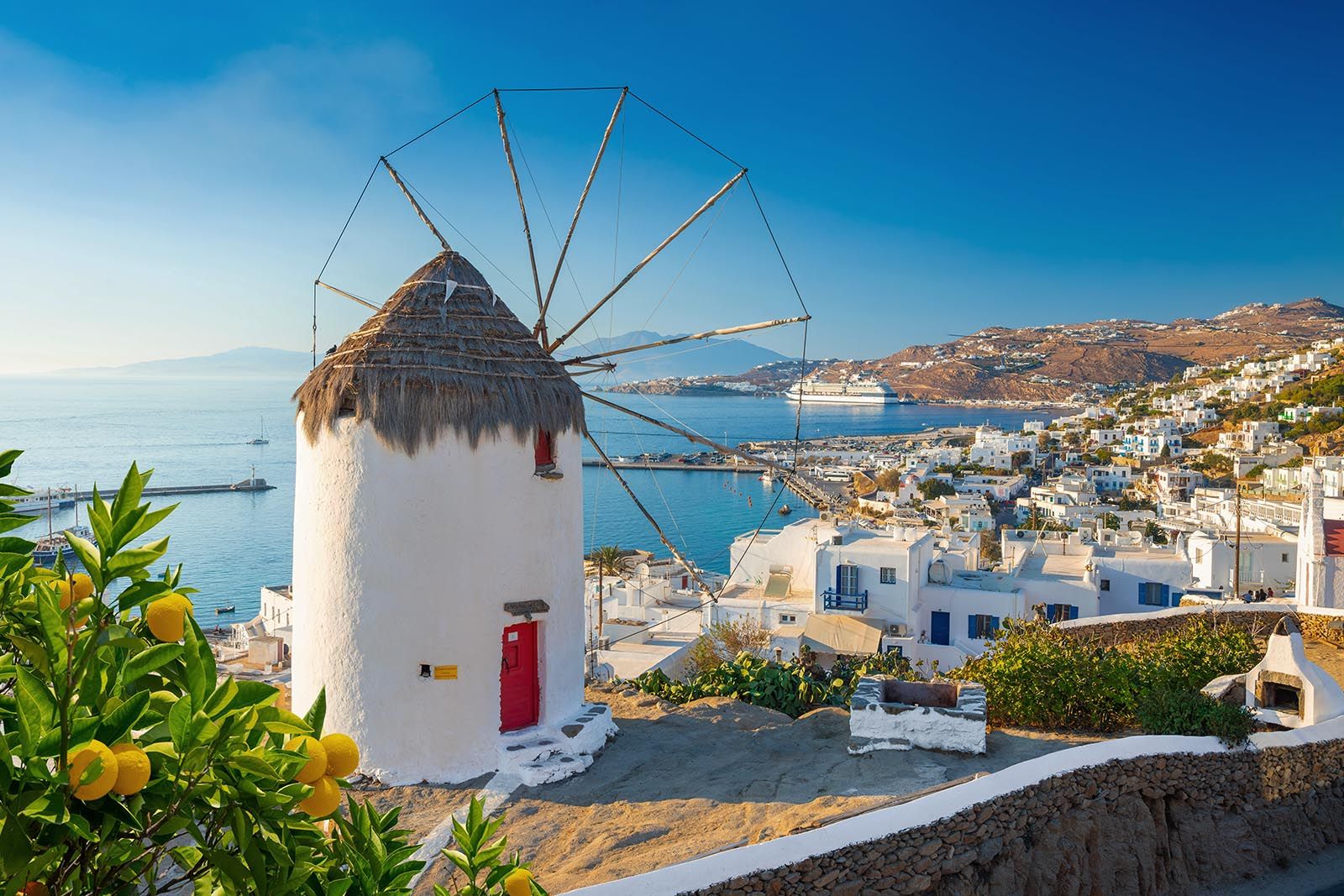
Golden hour transforms Mykonos’ iconic windmills into postcard perfection © Shutterstock
Mastering Greek Transportation: Ferries, Flights & More
Greece’s island-dotted landscape makes transportation planning an art form. Master these moves to glide between destinations like a seasoned traveler.
Sailing the Aegean Like a Local
Ferries are Greece’s lifeblood, but they’ve got personality:
- Book smart: July-August routes sell out weeks ahead – reserve popular connections (Athens-Mykonos/Santorini) early
- Speed vs comfort: Hydrofoils save time but cost 25-40% more (and rock like rodeo bulls in meltemi winds)
- Old-school charm: Traditional ferries offer deck space for sunbathing and better stability
Port pro tip: Appearances deceive – pinching pennies on ferry bookings often means losing a day to indirect routes.
When Wings Beat Waves
Domestic flights perfect for:
- Athens to Crete or Rhodes (cuts 8+ hour ferry rides to 1 hour)
- Island-hopping between distant chains (Cyclades to Dodecanese)
- Last-minute itinerary changes when ferries sell out
Mainland Mobility Secrets
Beyond the islands:
- KTEL buses: Surprisingly comfortable coaches reaching remote villages
- Train gems: Scenic Athens-Thessaloniki route or the magical journey to Meteora’s monasteries
- Road trips: Rent a car to explore Peloponnese’s hidden coves or Crete’s rugged interior (IDP required for non-EU drivers)

Sami Bay’s dazzling waters make Kefalonia a boater’s paradise © Shutterstock
Greek Accommodation Hacks: Stay Like You Belong
Your Greek home base shapes your entire experience. Choose wisely with these location secrets.
Timing Is Everything
Beat the accommodation crunch:
- June-September: Book 6-9 months ahead for Santorini/Mykonos
- April-May & October: 1-3 month lead time suffices
- November-March: Many island hotels hibernate – focus on Athens, Crete, and mainland cities
Location Masterclass
Where to unpack your suitcase:
Athens: Plaka’s cobblestone charm or buzzing Psyrri for foodies
Mykonos:
- Mykonos Town (Chora): 24/7 energy steps from Little Venice
- Ornos: Family-friendly beaches with calmer vibes
Santorini:
- Fira: Central hub with Insta-famous caldera views
- Oia: Where iconic sunsets come with premium prices
Crete:
- Chania’s Venetian harbor for romance seekers
- Heraklion for history buffs (15 minutes to Knossos)
Corfu:
- Corfu Town’s UNESCO-listed old quarter
- Paleokastritsa – where emerald cliffs meet sapphire seas
Sleep Style Guide
From budget to bougie:
- Pensiones: Family-run gems with homemade breakfasts
- Cave houses: Santorini’s iconic cliff-carved dwellings
- Monastery stays: Meteora’s spiritual retreats
- Boutique seaside: Mykonos’ chic beach clubs with private cabanas
Step 8: Discover Your Perfect Greek Stay
Finding your base in Greece is more than just picking a place to sleep – it’s choosing your gateway to experiencing authentic Greek life. From family-run guesthouses in mountain villages to luxury seaside villas, Greece caters to every taste and budget, though quality can vary significantly between regions.
Greek Accommodation Options for Every Traveler:
- Budget-Friendly Comfort: Cozy hostels, dormitories, and traditional guesthouses perfect for social travelers
- Mid-Range Charm: Charming local hotels, self-catering studios, and character-filled Airbnbs with kitchenettes
- Premium Experiences: Boutique hideaways, seaside resorts, and private villas with panoramic views
Pro Tip: Book early in popular destinations like Santorini or Mykonos, but consider keeping things flexible in quieter areas where last-minute gems might appear. Your choice of accommodation will shape your daily rhythm – from morning coffee with locals to sunset views from your balcony.

Sunrise tranquility at Tsilivi Beach, Zakynthos © Shutterstock
Step 9: Secure Your Unforgettable Greek Adventures
After locking in your accommodation, it’s time to reserve those bucket-list experiences that will make your Greece trip extraordinary. Don’t let sold-out signs or endless queues dampen your vacation spirit – a bit of planning ensures you won’t miss those once-in-a-lifetime moments.
Must-Book Experiences in Greece:
- Ancient Wonders: Secure timed tickets for the Acropolis, Delphi, and Knossos to beat the crowds and midday heat
- Iconic Day Trips: Reserve spots early for Delos excursions, Samaria Gorge hikes, and Santorini caldera cruises
- Exclusive Encounters: Book intimate experiences like private wine tastings, cooking classes, and sunset sails well in advance
Flexible Options for Spontaneous Explorers:
- Local museums and galleries (perfect for rainy days or spontaneous curiosity)
- Lesser-known archaeological sites where you can wander like a modern-day explorer
Travel Smart: Allow breathing room in your schedule – Greece’s laid-back vibe is best enjoyed when you’re not racing between reservations. Why risk missing out on swimming in those crystal-clear waters because you’re stuck in a ticket line?

Naxos island’s golden shores beckon travelers © Shutterstock
Step 10: The Essential Pre-Departure Checklist
Cross these final items off your list to ensure smooth sailing through your Greek odyssey. These practical details might not be glamorous, but they’re the foundation of stress-free travel.
Cross-Border Essentials:
U.S. passport holders can enjoy 90 visa-free days in Greece’s Schengen Area. Double-check that your passport validity extends at least three months beyond your return date. Stay informed about upcoming ETIAS requirements for future travel authorization.
Smart Protection for Your Trip:
While not mandatory, comprehensive travel insurance is your safety net for unexpected medical costs, trip interruptions, or misplaced luggage – especially valuable when island hopping or navigating winding mountain roads.
Road Trip Readiness:
Planning to explore Greece by car? Remember your U.S. driver’s license needs an International Driving Permit companion, easily obtained through AAA before departure.
Pro Traveler Touches:
- Download digital tickets and confirmations – Wi-Fi can be elusive on remote islands
- Review baggage rules for Greek ferries and domestic flights
- Pack broken-in walking shoes, reef-safe sunscreen, and light layers for cool evenings
With these final boxes checked, you’re ready to embark on your Greek adventure. The hard work’s done – now comes the magic of experiencing Greece’s sun-drenched islands, ancient marvels, and warm hospitality firsthand.

Oia’s iconic blue domes await your arrival © Shutterstock
Greece Travel FAQs: Your Local Know-How for an Authentic Trip
Ready to experience Greece like a seasoned traveler? Beyond the stunning sunsets and ancient ruins, these insider tips will help you navigate local customs, avoid common mistakes, and connect with authentic Greek culture. Let’s dive into the questions every traveler should ask before visiting this Mediterranean gem.
Tipping in Greece: When and How Much?
Tipping in Greece is more about appreciation than obligation. Here’s your quick guide:
At restaurants rounding up your bill or leaving €1-2 per person shows appreciation. For exceptional service at pricier spots, 5-10% keeps things graceful. Cafés? Simply leave your small change – no need to break bills. Taxi drivers typically don’t expect tips unless they handle heavy luggage or take scenic detours for you. Always scan your receipt first – some places include service charges automatically.
Can You Drink the Tap Water in Greece?
Water safety depends on where you are:
Mainland cities like Athens and Thessaloniki have perfectly drinkable tap water, though it might taste slightly chlorinated. Island hopping? Proceed with caution. Many islands rely on desalinated or stored rainwater that’s not ideal for drinking. Locals stick to affordable bottled water (about €0.50 a liter). Your accommodation will happily tell you if their tap water’s safe – when in doubt, grab a bottle.
Greece Cultural Etiquette: What Not to Do
Greeks are famously hospitable, but these tips will earn you respect:
– Steer clear of pointing with open palms (considered offensive)
– Cover shoulders and knees before entering churches or monasteries
– Keep haggling for markets – it’s poor form in shops or restaurants
– Always ask permission before photographing locals or private homes
Staying Connected: Mobile Data in Greece
Stay online without breaking the bank:
For stays beyond a few days, local SIM cards beat roaming charges hands down. Major providers like Cosmote, Vodafone and WIND offer tourist-friendly prepaid plans (€10-20 gets you several GB). Find kiosks at airports and most towns – just present your passport for registration. Tech-savvy travelers can skip physical SIMs entirely: eSIM options work wonders if your phone supports them.

Naxos’ turquoise waters and white villages beckon travelers to the Cyclades islands © Shutterstock
Avoiding Tourist Traps: Eat and Explore Like a Local
Discover the real Greece by dodging these traps:
Scan restaurant menus critically – laminated photo menus and English-only pricing often signal inflated tourist spots. Follow locals to hole-in-the-wall tavernas where handwritten menus change daily. Shop smart: souvenir stalls near landmarks charge double for mass-produced goods. Consider staying in lesser-known island villages rather than crowded ports – you’ll sleep better and pay less for authentic experiences.
Greek Dining Hours: When to Eat Like a True Mediterranean
Adjust your mealtimes to embrace local rhythm:
Lunch typically starts around 2-3 pm after the midday heat subsides. Dinner? Greeks dine fashionably late – few restaurants buzz before 8 pm. Embrace the leisurely pace: meals often unfold over hours with shared mezes (appetizers) and flowing conversation. Early hunger pangs? Bakeries sell delicious savory pies (tiropita, spanakopita) throughout the day.
Dreaming of a personalized Greek adventure? Our travel experts craft custom itineraries that match your pace and passions. Whether you’re chasing sunset views from whitewashed villages or exploring ancient ruins between dip in hidden coves, we’ll create your perfect Greece escape.
Ready for a trip that goes beyond the guidebooks? Explore our tailor-made service for a journey designed exclusively for you.


🌟 The Travaloca Travel Editors Community is a dynamic collective of individuals united by their passion for travel and their dedication to high-quality content creation. This community serves as the driving force behind Travaloca's informative and engaging travel resources. ✨ Core Identity: This group consists primarily of passionate travel enthusiasts who have turned their love for exploration into a commitment to writing and content curation. Members are recognized for their: Extensive Travel Experience: Possessing valuable firsthand knowledge from their journeys worldwide. Aptitude for Writing and Editing: Demonstrating a keen interest and skill in crafting, reviewing, and perfecting travel narratives, guides, tips, and reviews. Dedication to Storytelling: Transforming personal experiences and destination knowledge into accessible, inspiring, and reliable information for a global audience. 📝 Community Focus: The community’s primary role is to contribute, edit, and maintain the diverse range of content on Travaloca's platform. They ensure the information provided is accurate, engaging, and reflective of current travel trends. In essence, the Travaloca Travel Editors Community is where travel passion meets editorial excellence, enriching the user experience and solidifying Travaloca’s standing as a trusted travel resource.


