
Choosing where to stay in Croatia feels like designing your own Mediterranean adventure. Picture this: do you want to wake up in a medieval city buzzing with cafés, unwind in a fishing village where your watch stops working, or discover islands where the Adriatic whispers to quiet shores?
Dubrovnik seduces with boutiques tucked inside ancient walls or cliffside apartments boasting sunset views beyond the tourist crowds. Split masterfully blends history and coastline vibes – think modern hotels inside Roman palaces or budget-friendly spots just steps from vibrant promenades.
Hop between islands where vineyards cradle bijou guesthouses and family-run sobe welcome you with open arms. Korčula lulls you into relaxed bliss, Hvar parties under starlit skies, and Vis tempts explorers with pebble coves best reached by scooter.
But Croatia isn’t all coastlines – inland treasures await. Farmhouses in Zagorje offer thermal spa relaxation, Gorski Kotar has cabins hidden in emerald forests, and Plitvice’s doorstep lodges let you beat the waterfall crowds at dawn.
Croatia Accommodation: By Budget & Travel Style
While prices have climbed since its backpacker heyday, Croatia still offers exceptional value if you time it right. Peel away from July-August peaks and you’ll uncover wallet-friendly rooms with sea breezes and luxury hideaways that won’t need a second mortgage.
Budget Accommodation in Croatia ($30-55 USD)
Hostels shine brightest in Zagreb, Split, and Dubrovnik, offering social dorms and often stunning rooftop bars. For authentic Croatian warmth, seek out family-owned sobe – quaint rooms where hosts greet you with homemade walnut rakija and insider tips on secret beaches. Pro tip: Inland towns like Zadar or Šibenik offer even better bargains.
Mid-Range Comfort ($80–150 USD)
This sweet spot unlocks Croatia’s charm. Imagine stone-walled boutique hotels in Split’s palace alleys, apartments with honey-scented balconies in Istria, or seaside guesthouses where breakfast features Dalmatian prosciutto. Perfect for travelers wanting character without sacrificing modern comforts.
Luxury & Character (From $180 USD)
Croatian luxury whispers history. Sleep in Dubrovnik’s restored aristocratic palaces, relax in Istrian wine estates with endless vineyard views, or retreat to Hvar villas where infinity pools melt into the horizon. Many high-end properties offer private yacht charters – because why share the Adriatic?

Hvar’s yacht-dotted harbor blends cosmopolitan energy with Adriatic charm © rustamank/Shutterstock
Beyond Hotels: 7 Unique Ways to Stay in Croatia
Coastal Guesthouses Converted from Stone Homes
Perfect for: Traditionalists wanting village authenticity
Sleep in: Brač’s olive groves or Vis fishermen’s cottages
Agritourism Farms in the Countryside
Perfect for: Slow travelers craving farm-to-table living
Don’t miss: Truffle hunting in Istria, fireside dinners in Slavonia
Wilderness Cabins in National Parks
Perfect for: Hikers chasing Plitvice’s waterfalls or Paklenica’s canyons
Wake up to: Birdsong replacing alarm clocks
Designer Apartments Inside Historic Palaces
Perfect for: Urban explorers in Split or Dubrovnik
Inside scoop: Modern amenities wrapped in UNESCO-protected walls
Private Villas with Sea Access
Perfect for: Families or groups wanting space and independence
Blue dream: Swim from your terrace on Korčula’s pebbled coves
Lighthouse Stays on Remote Islands
Perfect for: Romance seekers craving dramatic isolation
Iconic spots: Outlying islands of Zadar archipelago
Winery Bed & Breakfasts
Perfect for: Oenophiles exploring Croatia’s wine routes
Taste test: Pelješac Peninsula’s robust reds or Istria’s crisp Malvazija

Dubrovnik’s UNESCO-protected Old Town offers magical stays inside living history © Shutterstock
5 Local Secrets for Booking Croatian Stays
- March-May magic: Score shoulder-season rates with fewer crowds and perfect hiking weather
- Island-hopping hack: Book directly with owners on less-touristed islands (think Lastovo or Silba)
- Park perks: Plitvice Lakes lodges offer exclusive early-access to waterfalls before daytrippers arrive
- Table with a view: Always ask about apartments with “sea vistas” – In Croatian: “ima li pogled na more?”
- Wine country welcome: Many agrotourism stays include free vineyard tours and tastings
Whether you fall asleep to waves kissing Korčula’s shores or wake surrounded by Plitvice’s waterfalls, Croatia’s stays become lifelong memories. Choose your base wisely – here, your accommodation isn’t just where you sleep, it’s where your Adriatic story begins.

Zadar, Croatia © xbrchx/Shutterstock
Exploring Croatia on Any Budget: Accommodation Costs Decoded
While Croatia no longer qualifies as a hidden bargain, it still delivers remarkable value compared to Western Europe – especially if you time it right. Summer (July-August) brings premium pricing as both international travelers and locals flock to the coast. But visit during shoulder seasons or explore beyond hotspots, and you’ll discover accommodations ranging from rustic seaside rooms to luxurious heritage stays.
- Budget-friendly stays: Snag a private room in a family-run sobe (guesthouse) or hostel dorm bed for €25-60 ($27-65). Islands and cities like Split offer great hostel options with social vibes.
- Mid-range magic: Between €80-140 ($85-150), find boutique apartments with sea-view balconies, heritage homes in medieval towns, or stylish city hotels – often including breakfast.
- Luxury splurges: From €170+ ($180+), indulge in Renaissance palaces in Dubrovnik, vineyard estates in Istria, or secluded island villas. Rural gems near Plitvice Lakes bundle meals and experiences around €200 ($215).
- Smart traveler tip: May-June and September-October deliver golden weather with thinner crowds and softer prices. In peak season? Book islands months ahead!
Finding Your Perfect Croatian Base: Regions Compared
Croatia’s magic lies in its diversity – ancient cities whisper history, islands dazzle with turquoise waters, and hill towns overflow with wine and truffles. Where you stay shapes your experience. Dive into these top regions to match your travel rhythm:
Dubrovnik: The Adriatic Jewel
Dubrovnik’s walled city steals hearts (and camera rolls), but summer crowds demand strategy. Your base determines whether you dance with cruise groups or find tranquil Adriatic moments.
- Old Town: Wake up inside history with stone lanes outside your door – perfect for night photographers after day-trippers leave. Prepare for premium rates and lively energy.
- Ploče: Just east of the walls, this upscale zone offers harbor panoramas, beach access, and quick walks to attractions – the Goldilocks zone for many.
- Lapad Peninsula: Families love this leafy area with sandy beaches, waterfront promenades, and larger hotels boasting pools and sunset views.
Split: Where Ancient Meets Modern
Croatia’s second city pulses with energy. Diocletian’s Palace forms its heart, but Split’s true charm unfolds in its lively ports, hidden courtyards, and easy island-hopping access.
- Palace & Old Town: Stay embedded in Roman history with cafes and cathedrals steps away. Nights buzz with klapa (traditional singers) echoing through marble lanes.
- Bacvice: Join locals at Split’s iconic sandy beach by day; by night, this party hub throbs with open-air clubs.
- Veli Varoš: Experience authentic Split in this fisherman’s quarter – think cobbled streets, village vibes, and local konobas (taverns).

Split, Croatia © novak.elcic/Shutterstock
Istria: Flavors & Hilltop Vistas
Croatia’s Tuscany-esque northwest tempts foodies with truffles, olive oil, and Malvazija wines. Stay coastal or head inland for medieval villages and agrotourism stays.
- Rovinj: Picture-postcard perfect! Pastel houses cascade toward the sea – choose harbor-view rooms or artsy apartments in the Old Town maze.
- Motovun: Sleep surrounded by truffle forests in this fairy-tale hill town. Farm stays nearby offer wine tastings and homemade pasta feasts.
- Pula: History buffs adore its Roman amphitheater (still hosting summer concerts!). Great base for exploring Cape Kamenjak’s wild beaches.
Zagreb: Central European Charm
Croatia’s capital mixes Austro-Hungarian architecture with quirky museums and café culture. It’s your gateway to mountain parks and a refreshing alternative to coastal crowds.
- Lower Town (Donji Grad): Base yourself near Ban Jelačić Square for trams, botanical gardens, and grand 19th-century buildings housing boutique hotels.
- Upper Town (Gornji Grad): Haunted towers, cathedral spires, and secret passageways characterize this historic quarter – ideal for romantic escapes.
The Dalmatian Islands: Sun, Sea & Style
Each island sings its own siren song. Choose wisely based on your vibe – Hvar’s glamour, Korčula’s medieval soul, or Vis’ untouched beauty promise unforgettable stays.
- Hvar: Glamorous Hvar Town lures yachters and night owls. Prefer serenity? Retreat to Stari Grad’s lavender fields or Jelsa’s pine-shaded coves.
- Korčula: Wander Marco Polo’s alleged birthplace! Korčula Town’s defensive walls charm history lovers, while Lumbarda offers vineyard stays near sandy beaches.
- Vis: Once a military zone, now Croatia’s secret paradise. Snorkel blue caves, feast on fresh seafood, and unwind in leafy courtyard apartments.
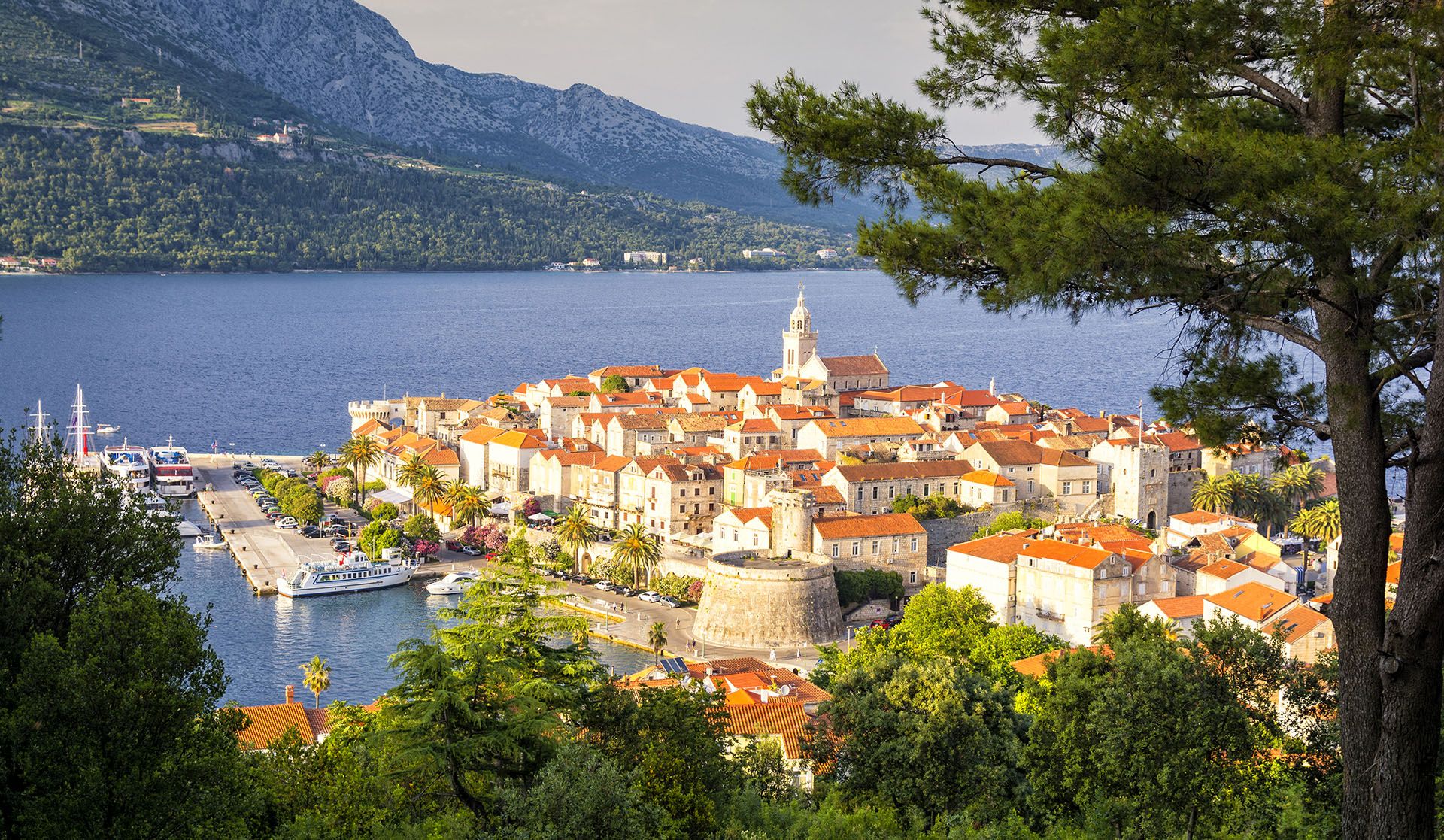
Korcula, old medieval town in Dalmatia region, Croatia © Shutterstock
Your Essential Croatia Accommodation Guide: Smart Booking Strategies
Planning a trip to Croatia’s stunning Adriatic coast or breathtaking national parks? Let me tell you, finding the perfect place to stay isn’t just about pretty pictures. Timing and local knowledge can make or break your accommodation experience. Whether you’re dreaming of Dubrovnik’s stone walls or Hvar’s lavender fields, these insider tips will help you secure the best stays while avoiding tourist traps.
Timing is Everything
Croatia operates on unique seasonal rhythms that savvy travelers need to understand:
- July-August madness: Croatia’s coastal gems like Split, Dubrovnik, and Hvar sell out months before summer. Book accommodations by March if possible to avoid sky-high prices and limited options.
- Off-peak closures: After September, many coastal towns transform into quiet retreats. Family-run apartments and guesthouses often close completely, so verify availability when traveling in shoulder season.
- Holiday hotspots: Avoid arrival dates near Statehood Day (June 25), Victory Day (August 5), and Easter week when locals travel domestically, crowding national parks and ferries.
The Hunt for Authentic Stays
Beyond tourist booking platforms, Croatia offers charming local accommodation options:
- Sobe Secrets: Look for handmade ‘sobe’ (private room) signs along coastal lanes. These family-run guestrooms offer authentic stays at great prices – just call or knock!
- Tourist Office Treasures: Local travel offices maintain lists of unadvertised apartments that never appear online.
- Simple Mornings: Expect modest breakfasts (fresh bread, honey, cheese) outside major hotels – it’s all part of the local charm.
Reading Between the Listing Lines
Decoding accommodation descriptions prevents unpleasant surprises:
- “Near the beach” often means a 15-20 minute walk (sometimes uphill!)
- “Historic Center” in Dubrovnik = steep stairs and car-free zones
- Always confirm parking locations – many Dalmatian towns ban cars in old centers
- Instant booking doesn’t always mean immediate confirmation – call or message hosts
Our Golden Rule
From June-Sept, assume everything sells out. I’ve seen travelers pay triple for last-minute rooms in forgotten fishing villages. For prime locations in Split, Dubrovnik, Korčula, or the Plitvice Lakes area? Book 4-6 months early.
With these Croatia travel tips, you’re ready to secure amazing stays from Istria to Dalmatia. Hotels fill fast, but with flexible dates and early planning, you’ll experience Croatia’s magic without accommodation headaches.


🌟 The Travaloca Travel Editors Community is a dynamic collective of individuals united by their passion for travel and their dedication to high-quality content creation. This community serves as the driving force behind Travaloca's informative and engaging travel resources. ✨ Core Identity: This group consists primarily of passionate travel enthusiasts who have turned their love for exploration into a commitment to writing and content curation. Members are recognized for their: Extensive Travel Experience: Possessing valuable firsthand knowledge from their journeys worldwide. Aptitude for Writing and Editing: Demonstrating a keen interest and skill in crafting, reviewing, and perfecting travel narratives, guides, tips, and reviews. Dedication to Storytelling: Transforming personal experiences and destination knowledge into accessible, inspiring, and reliable information for a global audience. 📝 Community Focus: The community’s primary role is to contribute, edit, and maintain the diverse range of content on Travaloca's platform. They ensure the information provided is accurate, engaging, and reflective of current travel trends. In essence, the Travaloca Travel Editors Community is where travel passion meets editorial excellence, enriching the user experience and solidifying Travaloca’s standing as a trusted travel resource.


