
Forget everything you think you know about Portugal’s size. Though compact on the map, this sun-kissed nation bursts with vibrant cities, surf-pounded coastlines, and experiences that linger long after your vinho verde buzz fades. From Lisbon’s seven cinematic hills to the Algarve’s golden cliffs, Portugal delivers big moments in small packages.
Most journeys start in Lisbon – a city where vintage trams climb cobbled streets, street art electrifies old neighborhoods, and dinner might serenade you with mournful fado melodies. But the real magic happens when you venture beyond. Head north to Porto’s wine caves dotting the Douro River, east to medieval villages hiding in cork forests, or south where fresh-caught sardines sizzle under the Algarve sun.
Getting around is half the adventure. Affordable buses connect sleepy hamlets while trains serve coastal views better than any postcard. Just remember – even with widespread English, those picturesque alleyway addresses might test your navigational skills!
Portuguese cuisine? Oh, it’s a love story. Forget the egg tarts (though do try them). We’re talking juicy piri-piri chicken, soul-warming seafood stews, and buttery alheira sausages that rewrite your comfort food cravings. Pro tip: adjust your dinner clock. Locales feast fashionably late – 8pm is early, midnight perfectly reasonable.
Golden Hours: When to Experience Portugal’s Magic
Portugal dances to its own seasonal rhythm, offering distinct charms throughout the year. Ditch the rigid tourist calendar – here’s how to sync your visit with your travel style:
- Sizzling Summer (June-August): Beach season in full swing! The Algarve transforms into a sun-drenched playground (book well ahead), while Lisbon’s nights buzz with riverside sardine grills. Expect heavier crowds and premium prices coastal hotspots.
- Secret Seasons (April-June & September-October): Portugal’s sweet spot. Gentle sunshine, thinner crowds, and golden light perfect for wine tasting in Douro Valley, hiking Alentejo’s trails, or catching waves along the Silver Coast. Cherry on top? Lower prices on charming guesthouses.
- Moody Winter (November-March): Don’t underestimate the off-season. Misty Porto mornings feel straight from a novel, Lisbon’s Christmas markets sparkle, and steaming bowls of caldo verde warm your soul. Fewer tourists mean deeper cultural connections – just pack layers for that Atlantic breeze.
Smart Packing Tip: Comfort rules in Portugal. Cute but cushioned shoes conquer those legendary cobblestones, while layered outfits handle everything from sunny terraces to cool tile-floored tavernas. Toss in a compact umbrella – even summer brings surprises.
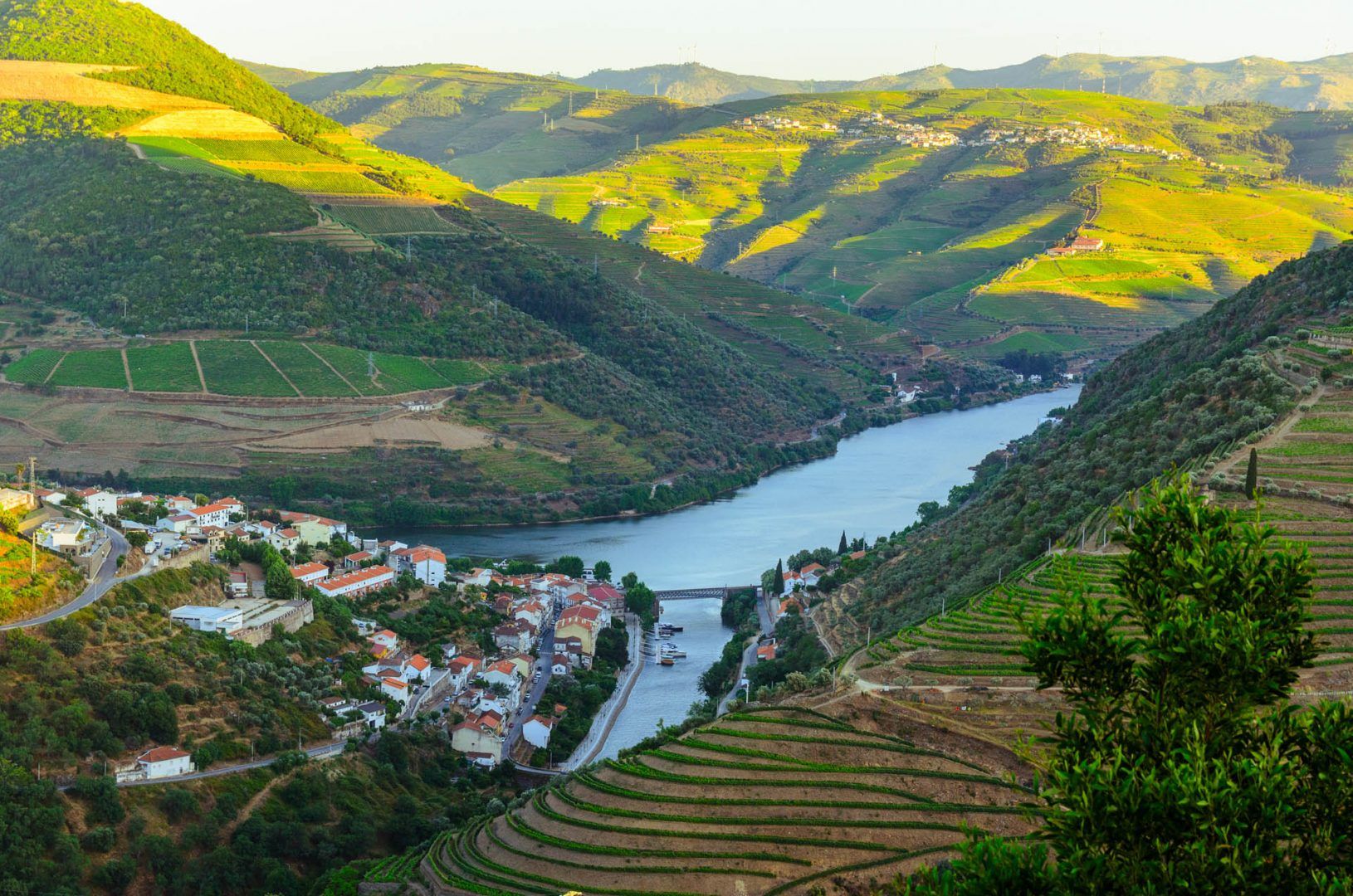
Pinhao’s terraced vineyards in the Douro Valley © Shutterstock
Portugal on a Budget: More Value Than You’d Expect
While no longer Europe’s best-kept secret, Portugal still delivers remarkable value compared to its western neighbors. The trick? Balancing tourist hotspots with authentic local experiences.
Your daily coffee might range from €1 at a neighborhood padaria to €4 in Chiado. Local tascas dish up three-course lunches under €10 while Michelin-starred restaurants offer relative bargains. Public transit remains affordable (€1.50 Lisbon metro rides!), with train travel scoring major scenery points.
Budget Traveler (€40-60/day): Dorm beds, market picnics, bus adventures. Pastel de nata breakfasts fuel morning explorations, while pension stays keep costs low.
Comfort Explorer (€80-120/day): Boutique guesthouses, car rentals for coastal drives, wine tastings at Douro quintas. Dine well at chef-owned bistros and take guided walks through historic quarters.
Luxury Unleashed: Converted monasteries with infinity pools, private yacht charters, truffle hunts in Alentejo – Portuguese luxury feels exclusive without the Paris price tag.
Safety in Portugal: What Travelers Really Need to Know
Consistently ranked among Europe’s safest destinations, Portugal welcomes travelers warmly. Violent crime remains rare, and even solo female travelers report feeling secure exploring after dark. That said, savvy habits prevent petty annoyances:
- Treat tram 28 in Lisbon like a moving museum… with clever pickpockets. Keep valuables zipped and close.
- Ditch the back-pocket phone habit, especially in packed metro stations or at popular viewpoints.
- While Algarve’s beach towns are generally safe, avoid leaving gadgets unsupervised on sunny towels.
- Venture inland to experience genuine hospitality – Alentejo villagers might invite you for homemade medronho!
Nightlife zones like Lisbon’s Bairro Alto embrace the chaos but stay alert in early hours. Ride-shares (Uber/Bolt) provide safe, affordable transport when your feet revolt against those hills.

Porto Ribeira’s vibrant riverfront – a testament to Portugal’s timeless charm
Visiting Portugal: Your Visa Questions Answered
Dreaming of port wine tastings in Porto or beach days in the Algarve? Let’s tackle the practical stuff first. Here’s the good news: Portugal welcomes most travelers with open arms. As part of Europe’s Schengen Area, entry is breeze-free for citizens from the US, Canada, UK, Australia, and many other countries. But don’t just toss your passport in a suitcase – a few key details make all the difference.
The 90-Day Rule Made Simple
If your passport comes from a visa-exempt country (like those mentioned above), you get 90 stress-free days in Portugal and neighboring Schengen nations within any 180-day window. Just ensure your passport remains valid for at least three months after your return date. You’ll likely get that satisfying passport stamp at Lisbon Airport without any extra paperwork.
Thinking of Extending Your Trip?
Here’s where things get interesting. Those tempting 90 days fly by quickly, especially when you’re lost in Lisbon’s alleyways or surfing Nazaré’s waves. The golden rule? Never attempt to overstay. Hoping a quick Spain detour will reset your clock? Schengen’s rules still apply across borders. Overstaying risks fines or future travel bans.
If you’re yearning for longer Portuguese adventures (who wouldn’t?), you’ll need to apply for a national visa before arriving. This applies doubly if you plan to work, study, or volunteer – even short-term gigs require proper authorization.
Staying Healthy Under the Portuguese Sun
Portugal offers fewer health worries than many destinations, but a little preparation keeps your trip smooth. Modern hospitals in cities, safe tap water nationwide, and pharmacies on every corner set your mind at ease. Still, Lisbon’s hills and Porto’s pastéis test the unprepared – here’s how to stay at your best.
Healthcare Essentials
You’ll spot farmácias by their glowing green crosses – they’re lifesavers for minor issues. Pharmacists speak English, stock essentials, and can direct you to clinics if needed. While public hospitals offer quality care, private clinics mean shorter waits – making travel insurance worthwhile for peace of mind.
Your Portugal health kit essentials:
- Prescription medications (with copies of scripts)
- Comfort staples: pain relievers, allergy meds, and stomach settlers
- High-SPF sunscreen – Portuguese sun sneaks up on you
- Sturdy bandages – cobblestones are charming but unforgiving
Food & Water Confidence
Raise a glass: Portugal’s tap water is completely safe to drink. Rural areas might have mineral-heavy water that tastes different, but bottled options abound. Portuguese cuisine is a highlight – indulge in seafood feasts, smoky grilled meats, and yes, those irresistible custard tarts. Sensitive stomachs? Introduce rich dishes slowly and stay hydrated between wine tastings.

Foz do Douro Lighthouse guards Porto’s dramatic coastline
Blending In: Portugal’s Unspoken Etiquette
Portuguese culture balances warmth with formality. While locals appreciate visitors making an effort, you needn’t stress perfection. These simple tips will earn smiles and better service while respecting local sensibilities.
Dressing the Part
Think effortless elegance over flashy resort wear. Portuguese dress neatly even casually – save flip-flops and tank tops for the beach. Churches and small towns expect modesty: shoulders and knees covered. Our golden rule? If you’d wear it to a café back home, it’s perfect for Lisbon’s trendy neighborhoods.
The Art of Portuguese Greetings
Start encounters on the right foot (or cheek!). A handshake suffices for first meetings, while friends exchange light cheek kisses starting right-side. Always lead with:
- “Bom dia” (Good morning) before noon
- “Boa tarde” (Good afternoon) until dusk
- “Boa noite” (Good evening) after dark
Skip greetings in shops or cafes? That’s a quick way to be labeled “rude tourist.” A simple “olá” (hello) works wonders. Use “Senhor” (Mr.) or “Senhora” (Mrs.) for elders – this old-school politeness still matters.
Public Behavior Basics
Portuguese value quiet respect in public spaces. Loud phone chats on trains? Rowdy bar behavior? Big no-nos. Even lively festivals maintain an underlying decorum. At restaurants, waiters won’t rush you – savor your meal like a local. Tip 5-10% for good service; it’s appreciated but not obligatory outside tourist zones.
Remember these truths: Pastéis de Belém taste best when shared, Porto’s Douro sunsets deserve your full attention, and speaking even broken Portuguese earns instant goodwill. Boa viagem!
Social Etiquette: Blending In Like a Local
Portugal embraces a calm, respectful vibe in public spaces. Speaking softly while out and about shows consideration for others – especially in charming villages where life moves at a slower rhythm. Queues are sacred here; patiently waiting your turn is expected.
Loud or boisterous behavior? Save it for festivals or private gatherings. Drunken antics or noisy outbursts on trains will earn you stern glances from locals. Affection in public is perfectly fine, but keep it tasteful – hand-holding and quick kisses are the norm.
The Art of Portuguese Dining: Slow, Flavorful & Social
Meals here are about connection, not just calories. Breakfast stays light, lunch anchors the day, and dinners rarely begin before 8 PM – perfection under Lisbon’s twinkling lights. Even coffee breaks involve sitting down to savor the moment.
- Break bread together: Always wish others “Bom apetite” before your first bite.
- Patience at the table: Wait until everyone is served before digging in.
- Silverware savvy: Knives and forks are standard, even for pastries at formal meals.
- Gifts go a long way: Bring wine or desserts if dining at a Portuguese home.
- Fashionably late: Arriving 5-10 minutes past the invite time is socially acceptable.
Connecting With Portugal’s Spiritual Heart
While less than half of Portuguese regularly attend mass, Catholic traditions still shape daily life. You’ll find stunning churches around every corner – step inside to cool marble interiors and hushed reverence. Remember:
Quiet respect matters: Silence phones and speak softly in sacred spaces. Photography is often discouraged unless signs say otherwise.
Festivals like Porto’s Festa de São João blend faith with fireworks and grilled sardines. If invited to join processions, embrace the moment while observing local customs. You’ll spot humble roadside shrines outside cities too – pass them with the same quiet reverence locals do.
Thoughtful Giving: Tipping Portuguese-Style
Portugal’s tipping culture mirrors its people – gracious but never showy. A few thoughtful gestures go far:
- Dining out: Round up your bill or leave 5-10% for exceptional service.
- Taxi rides: No tips required, but rounding up earns smiles.
- Hotels & tours: Tip porters €1-2 per bag and reward excellent guides.
Never forget your “Obrigado” (men) or “Obrigada” (women) – manners matter here. Add “Por favor” and “Com licença” (excuse me) to charm everyone from servers to shopkeepers.

Lisbon’s iconic trams carry centuries of stories © Shutterstock
Portugal with Kids? Absolutely!
This welcoming country delights families! Imagine castle explorations followed by beach picnics, cable cars over vineyards, and yes – pastéis de nata for breakfast. Well-connected public transport and outdoor adventures make Portugal stress-free for parents and magical for little explorers.
Why Portugal Is Perfect for Family Adventures
Planning a family getaway that sparks wonder without the stress? Portugal delivers castle explorations, beach days, and metro discoveries in one unforgettable package. Imagine chasing vintage trams through Lisbon’s colorful streets one afternoon and beachcombing the Algarve’s golden shores the next. While you won’t find roller coasters on every corner, you will discover a welcoming country where kids collect magical memories one cobblestone at a time.
Top Family-Friendly Destinations in Portugal
- Lisbon: Where yellow trams become joyrides. Little explorers adore the Oceanário aquarium and cable cars at Parque das Nações, while historic elevators like Santa Justa feel like real-life fairy tales.
- Sintra: A storybook escape with turreted palaces wrapped in mist. Let kids channel their inner knights at the Moorish Castle or chase secret garden paths at Quinta da Regaleira.
- The Algarve: Sunshine headquarters with gentle waves and hidden grottoes. Bases like Lagos and Tavira offer calmer beaches perfect for sandcastle architects and first-time paddlers.
- Porto: Sweet & slow-paced vibes along the Douro River. Sip cocoa at riverside cafés, cruise under historic bridges, and wander colorful streets without big-city bustle.
- Madeira: Nature’s playground with volcanic pools and waterfall hikes. Active families embrace hillside toboggan rides and cable car views – just pack those walking shoes!
Stress-Free Travel: Routes & Family Stays
Portugal’s compact size makes hopping between adventures refreshingly easy. Spotless trains whisk you between cities with free rides for under 4s and discounts for older kids. While city trams charm visitors, consider renting a car for spontaneous detours to hidden castles or rural villages where buses don’t reach.
Packing tip: Bring both strollers and baby carriers. Lisbon’s seven hills and Porto’s cobblestone lanes might frustrate wheels, but carriers conquer castle climbs and scenic miradouros with ease.
Accommodations cater brilliantly to families – think spacious Airbnb flats with kitchens, resorts featuring kids’ clubs, or countryside quintas with room to roam. Many hotels offer cribs and high chairs upon request. Pro tip: Book lodging near parks or beaches for impromptu play breaks.
Feeding Picky Palates & Finding Essentials
Portuguese cuisine wins over even finicky eaters with simple, fresh flavors. Classics like flame-grilled chicken (frango assado), golden pastéis de nata custard tarts, and crispy bifana pork sandwiches become instant hits. While formal kids’ menus are rare, restaurants gladly split sharing plates or tweak dishes – we’ve seen chefs whip up plain pasta faster than you can say “obrigado!”
Dining out stays delightfully low-key. Cafés welcome squirmy toddlers, and dinner stretches late under the stars – nobody bats an eye at kids enjoying gelato at 9pm. Stock up at well-supplied supermarkets (diapers, formula, and familiar snacks abound), though remote villages have smaller selections. High chairs appear most often in mid-range eateries; beach bars keep things blissfully casual.

Vineyards in Douro Valley, Portugal @ Shutterstock
Portugal’s Can’t-Miss Gems for All Travelers
Beyond family favorites, Portugal reveals layered destinations blending dramatic landscapes with soulful culture. Here’s where to find your perfect postcard moments:
- Lisbon: A city of tiled façades and melancholic fado where sunset viewpoints (miradouros) pair perfectly with vinho verde. Don’t miss the LX Factory’s creative buzz or Time Out Market’s foodie scene.
- Porto: Lisbon’s moodier northern sibling. Photograph Ribeira’s rainbow houses, sip port in Vila Nova de Gaia’s centuries-old cellars, and absorb the artistic vibe at Serralves Museum.
- The Algarve Beyond Resorts: Seek Sagres’ lighthouse-kissed cliffs, Ria Formosa’s flamingo-dotted wetlands, and Silves’ Moorish castle rising from orange groves.
- Sintra: More than Pena Palace – lose yourself in Monserrate’s botanical wonders or hike mossy trails to hidden chalets where nobility once summered.
- Douro Valley: Sip world-class wines where steep vineyards plunge into the river. Overnight at a family-run quinta (vineyard estate) for terrace breakfasts overlooking the valley.
- Madeira: Hike levada trails through laurel forests, brave the glass Skywalk at Cabo Girão, and sample black scabbardfish – the island’s signature oddity.
- Alentejo: Rolling plains dotted with cork oaks and whitewashed villages. Base in Évora for Roman ruins and chapel-of-bones intrigue, then unwind at dark-sky reserves.
- Azores: Nine volcanic islands where whales breach beside black-sand beaches. São Miguel’s Sete Cidades crater lake dazzles with twin blue-green hues.
- Coimbra: Scholarly charm meets haunting fado in Portugal’s Oxford. The Joanina Library’s Baroque beauty will leave you speechless.
- Óbidos: Sip cherry liqueur from chocolate cups as you stroll medieval walls encircling this perfectly preserved town.

Alentejo’s endless horizons © Shutterstock
Crafting Your Perfect Portugal Escape
Picture this: golden plains where cork oaks paint the landscape, cobbled streets echoing with fado music, and coastline that’ll make your jaw drop. Portugal may be Europe’s southwestern edge, but it packs castles, vineyards, and Atlantic waves into one unforgettable package. The real magic? This isn’t a country to rush through – it’s built for savoring.
Timing Your Portuguese Adventure
Let’s get real – your timetable shapes your experience. That postcard-perfect village you’re dreaming of? The hidden cove with turquoise water? They deserve more than a hurried snapshot. Here’s how to match your calendar to your cravings:
The Express Tour (5-7 Days)
Focus on one superstar region. Lisbon dazzles with trams rattling through Alfama, while nearby Sintra feels like a fairy tale come alive. Prefer ruby port and riverside views? Porto and the Douro Valley make perfect partners. Summer visitors often beach-hop the Algarve – just book ahead for prime coastal spots.
The Balanced Journey (10 Days)
The golden window for first-timers. Start in Lisbon, weave north to Porto via Coimbra’s medieval charms, then dip into Alentejo for wine-soaked serenity. You’ll taste pastéis de nata, hear fado’s soulful notes, and still have time for sunset cocktails overlooking the Tagus.
The Deep Dive (2-3 Weeks)
Unlock Portugal’s hidden layers. Add mountain villages in Serra da Estrela, explore Évora’s Roman ruins, or island-hop in the Azores. Foodies might stalk seafood shacks in Nazaré between vineyard tours. This pace lets you swap hotels for authentic guesthouses – maybe even pick up a few Portuguese phrases.
The Slow Traveler’s Dream (1 Month+)
When time’s no object, Portugal becomes your playground. Master the art of the midday espresso break, take cooking classes from Algarvian grandmothers, or volunteer on an organic farm. You’ll discover why locals say “devagar se vai ao longe” – slowly, one goes far.

Fado musicians sharing Portugal’s soul © Shutterstock
Building Your Dream Itinerary
The secret to an unforgettable Portugal trip? Think like a local, not a checklist conqueror. Skip the marathon sightseeing and create space for unexpected moments – that hole-in-the-wall tavern, the village festival you stumble upon, the beach that’s not in any guidebook.
Follow Your Portugal Passion
This sun-drenched country serves up different flavors for every traveler:
Culture Vultures should wing between Lisbon’s Museu Nacional do Azulejo (tile museum), Porto’s Livraria Lello bookstore, and Coimbra’s ancient university. Don’t miss Friday nights in Lisbon’s Bairro Alto when the streets become one big party.
Nature Nerds will find Nirvana in the Douro Valley’s vineyard-clad hills, the Azores’ crater lakes, and the Rota Vicentina’s coastal cliffs. Pack sturdy shoes – Portugal’s hiking trails serve drama at every turn.
Food & Wine Fanatics, prepare your taste buds. Follow the bacalhau trail from Lisbon’s Time Out Market to Porto’s riverside tabernas. In Alentejo, olive oil tastings and vineyard picnics should be mandatory. Did we mention port wine in Porto is cheaper than water?
Beach Bums can chase endless summer along the Algarve. Skip crowded Albufeira for secret coves near Sagres or Tavira’s island beaches. For Atlantic surf, Nazaré’s monster waves draw pros from October to February.
Getting Around Like a Pro
Portugal’s compact size means easy navigation – with smart planning:
- Trains whisk you city-to-city comfortably (book at CP.pt)
- Buses reach smaller towns efficiently (Rede Expressos has great coverage)
- Car rentals unlock remote gems like Monsaraz castle or Costa Vicentina beaches
- Domestic flights quickly connect Lisbon to Madeira or the Azores
Pro tip: Mix transportation modes. Try a scenic train to Porto, then rent a car for Douro Valley vineyards. In the Algarve, trains hug the coast while buses reach inland villages.
The Portuguese Rhythm
Here’s the thing about Portugal – it rewards those who slow down. That extra hour spent people-watching at a Lisbon esplanada? Worth it. The detour to a family-run winery? Priceless. However long you stay, embrace ‘despachar-se devagar’ – hurrying slowly. Let pasteis de nata crumbs dust your map, let fado melodies guide your evenings, and let Portugal’s easy charm work its magic. Your perfect itinerary isn’t about miles covered, but moments cherished.

Monsaraz castle and village and hot air balloons, Alentejo – Portugal © Shutterstock
The Art of Slow Travel in Portugal: Sink In, Don’t Sprint
Picture this: cobblestone streets where time melts like a pastel de nata, vineyards that stretch to the horizon, and meals that unfold in unhurried perfection. Portugal practically invented slow travel – and once you surrender to its rhythm, you’ll understand why.
In Lisbon, resist the urge to tick off every attraction. Instead, root yourself in neighborhoods with character. Alfama isn’t just about postcard views – it’s where the mournful melodies of fado pour from open windows. Graça lets you sip bica alongside retirees debating the morning news. For quieter evenings, Campo de Ourique buzzes with bakeries and neighborhood pride. Spend idle afternoons at a kiosk terrace letting the clang of tram bells soundtrack your people-watching.
The Alentejo rewards those who decelerate. Settle into hilltop Monsaraz where medieval walls frame fiery sunsets over olive groves. Meals here are sacred: think three-hour lunches of black pork stew at family-run tascas, where dessert might come with a pour of local medronho firewater and unexpected conversation.
Crossing into Porto? Let curiosity guide you. Skip the crowded cellars in Vila Nova de Gaia – seek out smaller wine lodges where passionate vintners explain their craft. Linger in Ribeira as the Douro reflects golden hour light, or picnic in Serralves Park watching local life unfold without an agenda.
The Douro Valley isn’t a pit stop – it’s an immersion. Sleep amidst vine-covered slopes wake to mist swirling along the river like liquid silver. Let wine tastings become full-bodied experiences where vineyard stories linger longer than the tasting notes.
Along the Vicentine Coast, embrace nature’s tempo. Stay in Zambujeira do Mar and let the rhythm of crashing waves dictate your days: coastal hikes followed by grilled sardines eaten with sandy toes.
Slow travel secrets worth stealing
- Plant yourself in 2-3 regions – depth beats a superficial dash
- Take local transport – trains reveal Portugal’s soul between stops
- Eat where locals do – bakeries at dawn, market stalls at noon, tascas for evening petiscos
- Leave room for unscripted moments – a fisherman’s tale, a hidden miradouro vista, an impromptu jam session
Portugal whispers its beauty to those who stay long enough to listen.
Smart Money Moves: Navigating Cash & Cards Across Portugal
Portugal’s payment systems are straightforward, but knowing the nuances saves euros and headaches. The golden rules? Cards rule in cities, cash comforts countryside connoisseurs, and ATMs aren’t created equal.
- The Euro Dance – While 99% of urban spots take cards (Visa/Mastercard preferred), rural markets and mom-and-pop tavernas often operate on cash. Keep €20-50 handy for those authentic encounters far from city lights.
- ATM Savvy – Bank-affiliated machines (Caixa Geral, Santander) offer fair rates without tourist tax. Euronet ATMs near landmarks? They’ll charge €5+ per withdrawal with lousy exchange – walk two blocks for a local bank instead.
- Contactless Reigns – Even Lisbon’s antique trams accept taps now. Add your card to Apple Pay or Google Wallet for breezy transactions at kiosks, taxis, and small shops.
- Tipping Made Natural – Round up the bill or leave 5-10% for sit-down meals where service shines. Bars and cafés? No need unless someone goes above and beyond. Carry coins for baggage helpers and restroom attendants.
One non-negotiable: When asked if you want to pay in euros or your home currency, always choose euros. Dynamic Currency Conversion charges you extra for the “privilege” of familiar numbers on the screen.
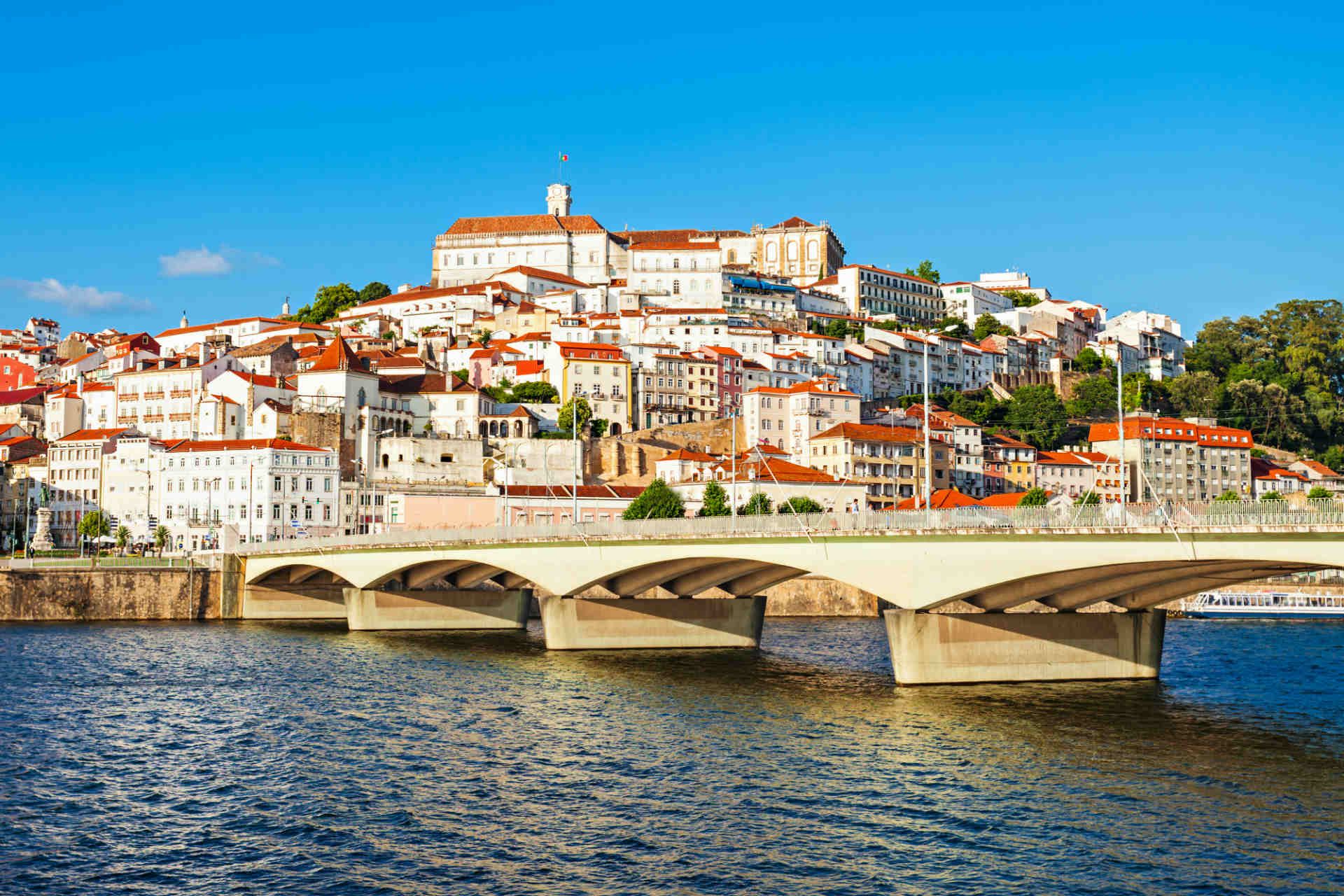
Coimbra, Portugal © saiko3p/hutterstock
Portugal’s Gentle Scams: Awareness Without Paranoia
Portuguese hospitality is legendary, but even fairy-tale settings have their opportunistic players. These are the low-stakes cons to side-step:
- The Bread Basket Bait – Those tempting olives or rolls appearing like magic? They’re “couvert” – not free unless stated. Politely decline if you don’t want a €3-8 surprise charge.
- Taxi Tango – Meter mysteriously “broken”? Confirm rates upfront or use apps like Bolt. From Lisbon Airport, fixed-zones keep pricing honest.
- Distract & Snatch – Lisbon’s tram 28 pickpockets love petition-wielding decoys. Keep valuables hidden and bags clutched when crowds thicken.
- Tuk-Tuk Tunnel Vision – Agree on pricing before wheels roll, especially for “extended city tours” that rush past highlights while inflating costs.
- Counterfeit Street Theater – “Designer” goods sold near major sites are laughable replicas. Support genuine artisans at Feira da Ladra or local boutiques instead.
Traveling With Heart: Portugal Etiquette Decoded
Responsible travel in Portugal isn’t about grand gestures – it’s daily decisions that respect the land and its people.
- Dress Like You Belong – Swimsuits stay on beaches, not in town centers. Locals dress smart-casual even for coffee – think linen shirts over logo tecs, sundresses paired with sandals.
- Language as a Bridge – Trying isn’t optional. Start encounters with “Bom dia/tarde” (good day/afternoon) and master “Obrigado” (if male) or “Obrigada” (if female). Even simple attempts kindle connections.
- Eat Thoughtfully – Supplement bacalhau with lesser-known species like sardines or horse mackerel (sustainable choices!). Seek tables with “produtos locais” signs supporting regional farmers.
- Shop With Purpose – Skip chain souvenirs. A cork purse from Alentejo, Barcelos rooster from Norte artisans, or azulejo tiles from Lisbon workshops – they’re investments preserving craftsmanship.
- Photography With Soul – Ask before snapping portraits of older residents or religious moments. Some Azores hot springs now restrict drones – respect signage balancing tourism and tranquility.
- Walk Gently – Shortcutting through vineyards crushes delicate roots. Stick to paths in UNESCO sites like Sintra’s parks where every stone tells stories.
Portugal gives generously to those who tread lightly. Slow down, tune in, and let this enchanted land reveal its layers one sunset, one conversation, one perfect bite at a time.
Portuguese Etiquette Secrets: Blend In Like a Local
Portugal wins hearts with its sun-kissed beaches and soul-stirring fado music, but mastering local customs turns visitors into welcomed guests. Forget stiff formalities – Portuguese warmth shines when you respect these unwritten rules.
The Art of the Portuguese Greeting: More Than Just Olá!
That quick “hello” back home? In Portugal, connection comes first. Ready to greet the Portuguese way?
- Kisses are common (but keep them European) – Two cheek kisses for women meeting women or men meeting women who know each other. Men shake hands with men unless they’re close friends or family.
- Break the ice properly – Start with “Bom dia” (before lunch) or “Boa tarde” (afternoon). Skip jumping straight to English – locals appreciate the effort even if your accent wobbles.
- Use that golden phrasebook – Learn please (“se faz favor”) and thank you (“obrigado” for men, “obrigada” for women). These tiny efforts forge big smiles.
Quiet Respect: Portugal’s Unspoken Rules
From cobblestone villages to dramatic coastlines, Portugal rewards travelers who tread thoughtfully.
- Speak soft, carry no selfie stick – Churches and monasteries hum with centuries of prayer. Dress modestly, whisper, and pocket your phone – some moments weren’t meant for Instagram.
- Leave only footprints – Hiking the Rota Vicentina? Swimming in Azorean springs? Stay marked trails, pack every wrapper, and let wildlife enjoy their home.
- Tip right, not rich – Service staff earn fair wages here. Round up café bills, leave 5-10% at sit-down restaurants. Over-tipping creates unrealistic expectations.
- Ask before you snap – That colorful village window? The fisherman mending nets? Always seek permission – private moments aren’t public photo ops.

Faro’s dramatic coastline reminds us why respecting nature matters @ Shutterstock
Beat the Heat Smart: Portugal’s Climate Surprises
Seeking refuge from August’s sizzle? Don’t assume every guesthouse battles the heat like you. Charming Lisbon apartments and country quintas often rely on:
- Ancient thick stone walls that breathe
- Ceiling fans swirling lazy rhythms
- Strategic window-opening techniques passed through generations
Summer travelers: verify AC availability in advance or embrace the slower pace of an afternoon “sesta” like southern Europeans do.
Sunday in Portugal: Where the Soul Breathes
Portuguese villages reclaim their rhythm one day weekly. By lunchtime Sunday:
- Market stalls fold up their colorful canopies
- Family-run restaurants shutter for cherished “dia de descanso”
- Even supermarkets in smaller towns might lock doors by 1 PM
Grocery shop Saturday. Then immerse yourself in Sunday’s gift: empty hiking trails, three-hour seafood lunches, or simply watching swallows dance over terracotta rooftops.
Ocean Wisdom: Don’t Underestimate the Atlantic
Those turquoise waters mesmerize but command respect. Portugal’s beach flag system works like this:
- Green = Dive in mindfully (currents still exist)
- Yellow = Weak swimmers stay shallow
- Red = Admire seascapes from dry land
- Checkered = Swim at your own risk (no lifeguard)
West coast waves especially surprise visitors. Even confident swimmers should exit immediately if feeling pulled seaward – sideways swimming breaks rip currents’ grip.


🌟 The Travaloca Travel Editors Community is a dynamic collective of individuals united by their passion for travel and their dedication to high-quality content creation. This community serves as the driving force behind Travaloca's informative and engaging travel resources. ✨ Core Identity: This group consists primarily of passionate travel enthusiasts who have turned their love for exploration into a commitment to writing and content curation. Members are recognized for their: Extensive Travel Experience: Possessing valuable firsthand knowledge from their journeys worldwide. Aptitude for Writing and Editing: Demonstrating a keen interest and skill in crafting, reviewing, and perfecting travel narratives, guides, tips, and reviews. Dedication to Storytelling: Transforming personal experiences and destination knowledge into accessible, inspiring, and reliable information for a global audience. 📝 Community Focus: The community’s primary role is to contribute, edit, and maintain the diverse range of content on Travaloca's platform. They ensure the information provided is accurate, engaging, and reflective of current travel trends. In essence, the Travaloca Travel Editors Community is where travel passion meets editorial excellence, enriching the user experience and solidifying Travaloca’s standing as a trusted travel resource.


