
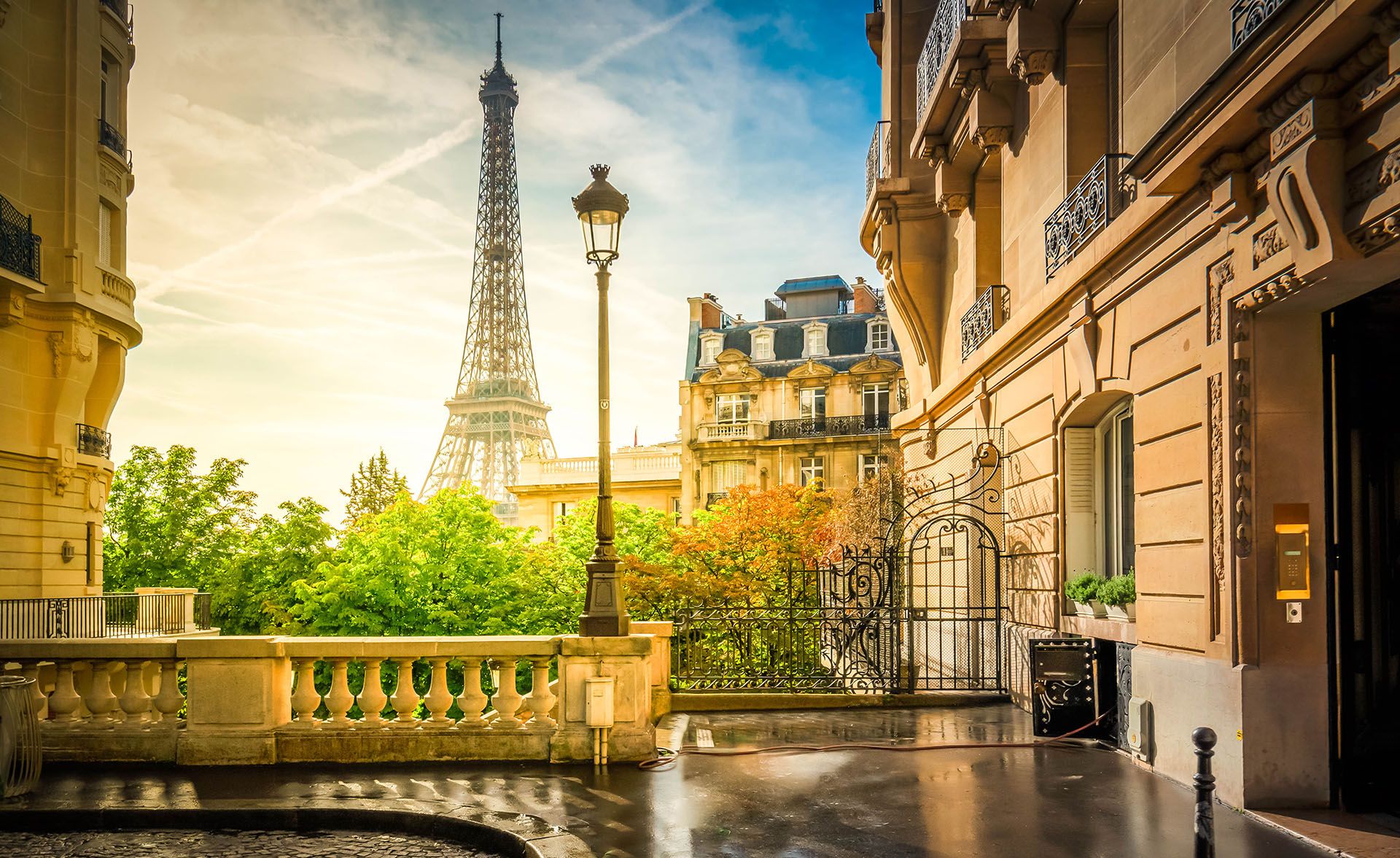
Saint Geneviève didn’t just repel Attila’s marauders in 451. A half-century later, her spiritual influence converted Clovis the Frank – the Germanic leader who transformed Paris into a royal capital. Though his Merovingian dynasty crumbled, this holy hill became the bedrock of French power.
The Making of a Capital
Enter Hugues Capet. Elected king in 987, he ruled little more than Paris and its surrounding Île de France. Yet from these humble beginnings, French monarchs wove a tapestry of centralized power that made Paris Europe’s ultimate stage for culture, politics, and learning. When the university formally opened in 1215, scholars flocked to what became the continent’s intellectual lighthouse.
Plagues and wars emptied Paris in the 14th-15th centuries, but like a phoenix, the city always rose. Even religious conflicts couldn’t break its spirit – though Louis XIV’s flight during the Frondes rebellions left scars. His retreat to Versailles in 1670 starved Paris of royal glitter, yet couldn’t dim its growing grandeur.
Revolution & Reinvention
Parisians didn’t just witness revolution – they were the Revolution. From the storming of the Bastille to Napoleon’s monumental Arcs de Triomphe, the city became a canvas for seismic change. Yet after empire fell in 1814, Talleyrand’s diplomatic genius transformed Paris into Europe’s glittering playground rather than a war-torn ruin.
The city’s most dramatic makeover came under Baron Haussmann. His wide boulevards bulldozed slums but couldn’t crush revolutionary spirit – the 1871 Commune proved Paris’ heart still beat with rebellion. Those same boulevards later witnessed Nazi parades in 1940 and liberation cheers in 1944.
Modern Challenges, Timeless Spirit
Today’s Paris grapples with new revolutions. The barricades of 1968’s student protests have given way to quieter battles for equality in the banlieues. Mayor Anne Hidalgo continues transforming the city, expanding green spaces and pedestrian zones along the Seine while addressing urban divides through the Métropole du Grand Paris initiative.
Dark days like the 2015 Charlie Hebdo attacks tested Parisian resilience. Yet the city’s response – a defiant unity expressed through worldwide “Je Suis Charlie” vigils – led to bold dreams: a bid for the 2026 Olympics symbolizing Paris’ unwavering spirit.
Every cobblestone here whispers stories of saints, kings, and revolutionaries. This city doesn’t just have history – it lives and breathes it.
This page contains independent affiliate links that help support our authentic recommendations.


