
Best Time to Visit Vietnam: Your Ultimate Month-by-Month Weather & Events Guide


Thinking of traveling to Vietnam and wondering when to go? The good news is – there’s really no wrong time to visit. Vietnam’s tropical monsoon climate creates distinct seasons across its long, beautiful coastline and varied landscapes. From misty mountain ranges to golden beaches, each region has its own charm and ideal visiting window. The trick is matching your travel plans with the right weather, so you can make the most of your adventure.

When is the best time to visit Vietnam?

Want to explore Vietnam from north to south? Try visiting during the shoulder seasons: fall and winter (September to December) or spring (March and April). These months generally offer pleasant weather across the country. But let’s break it down region by region so you know exactly what to expect and when to go.

North Vietnam

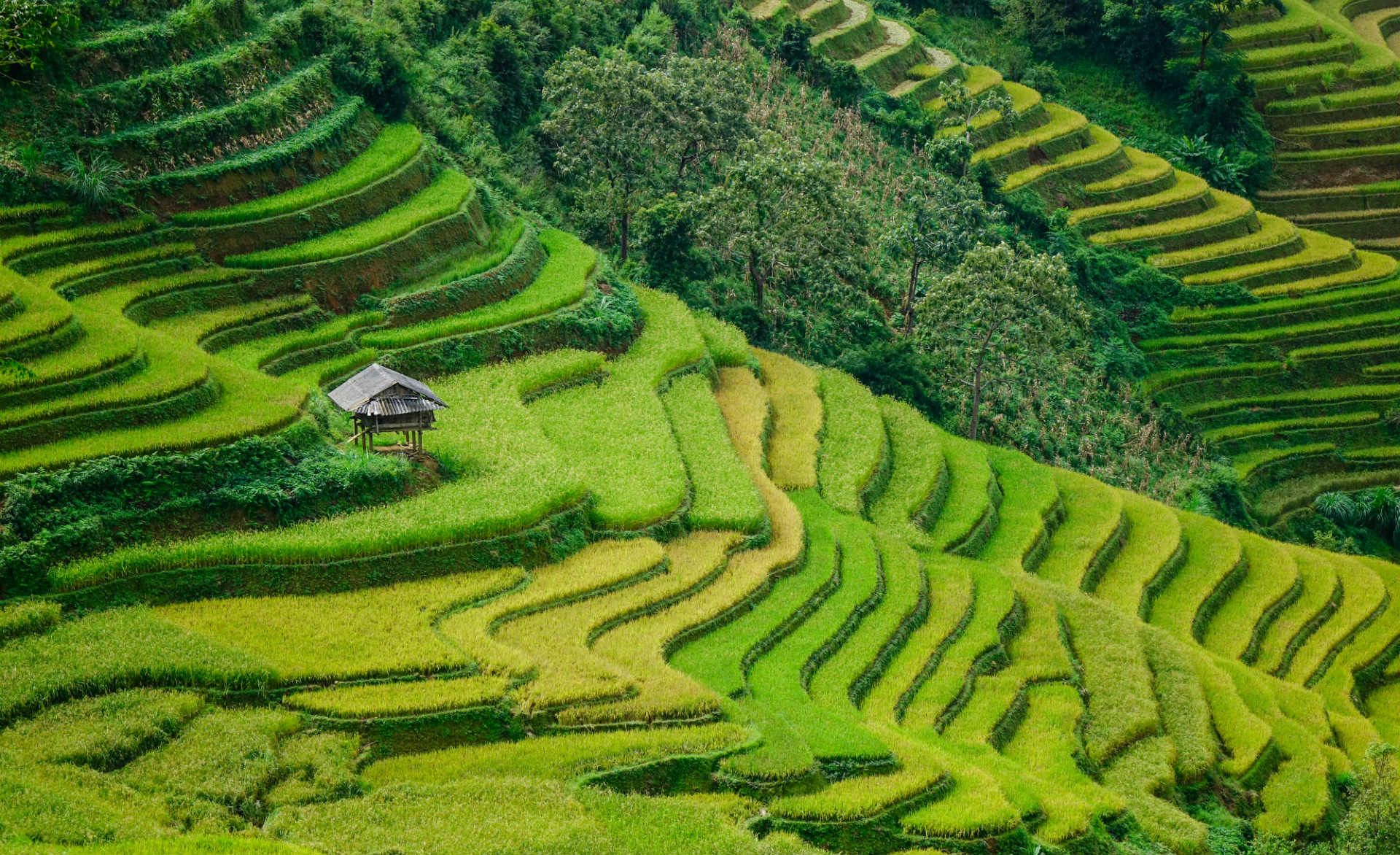
In places like Hanoi and Sapa, the best time to visit is definitely from October to April. The weather turns cool and less humid – just right for trekking through terraced rice fields, wandering through ancient temples, and soaking in the breathtaking scenery.

  • Best time: October to April
  • Weather: Cool and comfortable, low humidity
  • Activities: Hiking, cultural tours, photography
  • Avoid: May to September – hot, humid, and rainy

Central Vietnam

Hue, Da Nang, and Hoi An shine brightest from February to May. Expect warm (but not scorching) temperatures and just enough rain to keep everything lush and green. It’s the perfect window for beach days, exploring imperial history, or trying your hand at water sports.

  • Best time: February to May
  • Weather: Warm, manageable rainfall
  • Activities: Beach relaxing, heritage tours, snorkeling
  • Avoid: Late May to November – typhoon season brings heavy downpours

South Vietnam

Ho Chi Minh City and the Mekong Delta are at their best from December to April. This is the dry season – think sunny skies, lower humidity, and endless opportunities for city exploration, river cruises, and tropical escapes.

  • Best time: December to April
  • Weather: Dry and sunny
  • Activities: Urban exploration, boat trips, jungle trekking
  • Avoid: May to November – monsoon season means high humidity and frequent rain
Month Jan Feb  Mar Apr May Jun Jul Aug Sep Oct Nov Dec
Avg temp.  (°F) 71.6 73.4 80.6 84.2 86.0 86.0 84.2 82.4 80.6 78.8 75.2 71.6
Avg rain (inches) 0.78 1.18 1.57 1.97 7.48 9.45 11 10.63 12.6 7.87 3.15 1.57
terraced-rice-fields-sapa-vietnam-shutterstock_541224970

Don’t miss the stunning rice terraces of Sapa © Shutterstock

Vietnam Weather By Month: A Quick Guide

Still deciding when to go? Here’s a month-by-month snapshot to help you pick the perfect time for your Vietnam trip. From cool northern hills to sunny southern shores, there’s always something amazing waiting – you just have to know where and when to look.

January: Festive vibes and cool adventures

Up north, January brings crisp, cool air – perfect for misty mornings over Ha Long Bay and invigorating hikes in Sapa. Down south, it’s all sunshine and dry weather. Think beach days in Phu Quoc or city explorations in Ho Chi Minh. Central Vietnam starts to dry out, making places like Da Nang and Nha Trang more inviting.

February: Lunar New Year and ideal conditions

February might just be one of the best months to visit Vietnam. The weather is lovely nearly everywhere. Beaches are dreamy, the central coast is bright and warm, and up north, the skies clear up for fantastic trekking. Just keep in mind – it’s Tet season (Lunar New Year), so book early and expect some festive closures.

March: Sun, sand, and sparkling waters

Welcome to peak travel season! March treats visitors to fantastic weather across the board. Up north, it’s prime time for Ha Long Bay cruises and mountain trekking. In the center, beach towns like Nha Trang are buzzing with energy. And down south? Endless sunshine. It’s a great month for caving, island hopping, or just lounging with a fresh coconut in hand.

Ha Long Bay, Vietnam

Ha Long Bay, Vietnam © Shutterstock

April: Best for cultural festivals and spring beauty

April is a brilliant month to experience Vietnam’s vibrant energy and natural charm. As the north awakens with colorful blooms and rising temperatures, it’s the perfect time for hiking and outdoor exploration. In Central Vietnam, the sun-soaked landscapes of Hoi An, An Bang Beach, and Da Nang invite you for leisurely beach days and cultural discoveries. Nha Trang and Hué also enjoy excellent weather, while the south stays warm and inviting—ideal for those seeking sunshine even with a passing shower. Don’t miss the chance to enjoy 88ºF (31ºC) temperatures and all the beauty of Vietnam’s spring.

May: Best for mountain escapes and ethnic markets

In May, Vietnam offers diverse travel opportunities across its regions. While the south gradually eases into its monsoon season—often with brief afternoon showers—the north grows warmer but remains largely dry, perfect for outdoor adventures. For those craving sun and sand, the central coast truly shines this month. With hot, bright days, it’s a standout destination for beach lovers and explorers alike, promising unforgettable memories under clear skies.

June: Best for island retreats and diving adventures

June may present some challenges, but with smart planning, it can still be a rewarding time to explore Vietnam. Heavy rains affect the south, and the central highlands see increasing downpours, making trekking in the north a bit muddy—so pack sturdy gear if you plan to hike. However, the central coast truly comes into its own, offering prime beach weather near Hoi An, Da Nang, and Lang Co. Hanoi and Mai Chau stay relatively dry, and with fewer tourists around, you can enjoy a more peaceful and authentic travel experience.

July: Best for summer festivals and highland explorations

July brings warmth and rain to much of Vietnam, with temperatures often hovering around 88ºF (31ºC) in the north and central coast. Beach days around Hoi An and Da Nang remain enjoyable, with occasional showers providing a refreshing break from the heat. However, trekking in the central highlands becomes more challenging due to wet trails and possible road closures. Hanoi, meanwhile, experiences high humidity and frequent rain, so pack light layers and rain gear if you’re in the city.

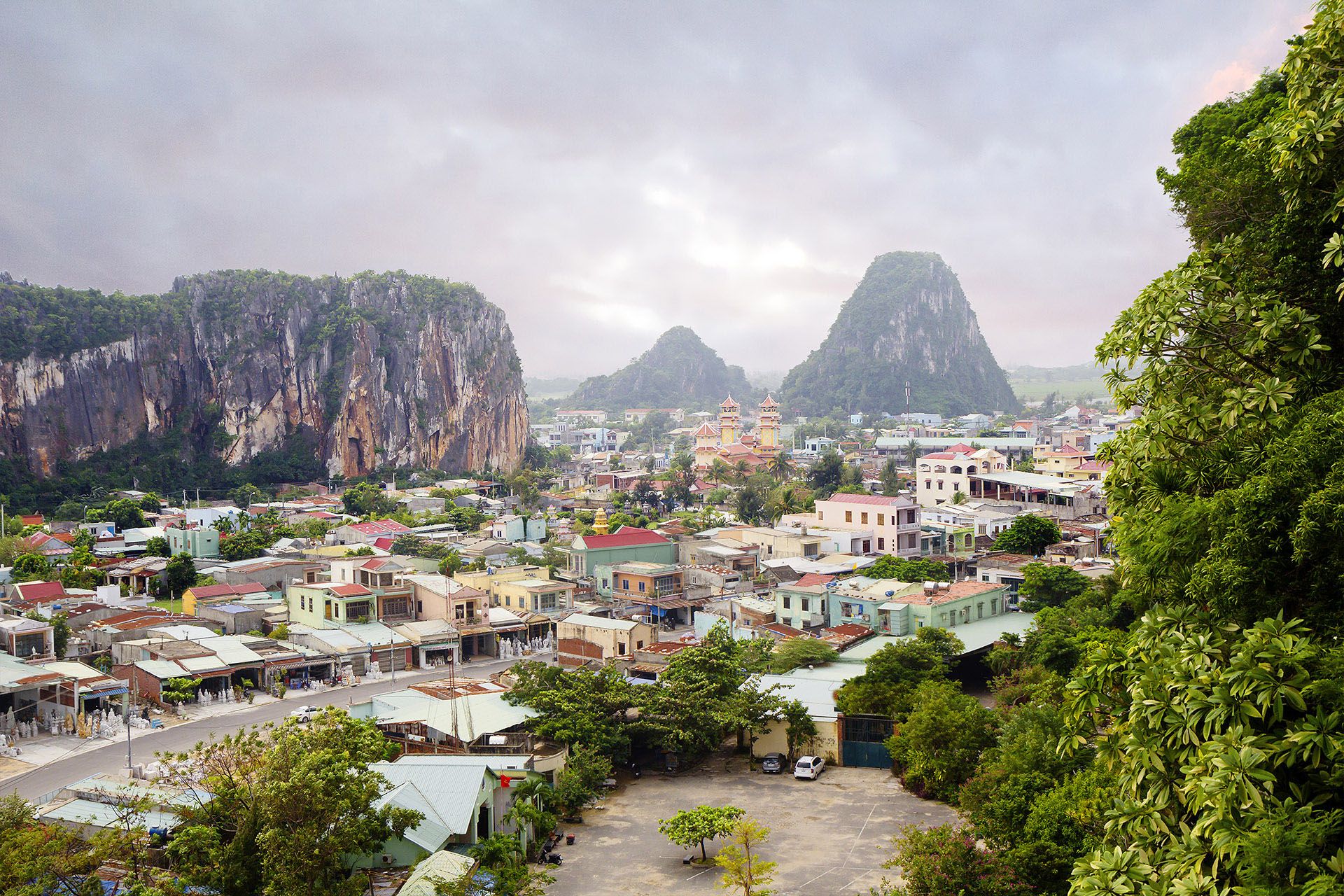
Danang, Vietnam © Galina Savina/Shutterstock

Danang, Vietnam © Galina Savina/Shutterstock

August: Best for culinary discoveries and local life experiences

If outdoor trekking is high on your list, August might not be the ideal time to visit Vietnam. Heavy rainfall makes the northern mountains and central highlands slippery and potentially unsafe, while Ha Long Bay tours often face disruptions due to storms. That said, the central coast still offers reasonable conditions, though sunny days start to wane. In the south, it’s the peak of the wet season, but you’ll still find plenty of dry windows perfect for exploring bustling markets, savoring local cuisine, or simply relaxing between showers.

September: Best for photography and rice harvest views

September marks a turning point in Vietnam’s weather—ushering in one of the best seasons to explore the country. While the north and south start to dry out, making activities like trekking around Sa Pa possible again, the central coast and highlands face heavy rains and potential storms. It’s a month of contrasts: golden rice fields begin to ripen, creating stunning photo opportunities, but travelers should stay updated on weather forecasts if planning to visit central regions during this transitional period.

October: Best for pleasant weather and outdoor activities

October is an outdoor enthusiast’s dream in Vietnam. The north welcomes dry, sunny days ideal for trekking in Sa Pa or exploring the breathtaking Dong Van Karst Plateau. The Mai Chau Valley dazzles with golden rice fields set against dramatic mountain backdrops, and it’s a great time to experience the culture of White Thai villages. However, central Vietnam often battles heavy rain and flooding—especially in Hoi An, where streets can become impassable. Plan accordingly to make the most of this beautiful yet variable month.

Mekong Delta Vietnam © ImaginativeGifts/Shutterstock

The Mekong Delta is a beautiful region to visit © Shutterstock

November: Best for heritage sites and less crowded tours

November offers mild weather and fewer crowds—making it a prime time to uncover Vietnam’s cultural treasures. The north stays cool and dry, perfect for a Ha Long Bay cruise or trekking adventures. In the south, sunny skies and pleasant temperatures create ideal beach conditions. However, central Vietnam faces challenges: heavy rains around Nha Trang and strong riptides near Da Nang and Hoi An require caution. If you’re seeking serene explorations and comfortable weather, November is a top choice—just plan your coastal activities wisely.

December: Best for cool-weather trekking and Christmas vibes

December wraps up the year with excellent travel conditions across most of Vietnam. The south beckons with warm beach weather—think sunny days in Mui Ne or Phu Quoc—while Ho Chi Minh City enjoys pleasant temperatures around 79ºF (26ºC). Up north, cool and dry weather creates perfect trekking conditions, though you’ll want extra layers for mountain excursions. If you’re dreaming of a Christmas getaway, book early—this popular travel month fills up quickly with visitors eager to experience Vietnam’s festive spirit and ideal weather.

hoi-an-vietnam-shutterstock_560192422

Celebrate New Years in Hoi An © Shutterstock

Escape to Vietnam:
Choose your favorite itinerary and make unforgettable memories

Best Time to Visit Sapa

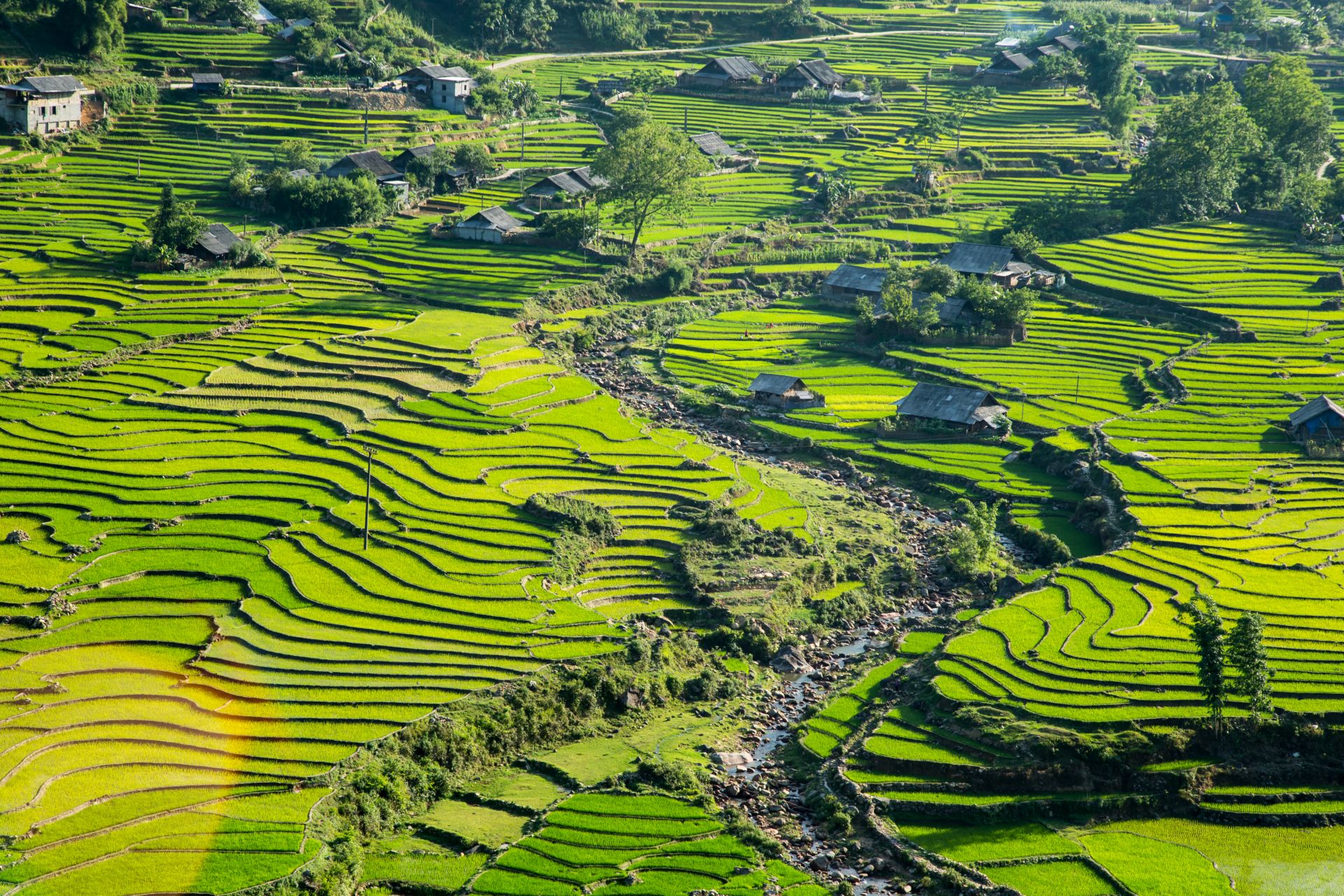
Planning a trip to Sapa? The best time to visit this stunning part of northern Vietnam depends on what you’d like to see and do. If you’re dreaming of trekking through lush green terraces, aim for September through November or March to May. The weather is mild and pleasant, with warm days and cool evenings, giving you picture-perfect views of the surrounding mountains.

Visit in September to November, and you’ll be treated to golden rice fields ready for harvest—a sight that will take your breath away. If you’re passionate about local culture, consider a trip during the Lunar New Year (usually late January to mid-February). It’s a vibrant time to learn about traditions, though it’s also the chilliest time of the year.

Be aware that June through August brings the rainy season, which turns the landscape extra lush but can make trekking tricky with slippery paths. Sapa truly has something to offer year-round—just match your timing to your interests!

Discover more of Vietnam with:

  • 7-day itineraries
  • 10-day itineraries
  • 14-day itineraries
Sapa-things-to-do-in-Vietnam

Come between September and November to see the rice fields! © Shutterstock

Best Time to Visit South Vietnam

If you’re heading to the south—Ho Chi Minh City, the Mekong Delta, or the dreamy southern beaches—the ideal time to visit is from December to April. You’ll enjoy dry, sunny weather with less humidity, making it the perfect backdrop for city tours, river cruises, and jungle explorations.

This is also the best time for beach lovers to soak up the sun along the coast. The dry season means fewer interruptions to your travel plans and more comfort for outdoor activities.

Want to experience local celebrations? The Lunar New Year, which typically falls in late January to mid-February, offers a lively cultural scene, although keep in mind that many businesses may be closed during this period.

If you prefer to avoid heavy rain and high humidity, steer clear of the wet season from May to November. December to April gives you the best of what South Vietnam has to offer.

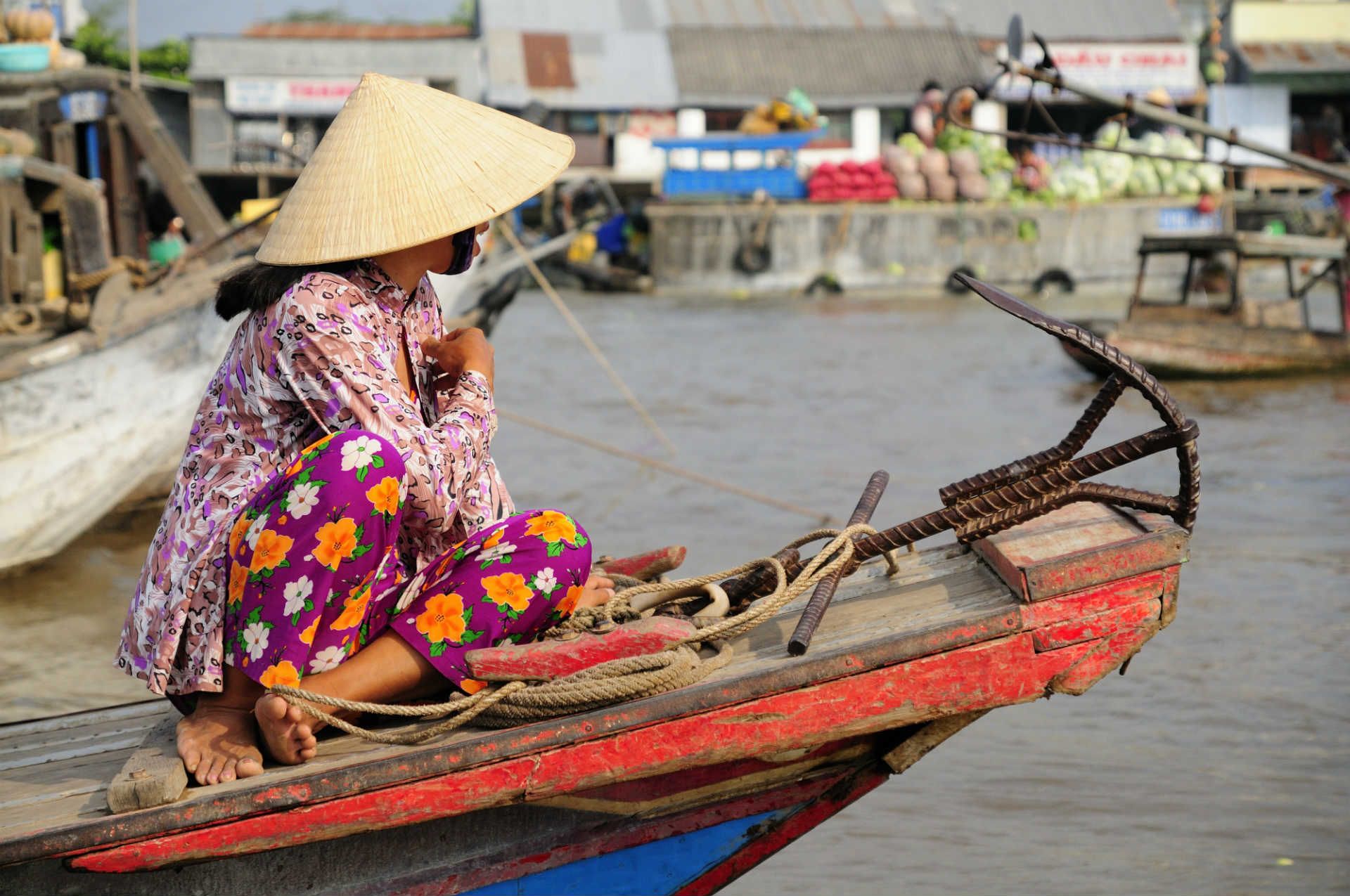
woman-float-market-mekong-delta-vietnam-shutterstock_90906923

Floating market on the Mekong Delta in Vietnam © Shutterstock

When is the Rainy Season in Vietnam?

Vietnam’s rainy season varies by region, so it helps to know what to expect:

  • North Vietnam (e.g., Hanoi, Sapa): Rainy from May to September, with heavy showers in July and August. Mountainous areas like Sapa can get especially slippery.
  • Central Vietnam (e.g., Hue, Da Nang, Hoi An): Expect rain from September to December, sometimes accompanied by typhoons, especially in October and November.
  • South Vietnam (e.g., Ho Chi Minh City, Mekong Delta): Rainy from May to November, though showers are often short and intense, usually happening in the evening, so you can still enjoy daytime adventures.

Visiting Vietnam During Festivals

Timing your visit around Vietnam’s festivals can add an unforgettable layer to your trip. The most important celebration is Tet, the Vietnamese New Year, which usually spans seven days between late January and mid-February. It’s a time of family reunions, colorful street decorations, fragrant incense, and dazzling fireworks.

While many festivals happen in spring and fall, Tet stands out. Just be aware that much of the country closes down for the week, transport gets very busy, and flights fill up with returning Vietnamese expats.

TET: The Vietnamese New Year

When planning the best time to visit Vietnam, Tet is hard to ignore. Tet Nguyen Dan is the country’s most important festival, lasting seven days and deeply rooted in tradition. It’s a beautiful, bustling time to be in Vietnam, but it does come with travel challenges, so planning ahead is key!

The Magic of Tet Nguyen Dan: Vietnam’s Vibrant Lunar New Year Celebration

Imagine the air buzzing with anticipation as Vietnam transforms into a kaleidoscope of red and gold. Tet Nguyen Dan – affectionately called Tet – isn’t just another holiday. It’s the Vietnamese New Year, a spectacular 7-day festival where the entire nation collectively turns a page and steps into renewed hope. Falling between late January and mid-February under the new moon’s glow, Tet marks the ultimate family reunion where households welcome ancestral spirits and joyfully celebrate the promise of fresh beginnings.

Here’s a charming cultural twist – during Tet, every Vietnamese person gains a year in age! Forget individual birthdays; here, the New Year itself adds a candle to everyone’s cake. This unique tradition makes Tet an extraordinary moment of shared renewal for young and old alike.

Escape to Vietnam:
Choose your favorite itinerary and make unforgettable memories

Countdown to Celebration: Preparing for Tet

As Tet approaches, excitement builds like a drumroll. Come dusk on New Year’s Eve, the skies light up with dazzling fireworks displays – a sparkling replacement for firecrackers banned since 1995. The preparations kick into high gear a week earlier with the heartwarming Ong Tau festival. Families honor the god of the hearth by deep-cleaning their homes from top to bottom and presenting offerings to ensure his favorable reports to the Jade Emperor.

Rituals of Renewal: Wiping Slates Clean

Tet embodies the spirit of fresh starts. Debts are settled before midnight, wardrobes get updates with new clothes, and haircuts become more than just trims – they’re symbolic sheddings of the old year. Homes sparkle with good luck charms: branches of peach blossoms in the North and golden mai flowers in the South. But perhaps no moment holds more weight than the first sixty minutes of the New Year. Vietnamese families believe these inaugural moments set the year’s rhythm – making cheerful moods, kind words, and intact dishes absolutely essential!

The First Footer: Your Luck-Bearing Guest

Have you heard about Tet’s magical first visitor tradition? The person who first crosses your threshold on New Year’s morning is thought to influence your family’s fortune for the coming year. Picture this: a respected, prosperous, and happily married neighbor arriving with warm wishes – the ultimate good omen! Conversely, families might tactfully avoid visitors perceived as harbingers of bad luck, such as those in mourning or experiencing recent misfortune. Some even playfully schedule ideal “first footers” to ensure an auspicious start!

Through these beautiful customs, Tet Nguyen Dan weaves together Vietnam’s rich spiritual heritage and vibrant communal spirit. From the fragrant smoke of incense coils to the laughter echoing over ancestral altars, this Lunar New Year celebration remains an unforgettable tapestry of tradition, superstition, and pure joy.

Vietnamese elder preparing traditional Tet altar with symbolic foods

A Vietnamese elder prepares a festive altar with traditional foods during Tet Nguyen Dan ©Shutterstock

Travaloca Travel Editors Community

🌟 The Travaloca Travel Editors Community is a dynamic collective of individuals united by their passion for travel and their dedication to high-quality content creation. This community serves as the driving force behind Travaloca's informative and engaging travel resources. ✨ Core Identity: This group consists primarily of passionate travel enthusiasts who have turned their love for exploration into a commitment to writing and content curation. Members are recognized for their: Extensive Travel Experience: Possessing valuable firsthand knowledge from their journeys worldwide. Aptitude for Writing and Editing: Demonstrating a keen interest and skill in crafting, reviewing, and perfecting travel narratives, guides, tips, and reviews. Dedication to Storytelling: Transforming personal experiences and destination knowledge into accessible, inspiring, and reliable information for a global audience. 📝 Community Focus: The community’s primary role is to contribute, edit, and maintain the diverse range of content on Travaloca's platform. They ensure the information provided is accurate, engaging, and reflective of current travel trends. In essence, the Travaloca Travel Editors Community is where travel passion meets editorial excellence, enriching the user experience and solidifying Travaloca’s standing as a trusted travel resource.

We will be happy to hear your thoughts

Leave a reply

Travaloca
Logo
Shopping cart