
Coimbra Travel Guide: Explore Portugal’s Historic Heart


Perched dramatically above the winding Rio Mondego, Coimbra whispers tales of Portugal’s soul with every cobblestone beneath your feet. As one of the nation’s historic capitals, this university city dances to a rhythm set over seven centuries, where black-caped students glide through medieval streets and melodies of fado float through ancient courtyards. Whether you’re exploring Portugal for the first time or returning to uncover its hidden gems, Coimbra offers that perfect blend of intellectual energy and old-world charm that makes travel unforgettable.

Beyond its atmospheric streets, Coimbra serves as your gateway to central Portugal’s treasures. Within an hour’s drive, you can walk through Roman ruins at Conímbriga, get lost in the enchanted Buçaco Forest, or soak in therapeutic waters near Montemor-o-Velho Castle. Let’s unravel how to make the most of this captivating region – from navigating the city’s steep hills to planning the perfect cultural escape.

The Heartbeat of Portugal: Discovering Coimbra’s Strategic Location

Nestled at the geographic center of Portugal, Coimbra balances gracefully between north and south along the Mondego River’s banks. Its position – just two hours by train from Lisbon (200 km south) and ninety minutes from Porto (120 km north) – makes it the perfect interlude in your Portuguese journey. Whether arriving by rail with views of lush vineyards or driving through rolling hills dotted with olive groves, you’ll immediately understand why this UNESCO-recognized city consistently ranks among Portugal’s essential destinations.

What truly sets Coimbra apart is how easily you can transition from urban exploration to rural adventures. One morning you might be marveling at baroque library interiors, and by afternoon you could be walking through Roman mosaic floors at nearby Conímbriga. The city’s compact size belies its enormous cultural footprint and convenient access to nature. For travelers crafting the ultimate Portugal itinerary, Coimbra serves as both worthy destination and strategic hub, offering rich experiences within its boundaries and fascinating day trips just beyond.

Navigating Coimbra’s Hills & Valleys: Your Transportation Guide

Coimbra’s topography tells its story – from the bustling Baixa (lower town) hugging the river to the scholarly Alta (upper town) crowned by one of Europe’s oldest universities. While the city rewards those willing to explore on foot, understanding your transportation options will help you conserve energy for its many wonders.

Conquering the City Like a Local

Walking remains the most immersive way to experience Coimbra. Follow in the footsteps of generations of scholars as you wind through the Baixa’s vibrant shopping streets, then ascend via zigzagging alleys like Quebra Costas (“Backbreaker”) toward the university. Practical tip: Comfortable shoes with good grip are essential – the polished limestone cobbles become surprisingly slick after rain showers.

When your legs need respite, hop on the efficient local bus system. Line 103 (nicknamed “the elevator bus”) whisks visitors between Largo da Portagem in the lower town to the university gates above, sparing you the steepest climbs. Alternatively, taxis offer door-to-door convenience, especially useful when arriving with luggage at Coimbra-B station. While ride-sharing services aren’t prominent here, traditional taxis remain affordable and readily available.

Visitors with rental cars will find parking easier outside the historic center, particularly near Parque Verde do Mondego. Though unnecessary for city exploration, a car becomes invaluable for venturing to nearby attractions. Imagine driving through vineyard-covered hills to Conímbriga’s Roman ruins in under 30 minutes or reaching Buçaco’s fairytale forest in 40 minutes – these day trips transform your Coimbra experience.

Coimbra Travel Guide: Explore Portugal’s Historic Heart

The golden beaches of Figueira da Foz lie just 40 minutes from Coimbra

Unlock secret prices:
Get the lowest rates for your Portugal adventure today

Crafting Your Perfect Coimbra Itinerary

How long should you linger in this city of knowledge? While many visitors zip through on day trips, those who pause discover Coimbra’s deeper magic. Here’s how to match your schedule with memorable experiences:

The Essential Day Trip (24 Hours)

With one full day, focus on Coimbra’s historic core:

  • Morning: Dive into the University of Coimbra complex, including the golden Joanina Library and São Miguel Chapel
  • Midday: Explore the Sé Velha (Old Cathedral) before lunching on local Leitão (suckling pig) in the Baixa
  • Afternoon: Wander Santa Cruz Monastery and relax in the Botanical Garden
  • Evening: Enjoy sunset river views followed by haunting Coimbra fado performance

This whirlwind tour covers the essentials but leaves you hungry to return.

The Immersive Escape (48 Hours)

Adding a second day transforms your experience:

  • Day 1: Cover the city highlights as above, but stay overnight to enjoy the atmospheric evening lighting
  • Day 2: Choose your adventure – Roman ruins at Conímbriga (30 minutes west), therapeutic thermal baths in Luso (40 minutes north), or hiking trails in Buçaco Forest (50 minutes north)

This rhythm gives you urban culture and countryside relaxation in perfect balance.

The Deep Dive (3+ Days)

For those enchanted by central Portugal, extend to:

  • Explore Portugal dos Pequenitos – the charming miniature park perfect for families
  • Visit the atmospheric Old Cathedral and Monastery of Santa Clara-a-Velha
  • Take a leisurely Mondego River cruise
  • Venture further to coastal Figueira da Foz or mystical Lousã mountain villages

With three days, you’ll understand why so many fall under Coimbra’s spell.

Finding Your Perfect Stay in Coimbra

Where you rest your head shapes your Coimbra experience. From historic townhouses to modern riverfront apartments, here’s how to choose your ideal base:

Baixa (Lower Town) – The Vibrant Heart

Perfect for: First-time visitors, night owls, and urban explorers

Vibe: Bustling café culture and convenient access

Highlights:

  • Steps from Coimbra’s main square (Praça do Comércio)
  • Direct access to shopping streets and traditional restaurants
  • Easy walking to train station and riverside parks

Consider: Expect some street noise in exchange for prime location

Alta (Upper Town) – Historic Dreamscape

Perfect for: Couples, history lovers, photographers

Vibe: Academic grandeur and medieval charm

Highlights:

  • Atmospheric stays in converted noble houses
  • Magical night views over the Mondego Valley
  • Moments from university palaces and cathedral

Consider: Prepare for steep walks and fewer evening dining options

Riverside & Beyond – Balanced Comfort

Perfect for: Families with kids, nature lovers, road trippers

Vibe: Relaxed green spaces with city access

Highlights:

  • Parque Verde’s stroller-friendly paths
  • Quick drives to Roman ruins and mountain trails
  • Spacious accommodations unlike historic center

Consider: You’ll rely on transport to reach the historic core

Countryside Retreat – Nature Immersion

Perfect for: Repeat visitors, peace seekers, forest bathers

Vibe: Rural tranquility within reach of city charm

Highlights:

  • Stay in Buçaco’s fairytale palace hotel
  • Waking to birdsong in Mondego Valley guesthouses
  • Easy access to both Coimbra and protected nature

Consider: You’ll need a car to maximize your stay

Beyond the City Walls: Unmissable Day Trips

Coimbra rewards those who explore its surroundings. Within an hour’s drive, discover Portugal’s layered history and stunning landscapes:

Conímbriga Roman Ruins (16km Southwest)

Step into Portugal’s Roman past amid remarkably preserved mosaics, thermal baths, and reconstructed dwellings. Highlights include the House of Fountains (5,700 sq ft of intricate flooring) and interpretive museum bringing ancient Lusitania to life.

Buçaco National Forest (30km Northwest)

Wander through what feels like an enchanted woodland, home to 1,000-year-old cypress trees and the Neo-Manueline Buçaco Palace Hotel. Medieval monks first cultivated these botanical wonders, creating Portugal’s finest arboreal sanctuary.

Luso & Curia Spa Towns (25-30km North)

Rejuvenate in natural thermal springs surrounded by Belle Époque architecture. Luso’s waters have attracted wellness seekers since Roman times, while Curia’s art deco pool complex offers elegance from Portugal’s golden age of tourism.

Montemor-o-Velho Castle (20km West)

Gaze over rice fields from this imposing medieval fortress that controlled the Mondego River for centuries. Visit in summer for unforgettable sunset views stretching to the Atlantic.

Figueira da Foz Beaches (40km West)

Swap cobblestones for golden sands at Portugal’s “Coast of Light.” This classic seaside resort offers surf schools, art deco casinos, and fresh seafood perfect for a coastal escape.

Trending now:
See why everyone is booking this Portugal experience this week

Coimbra Through the Seasons: When to Visit

Each season paints Portugal’s former capital in different hues:

Spring (March-May)

Wildflowers bloom along the Mondego banks while mild temperatures (14-22°C) make hiking particularly pleasant. Don’t miss the Queima das Fitas student festival in May – a week of concerts, parades, and black cape traditions.

Summer (June-August)

Warm days (25-30°C) fill outdoor cafés, and university crowds thin. Perfect for combining city visits with trips to cool mountain forests or Figueira’s beaches. Book accommodations early for July’s Medieval Fair.

Autumn (September-November)

The academic year begins, bringing renewed energy. Crisp air (12-24°C) and golden light enhance photography. Harvest festivals in surrounding villages offer authentic cultural experiences.

Winter (December-February)

Mist over the river creates atmospheric mornings. Cool temperatures (8-15°C) make museum visits cozy. Christmas markets and smaller crowds create intimate explorations, though some rural attractions have shorter hours.

Essential Tips for Your Coimbra Adventure

  • University Visits: Book Joanina Library tickets online in peak season – only 60 visitors allowed hourly
  • Shoe Strategy: Pack comfortable walking shoes with non-slip soles – polished limestone streets can surprise
  • Fado Dining: For authentic Coimbra fado, seek smaller restaurants near Sé Velha where students perform traditional pieces
  • Parking Savvy: If driving, park outside the Alta area and walk in – many streets restrict vehicle access
  • Market Days: Mondays bring vibrant Mercado D. Pedro V to life with regional cheeses, crafts, and flowers
  • Students as Guides: Approach friendly university students for insider recommendations – they’re often proud to share secret viewpoints
  • Bakery Treats: Try pastel de Santa Clara – Coimbra’s signature egg-yolk and almond pastry from Santa Clara Convent’s recipe

Answering Portugal’s Call

From the moment you first glimpse Coimbra’s silhouette crowning its river-bluff throne, you’ll understand why this city shaped Portugal’s intellectual soul. Whether spending an afternoon marveling at gilded baroque libraries or lingering for days to explore central Portugal’s hidden gems, Coimbra offers that rare travel alchemy – a place that educates while enchanting. As you walk where generations of scholars, poets, and kings have trodden, listening to fado’s mournful chords echo through stone archways, you’ll realize some destinations don’t just fill your camera but transform your perspective. This isn’t merely a stop between Porto and Lisbon; it’s where Portugal’s heart still beats to ancient academic rhythms, inviting you to become part of its enduring story.

river-mondego-portugal-shutterstock_1333112297

Mondego River, Portugal @ Shutterstock

Crafted By History: The Essential Guide to Coimbra’s Treasures

Let me tell you about Coimbra – a city where cobblestone streets whisper tales of medieval scholars while modern cafés brew with vibrant energy. As Portugal’s former capital, this riverside jewel along the Mondego cradles eight centuries of academic tradition within its ancient walls. From the haunting notes of fado drifting through moonlit courtyards to the rustle of graduation gowns billowing down historic staircases, Coimbra captivates visitors with its unique blend of heritage and youthful exuberance. Whether you’re wandering through Europe’s most extravagant library or discovering hidden gardens bursting with botanical wonders, these are the unforgettable experiences awaiting you in Portugal’s intellectual heartland.

Step Into Academia’s Hallowed Halls: University of Coimbra

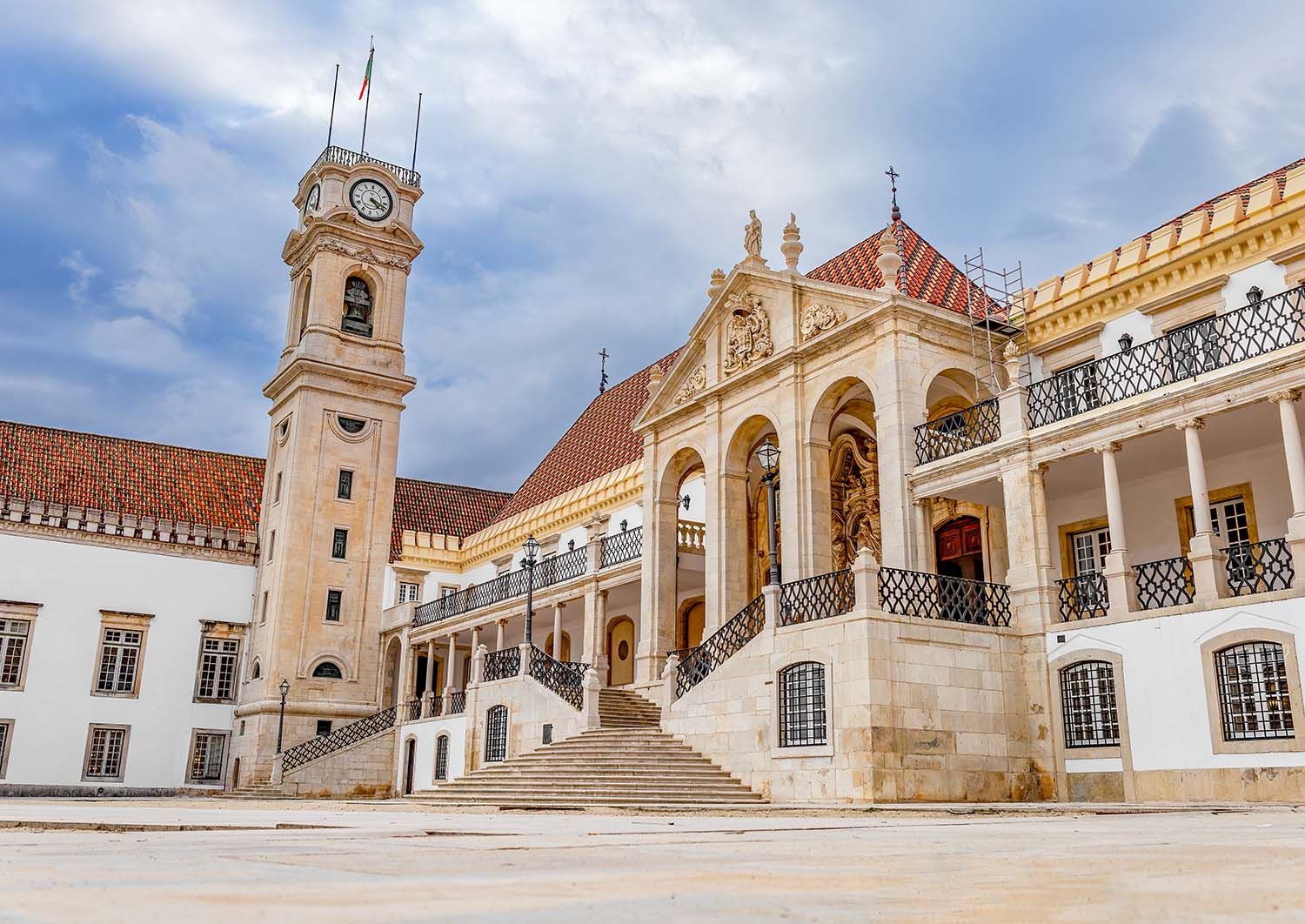
When you approach the University of Coimbra perched like a crown atop the city’s highest point, you’re not just visiting a school – you’re entering the cradle of Portuguese knowledge. This isn’t merely Portugal’s oldest university (founded in 1290!), but a living archive where every stone tells a story of kings, conquerors, and brilliant minds. Walk through the monumental Porta Férrea iron gate and suddenly find yourself transported through centuries of intellectual pursuit.

The heartbeat of this UNESCO World Heritage site is Paço das Escolas, where you’ll find yourself surrounded by architectural triumphs. Don’t miss the Sala dos Capelos – a grand ceremonial hall where students still defend their theses beneath the watchful eyes of Portugal’s monarchs captured in oil paintings. That goosebump-inducing moment comes for most visitors on the balcony overlooking the Mondego Valley panorama. As you stand where generations of scholars before you have contemplated life’s mysteries, you’ll understand how this university shaped Portugal into a nation of explorers and philosophers. Give yourself at least two hours to properly absorb the weight of history here – every archway and azulejo tile contributes to Portugal’s remarkable narrative.

Old building of University of Coimbra in Portugal  © Shutterstock

Old building of University of Coimbra in Portugal © Shutterstock

Bookworm’s Paradise: Joanina Library

No visit to Coimbra would be complete without time traveling inside the Baroque masterpiece that is the Joanina Library. Built in 1717 under King João V’s order, this isn’t your average study hall – it’s a golden temple dedicated to knowledge. Imagine nearly 60,000 leather-bound volumes dating back to the 1500s resting on three-story-high oak shelves, all glittering under gold leaf decorations that rival Versailles.

The moment you step inside, you’ll understand why this counts among Europe’s most breathtaking libraries. Your eyes first travel upwards to Trompe-l’œil ceiling paintings celebrating Portugal’s Age of Discoveries, then breath catches at the scent of centuries-old books. Guides love revealing the library’s quirky defense system – colonies of bats that flutter between the rafters at night, silently devouring insects that might harm precious manuscripts. Come early to avoid crowds and watch sunlight slant through windows, illuminating clouds of dust that hang like knowledge in the air. Before leaving, consider booking their exclusive evening tour – seeing millennia-old texts under candlelight is spine-tingling experience.

Stone Sentinels: Coimbra’s Cathedral Secrets

Coimbra’s sacred architecture reveals Portugal’s evolving soul through two magnificent but contrasting cathedrals standing barely minutes apart. Start with the Sé Velha (Old Cathedral) – a formidable 12th-century Romanesque fortress-church that witnessed Portugal’s birth as an independent kingdom. Its crenellated walls and narrow windows speak of troubled times when enemies frequently threatened this frontier city.

Inside, intricate Islamic-influenced carvings adorn the altarpiece – look closely and you’ll spot exotic palm fronds hidden amongst traditional religious symbols. The true gem however lies outside – enter the serene cloister where Gothic vaulting shelters Lisbon-sourced orange trees. Come April and May as students celebrate graduation, you might see black-caped graduates receiving blessings here, linking modern university life to medieval traditions.

Echoes of the Counter-Reformation: Sé Nova Cathedral

A steep ten-minute walk uphill transports you to Coimbra’s second ecclesiastical marvel – the Sé Nova (New Cathedral). “New” being relative here – this Jesuit project began in 1598, showing off Portugal’s religious fervor and wealth during the Counter-Reformation. Where Sé Velha feels intimate and defensive, Sé Nova overwhelms with theatrical Baroque spectacle.

The imposing marble façade gives way to an interior exploding with gilt woodwork like divine fireworks frozen mid-blast. At the altar, a 17th-century retable tells salvation’s story through carved figures so lifelike you expect them to step down and greet you. Contrasting the two cathedrals offers perfect insight into Portugal’s spiritual evolution – from battling for survival to proclaiming triumphant faith. Consider timing your visits to hear Sé Nova’s magnificent pipe organ thundering through the nave during rare concerts.

Green Sanctuary: The Botanical Garden

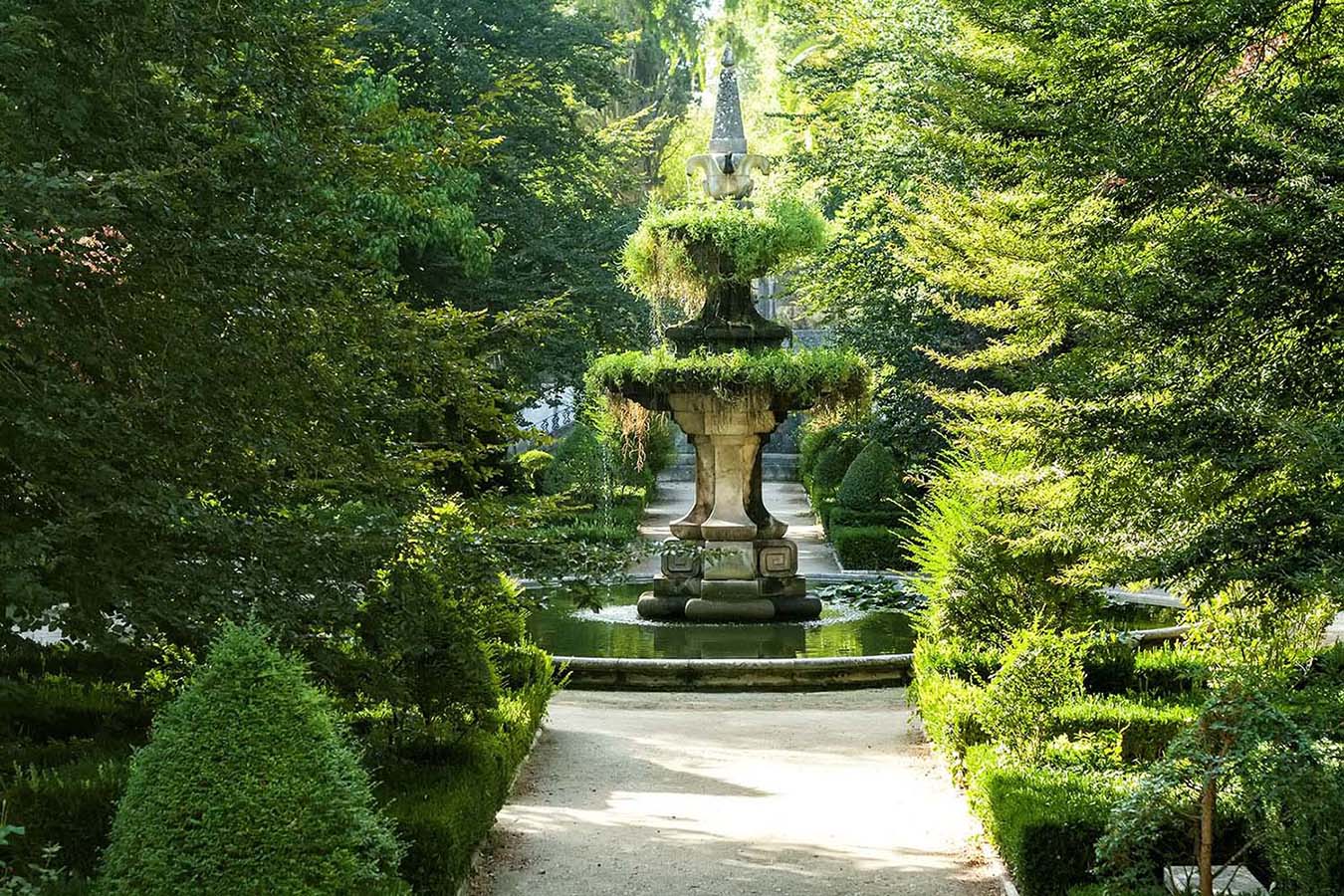
After absorbing Coimbra’s intense cultural highlights, find botanical bliss in one of Europe’s oldest university gardens. Founded in 1772 by the visionary Marquis de Pombal, these 130-acre Botanical Gardens were designed as natural classrooms for medical students. Wander from formal European rose gardens past exotic Asian bamboo forests into lush Brazilian tropics, all without leaving Coimbra’s city limits.

The upper gardens transport you into prehistoric fantasies with towering tree ferns and Jurassic-looking dragon trees. Seek out hidden gems like the romantic Staircase of the Sphinxes leading to medicinal herb gardens. For perfect relaxation, linger by the central fountain where locals read beneath 200-year-old magnolias. Early visitors might spot hummingbird-like creatures sipping nectar – actually beautiful hummingbird hawk-moths native to Portugal. Don’t miss the Bamboo Forest walk – its rustling canes create nature’s own symphony as you imagine yourself in Kyoto. Come spring, the intoxicating scent of flowering linden trees perfumes every pathway.

Early bird special:
Book your Portugal trip early to lock in the lowest price

Living History & Local Flavors

Beyond monumental sights, Coimbra wins hearts through intimate cultural encounters. Listen for melancholic strains of Coimbra Fado drifting from tavern doors – this UNESCO- recognized music tradition originated with university students serenading lovers beneath balconies. Unlike Lisbon’s fado, Coimbra’s version is traditionally sung by men in academic capes. For authentic performances, visit Fado ao Centro where local musicians explain the art form before soulful nightly shows.

No cultural immersion is complete without savoring chanfana – the region’s signature goat stew slow-cooked for hours in clay pots with red wine and mountain herbs. Pair it with Bairrada region wines at Loggia restaurant overlooking the Mondego River. As dusk paints the sky violet, cross Santa Clara Bridge for breathtaking views of Coimbra’s illuminated hilltop monuments reflecting on the water – the perfect conclusion to your Portuguese time-travel adventure.

Discover Coimbra: 10 Unforgettable Experiences in Portugal’s Historic Heart

Nestled along the banks of the Mondego River, Coimbra captivates visitors with its perfect blend of medieval charm, academic energy, and Portuguese soul. As you wander through its steep cobblestone streets, you’ll discover why this UNESCO-listed city remains one of Europe’s most rewarding destinations. From ancient Roman ruins to haunting fado melodies, these ten experiences will help you uncover Coimbra’s true essence.

The Living Pulse of the Mondego River

The Mondego River flows through Coimbra like liquid history, its banks transformed into vibrant social spaces where locals gather to celebrate life. In recent years, the city has reclaimed these waterfront areas, creating wide promenades perfect for leisurely cycling or sunset strolls. As twilight paints the sky, students and families alike gather for open-air concerts or to cheer on rowing teams slicing through the reflective waters.

For the most breathtaking vistas, don’t miss the Pedro e Inês footbridge. From this modern architectural marvel, you’ll witness the city’s magical transformation as golden hour washes over ancient university buildings perched high above. Portuguese poets have long found inspiration in these shimmering waterscapes, and you’ll understand why as you watch swallows dart across the river’s surface at dusk. More than just a scenic backdrop, the Mondego serves as Coimbra’s communal living room – a place where visitors can truly feel the city’s rhythm.

Santa Clara-a-Velha: Where History Rises from the Waters

Crossing to the river’s south bank transports you to one of Portugal’s most atmospheric ruins. The 14th-century Monastery of Santa Clara-a-Velha stands as a testament to both human devotion and nature’s power. Founded by the revered Queen Isabel, the complex succumbed to the Mondego’s persistent flooding despite multiple reinforcement attempts. By the 1600s, the Benedictine nuns retreated uphill to what we now know as the New Santa Clara Convent, abandoning the flooded original site to the river’s embrace.

Today, thoughtfully designed walkways navigate this archaeological treasure, allowing visitors to walk through the Gothic arches that once echoed with chants. The adjacent interpretation center weaves together two compelling narratives: the engineering challenges of underwater excavation and Queen Isabel’s remarkable life of charity. Standing in these half-sunken spaces creates profound perspective – you’re not just visiting an attraction, but witnessing the enduring relationship between a city and its ever-changing natural environment.

Journey to Conímbriga: Portugal’s Roman Masterpiece

Just 16 kilometers south of Coimbra, Conímbriga offers one of Portugal’s most complete windows into ancient Roman life. Unlike the fragmented ruins found elsewhere, this archaeological site presents an entire urban landscape frozen in time. Wander the remarkably preserved streets where Roman citizens once hurried to public baths, admired lavish villa gardens, and conducted business in vibrant market squares.

The true showstoppers here are undoubtedly the mosaics – intricate floors depicting mythological scenes, geometric patterns, and daily life that retain astonishing color vibrancy after two millennia. A highlight is Cantaber’s House, where mosaics wrap entire floors with hunting scenes frozen mid-action. The surrounding defensive walls reveal architectural ingenuity, built during a period of regional instability while incorporating visible Visigothic modifications. In the on-site museum, glass amphorae, delicate jewelry, and worn coins create intimate connections with Conímbriga’s former residents. Pair your historical immersion with lunch at a rural tavern in nearby Condeixa-a-Nova for the perfect day trip combination.

Coimbra botanical garden, Portugal © Shutterstock

Coimbra botanical garden, Portugal © Shutterstock

Fado de Coimbra: The Students’ Soulful Soundtrack

While Lisbon’s mournful fado echoes through tourist restaurants nationwide, Coimbra preserves a tradition born in academic circles. Here, fado remains the exclusive domain of male singers, often university students or alumni who perform wearing formal academic attire – long black capes that sweep dramatically with their movements. The signature Coimbra style emphasizes poetic lyrics about lost youth, scholarly camaraderie, and nostalgic romance, all accompanied by the distinctive ten-string Portuguese guitar.

To experience this cultural treasure authentically, settle into one of the old town’s intimate taverns as evening falls. In spaces like Fado ao Centro or Aqui Jazz, candlelight flickers off stone walls while voices resonate with the weight of generations. The atmosphere becomes particularly electrifying during academic festivals when spontaneous serenades erupt in historic squares, their melodies floating over rooftops until dawn. Attend a true fado session and you’re not just hearing music – you’re witnessing a living ritual connecting Coimbra’s past students with present scholars.

Buçaco Forest: Nature’s Cathedral

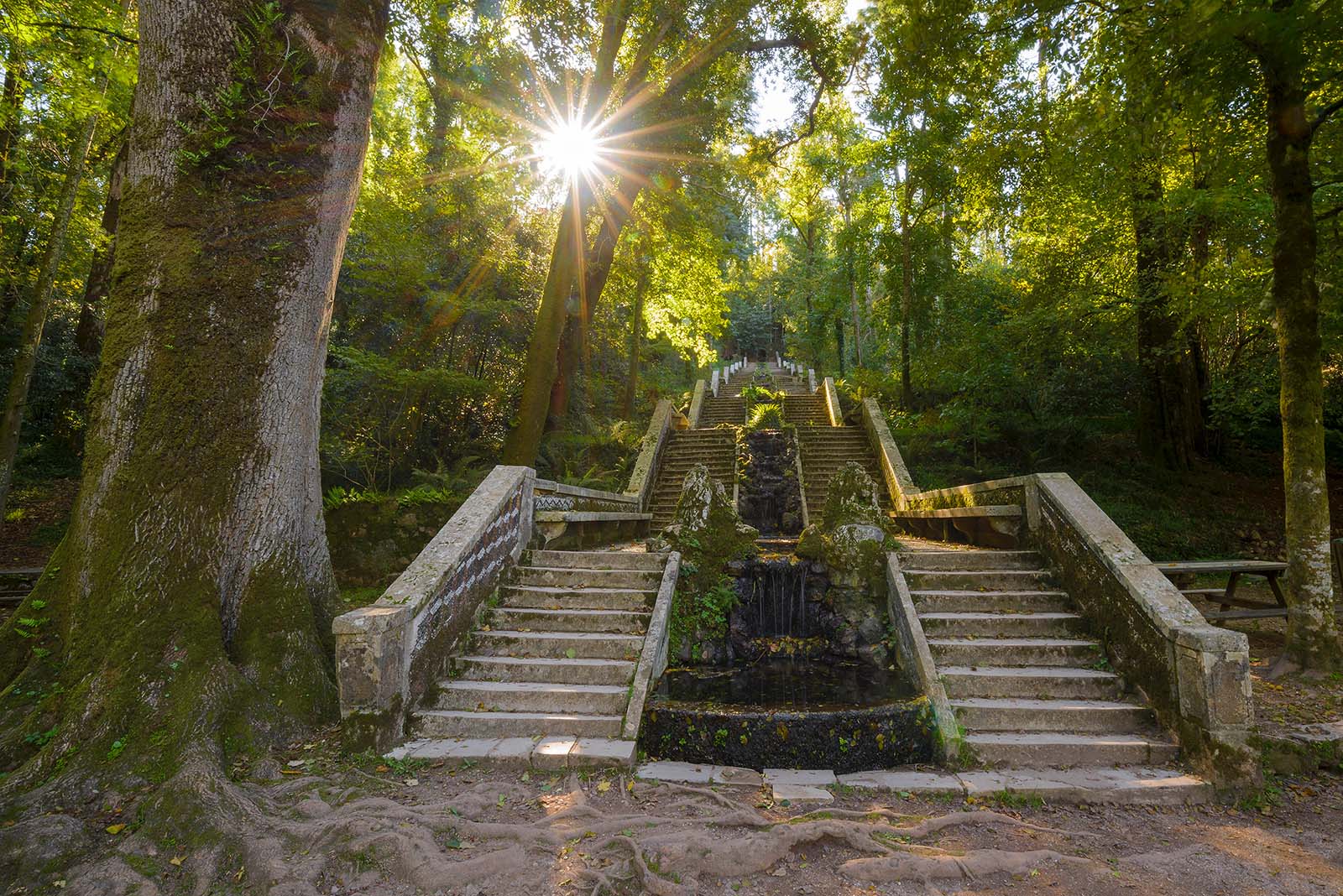
An hour north of Coimbra transports you to Buçaco Forest, an enchanted woodland that feels plucked from a medieval manuscript. For centuries, Carmelite monks cultivated this sacred space, protecting its massive cypress trees while carving religious art into stone fountains. The forest later became a royal retreat where Portugal’s kings would escape courtly pressures beneath cathedral-like canopies.

Walking trails lead through microclimates that shift from thick moss carpets to sun-dappled fern clearings. Don’t miss the 19th-century Buçaco Palace Hotel – a neo-Manueline masterpiece resembling a stone fantasy – where you can enjoy tea beneath vaulted ceilings. History enthusiasts will discover monuments commemorating the 1810 Battle of Buçaco when Wellington’s forces defeated Napoleon’s army, while nature lovers can hike to Cruz Alta viewpoint for panoramas stretching to the Atlantic. Whether you come for the history, the hiking, or simply to breathe air perfumed with eucalyptus and pine, Buçaco forest offers magical respite.

Fonte Fria It is the most famous fountain in Bucaco forest in Luso, Portugal © Shutterstock

Fonte Fria It is the most famous fountain in Bucaco forest in Luso, Portugal © Shutterstock

Trending now:
See why everyone is booking this Portugal experience this week

Coimbra Through the Seasons: Best Times to Visit

Coimbra’s Mediterranean climate ensures enjoyable visits year-round, with the Atlantic influence bringing pleasant spring blooms and golden autumn light. The city’s dramatic topography creates microclimates – cooler breezes caress the university district while the riverside Baixa basks in warmer temperatures. From January’s crisp, rainy days to August’s sun-soaked warmth, each season reveals different facets of Coimbra’s personality.

Spring (March-May) – Renaissance Reverie

As student voices fill outdoor cafés and jacaranda trees tint the old quarter purple, spring emerges as Coimbran perfection. Daytime temperatures hover between 15-22°C (60-72°F), ideal for exploring without summer crowds. This is when university traditions peak – don’t miss the charming Queima das Fitas ceremony where graduating students parade in their capes before burning their course ribbons.

Summer (June-August) – Festival Fever

Warm months bring 28°C (82°F) averages perfect for river adventures and long evenings under starry skies. July’s Coimbra Summer Music Festival transforms cloisters into concert halls, while August’s Festas da Rainha Santa honors Queen Isabel with bustling market stalls and sacred processions. Early mornings are best for sightseeing before the warmest hours.

Autumn (September-November) – Golden Reflections

As students return in October, the city regains academic energy amid crisp 10-20°C (50-68°F) air. Vibrant foliage frames Baroque façades while maritime mists lend atmospheric mornings. This peaceful season offers perfect conditions for extended woodland walks at Buçaco or exploring Coimbra’s legendary library without queues.

Winter (December-February) – Rainy Mystique

Though temperatures rarely drop below 8°C (46°F), winter brings moody skies perfect for café writing sessions. Rain showers amplify the reverb in fado houses, creating profoundly moving musical experiences. Christmas transforms Praça do Comércio with artisanal markets, while January’s Fogaceiras festival fills streets with the aroma of traditional bread offerings.

Beyond these unforgettable experiences, Coimbra’s magic lies in spontaneous moments: stumbling upon a student choir rehearsing in an ancient staircase, meeting professors who’ve taught generations of Portuguese leaders, or finding the perfect pastel de Santa Clara (custard tart) from a hidden convent bakery. Let yourself wander, linger in bookshops packed with leather-bound volumes, and embrace this university city’s unique rhythm. Portugal’s medieval heart still beats strong in Coimbra’s twin pulses of knowledge and tradition.

The Ultimate Coimbra Travel Guide: Unlocking Portugal’s Historic Gem Through Every Season
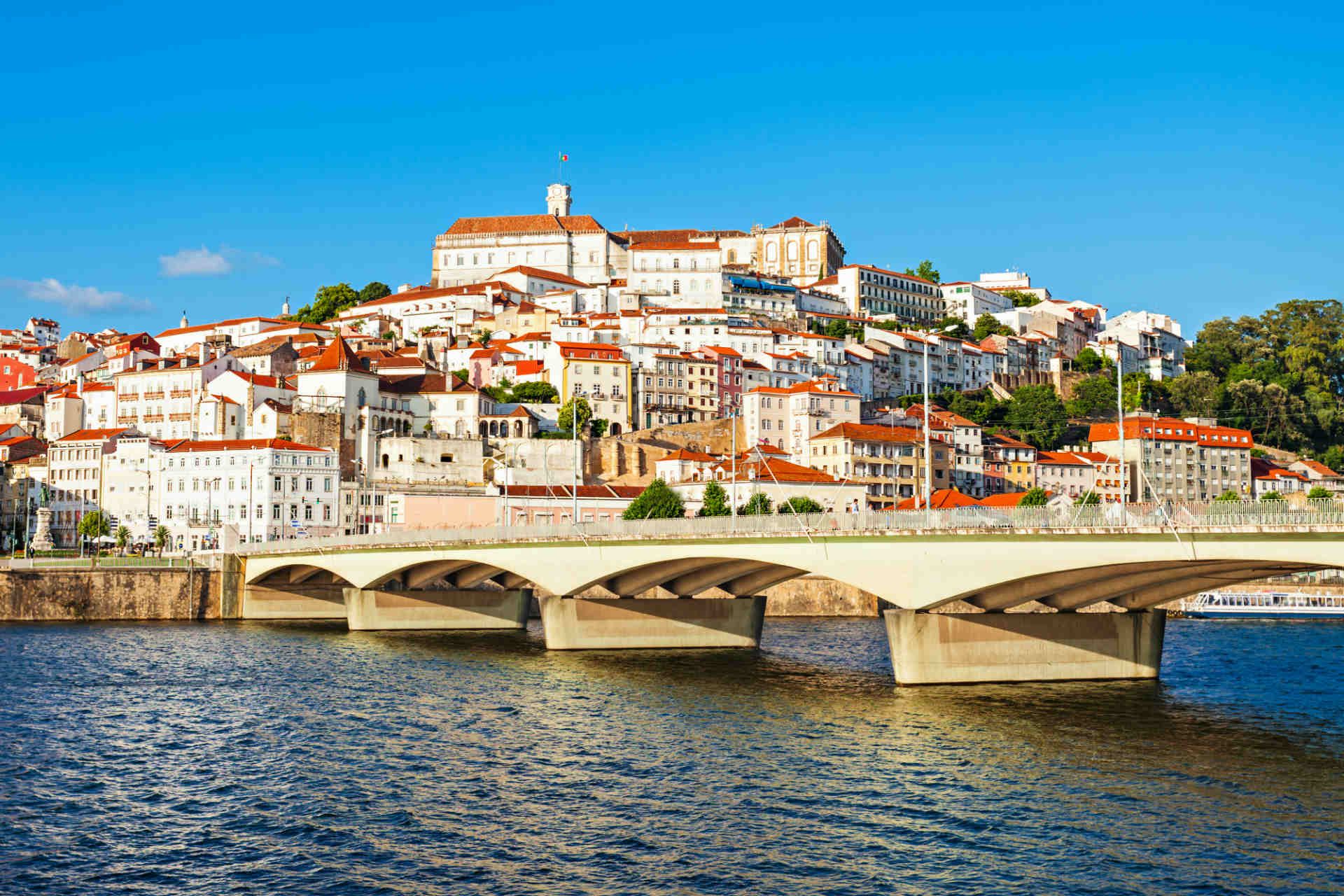
Coimbra University, Portugal © saiko3p/hutterstock

Coimbra University, Portugal © saiko3p/Shutterstock

Discovering Coimbra’s Seasonal Charms: When to Visit Portugal’s Academic Crown Jewel

Nestled along the Mondego River, Coimbra reveals different personalities with each changing season. As the home of Portugal’s oldest university, this historic city offers travelers a unique blend of academic energy, medieval atmosphere, and vibrant cultural traditions. Whether you’re drawn to spring’s academic celebrations or winter’s contemplative quiet, choosing the right time to visit can transform your Portuguese adventure.

Spring Awakening: March to May

As winter’s chill lifts, Coimbra transforms into a blooming wonderland perfect for travelers wanting crisp air mixed with cultural vibrancy. March offers gentle 64°F (18°C) days that climb to 75°F (24°C) by May – ideal temperatures for exploring steep cobblestone streets without summer’s intense heat. Spring’s magic unfolds in the Jardim Botânico where centuries-old exotic plants erupt in technicolor blooms, creating photo opportunities at every turn.

The outdoor café culture comes alive during these months, with terrace seats filling with students debating philosophy and locals enjoying their morning bica coffee. This golden period before summer vacation allows visitors to experience the university at its liveliest – catch impromptu fado performances in Alfama or witness graduating students in ceremonial capes celebrating their final weeks on campus.

A visit to the Joanina Library becomes especially atmospheric in springtime, sunlight streaming through windows to illuminate golden bookcases while outside, the sound of guitarra portuguesa drifts from academic courtyards.

Summer Energy: June to August

Summer drapes Coimbra in golden light and vibrant energy, though visitors should be prepared for intense Iberian heat. Average highs reach 82°F (28°C), with occasional heatwaves pushing temperatures into the 90s. Historic neighborhoods offer minimal shade, making morning explorations essential before retreating to riverside esplanades in the afternoon.

The true magic of Coimbra summers reveals itself after sunset. As twilight paints the sky, locals emerge for evening strolls along the Mondego River. Summer brings a festival calendar full of open-air concerts in the historic center and magical nighttime tours of illuminated university buildings. The academic year may be over, but summer schools ensure you’ll still feel the student energy around Baixa’s lively squares.

This season shines for day trips to Portugal’s stunning Atlantic coast. The beach at Figueira da Foz – just a 40-minute drive away – offers refreshing Atlantic breezes and golden sands. Summer visitors enjoy extended daylight hours perfect for coastal explorations or sunset dinners overlooking the university skyline.

Autumn Tranquility: September to November

As students return for fall semester, Coimbra dons a mantle of golden hues perfect for culture seekers and nature lovers. September’s lingering summer warmth (78°F/26°C) gradually yields to November’s crisp mid-60s days, creating ideal conditions for climbing the city’s many staircases without breaking a sweat.

Autumn delivers a visual feast in Coimbra’s surrounding landscapes. A drive to Buçaco Forest reveals ancient trees ablaze in russet and amber, while Conímbriga’s Roman ruins gain atmospheric charm when framed by falling leaves. The season offers smartphone-free pleasures – crunch through fallen chestnut leaves in Botanical Garden alleys with no crowds to disturb the tranquility.

Cultural explorers rejoice as museums and historic sites shed their summer queues. Hotel rates become more accessible, and restaurants transform from bustling to convivial – perfect for savoring hearty chanfana stews in cozy taverns as rain patters on medieval streets outside.

Winter’s Quiet Magic: December to February

When winter wraps Coimbra in misty mornings and crisp air (avg 55°F/13°C), the city reveals its contemplative soul. While rain showers rinse the terracotta rooftops throughout December and January, sunny breaks create golden hours perfect for photography amid empty streets and monuments.

The World Heritage university complex takes on mystical atmosphere in winter months. Imagine having the baroque Biblioteca Joanina virtually to yourself or watching rain drizzle through the cloisters of Sé Velha cathedral. Cafés become essential refuges – warm your hands around steaming canecas of hot chocolate at Café Santa Cruz while watchful Saint Anthony statues gaze from their gilded niches.

Winter wanderers discover hidden details often missed in busier seasons: the way morning fog clings to the Mondego River valley, 18th-century azulejo tilework glowing in low winter light, and warm pão com chouriço bread emerging fragrant from neighborhood bakeries.

Join the journey:
Don’t let these Portugal travel deals slip away—book today

Savoring Coimbra’s Culinary Soul: A Food Lover’s Pilgrimage

Beyond academia’s hallowed halls lies a city shaped by culinary tradition, where medieval recipes meet student-fueled innovation. Coimbra’s food scene presents a delicious paradox – historic taverns serving monastic recipes unchanged for centuries alongside creative kitchens reinventing Portuguese classics.

Flavors That Define a Region

  • Leitão da Bairrada: The crown jewel of local cuisine. This impossibly crispy suckling pig arrives from nearby Bairrada region at dawn to ensure perfect crackling and succulent meat. True connoisseurs arrive early at specialist restaurants as the best leitão often sells out by afternoon.
  • Chanfana Alchemy: More than just goat stew, this is culinary history in a clay pot. The secret lies in the slow simmering using red wine from nearby Dão region – peasant food transformed into celebration.
  • Mondego’s Silver Treasure: From February to April, lamprey fish create local frenzy. These ancient eel-like creatures appear in elaborate rice dishes carrying echoes of medieval banquets when they were reserved for royalty.
  • Conventual Sweetness: Pastéis de Tentúgal’s tissue-paper pastry hides rich egg cream – a sweet secret perfected by nuns using sugar and ingenuity when Portuguese convents dominated dessert innovation.
  • Student Sustenance: Follow buzzing queues near university grounds for bifana (garlicky pork sandwiches) sold from tiny tascas, or join evening crowds gathering for grilled sardines at riverside kiosks during summer months.

Dining Destinations Worth the Pilgrimage

  • Zé Manel dos Ossos: This legendary hole-in-the-wall would be easy to miss if not for the perpetual queue outside. The walls tell stories through decades of graffiti while the tiny kitchen produces feijoada (bean stew) and ribs that define Portuguese comfort food.
  • A Cozinha da Maria: The warmth of a Portuguese grandmother’s kitchen meets market-fresh ingredients. Their bacalhau com natas (creamy codfish) has students and professors lining up for weekday lunches under ceramic tile murals.
  • Sete Restaurante: Proof that Coimbra’s palate is evolving. Chef Duarte pairs Dão Valley wines with playful plates: octopus “feijoada” reinterpretations, mushroom risotto using foraged local varieties, and desserts that would make convent nuns proud.
  • Café Santa Cruz: Less café than living museum. Sitting where monks once prayed in this 16th-century church turned coffeehouse, order pastéis de Santa Clara with whispers of cinnamon while watching sunlight filter through rose windows.
  • Dux Taberna Urbana: Modern Portugal meets academic energy. Their petiscos (tapas) menu encourages sharing – try black pork cheeks with sweet potato purée alongside local Dão reds from family vineyards only insiders know about.

Beyond Medieval Walls: Enchanting Day Trips from Coimbra

While the city captivates, its surroundings offer equally compelling adventures. Expertly crafted excursions reveal why Central Portugal has lured everyone from Roman settlers to Romantic poets through the centuries.

Unforgettable Local Experiences

  • Vineyard Voyage Through Portugal: A wine enthusiast’s dream journey connecting Lisbon’s trendy wine bars to Douro Valley terraces via Coimbra’s underrated vineyards. Taste Bairrada’s sparkling wines at century-old quintas before university tours, then north to Porto’s port wine lodges – a liquid journey through Portuguese terroir.
  • Conímbriga’s Living History: Walking these Roman ruins makes history tangible. Marvel at still-vibrant Dionysus mosaics, then understand daily Imperial life through reconstructed heating systems and bathhouse rituals. Nearby museum treasures include perfume flasks and bronze medical tools whispering stories of Portugal’s Roman past.
  • Authentic Fado Encounters: Coimbra’s version differs from Lisbon’s – traditional black-caped male students sing poignant love poems accompanied by classical guitar in intimate settings. Join a guided evening walk through illuminated streets followed by private recital in a 19th-century academic society hall.
  • Buçaco’s Enchanted Forest: Where mythical atmosphere meets royal history. Hike fern-carpeted trails beneath 100-foot cedars planted by 17th-century monks, then explore the neo-Manueline Buçaco Palace – a former royal retreat housing an extraordinary wine collection in its vaulted cellar.
  • Mondego River Adventures: Switch history books for paddles with gentle kayaking through picturesque valleys. Glide past medieval watermills, stop at sandy river beaches for picnic lunches featuring local cheeses and cured meats, and watch herons stalk fish in shallows during this aquatic perspective on Central Portugal.

Coimbra Riverside views © LFE Photography/hutterstock

Mondego River views © LFE Photography/Shutterstock

Your dream trip awaits:
Find the most exciting Portugal tours and start packing

Local Wisdom: Essential Coimbra Travel Tips

To transform your visit from ordinary to extraordinary, heed advice from those who know this university city best:

Navigating Like a Local

Coimbra’s steep hills demand comfortable footwear but reward walkers with unexpected vistas and tucked-away courtyards. The funicular connecting Baixa district to Alta university area saves energy for library explorations. Late spring and early autumn offer optimal conditions for tackling staircases between riverfront and hilltop cathedral.

Festivals Worth Planning For

May’s Queima das Fitas transforms the city with festivities celebrating graduating students – weeklong revelry featuring concerts, processions, and ceremonial cape-burning. June’s illuminated Noites deRainha Santa festival bathes monuments in colored lights during magical night openings. Christmas brings nativity markets to Praça do Comércio with steaming castanhas (chestnuts) and rare presépio nativity figurines from local artisans.

Academic Calendar Advantages

University term dates significantly impact Coimbra’s atmosphere. Early October welcomes returning students with vibrant energy, while mid-May’s graduation periods create special events and accommodation demand. Summer months (July-September) see fewer students but more European tourists – perfect balance between energy and accessibility.

Travaloca Travel Editors Community

🌟 The Travaloca Travel Editors Community is a dynamic collective of individuals united by their passion for travel and their dedication to high-quality content creation. This community serves as the driving force behind Travaloca's informative and engaging travel resources. ✨ Core Identity: This group consists primarily of passionate travel enthusiasts who have turned their love for exploration into a commitment to writing and content curation. Members are recognized for their: Extensive Travel Experience: Possessing valuable firsthand knowledge from their journeys worldwide. Aptitude for Writing and Editing: Demonstrating a keen interest and skill in crafting, reviewing, and perfecting travel narratives, guides, tips, and reviews. Dedication to Storytelling: Transforming personal experiences and destination knowledge into accessible, inspiring, and reliable information for a global audience. 📝 Community Focus: The community’s primary role is to contribute, edit, and maintain the diverse range of content on Travaloca's platform. They ensure the information provided is accurate, engaging, and reflective of current travel trends. In essence, the Travaloca Travel Editors Community is where travel passion meets editorial excellence, enriching the user experience and solidifying Travaloca’s standing as a trusted travel resource.

We will be happy to hear your thoughts

Leave a reply

Travaloca
Logo
Shopping cart