
Step into Batalha and you’ll quickly understand why this small Portuguese town punches far above its weight on the global tourism stage. The crown jewel here isn’t just magnificent – it’s monumental in both physical presence and historical significance. Prepare to be awestruck by the Mosteiro de Santa Maria da Vitória, better known as the Batalha Monastery, a stone-clad time capsule preserving Portugal’s dramatic medieval history and architectural brilliance.
The Heartbeat of Portuguese History: Batalha Monastery
Every stone in this magnificent structure tells a story of courage and resilience. The monastery commemorates one of Portugal’s most decisive moments – the 1385 Battle of Aljubarrota where Portuguese forces, led by King João I and his legendary general Nuno Álvares Pereira, defeated the much larger Castilian army. This victory didn’t just secure Portuguese independence; it changed the course of European history.
What began as a royal promise grew into one of Europe’s most stunning architectural achievements. Construction spanned from the late 14th to early 16th century, resulting in a jaw-dropping blend of Gothic and Manueline styles that has commanded admiration for over six centuries. Today, as you walk through soaring arches beneath ornate vaulted ceilings, you’re treading in the footsteps of kings, monks, and master stonemasons.
UNESCO recognized the monastery’s universal value in 1983, protecting not just its physical structure but the living story it represents. Beyond the obvious beauty lies deep historical significance: royal tombs housing Portugal’s most influential monarchs, spiritual sanctuaries where generations prayed, and remarkably preserved spaces where Gothic austerity gradually blossoms into Manueline exuberance.
Batalha’s Strategic Location: Portugal’s Historic Heartland
Nestled in central Portugal’s lush, rolling landscapes, Batalha makes the perfect launchpad for exploring the country’s cultural core. Just 120 kilometers north of Lisbon and well-connected to Porto (two hours by car), this small town sits in the sweet spot of Portugal’s Silver Coast region.
Road trip enthusiasts will appreciate Batalha’s placement along several scenic driving routes. Within a 30-minute radius, you’ll discover:
- The religious significance of Fátima
- The medieval marvels of Leiria Castle
- The Cistercian gem of Alcobaça Monastery
- Nazaré’s gigantic Atlantic waves
This central positioning transforms Batalha from a day-trip destination to the perfect home base for multi-day exploration of Portugal’s spiritual and architectural treasures.
Creating Your Batalha Adventure: Transportation Made Simple
Navigating Batalha and its surroundings requires understanding your travel style and priorities. While the town itself could fit in your pocket (you can walk from one end to the other in 15 minutes), its proximity to regional wonders demands smart logistics.
On Foot: The Town at Your Fingertips
Once you’re in Batalha, your feet become the best transportation. The monastery’s colossal presence serves as a constant navigation aid – visible from nearly every street in town. Wander past whitewashed houses with terracotta roofs, discover local artisan shops selling handmade ceramics, and pause at family-run cafés serving rich espresso and pastéis de nata.
By Road: Flexibility Freedom
Renting a car offers maximum freedom to explore at your own pace. Modern highways connect Batalha to Lisbon (A8 North to A1) and Porto (A1 South), while scenic secondary roads lead to charming nearby villages. Local driving tips:
- Park in designated marked areas near the monastery entrance
- Expect narrow streets in village centers
- Ask your accommodation about overnight parking options
Public Transport: Balancing Economy Convenience
Rede Expressos buses provide comfortable service from Lisbon’s Sete Rios station (about 2 hours), while regional buses connect to Leiria (15 minutes) and Fátima (20 minutes). For stress-free planning:
- Book Lisbon-Batalha tickets online in summer months
- Confirm return schedules upon arrival
- Carry cash for regional bus fares
- Don’t forget last departures usually leave before 7pm

Batalha, Portugal. City panorama and view to Monastery of Santa Maria da Vitória. (Batalha Monastery) © Altosvic/Shutterstock
Crafting Your Perfect Batalha Itinerary
Whether you’re squeezing Batalha into a packed Portugal tour or making it your central focus, timing matters. Here’s how to maximize every moment:
The Half-Day Visit
Short on time? Prioritize these essentials:
- Monastery church interior (free entry)
- Cloisters visit (paid admission)
- Royal Pantheon sunset viewing
- Local lunch at Restaurante Vitória
The Full-Day Experience
Dive deeper with these enriching additions:
- Guided monastery tour revealing hidden details
- Battlefield Interpretation Center at São Jorge
- Hands-on baking class for traditional convent sweets
- Evening wine tasting with regional producers
The Extended Stay (2 Days)
Transform your visit into a proper cultural immersion:
- Sunrise photography session at the monastery
- Private tour of the Unfinished Chapels
- Visit to nearby Grutas da Moeda underground caves
- Day trip combining Alcobaça and Nazaré
Rest Your Head: Batalha Accommodations for Every Traveler
Though compact, Batalha offers diverse lodging options that enhance your historical adventure. Most accommodations cluster near the monastery, placing Portugal’s grandest monument right outside your window.
Budget-Friendly Choices
Several guesthouses offer clean, simple rooms perfect for pilgrims and backpackers. Look for family-run spots with shared kitchens to stretch your travel budget further. The hillside Residencial Carvalho provides stunning monastery views surprisingly affordably.
Mid-Range Comfort
Business-class hotels like Hotel Casa do Outeiro blend modern amenities with traditional architecture. Many feature swimming pools – a welcome relief after summer sightseeing. Ask for rooms with monastery views when booking direct.
Luxury Historical Immersion
For special occasions, the boutique hotel managed within a restored monastery annex offers period furniture and cloister views. Some higher-end options provide historical lectures with your breakfast buffet.
Beyond Stones: Living Culture in Modern Batalha
While visitors come for the monument, smart travelers stay for the living culture. Don’t miss these authentic experiences:
- Artisan workshops still practicing ancient stone-carving techniques
- Monthly artisan markets filled with leather goods and ceramics
- Evening guitar fado sessions at cozy tascas (taverns)
- Annual medieval festival transforming the town into a 14th-century pageant
Seasonal Secrets: When to Visit Batalha
The monastery’s beauty shifts with the seasons, each offering unique advantages:
Spring (March-May)
- Wildflowers blanket surrounding fields
- Moderate crowds before summer rush
- Pleasant 18-23°C walking temperatures
Summer (June-August)
- Long opening hours (until 6:30pm)
- Guided night tours illuminate the stonework
- Nearby rivers offer swimming spots to cool off
Autumn (September-November)
- Golden light enhances the monastery’s details
- Regional wine harvest festivals commence
- Crisp mornings perfect for photography
Winter (December-February)
- Nearly private viewing opportunities
- Moody atmosphere enhances Gothic architecture
- Midday temperatures often reach comfortable 12-15°C
Essential Tips Before You Go
Maximize your Batalha experience with these local insights:
- Buy monastery tickets online to skip summer queues
- The first Sunday each month offers free admission
- Wear rubber-soled shoes – centuries-old stone floors stay cool and slippery
- Bring binoculars to appreciate intricate upper-level carvings
- Download the official app for augmented reality features restoring damaged statues
As daylight fades across Batalha’s limestone walls, most visitors depart for larger cities. Those who linger discover the monastery’s final magic – afterglow illumination that makes the structure appear carved from gold. Suddenly, the raison d’être becomes clear. This isn’t just a monument to one battle; it’s an eternal testament to Portugal’s cultural resilience and artistic vision. From the delicate carvings of the Founder’s Chapel to the open sky above the Capelas Imperfeitas, Batalha connects us to the medieval minds who dared build the impossible. Your visit here won’t merely fill your camera roll – it will reshape your understanding of Portuguese identity.
The Ultimate Travel Guide to Batalha, Portugal: Where History Meets Breathtaking Architecture
Discovering Batalha: Portugal’s Hidden Treasure
Nestled in central Portugal’s picturesque landscape, Batalha stands as a living testament to the nation’s rich history and architectural brilliance. This charming town invites travelers to step back in time, where every cobblestone whispers tales of medieval battles and royal triumphs. The crown jewel of Batalha – the magnificent Mosteiro da Batalha – draws visitors from around the world, but there’s so much more to explore beyond its hallowed walls.
From rustic countryside retreats to family-friendly hotels, and from ancient battlefields to tranquil riverside walks, Batalha offers diverse experiences for every traveler. Whether you’re a history enthusiast, an architecture lover, or simply seeking authentic Portuguese culture, this comprehensive guide will help you plan an unforgettable journey through one of Portugal’s most significant historical destinations.
Where to Stay in Batalha: Accommodations for Every Travel Style
Rustic Charm in Historical Settings
For travelers who admire authentic character, several former nuns’ residences surrounding the monastery provide unique lodging experiences. These carefully restored properties offer:
- Original architectural features like stone walls and high ceilings
- Peaceful courtyards with views of the monastery towers
- Personalized service by staff who know the area’s history intimately
- Thick walls that maintain cool temperatures during summer
- Walking distance to Batalha’s main attractions and restaurants
Family-Friendly Comfort in Town Center
The town center along Rua Nossa Sra. do Caminho presents excellent options for families traveling with children:
- Modern hotels with family rooms and connecting options
- Convenient access to shops, cafes, and the monastery
- Apartment-style accommodations with kitchenettes
- Proximity to the castle and scenic riverside walks
- Numerous dining options catering to different tastes
These central locations make perfect bases for exploring central Portugal while ensuring comfort after busy days of sightseeing.
Serene Countryside Retreats Beyond Town
For travelers seeking tranquility amidst nature:
- Quinta do Fidalgo: A countryside estate near Fátima offering elegant suites, gardens, and pool
- Casa da Seixa: Rural guesthouse between Batalha and Alcobaça with stunning views
- Heritage properties converted into boutique hotels with spa facilities
These rural escapes provide peaceful settings while keeping you within easy reach of Batalha Monastery, Nazaré’s beaches, and the famous pilgrimage site of Fátima.
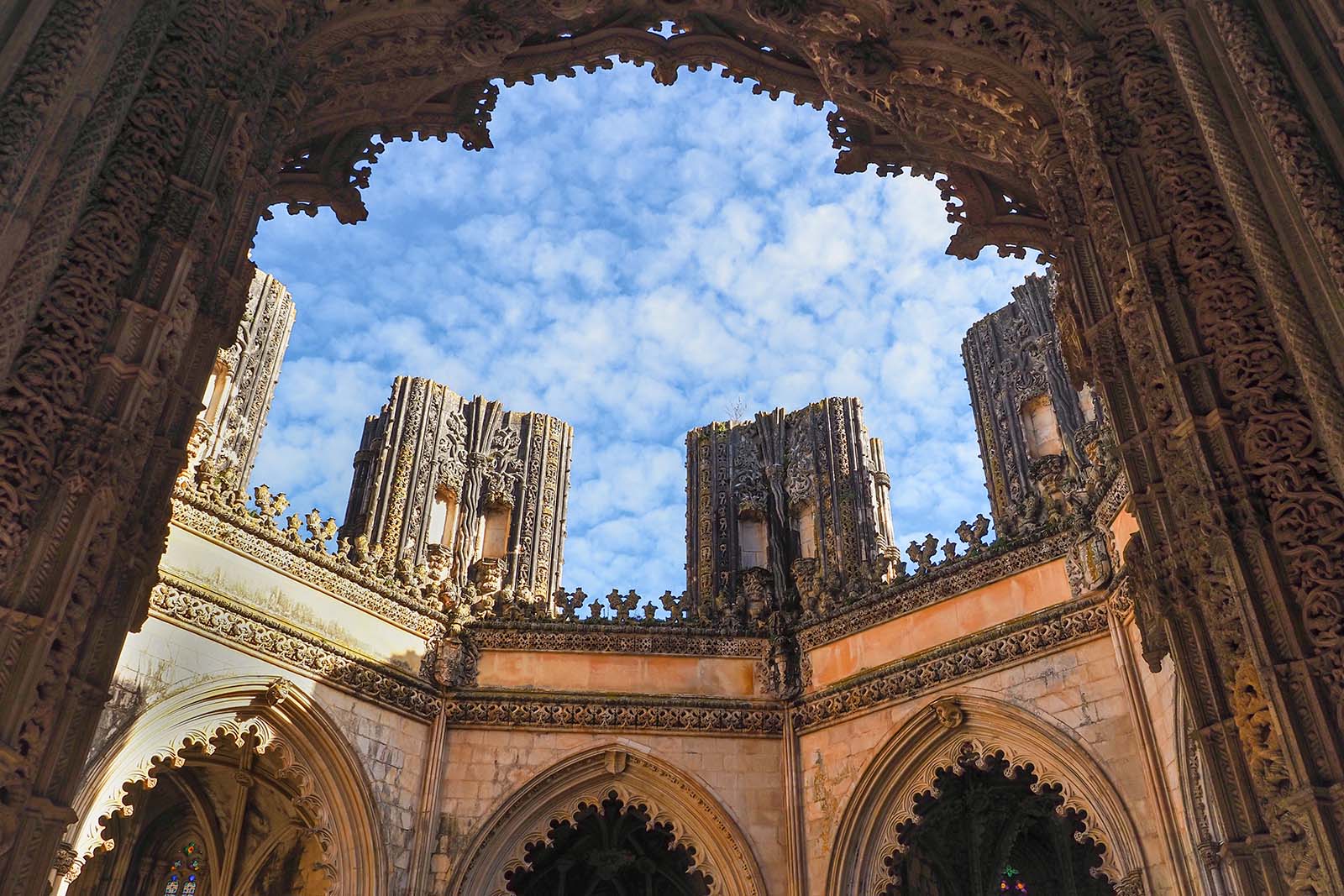
The dramatic Capelas Imperfeitas in Batalha Monastery © Shutterstock
Unforgettable Experiences in Batalha
While the UNESCO World Heritage monastery rightfully dominates visitors’ itineraries, Batalha and its surroundings offer diverse experiences that will enrich your Portugal adventure.
Step Into History at Mosteiro da Batalha
The Mosteiro de Santa Maria da Vitória stands as Portugal’s architectural masterpiece, commemorating the 1385 Battle of Aljubarrota where Portuguese forces secured national independence. This Gothic wonder reveals new marvels around every corner:
- The Founder’s Chapel housing the tombs of King João I and Queen Philippa
- The Royal Cloister showcasing Manueline stonework where sunlight creates ever-changing patterns
- The Unfinished Chapels – a dramatic open-air space housing ornate architecture left incomplete
- The Chapter House where medieval monks gathered for daily meetings
Pro Tip: Visit at opening time or late afternoon for optimal light and fewer crowds. Allow at least 2 hours to truly appreciate every detail.
A Journey Through the Capelas Imperfeitas
The Unfinished Chapels stand as Batalha’s most evocative space – a perfect example of the Manueline style frozen in time. Wander through these open-air chapels to experience:
- Dramatic carvings featuring maritime motifs celebrating Portugal’s Age of Discovery
- Intricate stonework spiral columns and naturalistic elements
- Perfect photo opportunities during golden hour when shadows emphasize textures
- The fascinating story behind construction halted in the 16th century
This atmospheric space often leaves visitors more impressed than the completed parts of the complex. Take time to admire the craftsmanship in this open-air architectural wonder.
Walk Through History at Aljubarrota Battlefield
Just 4km south of Batalha lies the Campo de São Jorge Interpretation Center, bringing Portugal’s decisive 1385 battle to life through:
- Interactive 3D battle reconstructions showing military tactics
- Life-sized dioramas of medieval soldiers and equipment
- Excavated remains from the battlefield
- Panoramic views across the actual battleground terrain
This immersive experience provides essential context for understanding why the monastery was constructed. Plan about 90 minutes to explore both indoor exhibits and outdoor areas.
Discover the Royal Tombs in Capela do Fundador
Within the monastery complex, the Founder’s Chapel houses the extraordinary burial site of Portugal’s most influential royal family:
- The joint tomb of King João I and Queen Philippa of Lancaster symbolizing the Anglo-Portuguese alliance
- Resting place of their famous sons including Henry the Navigator
- Elegant Gothic architecture flooded with natural light
- Unique carved details around marble tombs telling stories through stone
This sacred space demonstrates the sophisticated craftsmanship of medieval Portuguese stonemasons while offering insights into royal dynastic history.
Meandering Through Medieval Cloisters
Batalha’s cloisters offer peaceful retreats between historical explorations:
- The Royal Cloister: A Manueline masterpiece with elaborate carved arches
- King Afonso V’s cloister: A simpler Gothic space with beautiful symmetry
- Hidden garden spaces where monks once grew medicinal herbs
- Perfect opportunities for reflection and photography in changing light
Don’t rush your cloister visit – sit quietly at different times to watch sunlight transform the stonework throughout the day.
Understand Local Culture at MCCB Museum
Tucked away near the main square, the Museu da Comunidade Concelhia da Batalha reveals the region’s comprehensive history through:
- Prehistoric artifacts from early settlements
- Interactive displays explaining monastery construction techniques
- Original documents and sculptures from different historical periods
- Local craftsmanship exhibits including traditional tile work
This modern museum provides excellent context for the monastery visit and offers cooling respite on hot days. Plan about 45 minutes for your visit.
Discover Alcobaça’s Architectural Masterpiece
A short 25-minute drive leads to Alcobaça Monastery, another UNESCO site that perfectly complements Batalha’s architecture:
- Portugal’s first Gothic building with stunning architectural scale
- The heartbreaking tombs of King Pedro I and Inês de Castro
- Historic kitchens where monks fed thousands in medieval times
- Delicious convent sweets sold in nearby pastelerias
Combine both monasteries in one day to experience different aspects of Portugal’s religious and royal history. Stop for lunch in Alcobaça town to sample fresh seafood from the Atlantic coast.
Crafting Your Perfect Batalha Itinerary
One-Day Highlights Tour
- Morning: Mosteiro da Batalha (2 hours) with guided tour
- Late morning: Community Museum (45 minutes)
- Lunch: Traditional Portuguese cuisine in town square
- Afternoon: Aljubarrota Battlefield Center (1.5 hours)
- Evening: Sunset photography at Capelas Imperfeitas
Two-Day Immersion Itinerary
- Day 1: Deep exploration of monastery complex and nearby museums
- Day 2: Alcobaça Monastery visit and Nazaré coastal experience
- Evening: Stay at countryside quinta for authentic farm-to-table dinner
Family-Friendly Exploration
- Morning: Abbey highlights treasure hunt (ask for family activity sheets)
- Afternoon: Interactive exhibits at battle center followed by river walk
- Evening: Casual dining at family restaurants near town square
Making the Most of Your Batalha Visit
Best Seasons for Travel
- Spring (April-May): Pleasant weather with blooming wildflowers
- Fall (September-October): Warm days without summer crowds
- Winter: Special monastery illumination programs from November-February
Essential Travel Tips
- Comfortable footwear is essential for stone floors and uneven surfaces
- Photography permit required for professional equipment in monastery
- English-speaking guided tours available – book ahead for specialty history tours
- Combine tickets: Consider Centro de Portugal passes for multiple attractions
Accessibility Information
- Main monastery areas accessible via ramps
- Upper cloisters and some chapels require climbing steps
- Wheelchairs available for loan at entrance
- Tactile models available for visually impaired visitors
Local Culinary Experiences
- Try local specialty “Brisas do Lis” pastries
- Sample “Beira” style roast suckling pig
- Visit Regional Wine Center nearby for Dao verietals
- Friday farmers market for seasonal produce and artisanal cheeses
The Timeless Appeal of Batalha
More than just an architectural wonder, Batalha represents Portugal’s soul carved in stone. From the triumphant arches commemorating national independence to the serene cloisters echoing with medieval chants, this town captures the essence of Portuguese heritage. Whether you spend one day admiring the monastery’s stone lacework or several nights soaking in the peaceful countryside atmosphere, Batalha offers an authentic connection to Portugal’s glorious past.
As you stand where kings and explorers once walked, gazing up at stonework perfected over generations, you become part of a story that continues to unfold. Batalha reminds us that some creations – like the enduring beauty of Manueline architecture and Portugal’s national spirit – only grow more magnificent with time.
This blending of history, artistry, and modern hospitality makes Batalha not just a destination to visit, but an experience to carry in your heart long after your journey home. Let these ancient stones whisper their stories as you walk through 600 years of living history.
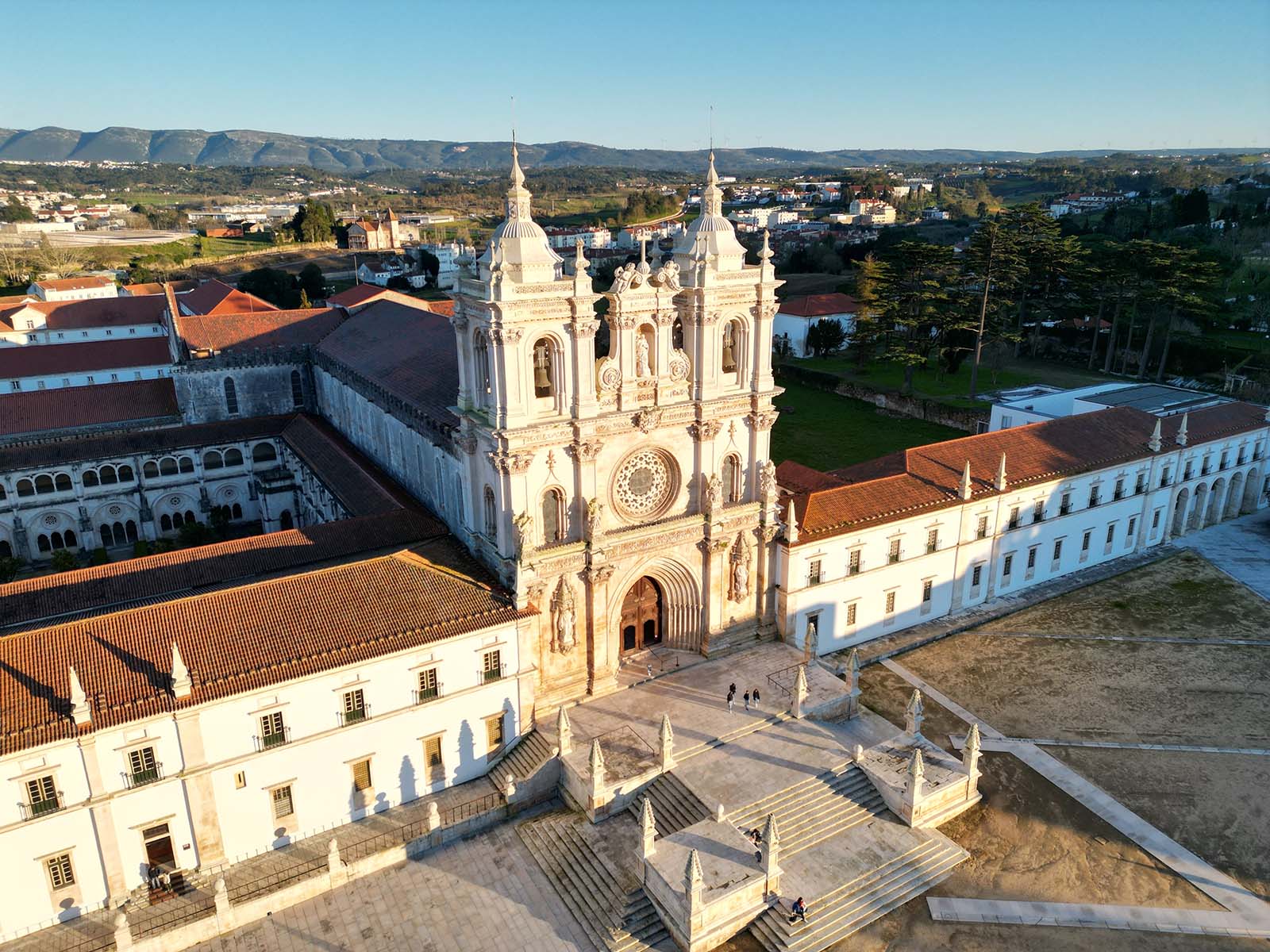
Catholic monastic complex located in the town of Alcobaça © Shutterstock
Discover Batalha and Beyond: 10 Captivating Experiences in Portugal’s Hidden Gem
Nestled in Portugal’s heartland, Batalha offers more than just its stunning monastery. This charming town serves as a gateway to spiritual journeys, coastal adventures, and cultural treasures that few travelers fully explore. Let’s uncover the rich tapestry of experiences waiting just beyond the abbey walls.
The Spiritual Journey to Fátima
Just a 20-minute drive from Batalha lies one of the world’s most significant spiritual destinations. Fátima’s story began in 1917 when three shepherd children reported extraordinary visions of the Virgin Mary. Today, the Sanctuary of Fátima welcomes millions of pilgrims annually to its expansive complex featuring two grand basilicas and the iconic Capelinha das Aparições (Chapel of Apparitions).
Even non-religious visitors find the atmosphere electric, especially during major pilgrimages on May 13th and October 13th. Imagine standing on the vast esplanade as thousands of faithful walk backward on their knees toward the chapel – a profound display of devotion that transcends religious boundaries. Pro tip: Visit early morning or late afternoon to avoid tour groups and experience the site’s spiritual essence.
Getting there couldn’t be easier – hop on a local bus from Batalha or take a quick taxi ride. Pair your visit with stops at the children’s homes in Aljustrel village and the Valinhos sanctuary for the full Fátima experience.
Nazaré: Where Tradition Meets Extreme Adventure
Half an hour west of Batalha, Nazaré presents two dramatically different faces of Portuguese coastal life. In the lower town, colorful fishing boats dot golden sands where sun-wrinkled fishermen mend their nets using techniques unchanged for generations. Head to the cliffs above Praia do Norte (North Beach) during winter months, and you’ll witness nature’s raw power as record-breaking waves attract thrill-seeking surfers from across the globe.
Don’t miss the clifftop Sítio neighborhood, accessible via a charming funicular ride. Here, panoramic ocean vistas unfold before you, punctuated by the hilltop Ermida da Memória chapel. Seafood lovers rejoice – family-run restaurants serve just-caught sardines, percebes (goose barnacles), and caldeirada (fish stew) with views that rival the cuisine. Time your visit for September’s Nossa Senhora da Nazaré festival when the town erupts in processions and traditional dancing.
Batalha’s Festivals: Living History Comes Alive
Batalha’s monastery square transforms into a vibrant stage during festivals. August’s Feira de Artesanato e Gastronomia fills the air with sizzling chouriço aromas as artisans display handcrafted ceramics, lacework, and leather goods. December brings magical Christmas markets where local children sing carols beneath the monastery’s Gothic arches.
For music lovers, abbey concerts offer once-in-a-lifetime acoustics. Imagine Gregorian chants echoing through the Founder’s Chapel or Bach’s organ works resonating through the Unfinished Chapels. Check with the tourism office for concerts programmed with the magnificent Batalha organ, a hidden musical treasure.
Smaller religious processions throughout the year reveal authentic Portuguese traditions – look for women wearing the distinctive seven-skirt costume of nearby Minde during Easter celebrations.
Batalha Through the Seasons: A Weather Guide for Perfect Timing
Batalha enjoys a mild coastal climate with distinct seasonal charms. Here’s how to match your travel style with perfect weather conditions:
Spring Blooms and Mild Adventures (March-May)
As almond blossoms paint the countryside white, spring emerges as prime time for explorers. Daytime temperatures climb from 16°C (61°F) in March to comfortable 23°C (73°F) by May. Gentle rains keep landscapes emerald green – perfect for photography around the monastery’s intricate stonework. Pack a light waterproof jacket for occasional showers.
This season shines for:
- Hiking the Pinhal de Leiria forest trails
- Visiting nearby cherry orchards in full bloom
- Enjoying Nazaré’s beaches before summer crowds arrive
Sun-Drenched Summers (June-August)
Warm 28°C (82°F) days draw Portuguese families to enjoy the monastery’s cool cloisters before heading to Nazaré’s beaches. While August sees peak crowds, early mornings and evenings remain magical. Don’t miss alfresco dining in the abbey square – the nightly illumination transforms the Gothic facade into a golden masterpiece.
Summer highlights include:
- Cool Atlantic swims at São Martinho do Porto’s shell-shaped bay
- Wine tasting at Óbidos’ medieval festival
- Starry-night monastery tours (check for special summer openings)
Autumn’s Golden Hues (September-November)
September offers summer warmth without crowds, perfect for wine enthusiasts chasing the grape harvest through nearby Alcobaça vineyards. As temperatures dip from 25°C (77°F) to 13°C (55°F) by November, mushroom foragers emerge in the Serra de Aire hills. This is prime time for photographers – morning mists clinging to the monastery create ethereal scenes.
Serene Winter Visits (December-February)
With daytime highs around 13°C (55°C), winter reveals Batalha’s contemplative soul. Rainy days create moody atmospheres inside the monastery’s chapels, while crisp sunny days make the limestone exterior glow. Enjoy cozy lunches of hearty regional stews before having the cloisters practically to yourself.
Winter rewards visitors with:
- Intimate accommodation rates (€50-€70/night)
- Festive Christmas decorations throughout town
- Storm-watching at Nazaré’s famous North Beach
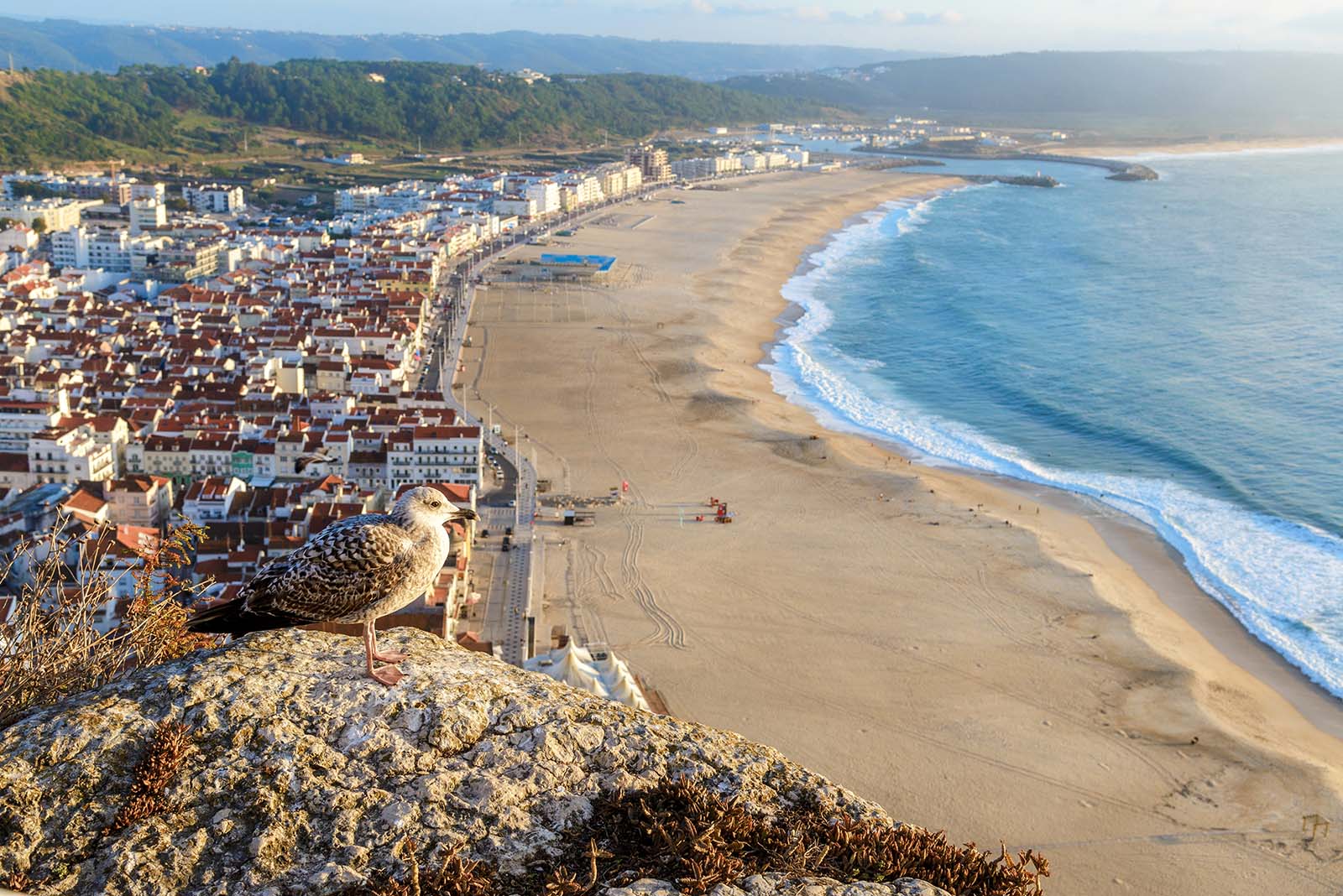
Aerial view of Nazare city and Praia da Nazare Beach, Portugal © Shutterstock
Savoring Batalha: A Food Lover’s Guide to Authentic Flavors
Batalha’s culinary scene reflects Portugal’s soul – hearty, historic, and beautifully unpretentious. Family-run taverns surround the monastery, serving recipes perfected over generations. Let your nose guide you to restaurants where charcoal grills scent the air with roasting meats.
Must-Try Regional Dishes
- Bacalhau à Brás: Portugal’s beloved salted cod mingled with crispy potato threads and silken eggs
- Leitão da Bairrada: Suckling pig slow-roasted to crackling perfection
- Queijo da Serra: Creamy sheep’s milk cheese from nearby mountains
- Ovos Moles de Alcobaça: Delicate egg-yolk sweets created centuries ago by nuns
- Pão de Ló: Sponge cake so airy it practically floats off the plate
Top Dining Spots Near the Monastery
Restaurante Mosteiro do Leitão: The name says it all – this legendary spot specializes in leitão (suckling pig). Their secret? Wood-fired roasting that creates skin like amber glass.
Tribuna do Mosteiro: Closest eatery to the abbey with terrace views. Try their bacalhau com broa (cod with cornbread crust) paired with local Dão wines.
Café Fábrica dos Pasteis: For coffee breaks, this beloved pastry shop serves divine pastéis de nata alongside local variants using monastery recipes.
Mercado Municipal: Morning food market where farmers sell smoky chouriço, fat olives, and the sweetest arbutus berries (medronho).
Creating Your Perfect Batalha Itinerary
With so much within easy reach, here’s how to craft memorable day trips from Batalha:
History Buff’s Day: Morning at Batalha Monastery → Lunch in Alcobaça → Afternoon exploring Alcobaça Monastery → Evening wine tasting at nearby vineyards
Coastal Escape: Morning in Batalha → Fish market lunch in Nazaré → Afternoon beach time → Sunset from Sítio clifftop → Seafood dinner by the waves
Pilgrim’s Journey: Early visit to Fátima sanctuary → Lunch in Aljustrel village → Afternoon at Batalha Monastery → Evening reflection in Capelas Imperfeitas
Beyond the Beaten Path: Hidden Gems Near Batalha
Grutas da Moeda: Fascinating limestone caves just 15 minutes north, with guided tours through subterranean chambers.
Castle of Porto de Mós: A fairytale fortress with green-towered roofs offering panoramic views over the Leiria plains.
River Beach of Pia do Urso: Crystal-clear swimming holes near a charming bear-themed village (yes, really!).
Dinosaur Footprints: The Serra de Aire Natural Park preserves 175-million-year-old sauropod tracks – a Jurassic adventure kids adore.
Making Memories That Last
Batalha rewards travelers who linger beyond the monastery. Whether you’re tracing a pilgrim’s path to Fátima, watching daredevil surfers conquer Nazaré’s giants, or savoring convent sweets where monks once baked, these experiences weave together Portugal’s rich tapestry of faith, history, and joie de vivre.
Pack comfortable shoes for cobblestone streets, bring an appetite for culinary discoveries, and leave space in your itinerary for unexpected encounters. That elderly gentleman who shows you hidden abbey details? The fisherwoman sharing tales of Nazaré’s giant waves? These authentic moments become the truest souvenirs from Portugal’s heartland.
Understanding Chouriço: Portugal’s Cherished Cured Sausage
A Brief History of an Iconic Sausage
Picture yourself in a Portuguese marketplace, where the rich aroma of smoked meats mingles with salty sea air. Among the vibrant food stalls, one star shines brighter than others – chouriço. This cured sausage represents more than just sustenance; it’s an edible artifact of Portugal’s soul. Born from preservation traditions yet elevated to culinary art, chouriço carries the essence of Portuguese identity in every bite.
Crafting Tradition: How Chouriço Comes to Life
The chouriço-making process unfolds like a seasonal ritual across Portugal’s villages. Master charcutiers start with premium cuts of porco preto pork from acorn-fed Iberian pigs, adding just enough fat for that signature melt-in-your-mouth texture. The magic happens when generous paprika blends incorporate – sweet pimentão doce for warm notes, fiery pimenta picante for bold punches, and smoked colorau for earthy depth.
Traditional preparation follows time-honored steps:
- Meat selection and careful trimming
- Spice blending tailored to regional preferences
- Natural casing stuffing ensuring perfect texture
- Air-curing in cellars or smokehouses to develop complex flavors
Regional Varieties: A Flavorful Map of Portugal
Northern Stars
In Trás-os-Montes’ rugged landscapes, Chouriço de Melgaço stands out with its protected designation of origin status. These plump sausages embody the region’s microclimate in their dense texture and intense spice profile, often enjoyed with the area’s robust red wines.
Central Portugal’s Treasure
The Beira region crafts Chouriço de Carne with exceptional finesse – leaner than northern versions but packed with smoky depth from colorau paprika. Locals prize these smoked over oak for winter charcuterie boards.
The Southern Difference
Alentejo’s Chouriço Moura emerges with surprising elegance. Garlic-forward and gently spiced, these sausages reflect the region’s Moorish influences, often appearing in seafood stews for contrast.
Culinary Captain: Chouriço in Portuguese Cuisine
Beyond the Charcuterie Board
While delicious sliced thin with crusty bread, chouriço truly shines when heat releases its fragrant oils. Try these authentic preparations:
- Feijoada à Transmontana: Hearty bean stew simmered with various chouriços
- Caldo Verde Reinvented: Add sliced chouriço to Portugal’s iconic kale soup
- Chouriço Assado: A communal delight roasted in clay dishes with flaming aguardente (brandy)
- Arroz de Pato: Duck rice elevated with crumbled chouriço
Modern Interpretations
Contemporary Portuguese chefs transform traditional recipes with chouriço:
- Chouriço foam garnishing scallop crudos
- Infused oils drizzled over açorda bread stew with poached egg
- Deconstructed bifana sandwiches with crispy chouriço chips
Beyond Borders: Chouriço’s Global Cousins
Portugal’s colonial past spread chouriço worldwide, creating fascinating variations:
- Goan Chouriço: Indian-Portuguese fusion spiced with clove and cinnamon
- Brazilian Chouriço: Adapted to tropical climates with palm fat instead of pork
- Cape Verde Chorizo: Influenced by African pepper blends
Sourcing Authentic Chouriço
Portugal’s Best Charcuteries
- Mercado da Ribeira (Lisbon): Time-honored butchers offering dozens of varieties
- Loja dos Chouriços (Vinhais): Northern Portugal’s chouriço paradise
- Presuntaria Dom Dinis (Coimbra): University town’s premium cured meat destination
Selecting Exceptional Chouriço
Use these tips when choosing:
- Firm exterior with slight give indicates proper curing
- Rich red (not artificial) color shows quality paprika use
- Aroma should mix smoke and spice with freshness
- Protected designation labels guarantee origin (DOP/IGP)
Pairing Perfection: Unlocking Flavors
Wine Companions
- Robust Reds: Alentejo’s Alicante Bouschet cuts through fat
- Zesty Whites: Vinho Verde brightens spicy versions
- Dessert Matches: Porto’s Late Bottled Vintage complements smoked varieties
Unexpected Pairings
Break tradition with these finds:
- IPA craft beers balancing the spice
- Azorean passionfruit loves chouriço’s smokiness
- Dark chocolate with bacon-wrapped chouriço bites
Preserving the Legacy
As artisanal food faces industrial competition, preservation efforts grow stronger. Portugal now protects over 20 regional chouriço varieties through DOP/IGP certifications. Young chefs collaborate with aging producers through projects like “Charcuterie Heritage Initiative,” while food festivals across the country celebrate this edible heritage every harvest season.
The Traveler’s Guide to Chouriço
Essential Experiences
- Chouriço Festivals: Vinhais’ Fumeiro Festival (January) features hundreds of varieties
- Smokehouse Visits: Witness traditional curing in Góis village
- Cooking Classes: Learn chouriço recipes from Alentejo grandmas
Bringing It Home
Never transport chouriço in checked luggage due to high-fat content! Instead:
- Vacuum-sealed at reputable shops
- Labeled for customs (US allows up to 5 pounds)
- Store at 55-75°F with air circulation


🌟 The Travaloca Travel Editors Community is a dynamic collective of individuals united by their passion for travel and their dedication to high-quality content creation. This community serves as the driving force behind Travaloca's informative and engaging travel resources. ✨ Core Identity: This group consists primarily of passionate travel enthusiasts who have turned their love for exploration into a commitment to writing and content curation. Members are recognized for their: Extensive Travel Experience: Possessing valuable firsthand knowledge from their journeys worldwide. Aptitude for Writing and Editing: Demonstrating a keen interest and skill in crafting, reviewing, and perfecting travel narratives, guides, tips, and reviews. Dedication to Storytelling: Transforming personal experiences and destination knowledge into accessible, inspiring, and reliable information for a global audience. 📝 Community Focus: The community’s primary role is to contribute, edit, and maintain the diverse range of content on Travaloca's platform. They ensure the information provided is accurate, engaging, and reflective of current travel trends. In essence, the Travaloca Travel Editors Community is where travel passion meets editorial excellence, enriching the user experience and solidifying Travaloca’s standing as a trusted travel resource.


