

Discover Belém: Lisbon’s Historic Gem by the River
As the golden light reflects off the Tagus River, Lisbon’s Belém district whispers tales of Portugal’s Age of Discovery. This waterside neighborhood isn’t just a stop on your Lisbon itinerary – it’s a journey through six centuries of history, culture, and culinary magic. Let’s explore why this UNESCO-listed treasure deserves your undivided attention.
1. Padrão dos Descobrimentos: Where History Reaches Skyward
Your Belém adventure begins at the Monument to the Discoveries, a striking ship-shaped tribute to Portugal’s legendary explorers. The 52-meter limestone giant portrays Henry the Navigator leading 32 key figures from Portugal’s maritime golden age. Don’t just admire it from below – take the elevator to the rooftop observation deck where the river unfolds like a liquid map of history.
2. Belém Tower: Lisbon’s Stone Guardian
Just five minutes west along the riverbank, Belém Tower rises from the water like a chess piece forgotten by giants. Built between 1514-1520 to guard Lisbon’s harbor, this Manueline masterpiece combines fortress practicality with delicate stonework. Notice the carving of a rhinoceros – the first in European art – commemorating an exotic gift to King Manuel I.

Belem Tower @ Shutterstock
3. Jerónimos Monastery: A Stone Prayer to Exploration
UNESCO-protected Jerónimos Monastery will make you forget everything you knew about stonework. Its impossibly intricate façade tells the story of Portugal’s voyages through carved ropes, sea monsters, and exotic flora. Vasco da Gama prayed here before sailing to India, and his tomb now rests in the church. The cloisters will leave you breathless – each column uniquely carved with maritime motifs.
4. MAAT: Where Future Meets Past
The Museum of Art, Architecture and Technology provides the perfect contemporary counterpoint to Belém’s historical treasures. This wave-like structure by Amanda Levete seems to rise from the Tagus itself. Walk across its rooftop pathway for panoramic river views before exploring exhibitions that challenge perceptions of space and form.

MAAT Museum Lisbon @ Shutterstock
5. Naval Museum: Voyages Through Time
Tucked within Jerónimos Monastery’s western wing, the Naval Museum houses an extraordinary collection that spans five centuries of seafaring history. From Vasco da Gama’s navigation charts to the queen’s early 20th-century recreational yacht, this treasure trove reveals Portugal’s deep connection with the sea.
6. Ajuda Palace: The Royal Dream Left Unfinished
Perched above Belém in the Ajuda neighborhood stands Portugal’s last royal residence. Construction began in 1802, but Napoleon’s invasion forced the royal family to flee to Brazil, leaving this palace incomplete. Yet what remains dazzles visitors with polar bear skin rugs, shimmering crystal chandeliers, and a throne room that echoes with whispers of lost royalty.
7. Jardim Botânico da Ajuda: Nature’s Time Capsule
Step through the iron gates opposite Ajuda Palace into Lisbon’s first botanical garden. Created in 1768 as a royal pleasure garden, this tranquil oasis features geometric parterres, exotic specimens from Portugal’s former colonies, and sweeping views over Belém. Listen closely and you might hear the rustle of 18th-century courtiers’ silks.

Jerónimos Monastery @ Shutterstock
8. Museu de Arte Popular: Portugal’s Living Memory
This hidden gem reveals Portugal’s soul through vibrant folk art. Marvel at intricate embroidery from the Minho region, whimsical carnival masks, and ceramic pieces that blur the line between function and art. The museum’s 1940s art deco interior provides the perfect setting for these expressions of cultural identity.
9. Pastéis de Belém: Where Heaven Meets the Palate
Follow the tantalizing aroma to the blue-and-white tiled window where monks’ secret recipe becomes pastry perfection. Since 1837, Pastéis de Belém has baked Lisbon’s most iconic treat – the pastel de nata. Join the queue outside (it moves surprisingly fast) then savor your warm custard tart with a sprinkle of cinnamon. The perfect balance of crisp pastry and velvety custard will make you understand why Portuguese poets wrote sonnets to these treats.

Belém Pastries @ Shutterstock
Where to Eat in Belém: Beyond the Custard Tarts
While Belém may not be Lisbon’s culinary epicenter, this historic neighborhood offers delicious surprises between monastery visits and museum tours. From time-honored taverns to innovative eateries, discover flavors that pair perfectly with your exploration of Portugal’s golden age.
Pastéis de Belém: The Sweet Heart of Portugal
No visit to Belém is complete without experiencing the original pastel de nata. Unlike the versions you’ll find elsewhere in Lisbon, these tarts boast a flakier crust and creamier filling according to the 1837 monastic recipe. Insider tip: head through the takeaway queue into the sprawling tile-covered dining rooms for table service and perfectly pulled espresso.
Belém 2 a 8: Reinventing Portuguese Classics
Just steps from Jerónimos Monastery, this contemporary restaurant surprises with creative twists on traditional fare. Savor octopus with sweet potato mousse or pork cheeks slow-cooked in regional red wine. Their thoughtful wine pairings and unhurried service provide welcome respite from tourist crowds.
O Prado: Farm-to-Table Philosophy
A short walk towards the river brings you to this celebration of Portugal’s terroir. The seasonal menu sings with fresh ingredients – perhaps grilled sardines with lemon zest, or roasted squash with herbs from the nearby hills. Paired with natural wines from small producers, it’s modern Portuguese dining at its finest.
Pão Pão Queijo Queijo: The People’s Kitchen
True to its name (“Bread Cheese, Bread Cheese”), this bustling spot serves satisfying comfort food. Generous sandwiches piled with local charcuterie share menu space with sizzling kebabs and daily specials. Grab a sidewalk table and watch local life unfold while refueling after museum-hopping.
Taberna dos Ferreiros: Homestyle Cooking
This rustic tavern tucked away on a quiet street serves generous portions of Portuguese soul food. Their bacalhau com natas (codfish baked with cream) and octopus rice could coax tears of joy from the sternest food critic. With checkered tablecloths and a warm welcome, it feels like dining in a Portuguese grandmother’s kitchen.
Darwin’s Café: Riverside Sophistication
Housed in the Champalimaud Foundation’s futuristic complex, this sleek café pairs contemporary design with extraordinary riverside views. While prices run higher than nearby options, dishes like seafood risotto and Portuguese black pork justify the splurge. Time your visit for sunset when the Tagus transforms into liquid gold.
Making the Most of Your Belém Experience
Belém’s attractions stretch along a compact riverside area, making exploration pleasantly walkable. Beat the crowds with these insider tips:
Best Time to Visit: Morning offers cooler temperatures and thinner crowds, particularly at Jerónimos Monastery and Belém Tower.
Combined Tickets: Save time and money with combination tickets covering major monuments (Belém Tower + Jerónimos Monastery).
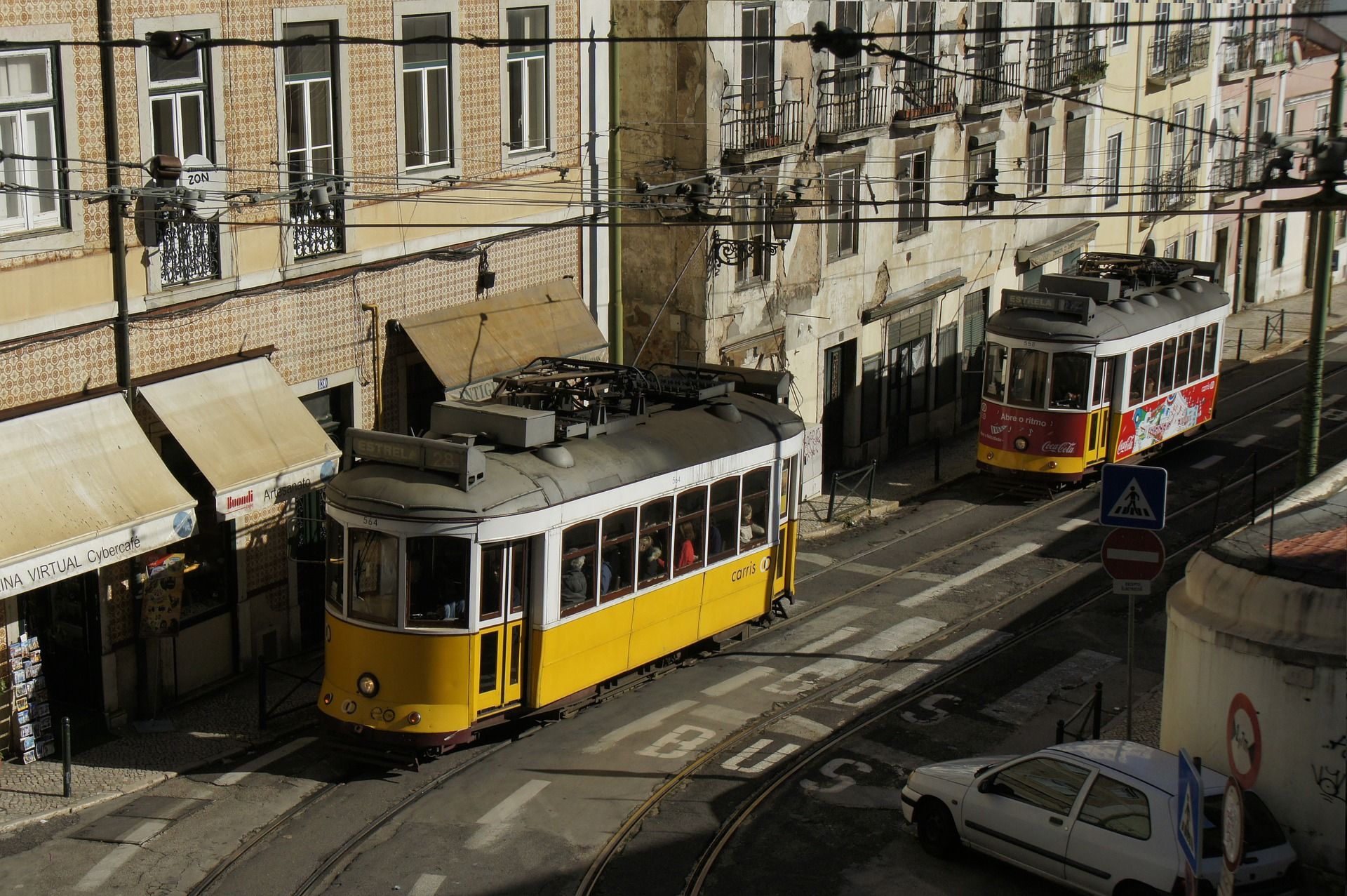
Transportation: Tram 15 connects Belém to central Lisbon in 20 minutes. Consider bike rentals along the riverfront for leisurely exploration.
Special Events: Visit during June’s Santo António festivities when the riverside comes alive with music and grilled sardine aromas.
A Living Monument to Portugal’s Spirit
Belém isn’t merely a collection of historic buildings – it’s where Portugal’s adventurous heart still beats strongest. Whether tracing your fingers over 500-year-old stonework, savoring that first bite of warm custard tart, or watching sailboats trace paths once taken by caravels, you’re participating in a living history. Every corner holds stories of empire-building ambition, artistic genius, and culinary tradition perfected over generations.
As the evening light gilds monastery spires and trams rattle back toward Lisbon’s center, you’ll understand why visitors return to Belém time after time. This riverside enclave preserves not just monuments, but the essence of what shaped Portugal – and through its discoveries, our modern world.


