Braga: The Soul of Northern Portugal
Braga isn’t just a city – it’s an experience. As Portugal’s spiritual heartland, its streets hum with centuries of devotion and traditions that remain vibrant today. But to label Braga merely as a destination for religious history would be overlooking its youthful energy, culinary delights, and surprising modern edge. This is where ancient granite walls meet university students sipping espresso in sun-dappled plazas.
Braga began as a Celtic settlement long before Roman legions stamped their mark upon this land. Imagine standing where Emperor Augustus once built roads and temples, in what became one of the Roman Empire’s most important regional capitals. Through invasions by Moors and the eventual Christian reconquest, Braga emerged not just surviving but thriving as a seat of ecclesiastical power. By Portugal’s independence in the 12th century, Braga’s archbishops already rivalled kings in influence.
That legacy shapes everything you’ll encounter. From the Archbishop’s Palace – a city-within-a-city sprawling across entire blocks – to the hypnotic chants during Holy Week processions, faith pulses through Braga’s veins. Yet look beyond the church facades and you’ll discover verdant gardens bursting with camelias, innovative Minho cuisine reimagining tradition, and lively bars pouring poncha until the early hours.
Finding Braga on Portugal’s Cultural Map
Nestled in Portugal’s lush Minho province, Braga enjoys a privileged location where vineyard-clad hills meet rushing rivers. The city lies 55 km northeast of Porto – close enough for day trips but distinct in character. While Porto charms with its Douro vistas and port wine lodges, Braga offers deeper historical layers and a calmer pace. Lisbon sits 365 km south, making Braga an ideal starting point for exploring northern Portugal’s hidden valleys and coastal wonders.
What surprises many visitors is Braga’s role as a regional crossroads:
- The Birthplace Nation: Just 25 minutes away, Guimarães’ medieval castle marks where Portugal’s first king established his kingdom
- Vinho Verde Country: Nearby Amarante beckons with crisp young wines and romantic riverfront dining
- Wilderness Escape: Peneda-Gerês National Park’s waterfalls and wolf habitats lie within an hour’s drive
- Textile Traditions The surrounding valleys still produce exquisite linen and embroidery found nowhere else
Navigating Braga Like a Local
First-time visitors often worry about transportation – but exploring Braga is delightfully straightforward. The compact historic center rewards slow wandering, while efficient transit connects outer attractions. Here’s how to move effortlessly during your Portuguese adventure:
The Joy of Walking
Central Braga was made for pedestrians. Within minutes you can stroll from the Sé Cathedral’s Gothic arches to the Arco da Porta Nova, a ceremonial gate marking the old city walls. Invest in comfortable shoes as cobblestones can be uneven, but wandering these human-scale streets reveals hidden courtyards and family-run pastry shops no tour bus could access.
Public Transport Secrets
Braga’s bus network is clean, affordable, and remarkably punctual. Don’t miss:
- Bus #2: Connects downtown (Avenida da Liberdade) with Bom Jesus do Monte
- Bus #50: Reaches Sameiro Sanctuary’s panoramic viewpoints
- Night Owl Buses: Special Friday/Saturday night routes serving university districts
When to Consider Taxis
While Braga is walkable, ride-sharing apps prove invaluable for:
- Hilltop Sunsets: Uber to Bom Jesus costs under €5 – saves climbing 600 steps!
- Market Mornings: Direct rides to Mercado Municipal with armloads of local cheese and bread
- Rainy Days: Porch-to-portico service during surprise Minho showers
Crafting Your Perfect Braga Itinerary
So how long does one need to truly experience Braga? Seasoned travelers recommend these time frames:
The 24-Hour Blitz
If you’re squeezing Braga between Porto and Guimarães:
- Morning: Sé Cathedral + Treasury (allow 90 minutes)
- Lunch: Petiscos (tapas) at Taberna Belga
- Afternoon: Funicular ride to Bom Jesus + gardens
- Evening: Sunset drinks at Miradouro do Picoto
The Weekend Immersion
To appreciate Braga’s rhythm:
- Day 1: Historic core + Santa Barbara Garden + evening fado
- Day 2: Bom Jesus pilgrimage route + Sameiro Sanctuary
- Bonus: Tibães Monastery’s hidden cloisters (open weekdays only)
The Deep Dive (4+ Days)
For travelers using Braga as a northern base:
- Day Trips: Guimarães Castle + Ducal Palace
- Culinary Classes: Learn caldo verde soup and bacalhau preparation
- Festivals: Time visits for São João (June) or Braga Romana (May)
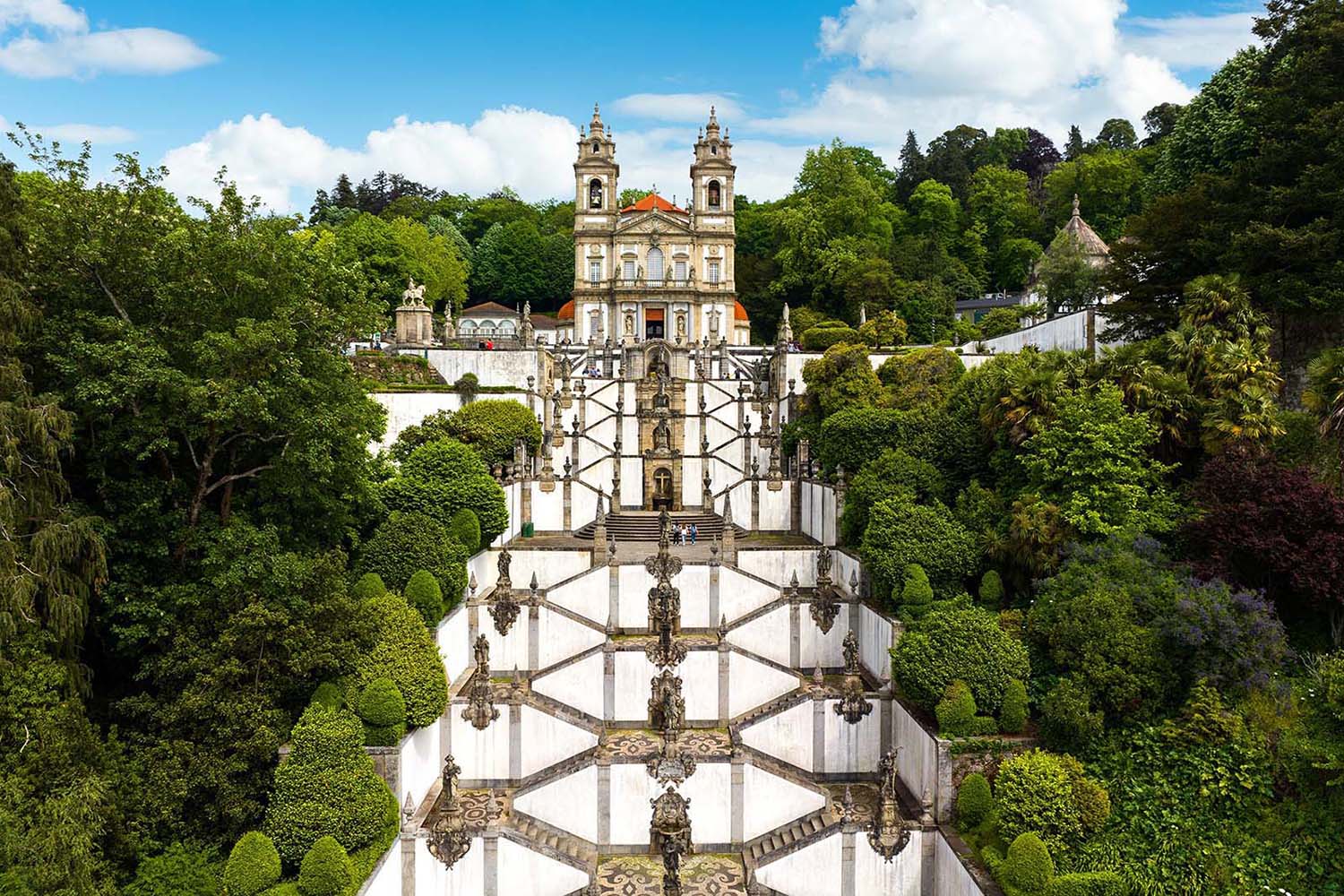
View of the Sanctuary of Bom Jesus do Monte in Braga, Portugal © Shutterstock
Neighborhood Guide: Where to Rest Your Head
Choosing your base transforms your Braga experience. Each district offers distinct flavors:
The Beating Heart: Historic Center
Best for: First-time visitors, nightlife lovers, photography enthusiasts
Vibe: Mornings start with church bells echoing through UNESCO-listed streets
Where to book:
• Hotel D. Sofia – 18th-century palace turned boutique hotel
• Sé Guesthouse – Rooftop terrace views of the cathedral
Pro Tip: Request rooms facing interior courtyards to minimize midnight revelry noise
Hilltop Heaven: Bom Jesus Area
Best for: Couples, nature lovers, pilgrims
Vibe: Misty mornings dissolve into golden afternoons over Braga’s rooftops
Where to book:
• Hotel do Elevador – Adjacent to the funicular with art nouveau charm
• Casa do Bosque – Forest-view rooms with freestanding tubs
Pro Tip: Pack warmer layers – hilltop temperatures drop noticeably at night
Modern Convenience: Avenida da Liberdade
Best for: Families, shoppers, road-trippers
Vibe: Broad sidewalks ideal for strollers amid 19th-century architecture
Where to book:
• Mercure Braga Centro – Family suites with kitchenettes
• Ibis Budget Braga Centro – Economical option near train links
Pro Tip: Perfect base if continuing to Santiago de Compostela via train
Rural Escapes: Beyond City Limits
Best for: Slow travelers, wine lovers, hiking enthusiasts
Vibe: Waking to rooster crows in vineyard-draped valleys
Where to book:
• Casa do Outeiro – 300-year-old granite manor with modern spa
• Quinta de Lourosa – Organic farm stay with cooking classes
Pro Tip: Rent a car to reach rural properties and explore Minho hinterlands freely
Braga’s Living Legacy
More than any monument, what defines Braga is its ability to balance reverence with revelry. This is a city where seminary students debate theology in the same cafés hosting avant-garde poetry slams. Where Friday night fish fries at Tasquinha do Suldeste spill onto streets once marched by Roman legions.
To visit Braga is to witness Portugal’s soul laid bare – not frozen in amber, but continually evolving. From the baroque splendor of Bom Jesus’ zigzagging staircases to the digital nomads transforming old convents into co-working spaces, Braga invites you to discover layers beyond the sacred surface. One taste of its famous pudim abbade de priscos (spiked egg custard) and you’ll understand why even saints might have indulged their earthly cravings here.
Discovering Braga: Portugal’s Sacred City With Surprising Soul
When travelers think of Portugal’s north, Porto often takes center stage. But nestled among the rolling hills lies a city that pulses with layered history and youthful energy – Braga. Known as Portugal’s religious capital for its concentration of churches and spiritual landmarks, this ancient city reveals itself slowly to those willing to look beyond its famous spires. From Roman foundations to baroque masterpieces, student-filled plazas to hilltop sanctuaries, Braga offers an irresistible mix of eternal devotion and contemporary vitality that deserves more than just a daytrip.
The Spiritual Heartbeat: Braga Cathedral
No visit to Braga feels complete without walking through the imposing doors of its Sé Cathedral. As Portugal’s oldest cathedral dating back to the 12th century, this is where the city’s religious journey began. What many first-time visitors don’t realize is that this isn’t just one architectural style frozen in time – it’s a living timeline of Portuguese history. Romanesque arches melt into Gothic vaults, Manueline flourishes intertwine with baroque gold leaf.
First-time visitors should make a beeline for three treasures: The Treasury Museum’s jewel-encrusted religious artifacts that could rival royal collections, the surprisingly moving tombs of Portugal’s first kings in the Gothic chapels, and the famous double pipe organs – their gilt woodwork shimmering like liquid gold when sunlight streams through the clerestory windows. Arrive right at opening time to enjoy the play of morning light through the rose window without the crowds. And that quiet courtyard you’ll discover after navigating the maze of side chapels? That’s your perfect moment for reflection amidst 900 years of history.
A Heavenly Ascent: Bom Jesus do Monte
You’ve probably seen the postcard-perfect photos, but nothing prepares you for the first glimpse of Bom Jesus do Monte’s epic stairway rising through the forest. This isn’t just a staircase – it’s a baroque theatrical production carved in granite, with water features as special effects and sculptures as its cast. Each of the 577 steps reveals new symbolic surprises as you ascend through three sections representing the Stations of the Cross, the Five Senses, and the Three Virtues.
Locals will tell you the best pilgrimage is made at dawn, when mist clings to the woods and birdsong accompanies your climb. When you finally reach the church plaza, that first panoramic view across Braga’s terracotta rooftops to the distant mountains feels earned. Don’t miss the elegant funicular, its water-powered counterbalance system a marvel of 19th-century engineering. Insider tip: The terrace cafe makes exceptional pastéis de nata, perfect for rewarding your climb-with panoramic views as your dessert.
The Quiet Majesty of Sameiro Sanctuary
While Bom Jesus gets the crowds, savvy travelers proceed further up the mountain to Sameiro Sanctuary. Built in the late 19th century as Portugal’s answer to Lourdes, this marbled tribute to the Virgin Mary offers something Bom Jesus can’t – breathing room. The vast esplanade before the basilica gives you space to take in sweeping views across the Minho Valley, with the peaks of Peneda-Gerês National Park forming a dramatic horizon on clear days.
Come at golden hour when the setting sun sets the white marble facade ablaze in warm hues, then stay as twilight transforms the landscape into a constellation of village lights. The romantic 3km walking path connecting Sameiro to Bom Jesus through pine-scented woods makes for a perfect afternoon stroll. This less-visited sanctuary often hosts local weddings on weekends – if you’re lucky enough to witness one, you’ll see Braga’s living traditions in their most joyous form.
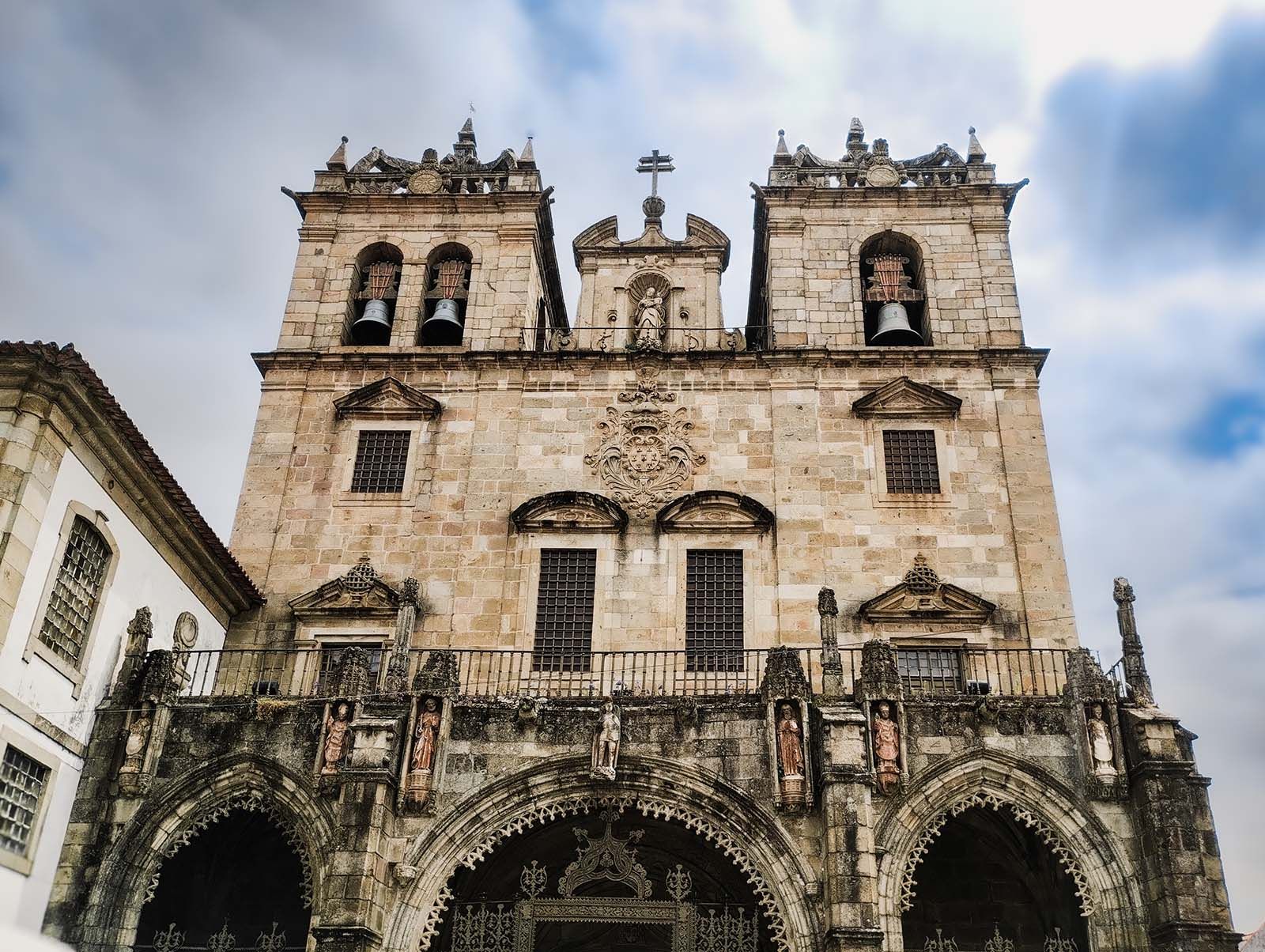
Facade of the First Cathedral Built in Portugal © Shutterstock
Where Locals Gather: Praça da República
After all that spiritual wonder, dive into Braga’s beating secular heart at Praça da República. Nicknamed “Arcada” for its graceful stone arches, this plaza captures the city’s dual personality – ancient structures framing lively modern energy. Join university students sipping bicas (Portuguese espresso) at Café Vianna, where discussions about archaeology exams mingle with plans for tonight’s fado bar crawl.
Three essential experiences await around the square: First, hunt for traditional clay figures at the Saturday craft market under the arches. Second, follow the scent of freshly baked broa de milho (cornbread) to the nearby Confeitaria do Pão shopping arcade. Finally, as evening falls, claim a spot at one of the outdoor tables to witness the light show – street lamps glowing on trickling fountains and 18th-century buildings awash in golden illumination.
Time Travel at Biscainhos Museum
The blue-tiled facade of Palace Biscainhos barely hints at the time capsule hidden within. Step through its carved wooden doors and be transported to Braga’s 18th-century aristocratic heyday. Unlike some stuffy historic homes, this museum vibrates with life – you’ll half-expect to hear rustling silk gowns on the grand staircase.
Two highlights compete for attention: the ballroom ceiling’s trompe-l’oeil sky complete with floating cherubs, and the secret garden where lemon trees frame burbling fountains. Don’t miss the unusual collection of Roman board games excavated from Braga’s Roman ruins – a reminder that leisure time has always been precious. Visitor tip: Check the museum calendar for summer classical concerts in the garden, where baroque music drifts through the pergolas as fireflies emerge.
Tibães Monastery: Hidden Powerhouse
A short bus ride reveals what guidebooks often overlook – the sprawling complex of Tibães Monastery. As the former headquarters of Portugal’s Benedictine monks, this site radiates quiet authority. While the church’s gilded altar shines bright enough to rival Lisbon’s Jerónimos Monastery, the real magic lies behind the scenes.
Wander through the monks’ pharmacy with its painted herb cabinets, stand still in the hollow acoustics of the empty chapter house, then escape to the forest trails behind the vegetable gardens. Unlike other monasteries, Tibães actively connects visitors to the land – join the seasonal olive harvest or forage for wild herbs with a resident expert to truly understand monastic life.
Braga’s Living Churches
With over thirty churches packed into its medieval center, Braga could overwhelm even the most devoted architecture lover. Instead of checking off a list, seek out these special spiritual experiences:
– Santa Cruz Church: Its facade writhes with intricate baroque carvings – look for grapevines swallowing saints and cheeky angel faces peeking from stone foliage.
– Capela dos Coimbras: Tucked down an unassuming alley, its Manueline window frames a surprise interior glowing with 16th-century golden tiles.
– São Victor Church: Visit at noon when sunlight streams through its unusual bottle-glass windows, projecting rainbow patterns across the altar.
The true magic? These aren’t museum pieces – you’ll likely share space with locals lighting candles for births and anniversaries, keeping ancient traditions vibrantly alive.
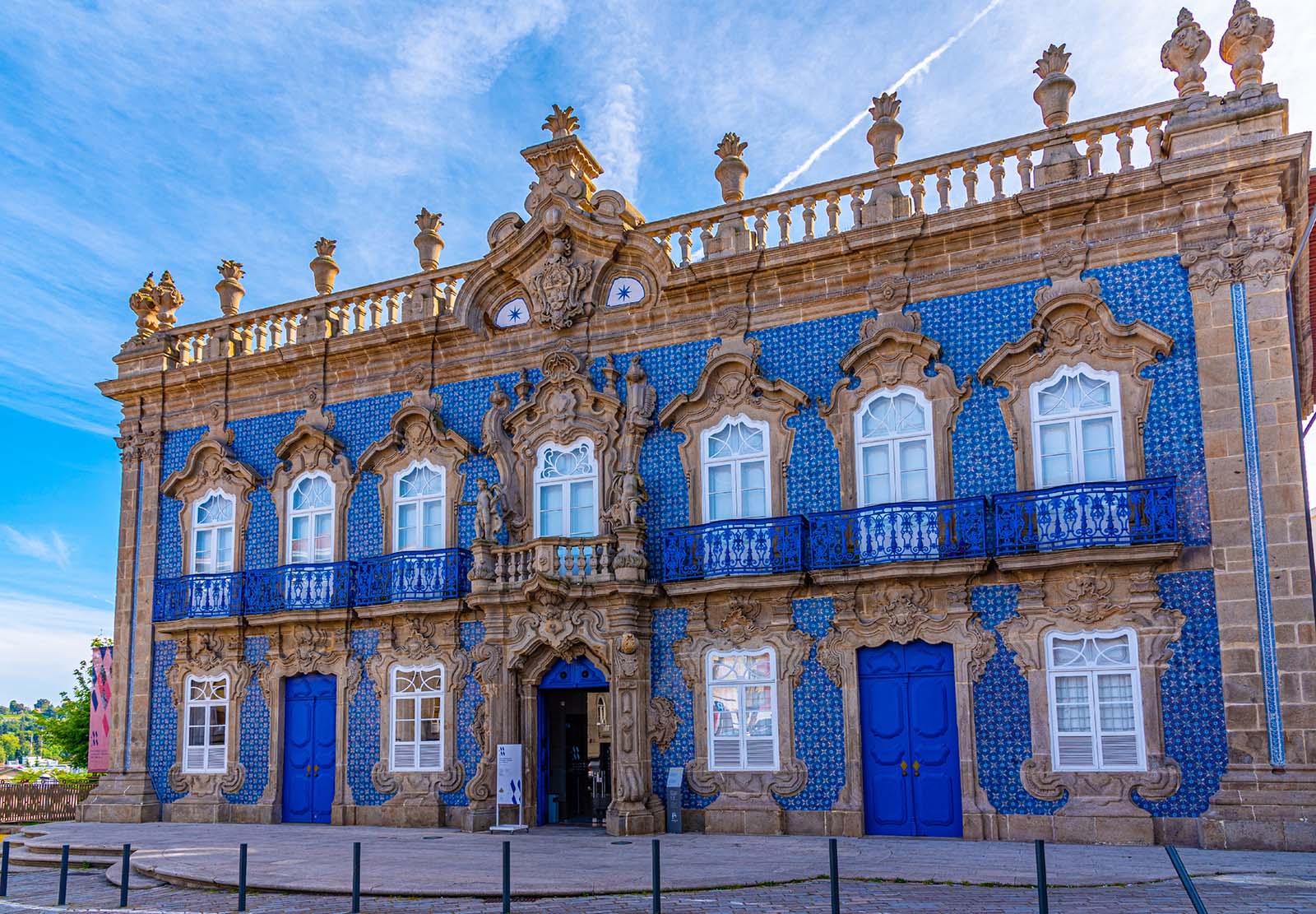
Palacio do Raio in Braga, Portugal © Shutterstock
Braga Beyond the Basics
Once you’ve experienced Braga’s signature sites, dive deeper into experiences that reveal why this city captures hearts:
Sacred Sweets & Culinary Traditions
Braga’s convents perfected the art of dessert during centuries of creating sweets from leftover egg yolks (the whites being used for communion wafers). Sample heavenly creations like Braga-style pudim abade de Priscos, a caramelized egg custard enriched with bacon fat and port wine, at historic pastry shops that double as social clubs.
Festive Braga Comes Alive
Time your visit with one of Braga’s spectacular festivals and see the city transform. During Holy Week, veiled penitents carry ornate floats through streets blanketed in floral carpets. June’s São João festival sees locals playfully bop each other with plastic hammers beneath paper lantern constellations – one of Portugal’s most joyful street parties.
Hidden Archaeological Treasures
Beneath Braga’s baroque beauty lies ancient Bracara Augusta, one of the Roman Empire’s most important western cities. Seek out the discreetly marked Domus da Escola Velha da Sé near the cathedral – an excavated Roman villa with remarkably preserved mosaic floors right beneath a modern neighborhood.
Crafting Your Perfect Braga Itinerary
To help organize your adventure, here’s a suggested three-day exploration:
Day 1: Historic Core
Morning: Cathedral & Treasury Museum + coffee in cloisters
Afternoon: Santa Cruz & Coimbras Chapel + Jardim de Santa Bárbara
Evening: Sunset drinks at Praça da República
Day 2: Hilltop Wonders
Morning: Ascend Bom Jesus stairway + funicular descent
Afternoon: Picnic at Sameiro Sanctuary + forest walk
Evening: Tibães Monastery grounds at dusk
Day 3: Local Life & Hidden Corners
Morning: Biscainhos Palace gardens + Roman archaeology
Afternoon: Explore medieval alleys like Rua do Souto
Evening: Attend vespers at São Victor Church
The Soul of Northern Portugal
What stays with you after visiting Braga isn’t just the memory of golden altars or panoramic views – it’s witnessing Portugal’s spiritual heart beating steadily through centuries. Students texting beneath medieval arches, grandmothers praying beside Roman ruins, monks pressing olive oil using ancient methods – these layers of time coexist effortlessly here.
The city’s essence lies in its beautiful contradictions: deeply traditional yet vibrantly youthful, outwardly religious yet profoundly welcoming, monumental in scale yet intimate in experience. It rewards slow travel – sitting in sunlight-dappled cloisters, watching centuries-old stone change color through the day, or sharing smiles with locals who welcome you into their living heritage. That’s how Braga becomes not just a destination, but a cherished memory.
Palacio do Raio in Braga, Portugal © Shutterstock
10 Unforgettable Experiences That Make Braga Portugal’s Hidden Gem
Braga reveals its magic slowly. Behind the baroque churches and student-filled cafes, this ancient city pulses with traditions that have shaped northern Portugal for centuries. Far from being just another tourist stop, Braga invites you to step into living history – whether through candlelit religious processions, push-your-luck haggling at the morning market, or savoring pork-laden dishes that stick to your ribs. Here’s why Portugal’s third-largest city deserves space on every traveler’s bucket list.
1. Witness the Soul-Stirring Holy Week Processions
Imagine cobblestone streets transformed into rivers of candlelight while muffled drums echo against 18th-century facades. Braga’s Holy Week (Semana Santa) isn’t just Portugal’s largest religious event – it’s an atmospheric journey through time. Between palm fronds covering the streets and hundreds of hooded penitents carrying elaborate floats depicting Christ’s suffering, the city breathes reverence.
Timing is everything: Book accommodations at least six months early if you want to secure lodging during this peak period. Though the Good Friday procession featuring massive torches draws the biggest crowds, quieter moments earlier in the week offer more intimate encounters with the ritual. Word to the wise: Reserve a balcony spot along Rua do Souto for an elevated view of the moving tableau below.
2. Feast Your Senses at Mercado Municipal
No visit to Braga feels complete without losing yourself in the city’s bustling covered market. Unlike tourist-oriented markets elsewhere, Mercado Municipal operates with zero pretense – here, grandmothers inspect cabbages with surgical precision while butchers carve presunto hams fragrant from months of curing in mountain air.
The real magic happens at the cheese stalls. Don’t miss queijo da serra – its pungent aroma hints at the creamy texture beneath the rind. Feeling brave? Sip a shot of jeropiga (grape spirit mixed with honey) offered by friendly vendors. For perfect timing, arrive between 8-10 AM when fishmongers display the Atlantic’s freshest catch, or midafternoon when farmers might cut you a deal on sunset-red pimentos.
3. Embrace Minho’s Diversity Through Day Trips
Braga serves as the perfect launchpad for exploring Europe’s last undiscovered corners. History buffs make pilgrimages to Guimarães – just 25 minutes away by train – where Portugal’s founding king took his first breath inside a crenelated castle straight from a fairy tale. Nature lovers head northeast to Peneda-Gerês National Park, walking ancient Roman roads past granite villages where time forgot to tick forward.
For pure romance, nothing beats Amarante. Sitting prettily along the Tâmega River, this postcard town offers two sweet essentials: photogenic medieval bridges and heavenly pastéis de laranja (orange-infused egg tarts). Local tip: Rent a car for flexibility, but know that affordable buses serve all these destinations efficiently.
When Rain or Shine: Braga’s Year-Round Appeal
Braga’s microclimate – warmer than coastal Porto yet milder than inland villages – creates four distinct seasonal personalities. Locals joke they experience “four seasons in one day,” but strategic planning ensures perfect visits.
- Spring Sensations (March-May): Braga shines when camellias explode into bloom around Bom Jesus sanctuary. Daytime highs (63-73°F) invite leisurely explorations of hilltop sanctuaries without summer’s shoulder-to-shoulder crowds. Pack a light rain jacket for April showers that green the surrounding valleys.
- Summer Vibes (June-August): Expect lively street festivals and tables spilling from every esplanada café. While 82°F average highs sound pleasant, Braga’s valley location traps humidity. Savvy visitors tour churches during midday heat before taking sunset hikes uphill when breezes arrive.
- Autumn’s Golden Glow (September-November): Many consider this Braga’s secret sweet spot. Harvest festivals bring free wine tastings at quintas (wine estates), while fading light creates photogenic drama around Sameiro Sanctuary. Room rates dip 30% after September, attracting savvy cultural travelers.
- Winter Whispers (December-February): Rainy days reveal Braga’s cozy soul – think steamy bowls of caldo verde (kale soup) in taverns warmed by stone hearths. Though daytime temps hover around 54°F, Christmas markets and Three Kings processions infuse cheer. Bonus: You’ll have baroque treasure Bom Jesus virtually to yourself.
Braga’s Culinary Heart: Where Tradition Meets Innovation
Forget diet plans – dining in Braga means surrendering to pork-driven pleasures and carby comforts. Minho cuisine celebrates peasant traditions where no pig part goes unused. Yet alongside taverns unchanged for generations, a hip cafe culture thrives near Universidade do Minho’s campus.
Five dishes define Braga’s food identity:
- Bacalhau à Braga – The city’s take on salt cod turns this seafarer’s staple into comfort food, layered with sweet roasted peppers and potatoes.
- Papas de sarrabulho – Not for the faint-hearted, this blood-thickened stew rewards adventurous eaters with rich, earthy flavors.
- Rojões à moda do Minho – Crisp pork morsels served alongside kimchi-like pickled vegetables balance fatty goodness.
- Frigideiras – Perfect pastry parcels filled with spiced meats make ideal walk-and-eat snacks.
- Tíbias de Braga – These namesake “bone” pastries filled with velvety egg cream provide sweet redemption after salty mains.
Where Locals Fill Their Plates
Beyond the classics, Braga’s dynamic food scene offers experiences for every craving:
- Taberna Belga – Their infamous francesinha sandwich stacks seven ingredients under cheese-blanketed glory – arrive hungry.
- Naco na Pedra – Interactive dining at its best where you sizzle premium beef on volcanic stones at your table.
- Cozinha da Sé – Set in a converted bishop’s palace, this spot elevates peasant dishes with Michelin-worthy presentation.
- Mercado Negro – Braga’s young creatives flock here for natural Minho wines paired with petiscos (Portuguese tapas).
Treat your first Braga meal like a courtship – start slow with petiscos tastings, dive into shared meat platters once trust builds, then seal the deal with chestnut pudding doused in port wine.
Why This Ancient City Stays Timeless
Braga wins hearts not through grand statements but subtle moments: elderly women whispering rosaries in candlelit chapels, the clatter of coffee cups in century-old pastry shops, golden light washing over baroque stairways at dusk. It’s a city that rewards patience – where hidden Roman ruins lie beneath modern shops and vineyard owners still welcome strangers for impromptu tastings.
Unlike Portugal’s coastal resorts, Braga refuses to be stage-managed for tourists. Come ready to peel back layers, to let curiosity guide you up winding alleys, to trade comfort zones for the thrill of genuine discovery. This northern star shines brightest for those who wander without agendas, proving that Portugal’s most profound gifts often live far from the beach.



