
Dreaming of Iceland’s otherworldly landscapes? You’re not alone! This compact island nation punches way above its weight with its fiery volcanoes, ancient glaciers, sparkling hot springs, and beaches of volcanic black sand. Home to just over 360,000 people, Iceland offers endless opportunities to disconnect from the everyday and reconnect with raw, powerful nature. Whether you’re soaking under the midnight sun, hunting the northern lights’ glowing ribbons, or chasing thundering waterfalls, our local-tested Iceland travel tips will transform your trip from great to unforgettable.
When Should You Visit Iceland?
Secrets of the Seasons
Timing is everything in this land of extremes. Visiting Iceland during summer (June-August) means dancing under 24-hour daylight – perfect for epic road trips along the Ring Road, hiking through flower-filled valleys, and accessing remote highlands. Temperatures linger around 10-15°C (50s°F), but prepare for crowds at major attractions and peak pricing.
Winter travelers (November-March) trade sunlight for magical darkness – your golden ticket for northern lights sightings above snow-draped landscapes. With fewer visitors and lower prices, you’ll experience Iceland’s moody beauty in peace. The shoulder seasons (April-May and September-October) offer sweet compromises: crisp air, vivid autumn colors or spring blooms, potential aurora sightings, and lighter crowds.
Wildlife enthusiasts take note: puffins flock to coastal cliffs between May-August, while whale watching peaks May-September. Whatever season you choose, pack for meteorological mood swings – Icelandic weather can serve sunshine, sideways rain, and gusty winds all before lunch!

Icelandic weather demands respect – always be prepared for rapid changes © Ann Stryzhekin/Shutterstock
Navigating Iceland’s Costs:
Budget Like a Pro
Let’s address the elephant in the glacier: Iceland ranks among Europe’s pricier destinations. But with smart planning, you can experience its magic without financial frostbite. Here’s what to expect across travel styles:
Budget Adventurer (ISK 15,000-25,000/$180-230 daily):
- Hostels & campground accommodations
- Self-catered meals from grocery stores
- Public buses or strategic hitchhiking
- Free natural attractions & self-guided hikes
Comfort Explorer (ISK 25,000-40,000/$230-375 daily):
- Guesthouses or vacation rentals
- Mix of home cooking & casual restaurant meals
- Economy rental car for flexibility
- 1-2 guided tours like ice caving or Blue Lagoon visits
Luxury Seeker (ISK 40,000+/$450+ daily):
- Boutique hotels or private cabins
- Fine dining & craft cocktail experiences
- Premium 4×4 rentals or private drivers
- Exclusive adventures: helicopter tours, private guides
Golden money-saving tip: Visiting during May or September delivers better rates while maintaining good weather and access.

The ethereal blue heart of Vatnajökull Glacier © Johann Helgason/Shutterstock
Iceland Travel Safety:
Nature’s Rules Rule Here
Breathe easy – Iceland consistently ranks among the world’s safest countries. Petty crime is rare, and violent incidents even rarer. You can wander Reykjavík’s streets at night with more concern about the chilly air than personal safety.
Iceland’s true challenge lies in its untamed beauty. Rugged landscapes demand respect and preparation:
- Sneaker waves at black sand beaches can appear without warning
- Glacial crevasses hide under seemingly solid snow
- Weather shifts from sunny to stormy in minutes
- Volcanic areas contain unstable ground and toxic gases
Three lifesaving resources for every traveler:
- Vedur.is – Icelandic Met Office for weather alerts
- Road.is – Real-time road condition updates
- Safetravel.is – Submit your travel plan for emergencies
Essential Icelandic Laws Every Visitor Should Know
Iceland protects its fragile ecosystems through strict but sensible regulations:
Road Rules:
- 90 km/h (55 mph) limit on rural roads – speed cameras abound!
- Never drive off-road – the delicate moss takes decades to recover
Wildlife Protection:
- Stay on marked paths in protected areas
- Never disturb nesting birds or marine life
- Leave rocks, plants, and historical artifacts untouched
Responsible Tourism:
- Drones require permits in most scenic areas
- Northern lights viewing etiquette: minimize lights and noise
- Alcohol sales restricted to Vínbúðin stores (Age 20+)
By following these guidelines, you ensure Iceland remains magical for generations to come while avoiding hefty fines.

Do You Need a Visa for Iceland? Your Essential Guide
Embarking on an Icelandic journey? Great news for US, UK, Canadian, Australian, New Zealand, and European travelers – you won’t need a visa for stays up to 90 days within any 180-day period! Just ensure your passport remains valid for at least three months after your departure date.
Coming from elsewhere? Start your visa process early. Iceland requires proof of financial means and a return ticket, and processing can take longer than expected. Better safe than scrambling last-minute!
Planning an Extended Iceland Adventure?
Dreaming of experiencing Iceland’s midnight sun or winter northern lights beyond three months? You’ll need a residence permit through study programs, employment opportunities, or family sponsorship. Begin the paperwork months in advance – Iceland values thorough preparation.
Staying Healthy in Iceland: Pro Tips for Every Traveler
Iceland’s dramatic landscapes demand smart packing. Trust us – weather here plays by its own rules. Even summer days can turn blustery, so pack thermal layers, waterproof outerwear, and sturdy hiking shoes. That cozy sweater isn’t just for photos; hypothermia risks exist even during warmer months if you’re caught unprepared.
Don’t forget your sunglasses and high-SPF sunscreen! Glaciers and snowfields intensify UV exposure, making sun protection essential year-round.
Hot spring enthusiasts take note: Iceland takes geothermal pool hygiene seriously. Expect pre-dip naked showers (enforced in gender-separate areas) – no exceptions. Leave jewelry in your hotel safe; mineral-rich waters can tarnish precious metals.

Navigating Iceland’s Healthcare System
Spotting pharmacies is easy – look for glowing green crosses. Reykjavik boasts 24/7 access, while smaller towns maintain regular hours. Note: Some medications available over-the-counter elsewhere require prescriptions here. Pharmacists make excellent resources for minor health concerns.
Iceland delivers quality medical care, but costs add up quickly for non-EU visitors without proper insurance. EU citizens should carry their EHIC cards. Regardless of origin, ensure your travel insurance covers emergency evacuations – mountain rescues and medical flights get pricey. Remember, 112 connects you to English-speaking emergency services anywhere in the country.
Vaccinations for Iceland Travel
No special shots required! Just ensure you’re current on routine immunizations:
- MMR (measles, mumps, rubella)
- DTP (diphtheria, tetanus, pertussis)
- Polio
- Varicella (chickenpox)
Consider a flu vaccine for winter visits. Iceland’s geographic isolation minimizes tropical disease risks – one less thing to worry about!
Food and Water Safety in Iceland
Glacier-fed Icelandic tap water ranks among the world’s purest – freely refillable from any sink or highland stream (avoid geothermal areas). Perfect for reducing plastic waste while exploring volcanic terrain!
Food standards rival the scenery. Traditional specialties and modern cuisine all meet strict safety protocols. Celiac travelers find surprisingly good gluten-free options – just communicate your needs clearly.

Cultural Etiquette: How to Blend in Like an Icelander
Shifting into local customs helps you connect deeper with Iceland’s unique culture:
Shoes always come off at home entries – watch where Icelandic hosts tuck theirs. At swimming pools? That pre-swim naked shower isn’t optional – consider it an act of communal respect.
Service charges automatically include gratuity, but rounding up taxi fares or coffee purchases shows appreciation. Icelanders live by the clock too – tour operators will depart without latecomers.
Outdoors, treat nature reverently – stay on marked paths and never disturb moss growth (it takes decades to regrow!). Inside Icelandic buildings, prepare for intense coziness – layer with peelable clothing for comfortable temperature transitions between Arctic air and toasty interiors.

Why Iceland Is a Perfect Family Playground
Imagine your kids’ wide-eyed wonder as they explore landscapes straight out of a Norse saga. Iceland transforms family vacations into immersive adventures where glaciers become classrooms and geysers turn into nature’s fireworks. If your crew thrives on fresh air and doesn’t mind trading perfect hair days for unforgettable experiences, this land of fire and ice delivers magic at every turn.
From splash-tastic geothermal pools with waterslides to hunting for trolls in mossy lava fields, Iceland keeps young imaginations buzzing. Restaurants welcome little Vikings with open arms – while formal kids’ menus are rare, chefs happily whip up simple favorites. And what better bedtime stories than local legends of hidden elves and mountain giants?
Creating Your Family’s Icelandic Basecamp
Finding your home-away-from-home is easier than spotting puffins in summer! Cozy guesthouses with extra beds, self-catering cabins with kitchenettes, and even working farm stays let your animal lovers wake up to grazing horses. Reykjavík’s Laugardalur neighborhood shines for families, offering a mega-pool complex, sprawling parks, and a charming zoo all within stroller distance.
The real key to stress-free exploration? Your own set of wheels. A rental car transforms Iceland into your personal storybook – pause for impromptu picnics at waterfalls, chase rainbows over volcanic deserts, and discover hidden hot springs tour buses miss. Pro tip: While rental agencies provide child seats, bringing familiar ones saves money on longer trips.
Iceland’s famous Ring Road makes navigating simple with well-maintained highways connecting key sites. Just remember – little legs need frequent stretch breaks between attractions. City explorers will find Reykjavík wonderfully walkable, with buses ready to hop when tiny feet tire.
Packing Like an Iceland Pro
Outfitting your crew is half the adventure! Think of clothing as your family’s superhero armor against Iceland’s moody weather. Start with waterproof outer shells (yes, even in August!), layer with cozy fleece or wool mid-layers, and finish with moisture-wicking base clothes. For mini explorers, all-in-one rain suits let them splash through puddles without consequence.
Don’t forget these essentials:
- Swimsuits (double up if you’ll be soaking daily)
- Waterproof hiking boots for little adventurers
- Sunglasses and sunscreen – Iceland’s sun plays sneaky tricks
- A sturdy baby carrier beats strollers on rugged trails
- Blackout eye masks for endless summer nights
Winter warriors should add insulated snow boots, wooly socks, and cozy balaclavas to their packing list. With the right gear, your family will be ready to embrace Iceland’s wild beauty in any season.

Iceland’s Must-See Wonders for Families
Beyond the famous Golden Circle lies an entire island of family-friendly treasures. Mix these diverse regions to experience Iceland’s full personality – from charming towns to raw natural spectacles that’ll leave your whole crew speechless.

Can’t-Miss Icelandic Towns & Cities
While nature often steals the spotlight, Iceland’s towns add colorful charm and local flavor to your family adventure.
- Reykjavík’s Whimsical Charm: Beyond postcard-perfect churches and concert halls, the real magic lives in backstreet bakeries, rainbow-painted lanes, and neighborhood pools where locals soak between errands. Don’t miss theImagine settling into a cozy cafe while your kids marvel at street art that seems to move.
- Akureyri’s Arctic Allure: Iceland’s “Capital of North” charms families with botanic gardens blooming against snow-capped mountains and winter skiingunder dancing northern lights. The highlight? Friday concerts at Akureyrarkirkja church where the organist often treats visitors to impromptu melodies.
- Húsavík’s Whale Tales: Transform your kids into marine biologists in this coastal gem. The award-winning Whale Museum brings ocean giants to life, while boat tours often spot humpbacks breaching just meters away. Cap the day soaking in GeoSea’s infinity pools where thermal waters meet Arctic Ocean views.

Coastal Wonders: Beaches and Islands of Iceland
Iceland’s ever-changing coastline unveils a dramatic tapestry of landscapes within just a few hours’ drive. While dipping your toes in the Arctic waters might be too brisk, these coastal treasures promise unforgettable vistas. Discover why Iceland’s beaches and islands belong on every traveler’s bucket list.
- Vestmannaeyjar (Westman Islands): Just a short ferry ride from Iceland’s south coast lies this volcanic archipelago. Heimaey, the only inhabited island, carries scars from the monumental 1970s eruption. Summer transforms these cliffs into a bustling puffin colony – kayak between islands to explore hidden sea caves and coastal formations inaccessible by land.
- Reynisfjara’s Black Sand Majesty: Near the village of Vík, this iconic beach stuns visitors with its obsidian sands, geometric basalt columns, and mythological sea stacks. Respect the ocean’s power here – unpredictable sneaker waves demand caution. Visit at sunrise or sunset for peaceful moments with this otherworldly landscape.
- Rauðasandur’s Golden Glow: Trek to Iceland’s remote Westfjords to find this chameleon beach where sands shimmer from rose-gold to russet depending on the light. The rugged access road ensures tranquility even in peak season. Time your visit with low tide for potential seal sightings lounging on distant sandbars.

Þingvellir’s Geological Marvel
Iceland’s Greatest Outdoor Adventures
From glacier hikes to continental rifts, Iceland transforms every excursion into an epic journey. These natural wonders showcase why this island nation tops adventure travel bucket lists worldwide.
- Vatnajökull National Park: Dominated by Europe’s largest glacier, this park offers thrilling ice cave explorations and accessible glacier walks. Don’t miss Svartifoss waterfall’s surreal basalt backdrop, and take a boat tour on Jökulsárlón Glacier Lagoon to witness icebergs drifting toward the sea.
- Þingvellir’s Dual Wonders: Walk through history and geology where Vikings established their parliament in 930 CE while standing between tectonic plates. Brave swimmers can snorkel Silfra fissure’s crystal-clear glacial waters – visibility stretches over 100 meters between continental shelves.
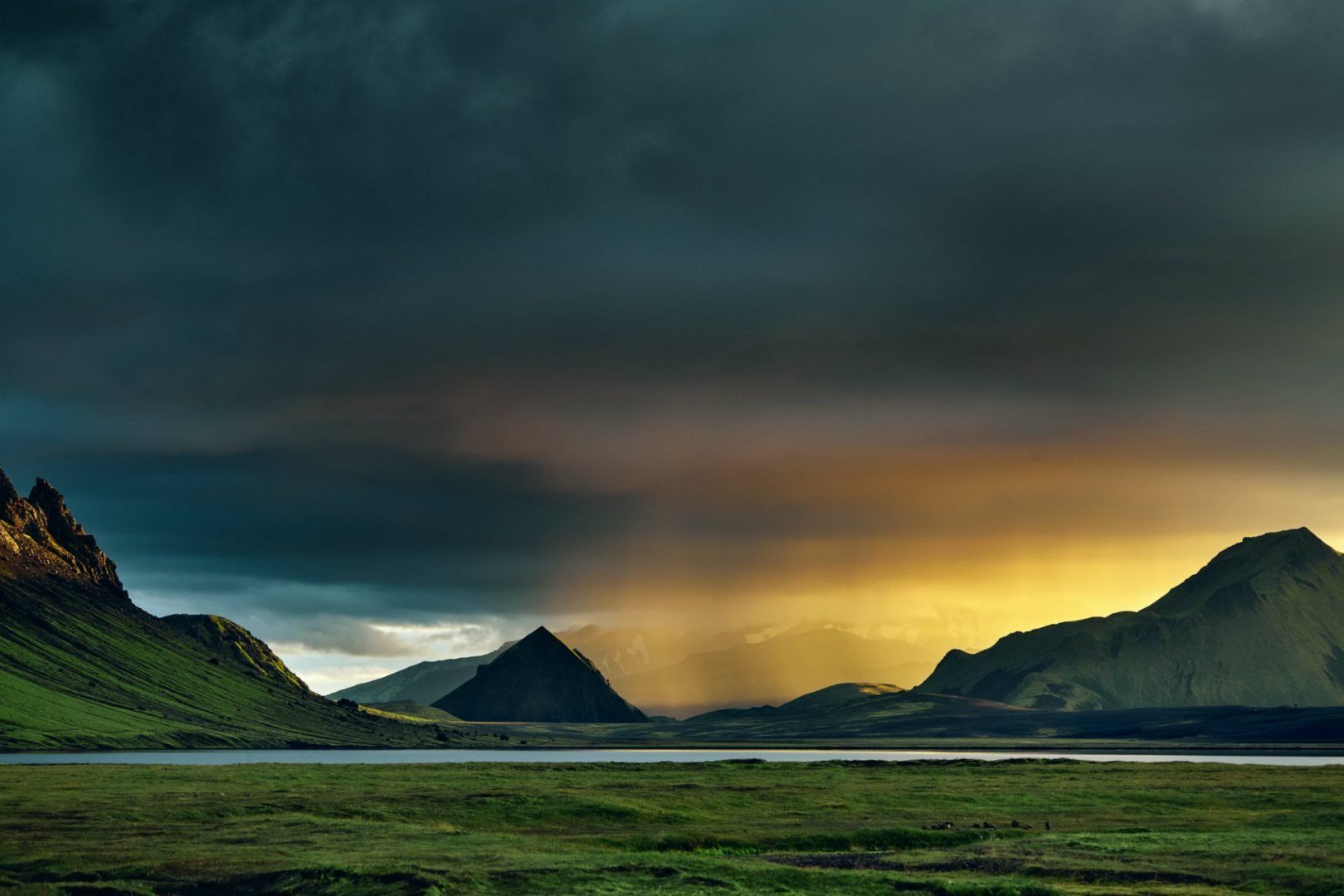
- Landmannalaugar’s Rainbow Highlands: Journey into Iceland’s rugged interior where mountains blaze with rhyolite colors. Rejuvenate in natural hot springs after hiking through this volcanic wonderland. Requires a 4×4 vehicle or guided super-jeep tour for access.
- Mývatn’s Northern Magic: This geothermal wonderland features bubbling mud pots, massive craters, and dramatic lava formations. Soak in the mineral-rich Nature Baths without the crowds of the Blue Lagoon. Explore Dimmuborgir’s “Dark Castles” where Icelandic folklore claims trolls reside.
Journey Through Iceland’s Living History
From Viking sagas to spiritual landmarks, Iceland’s cultural treasures span millennia. These sites offer fascinating glimpses into the nation’s Norse roots and medieval transformation.
- Hallgrímskirkja’s Modern Icon: Reykjavík’s towering church offers panoramic city views from its observation deck. Marvel at its unique architecture inspired by Iceland’s basalt formations – a symbolic bridge between nature and human craftsmanship.
- Reykholt’s Medieval Legacy: Walk where legendary saga writer Snorri Sturluson penned Norse mythology’s most important records. Explore his ancient underground hot spring tunnel – a remarkable feat of 12th-century engineering.
- Skálholt’s Spiritual Heart: Once Iceland’s religious capital, this historic site blends medieval ruins with contemporary spirituality. Summer visitors can enjoy classical concerts echoing through the modern cathedral, standing where bishops governed for eight centuries.
- Þjóðveldisbærinn (Commonwealth Farm): Step back a thousand years at this reconstructed Viking settlement. Discover how early Icelanders survived harsh winters in turf-walled longhouses, bringing saga-era history to life through hands-on experiences.
Finding Your Perfect Iceland Timeline
For first-time visitors craving a comprehensive Iceland experience, we recommend starting with two weeks. This golden window lets you fully enjoy Reykjavík’s quirky charm (three days here feels just right), conquer the legendary Golden Circle route, and venture along the South Coast’s dramatic landscape of crashing waterfalls, glittering glaciers, and volcanic black sand beaches. You’ll create unforgettable memories without constantly checking the clock.
Essential stops for any Iceland itinerary include:
- The Golden Circle Trio: Þingvellir’s historic rift valley, Geysir’s steaming eruptions, and Gullfoss’ deafening cascade
- South Coast Wonders: From Seljalandsfoss’ walk-behind curtain to Jökulsárlón Glacier Lagoon’s floating icebergs
- Snæfellsnes Peninsula: Iceland in miniature with volcanoes, lava fields, and coastal cliffs
Got extra days? Venture north to Lake Mývatn’s bubbling geothermal wonders or discover the raw beauty of the remote Westfjords.
Shorter vacations (7-10 days) can still deliver magic. Focus on Reykjavík paired with South Coast day trips. This combo offers maximum wow-factor without constant hotel hopping. Travelers trying to cram everything into under four days often leave wishing they’d stayed longer – Iceland’s grandeur demands time to soak in properly.

Crafting Your Ideal Iceland Adventure
Planning an Iceland trip works best as a gradual, enjoyable process. Instead of marathon planning sessions, approach it in stages for a stress-free journey.
Start With Dreaming
Grab a map and plot your must-see destinations first. Does witnessing the Northernisle”>Shorter vacations (7-10 days) can still deliver magic. Focus on Reykjavík paired with South Coast day trips. This combo offers maximum wow-factor without constant hotel hopping. Travelers trying to cram everything into under four days often leave wishing they’d stayed longer – Iceland’s grandeur demands time to soak in properly.
Mastering Iceland’s Roads
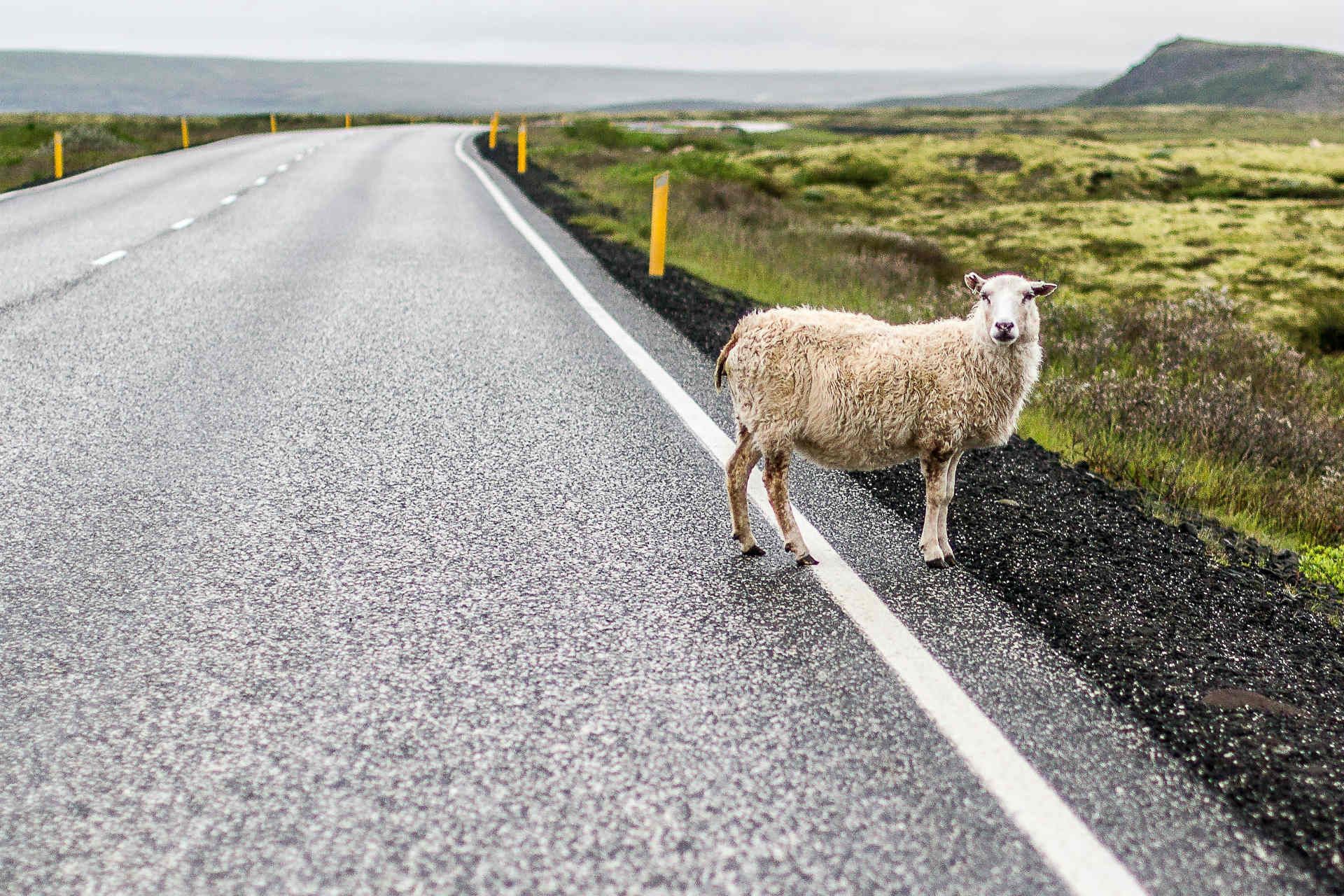
Don’t trust map distances at face value – Iceland’s winding routes and dramatic weather add significant travel time. Calculate driving durations using GPS estimates, then add 50% buffer for impromptu stops at hidden waterfalls or battling sudden squalls.
Most Ring Road sections have 55mph (90km/h) limits, dropping to 30mph on gravel detours. Winter requires extra caution with limited daylight and potential black ice.
Driving vs Guided Tours
Renting a car unlocks ultimate flexibility for Iceland itineraries. You’ll need a 4×4 for rugged F-roads to highland destinations. Essential tools: the road.is website for live conditions and the 112 Iceland emergency app.
Prefer hassle-free travel? Guided tours remove navigation stress and often include hidden gems you might otherwise miss. Bus networks connect major towns, with more limited service in remote areas.
Spark your imagination: Step inside a perfectly preserved Viking-era home at the Skógar Museum turf houses. This humble cluster under grassy roofs transports you to 12th-century Iceland. Costumed interpreters reveal ingenious survival tricks against the elements – from smoked meats preserved in lava caves to ingenious insulation techniques. Gazing at original artifacts used by medieval residents makes you appreciate modern comforts while connecting with Iceland’s resilient spirit.
Planning Your Icelandic Adventure
Dreaming of black sand beaches, thundering waterfalls, and landscapes that look otherworldly? Iceland delivers all this and more. But before you pack your woolens and camera, let’s talk logistics. With smart planning, you’ll experience Iceland’s magic without the stress.

Book These Essentials First
Scoring affordable flights to Iceland has never been easier. Icelandair and several budget carriers offer direct routes from North America and Europe, landing at Keflavík International Airport. For the best deals, book your flights 3-4 months ahead – especially during summer’s peak season.
Next up: where to stay. Iceland’s most popular regions like the Golden Circle and South Coast get booked solid in warmer months. Whether you prefer hotels, cozy guesthouses, or rural farm stays, reserve early. In remote areas, accommodations are limited – sometimes just one charming option per village!

The Art of Slow Travel in Iceland
Rushing through Iceland misses the point entirely. This is a land of shifting light and raw nature, best savored slowly. Imagine waking to bird calls over misty lava fields or watching dusk linger until midnight in summer. These are the moments that transform a trip into something unforgettable.
For remote workers, cities like Reykjavík and Akureyri offer reliable Wi-Fi and welcoming coworking spaces. Staying longer lets you witness Iceland’s seasonal transformations – from wildflower summers to northern light winters – and discover local rhythms beyond tourist hotspots.
Unforgettable Local Experiences
Iceland reveals its soul through unique traditions. In small towns, join the “rúntur” ritual – a leisurely weekend evening stroll down main streets followed by café hopping. It’s where communities connect.
Visit East Fjords in late spring to help collect eiderdown from duck nests during this ancient Viking-era tradition. Farmers carefully gather the prized down used in luxury bedding worldwide.
Brave northern winters for Þorrablót feasts featuring preserved delights like fermented shark. These January/February gatherings burst with storytelling and songs – some welcome curious travelers.
In Westfjords villages, join fishermen using centuries-old techniques. They’ll teach you sea-angling and traditional fish drying methods passed through generations.
Don’t miss Laugarvatn’s geothermal baking tradition. Bury rye dough near hot springs and dig up warm, earthy bread hours later – a delicious taste of Icelandic ingenuity.

Money Matters in Iceland
Cash? Nearly obsolete here. Iceland runs on plastic – even remote hot dog stands accept cards. Visa and Mastercard dominate; American Express works sporadically. The local currency is Icelandic króna (ISK), but most visitors never touch physical money.
When using cards: Always select ISK for transactions. Dynamic currency conversion offers poor exchange rates. ATMs (called Hraðbanki) exist but aren’t necessary for most trips.
Tipping? Not expected. Fair wages mean service charges are included. That said, rounding up or leaving small change for exceptional service won’t offend.
Staying Scam-Savvy
Traditional tourist scams aren’t Iceland’s style. This low-crime society values honesty. Still, safeguard valuables in Reykjavík bars or unattended rental cars at popular sites.
What does catch visitors off guard? Prices. Iceland isn’t cheap, especially for dining and tours. Research costs beforehand – locals aren’t shy about charging what things are worth. Those stunning landscapes? Mostly free to enjoy!
Smart Rental Car Strategies in Iceland
Nothing spoils an Icelandic road trip faster than surprise fees at the rental counter. Here’s a little secret from seasoned travelers: Always snap timestamped photos of your vehicle before driving off the lot. Rental agencies sometimes push unnecessary insurance upgrades or charge for existing dings and scratches. Those smartphone photos could be your best defense against unfair charges later. And while you’re at it, double-check that your existing car insurance or credit card benefits include international rentals – you might already be covered.

The Thoughtful Traveler’s Guide to Iceland
Iceland’s dramatic landscapes might look indestructible, but its delicate ecosystems need our protection. That lush moss covering lava fields? It grows just 1mm annually – one careless footstep can erase decades of growth. During summer nesting season, certain paths close to protect vulnerable bird colonies. When you see ropes marking protected areas, consider them nature’s “do not disturb” signs.
Many visitors now take the Icelandic Pledge – promising to stay on marked trails, avoid off-road driving, and leave no trace. You’ll quickly notice Icelanders take hot water seriously too. While it seems abundant, geothermal resources aren’t infinite. Quick showers help conserve energy, especially in rural guesthouses.
Your travel choices make a real difference here: Dine at restaurants showcasing Icelandic lamb and freshly caught fish. Book tours with Vakinn-certified companies committed to sustainable practices. And when souvenir shopping, look for the “Handverk og Hönnun” label supporting local artisans – these handmade keepsakes tell better stories than mass-produced trinkets anyway.

Icelandic Comfort Food: A Taste of Tradition
Icelandic cuisine tells stories of survival and innovation – think preserved fish, slow-roasted lamb, and ingenious use of geothermal ovens. Beyond the notorious fermented shark (which even locals approach cautiously), discover these hearty staples:
- Plokkfiskur: Imagine grandma’s fish chowder meets mashed potatoes. This creamy blend of cod, taters, and béchamel sauce warms you from within.
- Hangikjöt: Traditionally smoked over birch and sheep dung, this thinly sliced lamb reveals Viking preservation techniques perfected over centuries.
- Geothermal Rye: Buried baking pots create rúgbrauð – a dark, sweet bread slow-cooked near hot springs for 24 hours. Slathered with butter, it’s breakfast perfection.
- Skyr Revival: This protein-packed staple evolved from Viking survival food to global superfood. Try it swirled with wild blueberries.
Pro tip: For newbies, the Brennivín schnapps chaser works wonders with challenging flavors like hákarl!

Practical Iceland Travel Hacks
Seamless Connectivity
Keflavik Airport offers tourist SIM cards from Síminn or Nova – choose data-heavy plans perfect for Google Maps and aurora forecasts. eSIM users can activate Iceland packages via Airalo before landing. Free Wi-Fi blankets most cafes and even some remote trails!
Beyond the Blue Lagoon
While Instagram-famous, Iceland has 100+ geothermal pools with local character. Meet real Icelanders at Reykjavík’s neighborhood pools (entry $5-$10), or try the mineral-rich waters at Mývatn Nature Baths for therapeutic soaks sans crowds.
Dining Smart
Restaurant bills add up quickly. Balance splurges with strategic stops: Gas stations serve surprisingly good lamb soups, Bónus supermarkets stock affordable Skyr and sandwiches, and bakery kleinur doughnuts make perfect road snacks.


🌟 The Travaloca Travel Editors Community is a dynamic collective of individuals united by their passion for travel and their dedication to high-quality content creation. This community serves as the driving force behind Travaloca's informative and engaging travel resources. ✨ Core Identity: This group consists primarily of passionate travel enthusiasts who have turned their love for exploration into a commitment to writing and content curation. Members are recognized for their: Extensive Travel Experience: Possessing valuable firsthand knowledge from their journeys worldwide. Aptitude for Writing and Editing: Demonstrating a keen interest and skill in crafting, reviewing, and perfecting travel narratives, guides, tips, and reviews. Dedication to Storytelling: Transforming personal experiences and destination knowledge into accessible, inspiring, and reliable information for a global audience. 📝 Community Focus: The community’s primary role is to contribute, edit, and maintain the diverse range of content on Travaloca's platform. They ensure the information provided is accurate, engaging, and reflective of current travel trends. In essence, the Travaloca Travel Editors Community is where travel passion meets editorial excellence, enriching the user experience and solidifying Travaloca’s standing as a trusted travel resource.


