
Hidden among Portugal’s rolling hills just northwest of Lisbon, the charming town of Mafra offers visitors a remarkable journey through history, architecture, and natural beauty. While many travelers flock to Sintra’s colorful palaces or Cascais’ beaches, those who venture to Mafra discover one of Portugal’s most spectacular hidden gems – the monumental Palácio Nacional de Mafra. This baroque masterpiece tells a story of colonial wealth, royal ambition, and architectural genius that continues to awe visitors centuries after its completion.
What makes Mafra truly special is how this architectural wonder sits harmoniously within a landscape of traditional villages, protected nature reserves, and golden coastlines. Whether you’re marveling at golden altars in the palace basilica, hiking through ancient woodlands in the Tapada reserve, or enjoying fresh seafood in nearby Ericeira, Mafra offers an authentic Portuguese experience away from the crowded tourist trails. Join us as we explore everything this fascinating region has to offer.
Where is Mafra?
Nestled in Portugal’s central-western region, Mafra enjoys a prime location that makes it perfect for day trips or longer stays. Situated just 40 kilometers northwest of Lisbon (about a 40-minute drive) and a mere 12 kilometers inland from the Atlantic coast, this historic town serves as an ideal gateway connecting Portugal’s capital with its stunning western shoreline.
The town occupies a gentle plateau surrounded by picturesque countryside characterized by vineyards, pine forests, and traditional whitewashed villages. Its strategic position places visitors within easy reach of multiple attractions – you can explore royal palaces in the morning, relax on beaches in the afternoon, and dine at cliffside seafood restaurants by evening.
Several key destinations lie within Mafra’s orbit:
- Lisbon – 40 km southeast (40-50 minutes by car)
- Ericeira – 12 km west (15 minutes by car)
- Sintra – 30 km south (35 minutes by car)
- Óbidos – 65 km north (50 minutes by car)
This accessibility makes Mafra particularly appealing for travelers looking to experience both cultural landmarks and coastal scenery without constant relocation. The town itself maintains a pleasantly local atmosphere, where traditional crafts like embroidery and corkwork continue to thrive alongside modern conveniences.
How to Get Around Mafra and Its Surroundings
Exploring Mafra requires some thoughtful planning regarding transportation. The town center and main attraction (the palace) are easily walkable, but to truly experience the region’s diverse offerings, you’ll want to consider multiple transport options.
On Foot: Discovering Mafra’s Historic Core
The compact town center invites leisurely exploration. From the main plaza facing the palace, you can stroll to:
- Traditional cafés serving pastéis de nata (custard tarts)
- Family-run restaurants offering hearty Portuguese cuisine
- Local artisan shops selling cork products and embroidery
- The Jardim do Cerco gardens behind the palace
Within the palace complex itself, comfortable walking shoes are essential. Visitors often underestimate the distance from the grand entrance to the famous library – nearly a quarter kilometer through magnificent galleries and corridors.
By Car: Freedom to Explore the Region
Renting a car provides maximum flexibility for exploring beyond Mafra. Well-maintained roads connect key attractions:
- Tapada Nacional de Mafra: Just 3km from town, this former royal hunting reserve offers hiking trails and wildlife watching
- Ericeira: A 15-minute drive brings you to this charming fishing town and UNESCO World Surf Reserve
- Sintra: Reach the fairy-tale palaces in under 40 minutes via the A8 motorway
Parking in Mafra proves surprisingly straightforward, with several free lots near the palace. For longer visits, consider staying at rural guesthouses outside town that offer parking.
Public Transport: Limited but Possible
While less flexible than a private vehicle, public transport options do exist:
- Buses from Lisbon: Regular Mafrense buses depart from Campo Grande station (45-60 minutes journey)
- Local Taxis: Available for trips to Ericeira or Tapada park; confirm return pickup times
- Bike Rentals: Available seasonally in Ericeira; scenic but hilly coastal routes
For those relying on public transport, we recommend basing yourself in Ericeira rather than Mafra proper, as the coastal town offers better connections and amenities.

Air view of Mafra’s barroque palace © NunoGplus/Shutterstock
Planning Your Time in Mafra
The ideal duration for your Mafra visit depends on your interests and itinerary. While many travelers combine it with Sintra or Ericeira in a single day, we believe Mafra deserves dedicated attention.
The Half-Day Visit: Palace Highlights
If pressed for time, focus on these essential experiences:
- Palace Tour (2-3 hours): Explore the basilica’s twin carillons, the stunning royal library with its 36,000 leather-bound volumes, and the breathtaking dome suspended 65 meters above the marble floor
- Historical Context (30 minutes): Visit the small museum detailing how Brazilian gold financed this extravagant project at tremendous human cost
- Local Lunch (1 hour): Try bifana (pork sandwich) at Café Império or fresh seafood at Tasquinha do Petisco
This condensed itinerary works well for travelers en route to Porto or combining with a Sintra visit.
The Full Day Immersion: Beyond the Palace Walls
For a richer experience, expand your visit:
- Morning (3 hours): Comprehensive palace tour including the monks’ quarters and medicinal herb garden
- Midday (2 hours): Picnic lunch followed by wildlife spotting in Tapada de Mafra’s ancient woodland
- Afternoon (2 hours): Craft workshop in Sobreiro village or wine tasting at local vineyards
- Evening (2 hours): Sunset dinner in Ericeira featuring fresh Atlantic seafood
Two Day Exploration: Deep Dive Into Regional Culture
History enthusiasts and nature lovers should consider:
- Day 1: Palace highlights + tapestry museum + evening historical walk
- Day 2: Guided Tapada nature hike + wine-tasting lunch + traditional embroidery workshop
- Overnight: Stay in a converted monastery or rural quinta (estate)
However long you stay, time your palace visit for late afternoon when crowds thin and golden light bathes the sandstone façades.
Where to Stay: Accommodation Options Around Mfara
While Mafra itself has limited lodging, the surrounding region offers diverse accommodation styles to suit every traveler. From historic convents to surf-chic coastal retreats, these options will enhance your Portuguese experience.
Mafra Town Center: History at Your Doorstep
Ideal for:
- First-time visitors prioritizing palace access
- Travelers without rental cars
- Architecture enthusiasts wanting evening views
Notable properties:
- Casa dos Lobos: Boutique guesthouse in restored 18th-century mansion
- Hotel Mafra Trento: Modern comfort near palace square
Rural Estates: Authentic Portuguese Countryside
Perfect for:
- Couples seeking romantic retreats
- Travelers interested in agritourism
- Those desiring tranquility and nature
Highly-rated options:
- Quinta da Serra: Working vineyard with cooking classes
- Casa dos Sarmentos: Manor house offering hunting experiences
Ericeira Coast: Surf, Sand and Seafood
Best suited for:
- Families needing space and amenities
- Surfers and beach lovers
- Travelers combining culture with coastal relaxation
Coastal highlights:
- Hotel Vila Galé: Oceanfront location with indoor pool
- Areias do Mar: Self-catering apartments near fishing harbor
Convent Stays: Unique Historical Experiences
For travelers seeking unforgettable lodgings:
- Convento de Bernardas: Restored 17th-century convent near Mafra
- Casa do Rato: Designer apartments in former monastery in Torres Vedras
Wherever you stay, we recommend booking at least two months ahead during peak season (June-August) and for major holidays.
Discover the Hidden Charms of Mafra: Your Ultimate Travel Guide
Have you ever dreamed of stepping into Portugal’s royal past while still feeling the ocean breeze on your face? Just a short drive from Lisbon lies Mafra, a destination where baroque grandeur meets coastal relaxation in perfect harmony. With its UNESCO-listed palace complex, cobblestone streets bathed in golden light, and proximity to golden beaches, this historic town offers the perfect blend of cultural immersion and seaside allure.
Where to Stay: Finding Your Perfect Mafra Base
Choosing where to stay in Mafra depends on what kind of experience you’re craving. Let’s explore three distinct areas that cater to different tastes:
Historic Heart: Living in Mafra’s Old Town
For culture enthusiasts who want to wake up to church bells and palace views, staying in Mafra’s historic center can’t be beaten. Imagine opening your window to see the sun rising over the basilica’s twin towers, then wandering down to a local bakery for freshly baked pão com chouriço. Charming guesthouses and boutique hotels occupy traditional buildings, some with original tilework and wrought-iron balconies. The evenings here are particularly magical when the palace facades light up against the night sky.
From this central location, you can explore the best Mafra attractions on foot – no need for transport once you’ve checked in. Evening passeggiata around the main square offers wonderful people-watching as locals gather for coffee and conversation.
Tranquil Retreat: Countryside Accommodation Near Tapada National Park
If connecting with nature tops your priority list, consider staying near Tapada Nacional de Mafra. These rural accommodations – ranging from rustic farmhouses to luxurious eco-lodges – put you at the doorstep of the royal hunting grounds turned nature reserve. Wake to birdsong instead of traffic noise, enjoy breakfast surrounded by cork oak forests, and return after dark to stargaze far from city lights.
The countryside location doesn’t mean sacrificing convenience: it’s just a 10-minute drive into town. Many properties offer bikes for exploring nearby trails or can arrange guided wildlife tours. This option works particularly well for families wanting space to roam.
Coastal Living: Beachside Stays Between Mafra and Ericeira
Can’t decide between palace tours and beach time? Stay along the coast between Mafra and the surfing paradise of Ericeira. These coastal accommodations let you double your Portugal experience – mornings spent exploring royal history followed by afternoons beachcombing or learning to surf. The cooling Atlantic breeze makes this especially appealing during summer months.
You’ll find charming beach houses, modern apartments with ocean views, and several boutique hotels catering to surfers. The 15-minute drive inland brings you to Mafra’s historical treasures, while heading north reveals cliffside walking trails and hidden coves perfect for sunset dinners.
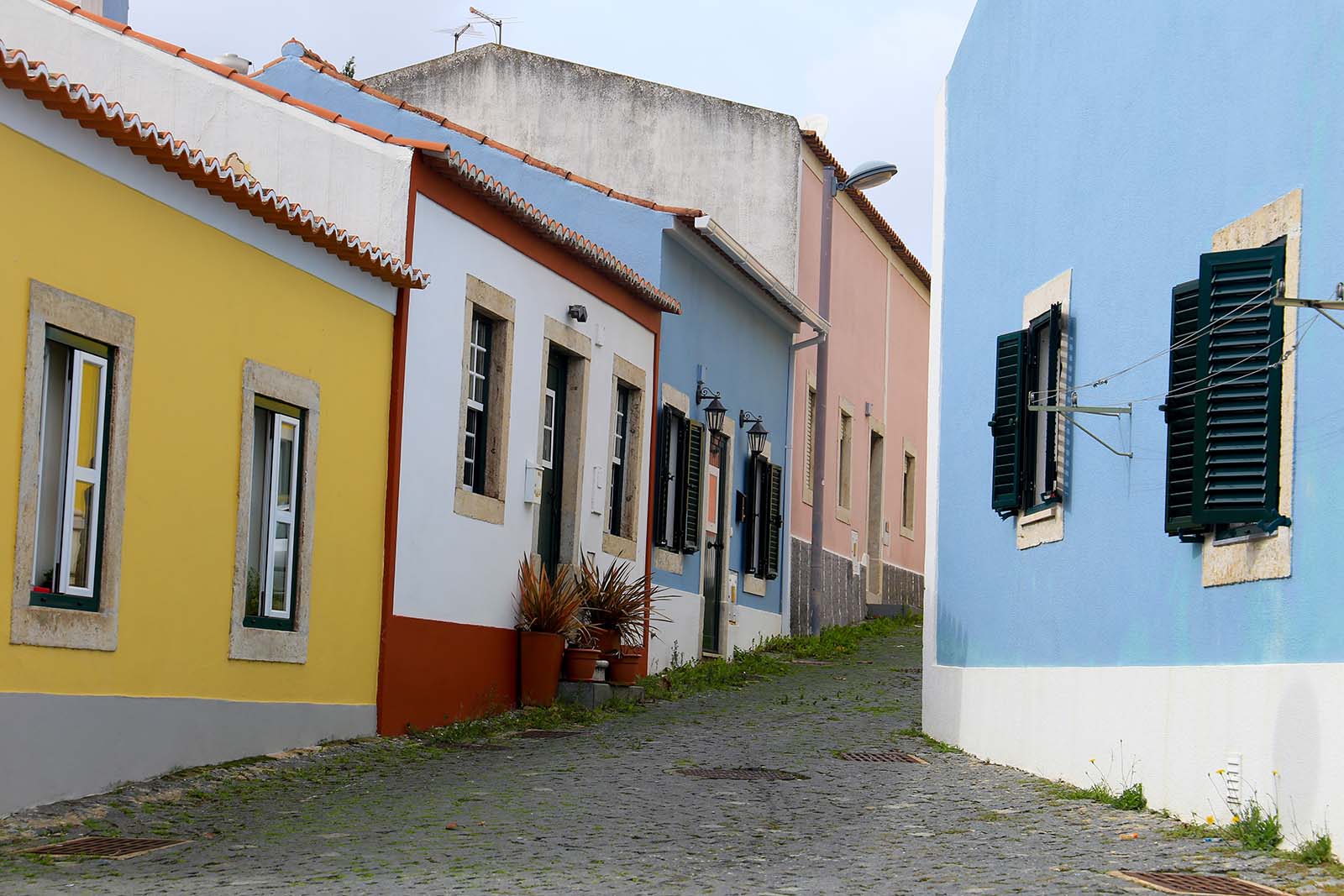
Step back in time wandering Mafra’s charming streets © Shutterstock
Exploring Mafra: Unmissable Experiences in Portugal’s Baroque Jewel
While the breathtaking palace complex understandably dominates Mafra’s identity, the town and its surroundings reward curious travelers with diverse experiences. From architectural wonders to culinary delights and nature encounters, here’s how to make the most of your visit:
Palácio Nacional de Mafra: A Monument to Royal Ambition
Prepare to be awestruck from your first glimpse of this staggering complex. Built in the early 18th century by King João V to fulfill a promise for an heir, the palace-monastery represents Portugal’s Golden Age ambitions. Its 1,200 rooms stretch across a facade longer than three football fields – a sight that makes you tilt your head further and further back to take it all in. Don’t make the mistake of rushing your visit here – schedule at least two hours to appreciate its expanses properly.
The Royal Apartments reveal what court life looked like with their opulent furnishings and exquisite tilework. Look for the fascinating Hunting Room displaying antlers and taxidermy that tell stories of royal pursuits in the nearby Tapada. But the undisputed crown jewel is the Library – a breathtaking 88-meter hall housing 36,000 priceless volumes under ornate barrel-vaulted ceilings. The real guardians of this knowledge? A resident bat colony that emerges at dusk to protect the collection from insects – nature’s perfect preservation system.
The Basilica: Where Heaven Meets Earth
At the architectural and spiritual heart of the complex lies the Basilica. This Italian Baroque masterpiece embodies divine grandeur with its colored marbles, gilded altars, and Europe’s largest collection of church bells – all 98 of them. Time your visit to hear the carillons’ haunting melodies (check locally for performance schedules). Notice how Portuguese sculptors added unique details to the Italian design, like the statues representing Franciscan virtues that crown the facade.
While entrance to the basilica is free, don’t skip the paid access to the rooftop if you’re willing to climb. The reward? Panoramic views stretching from Mafra’s terracotta rooftops to the Atlantic coastline. Photography enthusiasts should schedule late afternoon visits when golden light streams through the cupola creating ethereal effects.
Beyond the Palace Walls: Mafra’s Vibrant Living Culture
The town isn’t just about the palace – authentic Portuguese life flourishes in its squares and side streets. Start your exploration at Jardim do Cerco, the royal gardens transformed into a lovely public park perfect for picnics. On Saturday mornings, follow locals to the covered market hall where farmers sell seasonal produce, fresh-baked breads, and aromatic cheeses.
Looking for souvenirs with meaning? Artisan workshops around town keep traditional crafts alive – look for filigree jewelry makers, cork artisans creating contemporary designs, and bakeries specializing in Mafra’s signature almond pastries (fradinhos). Drop by the small but excellent D. Carlos I Municipal Museum to understand how the palace transformed local society through the centuries.
Tapada Nacional de Mafra: Nature’s Royal Playground
Just 5km from town awaits this 819-hectare walled sanctuary where kings once hunted. Today, Tapada Nacional de Mafra offers outdoor enthusiasts sanctuary among ancient forests and open meadows. Marked hiking trails cater to different fitness levels, while mountain bike rentals let you cover more ground. Keep binoculars handy – you might spot fallow deer, wild boar, or rare Bonelli’s eagles.
Consider joining a guided tour for deeper insights into local flora and fauna. Families love the interactive animal encounters, while history buffs can visit restored hunting lodges. New ecotourism projects recently added tree-top walkways and wildlife photography hides. Plan to stay for lunch at the park’s restaurant featuring wild game dishes – the venison stew is legendary!
Sobreiro’s Folk Art Wonderland
Just 10 minutes from the palace awaits one of Portugal’s most charming hidden gems: José Franco’s Miniature Village. This outdoor museum created by a master potter recreates traditional Portuguese life through handmade miniature buildings and scenes. Children delight in the moving windmills and miniature markets, while adults appreciate the nostalgic craftsmanship. Watch potters demonstrating their skills before selecting handcrafted ceramics at excellent prices.
The smell of wood-fired ovens leads you to fresh bread stands – don’t resist the warm pão com chouriço (chorizo-studded bread). Wander through the olive groves surrounding the village for perfect countryside views. Though admission is free, leaving a donation helps maintain this labor of love.
Savoring Mafra: From Rustic Taverns to Royal Recipes
No visit to Mafra is complete without tasting its culinary heritage. The town sits at a delicious crossroads between Lisbon’s seafood traditions and inland rustic cuisine.
Iconic Mafra Dishes You Must Try
Begin at any traditional tasca (tavern) with pão com chouriço – bread baked with spicy chorizo slices. For mains, cabrito assado (slow-roasted kid goat) stars on menus, its crispy skin concealing tender meat infused with garlic and herbs. Seafood lovers shouldn’t miss caldeirada à fragateira – a tomato-based fish stew reflecting nearby Ericeira’s fishing heritage.
Vegetarians find excellent options like migas com feijão (breadcrumb “migas” with beans) or oven-roasted vegetables drizzled with local olive oil. Save room for the town’s signature sweet – fradinhos (little friars), almond cakes supposedly created by monastery chefs. Pair meals with wines from Lisbon’s underrated wine region, particularly full-bodied reds from Bucelas.
Top Local Dining Experiences
For authentic atmosphere, head to Tasca do Xico near the palace entrance – their roasts slow-cooked in wood ovens will have you licking your fingers. Wine lovers should book ahead at Quinta da Murta vineyard restaurant for modern takes on traditional dishes. Ironically, the best seafood isn’t near the coast – Restaurante O Tanquinho in town serves breathtakingly fresh catch daily.
How to Visit Mafra Like a Pro
The best times for palace visits? Weekday mornings before coach tours arrive (afternoons see the worst crowds). Midweek market days offer the most authentic shopping. Photographers should time photography sessions for “golden hour” when honeyed light bathes the palace stones.
Don’t miss the monthly artisan fair near Jardim do Cerco where local producers sell everything from organic honey to handmade soaps. And if traveling between May-June, ask about the Mafra Gastronomy Festival celebrating regional specialties.
Beyond Mafra: Perfect Day Trip Combinations
Mafra pairs perfectly with visits to:
- Ericeira (15min west): Portugal’s surfing capital offers beautiful beaches and fresh seafood
- Sintra (30min south): Combine cultural treasures with more UNESCO wonders
- Obidos (1h north): Continue your royal tour in this fairytale walled town
- Lisbon (40min south): Easily combine city buzz with small-town charm
Whether you’re drawn by architectural magnificence, countryside tranquility, or delicious flavors, Mafra offers an authentically Portuguese experience far from the crowds. Come to see a palace, but leave carrying memories of warm hospitality, magical discoveries, and the feeling you’ve uncovered one of Europe’s best-kept secrets.
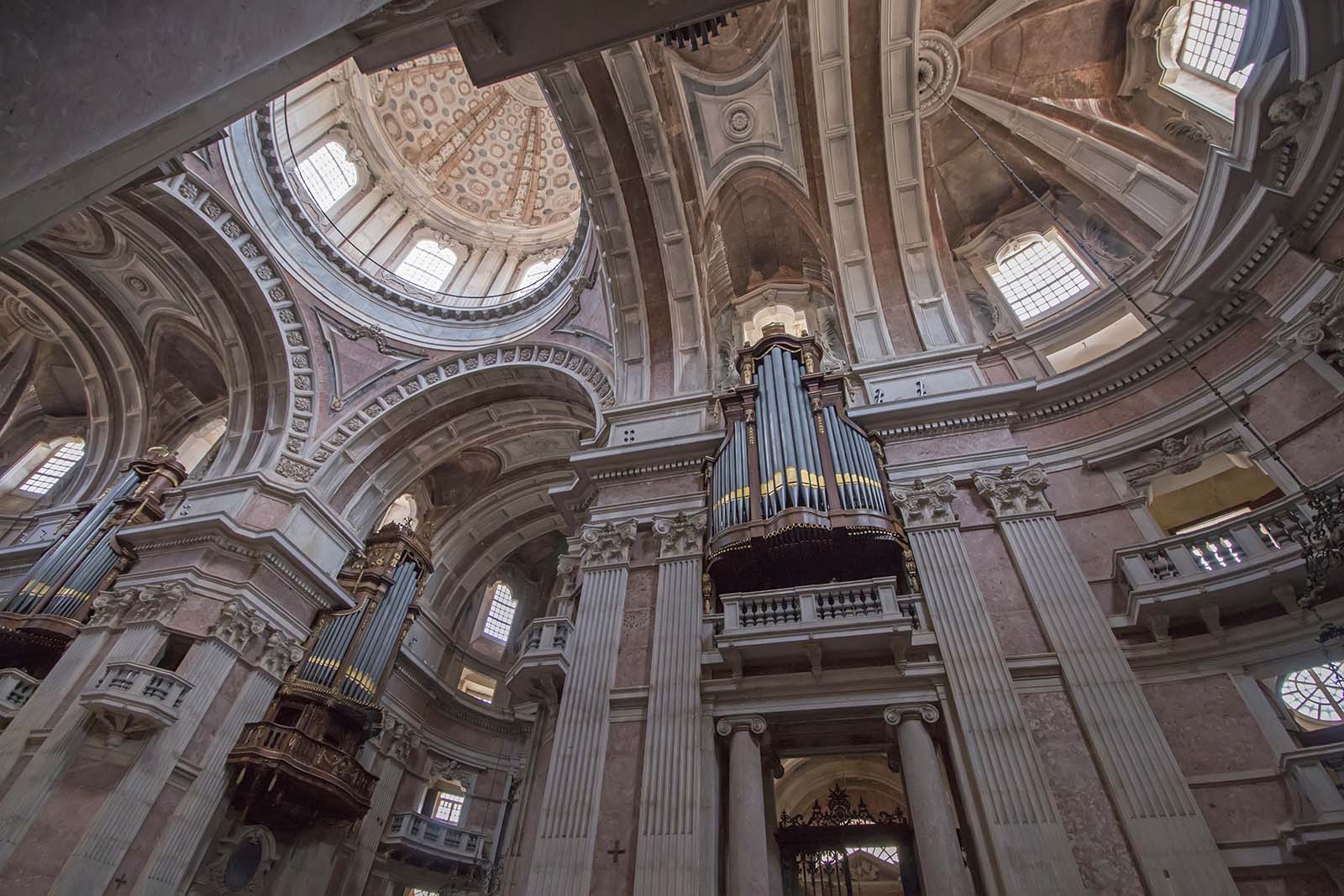
Inside view details of the National Palace of Mafra landmark, Portugal © Shutterstock
The Ultimate Guide to Mafra: Portugal’s Hidden Royal Retreat
Discover Portugal’s Coastal Jewel at Ericeira
A mere 15-minute drive from Mafra’s royal splendor lies the postcard-perfect fishing town of Ericeira. This coastal charmer has earned global recognition as one of only two World Surfing Reserves in Europe – and once you see its honeycomb of cobblestone streets cascading toward the Atlantic, you’ll understand why. The town is a watercolor painting come alive: whitewashed cottages trimmed in vivid blue, colorful fishing boats bobbing in harbors, and the tang of salt air mingling with aromas of grilled sardines.
But Ericeira is far more than just another pretty seaside village. Its coastline offers what many consider the best beaches in Portugal for wave riders and sun worshippers alike. Ribeira d’Ilhas attracts international surf competitions with its dependable right-hand breaks, while Foz do Lizandro offers golden sands flanked by dramatic cliffs – perfect for family beach days. Even if you’ve never stepped on a surfboard, don’t miss sunset drinks at Praia dos Pescadores, where traditionally clad fishermen still mend nets as the sky explodes in Technicolor hues. Pro tip: pair your morning palace tour in Mafra with a seafood lunch in Ericeira – catch-of-the-day specials taste even better with ocean views.
Step Into Sacred Silence at Santo António Convent
While Mafra’s colossal palace might dominate itineraries, savvy travelers save time for the tranquil 15th-century Convent of Santo António do Varatojo. Founded by King Afonso V, this Franciscan sanctuary remains remarkably unchanged since medieval monks first walked its hushed cloisters. What it lacks in grandeur it makes up for in atmosphere – you’ll practically feel history whispering through the arched passages.
The true magic happens in the friars’ garden, where ancient horticultural traditions continue daily. Watch brown-robed brothers tending medicinal herbs and heirloom vegetables using methods unchanged for centuries. Guided tours (led by the Franciscans themselves) reveal fascinating monastic secrets, from hidden religious symbolism to tales of royal visits. Before leaving, light a candle in the dimly lit chapel where golden light filters through 500-year-old stained glass – a moment frozen in time.
Dance With History at Mafra’s Festivals
Plan your visit around one of Mafra’s vibrant festivals, and you’ll experience Portugal’s living traditions in full color. September brings the magnetic Nossa Senhora da Nazaré pilgrimage, where candlelit processions wind through streets alive with music, food stalls, and palpable devotion. But the real showstopper happens when the palace carillons awaken – all 98 bronze bells thundering in symphonic harmony that vibrates through your bones.
Throughout summer, the basilica square transforms into an open-air festival ground. On any given weekend you might encounter folk dancers whirling in traditional scarlet dresses, artisanal markets showcasing regional crafts, or boisterous village feasts with communal tables piled high with suckling pig and pitchers of vinho verde. Even off-season, cultural gems appear – like the atmospheric “Noites de Real” when the palace stays open after dark for candlelit concerts in the library.
Your Seasonal Guide to Mafra’s Climate
Blessed with a temperate Atlantic climate, Mafra offers distinct pleasures in every season.
Spring’s Embrace (March-May): As almond blossoms blanket the countryside, Mafra emerges from winter’s soft grey. Daytime temperatures hover around 61-72°F (16-22°C) – perfect for hiking wildflower-strewn trails through Tapada de Mafra. Enjoy lighter crowds at the palace while hotel prices remain pleasantly moderate (€65-€95). May brings golden-hour magic as late sunlight gilds the basilica’s towers.
Sun-Kissed Summer (June-August): The Atlantic’s cooling breath saves Mafra from mainland Portugal’s intense heat, with July highs around 79°F (26°C). August brings festival energy and packed terrace restaurants, especially when Ericeira’s famous beaches become appealing alternatives for travelers. Book accommodations early (€90-€130) if visiting peak season.
Golden Autumn (September-November): Warm days (75°F/24°C in September) yield to crisp nights ideal for fireplace dining – a wonderful time for harvest festivals in nearby vineyards. Daylight dwindles by November, but the stormy Atlantic provides dramatic coastal walks. Accommodation bargains appear (€60-€85) as visitor numbers dwindle.
Serene Winter (December-February): Daytime highs around 55°F (13°C) bring quiet magic to Mafra. Rain-cooled afternoons reward visitors with empty palace corridors glowing in soft winter light. Choose cozy rural estates or historic townhouses draped in seasonal decorations (€50-€70).
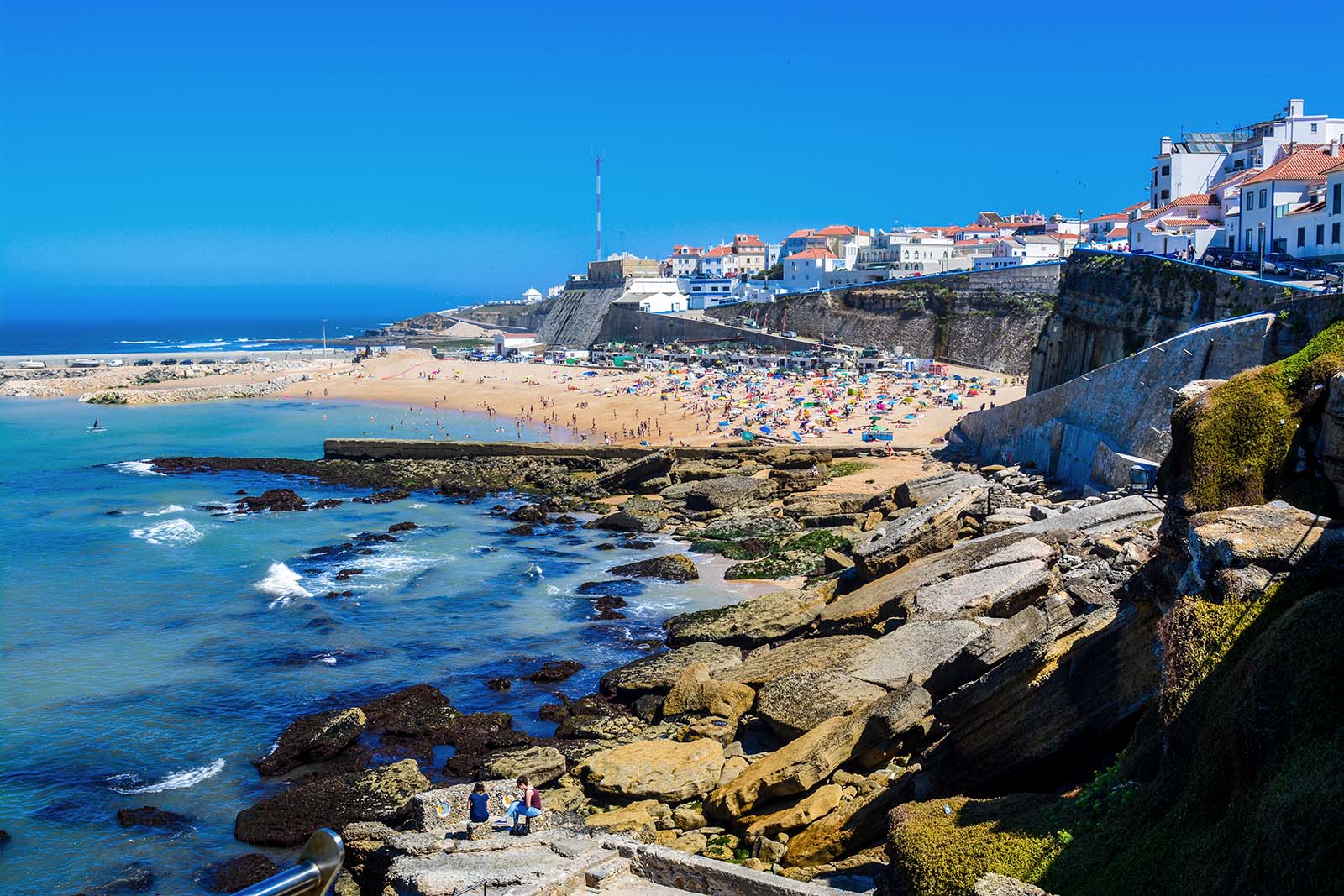
Ericeira Praia dos Pescadores beach © Shutterstock
A Culinary Journey Through Mafra’s Flavors
Mafra’s cuisine beautifully marries mountain and coast – think monastery recipes passed down through generations alongside fresh-off-the-boat seafood catches. From rustic taverns to seaside dining rooms, expect uncomplicated excellence using ingredients as authentic as Portugal itself.
The Dishes You Can’t Miss
Fradinho de Mafra: Bite into history with these addictive almond cakes created by 18th-century monks. The perfect partner for strong Portuguese coffee.
Cabrito assado: Locals swear by the roast kid goat at family-run spots, marinated for hours in garlic and vinho verde before slow-roasting until fork-tender.
Porco preto: Savor free-range black pork from acorn-fed Iberian pigs – grilled simply with sea salt to showcase its nutty richness.
Arroz de marisco: Dive into Portugal’s signature seafood rice bubbling in earthenware pots – prawns, clams and mussels absorbed into a saffron-tinted broth.
Unforgettable Dining Experiences
João da Vila Velha: This hearth-warmed tavern near the palace serves heirloom recipes like granny used to make. Don’t leave without trying their creamy pumpkin soup.
Fradinho: Hand-shaped pastries share menu space with excellent regional wines at this bakery-café. Their green wine flights perfectly accompany petiscos (Portuguese tapas).
Mar das Latas (Ericeira): Modern ocean-to-table cooking makes this cliffside spot special. Try their “Seven Seas Cataplana” – a contemporary twist on the classic seafood stew.
Ti Matilde (Ericeira): For fish so fresh it still smells like the sea, this family institution serves straight-off-the-boat catches grilled over olive wood coals.
Make History Come Alive With Local Experts
From royal intrigue to wild coastlines, these handcrafted experiences reveal Mafra through local eyes:
Royal Secrets & Splendors Tour: Unlock hidden chapters of palace history with guides who make Baroque politics feel thrilling. Includes exclusive access to off-limits areas when available.
Wild Tapada Immersion: Track deer and wild boar across royal hunting grounds transformed into conservation areas – binoculars provided for bird spotting amid ancient cork oaks.
Pottery & Pastries Workshop: At José Franco’s craft village, master potters demonstrate techniques unchanged since Roman times paired with Fradinho pastry making (and eating!).
Family Explorer Adventure: Engaging scavenger hunts through the palace keep kids entertained, followed by wildlife tracking and model village treasure hunts.
From Palaces to Waves: Blend cultural discovery with coastal freedom – morning palace exploration followed by surf lessons with world-class Ericeira instructors at some of Portugal’s best beaches.
Why Mafra Should Top Your Portugal Itinerary
Mafra offers what many travelers search for but rarely find – intimate access to extraordinary history without tourist crowds, authentic culture untouched by gimmicks, and landscapes where wild hills tumble into ocean blues. Here, you can stand where kings once worshipped under 70-ton marble domes in the morning, then beachcomb undisturbed Atlantic shores by afternoon.
Beyond the staggering palace (which alone justifies the trip), Mafra represents Portugal in microcosm. Ancient convents still echo with Gregorian chants, village festivals erupt with spontaneous fado singing, and three-generation taverns serve recipes unchanged since Portugal’s Age of Discovery. Nearby, Ericeira’s world-renowned surf breaks attract global legends while retaining its fisherman’s soul.
Perhaps Mafra’s greatest gift is its unpretentious authenticity. Unlike heavily marketed destinations, this corner of Portugal doesn’t court visitors – it simply exists in all its layered beauty, waiting for discerning travelers to uncover its charms. Come for the palace, stay for the warmth of local life, and leave with memories no grandeur could surpass.


🌟 The Travaloca Travel Editors Community is a dynamic collective of individuals united by their passion for travel and their dedication to high-quality content creation. This community serves as the driving force behind Travaloca's informative and engaging travel resources. ✨ Core Identity: This group consists primarily of passionate travel enthusiasts who have turned their love for exploration into a commitment to writing and content curation. Members are recognized for their: Extensive Travel Experience: Possessing valuable firsthand knowledge from their journeys worldwide. Aptitude for Writing and Editing: Demonstrating a keen interest and skill in crafting, reviewing, and perfecting travel narratives, guides, tips, and reviews. Dedication to Storytelling: Transforming personal experiences and destination knowledge into accessible, inspiring, and reliable information for a global audience. 📝 Community Focus: The community’s primary role is to contribute, edit, and maintain the diverse range of content on Travaloca's platform. They ensure the information provided is accurate, engaging, and reflective of current travel trends. In essence, the Travaloca Travel Editors Community is where travel passion meets editorial excellence, enriching the user experience and solidifying Travaloca’s standing as a trusted travel resource.


