
Discover Northern Luzon: The Philippines’ Last Frontier
Just a few hours north of Manila’s urban sprawl lies a realm where misty mountains meet crashing waves – Northern Luzon remains one of Southeast Asia’s best-kept travel secrets. This rugged paradise offers a stunning tapestry of natural wonders and cultural treasures, combining adrenaline-pumping adventures with glimpses into ancient traditions. From the legendary surf breaks of La Union to the UNESCO-recognized rice terraces of the Cordilleras, this region invites intrepid travelers to explore its untamed beauty.
Why Northern Luzon Deserves a Spot on Your Travel Bucket List
What sets Northern Luzon apart from other Philippine destinations? It’s the perfect marriage of accessibility and authenticity. Unlike heavily commercialized tourist spots, this northern frontier retains its genuine cultural character while offering well-developed infrastructure for comfortable exploration. Imagine waking up to mountain views still blanketed in morning fog, then spending your afternoon surfing world-class breaks or trekking through landscapes unchanged for centuries. That’s the daily magic of Northern Luzon.
5 Must-Experience Regions of Northern Luzon
1. Ilocos Region: Where History Meets Dramatic Coastlines
The western coastline boasts some of Luzon’s most fascinating historical sites nestled between postcard-perfect beaches. Vigan’s Calle Crisologo transports visitors back to the Spanish colonial era with its iconic cobblestone streets and horse-drawn carriages (kalesas). Further north, the Laoag Sand Dunes create an unexpected desert-like landscape where 4×4 adventures await. Don’t miss the stunning windmills of Bangui and the pristine beaches of Pagudpud – home to the Philippines’ answer to Boracay’s White Beach without the crowds.
2. La Union: The Philippines’ Surfing Capital
Affectionately called “Elyu” by locals, this coastal province offers consistent waves that attract surfers from Manila and beyond. Urbiztondo Beach in San Juan serves as ground zero for surfing action, with breaks suitable for both beginners and experienced wave riders. The emerging culinary scene here beautifully complements the surf culture – think fresh seafood feasts enjoyed with sunset views over the Lingayen Gulf.
3. Cordillera Mountains: Nature’s Masterpiece
The landlocked heart of Northern Luzon reveals some of the planet’s most extraordinary landscapes. The Banaue Rice Terraces – often called the “Eighth Wonder of the World” – showcase 2,000-year-old engineering marvels carved into mountainsides. In Sagada, trek through limestone caves to witness unique burial traditions with hanging coffins suspended from cliffs. Adventurers can summit Luzon’s highest peak, Mount Pulag, where a surreal “sea of clouds” sunrise rewards early risers.
4. Cagayan Valley: Adventure Central
Eastern Luzon presents adrenaline junkies with world-class whitewater rafting on the Chico and Cagayan Rivers. The Sierra Madre mountains hide spectacular spelunking opportunities, particularly in Callao Cave with its magnificent natural cathedral. Off-the-beaten-path seekers will love the pristine coastlines around Palanan and the protected wilderness of Northern Sierra Madre National Park – Luzon’s largest conservation area.
5. Batanes Islands: The Philippines’ Final Frontier
Closer to Taiwan than mainland Luzon, this remote archipelago enchants visitors with its windswept landscapes and unique stone houses. Often called the “Home of the Winds,” Batanes offers dramatic seascapes straight from a fantasy novel. Don’t miss the iconic Marlboro Country viewpoint and the traditional Ivatan stone villages that have withstood centuries of typhoons.

Majestic Mayon Volcano dominates the Southern Luzon landscape © Shutterstock
Top Experiences in Northern Luzon
1. Catch Your First Wave in San Juan
Known as the surfing capital of Northern Luzon, San Juan’s Urbiztondo Beach offers perfect conditions for beginners to pros. The beach break right in front of resorts creates gentle rollers ideal for finding your footing, while more experienced surfers head north to Monaliza Point’s challenging reef break. Local surf schools provide patient instructors and quality boards – many visitors find themselves extending their stay after catching the surfing bug.
2. Step Back in Time at Vigan’s Heritage Streets
No visit to Northern Luzon is complete without exploring Vigan’s UNESCO World Heritage-listed colonial architecture. The beautifully preserved Calle Crisologo transports you to the 18th century with its unique blend of Filipino, Chinese, and Spanish architectural influences. As evening falls, gas lamps flicker to life while kalesa (horse-drawn carriage) drivers trot down cobblestone streets. Pro tip: Stay in a heritage hotel converted from ancestral homes for the full immersion experience.
3. Conquer the Dunes of La Paz
The vast Sahara-like dunes west of Laoag create Northern Luzon’s most unexpected landscape. Adventure seekers can try sandboarding down 30-meter slopes or hop on a 4×4 for a thrilling dune-bashing adventure. These golden deserts have starred in multiple films, including scenes from Born on the Fourth of July. Visit at sunset when the sharp shadows create dramatic photo opportunities across the undulating sands.
4. Trek Through Cloud-Kissed Rice Terraces
The Cordillera mountains hide one of humanity’s greatest agricultural achievements – the 2,000-year-old rice terraces of Banaue, Batad, and Hungduan. Start your exploration at the Batad Amphitheater, where emerald-green paddies curve around entire mountainsides like giant staircases to the sky. For authentic cultural immersion, stay in traditional Ifugao huts and witness ancient farming techniques still practiced today.
5. Discover Ancient Burial Traditions in Sagada
This mountain town offers more than just cool climate relief from tropical heat. Sagada’s famous hanging coffins suspended from limestone cliffs reveal unique indigenous burial practices dating back over 2,000 years. Adventurous travelers can spelunk through Lumiang Burial Cave before emerging via Sumaging Cave’s stunning rock formations. Don’t miss the chance to hike to Kiltepan Peak at dawn for breathtaking views of the “sea of clouds” phenomenon.
6. Island Hop in Hundred Islands National Park
Contrary to its name, this national park off Pangasinan province features 124 individual islands at low tide. Rent a bangka (traditional outrigger boat) to explore the archipelago’s hidden lagoons and white sand beaches. For thrill-seekers, the park offers cliff diving spots, ziplines between islands, and snorkeling in teeming coral gardens. Overnight stays on Governor’s Island let you experience magical sunsets without the day-tripper crowds.
Essential Travel Tips for Northern Luzon Explorers
To make the most of your Northern Luzon adventure, keep these practical tips in mind:
Best Time to Visit
The dry season from November to April offers the most reliable weather for outdoor activities. Surf season peaks between September and March when swells from the northeast create ideal wave conditions. If you want to see the rice terraces at their most vibrant green, plan your visit between June and July when paddies are newly planted.
Getting Around
While buses connect major Northern Luzon destinations, road travel times can be lengthy due to mountainous terrain. Consider domestic flights to Laoag or Tuguegarao to jumpstart your itinerary. For Cordillera destinations like Banaue and Sagada, overnight buses from Manila offer the most convenient access.
Packing Essentials
Northern Luzon’s varied elevations mean you’ll need both swimwear and warmer layers. Bring sturdy hiking shoes for mountain treks, reef-safe sunscreen for beaches, and a rain jacket for sudden showers. If visiting remote areas, pack basic first-aid supplies as medical facilities can be limited.
Cultural Respect
When visiting indigenous communities like the Ifugao or Ivatans, always ask permission before taking photos of people. Dress modestly when visiting religious sites, and learn a few basic phrases in Ilocano or local dialects – even simple greetings will be appreciated.
Sustainable Travel in Northern Luzon
As tourism grows in once-isolated communities, responsible travel practices become increasingly important:
Support Local Communities
Choose homestays in traditional villages like those offered through the Banaue Homestay Program. Purchase handicrafts directly from indigenous artisans rather than Manila gift shops. Participate in cultural exchanges that benefit villagers through community-based tourism initiatives.
Minimize Plastic Waste
Bring a reusable water bottle and refill at towns along your route. Many mountain communities lack proper waste management systems – carry your trash back to urban centers for proper disposal.
Stay on Designated Trails
Help preserve fragile terraces and natural areas by sticking to marked paths. When hiking or caving, always hire local guides who understand sustainable practices and cultural sensitivities.
Why You’ll Fall in Love with Northern Luzon
Northern Luzon offers that increasingly rare combination of unforgettable experiences without overwhelming crowds. Here you can surf uncrowded breaks in the morning, explore centuries-old Spanish architecture at lunchtime, and find yourself sharing campfire stories with Ifugao elders by nightfall. The region’s spectacular diversity – from sea to mountains to living cultural traditions – creates travel moments that linger long after your tan fades.
Whether you’re chasing adventure on remote trails, seeking authentic cultural connections, or simply wanting to discover breathtaking landscapes few travelers witness, Northern Luzon delivers experiences that will reshape your understanding of the Philippines. Pack your sense of adventure and prepare to uncover this magnificent region – one where every journey reveals new wonders and timeless traditions intertwined with stunning natural beauty.

Philippines rice terrace in Banaue © Leonid Andronov
The Ancient Mysteries of Kabayan: Uncovering 2,000-Year-Old Mummies
Deep in the mountainous heart of Northern Luzon lies Kabayan, a place that feels suspended between worlds. The town gained international fame when explorers stumbled upon something extraordinary in the early 1900s – human mummies that possibly date back to 2000 BC. These aren’t your typical museum specimens behind glass, but ancestors resting in the very caves where they were laid to rest centuries ago.
What makes these mummies truly fascinating is how they challenge our understanding of ancient Filipino cultures. The mummification process itself remains shrouded in mystery, passed down through oral traditions rather than written records. Museum staff in Kabayan will tell you about the last known attempt in 1907 – a failed effort where the wrong herbal mixture was used. The successful techniques seem to have faded with time, with the last documented mummification occurring in 1901 for Florentino Merino’s great-grandmother.
No visit to Kabayan is complete without experiencing Opdas Cave at the village’s southern edge. Here, you’ll encounter a haunting display of history – approximately two hundred skulls and bones arranged with care, though originally discovered in a single pile. Local elders speculate these remains tell a story of tragedy, possibly victims of a forgotten epidemic that swept through the community nearly a millennium ago. The cool cave air carries whispers of these ancient people, inviting visitors to ponder the mysteries of life and death in this remote mountain region.
Sagada’s Hanging Coffins: Where Culture Meets the Clouds
Journey 160km north of Baguio and you’ll discover Sagada, a town that seems to float between mountain peaks. This enchanting destination has drawn travelers for decades, captivated by its dual allure of hanging coffins and extensive cave networks that served as ancient burial grounds. But Sagada offers more than just archaeological wonders – it’s a living community where traditional mountain culture thrives amid breathtaking landscapes.
The local Igorot people carry distinct features shaped by high-altitude living rather than coastal sun. Life here follows rhythms unchanged for generations, though modernity did make its mark when electricity arrived in the 1970s. This development unexpectedly turned Sagada into a refuge during the Marcos dictatorship, as artists and intellectuals sought inspiration in its misty valleys. While their creative output was perhaps hindered by copious amounts of tapuy (the local rice wine), they established Sagada’s reputation as a bohemian retreat.
Europeans soon followed, adding to Sagada’s eclectic cultural mix. Don’t expect constant entertainment – the magic here lies in simple rhythms of daily life. Mornings bring steaming cups of local coffee, afternoons invite hikes to waterfalls nestled in pine forests, and evenings find locals sharing stories at community kitchens. The famous hanging coffins, suspended from limestone cliffs, serve as a powerful reminder of the Igorot belief that elevating the dead brings them closer to ancestral spirits.
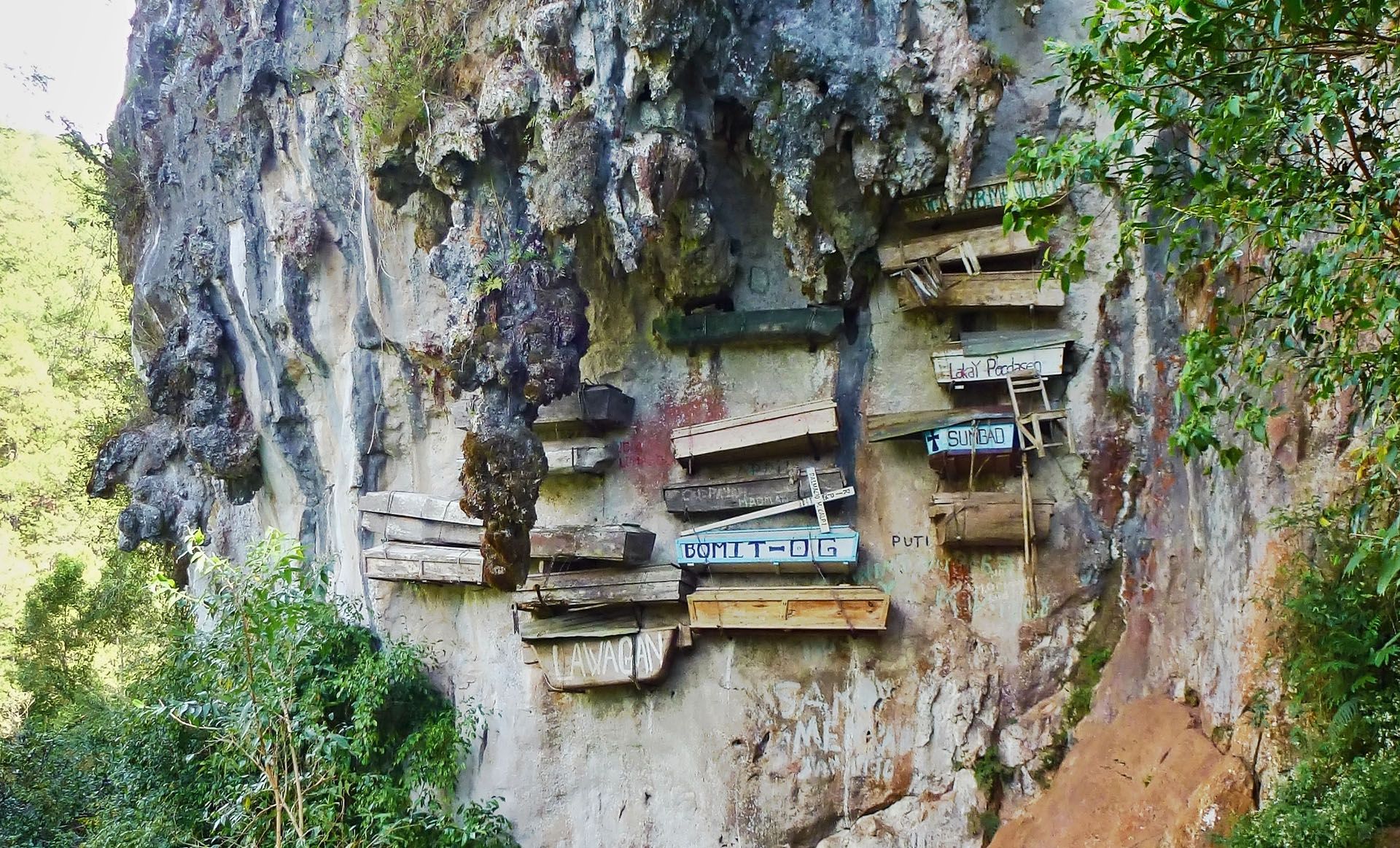
Hanging coffins, traditional way how to bury people, Philippines @ Tunature/Shutterstock
Banaue Rice Terraces: Ancient Engineering Marvels
While Bali and Chiang Mai often steal the spotlight for rice terraces, Northern Luzon hides what many consider the grandest of them all. Banaue’s rice terraces aren’t just agricultural land – they’re a testament to human ingenuity carved into mountainsides over 2,000 years ago. Often called the “Eighth Wonder of the World,” these stunning contours represent generations of Ifugao knowledge passed down through centuries.
What makes Banaue truly special is how these terraces remain living landscapes. Local farmers still tend to the rice paddies using traditional methods, their lives intertwined with the land as their ancestors’ were. Visitors can immerse themselves in this unique culture through weaving workshops or evenings of hudhud chanting – ancient epic poems recognized by UNESCO as intangible cultural heritage.
The town itself serves as a charming base for exploration. Wander through its market to sample heirloom rice varieties, or hire a local guide for hikes through surrounding villages. Batad’s amphitheater-like terraces and Banga-an’s compact community offer different perspectives on terrace culture. As the morning mist lifts from the valley, revealing the full expanse of emerald-green steps, you’ll understand why these terraces continue to captivate travelers worldwide.
Northern Luzon Accommodation Guide: From Beaches to Highlands
Finding your perfect home base in Northern Luzon depends on what experience you seek. The region offers surprising diversity – beachfront huts where waves lull you to sleep, mountain lodges nestled in pine forests, and heritage homes that transport you to colonial eras.
Coastal Escapes: Zambales and Lingayen Gulf
Along Zambales’ coast, you’ll find distinct personalities. San Antonio-Pundaquit attracts beach lovers with its resort clusters, while San Narciso’s surf vibe draws wave-chasers. For something quieter, Botolan offers midrange stays where hammocks sway between palm trees. The Lingayen Gulf presents tougher choices – Lucap’s functional options work for overnight stops, but Bolinao’s seaside resorts reward those staying longer. Adventurous spirits can even camp on Governor’s, Children’s, or Quezon Islands, falling asleep to lapping waves under star-filled skies.
Ilocos Province: Sleeping With History
Vigan stands out with its exceptional heritage accommodations. Imagine sleeping in a 300-year-old Spanish colonial mansion, where capiz windows filter morning light onto antique wooden floors. Beyond the UNESCO-listed city center, Pagudpud’s beach resorts offer modern comforts with stunning sea views. Budget travelers shouldn’t overlook Saud Beach’s local homestays – simple rooms where the genuine hospitality will leave lasting memories.
The Cordillera Highlands: Mountain Retreats
Baguio serves as the Cordillera’s accommodation hub, but choose wisely between central convenience and forest tranquility. Downtown hotels buzz with city energy, while outskirts options nestle in pine-scented quiet. For something truly unique, Tam-awan Village’s traditional huts double as living art installations – wake up surrounded by indigenous architecture and contemporary art pieces.
Remote Adventures: Kalinga, Ifugao & Batanes
Beyond tourist trails, accommodations become simpler but more rewarding. Tinglayan and Tabuk offer basic but clean rooms as gateways to Kalinga’s tattoo traditions. In Banaue, atmospheric guesthouses boast terrace views and authentic Ifugao charm. The remote Babuyan Islands require flexibility – Sabtang and Itbayat travelers typically stay in family-run homestays where shared meals become cultural exchanges. Adventurous souls can pitch tents along Batan’s rugged coastlines with nothing but the stars as their roof.
Northern Luzon’s Culinary Journey
While fast food chains dot provincial towns, Northern Luzon’s true flavors emerge in local kitchens and resort restaurants. This region offers culinary adventures as diverse as its landscapes – from freshly-caught seafood to highland heirloom dishes.
Lingayen Gulf & Ilocos: Seafood & Colonial Flavors
Lingayen Gulf specializes in freshly-caught delights. Try sinuga na bangus (milkfish grilled in banana leaves) or adobong pusit (squid cooked in vinegar and garlic). Bolinao’s bangus (milkfish) stands out for its sweetness thanks to clean waters. In historic Vigan, iconic Ilocano dishes reign – sample bagnet (crispy pork belly) with pinakbet vegetables or the famous Vigan longganisa sausages at heritage restaurant Cafe Leona. Don’t miss empanadas stuffed with papaya and egg at the town plaza’s street stalls.
Cordillera Country: Highland Cuisine
Baguio transforms into Northern Luzon’s food capital come cold season. The city’s strawberries inspire everything from fresh jam to taho (silken tofu) flavors. For authentic Igorot cuisine, visit the public market for etag (salted mountain pork) or smoke-kissed pinikpikan chicken. Local vegans rave about Cordillera organic greens served with fermented rice paste. Many restaurants now incorporate lavender from nearby farms into desserts and drinks.
Life on the Coast: Western Beaches
Zambales coastal towns specialize in beach barbecue culture. As sunset paints the sky, makeshift grills appear serving freshly-caught fish and shells with spicy sawsawan dipping sauces. San Narciso’s surfing community supports fun reggae bars where seafood baskets pair perfectly with cold San Miguel beers.
Batanes: Island Flavors
The remote Babuyan Islands offer intimate dining experiences. Most stays serve home-cooked meals featuring turmeric rice, flying fish, and nutrient-rich dibang (local fern). Ivatan cuisine incorporates root crops like wakay (sweet potato) and unique dishes like uved balls (minced meat mixed with banana blossom). Breakfast often means garlic-fried jimami (similar to edamame) with freshly-caught lobster.
Creating Your Northern Luzon Adventure
Crafting the perfect Northern Luzon itinerary means balancing must-see attractions with unexpected discoveries. Start your journey with Banaue’s terraces before moving to Sagada’s mysterious hanging coffins. Include a full day to explore Kabayan’s ancient mummy caves with a local guide who can share oral histories. Road trips reveal regional diversity – drive from Vigan’s colonial streets along the winding Patapat viaduct to Pagudpud’s white beaches.
Consider timing carefully – dry season (November-April) offers smoother travel, while green season (May-October) transforms landscapes with vibrant colors. Packing requires versatility: layers for chilly mountain evenings, swimwear for island hopping, and sturdy shoes for cave explorations.
Most importantly, embrace Northern Luzon’s rhythm of slow travel. Savor unhurried conversations with locals, pause to watch golden light wash over rice terraces, and allow time for spontaneous detours down winding mountain roads. In this region where ancient traditions still breathe, the real magic emerges when you simply let the land and people reveal their stories in their own time.
Discover Northern Luzon: A Traveler’s Paradise
Northern Luzon offers travelers a spectacular blend of natural wonders, cultural treasures, and unforgettable adventures. This northernmost region of the Philippines serves as a gateway to pristine beaches, centuries-old Spanish architecture, and terraced mountains that seem brushed by celestial hands. Whether you’re seeking adrenaline-pumping activities, cultural immersion, or serene landscapes, this region promises experiences that linger in your memory long after your journey ends.
Northern Luzon’s Unmissable Attractions
Every corner of Northern Luzon reveals new wonders waiting to be explored. From UNESCO World Heritage sites to hidden natural gems, here’s where your adventure begins:
The Rice Terraces of Banaue
Often called the “Eighth Wonder of the World,” the Banaue Rice Terraces showcase agricultural engineering prowess dating back over 2,000 years. These emerald-green staircases carved into mountainsides by Ifugao ancestors create a living cultural landscape that changes with the seasons. Visit between February and May when newly planted rice creates vibrant patterns across the slopes.
Vigan’s Timeless Charm
Step back into the Spanish colonial era at Vigan’s Calle Crisologo. This remarkably preserved street features cobblestone paths flanked by ancestral houses with massive wooden doors and capiz-shell windows. Don’t miss trying the local delicacy – the crispy Vigan empanada – while exploring this UNESCO World Heritage Site.
Batanes: Where Heaven Meets Earth
Ivoyos (as locals call Batanes) offers landscapes so dramatic they seem otherworldly. Rolling hills dotted with traditional stone houses lead to cliffside vistas where the Pacific Ocean crashes against volcanic rock formations. The idyllic islands provide perfect opportunities for biking, hiking, and cultural exchanges with the warm Ivatan people.
Sagada’s Mystical Caves
Sagada’s limestone caves hold both natural wonders and cultural significance. The famous Hanging Coffins suspended on cliff faces demonstrate the Igorot people’s ancient burial traditions. Adventurous travelers can embark on spelunking tours through cathedral-like chambers and underground rivers.

Banaue Rice Terraces – A UNESCO World Heritage Site
Where to Stay: Accommodation Guide
Northern Luzon offers diverse lodging options to suit every travel style and budget:
Banaue
For authentic cultural immersion, stay in traditional Ifugao huts converted into cozy guesthouses. Many offer terrace views and homemade organic meals. The Banaue Hotel provides comfortable modern amenities while maintaining local architectural elements.
Vigan
Sleep in living history at ancestral homes converted into boutique hotels along Calle Crisologo. These heritage properties feature antique wooden furniture and open courtyards. Budget travelers will find clean pension houses near the city center.
Batanes
Choose between quaint homestays offering authentic Ivatan experiences or mid-range lodges with stunning coastal views. Many accommodations arrange package tours including bikes and meals – perfect for exploring the islands.
Sagada
Cozy mountain lodges and yogic retreat centers nestle amidst pine forests. The iconic St. Joseph Resthouse offers spectacular valley views from their simple rooms and famous lemon pie at their café.
Flavors of the North: Culinary Journey
Northern Luzon’s culinary scene reflects its cultural diversity and agricultural bounty. Every area offers unique specialties worth discovering:
Vigan
Beyond its famous empanadas, Vigan’s culinary reputation rests on dishes like bagnet (crispy fried pork belly), longganisa Ilocana (garlicky sausages), and sinanglaw (beef innards stew). Visit Irene’s Empanadahan for generations-old recipes passed down since the 1930s.
The Cordillera
Baguio’s culinary scene ranks among the Philippines’ best. Café by the Ruins offers organic dishes crafted with homegrown herbs in an atmospheric historical setting. Chef’s Home serves exceptional Asian fusion cuisine – try their massive curry platters meant for sharing.
San Juan Surf Towns
Head to Angel and Marie’s Place for perfectly grilled tuna steaks or squid adobo. Their weekend Filipino breakfasts draw surfers and locals alike, while banana chocolate crêpes make for indulgent dessert.
Batanes
Savor fresh seafood and root crops like uvud (yam) in local canteens. Your lodge can prepare traditional dishes like vunung (shredded banana stalk with fish) with advance notice.

Vigan’s Historic Charm © Daniel Andis/Shutterstock
Navigating Northern Luzon: Transportation Guide
Northern Luzon’s impressive infrastructure makes exploration accessible:
By Bus
Regular air-conditioned buses connect Manila to major Northern Luzon destinations. Victory Liner offers multiple daily departures to Ilocos, La Union, and Pangasinan. For Cordillera destinations like Baguio and Banaue, Genesis Trans provides comfortable rides through mountain roads.
By Jeepney
Colorful jeepneys provide local connections between towns and nearby attractions. From Sagada, jeepneys depart for Bontoc and Banaue early mornings. Be prepared for scenic but winding mountain roads.
By Tricycle
These motorized rickshaws zip through town streets and short rural routes. Always agree on fares before boarding – Php 10 per person for short rides to Php 100-150 for longer countryside trips.
By Plane
Domestic flights connect Manila to Laoag, Vigan, and Tuguegarao. New routes to Basco in Batanes offer quicker access to these remote islands. From airports, vans and tricycles provide transfers to city centers.
Your Perfect Northern Luzon Itinerary
Craft your ideal adventure with our recommended timelines:
5-7 Day Adventure
Day 1-2: Explore Vigan’s heritage sites and food scene
Day 3: Morning drive to Banaue (6 hours), afternoon rice terrace hike
Day 4: Travel to Sagada (3 hours) and explore underground caves
Day 5: Sagada sunrise viewing at Marlboro Hills
Day 6: Return to Manila via Baguio, visit the Mansion and Burnham Park
Day 7: Optional Baguio extension
10-14 Day Immersion
All above, plus:
– 2 days exploring Pagudpud’s pristine beaches
– 3 days island-hopping through Batanes
– Day trips to Kabayan mummy caves and La Union surf spots

Saud Beach, Pagudpud – Ilocos Norte’s Hidden Gem © MDV Edwards/Shutterstock
When to Visit: Seasonal Guide
Northern Luzon’s diverse geography creates varied microclimates:
Dry Season (November-April)
Ideal time for hiking Cordillera trails and beach hopping along Ilocos. Cooler December-February temperatures (18-25°C) perfect for outdoor adventures. Clear skies provide spectacular rice terrace views.
Wet Season (May-October)
Lush green landscapes emerge during July-September rains. Fewer tourists mean lower prices, but some mountain roads may become impassable. Best for cultural immersion and photography.
Festival Highlights
February: Panagbenga Flower Festival (Baguio)
May: Pahiyas Festival (Lucban)*
September: Vigan Longganisa Festival
November: Tabako Festival (Candon)
*While technically in Quezon province near Southern Luzon, Pahiyas Festival makes a worthwhile detour
Essential Travel Tips
Maximize your Northern Luzon experience with these insights:
Pack Smart
– Layered clothing: Cool mountain mornings (as low as 15°C) contrast with coastal warmth
– Sturdy shoes for cave explorations and rice terrace hikes
– Rain jacket (weather changes suddenly)
– Reusable water bottle (many accommodations offer refills)
Stay Connected
Main mobile networks (Globe/Smart) cover cities and major towns but expect spotty coverage in remote areas. Purchase local SIM cards at Manila airport for best rates.
Respect Local Culture
When visiting indigenous communities:
– Ask permission before photographing people or sacred spaces
– Remove shoes before entering traditional homes
– Support local artisans by purchasing directly from weavers and woodcarvers
Money Matters
ATMs are available in provincial capitals but scarce in rural areas. Bring sufficient cash (Philippine pesos) covering 3-4 days when traveling off the beaten path.
Why Northern Luzon Captures Hearts
Northern Luzon offers more than scenic landscapes – it provides meaningful connections. Here, generations-old traditions thrive amid stunning natural settings. You’ll meet weavers preserving textile heritage, farmers maintaining ancient irrigation systems, and communities welcoming visitors into their cultural celebrations.
Whether you’re standing on the edge of an emerald rice terrace at sunrise, feeling the ocean breeze on deserted golden beaches, or sipping locally-grown coffee in a colonial-era courtyard, Northern Luzon gifts moments that transform ordinary trips into extraordinary journeys. Isn’t it time you discovered the Philippines’ northern soul?


🌟 The Travaloca Travel Editors Community is a dynamic collective of individuals united by their passion for travel and their dedication to high-quality content creation. This community serves as the driving force behind Travaloca's informative and engaging travel resources. ✨ Core Identity: This group consists primarily of passionate travel enthusiasts who have turned their love for exploration into a commitment to writing and content curation. Members are recognized for their: Extensive Travel Experience: Possessing valuable firsthand knowledge from their journeys worldwide. Aptitude for Writing and Editing: Demonstrating a keen interest and skill in crafting, reviewing, and perfecting travel narratives, guides, tips, and reviews. Dedication to Storytelling: Transforming personal experiences and destination knowledge into accessible, inspiring, and reliable information for a global audience. 📝 Community Focus: The community’s primary role is to contribute, edit, and maintain the diverse range of content on Travaloca's platform. They ensure the information provided is accurate, engaging, and reflective of current travel trends. In essence, the Travaloca Travel Editors Community is where travel passion meets editorial excellence, enriching the user experience and solidifying Travaloca’s standing as a trusted travel resource.


