
Nestled along the gentle curves of the Rio Nabão, Tomar is one of Portugal’s best-kept secrets—a town where ancient stone whispers legends of knights and explorers. Though small enough to visit in a day, Tomar leaves visitors with the lingering desire to slow down, stay awhile, and soak up its medieval magic. By day, sunlight dances on cobblestone streets lined with balconies draped in flowers. By night, the Convento de Cristo glows like a fortress of dreams above the rooftops, reminding everyone why this place was once the beating heart of Portugal’s most enigmatic brotherhood: the Knights Templar.
Founded in 1160 as the Templars’ Iberian headquarters, Tomar isn’t just a destination—it’s a doorway into Portugal’s rise from a fledgling kingdom to a global empire. Here, along the riverbanks where locals still gather in shaded cafes, you’ll feel history alive in every archway, chapel, and hidden courtyard. And while the convent dominates the skyline, the real joy lies in wandering the sleepy riverside paths and discovering how a medieval stronghold seamlessly blends with everyday Portuguese life.
Discovering Tomar: Portugal’s Hidden Historical Gem
Tomar sits proudly in the heart of central Portugal’s Ribatejo region, approximately 140 kilometers north of Lisbon and 80 kilometers south of the scholarly city of Coimbra. The town gracefully spills along both banks of the Nabão River, a gentle waterway that reflects the warm hues of terracotta rooftops and lush greenery. Towering above it all, the Convento de Cristo perches on a wooded hill like a stone crown—visible from nearly every corner of town.
Strategically positioned between Lisbon and Porto, Tomar makes for an effortless addition to any Portugal travel route. Many visitors include it as a day trip from the capital, but those who linger discover a richer tapestry of experiences. Within a short drive lie treasures like the fairytale island castle of Almourol emerging from the Tagus River, or the serene village of Dornes with its pentagonal tower whispering of more Templar mysteries. Coimbra’s ancient university bells are just an hour away, making Tomar both a destination and a perfect launchpad for exploring Portugal’s soul-stirring heartland.
Navigating Tomar: Your Guide to Exploring With Ease
One of Tomar’s greatest charms is its walkability. The historic center unfolds like a storybook, with its web of cobblestone streets leading from bustling squares to quiet riverfront paths. While comfortable shoes are a must (especially for the climb to the convent), getting lost here feels less like a mishap and more like a delightful discovery.
Here’s how to make the most of your exploration:
- Walking: The undisputed best way to experience Tomar. Meander from Praça da República’s lively cafes through the old Jewish Quarter, then follow snaking lanes upward to the convent. Pro tip: Take the shaded footpaths through Mata Nacional dos Sete Montes—a tranquil forest park offering dappled sunlight and birdsong as you ascend.
- Car: Unnecessary within Tomar itself but invaluable for regional adventures. Renting a car lets you chase golden hour at Almourol Castle or picnic beside the Zezere River’s beaches. Most city hotels offer parking tips—spots along the river (Avenida Combatentes da Grande Guerra) are plentiful and free outside peak season.
- Taxi: Local taxis (find stands near the train station or call +351 249 381 127) provide quick lifts to the convent entrance for about €5. Perfect if the hill seems daunting after a long travel day or for travelers with limited mobility.
- Bike: Rent wheels from Bike Rent Tomar near the river and enjoy pedaling along the Nabão’s landscaped parks. For adventure seekers, quiet country lanes lead to villages like Asseiceira, where vineyards and olive groves paint the landscape.
Crafting Your Perfect Tomar Itinerary
Tomar reveals different faces depending on how much time you gift it. Here’s how to match your stay to your travel style:
The Day-Tripper’s Tomar (8-10 hours)
Start early with the Convento de Cristo—allow 2.5 hours to marvel at the Charola (the Templars’ round church), the mesmerizing Manueline window, and cloisters echoing with centuries of whispers. Descend into town for lunch at Restaurante A Madalena beside the river. Afternoon highlights include the hauntingly beautiful Synagogue of Tomar (Portugal’s best-preserved medieval synagogue), milling about Praça da República’s photogenic arcades, and walking the Pegões Aqueduct for panoramic views before sunset.
The Overnight Experience (24-36 hours)
This slower pace lets you witness Tomar’s magical transformation after dusk. Book tickets in advance for the convent’s nighttime illumination tour—when spotlights make the stones seem alive. Dine on Ribatejo classics like feverreiro (pork with clams) at Taverna Antiqua, then join locals sipping ginjinha (cherry liqueur) in moonlit squares. Wake early to watch mist rise from the Nabão while having breakfast at one of the riverfront esplanades.
The Deep Dive (2-3 days)
Ideal for history buffs and slow travelers. Day one focuses on the convent and old town. Day two might include a morning cruise to Almourol Castle via the Tagus River (departures from Constância), followed by an afternoon exploring Dornes’ fairy-tale setting. If visiting in May, don’t miss the Festa dos Tabuleiros—a quadrennial festival where streets become rivers of flowers and bread crowns.

Entrance and main Church in the Convent of Christ (Convento de Cristo). Tomar, Ribatejo, Portugal © Andrei Nekressov/Shutterstock
Finding Your Perfect Tomar Accommodation
Tomar offers surprisingly diverse stays, from historic convents turned hotels to rustic farmhouses smelling of orange blossoms. Here’s where to rest your head:
For First-Time Visitors: The Beating Heart
Historic Center Lodging: Wake up steps from Praça da República’s morning bustle. Boutique hotels like Hotel dos Templários blend modern comfort with knightly heritage. For authenticity, book a room at Casa do Rio, a 16th-century manor with exposed stone walls and private balconies overlooking convent views. Pro tip: These central spots fill fast during festivals—book months ahead!
Romantic Escapes: River Serenity
Riverside Retreats: Couples adore guesthouses like Quinta da Barranca, where rooms open onto terraces with direct Nabão River views. At night, stroll hand-in-hand along illuminated paths to the Chapel of São Gregório—a tiny riverside sanctuary perfect for stolen kisses.
Family-Friendly Bases: Space & Convenience
Old Town Fringe Hotels: Properties like Thomar Story Guesthouse offer family rooms with kitchenettes, plus easy parking—a rarity in medieval centers. Bonus: The outdoor pool at Hotel Cavaleiros de Cristo provides kid-friendly relief after castle exploring.
Countryside Charms: Beyond the Cobblestones
Rural Quintas (Estates): Experience Ribatejo’s bucolic beauty at estates like Quinta do Agro, 10 minutes from Tomar. Try horseback riding through olive groves or feasting on fire-roasted lamb under starry skies.
Unforgettable Experiences in Tomar & Beyond
Tomar’s magic lies not just in monumental sights but in slow moments—sipping local wine as church bells peal, or tracing moss-covered Templar crosses in hidden corners. These are the experiences that linger:
Convento de Cristo: A Time Capsule of Power & Faith
Allow time to wander this UNESCO site’s eight cloisters, each revealing different architectural eras. Don’t rush past the Sala do Capítulo—its vaulted ceiling hides an acoustic trick: whisper into one corner, and someone yards away hears you clearly. Book a guided tour to unlock secrets like the convent’s ties to the Age of Discoveries—it was here that Prince Henry the Navigator allegedly planned voyages.
Old Town Treasures: Where History Lives
Get delightfully lost in Tomar’s grid of cobbled lanes. Hunt for Manueline doorways decorated with armillary spheres, peek into artisan workshops selling cork crafts, then visit the Sinagoga de Tomar—now a museum honoring Portugal’s Jewish heritage. Pop into the Church of São João Baptista for azulejo tiles telling biblical stories in cobalt blue.
River Walks & Secrets of the Nabão
Follow the river west to find the Moors’ Fountain—a natural spring said to have healed Templar wounds. Wander east to Parque do Mouchão, an island park where swans glide under ancient waterwheels. In summer, join locals in “levadas”—mini-canals perfect for cooling your feet.
Beyond Tomar: Ribatejo’s Hidden Gems
Almourol Castle: Take a 5-minute boat ride to this island fortress—especially haunting at sunrise. Time your visit with the Almourol Medieval Fair in July for jousting displays.
Dornes: This forgotten village on the Zêzere River hides a 12-sided Templar tower and tranquil waters perfect for kayaking.
Bodegas Visita: Sample Ribatejo wines at rural estates like Quinta do Cadaval, where ruby-red teinturier grapes create uniquely Portuguese blends.
Taste of Tomar: Culinary Must-Tries
Savor convent sweets like fatias de Tomar (egg-yolk pastries) at Doçaria Estrelas de Tomar. For lunch, seek out Restaurante Tabuleiro‘s cabrito (roast kid goat) paired with local Pinha do Louro white wine. End your day at A Taverna, where locals debate football over petiscos (tapas) and ruby port.
The Timeless Allure of Tomar
Tomar doesn’t shout for attention like Lisbon or Porto. Its beauty reveals itself quietly—in elderly women hanging laundry beneath Templar symbols, in the way late sun turns convent stones to honey, in river echoes of centuries past. Whether you come for a day or stay for three, Tomar offers more than sightseeing; it offers connection. Connection to Portugal’s soul, to stories of courage and faith, and to the quiet joy of discovering a place that still moves at the rhythm of its own timeless heartbeat.
Ready to walk in the footsteps of knights? Tomar awaits—with open gates, full wine glasses, and endless tales whispering through olive groves.
The Ultimate Guide to Tomar: 8 Unforgettable Experiences in Portugal’s Templar City
Most travelers dash through Tomar on their way to Portugal’s coast, unaware they’re passing one of the country’s most fascinating historical treasures. But linger awhile in this riverside town, and you’ll discover why it deserves your full attention. Beyond its famous Knights Templar connections, Tomar reveals layer upon layer of stories written in stone and water – from mystical chapels where crusader knights once prayed to an engineering marvel stretching across the horizon. This isn’t just another Portuguese pitstop; it’s a living scrapbook of medieval ambition, Renaissance ingenuity, and community spirit that continues today.
What makes Tomar truly special isn’t merely its UNESCO-listed monuments, but how these landmarks blend into everyday life. Children play hopscotch on the same cobblestones where Templar masters walked, neighbors gossip in the shadow of 16th-century aqueducts, and ancient synagogues still echo with whispered prayers. Here’s how to experience the very best of this underrated gem, complete with practical tips to make your visit unforgettable.
1. Step Into Templar Legends at the Convento de Cristo
No visit to Tomar is complete without spending quality time at the Convento de Cristo, a hilltop complex that charts Portugal’s transformation from medieval kingdom to seafaring empire. Founded in 1160 by Knights Templar grand master Gualdim Pais, this labyrinthine complex later became the nerve center of the Order of Christ – the organization that financed Vasco da Gama’s voyages and launched Portugal’s Age of Discoveries.
As you wander through echoing cloisters and vaulted halls, you’ll literally walk through architectural history. The star-shaped Charola chapel stops visitors in their tracks with its Byzantine-inspired circular design, originally intended so mounted knights could attend mass without dismounting. Gaze up at the gilded woodwork and 16th-century frescoes depicting angels playing period instruments – a surprisingly joyful touch in this serious stronghold.
The showstopper comes in the Manueline Window, a stone masterpiece where stone ropes twist around maritime motifs. Peer closely and you’ll spot coral branches, artichokes (symbolizing new discoveries), and even a tiny rhinoceros – exotic animals Portuguese explorers brought back from their voyages. Take time to appreciate how afternoon sunlight transforms this intricate carving throughout the day.
Pro Tip: Wear grippy shoes for the worn stone stairs, and pack snacks – while there’s no café onsite, the pine-shaded gardens make perfect picnic spots. Allow at least 3 hours to properly explore.
2. Walk Through History on Ponte Velha
Connecting Tomar’s historic center with the leafy western bank of the Nabão River, the 16th-century Ponte Velha (Old Bridge) serves as both practical crossing point and living theater. Stand at its center arches at golden hour and you’ll witness a scene unchanged for centuries: swallows darting above the water, laundry drying on riverside rocks, and the convent glowing like amber on the hill.
This spot reveals Tomar’s split personality – one foot in solemn history, the other in vibrant daily life. By day, fishermen cast lines from the banks while kids dare each other to dip toes in the current. Come evening, couples stroll hand-in-hand as the bridge’s lamps cast rippling reflections. Listen carefully and you’ll hear the town’s soundtrack: church bells punctuating conversations from open café windows, the rhythmic slap of dough at padarias preparing tomorrow’s bread.
3. Discover Hidden History at the Jewish Museum
Tucked down an unassuming alleyway, Tomar’s 15th-century synagogue is one of Portugal’s last surviving medieval Jewish temples – a testament to the town’s forgotten role as a refuge for Sephardic Jews. Though small in size, this sacred space delivers powerful emotional impact. Four elegant columns support a vaulted ceiling designed for perfect acoustics, allowing prayers to resonate as they did five centuries ago.
The adjacent museum displays poignant artifacts: a Torah scroll hidden during forced conversions, gravestones salvaged from destroyed cemeteries, and documents tracing Jewish contributions to Tomar’s development. What lingers most isn’t what’s displayed, but what’s absent – the void left when King Manuel I ordered Portugal’s Jewish population to convert or leave in 1496.
Visitor Insight: Time your visit for weekdays when school groups thin out. The silence here feels different than in Tomar’s Christian sites – heavier with memory, yet hopeful in its survival.
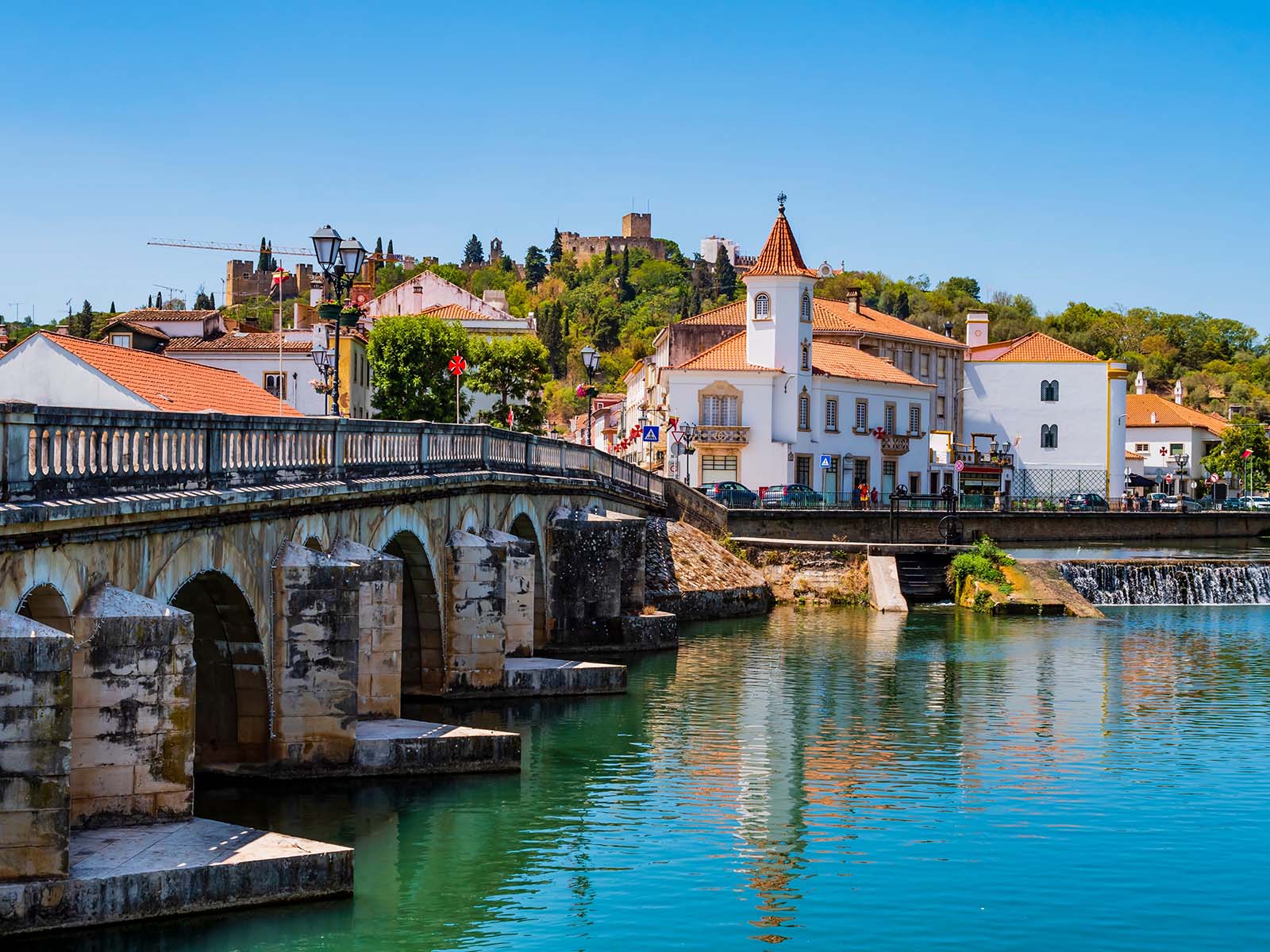
Old bridge (Ponte Vhela) over Nabao river, leading to the historic centre of Tomar © Shutterstock
4. Marvel at Pegões Aqueduct’s Engineering
Just outside town, the Aqueduto dos Pegões stretches across the landscape like a stone centipede – a marvel of 16th-century engineering built to quench the convent’s thirst. Commissioned by King Philip I of Spain (then ruling Portugal), this 6-kilometer water highway features 180 arches stacked daringly in two tiers, some reaching 30 meters high.
Walking the aqueduct’s service path rewards adventurous travelers with valley views fit for Renaissance painters. Olive groves fade into patchwork fields where storks build nests atop telephone poles, while the convent appears miniature in the distance. The real magic happens inside the structure – stride carefully along the narrow walkway and feel the wind whistle through arches that have carried water (and occasional daredevil locals) since 1614.
Local Secret: For the best photos, come at sunrise when low light outlines every arch. Park near the N113 highway turnoff and follow the dirt path marked “Aqueduto”.
5. Get Lost in Mata Nacional dos Sete Montes
This 39-hectare woodland serves as Tomar’s green lung and most romantic approach to the convent. Known locally as “Templar’s Forest”, these shady paths once supplied the knights with medicinal herbs and fresh game. Today, it’s where grandmothers gather wild asparagus, teenagers share first kisses on mossy benches, and hikers discover forgotten fountains.
Follow winding trails past cork oaks shaggy with age, and keep eyes peeled for the Charolinha – a miniature replica of the convent’s round chapel hidden among pines. Time your walk for late afternoon when sunlight filters through eucalyptus leaves, turning the forest floor golden. Listen for the telltale crunch – that’s the sound of fallen carob pods underfoot, a sweet treat prized by local bakers.
6. Experience Daily Life in Praça da República
Tomar’s main square perfectly encapsulates Portugal’s talent for blending monumental beauty with everyday pleasures. Flanked by the 15th-century São João Baptista Church and the former Templar Palace (now municipal offices), this cobbled stage hosts everything from fishmongers’ morning calls to midnight fado concerts.
Grab an outside table at Café Paraíso and witness Portuguese small-town life unfold:
- 8 AM: Elders debate politics over bica (espresso) and pastel de nata
- Noon: Schoolkids sprint across stones chasing footballs
- 6 PM: Shopkeepers lower metal shutters with practiced clatter
- 9 PM: Families promenade, babies in strollers, grandparents arm-in-arm
If visiting in July of festival years, you’ll witness the square transform into the epicenter of Festa dos Tabuleiros – when women balance towering bread-and-flower headdresses through these very streets.
7. Feel Templar Presence at Santa Maria do Olival
Don’t let the plain exterior fool you – this unassuming Gothic church holds profound historical significance. Built over a Templar chapel in 1160, Santa Maria do Olival became the order’s primary burial ground, its cemetery still holding the remains of Gualdim Pais and other knights beneath simple stone slabs.
Inside, the atmosphere whispers of quiet devotion rather than imperial spectacle. Three austere naves lined with crusader tombs lead to an unusual triangular apse – architectural representation of the Holy Trinity. The real magic happens when morning light streams through west-facing windows, illuminating dust motes dancing above tombs like spectral guardians.
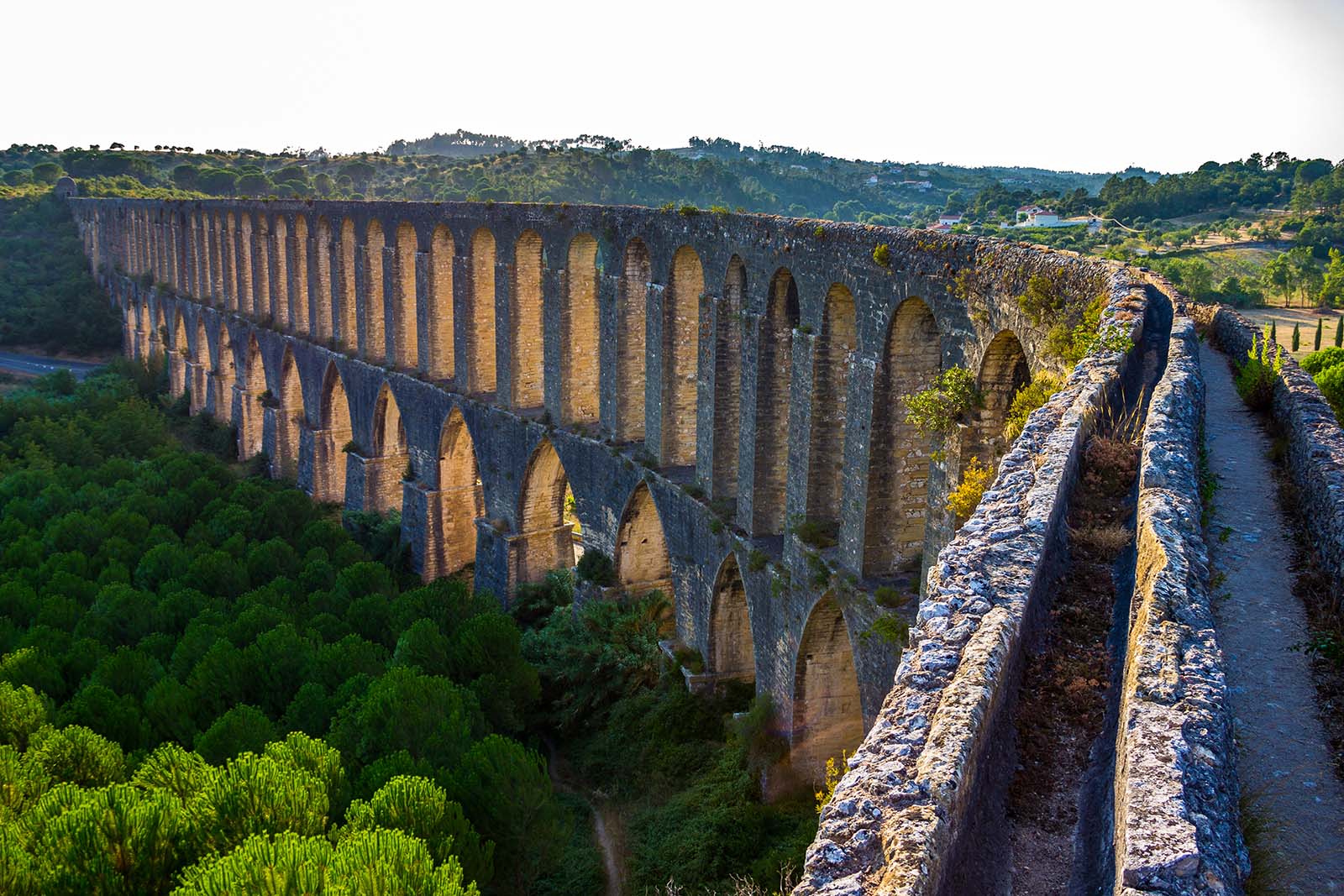
Aqueduct in Tomar, Portugal © Shutterstock
8. Time Your Visit for Festa dos Tabuleiros
Every four years (most recently 2023, next in 2027), Tomar erupts in one of Portugal’s most visually stunning festivals. Imagine streets flowing with a river of bread as women balance tabuleiros – headdresses stacking up to 30 loaves high, decorated with paper flowers and topped with crosses or crowns. Originating from pagan harvest rituals and later incorporated into Catholic celebrations honoring the Holy Spirit, this week-long event in July transforms the entire town.
Beyond the famous parade, the festa features:
- Bodo de Leite: Free milk and sweet bread distributed in Praça da República
- Noite das Fogueiras: Neighborhood bonfire competitions along the river
- Cortejo dos Rapazes: Children’s parade with miniature tabuleiros
Accommodation books out years ahead, but daytrippers can still experience the atmosphere – just arrive early to snag parking in nearby industrial areas.
More Than a Day Trip: Making the Most of Your Tomar Visit
While some try to cram Tomar into a day trip from Lisbon or Fátima, this town rewards slower exploration. Stay overnight and you’ll witness its magical transformation after daytrippers depart – when the convent glows under spotlights and locals reclaim their cobblestone streets.
When to Visit: Spring (April-May) brings wildflowers to the aqueduct route, while autumn offers smaller crowds and golden light perfect for photography. Summer festival months buzz with energy despite higher temperatures.
Where to Eat:
- A Tasquinha: Family-run spot serving claypot rabbit stew (ensopado de coelho)
- Restaurante Tabuleiro: Upmarket dining with convent views
- Pastelaria Estrelas de Tomar: Where nuns’ recipes create heavenly pastries
Unique Accommodation:
- Casa dos Cubos Hotel: Sleek design in 16th-century riverfront granary
- Thomar Boutique Hotel: Romantic rooms near synagogue
- Aqueduto Country House: Rural charm beside the ancient aqueduct
Whether you’re drawn by Templar mysteries, Renaissance engineering, or simply the joy of discovering Portugal beyond the tourist trail, Tomar offers something rare – history that feels alive, welcoming, and ready to share its stories. Come curious, wander slowly, and let this extraordinary town reveal its layers at every turn.
Discover the Enchanting Charms of Tomar: Top Experiences in Portugal’s Templar Heartland
Nestled along the banks of the Nabão River, Tomar stands as one of Portugal’s most captivating hidden gems. Steeped in Templar history and brimming with cultural treasures, this medieval town offers visitors a perfect blend of grand architecture, time-honored traditions, and mouthwatering cuisine.
The Crown Jewel: Convent of Christ
No visit to Tomar is complete without exploring the magnificent Convent of Christ. This UNESCO World Heritage Site served as the spiritual headquarters of Portugal’s Knights Templar during the Middle Ages. Wander through seven cloisters spanning Gothic to Renaissance styles, each unveiling centuries of architectural evolution.
The octagonal Charola chapel stuns visitors with its elaborate gilt carvings and mystical circular design modeled after Jerusalem’s Church of the Holy Sepulchre. Don’t miss Manueline masterpieces like the famous Chapter House Window – stone transformed into lacework celebrating Portugal’s Age of Discovery.
For panoramic vistas, climb to the roof terrace where views extend over Tomar’s terracotta rooftops to the surrounding countryside. Arrive early to watch morning light illuminate the convent’s golden limestone, creating magical photo opportunities.
Step Into Jewish History at Tomar Synagogue
Hidden within Tomar’s medieval quarter lies one of Portugal’s best-preserved medieval synagogues, dating from the 1430s. The small but powerful space features exquisite Gothic vaulting and superb acoustics. Its museum displays artifacts that paint a vivid picture of Jewish life during Portugal’s golden age of coexistence – including unique marriage stones carved with Hebrew inscriptions.
Walking through the surrounding streets, you’ll discover Rua Nova – Tomar’s former Jewish quarter. Notice hidden Stars of David in paving stones and subtle architectural details testifying to this important community.
Journey Through Water at Pegões Aqueduct
The astonishing 16th-century Pegões Aqueduct stretches nearly 6 kilometers across the valley, delivering water to the Convent of Christ in a feat of Renaissance engineering. Walking along its arches provides both historical wonder and spectacular valley views. The most dramatic section features two tiers of arches reaching 30 meters high.
Flower Carpets & Medieval Merriment
Plan your visit for June’s Festa dos Tabuleiros, Tomar’s legendary Flower Festival held every four years. Witness the breathtaking procession where women balance towering headdresses adorned with flowers and bread rolls – symbolic offerings dating back to medieval harvest celebrations. The entire town transforms into a living tapestry of petals during this unforgettable event.
A Food Lover’s Pilgrimage
Tomar’s culinary scene reflects its monastic past and agricultural bounty. Savor convent-inspired sweets like fatias de Tomar (egg yolk pastries) and almond tarts alongside robust Ribatejo specialties:
- Cabrito assado: Tender roasted kid goat marinated in regional herbs
- Peixinhos do rio: Crispy fried river fish from the Nabão
- Migas de Tomar: Savory breadcrumb dish with pork and garlic
For authentic dining, visit Infante for grilled meats or Tabuleiro for traditional family recipes passed through generations. Don’t leave without sipping Ribatejo red wine at a riverside esplanade as the sunset paints the convent golden.
Medieval Magic: Almourol Castle
Extend your Tomar adventure with a 20-minute drive to storybook-perfect Almourol Castle, rising dramatically from a tiny island in the Tagus River. Built by the same Templar knights who constructed Tomar’s convent, this 12th-century fortress feels plucked from Arthurian legend. Boat transfers offer cinematic approaches before you explore winding staircases and panoramic battlements with views stretching downriver.
When to Visit: Tomar Through the Seasons
Tomar’s Mediterranean climate offers distinct charms year-round:
- Spring (March-May): Ideal temperatures (18-24°C) for exploring gardens like Mata Nacional. The convent gardens burst with blooms while accommodation rates remain reasonable (€65-€95).
- Summer (June-August): Vibrant festival season despite warmer days (avg. 30°C). Evening river breezes make alfresco dining delightful. Book early for August’s Festa dos Tabuleiros.
- Autumn (September-November): Golden light enhances castle views. Warm days (27°C) cool to sweater weather perfect for hiking surrounding hills. Harvest festivals showcase local wines and chestnuts.
- Winter (December-February): Misty mornings create atmospheric convent views. Frosty dawns give way to crisp sunny days (12°C) – perfect for cultural exploration without crowds.
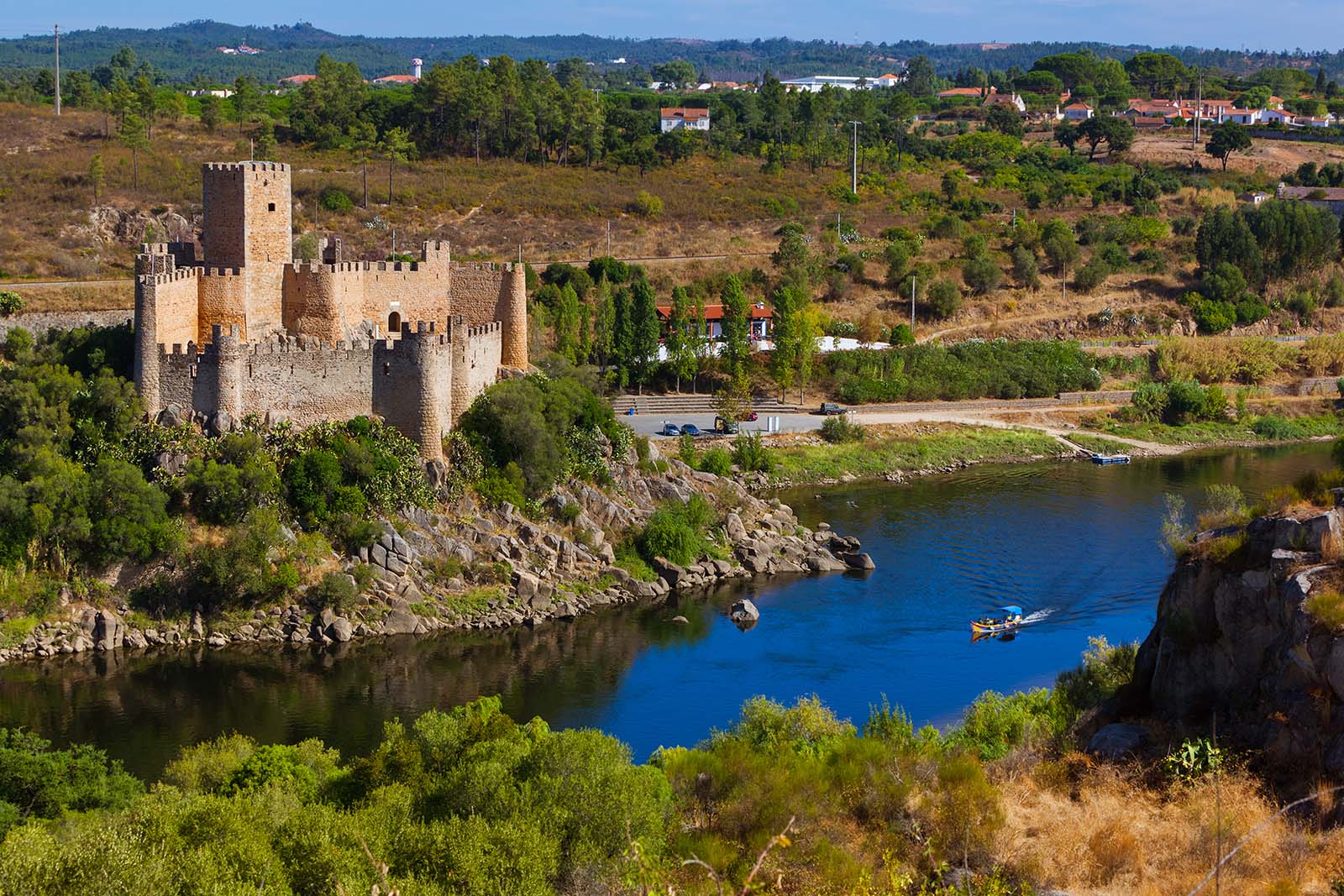
Almourol castle © Shutterstock
Crafting Your Perfect Tomar Experience
Beyond independent exploration, consider these immersive tours led by local experts:
- Templar Secrets Tour: Decode symbolism in the convent’s architecture with a historian guide. Includes exclusive access to normally closed areas.
- Gastronomic Walking Tour: Sample traditional pastries at Conceição’s 200-year-old bakery followed by wine pairings at family-run vineyards.
- Jewish Heritage Trail: Visit synagogue archives unavailable to general public, followed by a Sephardic-inspired meal.
- Family Adventure Quest: Interactive treasure hunt through Tomar’s medieval streets with river kayaking finale.
- Photographer’s Golden Hour Tour: Capture the convent’s transformation at sunset, with expert guidance on best vantage points.
Whether you’re chasing Templar mysteries, savoring convent sweets, or watching sunset from ancient battlements, Tomar weaves its magic effortlessly. This medieval masterpiece rewards travelers who look beyond Portugal’s coastal hotspots to discover its beating historical heart. Allow at least three days to soak in the atmosphere, taste the traditions, and let the warmth of this riverside town capture your imagination as it has captured travelers’ hearts for centuries.


🌟 The Travaloca Travel Editors Community is a dynamic collective of individuals united by their passion for travel and their dedication to high-quality content creation. This community serves as the driving force behind Travaloca's informative and engaging travel resources. ✨ Core Identity: This group consists primarily of passionate travel enthusiasts who have turned their love for exploration into a commitment to writing and content curation. Members are recognized for their: Extensive Travel Experience: Possessing valuable firsthand knowledge from their journeys worldwide. Aptitude for Writing and Editing: Demonstrating a keen interest and skill in crafting, reviewing, and perfecting travel narratives, guides, tips, and reviews. Dedication to Storytelling: Transforming personal experiences and destination knowledge into accessible, inspiring, and reliable information for a global audience. 📝 Community Focus: The community’s primary role is to contribute, edit, and maintain the diverse range of content on Travaloca's platform. They ensure the information provided is accurate, engaging, and reflective of current travel trends. In essence, the Travaloca Travel Editors Community is where travel passion meets editorial excellence, enriching the user experience and solidifying Travaloca’s standing as a trusted travel resource.


