
Imagine a country where the earth cracks open in desert valleys, where glaciers calve into turquoise lakes, and vibrant cities cling to coastal cliffs – welcome to Chile, the land of wild contrasts. Stretching like a colorful ribbon down South America’s edge, this isn’t just a destination; it’s an invitation to adventure. You’ll trade skyscrapers for salt flats in Santiago’s shadow, swap hotel chains for cozy wooden cabañas, and discover why locals warn you to sip terremoto cocktails carefully (hint: they pack an earthquake-like punch). Whether you’re scanning the cosmos in the Atacama or navigating Patagonia’s icy fjords, these Chile travel secrets will transform your trip from ordinary to extraordinary.
Timing Your Chilean Escape: A Season for Every Adventure
Planning when to visit Chile feels like choosing between different planets. This slender nation serves up otherworldly experiences year-round – you just need to know where to point your compass.
Summer Sunshine & Glacier Dreams (Dec-Feb)
Picture endless daylight illuminating Torres del Paine’s granite spires. Summer transforms Patagonia into a hiker’s paradise with thawed trails and penguins waddling along southern shores. But book early – this icy wonderland becomes South America’s hottest ticket. Meanwhile, Santiago sizzles with rooftop cocktails, while the Atacama Desert offers warm days and bone-chilling starlit nights (thermal layers are non-negotiable!).
Golden Autumn & Spring Awakening (Mar-May, Sept-Nov)
These shoulder seasons weave magic through Chile’s heartland. March brings vineyard workers dancing during harvest festivals as Casablanca Valley’s grapes reach perfection. Santiago sheds its summer smog for crisp, clear days made for exploring leafy parks and cafe-lined barrios. Up north, the desert sky remains cloud-free for telescope adventures, while Patagonia whispers its final farewells before winter’s hush.
Winter Wonders & Alpine Thrills (Jun-Aug)
When June frosts the Andes, skiers rejoice. Just two hours from Santiago, resorts like Valle Nevado spread their powder-white carpets. Meanwhile, daring souls discover Patagonia’s raw beauty beneath snow-draped silence – some trails close, but those who bundle up find frosty solitude. Escape winter blues in the always-dry Atacama or sunny northern beaches near Arica, where Pacific waters stay surprisingly swimable.
Navigating Chile’s Costs: Stretch Your Pesos Like a Pro
Let’s address the elephant in the room – Chile isn’t your typical bargain-bin South American destination. But fear not! With clever tricks, you can wine taste in Maipo Valley and trek volcanic landscapes without burning through your savings.
The Real Cost Breakdown
- Shoestring Champions ($50-70/day): Swap hotel beds for hostel dorms, master the art of Chile’s incredible bakeries (try the empanadas de pino!), and embrace long-distance buses that double as mobile hotels. Seek out menú del día lunch deals – complete meals for under $10.
- Comfort Seekers ($90-130/day): This sweet spot unlocks private rooms with mountain views, guided day trips to hidden glaciers, and the occasional splurge on candlelit seafood feasts in Valparaíso’s hilltop restaurants.
Pro Traveler Tip: Yes, bucket-list experiences add up – Torres del Paine’s park fees ($35), Atacama stargazing tours ($100+), and luxury eco-camps will dent your wallet. Book ahead for better deals, especially December-February.

Valdivia’s waterfront charm showcases Chile’s colorful coastal culture ©Shutterstock
Safety Secrets: Your Chilean Peace of Mind Guide
Chile consistently ranks as South America’s safest destination, but savvy travelers know even paradise requires street smarts.
Urban Awareness 101
Santiago’s bustling Plaza de Armas and Valparaíso’s ascensor crowds are pickpocket hotspots. Treat your daypack like a fortress – wear it front-facing, zip those compartments, and leave flashy jewelry at home. Stick to well-lit streets after dark and use apps like Uber instead of random taxis. If a neighborhood feels off, trust that instinct. Resources like the Smart Traveler Enrollment Program offer real-time updates.
Wilderness Wisdom
Patagonia’s beauty is raw and unforgiving. Before conquering the W Trek: check weather obsessively, pack emergency layers (yes, even in summer), and always register your route with park rangers. In the Atacama’s high-altitude playground, combat altitude sickness by hydrating like a camel and giving yourself 48 lazy hours to acclimatize.
Cultural Keys
Chileans cherish their slow living philosophy. Don’t rage against closed shops during siesta (2-5 PM) – join locals for a leisurely lunch instead! While major cities are LGBTQ+-friendly, conservative villages appreciate modest dress. A little Spanish goes a long way; master phrases like “¿Cuánto cuesta?” (How much?) and “¡Qué rico!” (Delicious!).
Visa Essentials: Crossing Borders Smoothly
Good news for most travelers! Visitors from the US, Canada, EU, Australia, and New Zealand enjoy visa-free stays up to 90 days. Your passport needs just six months’ validity. Upon arrival, expect a simple tourist card – guard this paper like gold, as hotels and bus companies often request it. Travelling with prescription meds? Carry original labeled containers.
Pro Tip: Eyeing remote Patagonian border crossings? Research reciprocal visa fees – Argentina land borders sometimes require advance payment.
Your Stress-Free Guide to Chile Visa Rules and Entry Requirements
Heading to Chile? Good news – for most travelers, entry is refreshingly straightforward. But as visa policies can shift like Patagonian winds, you’ll want the latest intel before your adventure begins. Let’s break down everything you need to glide through Chilean border control with ease.
Who Gets Visa-Free Entry? (Spoiler: Probably You)
If you’re packing a passport from the US, UK, EU, Canada, Australia, or dozens of other countries, you’re in luck! You can explore Chile’s volcanic landscapes and wine valleys for up to 90 days without a visa. Just remember two golden rules:
- Your passport must be valid for at least six months beyond your arrival date
- Keep proof of onward travel handy (return ticket or next destination confirmation)
Caught the Travel Bug? Extending Your Chilean Romance
Found yourself wanting more time with Chile’s dramatic landscapes? Here’s how to legally prolong your love affair:
- The Official Route: Apply online through Chile’s immigration department or visit a regional office for a 90-day extension. Pro tip: Check government websites for current fees – these can change!
- The Border Hop: Many travelers pop over to Argentina, Bolivia, or Peru for a quick reset. But beware – border agents may deny re-entry if they suspect you’re gaming the system.
Sailing Through Chilean Border Control
Chile operates a sleek digital entry system called PDI (Policía de Investigaciones) that replaces old-school passport stamps. You’ll receive an electronic record – double-check your permitted stay dates. Overstaying can bring fines and future entry complications.
While you won’t fill out arrival cards at airports, keep your accommodation details and travel plans easily accessible. Chilean customs takes agricultural protection seriously – declare any questionable food items or animal products to avoid penalties.

Torres del Paine National Park – Where Chile’s wilderness will steal your heart @ Shutterstock
Staying Healthy in Chile’s Extreme Beauty
From the Atacama’s scorching saltscapes to Patagonia’s icy blasts, Chile’s environments demand smart preparation. The good news? With clean tap water countrywide and excellent urban healthcare, staying healthy here is easier than summiting a volcano (though we’ll get to altitude tips shortly!).
Healthcare When You Need It
Santiago and other major cities boast world-class clinics with English-speaking staff. But if you’re trekking through remote regions like Aysén or the Altiplano, quality travel insurance with evacuation coverage is non-negotiable. Pharmacies (farmacias) dot every neighborhood and stock most essentials – though international travelers should bring:
- Your regular medications using generic names
- Altitude sickness tablets for northern adventures
- Digestive relief for culinary indulgences
- Sturdy motion sickness remedies for winding mountain roads
Vaccines: What You Really Need
While Chile requires no specific vaccinations, smart travelers update:
- Tetanus: Essential for outdoor adventures
- Hepatitis A: Added protection for market dining
- Rabies: Only for extended wildlife encounters
Note: Yellow fever vaccines only necessary if arriving from affected countries.
Conquering Chile’s Climate Extremes
The real health challenges come from the elements, not illness:
Sun protection is critical – UV radiation here breaks records. Pack mineral sunscreen, UV-blocking clothing, and wide-brimmed hats. Hydrate constantly in summer’s oven-like heat.
Above 2,500m? Acclimate gradually. Skip alcohol your first 48 hours, drink double your usual water, and consider altitude medication if flying directly to elevation.
Layers are survival gear. Even summer days swing from sunny to freezing. Pack windproof outerwear, moisture-wicking base layers, and quality hiking boots.
While not disease-heavy, Patagonia’s tábanos (horseflies) are notoriously annoying during summer. DEET repellent and light long sleeves provide relief.

Puerto Varas – Where German heritage meets volcanic views © Jose Luis Stephens/Shutterstock
Cultural Navigation 101: Blending In with Chileans
Chileans prize politeness and etiquette more than many neighboring cultures. While relatively reserved at first meeting, locals warm up beautifully when visitors show cultural awareness.
First Impressions Matter
- Greetings: Handshakes standard, cheek kisses (one right cheek) between women or mixed company who know each other
- Formality: Use “usted” (formal you) for elders and initial meetings – switch to “tú” only when invited
- Punctuality: Flexible for social events (±30 mins), but promptness valued for business meetings
Dining Like a Local
Chile’s culinary scene is a highlight – here’s how to enjoy it like a native:
🍷Wine Rules: Wait for the host’s toast (“¡Salud!”) before sipping. Never pour your own wine – serving others shows good manners.
🍴Tipping: 10% is standard except where service charge is included. Leave cash directly to your server in casual eateries.
🥘Family Meals: If invited home, bring wine or chocolates. Compliment the cook, but avoid requesting salt or spices – this implies under-seasoning.
Sensitive Topics & Social Cues
Chile’s complex history means certain subjects deserve care:
- Pinochet-era politics still spark strong opinions – let locals guide conversations
- Indigenous Mapuche culture is experiencing revival – show respectful interest
- Personal questions about salary or relationships are considered intrusive
Remember: Chileans appreciate when visitors attempt even basic Spanish phrases. A simple “¡Hola! ¿Cómo estás?” goes miles further than assuming English fluency.
Chileans may be famously easygoing, but they genuinely appreciate when visitors make an effort with local customs. You don’t need to be an etiquette expert – just keeping these practical Chile travel tips in mind will help you connect with locals and show respect for their culture.
Dress with purpose (but keep it real)
Chileans take pride in their appearance without being flashy. In cities, smart casual is the norm – think dark jeans with a blazer or colorful scarf. Rural areas lean more conservative, so save the crop tops for the beach. When visiting churches or memorial sites, cover shoulders and knees. Even in rugged Patagonia, you’ll notice locals layer efficiently while looking put-together.
The art of everyday interactions
Start conversations with a friendly “¡Hola!” before diving into questions. Watch for subtle social cues – women greet with a light cheek kiss (even to male friends), while men typically shake hands. Don’t mistake initial reserve for coldness; once conversation starts, Chileans reveal warm hearts and quick wit.
Keep voices measured in public spaces and avoid controversial topics like politics unprompted. Humor flows easily here, but always with mutual respect.
Dining like a local
Meals are social events in Chile. Lunch happens around 2 pm, dinner rarely before 8 pm. Wait for everyone to be served before starting – “¡Buen provecho!” (good appetite) kicks off the feast. Even messy foods get fork-and-knife treatment. Invited to a home? Arrive fashionably late (10-15 minutes) with a small host gift – artisan chocolate or good wine always works.
Sacred spaces & silent respect
While not overtly religious, 60% of Chileans identify as Catholic. In churches, maintain quiet respect and ask permission before photographing rituals. Colorful roadside shrines honor local folk saints – treat these with same reverence locals do.
Tipping made simple
- Restaurants: 10% if service charge isn’t included
- Taxis: Round up to nearest 500 pesos
- Guides/Hotel Staff: Small daily amounts show appreciation

Vineyard in San Clemente, Maule Region, Chile © Rubes.fotos/Shutterstock
Family Adventures in Chile: More Than Just Penguins
Absolutely! Chile transforms family vacations into living geography lessons. Picture your kids:
- Tracking wildlife in the world’s driest desert
- Marveling at glaciers calving into turquoise lakes
- Learning to make empanadas with local chefs
While remote areas require flexibility, Chile’s safety record and outdoor focus make it ideal for curious families willing to embrace adventure.
Top Family Experiences Across Chile
- Santiago’s Urban Playground: Ride cable cars up San Cristóbal Hill, picnic beside flamingo ponds at Parque Bicentenario, or spark scientific curiosity at MIM – Latin America’s most interactive children’s museum
- Valparaíso’s Creative Pulse: Best for tweens/teens who can navigate steep hills. Hunt for street art masterpieces, ride historic funiculars, then hit Viña del Mar’s beaches
- Atacama’s Martian Landscape: Float in salt lagoons, spot flamingos at sunset, and stargaze through powerful telescopes (altitude note: acclimatize slowly in San Pedro de Atacama)
- Lake District Bliss: Gentle volcano hikes, steaming hot springs, and chocolate-box towns like Puerto Varas offer manageable adventures for all ages
- Patagonia Lite: Puerto Natales serves up glacier boat rides and penguin colonies without extreme trekking. Cozy lodges provide warming pit stops
Smart Logistics for Family Travel
Covering Chile’s 2,700-mile length requires strategy:
- Internal Flights: Save 8-hour drives with LATAM or Sky Airline hops between regions
- Road Trips: Rent SUVs with GPS – Chilean highways are well-maintained but long
- Urban Transport: Uber/Didi offer affordable city rides; metro systems are clean and efficient
Accommodation tip: Family-run cabañas (cabins) provide kitchens and space – perfect for post-adventure downtime.
Feeding Picky Explorers
Chile comforts young eaters with:
- Fresh-baked marraquetas bread
- Mild cheese empanadas
- Simple grilled meats (asados)
Pro tip: Stock up at markets like Santiago’s La Vega for picnic supplies. Most restaurants welcome kids but bring entertainment – dinners stretch late!
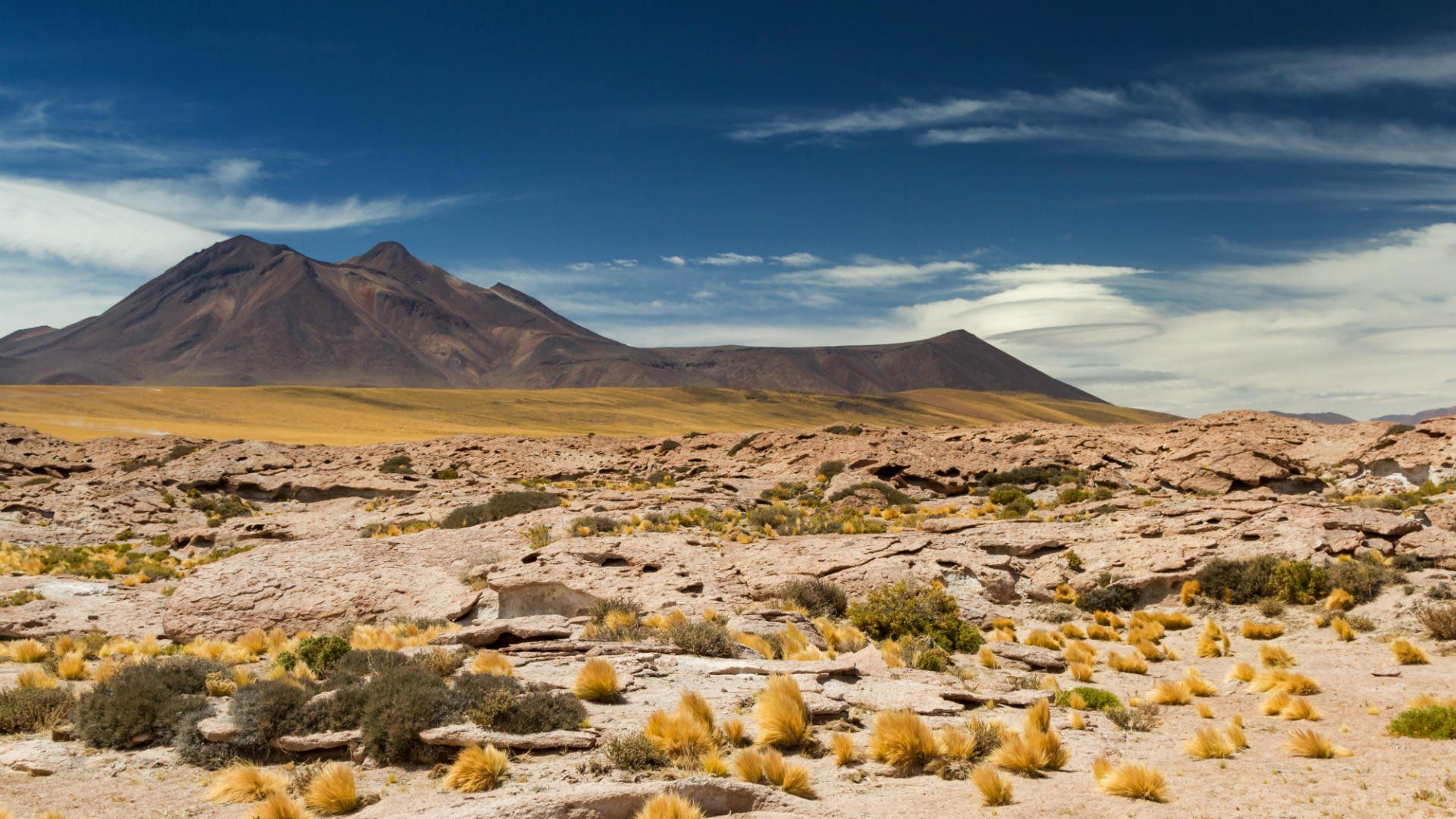
Atacama desert, Chile © SelimBT/Shutterstock
Chile’s Can’t-Miss Destinations: From Desert to Ice
This slender nation punches far above its weight geographically. Prioritize these showstoppers:
Northern Wonders
Atacama Desert: Moon valleys, salt-flat sunrises, and ancient petroglyphs. Base in adobe-chic San Pedro de Atacama for stargazing tours.
Central Character
Wine Valleys: Casablanca’s crisp whites and Colchagua’s bold reds framed by Andean peaks. Many vineyards offer family-friendly tours.
Valparaíso: A UNESCO-listed kaleidoscope of street art and historic funiculars overlooking the Pacific.
Southern Splendors
Chiloé Archipelago: Mythical islands with colorful stilt houses (palafitos) and unique wooden churches.
Patagonia: Torres del Paine’s iconic granite towers reward hikers, while Magdalena Island’s penguin colonies enchant cruisers.
Far-Flung Frontiers
Easter Island (Rapa Nui): The world’s most remote archaeological site brims with mysterious moai statues.
Tierra del Fuego: Where the Andes meet the Antarctic winds. Hike glacial valleys before warming up with king crab feasts.
Pro tip: Chile works best when you embrace regional diversity rather than rushing. Pick 2-3 zones for a 2-week trip – you’ll leave planning your return before you’ve even departed!
Discover Chile: Your Ultimate Travel Guide to South America’s Wild Edge
Stretching like a sliver of wonder along South America’s Pacific coast, Chile delivers earth’s most dramatic extremes. Picture volcanic peaks piercing the clouds, salt flats glowing under endless skies, and glaciers carving paths through Patagonian wilderness. Whether you’re chasing adventure under the stars or sipping pisco sours amidst vibrant street art, Chile rewards travelers with experiences as diverse as its landscapes.
Chile’s Must-See Destinations: Where Magic Meets the Map
Santiago – Where Urban Pulse Meets Andean Majesty
Begin your Chilean journey in the vibrant capital, where skyscrapers compete with snow-capped peaks. Ride the funicular up Cerro San Cristóbal for panoramic views, feast on ceviche at Mercado Central’s ironwork archways, then discover Barrio Yungay’s kaleidoscopic street art. Santiago reveals its charm slowly – a perfect blend of metropolitan energy and mountain tranquility.
Valparaíso – Bohemian Rhapsody by the Sea
Just two hours northwest, this UNESCO-listed port city cascades down coastal hills in a riot of color. Lose yourself in labyrinthine streets adorned with world-class murals, ride century-old funiculars to hilltop vistas, and visit Pablo Neruda’s eccentric seaside home, La Sebastiana. When you crave beach time, sister city Viña del Mar awaits with golden sands and casino glamour.
Atacama Desert – Earth’s Most Alien Landscape
Welcome to the driest place on the planet, where geological wonders collide. Wake before dawn to witness the El Tatio geysers erupt into first light, spot flamingos wading in scarlet-hued lagoons, and stargaze under skies astronomers call the clearest on Earth. Base yourself in adobe-chic San Pedro de Atacama to explore this Mars-like wonderland of salt flats, thermal pools, and prehistoric valleys.
Chilean Lake District – Emerald Paradise
South of Santiago, a fairy-tale realm unfolds where glassy lakes mirror perfect volcanic cones. Adventure hub Pucón offers whitewater rafting and hikes up smoldering Villarrica Volcano, while Puerto Varas enchants with German timber architecture and waterfront views of the iconic Osorno peak.
Patagonia’s Crown Jewel: Torres del Paine
Prepare for raw, windswept beauty in Chile’s southern frontier. The legendary W Trek delivers glacial lakes, granite towers, and guanacos grazing golden grasslands. Visit December-February for endless daylight – but pack for four seasons in one day.
Mystical Chiloé Island
Step into a world of myth where UNESCO wooden churches dot rain-lush landscapes and colorful palafito houses perch above tidal flats. Sample curanto – a seafood feast cooked underground – and watch for penguins along fog-shrouded coasts where local legends whisper of ghost ships.
Easter Island (Rapa Nui)
Emerge from the world’s longest commercial flight (7 hours from Santiago) to witness the haunting moai statues guarding volcanic shores. Beyond the iconic stone heads, experience Polynesian culture through traditional dance, coral-sand beaches, and sacred caves.

Experience the world’s clearest skies in Chile’s Atacama Desert © Fotografo de los Andes/Shutterstock
Crafting Your Perfect Chile Adventure: Timing & Routes
Chile’s slender shape on the map belies its vast diversity. Here’s how to match your travel time with unforgettable experiences:
Best Trip Lengths for Chile Travel
7 Days: Deep dive into one region
– Santiago + Valparaíso + Casablanca Valley wineries
抹 Atacama Desert highlights tour from San Pedro
– Patagonia sampler (fly directly to Punta Arenas/Puerto Natales)
10-14 Days: Contrasts & Connections
– Santiago → Atacama → Patagonia (domestic flights essential)
抹 Lakes District volcanic circuit → Chiloé Island culture
3 Weeks+: The Grand Chilean Journey
Combine desert stargazing with Patagonian glaciers, adding time for road trips along the mythical Carretera Austral or vineyard stays in Elqui Valley.
Local-Approved Chile Itinerary Tips
1. Seasons Matter: Patagonia shines Dec-Feb, while desert travel is year-round
2. Domestic Flights Save Time: LATAM and Sky Airline connect major hubs
3. Slow Down: Distances are vast – focus on quality over quantity
4. Pack Layers: Experience four seasons in a single Patagonia day
Beyond the Map: Chile’s Hidden Gems
Elqui Valley – Where Stars Meet Spirits
Northeast of La Serena, this pisco-producing paradise offers more than just grape tours. By day, hike through cactus-lined valleys; by night, peer into galaxies at renowned observatories like Mamalluca.
Northern Coast Secret Spots
Iquique’s desert-meets-ocean magic creates perfect conditions for paragliding above city beaches, while Arica’s eternal spring climate invites surfing year-round. Don’t miss the surreal sandboarding hills near oasis town San Pedro.
When to Experience Chile’s Magic
High Season (Dec-Feb): Ideal for Patagonia and Lakes District
Shoulder Seasons (Sep-Nov; Mar-May): Perfect wine country weather
Winter (Jun-Aug): Ski Andean resorts near Santiago
From the world’s driest desert to the southernmost trails of Patagonia, Chile begs to be savored slowly. Whether you explore one region deeply or stitch together contrasting landscapes, these slender 4,300km promise travel experiences that will etch themselves into your memory forever. The only question left: Where will your Chilean story begin?
Your Ultimate Guide to Traveling Chile Right
Chile isn’t just a country – it’s a continent compressed. From Martian deserts to glacial wonderlands, vineyard-draped valleys to mysterious islands, this sliver of South America rewards travelers who pack their sense of adventure along with some practical know-how. Let’s turn your Chilean dream trip into reality!
Is Your Chile Itinerary Missing These Highlights?
Love jaw-dropping landscapes?
- Atacama Desert: Where geysers dance at dawn, salt flats stretch to infinity, and stargazing feels like touching the Milky Way.
- Patagonia: A land of moody mountains where glaciers calve with thunderous roars and weather writes its own dramatic script.
- Lake District: Mirror-calm waters reflecting volcanic peaks, embraced by emerald forests straight from a fairy tale.
Food and wine your passion?
- Maipo & Casablanca Valleys: Sip world-class wines just an hour from Santiago’s buzz.
- Colchagua Valley: Where rustic charm meets bold red wines and vineyard lunches linger until sunset.
- Chiloé: Savor curanto feasts steamed in earth pits – flavors as unique as the island’s mythical creatures.
Need to recharge?
- Elqui Valley: Pisco-sipping and stargazing in South America’s clearest skies.
- Puerto Varas: Lakeside German charm meets Scandinavian-style slow living.
- Coastal Retreats: Breathe in the salt air of Zapallar’s coves or Punta de Choros’ wildlife-rich waters.
Smart Travel Planning Starts Now: Getting Around Chile
Chile’s extreme length (nearly 2,700 miles!) means smart transport choices make or break your trip:
- Domestic flights: Essential for huge jumps (Santiago to Patagonia). Book 3+ months ahead for summer/Christmas travel.
- Buses: Surprisingly plush! Expect wifi, snacks, and lie-flat seats on overnight routes between major cities.
- Road trips: Perfect for wine country or the Lake District – just avoid Santiago’s rush hour!
- Patagonia logistics: Ferries and rural buses connect the remote south – check timetables first.

Iquique, Chile @ Shutterstock
Chile’s Slow Travel Secret
Chileans have mastered the art of savoring life. To experience the real magic beyond Instagram spots:
Santiago’s hidden rhythms: Skip the dash between landmarks. Linger in Lastarria’s bookshops, debate poets in Barrio Italia cafes, or join abuelas people-watching in Plaza de Armas.
Wine country unplugged: Swap bus tours for vineyard glamping in Colchagua. Bike between tastings, share asado feasts with winemakers, and let lunch stretch until the stars emerge.
Patagonian presence: Instead of conquering every trail, choose Puerto Natales as your base. Notice how sunlight paints Fitz Roy’s peaks different hues each hour, or sip maté while guanacos graze nearby.
Chiloé time warp: On these misty islands, palafito houses perch above tides, and “slow” means listening to fisherman’s tales over steaming bowls of pulmay stew.
Elqui Valley wisdom: Let days melt together stargazing at Mamalluca Observatory or meditating in cactus gardens where Nobel poet Gabriela Mistral found inspiration.
Your Slow Travel Toolkit
- Plan longer stays in fewer regions
- Embrace road trips along the Carretera Austral
- Adopt Chilean meal times (lunch is sacred!)
- Turn “hello” into conversations – Chileans treasure genuine connection

Valle de Luna, Moon Valley, San Pedro de Atacama, Chile @ Shutterstock
Chile Money Smarts
Cash or card? Cards work in cities and resorts, but keep Chilean pesos for:
- Markets & family-run eateries
- Tipping guides/hotel staff (10% standard)
- Roadside empanada stands
ATMs: Banco Estado often offers best rates. Withdraw at airport arrivals using ATMs near baggage claim to avoid fees.
Taxes: Some higher-end hotels quote USD prices without 19% IVA tax – always confirm final prices.
Staying Scam-Savvy
While Chile is South America’s safest country, stay sharp in cities:
- Pigeon poop scam? Decline help cleaning “bird droppings” – distraction for pickpockets
- Phone snatching: Keep devices tucked away in Santiago Centro
- Unofficial tours: Book adventure activities through registered operators only
Ready for Chile? Pack warm layers (even in summer!), break-in hiking boots, and an openness to let this astonishing country reveal itself slowly. With smart planning and a flexible spirit, you’ll return with more than photos – you’ll bring home Chile’s soul.
Stay Smart: Unmasking Chile’s Common Travel Scams
While Chile ranks as one of South America’s safest destinations, smart travelers keep their wits about them in crowded spots and urban areas. Most issues here involve petty opportunism rather than serious crime – vigilance and street smarts go a long way.
Watch Out for These Common Pitfalls:
- Taxi Tricks: Hail rides wisely in Santiago. Some drivers “accidentally” skip starting meters or take scenic routes. Use Uber, DiDi, or Cabify for transparent pricing. At airports, stick to official taxi stands and confirm fares upfront.
- Pickpocket Distractions: Crowded metro stations and markets breed creative thievery. Beware of sudden bumps, “helpful” warnings about stains, or unsolicited assistance – keep valuables zipped and in front of you.
- Phony Bills: Fake 10,000 and 20,000 peso notes sometimes circulate. Check watermarks and security threads before accepting change, especially from street vendors.
- ATM Tricks: Only use bank-affiliated ATMs. Shield your PIN entry and avoid machines with loose parts or suspicious attachments.
- Too-Good-to-Be-True Tours: Deeply discounted rentals or excursions often mean compromised safety or vanished deposits. Book through reputable companies like your hotel’s tour desk in adventure hubs.
- Bogus Bookings: Verify accommodation reviews on trusted platforms. Avoid prepayment requests through shady channels – stick to established sites with buyer protection.

Punta Arenas, Magellan Strait, Patagonia, Chile @ Shutterstock
Traveling Responsibly: Chile Style
Chile rewards mindful travelers who embrace local rhythms. From Andean villages to coastal towns, showing respect unlocks authentic experiences:
- Dress thoughtfully – Chileans appreciate neat attire. Save hiking gear for trails and opt for modest clothing in traditional communities
- Boost local economies – Seek out family-run posadas in Chiloé, dine at neighborhood picadas, and buy crafts directly from Mapuche artisans
- Protect natural wonders – Carry reusable bottles (most tap water is safe), stay on marked paths in national parks, and never feed wildlife
- Ask before snapping – Be mindful when photographing spiritual sites, murals, or indigenous ceremonies
- Learn key phrases – Basic Spanish greetings like “Buenos días” earn smiles and better service
- Navigate protests wisely – Observe demonstrations respectfully from a distance without participating
- Tip appropriately – Leave 10% at restaurants, round up taxi fares, and reward helpful guides
Patagonia: Preparation is Key
Chile’s wild south demands flexibility and realistic expectations. Torres del Paine’s iconic peaks come with logistical challenges:
- Expect long drives from Punta Arenas/Puerto Natales
- Prepare for swiftly changing weather with quality layers
- Ferry schedules and road conditions frequently shift
- Book accommodations and transport well in advance
This untamed region rewards travelers who embrace spontaneity – build buffer days into your itinerary and savor unexpected detours.

Torres del Paine National Park, Patagonia, Chile @ Shutterstock
Seasonal Smarts: Beyond Summer
While December-February brings Patagonia’s prime weather, savvy travelers consider shoulder seasons:
- September-November – Spring blooms in central valleys with wine harvest festivals
- March-May – Autumn colors paint the Lake District sans summer crowds
- June-August – Winter transforms the Andes into a skier’s paradise
Urban travels shine during Chilean summer (January-February) when locals vacate major cities – you’ll find discounted Santiago hotels and quieter cultural sites.
Embracing Chile’s Rhythm
Chile operates on “tranquilo” time until unexpected changes arise. Last-minute protest closures, weather delays, or transportation hiccups demand flexibility:
- Check local news daily in volatile areas
- Confirm tours/flights 24 hours ahead
- Maintain digital/physical backups of reservations
By staying adaptable and keeping plans loosely structured, you’ll navigate Chile’s beautiful unpredictability like a seasoned traveler.


🌟 The Travaloca Travel Editors Community is a dynamic collective of individuals united by their passion for travel and their dedication to high-quality content creation. This community serves as the driving force behind Travaloca's informative and engaging travel resources. ✨ Core Identity: This group consists primarily of passionate travel enthusiasts who have turned their love for exploration into a commitment to writing and content curation. Members are recognized for their: Extensive Travel Experience: Possessing valuable firsthand knowledge from their journeys worldwide. Aptitude for Writing and Editing: Demonstrating a keen interest and skill in crafting, reviewing, and perfecting travel narratives, guides, tips, and reviews. Dedication to Storytelling: Transforming personal experiences and destination knowledge into accessible, inspiring, and reliable information for a global audience. 📝 Community Focus: The community’s primary role is to contribute, edit, and maintain the diverse range of content on Travaloca's platform. They ensure the information provided is accurate, engaging, and reflective of current travel trends. In essence, the Travaloca Travel Editors Community is where travel passion meets editorial excellence, enriching the user experience and solidifying Travaloca’s standing as a trusted travel resource.


