
Peru dazzles with dramatic contrasts – an orchestra of ancient ruins, Andean summits, and a coastline that sizzles with culinary magic. While Machu Picchu rightfully claims its spot on every adventurer’s bucket list, this land of wonders offers so much more.
Imagine drifting through the Amazonian waterways near Iquitos, strolling past Spanish-colonial facades in Arequipa’s White City, or discovering over 4,000 varieties of potatoes in the Sacred Valley. Then there’s Lima – that chaotic culinary capital where world-class ceviche meets urban energy. Yet Peru serves up challenges too: mountain altitudes take your breath away, overnight buses test your resolve, and guinea pig (cuy) appears unexpectedly on dinner plates.
Arm yourself with these essential Peru travel tips to navigate like a pro, feast fearlessly, and craft the adventure of a lifetime.
When to Experience Peru at Its Best
Peru’s diverse landscapes mean timing is everything. From desert coasts to misty cloud forests, each region dances to its own seasonal rhythm. Here’s how to sync your trip with perfect conditions:
- Dry Season Dominance (May-September): Crystalline skies reign over the Andes, making this prime time for hiking the Inca Trail or exploring Cusco’s cobblestone streets. Expect postcard-perfect views at Machu Picchu – but also crowds. Secure permits and accommodation months ahead.
- Shoulder Season Gems (April & October): Nature paints the mountains vivid green following seasonal rains. You’ll enjoy thinner crowds at major sites while still getting decent trekking weather. Ideal for combining iconic sights with offbeat discoveries.
- Wet Season Adventures (November-March) Rain transforms the Andes into a slippery challenge, but makes this prime time for Amazon exploration. Jungle waterways swell, wildlife activity peaks, and coastal destinations like Lima and Máncora enjoy sunny summer days.
Packing Pro Tip: Think versatile layers – lightweight for coastal warmth, thermal for Andean nights. Never forget high-SPF sunscreen, a sturdy rain jacket, and altitude medication if heading above 2,500m (which covers most cultural highlights).

Morning sun rising with cloudy on Aden Mountain at Plaza de armas, Cusco, Peru © sharptoyou/Shutterstock
Navigating Peru’s Costs Like a Savvy Traveler
Peru delivers outstanding value across budgets, though bucket-list experiences demand strategic planning. The golden rule? Prioritize what matters most.
Major expenses cluster around iconic experiences. Machu Picchu entry runs $45 (€42), but factor in trains, buses, and guides – costs balloon quickly. The 4-day Inca Trail with a reputable operator averages $300-600 (€280-560). Domestic flights to remote regions also pinch wallets if booked last-minute.
Budget Breakdown:
- Backpacker Mode ($40-60/€37-55 daily): Dorm beds, flavorful “menu del día” lunches (3-course meals under $5!), and budget buses keep costs low without sacrificing authentic experiences.
- Comfort Explorer ($80-120/€75-110 daily): Upgrade to boutique hostels, indulge in ceviche feasts with pisco sours, and join small-group Sacred Valley tours or Amazon excursions.
- Luxury Immersion ($150+ daily): Ride the exquisite Belmond Hiram Bingham train to Machu Picchu, sleep in converted colonial mansions, and dine with private chefs showcasing Peru’s culinary revolution.
Staying Secure: Your Peru Safety Guide
Peru welcomes millions of travelers annually with few incidents. Success lies in smart precautions rather than constant worry. Here’s how to explore confidently:
Urban Awareness Essentials
Petty theft poses the main risk in bustling areas. Stay vigilant in Lima’s Miraflores markets, Cusco’s Plaza de Armas, and crowded transit hubs.
Solo travelers (including women) generally navigate cities safely. In rural areas, modest dress and cultural sensitivity minimize unwanted attention.
Safety Toolkit:
- Use anti-theft bags and conceal valuables beneath clothing
- Pre-book official airport transfers or use Uber/Cabify apps
- Withdraw cash from bank-affiliated ATMs during daylight hours
- Leave passports securely locked away – carry color copies instead
Navigating Political Climate
Roadblocks and strikes occasionally disrupt travel, particularly during political tensions. Monitor local news via apps like Twitter/X and maintain flexible itineraries when exploring remote regions.
Natural World Precautions
Altitude sickness sneaks up on visitors. Combat it with hydration, Coca tea, and gradual ascent. For Amazon treks or mountain routes, never skimp on experienced guides or proper gear. Ensure travel insurance covers high-altitude and adventure activities.
Cultural Respect & Local Laws
Peruvians treasure respectful engagement. Remember:
- Always request permission before photographing locals
- Drug penalties are severe – avoid ANY involvement
- LGBT+ travelers encounter few issues in cities, though discretion remains wise
- Religious festivals demand modest dress and quiet observation

Rainbow mountains or Vinicunca Montana de Siete Colores, Peru © Shutterstock
Peru Visa Guide: Your Passport to Adventure
Planning a Peruvian adventure? Here’s the scoop on entry rules for international travelers. The good news? Most visitors won’t need a visa to experience Peru’s wonders. But there are some details you’ll want to know before you go.
Who Gets Visa-Free Access?
If you’re from the US, EU, UK, Canada, Australia, or other eligible nations, you’re in luck. You can enter Peru without a visa for up to 90 days. Just ensure your passport has at least six months’ validity beyond your arrival date. While officials don’t always ask, carrying proof of onward travel (like a return flight confirmation) is smart to prevent any airport hiccups.
Extending Your Stay in Peru
Falling in love with Peru? While 90 days covers most trips, those wanting longer stays typically make a “visa run” across borders to Bolivia, Ecuador, or Chile and re-enter. But be warned – immigration officers can deny re-entry if they suspect you’re abusing the system. For work, study, or volunteering, you’ll need to arrange proper visas through Peruvian embassies beforehand.
Border Entry Essentials
When arriving, officials will stamp your passport with allowed stay duration – usually 90 days. Check this stamp immediately. If anything looks wrong or gets smudged, speak up right there at immigration. Keep track of your exit date – overstayers get fined approximately $1.20/€1.10 daily, plus potential headaches when departing.
Pro Tips for Smooth Entry
- Even with visa-free access, always verify requirements at Peru’s immigration website
- Pack printed accommodation confirmations and flight details
- Snap a photo of your stamped passport page for backup
Staying Healthy in Peru: Altitude, Food & Jungle Wisdom
Peru’s breathtaking landscapes present unique health considerations. From Andean heights to Amazonian depths, smart preparation ensures you’ll enjoy every moment without health surprises.
Navigating High Altitudes
Don’t underestimate altitude sickness – it sneaks up fast in cities like Cusco (11,152 ft) or Lake Titicaca (12,500 ft). Combat thin air by:
- Avoiding major physical activity your first 24 hours
- Sipping coca tea (legal and widely available)
- Staying hydrated with bottled water
- Consulting your doctor about soroche pills (Diamox)
Water & Food Safety Essentials
Peruvian cuisine dazzles, but intestinal surprises don’t. Protect yourself with these rules:
- Never drink tap water – even when brushing teeth
- Choose bottled drinks without ice (or confirm ice source)
- Enjoy street food at busy stalls with quick turnover
- Opt for cooked dishes until your stomach adjusts
- Carry hand sanitizer and use before every meal
Vaccinations & Health Prep
While no shots are mandatory for entry, these vaccines come highly recommended:
- Yellow fever (for Amazon regions)
- Typhoid & Hepatitis A
- Routine boosters (tetanus, MMR)
Visit a travel clinic 4-6 weeks pre-trip. Malaria risk is limited to deep Amazon excursions – your doctor can advise if prophylaxis makes sense for your itinerary.
Battlefield Medicine Kit
Pack smart with these health essentials:
- Altitude medication
- Anti-diarrheals & electrolyte powders
- Broad-spectrum antibiotics for stomach bugs
- High DEET insect repellent (for Amazon/jungle treks)
- Strong SPF 50+ sunscreen – Andean UV rays are brutal
Climatic Considerations
Peru packs every climate imaginable. Prepare for:
- Bone-chilling Andean nights (yes, even in summer)
- Sweaty Amazon humidity
- Coastal morning fogs
- Sudden mountain weather swings during treks
Layer clothing like a pro – moisture-wicking base, fleece mid-layer, and rain-resistant top cover solve most situations. With smart prep and respect for local conditions, you’ll spend less time nursing ailments and more time marveling at Machu Picchu and beyond.

Choquequirao, Peru © Christian Declercq/Shutterstock
Choquequirao, Peru © Christian Declercq/Shutterstock
Peru Travel Essentials: Your Cultural Compass
Peru welcomes visitors with open arms – a land where smiles come easily and hospitality flows as freely as Pisco Sours. But beneath that warmth lies a cultural tapestry woven with ancient traditions. Knowing a few unspoken rules will transform you from observer to honorary local. Here’s how to navigate Peru’s cultural landscape like a seasoned traveler.
Dress to Impress… Locally
Lima’s urbanites rock casual chic, but rural areas tell a different story. Think practical elegance – light layers that respect tradition. Those skimpy shorts perfect for Lima’s beach districts? Leave them packed when heading to Andean villages. Churches and sacred sites demand covered shoulders and knees (hats off indoors too).
Our pro tip? Pack a versatile scarf – instant modesty layer for unexpected shrine visits and mosquito shield for jungle excursions.
The Art of Connection: Peruvian-Style
Mastering greetings is your golden ticket. A cheerful “Buenos días” when entering shops or waiting rooms sets the right tone. Handshakes open conversations, while cheek kisses (single, right-side) are for friends. When in doubt, use formal titles – “Señor” or “Señora” followed by surnames shows respect.
Public Space Savvy
Peruvians cherish tranquility in shared spaces. Keep voices at cafe-level volume and save passionate political debates for private chats. While urban couples hold hands freely, rural areas prefer discretion. And that tipsy smile after one too many Cusqueñas? Best enjoyed behind closed doors.
Feasting Rituals 101
Peruvian cuisine deserves reverence – this is the land that gave the world ceviche, after all. Meals unfold slowly, often family-style. Key commandments:
- Wait for “Buen provecho” before diving in
- Utensils rule (even with fried chicken)
- Clean plates imply hunger – leave a bite to show satisfaction
Visiting a Peruvian home? Heavenly aromas will greet you first. Taste everything offered, showering hosts with “¡Qué rico!” (so delicious!).
Sacred Spaces & Ancient Wisdom
From candle-lit cathedrals to Pachamama earth ceremonies, spirituality permeates daily life. Remove hats in churches and always ask before photographing rituals. At Andean festivals, participate with quiet observation rather than camera clicks.
The Gratitude Economy
While not mandatory, tipping weaves kindness into the social fabric. Small gestures matter:
- Round up restaurant bills
- 5-10 soles for helpful taxi drivers
- Daily tips for trekking crews (porters especially)
Remember – a little cultural fluency unlocks Peru’s biggest rewards: genuine connections and invitations beyond guidebook pages.

Peruvian family walking in local market © Julieta Gonzalez Checchin/Shutterstock
Peru With Kids: A Jurassic Park-Sized Adventure
Forget theme parks – Peru is nature’s ultimate playground. Where else can kids ride dirt bikes through desert dunes, meet fuzzy alpaca pals, and discover lost cities shrouded in cloud forests? With smart planning, Peru becomes the family trip that sparks lifelong curiosity.
Junior Explorer Hotspots
Machu Picchu Made Manageable: Ditch the four-day trek. Board the VistaDome train – windows framing Andean peaks while kids snack on choclo (giant corn). From Aguas Calientes, shuttles whisk you to the citadel’s gates. Pro tip: Book afternoon slots when crowds thin, letting little imaginations run wild amid ancient stones.
Sacred Valley Highlights:
- Ollantaytambo’s fortress staircases (perfect for burning energy)
- Pisac’s market for hands-on bracelet weaving
- Lamay’s cuy (guinea pig) farm for fearless foodies
Lake Titicaca Adventures: The floating Uros islands enchant all ages. Stay lakeside in Puno with acclimatization days before island hopping.
Amazon Shortcuts: Puerto Maldonado’s accessible lodges offer canopy walks, river safaris, and twilight caiman spotting – perfect for ages 8+.
Lima’s Surprising Kid-Appeal: Bike Miraflores’ clifftops, taste-test churros at dessert bars, and explore the Magic Water Circuit’s after-dark light shows.
Family Logistics Made Simple
Strollers gather dust here – backpack carriers reign supreme. Combat altitude woes with gradual ascents and coca tea (yes, kids can sip). Book family suites in converted haciendas where courtyards become impromptu soccer fields.
When Peru Challenges Families:
- Long haul bus rides? Night buses with lie-flat seats transform travel into PJ parties
- Altitude headaches? Cocoa leaves to the rescue (chewed or brewed)
- Bathroom emergencies? Carry toilet paper and coins for clean facilities
Not Recommended With Little Ones: Choquequirao’s grueling trek or remote Amazon stays. Instead, focus on Sacred Valley bases with pools and llama therapy sessions.
Ultimate Peru parenting perk? Watching your picky eater devour fresh mango from a marketseller’s stall. That’s the real magic of family travel here.
Peru with Kids: Your Ultimate Guide to Family Adventures
Thinking about taking your family to Peru? Excellent choice! This land of ancient ruins, llamas, and rainbow mountains can be surprisingly kid-friendly when you know how to navigate it. Let’s dive into what makes Peru such an unforgettable destination for travelers with children.
Getting Around with Young Explorers
Managing Peru’s diverse terrain with kids requires some savvy planning. For starters, ditch the bulky strollers – cobblestone streets and archaeological sites aren’t stroller-friendly territory. Instead, pack a sturdy baby carrier for little ones and broken-in walking shoes for older kids.
While domestic flights quickly connect regions like Lima to Cusco, some of Peru’s best moments happen on the road. Comfortable night buses with reputable companies work for older children, but younger kids might find the long hauls challenging. Our pro tip? Hire a private driver when exploring the Sacred Valley – the extra space and flexibility make all the difference.
Family-Friendly Stays
You’ll find excellent accommodation options catering to families throughout Peru’s main tourist routes. Major hotels in places like Cusco or Lima often offer connecting rooms, cribs, and extra beds. Those charming boutique properties? While brimming with character, they might lack kid amenities – always confirm before booking.
Feeding Picky Palates Peruvian-Style
Good news for parents: Peruvian cuisine typically wins kids over. Think comforting chicken and rice dishes, flavorful soups, and fresh tropical fruits available everywhere. Yes, some dishes pack heat, but most restaurants will happily dial down the spice for young taste buds.
While ceviche might be too adventurous for little ones, you’ll find kid-pleasers like crispy fries, tasty empanadas, and fresh bread rolls at nearly every restaurant. Stock up on diapers and formula in city supermarkets before venturing to rural areas where supplies become scarce.
Keeping Everyone Healthy and Happy
Peru welcomes families warmly, but these practical tips will ensure smoother travels:
- Altitude Adjustment: Take it slow in high-elevation spots like Cusco (11,152 ft). Watch for altitude symptoms in kids – headaches, nausea, or unusual fatigue – and keep everyone hydrated with water and coca tea.
- Water Wisdom: Stick to bottled water (even for tooth brushing). Consider a filtered water bottle if traveling off-grid.
- Weather Whiplash: Pack layers! Sunny Andean days turn chilly at night, while the Amazon requires lightweight, protective clothing.
- Amazon Armor: In jungle regions, apply mosquito repellent at dawn/dusk and wear long sleeves.
Remember: Peru might not offer theme parks, but it delivers magical moments – whether spotting rainbow-colored mountains or meeting local children in traditional villages.
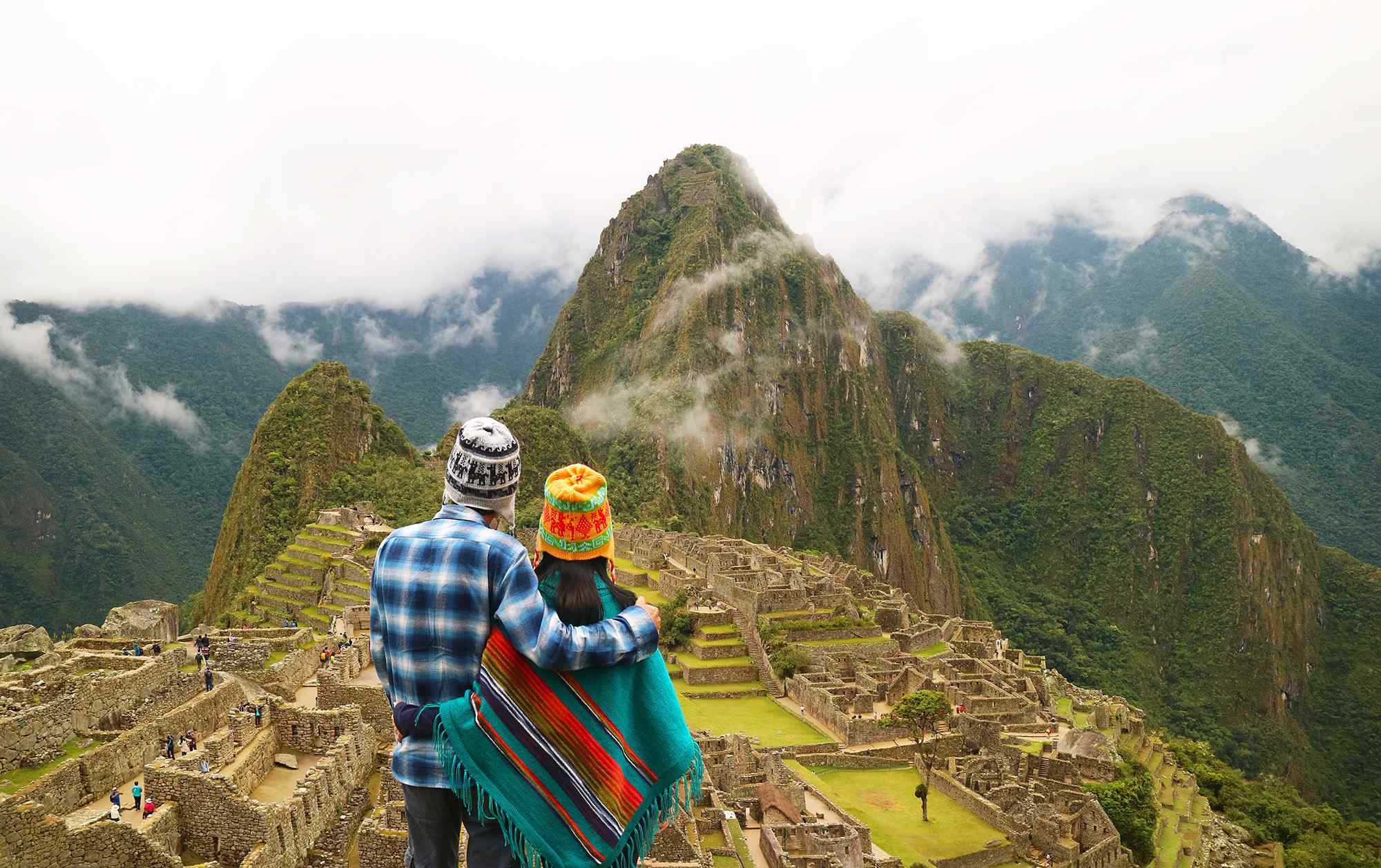
Machu Picchu @ Shutterstock
Peru’s Greatest Hits: Top Family Destinations
While Machu Picchu rightly tops every Peru itinerary, this country brims with family-friendly treasures. Here’s where to create unforgettable memories:
- Machu Picchu: The iconic Inca citadel sparks wonder in all ages. Take the scenic train or hike a portion of the Inca Trail (minimum age is 12 for the full trek). Arrive early to beat crowds and midday heat.
- Cusco: Wander this living museum where Inca walls support Spanish colonial buildings. Ride in a tuk-tuk, explore chocolate museums, and acclimate with coca tea on a sunny plaza.
- Sacred Valley: A goldmine of child-friendly ruins. Kids love the Ollantaytambo fortress and Pisac’s market where they can bargain for souvenirs.
- Ballestas Islands: Nicknamed “Poor Man’s Galapagos,” these nutrient-rich islands teem with sea lions, penguins, and seabirds – easily visited via boat tour from Paracas.
- Amazon Basin: Choose Puerto Maldonado’s family-friendly lodges for jungle walks, nighttime caiman spotting, and canopy walks that feel like real-life adventures.
- Lake Titicaca: Stay with local families on Taquile Island or marvel at the floating Uros Islands made entirely of reeds – fascinating for curious young minds.

Hiking in Peru, Cordillera Blanca © Pavel Svoboda Photography/Shutterstock
Crafting Your Perfect Peru Itinerary
Peru’s size and geography mean slow travel works best. Rushing leads to missed connections and grumpy travelers – especially with kids in tow. Consider your priorities:
- The Classic Week (7-10 days): Lima → Cusco → Sacred Valley → Machu Picchu → Fly home. Perfect for first-timers.
- The Explorer (2 weeks): Add the Amazon rainforest, Lake Titicaca, or the desert oasis of Huacachina for sandboarding adventures.
- The Deep Dive (3+ weeks): Trek the Andes, explore northern beach towns like Mancora, or discover the mystical Kuelap ruins in Chachapoyas.
Pro Tip: Allow at least two nights in Cusco pre-Machu Picchu for altitude adjustment. Breaking up long journeys with activity days keeps everyone energized – think pottery classes in the Sacred Valley or biking along Lima’s coastal cliffs.
In Peru, the journey truly becomes part of the adventure. By matching your itinerary to your family’s pace and interests, you’ll create a trip filled with those “remember when…” moments that last a lifetime.
Crafting Your Perfect Peru Adventure: Timing is Everything
Figuring out how long to explore Peru is like choosing the ripest mango at the market – get it right, and you’ll savor every moment. This land of emerald jungles and cloud-piercing peaks deserves more than a rushed encounter. Here’s how different timelines shape your journey:
- 7-10 days – The sweet spot for first-timers. You’ll glide from Machu Picchu’s majesty to lush Amazon canopies or the sapphire expanse of Lake Titicaca. This window lets you adapt to high altitudes, wander Cusco’s cobblestone charm, and taste diverse landscapes without exhaustion.
- 2-3 weeks – Now we’re truly traveling. Add heart-pounding treks in Huaraz, coastal wildlife in Paracas, or extended jungle immersion. Breathe deep between adventures, ditch the night buses, and discover Peru at your own rhythm.
- 1 month+ – For those hungry to connect deeply. Bargain in local markets, volunteer at community projects, or trek lesser-known paths like Ausangate. You won’t see it all (impossible!), but you’ll carry Peru in your soul long after departure.
Your Peru Blueprint: Beyond the Bucket List
Planning Peru isn’t about cramming in sights – it’s crafting a journey that flows like the Urubamba River. Between mountain roads and jungle trails, build in moments to sip coca tea while llamas parade past, or discover that unnamed street stall serving life-changing caldo. Here’s how to design an unforgettable Peruvian experience.
Timing is Your First Decision
Peru’s vast landscapes demand smart prioritizing. Remember – what looks close on a map often involves winding mountain roads. Our golden rules:
- Under a week – Focus laser-like: Cusco, Sacred Valley, Machu Picchu. Fly straight into Cusco, rest for altitude adjustment, and keep logistics simple.
- 7-10 days – The classic introduction. Combine Machu Picchu with either the Amazon rainforest or Lake Titicaca’s floating islands. Strategic flights keep this ambitious but doable.
- 2 weeks – Dive deeper: Add Arequipa’s colonial beauty and Colca Canyon’s soaring condors. Build in recovery days between adventures.
- 3-4 weeks – Go wild! Explore northern gems like Chachapoyas’ cloud forests, linger in Amazon lodges, or trek the magnificent Cordillera Blanca. You’ll still leave craving more.
Tailor Your Adventure
Peru offers infinite variations – craft yours around what makes your heart race:
History Buffs
- Savor Machu Picchu’s mystery (arrive early!) then climb Huayna Picchu for that iconic view
- Peel back Cusco’s layers – Inca stonework beneath Baroque churches
- Explore Sacred Valley’s living history at Ollantaytambo’s fortress and Pisac’s market
- Discover northern coast wonders: Chan Chan’s adobe empire and the Pyramid of the Moon
Nature Lovers & Hikers
- Trek Huaraz’s glacial lakes and snow-capped Cordillera peaks
- Descend into Colca Canyon – twice as deep as the Grand Canyon
- Choose road-less-traveled: Ausangate’s rainbow mountains or Lares’ authentic villages
- Sleep deep in Amazonia – howler monkeys as your alarm clock
Chill Seekers
- Bask in Arequipa’s sunny plazas and sillar stone architecture
- Drift across Lake Titicaca’s high-altitude serenity
- Catch Pacific waves and beach vibes in Máncora’s surf town
- Wander Barranco’s artistic alleys – Lima’s bohemian soul
Smart Travel Moves
Peru rewards strategic navigation. Our insider tips:
- Fly smart: Domestic flights save precious time on long hauls (especially Lima-Cusco)
- Bus in comfort: Top-tier companies like Cruz del Sur offer “cama” seats with meals and movies
- Train savvy: Book Machu Picchu trains early – they sell out fast in peak seasons
- Taxi tip: Use ride apps in cities; in towns, negotiate fares before entering cabs
- Road warriors: Rent cars only for remote areas – mountain driving needs serious skills

Lake Titicaca’s timeless beauty ©Shutterstock
The Art of Slow Travel: Savoring Peru’s Soul
Peru unfolds its magic when you decelerate. Skip the whirlwind tours – the real treasures hide in unhurried moments: sharing chicha morada with a weaver in Pisac, or spotting capybaras during a leisurely Amazon canoe ride. Here’s how to travel deeper:
Cusco Unrushed: Before Machu Picchu, wander San Blas’ artisan workshops. Linger at San Cristobal at golden hour when alpaca sweaters glow in sunset light. Join abuelas for market breakfasts – they’ll teach you Quechua phrases between bites of tamales.
Sacred Valley Detours: Base in Ollantaytambo’s living Inca village. Hike to dormant salt mines at dawn. Visit Chinchero’s weaving collectives – spinning rainbow threads while hearing ancestral stories.
Amazon Immersion: Swap quick jaunts for 4+ nights in jungle lodges. Paddle through flooded forests at first light when giant otters hunt. Let shaman songs replace Spotify playlists.
Local Living: On Lake Titicaca’s islands, sleep in homestays learning Quechua traditions. Help harvest quinoa on Taquile or sail reed boats with Uros elders.
Slow Travel Mantras:
- Choose depth over miles – 3 meaningful stops beat 7 rushed ones
- Embrace “Peruvian time” – that delayed bus might lead to an unforgettable village festival
- Eat at markets where nobody speaks English – point, smile, discover new flavors
- Always accept coca tea – it’s hospitality in a cup
Money Matters: Smart Spending in Peru
In Peru’s cash-dominated economy (especially beyond cities), sol notes open doors. The local currency (sol, PEN) comes in colorful bills – perfect for market haggling!
Pro Tips:
- Withdraw soles from ATMs in major cities (Lima/Cusco/Arequipa) – better rates than exchanges
- Stock small bills – vendors often lack change for 50/100 sol notes
- Chip cards work in upscale spots, but always carry emergency cash
- Bargain gently in markets (except food) – a smile works better than aggression
- Tip 10% at restaurants – check if service charge already included
Remember: That sol you save on churros today buys tomorrow’s Pisco sour – budget wisely!
Peru Travel Money Smarts: Your Ultimate Cash Guide
Let’s talk soles – not the kind on your hiking boots, but Peru’s colorful currency. Navigating money matters here doesn’t need to be complicated if you follow these essential tips.
Cash is King in the Andes
- You’ll spot ATMs everywhere in cities like Lima and Cusco – stick to major banks (BCP, Interbank, or BBVA) to dodge sketchy fees
- Credit cards work at hotels and nicer restaurants, but that street food stall serving killer empanadas? Cash only
- Pro tip: Skip currency exchanges at home – grab soles from ATMs upon arrival for better rates
- Tipping’s low-key here – round up restaurant bills or leave 5-10%. For guides and drivers, 5-20 soles shows appreciation

Ollantaytambo’s ancient terraces – a testament to Inca engineering
Street Smarts: Avoiding Peru’s Tourist Scams
While Peru’s generally safe, savvy travelers should watch for these common hustle scenarios:
The Taxi Shuffle
That “broken meter” routine? Classic move. Always agree on fares before hopping in or use ride apps like Uber in major cities.
Too-Good-To-Be-True Tours
Skeptical of that “$50 Machu Picchu special”? You should be. Book through established agencies with physical offices and verified reviews.
The Bill Switch
Watch for quick-handed vendors claiming you underpaid. Count change carefully and avoid street currency exchanges.
The Overly Helpful Stranger
Friendly locals might genuinely offer directions, but at bus stations and ATMs, keep belongings secure and politely decline unsolicited help.
The Alpaca Wool Fakeout
That “pure alpaca” sweater priced suspiciously low? Probably acrylic. Shop at certified artisan cooperatives for the real deal.

Kuelap’s mysterious ruins predate Machu Picchu by centuries
Travel With Heart: Responsible Peru Adventures
How to explore Peru while honoring its people and landscapes:
Dress with Respect
Swap tank tops for tees when visiting rural communities. Shoulders and knees covered shows cultural sensitivity.
Language Bridges
“Por favor” and “gracias” open doors. In the Andes, try “rimaykullayki” (ree-my-koo-lye-kee) – Quechua for hello.
Ethical Souvenir Hunting
Buy directly from artisans at markets like Pisac. Ask about weaving techniques – your interest means more than haggling.
Sacred Site Etiquette
Don’t climb restricted ruins or pocket “souvenir” stones. Stick to marked paths at archaeological sites.
Conscious Wildlife Encounters
Skip exploitative animal attractions. Choose eco-lodges and ethical jungle tours that prioritize conservation.
Game-Changing Peru Travel Hacks
Altitude is No Joke
Cusco sits at 11,152 feet – that’s higher than most ski resorts! Fight soroche (altitude sickness) with coca tea, light meals, and zero alcohol your first 24 hours. Save that Rainbow Mountain trek for day three.
Museum Mondays
Planning to see Lima’s Larco Museum? Not on Monday! Most cultural sites close that day – perfect for exploring local markets instead.
Haggling 101
Bargain respectfully at craft markets, but don’t nickel-and-dime artisans. That handwoven textile took weeks to make – pay what it’s worth.
With these insider Peru travel tips, you’re ready to dive deep into this South American gem – exploring ancient ruins, connecting with vibrant cultures, and creating memories that linger long after you’ve spent your last sol.


🌟 The Travaloca Travel Editors Community is a dynamic collective of individuals united by their passion for travel and their dedication to high-quality content creation. This community serves as the driving force behind Travaloca's informative and engaging travel resources. ✨ Core Identity: This group consists primarily of passionate travel enthusiasts who have turned their love for exploration into a commitment to writing and content curation. Members are recognized for their: Extensive Travel Experience: Possessing valuable firsthand knowledge from their journeys worldwide. Aptitude for Writing and Editing: Demonstrating a keen interest and skill in crafting, reviewing, and perfecting travel narratives, guides, tips, and reviews. Dedication to Storytelling: Transforming personal experiences and destination knowledge into accessible, inspiring, and reliable information for a global audience. 📝 Community Focus: The community’s primary role is to contribute, edit, and maintain the diverse range of content on Travaloca's platform. They ensure the information provided is accurate, engaging, and reflective of current travel trends. In essence, the Travaloca Travel Editors Community is where travel passion meets editorial excellence, enriching the user experience and solidifying Travaloca’s standing as a trusted travel resource.
