
Sure, Spain dazzles with sun-soaked beaches and sangria-fueled nights – but there’s a world beneath the postcard views. This is a land where ancient fortresses watch over tapas bars that buzz until dawn, where high-speed trains whisk you from Gothic cathedrals to volcanic islands in hours. Madrid and Barcelona may steal the spotlight, but the real magic? White-washed Andalusian villages tucked in olive groves, emerald valleys in Galicia, and wild beaches where the Mediterranean meets Africa.
Navigate it right, and Spain rewards you. Regional trains and buses connect the dots affordably. Every town pulses with its own culinary rhythm – calamari sandwiches by Madrid’s markets, smoky paprika-spiked stews in Extremadura, avant-garde bites in San Sebastián. Just don’t expect Spaniards to whisper when you commit cultural faux pas (like hunting dinner before 9 p.m.). Luck favors the prepared traveler here. These essential Spain travel tips will sync you with the country’s heartbeat – helping you sidestep crowds, stretch your budget, and taste the real deal.
When to Visit Spain: More Than Just Sunny Summers
Spain laughs at predictable weather. Think beach weather in November, snowfall in April, and midnight fiestas whatever the thermometer says. Your ideal Spain travel dates depend on chasing festivals, avoiding crowds, or finding that sweet spot between sun and savings.
- Summer (June-August): Expect sizzling energy – and temperatures. Coastal towns become sardine cans, islands double their prices, and cities like Seville roast under 40°C (104°F) highs. But oh, the atmosphere! Flamenco spills into cobblestone streets, fireworks light up Mediterranean coves, and plazas throb with life until sunrise. Book ferries and hotels months ahead, embrace the siesta, and hydrate like your life depends on it.
- Spring & Autumn (April-June/Sept-Oct): Goldilocks season. Valencia’s orange blossoms perfume the air in April, while October paints Rioja’s vineyards fiery red. Crowds thin, prices dip, and cities like Granada or Bilbao shine with 20°C (68°F) perfection. Don’t miss spring’s Holy Week spectacles or autumn’s wine harvest feasts.
- Winter (Nov-March): Underrated and full of surprises. Ski the Pyrenees, explore Seville’s Alcázar without jostling selfie sticks, or chase winter sun in the Canaries. Northern cities like Oviedo offer misty charm, while Andalusia’s hill towns stay mild enough for hiking. Foodies rejoice – this is cocido madrileño (hearty stew) and Ribeira wine season.
Packing Pro Tip: Versatility wins. Light layers, broken-in walking shoes (those cobblestones are killers!), and a weatherproof jacket. Unless you’re detoxing in Ibiza, leave the resort wear – Spaniards dress sharper than you think.

Tossa de Mar’s medieval walls meet turquoise tides on the Costa Brava © Shutterstock
Navigating Spain on Any Budget
Spain won’t bankrupt you, but falling into tourist traps might bend your wallet. Work the system, and you’ll feast on paella, sip Rioja, and sleep soundly without guilt. Big cities (lookin’ at you, Barcelona) and coastal hotspots spike prices July-August, but venture inland or off-season, and deals abound.
Ditch the myths: Yes, you can lunch like royalty for €12 (menú del día is your budget BFF), guzzle €1.50 cañas (beers) with free tapas in Granada, and admire Picasso masterpieces for free on Sunday afternoons. Even Michelin-starred bars offer €5 gourmet bites in San Sebastián.
- Budget Traveler (€55-75/day): Hostel dorms, market picnics (Mercado de San Miguel = paradise), €28 Renfe regional trains. City cards (like Barcelona’s Hola BCN!) slash transport costs.
- Mid-Range Comfort (€95-150/day): Chic guesthouses in historic buildings, rental cars for coastal drives, €15 flamenco shows, and reserving that splurge meal at Asador Etxebarri (worth every euro).
- Luxury Sans Pretension (€250+/day): Paradores (historic castles turned hotels), private sherry tastings in Jerez, helicopter rides over Gaudí’s Sagrada Família. Spain’s luxury outpunches pricier France or Switzerland.
Safety in Spain: Smart Traveler Essentials
Spain ranks among Europe’s safest destinations. Solo travelers stroll Madrid’s lit streets past midnight safely, women navigate bars alone, and violent crime stays rare. But like anywhere popular, opportunistic theft thrives where tourists zone out. Barcelona metros and Las Rambla crowds are pickpocket havens – no joke.
Stay street-smart:
- Never dangle phones or wallets on cafe terraces. Blend in: Avoid obvious tourist tells like massive backpacks in tapas bars.
- Barcelona metro? Wear crossbody bags in front, backpacks strapped tight.
- “Helpful” street petitioners? A firm “no, gracias” – distractions can mask quick fingers.
- Night owls: Stick to well-lit streets in areas like Madrid’s La Latina or Valencia’s Carmen.

Puerto Rico beach in Gran Canaria, Spain © Shutterstock
Spain Visa Made Simple: Your Ultimate Entry Guide
Dreaming of sangria under Spanish skies? You’re likely in luck! As part of Europe’s Schengen Zone, Spain welcomes visitors from the US, Canada, UK, Australia, and dozens of other countries visa-free for up to 90 days. But before packing your flamenco shoes, let’s clarify the essentials:
The 90-Day Golden Rule
Most tourists enjoy a generous 90-day stay within any 180-day period. Just ensure your passport remains valid for 3 months beyond your departure date. No paperwork needed – just breeze through passport control with your return ticket handy.
Beyond the Tourist Window
Love it so much you want to stay? That midnight train to Portugal won’t reset your visa clock. Schengen rules calculate your stay across the entire zone. For longer adventures, you’ll need to apply in advance for specific visas:
- Digital Nomad Visa (remote workers)
- Student Visa
- Work Permit
Pro Tip: Spanish bureaucracy waits for no one! Always check your home country’s Spanish consulate website for the latest requirements.
Staying Healthy in Spain: Sunshine, Tapas & Smart Prep
Spain ranks among Europe’s healthiest destinations with clean water, fresh cuisine, and excellent medical care. But between sunshine marathons and late-night tapas crawls, even seasoned travelers can stumble. These practical tips will keep you feeling ¡fenomenal!
Your Spanish Health Toolkit
Spain’s distinctive green-cross pharmacies (farmacías) are lifesavers – literally. English-speaking pharmacists can advise on minor ailments, and 24-hour rotations ensure you’ll find help anytime. For serious concerns:
- EU Travelers: Pack your EHIC/GHIC card
- All Others: Comprehensive travel insurance is non-negotiable
- Urban Areas: Private clinics offer fastest care
Must-Pack Essentials
- High-SPF Sunscreen: Spanish sun spares no one
- Comfortable Shoes: Those picturesque cobblestones? They’re foot-warriors!
- Basic Meds: Ibuprofen, antihistamines, and gut-soothers
- Prescriptions: With doctor’s notes – no refills without them
Savor Spain Safely
From Barcelona’s buzzing markets to Andalusian tapas bars, Spanish food is a wearable feast. Follow these golden rules:
- Tap Water: Safe nationwide, though some regions have mineral-heavy tastes
- Seafood: Avoid plates left baking in the sun
- Adventurous Eaters: Ease into heavy dishes like callos (tripe) – they’re acquired tastes!

Vibrant tapas at Barcelona’s Boqueria Market © Shutterstock
Blend Like a Local: Spain’s Unspoken Social Rules
Spain’s fiery spirit thrives on warm connections and subtle traditions. Master these etiquette essentials to unlock authentic experiences beyond the guidebooks.
The Art of Spanish Style
Say adiós to baggy sweatpants and flip-flops outside resort areas. Spaniards embrace “casual chic” – think fitted jeans instead of joggers, stylish sandals over sports slides. At religious sites, cover shoulders and knees. In cities like Madrid or Barcelona, dark colors reign supreme.
Social Symphony: Greetings & Interactions
Master the two-cheek kiss (right cheek first!) with friends and new acquaintances. Shops and cafes demand a cheerful greeting – a simple “Hola!” or “Buenas!” sets the right tone. Expect:
- Dinner at 10 pm: Yes, children eat this late too!
- Shop Closures: Most close 2-5 pm for siesta – plan around this
- Personal Space: Spaniards communicate closely – don’t back away when chatting
Dining Like a True Español
Meals are sacred social rituals. Avoid these faux pas:
- Bread Protocol: Tear it – never cut with a knife
- Tipping: Small change (5-10%) suffices – no 20% drama
- Tapas Sharing: Never double-dip communal plates
Armed with these insider tips, you’ll navigate Spain’s vibrant culture with confidence – ready to create memories that last long after your hasta luego!
Unlocking Spanish Culture: The Art of Fitting In
Ever walk into a Spanish shop or bar feeling like you’ve entered a friend’s living room? That’s because in Spain, connections matter. The greeting game is strong here – walking into a room without a cheerful “Hola” or “Buenos días” is like forgetting to clink glasses during a toast. In smaller towns, you might even get a round of cheek kisses. Save handshakes for first meetings though – overly formal vibes can feel stiff in this warm culture.
The Name Game: Titles & Respect
Casual to most foreigners, Spaniards often start with first names quickly. But here’s your southern Europe hack: In formal settings, whip out Señor or Señora plus surnames when addressing older generations. Age and professional titles still carry quiet weight here.
Public Life: Where Passion Meets Politeness
Yes, Spain is loud – but it’s the soundtrack of connection, not chaos. Watch hands flutter like visual punctuation during conversations, families enjoying midnight strolls, and squares buzzing with laughter. But don’t mistake this energy for lawlessness: public drunkenness or Metro meltdowns earn disapproving stares. Embrace the dance of personal space (minimal at bars, expansive elsewhere), queue patiently even when lines look spontaneous, and remember: PG-rated PDA flies in cities, but keep it discreet in pueblo plazas.
The Sacred Spanish Table
Meals are Spain’s social glue. Lunch isn’t a pitstop – it’s a two-act play with wine intermissions. Dinner? Don’t show up before 9 PM unless you want empty-restaurant awkwardness. Master these moves: Your ¡Buen provecho! before eating is the starter’s pistol. Wait till everyone’s served before diving into that paella. At homes, clear your plate (compliments to the chef!) and never refuse that second pour of Rioja – it’s friendship in liquid form. Pro tip: Show gratitude by bringing dessert or wine from your homeland when invited.
Faith & Regional Identity: Handle With Care
While Spain is secular on paper, Catholic heartbeats pulse through Semana Santa processions and village fiestas. Churches demand quiet reverence – cover shoulders, hush voices, and ask before snapping photos. Regional pride runs deep too: Basque, Catalan, and Galician languages aren’t decorative – they’re identity statements. Skip political jokes about independence; admire the passion instead. Those roadside shrines? They’re not scenery – treat them like open-air chapels.
To Tip or Not to Tip?
Spain’s tipping culture won’t break your bank. Here’s your cheat sheet:
- Restaurants: Round up or leave 5-10% for table service magic
- Bars: Drop coins in the dish – your gracias counts extra
- Taxis: Rounding up covers the kindness
- Hotels: A couple euros for porters shows appreciation

Waterfall and fountain of Parc de la Ciutadella, Barcelona, Spain © Shutterstock
Spain With Kids: Your Ultimate Family Playground
Where else can kids chase Roman ghosts, build sandcastles on golden beaches, and stuff churros into happy faces – all before siesta time? Spain wraps history, nature, and fiesta spirit into one messy, magical package perfect for families. Forget sterile resorts – here, culture feels like playtime.
Spain’s Kid-Friendly Hotspots
- Barcelona’s Creativity: Ride cable cars to Montjuïc’s castle, hunt dragons in Park Güell’s mosaics, or build sand kingdoms at Barceloneta Beach.
- Madrid’s Energy: Retiro Park’s rowboats and puppet shows, plus art scavenger hunts at the Prado.
- Valencia’s Future-Vibes: Bike Turia Gardens to the City of Arts – Europe’s largest aquarium and interactive science museum await.
- Andalucía’s Magic: Flamenco claps in Seville, fairytale Alhambra tunnels in Granada, and white village hideouts like Ronda.
- San Sebastián’s Charm: Pintxos food adventures plus La Concha Bay’s gentle waves for little swimmers.
- Canary Islands’ Heat: Volcano hikes on Tenerife, lunar landscapes in Lanzarote – winter sun guaranteed.
Getting Around Made Simple
Spain spoils families with stress-free transport. Hop lightning-fast AVE trains (kids ride cheaper!), use stroller-friendly metros in cities, or rent cars for coastal road trips. Cobbled old towns like Toledo beg for baby carriers though – leave bulky strollers at your apartment.
Family-Friendly Stays
From beachside hotels with splash pools to countryside fincas with olive groves, Spain gets family logistics. City center apartments with kitchens let you whip up quick meals between adventures. Pro tip: Book places with washing machines – sandy swimsuits multiply daily!
Feeding Picky Explorers
Spanish menus are kid-heaven – who can resist crispy croquetas or cheese-stuffed tortillas? Restaurants gladly serve smaller portions (just ask for media ración) though formal kids’ menus are rare. Early dinners at 8 PM? No problem – family-run spots will welcome you with smiles and high chairs. Stock up at supermarkets for snack attacks – they’re as common as tapas bars!

Exterior and garden of Real Alcazar in Sevilla, Spain © Shutterstock
Spain’s Must-Visit Gems Beyond the Tourist Brochures
Forget the clichés – Spain isn’t just flamenco dancers and sangria pitchers. It’s where Roman aqueducts cast shadows over modern plazas, where tapas bars buzz with century-old recipes, and where Moorish palaces bloom like stone flowers. Whether you’re chasing city energy or coastal calm, these destinations deliver authentic Spanish soul:
Madrid & Barcelona: Spain’s urban powerhouses pulse with contrasting rhythms. Madrid thrums with midnight tapas crawls in La Latina and world-class art at the Prado’s hallowed halls. Barcelona seduces with Gaudí’s whimsical architecture, sun-kissed beaches, and the Gothic Quarter’s labyrinthine charm.
Andalucían Magic: Seville embodies southern Spain’s essence – fragrant orange blossoms, flamenco’s passionate heel-stamps, and the fairytale Alcázar palace. Nearby, Granada balances the majestic Alhambra with grungy student bars where free tapas still flow with every caña of beer.
Northern Delights: San Sebastián’s Belle Époque elegance hides Europe’s most thrilling food scene – bite-sized pintxos masterpieces cramming white marble bars. In Bilbao, the titanium Guggenheim anchors a city reinventing itself with riverside strolls and avant-garde architecture.
Hidden Treasures: Valencia serves paella in its birthplace beside futuristic City of Arts complexes. Toledo’s medieval streets hold three faiths’ sacred spaces within ancient walls. Meanwhile, Rioja’s vineyards invite slow sipping among rolling hills dotted with pilgrim trails.
Natural Wonders: From Ronda’s vertigo-inducing gorge to Tenerife’s volcanic moonscapes and Galicia’s cathedral-like sea caves at Playa de las Catedrales, Spain rewards nature lovers at every turn.

View of Playa de las Catedrales in Ribadeo, Galicia, Spain © Carlos Sanchez Benayas/Shutterstock
Crafting Your Perfect Spanish Escape: Timing It Right
Spain sprawls across landscapes and cultures like a patchwork quilt – rushing through means missing its richest patterns. Your ideal Spain itinerary depends on three questions: Are you urban adventuring or coastal dreaming? Food-obsessed or history-hungry? Renting wheels or riding rails?
The Art of the Spanish Sojourn
One Week: Focus like a laser. Devour Madrid’s art and tapas scene for 3 days – enough for the Prado and terrace gin tonics. Then Barcelona’s Gaudí wonders and beach vibes deserve another 3-4 days. Bonus: Day trip to Toledo’s medieval alleys or Andalucía’s white villages.
10 Golden Days: Spain’s sweet spot. Combine Madrid and Barcelona with Valencia’s futuristic flair or San Sebastián’s Michelin-starred bites. Alternatively, dive deep into Andalucía – Seville, Granada, and Córdoba serve Moorish history with sherry on the side.
2-3 Weeks: This is where Spain opens its arms properly. Add Basque Country’s surf towns, hike Pyrenean trails, or cruise between Rioja’s vine-striped hills. Island lovers can tack on 4 days in Mallorca’s coves or Tenerife’s volcanic parks without feeling rushed.
Month-Long Love Affair: Walk stretches of the Camino de Santiago, road-trip through Extremadura’s cork forests, or learn flamenco in a Seville tablao. Spain’s magic unfolds in unexpected corners – a month lets you live rather than just visit.
Remember: Spaniards perfected the art of slow living. However many days you spend in Spain, leave room for spontaneous mercado lunches, plaza people-watching, and that third glass of tempranillo as the sun dips below terracotta rooftops.
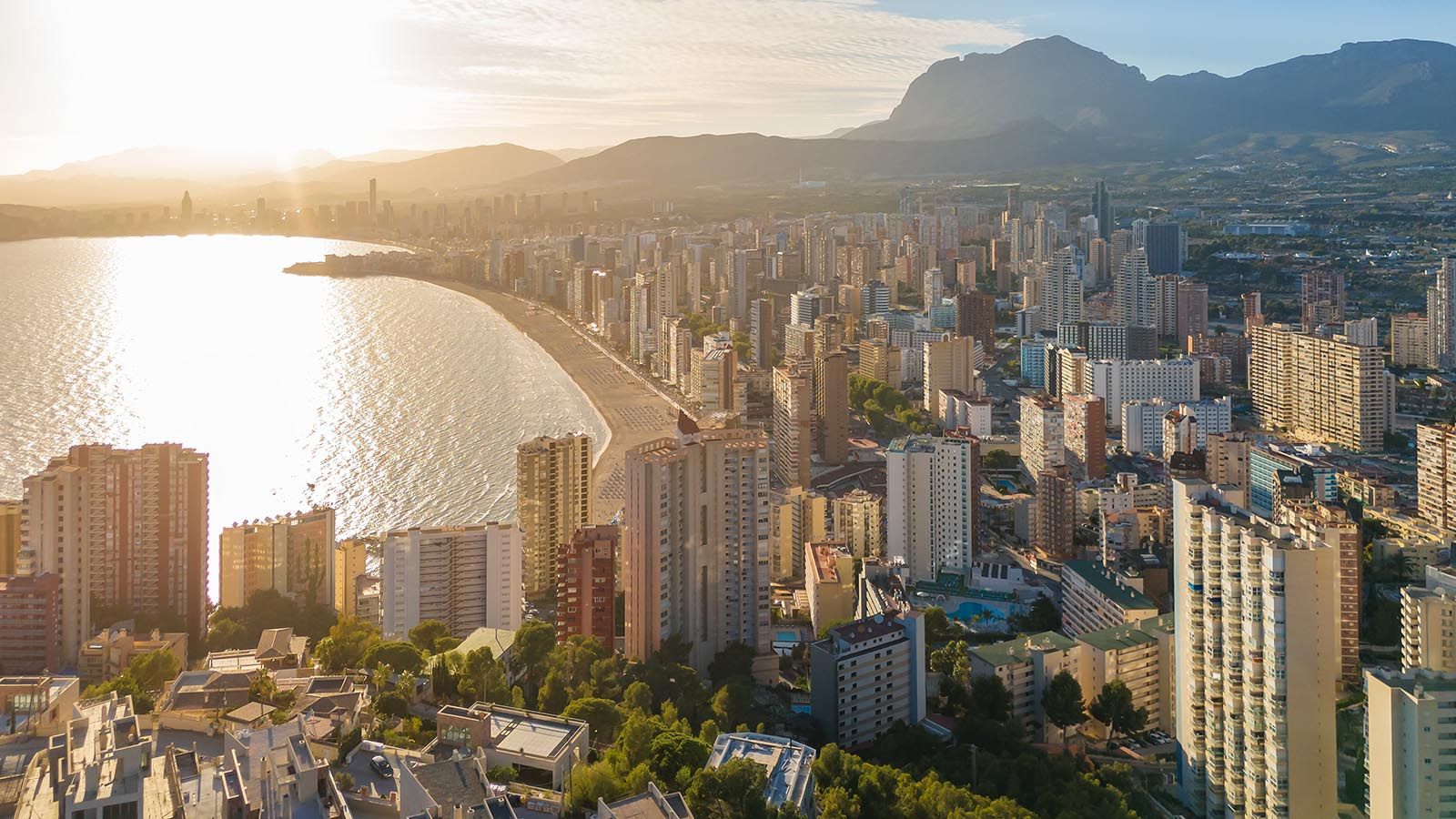
Benidorm’s dramatic sunset skyline embodies Spain’s coastal magic © Shutterstock
Crafting Your Perfect Spain Adventure
Spain whispers a simple truth to travelers: slow down and savor. This land of siestas and fiestas rewards those who trade rushed itineraries for spontaneous moments – whether it’s lingering over smoky grilled sardines at a beach chiringuito or getting lost in medieval alleyways that smell of orange blossoms. Your Spanish journey should feel like a rich tapestry, not a checklist. Let’s unravel how to plan it right.
Duration Dictates Your Discoveries
- Short & Sweet (Under 7 Days): Focus on one region’s heartbeat. Pair Madrid’s art-stuffed museums with nearby Toledo’s sword-making workshops. Or combine Barcelona’s modernist wonders with Costa Brava’s hidden coves. Coastal lovers might plant themselves in Andalucía’s Cádiz or the Basque Country’s San Sebastián for fresh seafood and sea breezes.
- The Golden Week (7-10 Days): Weave together Spain’s classic contrasts. Connect Madrid’s tapas energy with Seville’s flamenco passion and Granada’s Alhambra majesty. Alternatively, blend Barcelona’s creativity with Valencia’s paella mastery and Costa Blanca’s beach bliss. Wine devotees could follow La Rioja’s vineyard trails from Logroño to Haro.
- Two-Week Immersion: Span the country’s soul. Trace a route from Barcelona’s Gaudí fantasy to Madrid’s Habsburg grandeur, onward to Andalucía’s Moorish marvels. Or skip cities entirely for northern Spain’s green wonderland – from Bilbao’s Guggenheim to Galicia’s Celtic coastline via Asturias’ cider houses.
- Deep Dive (3-4 Weeks): Become a temporary local. Walk stretches of the Camino de Santiago, follow Don Quixote’s trail through Castilla-La Mancha, or hop between Balearic islands. Rent a finca in Catalonia’s countryside, learn to cook authentic paella, and embrace the mañana mentality.
Design Your Dream Spanish Experience
Spain’s diversity demands alignment with what stirs your soul:
Urban Explorers & Culture Cravers:
- Madrid: Prado masterpieces by day, rooftop gin tonics by night
- Barcelona: Surreal architecture meets Mediterranean beach culture
- Granada: Where Alhambra sunsets melt into free tapas bar crawls
Nature Enthusiasts:
- Picos de Europa: Alpine villages among cloud-piercing peaks
- Camino de Santiago: Pilgrim trails through vineyards and coastal cliffs
- Canary Islands: Lunar landscapes and ancient laurel forests
Gourmet Pilgrims:
- San Sebastián: Pintxo paradise with 17 Michelin stars per square mile
- Jerez de la Frontera: Sherry tastings in ancestral bodegas
- Valencia: Where paella was born amid citrus groves
Unwind Seekers:
- Menorca: Secluded calas with water bluer than a Goya sky
- Ronda: Cliffside pueblo with Spain’s most dramatic gorge
- Atlantic Andalucía: Whale watching from Tarifa’s windy shores
Navigating Spain Like a Pro
Seamless travels require smart strategy:
- High-Speed Trains: AVE connects Madrid-Barcelona (2.5hrs) or Madrid-Seville (2.5hrs). Book 2-3 months ahead for best fares.
- Road Tripping: Essential for exploring rural Extremadura or Andalucía’s pueblos blancos. Automatic cars cost more – manual drivers save euros.
- Island Hopping: Budget airlines like Vueling connect mainland to Balearics/Canaries. Ferries offer leisurely alternatives.
- City Transport: Madrid’s Metro outpaces traffic; Seville’s bikeshares glide past orange trees; Granada’s microbuses conquer steep Albaicín slopes.

Ciutadella’s honey-colored harbor showcases Menorca’s timeless beauty
Mastering Spain’s Slow Rhythm
To truly know Spain is to sync with its unhurried heartbeat. This is where three-hour lunches aren’t indulgent – they’re essential. Where shops close for family time, and nightlife begins when other cities sleep. Here’s how to embrace la vida lenta:
Madrid Unmasked
Skip tourist-center hotels for the real Madrid. Chamberí’s century-old tiled taverns. Lavapiés’ global flavors. Malasaña’s vinyl shops and vermouth bars. Spend mornings in Retiro Park rowing boats like Madrileños do, afternoons drifting between free museum hours, evenings hopping tapa bars where your caña comes with free stories.
Barcelona Beyond the Beaten Path
Gràcia’s plaças fill with locals playing chess under plane trees. Poble-sec’s bodegas serve porrons of wine passed hand to hand. In Born’s medieval streets, artisans craft leather goods as their grandparents did. Eat lunch when locals do (3pm!), then join the paseo – the evening stroll where the city exhales.
Balearic Bliss
Menorca’s Camí de Cavalls coastal path reveals 20 secret beaches. Mallorca’s Tramuntana mountains shelter stone villages where ensaïmada pastries perfume mornings. Formentera remains blissfully free of mega-resorts – just salt flats, hippie markets, and water so clear you’ll question reality.
Andalucían Soul
White villages like Vejer de la Frontera demand dawdling. Mornings market shopping for jamón ibérico. Afternoons reading Lorca under courtyard orange trees. Nights sipping fino sherry as flamenco guitar drifts from open windows.
Green Northern Escape
Galicia’s rías (coastal inlets) hide seafood feasts in thatched hórreos. Asturian shepherds still make cabrales cheese in mountain caves. Basque coast caminos lead to tidal pools and txakoli wine poured from dizzying heights. Here, the only rush is catching the morning’s pulpo (octopus) at market.
Spain’s true magic unfolds when you trade must-sees for must-feel moments. Whether that’s beachside chiringuitos serving just-caught boquerones or villagers dancing sardanas in Gothic squares – it’s found when you let Spain set the pace.
Craving sun-drenched beaches away from the crowds? Venture off Spain’s beaten path to the Costa de la Luz near Cádiz, discover hidden coves around Begur on the Costa Brava, or explore untouched stretches along Asturias and Galicia’s rugged northern coastline.
Mastering Money in Spain: Your Pocket-Friendly Guide
Navigating Spain’s payment landscape is effortless when you know these insider tricks to dodge fees and frustration. The euro (€) reigns supreme here, and while plastic rules in cities, smart travelers always carry backup cash.
Visa and Mastercard work almost everywhere – from trendy city restaurants to seaside hotels. Contactless payments and mobile wallets (Apple/Google Pay) breeze through transactions, but rural spots might demand physical cards or cash. Pro tip: Small-town markets, beach chiringuitos, and family-run tascas often operate cash-only – never get caught without emergency euros!
- ATM Savvy: Stick to bank-affiliated machines (Santander, BBVA, CaixaBank). Avoid stand-alone tourist traps like Euronet ATMs and their highway robbery fees.
- Tipping Made Simple: Round up coffee bars and taxis. For great restaurant service, leave 5-10%. Hotel porters appreciate €1-2 per bag – no need for dramatic gestures.
- The Currency Choice Trick: When card machines ask “Pay in euros or your home currency?” Always pick euros. Dynamic currency conversion means worse rates – just say no!
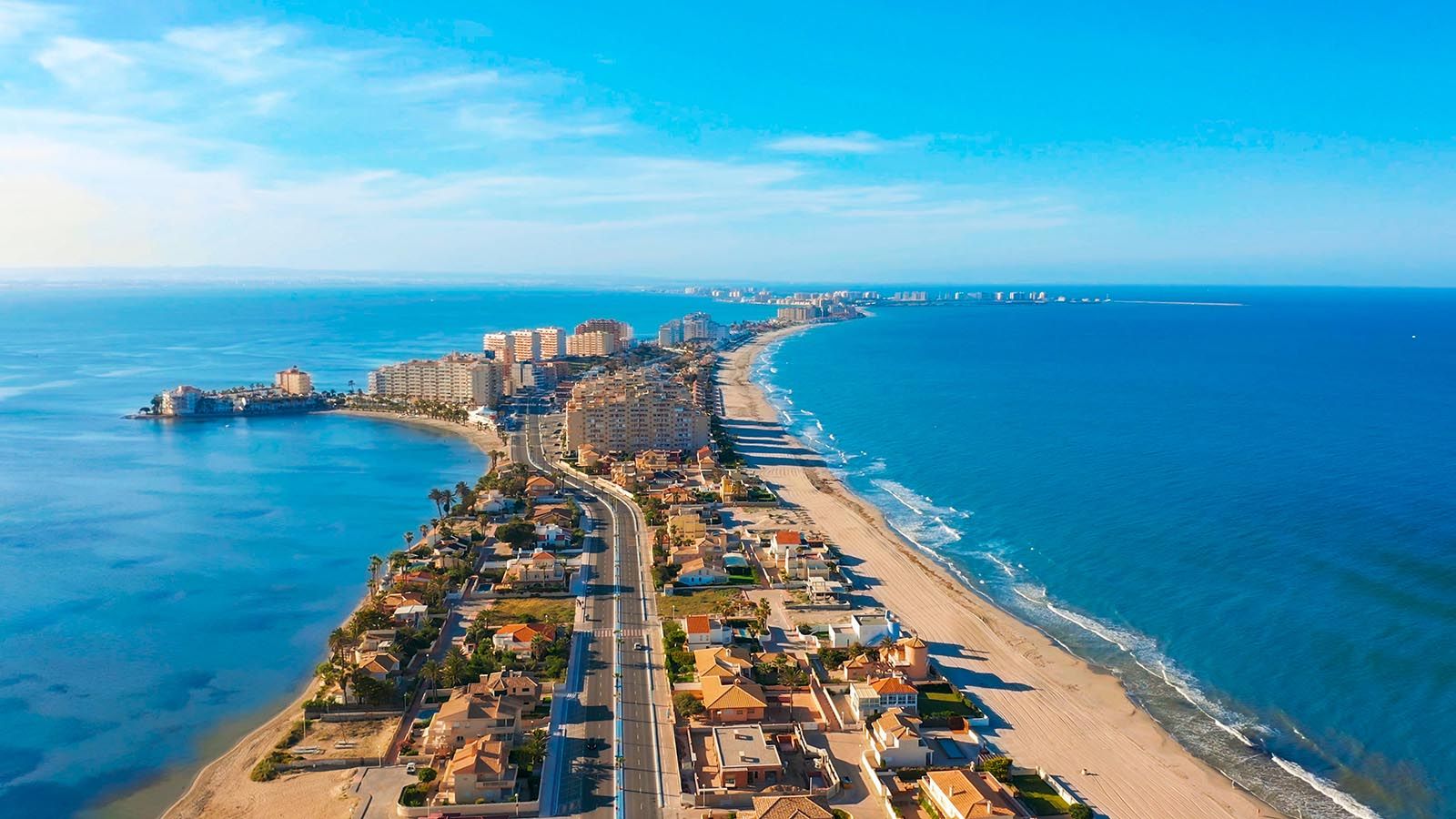
La Manga del Mar Menor, Cartagena, Murcia, Spain © Shutterstock
Spain’s Sneaky Scams: Outsmart the Tourist Traps
While Spain is wonderfully safe, savvy travelers stay alert for these common tricks – especially in bustling tourist zones:
- Rogue Taxis: Airport taxis sometimes “forget” meters. Demand it starts running and check official rate charts. Ride-hailing apps like Free Now often offer better rates.
- Menu Mayhem: That basket of bread? Those tempting olives? They might cost €3 each at tourist traps. Politely decline extras or confirm prices before snacking.
- Distract & Steal: Beware of “petition signers” or “dropped jewelry” near landmarks like Las Ramblas – classic setups while accomplices swipe valuables.
- Overpriced Experiences: Glossy club flyers promising “best flamenco” often lead to watered-down shows with €15 sangria. Ask trusted hotel staff for authentic recommendations.
Travel Like You Belong: Spain’s Responsible Tourism Secrets
Experience Spain authentically while respecting its vibrant cultures and stunning landscapes with these mindful practices:
- Dress the Part: Spaniards merge comfort with class. Swap flip-flops for smart sandals in cities, and always cover shoulders/knees in churches.
- Language Matters: “Hola” works universally, but thrill locals by using “Bon dia” in Barcelona or “Grazas” in Galicia. Language diversity defines Spain’s soul.
- Eat Local, Stay Local: Skip hotel breakfast buffets for corner bakeries. Choose family-run casas rurales over chain hotels. Your euros directly sustain communities.
- Sacred Spaces: Lower voices in cathedrals like Sagrada Familia. Never photograph religious processions without permission – these are living traditions, not photo ops.
- Wildlife Wisdom: When hiking Pyrenees trails or swimming in Menorca’s coves, stay on paths, avoid touching marine life, and leave no trace.

Almeria medieval castle panorama with blue sky from the air in Andalusia Spain former Arab stronghold © Shutterstock
Embrace the Rhythm: Spain’s Beloved Siesta Tradition
Step off the tourist trail in Spain and you’ll discover a cherished national ritual that’s far from outdated. In Spain’s enchanting villages and smaller towns, the siesta isn’t just a nap – it’s a lifestyle. From about 2 pm to 5 pm daily, you’ll find shop shutters drawn and restaurant kitchens quiet. When visiting Andalucía, Castilla-La Mancha or Extremadura, treat this downtime as your chance to truly connect with local culture. Stock up on picnic supplies in the morning, savor a leisurely 2 pm lunch like Spaniards do, then follow their lead: relax in a shady plaza, wander quiet streets, or simply recharge for the vibrant evening ahead. While major cities keep buzzing, these golden afternoon hours remain sacred in Spain’s rural heartland.
Alhambra Adventure: Why Early Planning Pays Off
Dreaming of Granada’s magnificent Alhambra? Here’s an essential Spain travel tip you can’t ignore: this Moorish masterpiece isn’t a last-minute destination. With its dazzling Nasrid Palaces limiting daily visitors, tickets vanish faster than sangria at a summer fiesta. During peak seasons, smart travelers secure passes weeks – sometimes months – in advance through the official website. Triple-check your entry time too: arriving late might leave you admiring just the exterior. Trust us, gazing at those intricate stucco walls and bubbling fountains makes every planning minute worthwhile. Your future self will thank you when you’re wandering through those legendary courtyards while others face disappointment!
Dine Like a Local: Spain’s Tempting Timetable
Ready to feast your way through Spain? First, reset your dinner clock. Spaniards typically dine later than many visitors expect – think 9 pm curtain-raiser rather than 6 pm main event. In foodie havens like Madrid and Barcelona, restaurants often won’t fire up their kitchens until 8 pm at the earliest. Arrive at American dinner times and you’ll find either sleeping establishments or limited bar snacks. Our advice? Immerse yourself in local tempo: enjoy late-afternoon tapas with vermouth, take a sunset stroll, then relish those authentic flavors when the city comes alive after dark. Traveling with early-birds? Seek out “abierto todo el día” (all-day) eateries, but know authentic Spanish dining truly sparkles when you sync with local rhythms.


🌟 The Travaloca Travel Editors Community is a dynamic collective of individuals united by their passion for travel and their dedication to high-quality content creation. This community serves as the driving force behind Travaloca's informative and engaging travel resources. ✨ Core Identity: This group consists primarily of passionate travel enthusiasts who have turned their love for exploration into a commitment to writing and content curation. Members are recognized for their: Extensive Travel Experience: Possessing valuable firsthand knowledge from their journeys worldwide. Aptitude for Writing and Editing: Demonstrating a keen interest and skill in crafting, reviewing, and perfecting travel narratives, guides, tips, and reviews. Dedication to Storytelling: Transforming personal experiences and destination knowledge into accessible, inspiring, and reliable information for a global audience. 📝 Community Focus: The community’s primary role is to contribute, edit, and maintain the diverse range of content on Travaloca's platform. They ensure the information provided is accurate, engaging, and reflective of current travel trends. In essence, the Travaloca Travel Editors Community is where travel passion meets editorial excellence, enriching the user experience and solidifying Travaloca’s standing as a trusted travel resource.


