
Imagine a city where a million motorbikes weave through streets lined with French colonial buildings and steaming street food stalls. Welcome to Ho Chi Minh City – Vietnam’s electrifying southern hub that hasn’t forgotten its romantic past as Saigon. This urban playground pulses with energy, where gleaming skyscrapers tower over ancient pagodas and the scent of pho broth mixes with coffee aromas from sidewalk cafés.
Though officially renamed after Vietnam’s revolutionary leader, locals still affectionately call it Saigon when chatting over café sua da (iced coffee). With over 8.6 million residents calling it home, this economic powerhouse dazzles visitors with its contrasts – luxurious rooftop bars overlook bustling wet markets, and designer boutiques neighbor family-run noodle shops that haven’t changed in generations.
Smart travelers know the secret to loving Saigon is embracing its beautiful chaos. Learn to weave through motorbike waves like a local, follow your nose to hidden pho spots down alleyways, and let the city’s infectious energy carry you from dawn markets to midnight street food stalls.
Let’s explore everything that makes Ho Chi Minh City Vietnam’s must-visit destination:
Essential Ho Chi Minh City Travel Tips
Language: While Vietnamese is the local tongue, you’ll find English widely spoken in tourist areas. Surprise vendors with a cheerful “Xin chào!” (Hello) – that small effort opens more doors than any guidebook.
Currency: Vietnamese đồng (VND) rules here, though some hotels accept US dollars. ATMs dispense local currency everywhere – just watch those zeros on the banknotes!
Must-See Sights: Don’t miss the revolutionary history at Reunification Palace, the Gothic beauty of Notre Dame Cathedral (currently undergoing restoration), and the incense-filled Jade Emperor Pagoda. For deep history immersion, the Cu Chi Tunnels reveal Vietnam’s wartime ingenuity.
Visitor Stats: As Vietnam’s top destination, the city welcomed 36.5 million visitors in 2018 – come early to popular spots to beat the crowds.

Cu Chi tunnels in Vietnam © chiakto/Shutterstock
The Fascinating Story of Saigon
Centuries before motorbikes ruled the streets, this was Khmer territory called Prei Nokor – a river trading post where Cambodian, Malay, and Chinese merchants exchanged goods. The Vietnamese Nguyen Dynasty claimed it in the 18th century, building protective walls around what they renamed Saigon (possibly after the kapok trees dotting the area).
French Colonial Transformation: When French forces arrived in 1861, they reshaped Saigon into “The Paris of the East.” They drained marshes, laid broad boulevards lined with tamarind trees, and erected architectural marvels like the Central Post Office. Beneath the elegant surface though, colonial rule bred resistance that would shape Vietnam’s future.
Through wartime turbulence and eventual reunification, Saigon emerged as Ho Chi Minh City – a metropolis where history whispers from every corner. Wander District 1’s colonial quarter and you’ll see French villas converted into trendy cafes, Soviet-era buildings housing art galleries, and ancient pagodas standing strong amid modern developments.
Ready to dive deeper into Vietnam’s culture? Explore our essential Vietnam travel tips to make your adventure unforgettable.
Saigon’s Shifting Tides
Saigon’s journey to becoming today’s Ho Chi Minh City reads like an epic novel filled with dramatic twists. Though Vietnamese nationalism quietly simmered through the 1920s and 1930s, World War II changed everything. When the Allies emerged victorious, Britain sent troops to disarm Japanese forces in southern Vietnam. But in a plot twist that altered history, British soldiers arrived in Saigon in 1945 and handed power back to the French—kicking off three turbulent decades of conflict.
Saigon’s Wild Years
Designated South Vietnam’s capital in 1955, Saigon transformed into America’s Southeast Asian hub during the war years. Picture this: sweaty GIs on R&R mingled with savvy entrepreneurs along Dong Khoi Street’s neon-lit bars. For all its chaos—Communist bombings, monk-led protests, student demonstrations—the city thrived on the American presence. Late-night jazz spilled from clubs as the war economy boomed. But when U.S. troops packed up in 1973, the party ended abruptly. Two years later, North Vietnamese tanks smashed through the Presidential Palace gates. Almost overnight, Saigon became Ho Chi Minh City—a name that still slips into conversation decades later.
Rebuilding from the Ashes
The war’s scars cut deep. American carpet-bombing drove millions from the countryside into the city’s relative safety. Post-reunification policies backfired spectacularly—economic stagnation choked progress while tens of thousands faced “re-education.” Boats crammed with refugees became symbols of desperation. Hope finally surfaced in 1986 when doi moi reforms revived market economics. Today, that spark has exploded into a full-blown renaissance. Glass skyscrapers pierce the sky where rice paddies once stood, and the buzz of motorbikes carries the electric energy of a city charging toward tomorrow.

Cao Dai Temple’s kaleidoscopic architecture © Lachlan von Nubia/Shutterstock
When Should You Visit Ho Chi Minh City?
Planning your Vietnamese adventure? Here’s the inside scoop on timing your trip perfectly:
The sweet spot weather-wise runs December through April—dry season means happy exploring with minimal rain interruptions. While May-November brings dramatic tropical downpours, don’t let that scare you off. Showers usually pass quickly, leaving streets glistening and air refreshed.
March-May sizzles—pack light cotton clothes and stay hydrated. For cultural fireworks (literally!), aim for Tet, Vietnam’s lunar New Year celebration. Picture dragon dances twisting through streets draped in crimson lanterns, families sharing sticky rice cakes, and midnight skies exploding with color. Just book early—hotels fill fast!
Neighborhood Guide: Where to Lay Your Head
From historic luxe to backpacker hubs, Saigon—sorry, Ho Chi Minh City—delivers unforgettable stays:
Soak Up Saigon’s Soul
History buffs and luxury seekers flock to Dong Khoi’s colonial gems. Imagine sipping champagne as vintage Citroëns glide past Opera House. Nearby Mac Thi Buoi offers chic boutique hotels with fusion eateries steps from Parisian-style cafes.
Pham Ngu Lao: Budget Paradise
Backpackers swear by this lively district west of downtown. Wallet-friendly pho stalls, bustling night markets, and $10 massages make it perfect for social travelers. Need quiet? Sneak down alleys near Co Giang for courtyard guesthouses hidden from the frenzy.

Notre Dame Cathedral’s timeless beauty © Travelerpix/Shutterstock
3 Iconic Hotels Worth the Splurge
Ready to level up your stay? These legendary addresses deliver unforgettable experiences:
- Caravelle Hotel
Sip cocktails where wartime journalists traded secrets at the Saigon Saigon rooftop bar. The 1959 icon survived bombings and now wows guests with Art Deco elegance meets modern luxe. Pro tip: Book a Heritage Wing room to sleep surrounded by history. - Della Boutique Hotel
This Ham Nghi wonder blends playfulness with sophistication. Their “luxe hostel” concept dazzles—think velvet-draped bunk beds and a rooftop bar framing Cathedral spires. Perfect for design lovers who want social vibes without sacrificing style. - Hotel Majestic
Float above the Saigon River where Graham Greene once wandered. This 1920s masterpiece wraps you in old-world charm—think clawfoot tubs and teak shutters framing junk boat views. Evening jazz on the terrace? Pure magic.
From bullet-pocked walls to rooftop pools, Ho Chi Minh City’s layered history unfolds wherever you wander. The past lives alongside roaring commerce in this metropolis racing toward tomorrow—and every street corner tells a story worth hearing.
Ho Chi Minh City’s Luxury Stays: Experience Saigon in Style
Saigon dazzles visitors with its skyline dotted with world-class accommodations. These hotels don’t just offer a place to sleep – they’re gateways to the city’s vibrant energy and colonial charm. Let’s explore the crème de la crème of Ho Chi Minh City hospitality:
- Sheraton Saigon Hotel & Towers
Perfectly positioned along the Saigon River, this urban oasis wows guests with glamorous rooms featuring floor-to-ceiling windows. Pamper yourself at their lavish spa, soak in the first-floor pool, or sip cocktails at the rooftop bar while soaking in panoramic city views. - Park Hyatt Saigon
Oozing sophistication on Lam Son Square, this jewel faces the historic Municipal Theatre. With over 250 elegantly appointed rooms, gourmet dining options, and a stunning pool-spa combo, it’s the epitome of refined luxury in District 1. - The Reverie Saigon
Prepare for sensory overload – this palatial property dazzles with opulent marble, mosaics, and handcrafted interiors rivaling Middle Eastern palaces. Book a suite for breathtaking chandeliers and sculpted ceilings, or taste luxury affordably at their Royal Pavilion restaurant. - Pullman Saigon Centre
A Pham Ngu Lao landmark offering exceptional value. Chic rooms feature curated artwork and tech-friendly docks, complemented by a premium spa and showstopping rooftop dining vistas. Contemporary luxury without the premium price tag.

Reunification Palace stands as a historic landmark in Ho Chi Minh City © Leonid Andronov/Shutterstock
Navigating Saigon: Your Ultimate Transport Guide
Saigon’s buzzing streets might seem chaotic at first glance – a thrilling dance of motorbikes, cyclos, and vibrant energy. But getting around is easier than you think with these local transportation options:
Cyclo Adventures
Glide through backstreets in these iconic three-wheeled rides. Perfect for short journeys – agree on 70,000–100,000đ/hour beforehand (show actual notes to avoid confusion). Best for solo travelers as two passengers can get cramped.
Taxi Tips
Flag down reliable companies like Mai Linh or Vinasun. With meters starting around 12,000đ, they’re surprisingly affordable and save you bargaining energy. Always check the driver resets the meter at departure.
Xe Om Thrills
Hop on a motorbike taxi for about 30,000đ per short trip. Hold on tight and enjoy your authentic Saigon experience!
Walking Wisdom
Most attractions cluster in District 1, making exploration on foot ideal. Master the art of crossing streets: walk steadily without sudden stops – riders will flow around you like water. Avoid pavements during rush hour when they become unofficial bike lanes.
Bus Basics
Air-conditioned buses (#1, #152) connect Ben Thanh Market to Chinatown (Chợ Lớn) for under 10,000đ. Download the BusMap app for real-time routes.
Two-Wheel Freedom
Rent bikes (80,000–150,000đ/day) or scooters (150,000–250,000đ/day) for maximum flexibility. Saigon Scooter Centre offers well-maintained bikes and safety guidance for newcomers.
Private Car Comfort
For day trips or hassle-free tours, hire a car with driver ($60–100/day). Hotels can arrange reputable services with English-speaking drivers.
Crafting Your Perfect Saigon Itinerary
Wondering how long to stay? We recommend:
- 48 hours: Hit District 1 highlights – Ben Thanh Market, War Remnants Museum, and Notre-Dame Cathedral
- 4-5 days: Add Chinatown explorations, Cu Chi Tunnels, and a Mekong Delta day trip
- 1 week+: Discover hidden cafés, take cooking classes, and venture to coastal gems like Vũng Tàu
Our locally-designed Vietnam itineraries help you maximize every moment:
- Vietnam in 5 Days: Saigon & Mekong Magic
- 7-Day Vietnam Highlights: From Halong Bay to Saigon Streets
- 10 Days Vietnam Explorer: Culture, Coast & Cuisine
- 2-Week Vietnam Deep Dive: North to South Adventure

War Remnants Museum offers powerful insights into Vietnam’s history © Scott Biales DitchTheMan/Shutterstock
Saigon’s Unmissable Sights: A Local Perspective
From French colonial landmarks to vibrant street markets, Ho Chi Minh City delivers unforgettable experiences. Don’t miss these essentials:
- Reunification Palace: Step into the 1975 moment when tanks crashed through its gates
- Bến Thành Market: Master the art of haggling for silks, spices, and street food
- Jade Emperor Pagoda: Wander through incense clouds in this 1909 Taoist sanctuary
- Bitexco Financial Tower Sky Deck: Witness Saigon’s modern transformation from 49 floors up
- Street Food Alley (Bùi Viện): Sample bánh mì, phở, and fresh sugarcane juice with locals
Saigon rewards those who embrace its beautiful chaos – from luxury hotel pools to bustling alleys, every moment here tells a story.
Ho Chi Minh City thrums with cultural treasures that offer visitors unforgettable journeys through Vietnam’s storied past. From wartime history to architectural wonders, let’s explore some essential experiences in Vietnam’s southern metropolis.
Cu Chi Tunnels: Underground Resilience
Imagine an entire city thriving beneath the earth’s surface. At the Cu Chi Tunnels, this became reality during the American War when Viet Cong fighters created an intricate 250km underground network. Today, visitors can clamber through a preserved section of these remarkable passageways – stooping through knee-high corridors gives visceral insight into the ingenuity and endurance of wartime resistance. Hot tip: Wear clothes you don’t mind getting dusty!
Caodaism’s Technicolor Temple
A visual feast awaits at Tay Ninh’s Cao Dai Great Temple, home to Vietnam’s unique homegrown religion combining Buddhism, Taoism, Confucianism and Catholicism with a dash of Victor Hugo worship. Built in 1927, the temple explodes with rainbow hues – think lemon-yellow pillars, sky-blue domes, and pink dragons writhing across emerald facades.
Sacred Wonders Within
Step inside to discover a spiritual kaleidoscope where gilded dragon columns frame a cosmic dome representing the Divine Eye. The space hums with symbolism: carved lotus blooms blossom beneath representations of saints ranging from Joan of Arc to Sun Yat-sen. Visitors often describe the temple as “spiritual Disneyland” – in the most reverent sense possible.
Midday Meditation
Time your visit for the hypnotic noon service when robed worshippers chant beneath that celestial dome. Men enter through the right door, women the left, as streams of white-clad faithful glide across the temple floor in perfect synchronicity. The air fills with incense and ethereal music from traditional instruments – a multisensory spiritual experience unlike any other.

Vibrant water puppet shows preserve Vietnam’s rural folklore traditions (Photo: alonanola/Shutterstock)
Ho Chi Minh Museum: History Housed Authentically
Occupying the Nha Rong (Dragon House) where “Uncle Ho” departed Vietnam in 1911, this museum showcases humble relics of the revolutionary leader. Beyond the expected documents and photos, authentic touches like Ho’s rubber-tire sandals and simple rattan suitcase speak volumes about his ascetic dedication. Though exhibits are modest, the riverside location and historical significance make it worth a brief stop for history buffs.
Notre Dame Cathedral: Colonial Elegance
Saigon’s scarlet-bricked treasure stands gracefully beneath its neo-Romanesque twin spires. Constructed entirely with materials from France, this 19th-century cathedral remains a spiritual anchor in the city’s whirlwind energy. Inside, shafts of colored light pierce through rose windows during morning services while whispers of prayer mingle with clicking rosary beads. Legend even claims that the Virgin Mary statue outside shed actual tears in 2005 – a sight witnessed by thousands.
Dong Khoi Street: Walk Through History
Saigon’s Champs-Élysées has lived three lives: colonial Rue Catinat lined with tamarind trees and Parisian cafés; 1960s “Tu Do Street” buzzing with GI bars and nightclubs; today’s fashionable Dong Khoi where designer boutiques nestle beside historic landmarks. Peek inside the reverberant halls of the Central Post Office or the Continental Hotel where Graham Greene penned The Quiet American. This elegant promenade remains the perfect place for people-watching over Vietnamese iced coffee.
City Hall Splendor
The stunning French colonial-style People’s Committee Building (Hotel de Ville) could rival any Parisian landmark with its buttercup-yellow facade and ornate flourishes. Though the interior isn’t open to visitors, the exterior dazzles beneath golden sunset light or evening illuminations. The adjacent flower gardens make an ideal spot to watch locals gathering for evening strolls – perhaps enjoying coconut ice cream from street vendors.
From underground tunnels to sky-touching spires, Ho Chi Minh City’s attractions reveal Vietnam’s compelling contrasts. Each site whispers stories of resilience, reinvention, and rich cultural heritage – ready for travelers to discover them anew.
Ho Chi Minh City Hall: A French-Colonial Masterpiece
Dominating the northern end of Nguyen Hué Boulevard stands one of Vietnam’s most iconic landmarks: the stunning Ho Chi Minh City Hall. Built by French colonists in the early 1900s, this architectural gem reveals Europe’s enduring influence through its dramatic Corinthian columns, elegant shuttered windows, and statues of classical figures. Though currently housing the People’s Committee and closed to visitors, its fairy-tale facade remains the city’s most photographed backdrop. Don’t miss the charming park out front, where a touching statue of Uncle Ho cradling a child watches over vibrant flower beds. Visit during Tet Festival when the boulevard transforms into a spectacular flower market overflowing with roses, sunflowers, and ao dai-clad locals posing among fragrant orange trees.

Jade Emperor Pagoda, Ho Chi Minh City in Vietnam © Pavel Szabo/Shutterstock
The Reunification Palace: Where History Was Made
This striking white concrete structure (rebuilt in 1966) witnessed Vietnam’s defining moment when tanks crashed through its gates to mark the war’s end. While its sober architecture contrasts with the original French colonial palace destroyed in 1962, the Reunification Palace offers fascinating group tours. Walk through time-preserved 1960s chambers where pivotal decisions unfolded, including the basement command center complete with vintage communication equipment.
War Remnants Museum: A Powerful Historical Journey
Vietnam’s most visited museum confronts visitors with profound war-era exhibits. Outdoor displays feature military equipment like helicopters and tanks, while interior galleries present heartrending photographs documenting conflict impacts. Particularly moving is the section on Agent Orange’s legacy, including preserved birth defects that will leave you deeply affected. Yet this isn’t just a somber experience – halls celebrating international peace movements create balance, and veteran artifacts demonstrate remarkable reconciliation between former enemies.
Golden Dragon Water Puppet Theatre: Magical Vietnamese Tradition
Just a block from the museum lies the perfect cultural counterpoint. This intimate theater brings Vietnam’s thousand-year-old water puppetry tradition to life with delightful 50-minute performances. Watch wooden puppets dance across a flooded stage as live musicians create the soundtrack – duck herders, boat races, and mythical creatures captivate children and adults alike. Evening shows make ideal family entertainment before dinner in District 1.
Ben Thanh Market: A Feast for the Senses
Saigon’s bustling heart since 1914, this iconic covered market overflows with authentic Vietnamese energy. Haggle for souvenirs like lacquerware, silk scarves, and coffee beans under its vaulted clocktower entrance. Venture deeper to discover food stalls serving steaming pho and crispy banh mi. At dusk, the perimeter transforms into a lively street food quarter where locals and travelers gather for grilled seafood and icy Saigon beers.
Bitexco Financial Tower: Saigon’s Modern Icon
See Vietnam’s economic ambition embodied in this lotus-inspired skyscraper. The real magic happens 178 meters up at the Saigon Skydeck (49th floor) where floor-to-ceiling windows reveal breathtaking city panoramas. Spot landmarks like Ben Thanh Market’s clocktower and the Saigon River winding past modern developments. Don’t miss the daring helicopter pad cantilevered above – now an Instagram favorite!
Le Duan Boulevard: Colonial Elegance Meets Modern Politics
This graceful avenue connects must-see attractions from Reunification Palace to Notre Dame Cathedral beneath cooling tamarind canopies. Originally designed as a Parisian-style boulevard, it still reveals pastel-hued French villas housing embassies. History buffs will appreciate its namesake – communist leader Lê Duẩn who shaped Vietnam’s postwar destiny.
Jade Emperor Pagoda: A Hidden Spiritual Gem
Step into another world at this incense-filled sanctuary built by Cantonese immigrants in 1909. Marvel at exquisite woodcarvings depicting Taoist and Buddhist legends, where fierce deities glare beneath intricate roof dragons. Locals pray to the main Jade Emperor statue for good fortune – leave offerings of lotus flowers and watch fortune tellers interpret smoke patterns swirling toward the heavens.
Step through the gates of this enchanting temple and discover why locals call it the “Tortoise Pagoda.” Just beyond a serene courtyard shaded by ancient trees lies a weathered pond where shelled residents paddle lazily. Inside, intricately carved characters proclaim a celestial truth: “the only enlightenment is in Heaven.” The Jade Emperor surveys his domain from the main altar, his majestic mustache matched only by the dignified facial hair of his divine entourage.
Echoes of History at Le Duan Street
At 4 Le Duan stands an unassuming building hiding seismic history beneath its foundations. This modern US Consulate rests atop the former American Embassy grounds – a flashpoint of the Vietnam War immortalized by two pivotal moments. In January 1968, Viet Cong fighters shocked the world by breaching this symbol of US power during the Tet Offensive. Seven years later, the same site witnessed “Operation Frequent Wind” – the frantic helicopter evacuation that marked America’s final withdrawal in April 1975. Picture the chaos as thousands scrambled onto choppers while Saigon fell. Today, a simple plaque marks where history unfolded.
Leisurely Escapes: Botanical Gardens & Zoo
Find respite from Ho Chi Minh’s buzz at the century-old Botanical Gardens along Le Duan Street. French botanists Germain and Pierre created this urban sanctuary in 1864, and generations of couples still stroll beneath its leafy canopy. Travel writer Norman Lewis once marveled at “ethereal creatures gliding in decorous groups” here – and little has changed. Wander east and you’ll encounter the resident zoo, though visitors should be forewarned: the weary-eyed elephants and pacing big cats might tug at animal lovers’ hearts. Soothe yourself afterward with coconut water from nearby cafes or the nostalgic charm of the vintage amusement park.

Binh Tay market (or Cho Lon) in Ho Chi Minh © Hien Phung Thu/Shutterstock
Cho Lon: Vietnam’s Lively Chinatown
Dive into Cho Lon’s whirlwind of sights and sounds – Vietnam’s largest Chinese enclave where commerce thrums through every alley. Since 1900, waves of Hoa immigrants transformed these streets into a merchant’s paradise. Today, half a million residents maintain traditions while embracing modernity. You’ll discover street barbers clipping hair sidewalk-side, bird-sellers perched beside centuries-old temples, and markets erupting with fishwives’ banter. Don’t miss the iconic Binh Tay Market, its colonial arches sheltering pyramids of dried shrimp and mountains of rice paper.
Each Chinese immigrant group carved distinct niches: Teochew traders dominated tea, Fukien merchants controlled rice, and Cantonese entrepreneurs built retail empires. While 20th-century opium dens attracted writers like Graham Greene, today’s Cho Lon buzzes with legitimate enterprise. After post-war tensions subsided, this resilient community reclaimed its status as Ho Chi Minh’s commercial powerhouse.
Quan Am Pagoda: A Sanctuary of Serenity
Tucked away on tiny Lao Tu Street, Quan Am Pagoda transports visitors through time. Before entering, pause to admire its kaleidoscopic roofscape – ceramic figurines create a gingerbread-house fantasy. Inside, incense spirals curl smoke through sunbeams while dust motes dance around statues guarding this spiritual haven. Though dedicated to the Goddess of Mercy, the central altar honors the Queen of Heaven herself. Marvel at gilt panels depicting ancient court life frozen in golden splendor.
Me Linh Square: Where History Meets Skyline
Round out your Saigon exploration where the Saigon River unfurls its watery ribbon. At Me Linh Square, 13th-century general Tran Hung Dao eternally points across the water, his statue framed by shimmering skyscrapers. This perfect vantage spot reveals Ho Chi Minh’s fascinating duality – centuries of history reflected in glass-and-steel modernity.

Tran Hung Dao statue in Me Linh Square of Ho Chi Minh City, Vietnam © Efired/Shutterstock
Your Ultimate Guide to Ho Chi Minh City’s Food & Nightlife
The Food Capital of Vietnam: Where Flavor Meets Adventure
Move over, Hanoi – when it comes to culinary fireworks, Ho Chi Minh City wears the crown. This buzzing metropolis serves up more than just iconic pho and banh mi. Wander through streets perfumed with lemongrass and fish sauce, where sizzling woks compete with French patisseries for your attention. Whether you crave authentic street eats or haute cuisine, Saigon delivers a feast you won’t forget.
Street Food Heaven
Forget fancy silverware – the real magic happens at plastic stools under neon signs. Dive into Saigon’s legendary street food scene where flavors explode at wallet-friendly prices. As sunset paints the sky orange, head to Ben Thanh Market’s transformed perimeter. Dozens of stalls materialize, offering everything buttery grilled shellfish to steaming bowls of bun bo Hue. Don’t miss the humble com tam (broken rice) shops – these lunchtime heroes serve generous plates of grilled pork, egg, and pickled veggies that’ll keep you fueled for hours.
Vietnam on a Plate: Signature Restaurants
When street food cravings meet white-tablecloth ambitions, Saigon’s specialty restaurants shine. Yes, you’ll pay more than at a market stall (think $10-20 per person), but the experience rivals top eateries worldwide. Seek out chao bo – tender beef skewered on fragrant lemongrass stalks – at institutions like Vietnam House. Pro tip: Many upscale spots offer set menus paired with live traditional music, turning dinner into a cultural immersion.
Café Culture with a Vietnamese Twist
The French may have left, but their caffeine legacy thrives. Saigon’s café scene blends Parisian elegance with Vietnamese passion. Start your morning with ca phe sua da (iced coffee with condensed milk) at a sidewalk spot, or indulge in buttery croissants at an air-conditioned patisserie. As twilight falls, these spaces morph into dessert havens – perfect for people-watching over mango sticky rice or chocolate fondue.
After Dark in Saigon: Neon Lights & Cold Drinks
When dinner plates clear, Ho Chi Minh City reveals its alter ego. While strict closing laws mean most venues wrap up by midnight, the energy never dips. The backpacker hub around De Tham Street keeps buzzing till dawn, while sophisticated cocktail bars cater to late-night connoisseurs. Grab a copy of The Word magazine for real-time updates on DJ nights, live bands, and pop-up parties.
From Rough Gems to Rooftop Jewels
Saigon’s watering holes tell stories of the city’s layers. In District 1’s colonial quarter, sip champagne cocktails overlooking the Opera House. A few blocks away in the expat-heavy Le Thanh Ton area, raucous pubs recall the “American War” era with pool tables and classic rock covers. For something truly local, follow plastic-stool trails to bia hoi corners where fresh draft beer flows for less than $0.50 a glass.
Smart Sipping: Budget to Luxury
Your drink budget stretches further here than you’d imagine. Party starters can nurse Saigon Reds for under $1 at roadside joints, while craft cocktail enthusiasts will find $6 mixology masterpieces in sky-high lounges. Golden hour (usually 5-7pm) brings “happy hour” steals – perfect for sunset cocktails with Saigon’s glittering skyline as your backdrop.
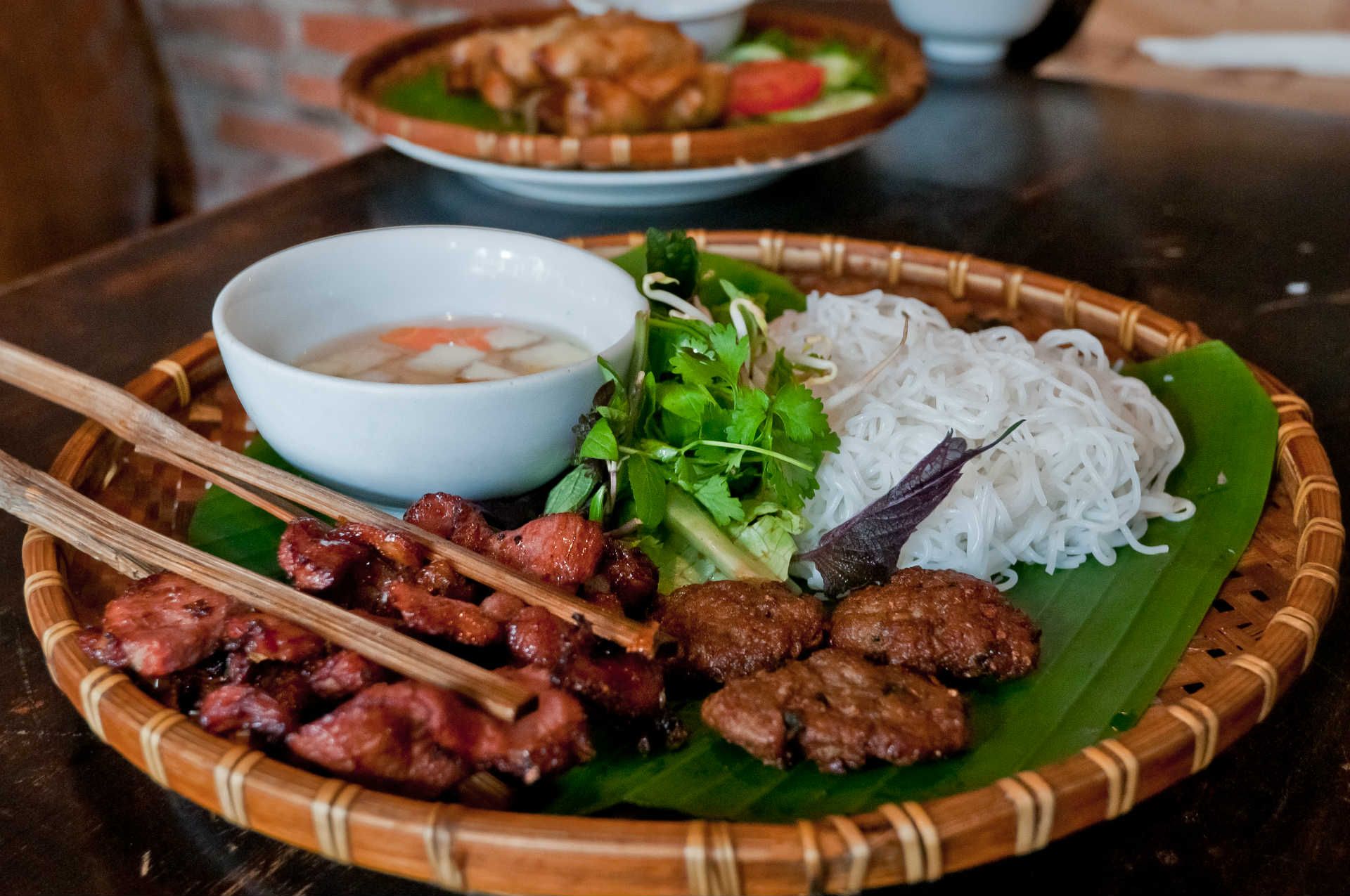
Bun Cha – Vietnamese grilled pork with noodles and herbs © Jiann/Shutterstock
Shopping in Ho Chi Minh City: A Treasure Hunter’s Paradise
Let’s be honest – shopping in Ho Chi Minh City should come with a warning label. Those irresistible prices will have you stuffing your suitcase with souvenirs you never knew you needed! From silk ao dai tunics that flow like liquid moonlight to lacquerware that gleams with artisan craftsmanship, this city is a feast for the senses.
You’ll find yourself drawn to colorful paintings on delicate rice paper, intricate embroidered textiles, and traditional musical instruments that whisper stories of Vietnam’s rich culture. For collectors, the real treasures hide in colonial-era curios – French banknotes, antique opium pipes, and vintage watches that seem to hold decades of history in their gears.
History buffs, keep your eyes peeled for wandering booksellers balancing towers of Vietnam War memoirs and cultural guides in tourist areas. While standard bookshops offer limited English selections, these mobile libraries might just reveal that perfect volume to complete your collection.
Master the Art of Bargaining
Ready to flex your negotiation muscles? Head to Ben Thanh Market or the De Tham area where cheerful haggling over conical hats and cheeky T-shirts is part of the fun. For serious splurges, explore the glossy boutiques along Dong Khoi Street – Vietnam’s answer to Rodeo Drive – where silk scarves and custom tailoring await.
Modern shopping malls dazzle with their air-conditioned comfort and entertainment options, but for something truly unique, seek out Cao Ba Quat Street’s model ship builders. Watching craftsmen recreate intricate vessels near the Caravelle Hotel is a show in itself!
When to Shop Till You Drop
Most shops welcome browsers from 10 AM until sunset, with larger stores keeping doors open past 8 PM. Beat the heat with late afternoon shopping sprees followed by sunset cocktails – the perfect Saigon rhythm.
Ho Chi Minh City Survival Guide
Navigate Vietnam’s pulsating southern capital like a pro with these essential tips covering everything from pillow selection to pho slurping.
Resting Your Head: Accommodation Smarts
While general Vietnam lodging advice applies here, Ho Chi Minh City throws in some unique challenges. Always confirm whether prices are quoted in dollars or dong (most accept both), and keep these local insights in mind:
Book Ahead, Travel Smart
Secure your hotel before landing – especially during peak season (December-January). This saves you from taxi-hunting with luggage in tow and might score you a free airport transfer. Trust us, you’ll appreciate this after a long flight!
Hostel Scene Evolution
The De Tham area’s new wave of hostels offers budget bunks, but don’t expect classic backpacker vibes. Many operate in legal gray zones – exciting for adventurers, but be prepared for possible closures.
Silence Is Golden
Saigon’s 8-million-strong motorbike orchestra never fully rests. Light sleepers should request rooms with double-glazed windows or buildings set back from main streets. Your beauty sleep depends on it!

Vibrant Buddha heads peer from market stalls at Ben Thanh Market, Ho Chi Minh City © steve estvanik/Shutterstock
Feasting in Saigon: A Foodie’s Playground
Two culinary worlds collide in HCMC. For refined flavors amidst colonial architecture, explore the city center’s innovative eateries. Budget travelers flock to the “Backpacker District” around Bui Vien Street – just know these tourist-focused spots offer more comfort than authenticity.
Plant-Based Paradise Found
Vegetarians rejoice! Saigon leads Vietnam’s meat-free revolution with gems like Loving Hut’s vegan delights and Hum Restaurant’s elegant plant-based creations. Even omnivore hotspots like Asian Kitchen and Baba’s Kitchen cater to herbivores with dedicated menu sections.
Cheers to Saigon Nights
From rooftop cocktails with skyline views to beer-soaked sidewalk stools, Ho Chi Minh City satisfies every thirst. Sip martinis where war correspondents once drank at the Caravelle Hotel’s timeless bar, or join craft beer enthusiasts at trendy new microbreweries shaking up the scene.
The real magic happens at street-side bia hoi joints where locals cluster around plastic tables piled with empty beer bottles. Join the party on Bui Vien Street where travelers from every corner swap stories over cold Saigon Reds.
For a dash of nostalgia, explore Pasteur Street’s retro girlie bars – playful throwbacks to 1960s Saigon. Don’t be surprised if charming companions join your table (their drinks go on your tab), but rest assured these spots welcome all curious visitors regardless of gender.
Getting There and Getting Around
Touch down at Tan Son Nhat Airport – Vietnam’s busiest gateway – where domestic flights often cost less than long bus journeys. Overland arrivals land at scattered bus stations or right in the action via open-tour buses terminating on De Tham Street.
Choosing Your Adventure Guides
Saigon overflows with tour operators promising everything from Mekong Delta day trips to customized country-wide itineraries. While reputable companies create magic, research carefully – we regularly hear reports of disappointing experiences with less scrupulous outfits. Your dream Vietnam adventure deserves proper planning!
Planning a trip to Ho Chi Minh City? Choosing the right tour operator can make or break your adventure in Vietnam’s buzzing southern hub. From street food safaris to Mekong Delta expeditions, these trusted local experts offer unforgettable ways to experience Saigon like never before.
Craft Your Perfect Vietnam Journey
- Ann Tours – The go-to for personalized Vietnam itineraries that deliver amazing value without cutting corners.
- Buffalo Tours – Western-managed pros creating seamless Indochina adventures, including their immersive “Story of Saigon” day tour.
- Exo Travel – Foodies rejoice! Their culinary Vespa tours and 4-day “Unseen Ho Chi Minh” experience reveal the city’s best-kept secrets.
Adventure Off the Beaten Path
- Innoviet – Eco-conscious bike and boat tours through the Mekong’s hidden waterways with intimate group sizes.
- Sinhbalo – For adrenaline seekers: motorcycle expeditions along the Ho Chi Minh Trail or kayaking through delta mangroves.
Budget-Friendly Explorations
- Kim Travel – Veteran operators offering unbeatable Mekong Delta day trips to My Tho and Ben Tre at wallet-friendly prices.
- The Sinh Tourist – Reliable budget tours, visa services, and transport connections (watch for copycats using similar names!).
- TNK Travel – Consistently praised for affordable country-wide adventures and Mekong excursions.
Saigon After Dark Experiences
- Vespa Adventures – Iconic nighttime tours aboard vintage scooters with charismatic guides, live music, and Saigon’s best street food (plus craft beer options!).
- XO Tours – Vietnam’s pioneering all-female motorcycle team serving up foodie adventures and thrilling night tours through glowing city streets.
Pro Tip: Many top agencies like Exo Travel can also handle nationwide hotel bookings and transport arrangements. Whether you crave a luxury Mekong cruise or street food crawl by scooter, these carefully vetted operators deliver authentic Vietnamese experiences that’ll leave you with lifelong memories. Ready to explore?
What is Travaloca.com?
At the heart of Travaloca.com lies a simple yet transformative philosophy: the belief that the best journeys happen when you step off the beaten path and experience the world through the eyes of those who live there. Travaloca is a premier global knowledge hub where the passion for discovery meets the art of the perfect vacation.
As a community-driven platform, Travaloca is powered by the collective wisdom of travelers and locals worldwide. We are dedicated to providing authentic, ground-level insights that help you skip generic tourist traps and unlock "hidden gems" often missed by traditional guidebooks. Our unique approach is built on three core pillars: Travel + Vacation + Local. By blending practical logistics—such as budgeting and transit tips—with deep cultural immersion, we ensure that your planning is stress-free and your experiences are truly unforgettable.
Whether you are searching for secret neighborhood eateries in Saigon or navigating remote landscapes in the North, Travaloca provides editorially reviewed, real-time intelligence. We invite you to join our global community to share stories, ask questions, and build your next itinerary with confidence. With Travaloca, you don't just visit a destination—you belong there.


🌟 The Travaloca Travel Editors Community is a dynamic collective of individuals united by their passion for travel and their dedication to high-quality content creation. This community serves as the driving force behind Travaloca's informative and engaging travel resources. ✨ Core Identity: This group consists primarily of passionate travel enthusiasts who have turned their love for exploration into a commitment to writing and content curation. Members are recognized for their: Extensive Travel Experience: Possessing valuable firsthand knowledge from their journeys worldwide. Aptitude for Writing and Editing: Demonstrating a keen interest and skill in crafting, reviewing, and perfecting travel narratives, guides, tips, and reviews. Dedication to Storytelling: Transforming personal experiences and destination knowledge into accessible, inspiring, and reliable information for a global audience. 📝 Community Focus: The community’s primary role is to contribute, edit, and maintain the diverse range of content on Travaloca's platform. They ensure the information provided is accurate, engaging, and reflective of current travel trends. In essence, the Travaloca Travel Editors Community is where travel passion meets editorial excellence, enriching the user experience and solidifying Travaloca’s standing as a trusted travel resource.


