
Dreaming of wandering through vibrant souks, sleeping under Saharan stars, and sipping mint tea in centuries-old medinas? Morocco delivers all this magic and more – but where do you begin? Don’t let trip planning overwhelm you. This complete Morocco travel guide unlocks everything you need to know about organizing your North African adventure, from perfect timing to budget secrets and cultural insights. Grab your imaginary fez – we’re making your Moroccan dreams a reality!
First Things First: Setting Your Moroccan Adventure Parameters
The golden planning window: Start shaping your trip 4-6 months out. Visiting during spring (March-May) or fall (September-October)? Bump that to 6+ months – these popular seasons book up fast!
Begin by answering three key questions:
- When will you experience Morocco?
- How long can you immerse yourself?
- What’s your comfortable spending range?
If itinerary inspiration feels overwhelming, explore our sample Morocco trip blueprints – we’ve crafted both 5-day whirlwinds and 7-day deeper dives to spark your imagination. Remember: crafting your perfect journey is a marathon, not a sprint!
The Sweet Spot: Morocco’s Best Travel Seasons
Morocco shines brightest during spring’s flower blooms (March-May) and autumn’s golden light (September-October). Picture perfect weather for exploring – but prepare for company in hotspots like Marrakech and Fes. Traveling during these peak months? Book accommodations early and embrace the vibrant energy!
Alternative crowd-beating times: Consider November-February’s cooler temperatures or June’s shoulder season sweet spot before summer heat arrives.
When Does Morocco Get Rainy?
Light showers visit between November and March, but the weather varies dramatically by region. Coastal cities like Casablanca and Tangier see the most rain, while the Atlas Mountains might surprise you with snow-dusted peaks. Meanwhile, the Sahara Desert stays remarkably dry year-round – though winter nights require cozy layers.
Pro tip: Those brief December-January showers won’t dampen your adventure – they usually pass quickly enough to keep your plans on track!
Surviving Morocco’s Summer Sizzle
July and August transform inland cities like Marrakech and Fes into ovens, with thermometers regularly hitting 104°F (40°C) – and the Sahara becomes downright fiery, soaring above 113°F (45°C)! If summer travel is unavoidable, coastal gems like breezy Essaouira or artsy Asilah offer refreshing Mediterranean respites.

Koutoubia mosque in Marrakech, Morocco © Migel/Shutterstock
Experiencing Morocco During Ramadan
Visiting Morocco during Ramadan offers a unique cultural perspective, though it changes daily rhythms. Many businesses adjust hours and daytime dining options decrease as locals fast from dawn until sunset. As night falls, streets come alive with iftar celebrations (the evening meal breaking the fast) creating unforgettable energy.
Traveling respectfully: Avoid eating, drinking, or smoking in public during fasting hours. This thoughtful consideration opens doors to deeper connections with welcoming Moroccans.
Cracking the Morocco Budget Code
Morocco caters beautifully to every wallet, from backpackers to luxury seekers. Here’s how daily costs typically stack up:
- Budget Explorer (300-500 MAD/$30-50/day): Cozy hostel or simple riad stays, street food feasts, and public transport adventures. Pro tip: practice your haggling skills in the souks!
- Comfort Seeker (500-1000 MAD/$50-100/day): Charming riads or 3-star hotels, restaurant dining, guided tours, and private inter-city transfers.
- Luxury Voyager (1000+ MAD/$100+/day): Palatial riads, private Sahara tented camps, gourmet meals, personal guides, and indulgent hammam spa treatments.
Finding Your Perfect Morocco Trip Length
The highlights reel (7-10 days): Perfect for first-timers! Combine Marrakech’s magic with Fes’ ancient medina, add a Sahara Desert excursion, and maybe a quick coastal or mountain detour.
Deep dive (2 weeks): Immerse yourself fully! Add the blue-washed streets of Chefchaouen, trek Atlas Mountain villages, unwind in seaside Essaouira, and travel at a more relaxed pace.
Still deciding? Our sample Morocco itineraries take the guesswork out of planning – whether you’re craving a quick getaway or transformative journey.

Morocco desert experience – a bucket list adventure
Mixing Morocco with Spain or Portugal: A Traveler’s Dream Combo
Imagine wandering through bustling Moroccan souks one week and sipping sangria in Seville the next! Combining a trip to Morocco with Spain or Portugal isn’t just possible – it’s a magical way to experience contrasting cultures bound by centuries of shared history. The key? Balance. You’ll want at least 5-7 days in Morocco to do it justice without feeling rushed.
Choose your adventure: Sail across the Strait of Gibraltar on the speedy Tangier-Tarifa ferry (just 35 minutes!) or hop on a quick 1-2 hour flight between Marrakech and hubs like Madrid or Lisbon. For travelers with two weeks or more, this trio becomes an effortless dance between desert dunes and Iberian charm.
Do You Need a Visa for Morocco?
Good news for travelers from the US, UK, EU, Canada, or Australia – you won’t need a visa for stays under 90 days! Just ensure your passport:
- Is valid for at least 6 months after your departure date
- Has one blank page for entry stamps
You’ll complete a simple entry form upon arrival. Always double-check requirements based on your nationality as rules occasionally change.
Vaccines for Morocco: Travel Smart
While Morocco doesn’t require specific vaccinations, health experts recommend:
- Routine vaccines (MMR, DPT, flu)
- Hepatitis A & Typhoid (possible food/water exposure)
Consult your doctor 6-8 weeks before travel. Many travelers also consider traveler’s diarrhea prevention – bottled water is widely available.

Hollywood meets Sahara at Ouarzazate’s film studios © Shutterstock
Crafting Your Morocco Bucket List (4-6 Months Before Travel)
Dreaming phase activated! Grab your digital map and start pinning:
- Shared Google Docs/Maps help group travelers collaborate
- Cluster nearby attractions to maximize your time
This visual approach reveals natural itineraries inspired by geography rather than guidebooks. You’ll quickly spot which destinations pair beautifully for efficient travel days.

Essaouira’s coastal charm © Pixabay
Morocco’s Unmissable Trio
Every first-time visitor deserves these iconic experiences:
- Marrakech Medina – Dive into sensory overload at Djemaa el-Fna square at sunset when storytellers and food stalls create living theater
- Sahara Desert (Erg Chebbi) – Sleep under star-drenched skies after a golden-hour camel trek (book camps months ahead)
- Chefchaouen’s Blue Alleyways – Discover hidden cafes in this photogenic mountain town (weekdays = fewer crowds)
Morocco’s Urban Gems
Each city pulses with its own rhythm:
- Fes – Lose yourself in the medieval Fes el-Bali (protect your nose at the pungent but fascinating tanneries!)
- Marrakech – Contrast the serene Majorelle Garden with the vibrant Mellah district
- Rabat – Stroll seaside kasbahs and modernist architecture in Morocco’s relaxed capital
- Tangier – Sip mint tea at Café Hafa where Mediterranean views inspired literary giants
Ready to turn these Moroccan dreams into reality? Your perfect adventure starts with that first pin on the map!

Inside the bustle of the medina © Christopher Clark
Morocco’s Breathtaking Natural Wonders
Prepare to be dazzled by Morocco’s dramatic landscapes – a treasure trove where golden deserts collide with rugged mountains and unexpected oases. Here are the places that’ll leave you speechless:
- Sahara Desert Adventures (2-3 days): Feel minuscule amid the 150-meter dunes of Erg Chebbi. As daylight fades, retreat to your desert camp for starry skies, and wake before dawn to watch the sun transform the sands from gold to fiery orange.
- Todra Gorge Drama (1-2 days): Walk through this natural cathedral of rock where cliffs soar 400 meters overhead. Photographers love the ever-changing light dance on the canyon walls.
- Dades Valley Discovery (2 days): Navigate the “Road of a Thousand Kasbahs” past Mars-like rock formations and crumbling fortresses straight from an adventure film.
- Atlas Mountains Majesty (3-4 days): Where Berber villages cling to terraced hillsides. Time your visit: spring wildflowers, autumn hiking, or winter snows dusting Oukaimeden’s ski slopes.
Trails That Take Your Breath Away
Lace up your boots for Morocco’s incredible hiking terrain – there’s something for every fitness level and curiosity:
- Conquer Mount Toubkal: North Africa’s rooftop (4,167m) rewards determined hikers with views stretching to the Sahara. Beginner-friendly in summer with local guides.
- Tazekka’s Hidden Gardens: Wander through rare cedar forests and caves where waterfalls hide. April transforms the landscape with wildflowers rarely seen by tourists.
- Ifrane’s Year-Round Playground: Nicknamed “Morocco’s Switzerland,” encounter snow monkeys in summer and hit surprisingly good ski slopes when snow blankets the Atlas range.

Tizi n test pass Atlas mountains, Morocco © Shutterstock
Secret Spots Only Locals Know
Swap tourist crowds for these authentic experiences where Morocco’s magic shines brightest:
- Tafraoute’s Rock Wonderland: After winding through lunar landscapes to this Berber oasis, explore fog-sculpted pink granite formations and hunt for ancient rock carvings. Don’t miss the surreal Blue Rocks installation – boulders hand-painted cobalt by a Belgian artist.
- Mirleft’s Coastal Escape: This hidden fishing town reveals cliff-top walks, deserted beaches, and the best waterfront tagines you’ll ever taste. Surf uncrowded breaks or bargain for fresh catches at dawn.
- Midelt’s Mountain Charm: Crunch apples straight from high-altitude orchards each September during harvest festivals. Geology buffs will love hunting for fossils in nearby hillsides where ancient seabeds still reveal their secrets.

Morning landscape of coastal village Taghazout, Morocco © zodyakuz/Shutterstock
Crafting Your Perfect Morocco Itinerary
Timing your travel plans: Start mapping your route 2-4 months in advance
Now comes the fun part – connecting your dream destinations into a seamless journey. Here’s how to navigate like a pro:
Getting Around Morocco Made Simple
Travel between cities couldn’t be easier with options for every style and budget:
Train Travel Charm: Glide between Marrakech, Casablanca, and Fes in modern comfort with panoramic views. First-class ensures maximum comfort, while second-class puts extra dirhams back in your souvenir budget.
Bus Routes Less Traveled: Companies like CTM offer value-packed journeys to coastal towns and mountain villages. Pro tip: Book VIP reclining seats for overnight trips.
Desert Expedition Magic: Trust local experts for Sahara adventures – they’ll handle 4×4 transfers, camel treks, and secret desert camps while you focus on etching memories.
City Navigation Hacks: In urban areas, negotiate fares upfront with petit taxis (city cabs) or opt for ride apps like Careem for easy point-to-point trips without the haggling.
Getting Around Town: Taxis Tips
Petit taxis (small, city cabs) are your wallet-friendly best friends for quick rides within towns—just make sure the meter’s running! For longer hops between cities, hop into a grand taxi (usually shared Mercedes sedans). In bigger cities like Marrakech and Casablanca, ride-hailing apps like Careem work like a charm too—think of it as Morocco’s answer to Uber.
Is a Private Driver Worth It?
Want freedom to explore on your schedule? Traveling with family or a group? Hiring a private driver might be your golden ticket. While pricier than buses, you’ll gain a local insider who often doubles as an informal guide. Many drivers share fascinating cultural tidbits you won’t find in guidebooks. Most hotels or travel agencies can connect you with reliable drivers—expect to pay $100-200/day (includes fuel and driver’s lodging).
Desert Tour Pro Tips
Dreaming of golden dunes? Here’s what you need to know: Erg Chebbi (near Merzouga) offers easy access and amenities, while Erg Chigaga delivers raw, untouched beauty—perfect for solitude seekers. Always book through reputable operators—look for verified reviews, transparent pricing (meals, water, activities), and safety certifications. Pro tip: Pack layers! Desert days sizzle, but nights can dip to sweater weather.

How to plan a trip to Morocco: Essouira’s coastal charm awaits © Pixabay
Step 4: Book Smart, Save More
Timing is everything: Lock in key bookings 3-4 months early (sooner for peak seasons like spring/fall)
Now comes the fun part—securing flights, stays, and transport. Booking early not only saves money but spreads out costs, making that dream trip feel more manageable.
Flight Hacks for Morocco
Snag the best deals on flights to Morocco 3-4 months ahead, especially for October-May travel. Shoulder seasons (Nov-Feb or June) offer lighter crowds and lower prices. Royal Air Maroc often has competitive rates—plus, OneWorld alliance members can use points! Insider move: Fly into Casablanca first (often cheaper), then connect domestically via train or plane.
Flying from the U.S.?
Most U.S. flights route through Europe—Paris, Madrid, or Lisbon are common hubs. Royal Air Maroc offers direct flights from NYC (JFK) and Miami to Casablanca (7-8 hours). D.C. has seasonal directs too. Got time? Some airlines allow free European stopovers—perfect for a two-country adventure!

Jebel Sahro’s rugged peaks—a hiker’s paradise © Louise Bottomley/Shutterstock
Where to Stay: Riads, Resorts & More
Morocco dazzles with diverse stays: Sleep in a riad (traditional courtyard homes-turned-guesthouses) for authentic medina charm—often with rooftop views and handcrafted tiles. Prefer modern comfort? Ville Nouvelle districts offer international hotels with easy transit access. Budget travelers thrive in hostels, while luxury seekers adore Marrakech’s palm-fringed resorts.
Marrakech Neighborhood Guide
Medina heartbeaters: Stay in Mouassine or Kasbah for easy access to souks without the round-the-clock buzz. First-timers love spots near Djemaa el-Fna for walkability. Craving Parisian flair? Head to Gueliz (Ville Nouvelle) for chic cafes and boutiques.
Fez: Medina Magic vs. Modern Comfort
Live the medieval dream in Fez’s medina—Batha and Rcif neighborhoods put you steps from tanneries and madrasas. If cobblestone lanes aren’t your thing, Ville Nouvelle offers spacious hotels with pool decks (but less soul).
Desert Camp Must-Knows
Erg Chebbi’s golden dunes near Merzouga boast the most camps—from basic Berber tents to glamping setups with private baths. Top picks include dinner under the stars, camel treks, and guitar-led drum circles. Location matters: Dune-front camps mean waking up to sunrise over Sahara waves!
Imagine waking up in the Moroccan desert with golden sands stretching to the horizon – pure magic! But here’s a pro tip: not all desert camps offer easy dune access. Before booking, verify your camp’s actual proximity to the sands. Opt for 4×4-accessible camps when possible – arriving by air-conditioned vehicle beats a long camel trek during scorching afternoons or chilly nights.
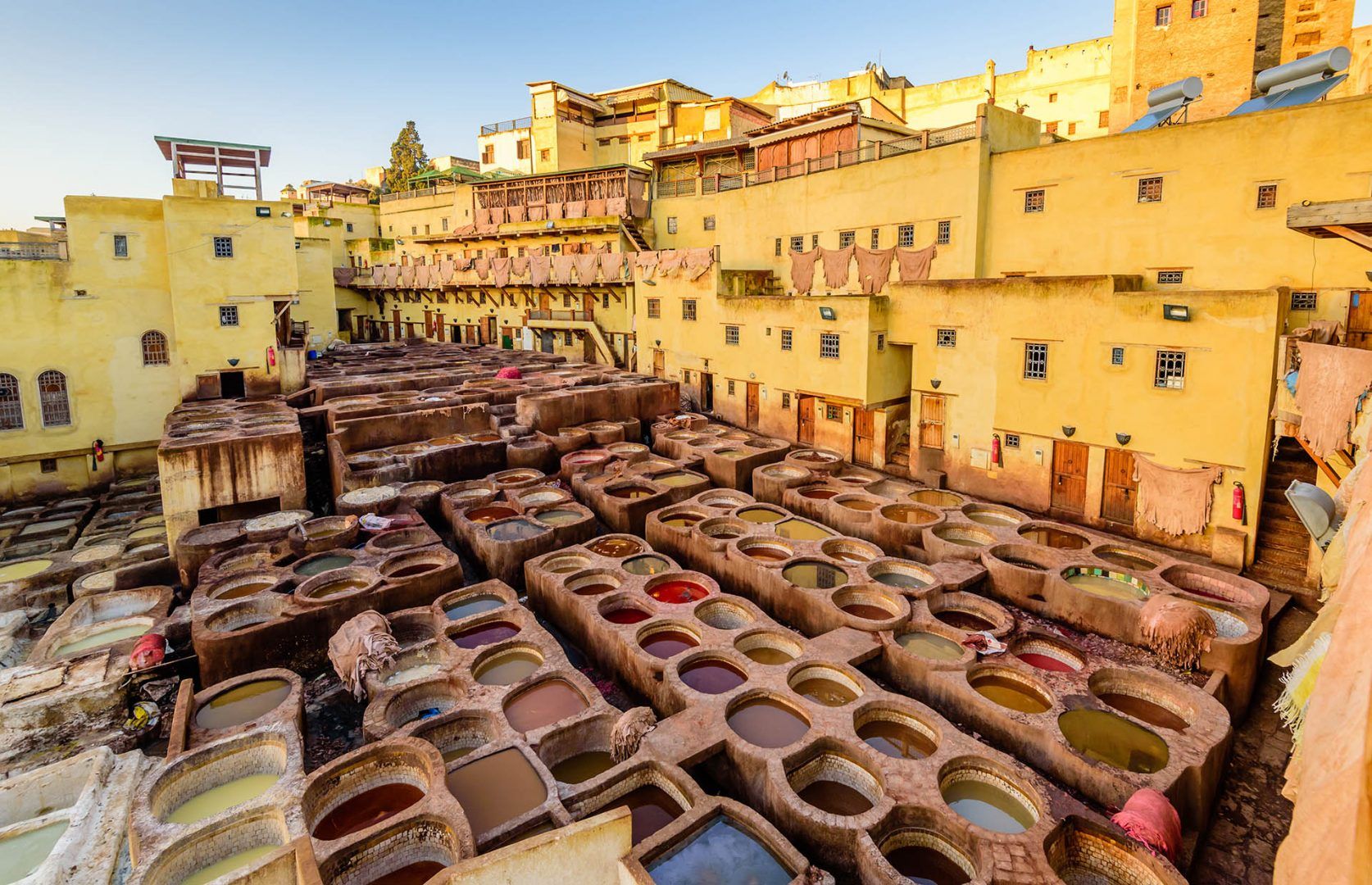
Fez tanneries, Morocco © Shutterstock
Master Your Morocco Itinerary: Booking Must-See Attractions
Smart travelers know that locking in key experiences 2-3 months before departure transforms a good trip into an unforgettable one. Pre-booking helps you craft a seamless adventure while avoiding disappointing “sold out” signs at Morocco’s crown jewels.
Morocco’s Book-in-Advance Gems
- Majorelle Gardens Magic (Marrakech): Book the coveted 8 AM time slot to enjoy this blue oasis without crowds. Snag a combo ticket with the Yves Saint Laurent Museum for better value. September-October and March-May visitors should strongly consider skip-the-line tickets.
- Luxury Desert Stays (Merzouga/Zagora): Picture private decks overlooking endless dunes! These exclusive camps cap guests at 20-30 nightly. Secure your spot 3-4 months ahead during peak seasons through official websites.
- Hassan II Mosque (Casablanca): These architectural tours have strict schedule. Non-Muslim visitors can only join official English tours – book 3-4 days early to ensure availability, especially when cruise ships dock.
- Authentic Hammam Experiences: Pamper yourself with advance bookings at prestigious retreats like La Mamounia (1-2 weeks ahead). For historic gems like Dar el-Bacha’s traditional hammam, morning bookings guarantee a more intimate experience.

Majorelle garden in Morocco © Sergiy Borakovskyy/Shutterstock
Sahara Desert Adventures Made Simple
Most Sahara journeys launch from Marrakech or Fes, with Merzouga’s Erg Chebbi dunes offering the most accessible desert gateway. Dedicate at least three days for the full experience – including mesmerizing drives through the Atlas Mountains. Compare options:
- Shared Tours: Budget-friendly way to enjoy starry desert nights
- Private Tours: Customize stops and rhythms to your preference
Nearly all tours bundle transport, camel rides, meals, and Berber-style camping. While one night delivers memorable sunset/sunrise moments, two nights immerse you in sandboarding and nomadic culture. November-March offers ideal temperatures – but whatever season you choose, prioritize tour operators employing local guides and following international safety standards.
Desert Health Smarts
The Sahara rewards the prepared: pack plenty of SPF 50+ sunscreen, UV-blocking sunglasses, and breathable clothing covering arms/legs. Carry 4-5 liters of water daily – dehydration sneaks up fast! Ginger tablets help travelers prone to motion sickness during camel rides or dune-driving.

Sahara Desert landscape scene among the dunes in Morocco © Shutterstock
Marrakech’s Unmissable Experiences
Dive into the Red City’s vibrant heartbeat with these essentials:
- Djemaa el-Fna After Dark: Watch storytellers entrancing crowds beneath lantern light as sizzling food stalls perfume the air. For panoramic views, snag a balcony seat at Café Glacier.
- Saadian Tombs & Bahia Palace: Marvel at intricate mosaics and tranquil courtyards revealing Morocco’s imperial past. Arrive early to avoid tour groups.
- Souq Navigation 101: Lose yourself in the medina’s labyrinthine alleys, hunting for ceramic lamps and leather goods. Pro tip: the deeper you wander, the better the bargaining!

Marrakech’s Jemaa el-Fna comes alive after dark © Shutterstock
Unlocking Marrakech’s Magic: Essential Experiences
Marrakech pulses with vibrant energy, ancient secrets, and sensory delights awaiting discovery.
- Dive into Jemaa el-Fna’s electric nights: As dusk falls, the city’s main square transforms into Morocco’s greatest open-air theatre. Follow fragrant smoke trails between food stalls offering grilled meats and fresh juices, then join locals gathering around street performers. Our top tip: Head to stall #32 for mouthwatering seafood and climb to Cafe Glacier’s rooftop for panoramic views.
- Master the medina’s labyrinth: Lose yourself (deliberately) in the kaleidoscopic souks. Start with shimmering textiles at Semmarine, watch artisans create natural dyes at Souk des Teinturiers, and bargain for buttery-soft leather goods at Cherratine. First-time explorers should consider a local guide to uncover hidden workshops and avoid endless circling.
- Journey through Islamic academia: The 14th-century Ben Youssef Medersa whispers tales of ancient scholars. Marvel at honeycomb plasterwork and cedarwood carvings in the tranquil courtyard. Timing tip: Arrive early to enjoy solitude before crowds appear, and catch golden hour light illuminating the geometric patterns around 10 AM.
- Oases of serenity: Escape the Medina’s buzz in cobalt-blue Majorelle Garden or the orange blossom-scented Bahia Palace. Morning visits reward travelers with cooler temperatures and thinner crowds. Consider a combined ticket for major sites to save time and money.

Biking in Marrakech © Christopher Clark
Thrill-Seeker’s Morocco: Adventure Beyond the Medina Walls
Craving adventure? Morocco’s diverse landscapes offer heart-pounding experiences from mountain peaks to desert dunes.
- Conquer North Africa’s rooftop: Trek through traditional Berber villages en route to Mount Toubkal’s summit (4,167m). April-October offers prime hiking weather, with summer bringing warmer temperatures. Required guides provide mountain expertise, while overnight stays in cozy gîtes reveal authentic Berber hospitality.
- Scale Todra’s limestone cathedral: The dramatic Todra Gorge presents 150+ bolted climbing routes through its striking canyon walls. Visit during spring or autumn for perfect conditions. Local outfitters in Tinghir arrange everything from half-day sessions to weeklong climbing camps among breathtaking scenery.
- Ride Atlantic rollers: The laidback fishing village Taghazout transforms into a surfer’s paradise from September to April. Test your skills at legendary breaks like Anchor Point or watch pros tackle Killer Point’s perfect barrels. Surf schools offer comprehensive packages mixing lessons, board hire, and bohemian beachfront accommodation.
- Pedal through desert scenery: Traverse the Anti-Atlas Mountains on two wheels between October and March. Mountain biking tours range from family-friendly day trips to challenging multi-day expeditions, pairing stunning desert panoramas with cultural encounters in remote villages.

Aït Benhaddou Kasbah and the Atlas Mountains © Shutterstock
Feast Like a Local: Morocco’s Culinary Treasures
Morocco’s cuisine weaves Berber traditions with Arab and Mediterranean influences, celebrating shared meals and complex spice blends. Let your taste buds guide the journey:
- Iconic tagine mastery: Savour slow-simmered perfection in iconic clay pots at Marrakech’s La Maison Arabe. The lamb with prunes and almonds strikes an exquisite sweet-savory balance worth traveling for.
- Pastilla’s unexpected poetry: Fes’ Riad Fes serves Morocco’s most surprising dish—crisp warqa pastry embracing spiced pigeon, almonds, and cinnamon in perfect harmony. Skip dessert—this savory-sweet delicacy doubles as both starter and finale.
- Friday couscous tradition: Join families at Fes’ Dar Hatim for couscous royale—hand-rolled semolina crowned with tender lamb and caramelized onions. Eating traditionally (right hand only!) connects you to centuries of culinary heritage.
- Marrakech’s buried treasure: Venture down Mechoui Alley for the city’s best-kept secret: tanjia. This urn-cooked lamb stew spends hours baking in hammam ashes, emerging with melt-in-your-mouth tenderness.
Street Food Gems Worth Seeking
Some of Morocco’s greatest flavors emerge from humblest kitchens. Follow your nose to steaming pots of harira—the comforting lentil and tomato soup fueling Ramadan meals and late-night cravings alike. Nearby, watch sizzling griddles transform dough into crispy msemen flatbreads, best enjoyed drizzled with golden honey.

Design your Moroccan adventure around its incredible cuisine © Shutterstock
Last-Minute Morocco Travel Essentials
You’re just weeks away from your Moroccan adventure! While the big pieces are in place, these final touches will make your trip smoother than a glass of freshly poured mint tea.
Is Travel Insurance Really Necessary for Morocco?
Don’t skip this step. Morocco’s diverse landscapes from Sahara dunes to Atlas Mountain trails mean unexpected situations can arise. Look for coverage that includes:
– Medical emergencies (minimum $50,000)
– Emergency evacuations from remote areas
– Adventure activities (trekking, surfing, camel riding)
– Trip cancellation protection
Read the fine print carefully – that desert ATV excursion or mountain hike might need special coverage.
Staying Connected: Wi-Fi vs SIM Cards
Urban explorers will find decent Wi-Fi in riads, cafes and hotels, but connection speeds can vary. For reliable service everywhere, grab a local SIM:
Top providers: Maroc Telecom, Orange, Inwi
Cost: About $10 for 10GB data package
Pro tip: Download offline Google Maps before arrival. eSIMs work in some areas but aren’t universally reliable yet.

Experience Morocco’s famous mint tea ritual © Shutterstock
Moroccan Money Matters Simplified
The Moroccan Dirham (MAD) is a closed currency, meaning you’ll get better rates exchanging money locally. Smart strategies include:
– Exchange at airport bureaus for convenience, then compare rates in city centers
– Use ATMs from major banks (BMCE, Attijariwafa, Bank Populaire)
– Carry cash for medina shopping, taxis, and rural areas
– Notify your bank about travel dates to avoid card blocks
Packing Like a Morocco Pro
Morocco’s conservative culture and varied climates require strategic packing:
– Clothing: Lightweight layers, shoulder-covering tops, knee-length bottoms
– Essentials: Scarf for religious sites, closed-toe shoes for markets
– Desert gear: Warm layers for chilly nights, shemagh scarf for sand protection
– Medication: Basic first-aid kit and prescription copies

Get lost in Chefchaouen’s magical blue alleys © Delpixel/Shutterstock
Morocco With Kids: A Family Adventure
From camel rides to storytelling squares, Morocco delights young travelers. Boost your family trip with these tips:
– Book private tours for flexible pacing and breaks
– Choose riads with pools and kid-friendly cooking classes
– Stay in quiet medina neighborhoods for better rest
– Visit coastal towns like Essaouira for relaxed exploration
– Pack familiar snacks and child medications
Pro tip: Dine early (6-7 PM) when restaurants welcome families warmly.
Luxury Moroccan Experiences Worth Splurging On
Elevate your journey with signature experiences:
– Palatial stays: Royal Mansour or La Mamounia in Marrakech
– Desert glamping: Private tents with ensuite bathrooms
– Exclusive activities: Helicopter Atlas Mountain tours
– Cultural immersion: Private artisan workshops
– Coastal elegance: Agadir’s premium seaside resorts
Many riads offer private hammams and rooftop pools, transforming your stay into a private oasis.


🌟 The Travaloca Travel Editors Community is a dynamic collective of individuals united by their passion for travel and their dedication to high-quality content creation. This community serves as the driving force behind Travaloca's informative and engaging travel resources. ✨ Core Identity: This group consists primarily of passionate travel enthusiasts who have turned their love for exploration into a commitment to writing and content curation. Members are recognized for their: Extensive Travel Experience: Possessing valuable firsthand knowledge from their journeys worldwide. Aptitude for Writing and Editing: Demonstrating a keen interest and skill in crafting, reviewing, and perfecting travel narratives, guides, tips, and reviews. Dedication to Storytelling: Transforming personal experiences and destination knowledge into accessible, inspiring, and reliable information for a global audience. 📝 Community Focus: The community’s primary role is to contribute, edit, and maintain the diverse range of content on Travaloca's platform. They ensure the information provided is accurate, engaging, and reflective of current travel trends. In essence, the Travaloca Travel Editors Community is where travel passion meets editorial excellence, enriching the user experience and solidifying Travaloca’s standing as a trusted travel resource.


