
Just a stone’s throw from Lisbon’s hustle lies Setúbal – a Portuguese gem where fishing boats bob beside modern ferries, and the scent of grilling sardines mingles with salty Atlantic breezes. This vibrant port city invites travelers to discover its layered charm: historic cobblestone streets unfolding to reveal azulejo-clad buildings, bustling markets overflowing with the day’s catch, and waterfront promenades leading to unexpected natural wonders.
Let me tell you why this underrated destination deserves a prime spot in your Portugal itinerary. Beyond its industrial exterior, Setúbal offers authentic culinary experiences, some of Europe’s most spectacular dolphin encounters, and access to beaches that’ll make your Instagram followers swoon. And here’s the kicker – you can enjoy all this without battling the crowds of Lisbon or the Algarve.
Setúbal’s Strategic Location: Your Gateway to Portugal’s Hidden Treasures
Nestled just 50 kilometers south of Lisbon (about a 45-minute scenic drive), Setúbal sits where the Sado River kisses the Atlantic Ocean. Picture this: on one side, the sapphire waters of a protected estuary teeming with marine life; on the other, the lush Arrábida mountains rising dramatically like a green fortress. This unique geography creates microclimates where Mediterranean vegetation thrives, making every vista postcard-worthy.
The city forms part of Portugal’s stunning Costa Azul (Blue Coast), serving as the perfect base for diverse adventures. Within twenty minutes, you could be:
- Sipping world-class wines at hilltop vineyards
- Walking barefoot on kilometer-long golden beaches
- Hiking through natural parks where rare orchids bloom
- Exploring medieval castles overlooking patchwork farmland
Pro tip: Time your drive from Lisbon to catch sunset over the 25 de Abril Bridge. As the suspension cables glow fiery orange against the Tagus estuary, you’ll understand why locals call this the “Golden Hour Route.”
Navigating Setúbal Like a Local: Transportation Made Simple
One of Setúbal’s greatest charms? Everything worthwhile sits within a compact, walkable core. But venturing slightly further reveals its true magic. Here’s your essential guide to getting around:
Walking: The Soul of Setúbal
Lace up comfortable shoes and wander the pedestrianized historic center. You’ll discover:
- Praça do Bocage – The beating heart with its checkerboard pavement and fountain
- Hidden courtyards where grandparents play cards under laundry-draped balconies
- The azulejo-facaded Mercado do Livramento – Possibly Portugal’s most beautiful fish market
Two-Wheel Adventures
Rent bikes by the marina to explore:
- The palm-lined estuary path to Albarquel Beach
- The Fluvial Beach cycle route (perfect for families)
- Note: Arrábida’s steep hills challenge even seasoned cyclists
By Water: The Scenic Route
The ferry to Tróia Peninsula isn’t just transport – it’s an attraction. Choose between:
- Car ferries (20 minutes) with panoramic windows
- Speedier catamarans (15 minutes) that skim past dolphin pods
Driving Tips for Explorers
While central Setúbal needs no car, renting one unlocks:
- Secret vineyard roads in Azeitão
- Hidden coves only accessible via dirt tracks
- Sunrise viewpoints along Serra da Arrábida’s winding N379-1 road
Park smart: Use the secure Parque do Quebedo near the ferry terminal rather than risking narrow medieval streets.

Paradise and desert beach in Troia, Setubal, Portugal © Miguel Couto/Shutterstock
Crafting Your Perfect Setúbal Stay: From Day Trips to Deep Dives
Should you visit Setúbal in a day or stay a week? Consider these options:
The 24-Hour Sprint (For Time-Pressed Travelers)
- Morning: Mercado do Livramento’s sensory overload
- Midday: Breathtaking Igreja de Jesus – Portugal’s first Manueline church
- Afternoon: Dolphin-watching cruise + Tróia beach combo
- Evening: Riverside petiscos (tapas) with moscatel wine
You’ll glimpse Setúbal’s essence but leave craving more.
The Sweet Spot: Two Nights
Day 1: City immersion – Historic center, São Filipe Fortress sunset
Day 2: Outdoor adventures – Arrábida hiking or Tróia beaches
Bonus: Evening fado in a tucked-away tavern
The Ultimate Week
For those who want to live like a Setubalense:
- Day 3: Azeitão wine route (tico-tico cheesecake mandatory)
- Day 4: Palmela Castle + rural vineyard picnic
- Day 5: Serra da Arrábida’s hidden monasteries
- Day 6: Boat fishing trip with local sailors
- Day 7: Beaches along Costa da Galé
Secret season tip: Visit in September for the annual Sardine Festival – fireworks, grilled fish, and locals dancing in the streets.
Sleeping in Style: Setúbal Accommodations for Every Traveler
Choosing where to stay transforms your Setúbal experience. Let’s break down your best options:
Old Town Charms
Why stay here: Wake to church bells and the clatter of market carts
Top pick: Casa da Baía – Rooftop views stretching to Tróia
Perfect for: Photography enthusiasts & culture vultures
Insider tip: Book upper floors for quieter nights
Waterfront Wonders
Why stay here: Private balconies overlooking dolphin territory
Top pick: Hotel do Sado – Modern rooms steps from ferries
Perfect for: Families needing space & convenience
Insider tip: Request estuary-facing rooms for magical dawns
Arrábida Hideaways
Why stay here: Luxury amidst lemon groves & sea views
Top pick: Casa de Alcáçova – 16th-century manor turned boutique heaven
Perfect for: Honeymooners & serenity seekers
Insider tip: Their private beach shuttle is golden
Village Retreats
Azeitão (wine country): Quinta de Alcube – Vineyard cottages with pool
Palmela (castle views): Pousada Castelo de Palmela – Sleep in a medieval fortress
Perfect for: Road-trippers wanting authenticity
Remember: July-August demands advance bookings, while spring/fall offers better rates and availability.
Beyond the Basics: Unexpected Setúbal Delights
Ready to venture off the tourist trail? These local secrets will make your trip unforgettable:
Culinary Adventures
- Choco Frito – Setúbal’s iconic fried cuttlefish
- Tortas de Azeitão – Eggy pastries rolled at candlelit bakeries
- Moscatel de Setúbal – Fortified wine served in chocolate cups
Must-try spot: Restaurante O Barbas – Their seafood rice feeds four (attempt anyway!)
Nature’s Hidden Stages
- Portinho da Arrábida – Caribbean-esque cove framed by cliffs
- Praiâmetro – Sunset drinks with Lisbon silhouettes on horizon
- Sado Estuary Birdwatching – Flamingos winter here Nov-Feb
Cultural Gems
- Museu de Setúbal – Roman artifacts & stunning painting collection
- Convento da Arrábida – Cliffs-hugging monastery (guided tours only)
- Almada Negreiros Murals – Modernist masterpieces in railway station
Festival Magic
Plan around these vibrant events:
- Setúbal Music Festival (March) – Churches echo with fado
- Bocage Birthday (September) – Poetry battles & fountain wine
- Feast of São Sebastião (January) – Bonfires light ancient streets
Why Setúbal Stands Out in Portugal’s Crown
In a country bursting with famous destinations, Setúbal offers something rare – authenticity untouched by mass tourism. Here, fishermen still mend nets where their grandfathers did, wine flows from family estates worked for generations, and trails lead to viewpoints where you’ll swear you’re the first to gasp at the view.
Whether you come for a day or stay for a week, Setúbal imprints itself on your travel soul. It’s in the cheerful “bom dia!” from market vendors, the salt crusting your skin after an Atlantic swim, the way the Arrábida hills turn violet at dusk. This isn’t just another Portuguese town – it’s an invitation to experience Portugal as it lives, breathes, and celebrates itself.
So pack comfortable shoes, an empty stomach, and your sense of wonder. Setúbal awaits to show you the Portugal postcards can’t capture – the real one, thriving just south of Lisbon’s spotlight.
Igreja de Jesus in Setubal © Shutterstock
Setúbal Revealed: Authentic Portugal Beyond the Tourist Trail
Just a quick 40-minute drive south of Lisbon lies Setúbal, a coastal treasure often overlooked in Portugal travel guides. With its fishing port energy and salt-tinged air, this city masterfully blends urban rhythms with wild natural beauty. From its UNESCO-studded churches to dolphin-filled waters, Setúbal invites you to experience Portugal at its most authentic.
Step Into Setúbal’s Living History
The heart of any visit lies in Setúbal’s historic center, where cobblestone streets hum with generations of stories. Start your exploration at Praça do Bocage, the sun-dappled square honoring the city’s famed 18th-century poet. Look up to admire the wrought-iron balconies and pastel-hued buildings that frame this vibrant meeting place.
Let yourself wander beyond the main square – this is where Setúbal truly reveals itself. Duck down Rua Augusto Cardoso where:
- Century-old bakeries perfume the air with queijadas (sweet cheese tarts)
- Blue-and-white azulejos depict maritime histories on building facades
- Family-run tascas grill sardines so fresh they taste like the sea itself
Old men play cards at café tables while laundry flutters overhead – ordinary moments that feel extraordinary when framed by such beauty.
Igreja de Jesus: Where Architecture Steals Your Breath
Never judge an Iberian church by its exterior. Igreja de Jesus’s unassuming Gothic facade hides one of Portugal’s most important architectural secrets. Step across the threshold into 1494, when visionary architect Diogo de Boitaca pioneered the unique Manueline style that would define Portugal’s golden age.
The genius reveals itself in the columns – twisting corkscrews of golden Arrábida limestone resembling ropes frozen mid-swirl. Sunlight dances through narrow windows, illuminating details often missed by hurried visitors:
- Intricate marine motifs carved by stoneworkers – anchors, seaweed, and corals
- The subtle mathematics behind each spiral column’s perfect curve
- The cool hush broken only by echoing footsteps and whispered awe
Next door, the convent-turned-Museu de Setúbal shelters religious artworks in quiet galleries. Here, you’ll find the serene Madonna of the Fishermen painting – her gaze seeming to follow you through the room.
Mercado do Livramento: A Feast For All Senses
No visit to Setúbal shakes your senses awake like Mercado do Livramento. Since 1930, this Art Nouveau temple to Portuguese gastronomy has pulsed with local life. Before even entering, let your eyes feast on the building’s facade – a masterpiece of hand-painted azulejos bursting with fish, boats, and harvest scenes.
Inside unfolds a culinary theater starring Setúbal’s bounty:
Morning Showstoppers (6-9 AM):
- Silver-dappled sardines so fresh they glisten
- Cuttlefish hauled from the Sado Estuary before dawn
- Trays of pink-tinged octopus tentacles curling like living sculptures
Afternoon Delights (Post 12 PM):
- Farmers arranging figs into perfect pyramids
- Olive stands offering brine-cured conservas samples
- Sweet vinho Moscatel flowing at tiny counter bars
Pro tips: Come hungry for petiscos (Portuguese tapas) at Tasquinha do João beside the fish stalls. Their percebes (goose barnacles) with lemon will redefine “sea-to-table” dining.
Nature’s Setúbal: Where Wild Meets Wonder
Dancing With Dolphins in the Sado Estuary
One of Europe’s last resident dolphin pods calls Setúbal home – a family of 28 bottlenoses who’ve adapted uniquely to estuary life. Boarding a zodiac at Setúbal Marina, you’ll quickly understand why Jacques Cousteau loved these protected waters.
Sado Estuary dolphin watching tips:
- Best Time: Calm mornings (8-10 AM) when dolphins feed
- Boat Choice: Smaller vessels with biologists onboard (like Vertigem Azul)
- Photography: Prime viewing from boat’s front left side
- Secret Spot: Dolphins often play by old shipwrecks near Tróia
Watch for their “tail-walking” technique – a learned behavior where dolphins propel vertically as if walking on water. Your crew will explain these intelligent mammals’ complex social structures and why estuary conservation matters.
Hiking Arrábida: Portugal’s Emerald Coastline
A 15-minute drive west transports you to Parque Natural da Arrábida, where limestone cliffs plummet into translucent waters. These protected hills harbor microclimates nurturing rare Mediterranean flora – look for delicate armeria flowers clinging to rocks.
Top Arrábida hiking experiences:
Convento Trail (Moderate Difficulty):
Follow pilgrims’ paths up to the mystical 16th-century Franciscan convent. Built into cliffs where monks once lived in caves, the viewpoint offers panoramas stretching to Lisbon’s Cristo Rei statue.
Ribeira do Cavalo Secret Beach Hike (Adventurous):
Descend steep paths to a beach National Geographic calls “Europe’s hidden gem.” Turquoise waters swirl through coves accessible only by foot or boat.
Wine Route Walk (Leisurely):
Stroll vineyard trails between Azeitão’s famed wineries like José Maria da Fonseca. Sample their aged Moscatel amid barrel-lined cellars.
Tróia Peninsula: Atlantic Bliss on Setúbal’s Doorstep
A 25-minute ferry ride across the Sado drops you on Tróia’s 18 kilometers of blonde sands. Beyond the modern resorts lies…
For History Buffs:
Roman ruins of Cetóbriga, where fish fermentation tanks prove Setúbal’s garum sauce was ancient Rome’s umami obsession.
For Birdwatchers:
Saltpans alive with flamingos, stilts, and redshanks feeding at low tide.
For Sun Seekers:
Praia do Pego’s eastern stretch, where warm shallows extend 100 meters into the bay. Rent stand-up paddleboards to explore secluded coves.
Don’t miss Comporta just north – fishermen’s huts transformed into chic beach bars serving grilled dourada under straw parasols.
Eating Setúbal: A Culinary Pilgrimage
Choco Frito: Setúbal’s Golden Treasure
Forget the florescent-lit octopus of tourist menus – here we worship the cuttlefish. Fresh from dawn trawler hauls, it’s sliced into tender strips, dusted with seasoned flour, and fried in pure olive oil until achieving audible crunch. Paired with hand-cut batatas fritas and a slab of local Azetão cheese, it’s Portugal’s ultimate comfort food.
The best choco frito isn’t found on Michelin-starred menus but in family-run tascas:
- Baluarte da Avenida: Their garlicky version draws lunchtime queues. Arrive by noon to snag sidewalk seating.
- Casa Santiago: Behind unassuming doors lies a three-generation secret. Ask for “vermelho” for tomato rice instead of fries.
- Taberna do Cais: Waterside spot where fishermen eat – get the “choco sem vergonha” (shamelessly big portion).
Pair with local wines like Quinta da Bacalhôa’s crisp Branco or a Moscatel Galego for sweetness balancing the salty crunch.
Hidden Sips: Setúbal’s Liquid Gold
Beyond the famous Moscatel, Setúbal hides enological treasures:
Oysters & Periwinkles by Doca das Fontainhas:
Shuck-your-own oysters at bars built over the harbor. Locals bring lemons in their pockets – follow their lead with Perola Rosa oysters from Sado Estuary.
Leonel de Sousa Wines:
Urban winery turning Setúbal’s clay soils into stunning Syrahs. Their tasting room offers estuary views through stained glass.
Cherry Ginjinha:
Seek hole-in-wall spots like Ginjinha da Carminha for shots of this sour cherry liqueur poured from ceramic jugs.
Planning Your Setúbal Escape
When Portugal Shines Brightest
Setúbal rewards visitors year-round:
- May-June: Dolphin mating season meets warm-but-not-hot temperatures perfect for hiking. Don’t miss June’s Sardine Festival.
- September: Grape harvest transforms Arrábida vineyards into Impressionist paintings. Sea still warm for swimming.
- December-February: Spot flamingos in Sado reserves with fewer tourists. Cozy up with caldeirada (fish stew) in tavernas.
Avoid August if possible – Portuguese beach crowds descend on nearby Tróia. For photographers, Arrábida’s morning light creates magical seascape shots in shoulder seasons.
Sleeping Authentically
Choose accommodations matching Setúbal’s soul:
Pousada de Setúbal:
Converted 16th-century fortress with cloister gardens and rooftop estuary views.
Melihopa Setúbal Hotel:
Modern design meets historic architecture in a renovated 1906 building steps from Livramento Market.
Casa da Baía:
Part design hotel, part cultural center with exhibits on local industries. Their rooftop hosts sunset fado nights.
When leaving Setúbal, take more than photos – bring home Arrábida honey, Moscatel aged 20 years, or handmade fish-scale earrings from Livramento Market artisans. More than souvenirs, they’re tangible memories of a Portugal still blissfully real.
As your ferry pulls away from Setúbal, city lights reflecting on the Sado’s dark waters, you’ll realize this port city didn’t just show you Portugal – it let you live it. From spiraled limestone columns to dolphin-dotted horizons, Setúbal stays imprinted long after your suitcase is unpacked.

One of Setúbal’s famous resident dolphin pods at play in the Sado River estuary
Discover Setúbal: Portugal’s Coastal Treasure
Just a short drive from Lisbon’s bustling streets lies Setúbal, a sun-drenched port city where Atlantic breezes mingle with the scent of grilling seafood. This underrated gem offers travelers an authentic Portuguese experience without the crowds – a place where vineyards meet wild beaches, castle ramparts frame panoramic views, and playful dolphins greet curious visitors daily. Let’s explore why this coastal paradise deserves top billing on your Portugal itinerary.
Meet the Dolphins of Sado Estuary
Imagine cruising calm waters as a dozen bottlenose dolphins surf your bow wave, their sleek gray bodies glistening in the Portuguese sun. This magical experience awaits visitors to the Sado River estuary, home to Europe’s only resident pod found in an estuary environment.
Unlike many dolphin-watching destinations that rely on migratory populations, Setúbal’s dolphin family has called these waters home for generations. Knowledgeable boat captains maintain respectful distances while providing fascinating insights about the pod’s unique social structures. Tours typically last 2-3 hours, with multiple sightings virtually guaranteed thanks to the crew’s tracking expertise.
Beyond the charismatic dolphins, keep binoculars handy for flamingo flocks wading in salt marshes and ospreys diving for fish. Visitors traveling between March and October benefit from calmer seas and warmer temperatures, though year-round tours offer special winter insights into dolphin behavior.
Step Back in Time at Castelo de São Filipe
Perched dramatically above Setúbal’s terracotta rooftops, the formidable Castelo de São Filipe rewards history buffs and view-seekers alike. Built at the height of Portuguese naval power in the late 1500s, this star-shaped fortress protected against pirates and rival European powers eyeing Lisbon’s riches.
As you walk the impressive ramparts, picture Spanish galleons navigating the estuary below during the 1580-1640 occupation. Inside the castle walls, don’t miss the exquisite Chapel of São Filipe – its interior splendid with sky-blue azulejo tiles depicting religious scenes and royal symbols. The castle transforms at sunset when soft golden light bathes the ancient stones, making this the perfect time for photography enthusiasts.
A Culinary Road Trip to Azeitão
Just north of Setúbal, the pastoral landscapes of Azeitão unfold in a patchwork of vineyards and olive groves. This picturesque region combines two of Portugal’s greatest pleasures: world-class wine and decadent cheese.
Begin your tasting journey at José Maria da Fonseca, founded in 1834 and credited with producing Portugal’s first bottled wine. Their trademark Moscatel de Setúbal fills your glass with liquid gold – a fortified dessert wine bearing notes of orange blossom, honey, and toasted almonds. Nearby, at family-run Quinta da Bacalhôa, sip remarkable reds in spectacular gardens featuring contemporary African art installations.
No vineyard visit is complete without the region’s signature queijo de Azeitão. Watch cheesemakers spoon the velvety sheep’s cheese directly onto fresh bread – its creamy texture and salty tang creating perfect harmony with sweet Moscatel. Many quintas also produce intricate azulejo tiles and hand-painted ceramics, ideal edible souvenirs for food-loving travelers.
Paradise Found: Arrábida’s Hidden Beaches
The Serra da Arrábida Natural Park safeguards some of Europe’s most breathtaking coastal scenery. Here, dense green forests plunge into turquoise waters dramatically framed by limestone cliffs. While officially part of mainland Portugal, these beaches feel like secret islands waiting for discovery.
Families flock to Praia da Figueirinha for its gentle shallows and soft sands, while adventurous swimmers seek the sheltered coves of Portinho da Arrábida. For ultimate seclusion, trek 20 minutes through pine-scented trails to Praia dos Coelhos – a tiny crescent of white sand that disappears completely at high tide, leaving a magical emerald swimming pool.
Remember to pack snorkeling gear – the calm, clear waters teem with marine life unlike anywhere else on the Portuguese coast. From June through August, arrive before 10 am to secure parking at the most popular spots.
Your Season-by-Season Guide to Setúbal’s Weather
Spring (March-May)
March brings the Arrábida hills alive with wildflowers – vivid yellow rockroses and crimson clover creating Impressionist painter-worthy landscapes. Daytime highs climb steadily from 64°F (18°C) to perfect beach-weather 75°F (24°C) by May. This shoulder season offers smaller tour groups and significant hotel savings (€70-€110 nightly), while dolphin calves often make their first appearances.
Summer (June-August)
This is prime festival season when late-night sardinha grills spill into atmospheric cobblestone lanes. Days average 84-86°F (29-30°C) – tempered by cool Atlantic breezes that make beach hopping enjoyable. Aside from packed Arrábida car parks (visit early!), the only real challenge is deciding which waterfront terrace to choose for sunset drinks.
Autumn (September-November)
September rivals summer’s warmth with more comfortable crowds and lower room rates (€60-90). The ocean remains swimmable through October while hiking trails become dusted with falling chestnuts. By late November, restaurants showcase wild mushrooms and hearty caldeirada fish stews to combat the chill (lows around 54°F/12°C).
Winter (December-February)
Mild winters (59°F/15°C) grant privileged access to Setúbal’s authentic soul. Seafood restaurants overflow with percebes (gooseneck barnacles) harvested after winter storms, while you might have entire castle ramparts to yourself. Room rates bottom out at €45-70 – perfect for slow travelers wanting true Portuguese hospitality.

Spectacular coastline near Setúbal © Shutterstock
Setúbal’s Culinary Soul: A Seafood Lover’s Paradise
Setúbal’s fishing heritage shapes every meal – you’ll taste the Atlantic in every perfectly grilled sardine and succulent octopus tentacle. The local philosophy? Let pristine ingredients shine through simple preparations in casual tascas where time seems frozen in the 1950s.
Essential Dining Experiences
- Tasca da Fatinha – Tiny, elbow-to-elbow joint serving Setúbal’s definitive choco frito – tender cuttlefish lightly battered and fried to golden perfection.
- Restaurante O Marinheiro – Feast on arroz de tamboril (monkfish rice) served in traditional copper pots at this riverside institution.
- Sado’s Market Breakfast – Join fishermen at crack-of-dawn stalls for just-caught percebes and buttery pastéis de feijão (bean tarts).
5 Must-Try Local Specialties
- Choco Frito à Setubalense – The crispy, golden-fried cuttlefish that defines Setúbal’s cuisine
- Marinated Tuna Steak – Locally caught tuna seared rare with garlic and herb marinades
- Sardinhas Assadas – Sardines grilled over vine cuttings for subtle smoky notes
- Queijadas de Azeitão – Sweet cinnamon-spiced egg custard tarts
- Moscatel Roxo – Rare aged Moscatel displaying complex dried fruit and spice notes
Planning Your Setúbal Adventure: Essential Tips
Getting Around
While central Setúbal is walkable, renting wheels unlocks the region’s best secrets. Buses connect to attractions like Palmela Castle (10 miles away), but serious wine tasters need flexibility visiting vineyards. For lazy beach days, bicycle rentals work perfectly along the flat coast towards Tróia.
Booking Window Prime Time
Summer accommodations sell out 3-4 months ahead – especially desirable rooms with estuary or castle views. Shoulder seasons (May-June, September-October) offer better availability with ideal weather. For dolphin tours, same-week bookings usually suffice unless visiting during Easter week or August peak.
Sustainable Travel Tips
- Choose dolphin operators displaying “Certified by the Blue Flag” eco-certification
- Support family-run tascas preserving traditional recipes
- Pack reusable water bottles – Arrábida’s mountain spring water is famously pure
- Explore less-visited beaches like Praia do Creiro to reduce environmental impact
Why Setúbal Beats Mainstream Destinations
Unlike overcrowded Sintra or the Algarve’s developed beaches, Setúbal remains refreshingly authentic. Here, street vendors still sell sardines from charcoal grills instead of mass-produced souvenirs. Cathedral worshippers outnumber cruise ship passengers. That unique mix of working-class grit and natural splendor makes every experience feel undiscovered. Whether you’re toasting with vineyard owners who’ve known your hotelier for generations or spotting local fishermen waving from colorful boats in the estuary, Setúbal delivers that rare magic of feeling welcomed rather than just visited.
The Irresistible Flavors of Setúbal
Setúbal’s culinary scene captures Portugal’s soul at its most authentic. Between the waterfront sardine grills and family-run tascas, you’ll discover why food lovers consider this fishing port one of Portugal’s greatest gastronomic secrets. The secret lies in three elements: fresher-than-fresh seafood, generations-old recipes, and that unmistakable Setúbal passion for sharing good food.
5 Must-Try Foods in Setúbal
- Choco Frito (Fried Cuttlefish) – Setúbal’s signature dish features paper-thin strips of local cuttlefish dipped in egg batter and fried until golden. Squeeze lemon over the crispy seafood and pair with a local vinho verde.
- Sardinhas Assadas (Grilled Sardines) – June through September, the scent of sardines grilling over charcoal fills the air. Locals insist they must be eaten with fingers, accompanied by roasted peppers and crusty bread.
- Amêijoas à Bulhão Pato (Clams in Garlic Sauce) – A simple yet heavenly preparation of clams steamed with garlic, cilantro, and olive oil – perfect for mopping up with bread.
- Tortas de Azeitão – These cinnamon-kissed custard pastries from nearby Azeitão make the ideal morning coffee companion or afternoon treat.
- Moscatel de Setúbal – This fortified wine with orange blossom aromas serves as the region’s liquid gold. Try it as an aperitif or paired with local desserts.
Hidden Gems: Where Locals Eat
Forget tourist traps – these spots capture Setúbal’s authentic dining spirit:
- Casa Santiago (O Rei do Choco Frito)
The undisputed king of fried cuttlefish since 1959. Expect Formica tables, bustling crowds, and seafood so fresh it practically jumps onto your plate. Pro tip: Arrive before 12:30pm to beat the lunch rush. - Restaurante O Batareo
A no-frills tasca steps from the fish market where fishermen unwind. Daily specials feature whatever came off the boats that morning – try the arroz de marisco (seafood rice) on Fridays. - De Pedra e Sal
Traditional flavors meet contemporary style in Praça do Bocage. Their octopus carpaccio with lime foam reimagines Portuguese classics while honoring local ingredients. - Taberna do Largo
Tucked in a cobbled alley, this wine bar shines with petiscos (Portuguese tapas). Don’t miss their curated tasting flights featuring lesser-known Setúbal producers. - Mercado do Livramento Café Stands
Between negotiating fish prices, stallholders grab espresso and bifanas (pork sandwiches) at market cafés. Join them for the ultimate local breakfast experience.
Unforgettable Setúbal Experiences
Beyond its plate, Setúbal reveals itself through extraordinary local experiences. Here are five uniquely immersive ways to explore:
1. Footsteps Through History Walking Tour
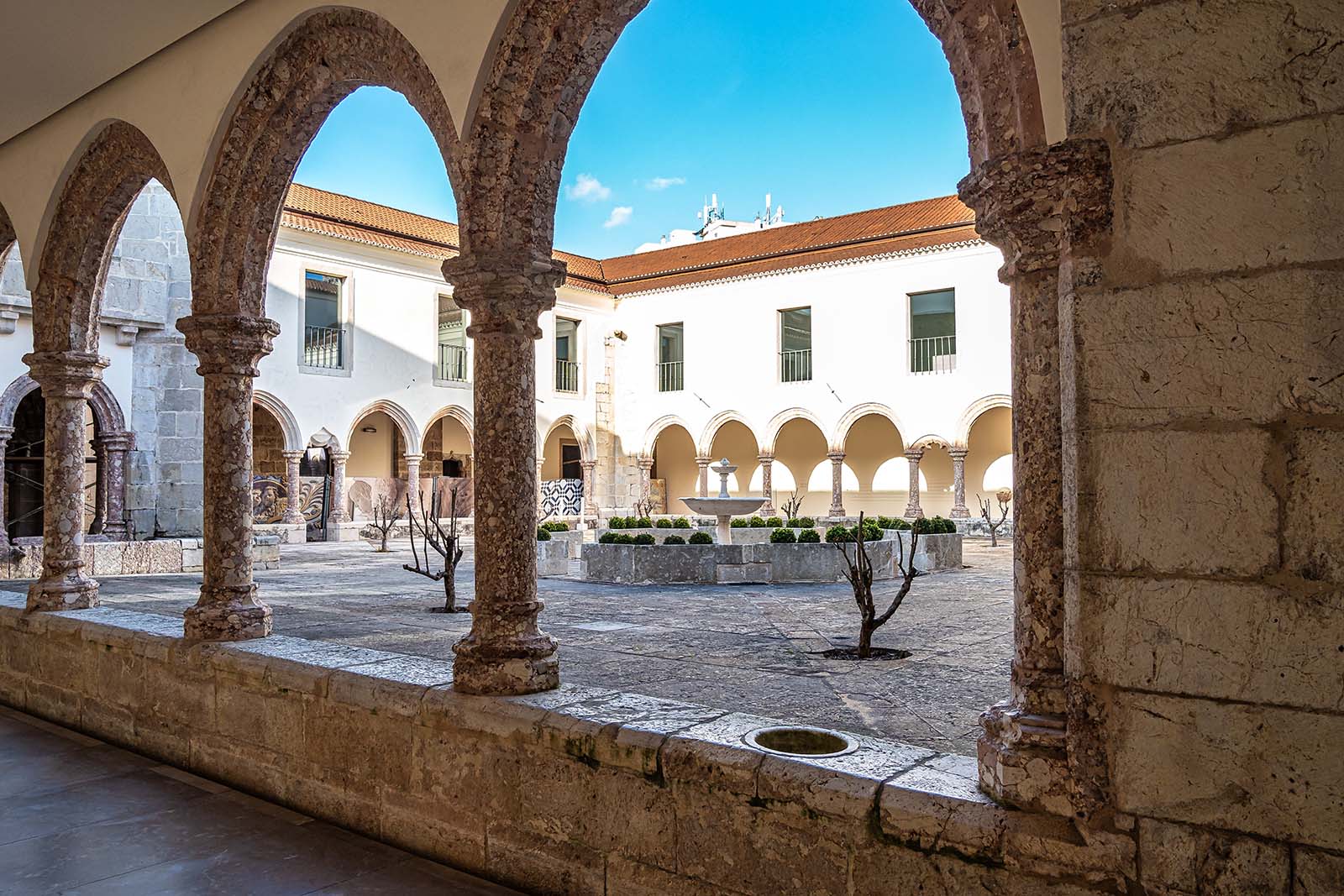
Let garrulous local guides transform the old town’s cobbles into a living timeline. Start at Praça do Bocage’s Art Nouveau cafés, decipher 16th-century azulejo tiles at Igreja de Jesus, then climb to Castelo de São Filipe for panoramas that stretch to the Atlantic. The sweet payoff? Sampling conventual pastries at a family-run pastelaria using recipes older than the castle walls.
2. Sado Estuary Dolphin Encounter
Setúbal’s magic extends offshore where Europe’s only resident bottlenose dolphin pod thrives. Knowledgeable marine biologists lead 3-hour cruises explaining the dolphins’ unique cooperative fishing techniques with local fishermen. Keep binoculars ready for storks nesting in salt marshes and Peregrine falcons diving over the Arrábida cliffs.
3. Flavors of Portugal Cultural Tour
This edible road trip connects Lisbon’s Time Out Market stalls with Setúbal’s fish auctions and Arrábida wine cellars. Learn why Moscatel vineyards grow in chalky soils, watch elderly women expertly clean sardines at 6am, then taste chef interpretations of grandmother recipes you won’t find in guidebooks.
4. Arrábida Secret Coast Jeep Safari
Buckle up for backroad adventures through a landscape unchanged for centuries. Open-top Land Rovers navigate cork forest trails to hidden viewpoints where Phoenician traders once anchored. Swim at Galapos’ turquoise cove before lunch at a hillside monastery converted to a winery. Guides share foraging tips for wild asparagus and stories of mountain hermits illuminating why locals call this “Portugal’s spiritual coast.”
5. Family Adventure Day
Kids become junior marine biologists spotting dolphins before beachcombing on Tróia’s 18km sand spit. After a picnic lunch, visit Quinta da Bacalhôa vineyard where children press grapes into juice while adults taste century-old Moscatel vintages. Ends with donkey rides through vineyard trails – a hit with all ages.
Planning Your Setúbal Adventure
When to Visit
- June-September: Peak for beach days and sardine festivals. Expect lively nights but book accommodations early.
- April-May & October: Ideal hiking weather (18-24°C) and uncrowded attractions. Wineries harvest grapes in September.
- November-March: Rainy but atmospheric. Perfect for museum hopping and long seafood lunches by fireplace.
Getting There & Around
- By Train: Frequent services from Lisbon’s Sete Rios station (45 minutes). Station sits 15 minutes walk from historic center.
- By Car: Follow A2 highway south. Note limited parking in old town – use garage at Mercado do Livramento.
- By Ferry: Transtejo boats from Lisbon’s Terreiro do Paço to Setúbal offer scenic river arrival (90 minutes).
- Local Transport: Compact historic center is best explored walking. Ferries connect to Tróia beaches; buses serve Arrábida Natural Park.
Where to Stay
- Luxury: Hotel Arrábida – mid-century modernist icon with pool overlooking dolphin waters.
- Boutique: Espaço Albacora – fisherman cottage redesigned with contemporary art.
- Family:: Jardim da Música – Apartments beside aquarium with kitchenettes.
- Budget: Casa Mar19 – River-view hostel with communal terrace suppers.
Why Setúbal Beats the Crowds
In an era where Sintra overflows and Lisbon requires dinner reservations weeks ahead, Setúbal remains Portugal’s best-kept secret. Here you won’t find selfie sticks blocking historic doorways or souvenir shops selling plastic flags. Instead, travelers discover:
- The morning fish auction where restaurant owners bid against grandmothers for the day’s catch
- Vineyard owners who invite you for impromptu tastings under 300-year-old olive trees
- Cobbled streets where children still play football until dusk
- Sunsets over Tróia Peninsula enjoyed with a glass of Moscatel, uninterrupted by crowds
As one lifelong Lisboeta confessed: “We keep Setúbal quiet because it’s where we go to remember real Portugal.” Now that you’re in on the secret, come experience this authentic coastal gem – just promise to keep it between us.


🌟 The Travaloca Travel Editors Community is a dynamic collective of individuals united by their passion for travel and their dedication to high-quality content creation. This community serves as the driving force behind Travaloca's informative and engaging travel resources. ✨ Core Identity: This group consists primarily of passionate travel enthusiasts who have turned their love for exploration into a commitment to writing and content curation. Members are recognized for their: Extensive Travel Experience: Possessing valuable firsthand knowledge from their journeys worldwide. Aptitude for Writing and Editing: Demonstrating a keen interest and skill in crafting, reviewing, and perfecting travel narratives, guides, tips, and reviews. Dedication to Storytelling: Transforming personal experiences and destination knowledge into accessible, inspiring, and reliable information for a global audience. 📝 Community Focus: The community’s primary role is to contribute, edit, and maintain the diverse range of content on Travaloca's platform. They ensure the information provided is accurate, engaging, and reflective of current travel trends. In essence, the Travaloca Travel Editors Community is where travel passion meets editorial excellence, enriching the user experience and solidifying Travaloca’s standing as a trusted travel resource.


