The Ultimate Guide to Barcelona: Where Catalan Culture Comes Alive
Barcelona pulses with an electric energy unlike any other European destination. As Spain’s second city and the proud capital of Catalonia, this Mediterranean marvel combines centuries of history with cutting-edge creativity. If you only visit one Spanish city during your travels, let it be this intoxicating blend of Gothic charm, modernist wonders, and beachside bliss.
Why Barcelona Steals Travelers’ Hearts
Long celebrated as Spain’s avant-garde powerhouse, Barcelona dazzles visitors with its world-class art museums, legendary FC Barcelona football matches, and trendsetting culinary scene. From Michelin-starred restaurants to hole-in-the-wall tapas bars, from Gaudí’s surreal architecture to basement flamenco joints, the city constantly reinvents itself while honoring its rich traditions.
Many travelers ask: “How many days do I need to properly experience Barcelona?” While you can hit the highlights in three days, we recommend at least five to soak up both the iconic sights and local neighborhoods. Trust us – you’ll constantly discover new hidden gems even on repeat visits.
Barcelona’s Essential Districts
La Ribera
Sagrada Família
Parc de la Ciutadella
Montserrat
Barcelona’s Crown Jewels: Must-See Attractions
No Barcelona itinerary would be complete without these three legendary sights:
Sagrada Família: Gaudí’s Unfinished Masterpiece
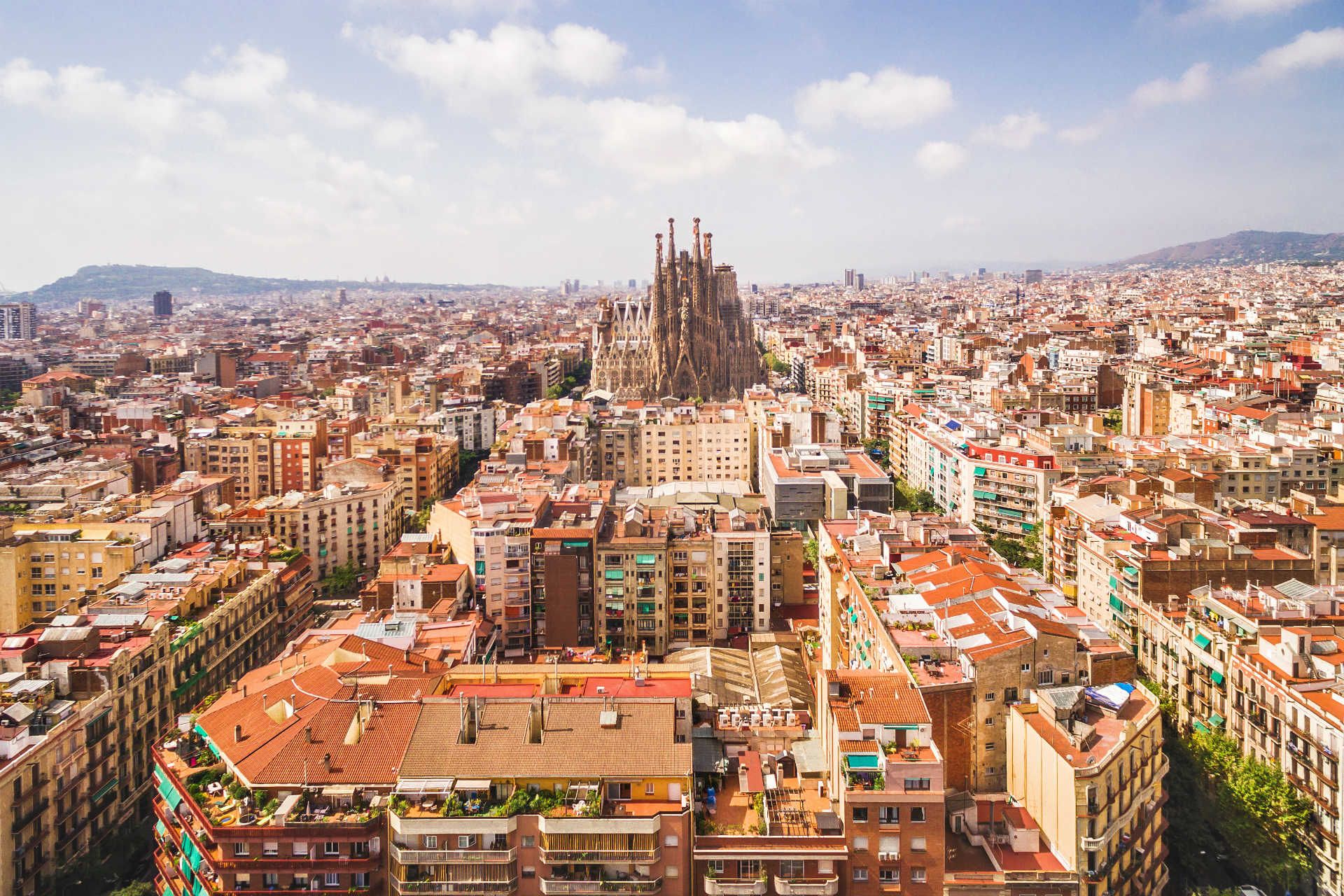
Antoni Gaudí’s extraordinary basilica has become Barcelona’s spiritual and architectural heart. Still under construction after 140 years, the Sagrada Família mesmerizes visitors with its organic stone forest of columns and kaleidoscopic stained glass. Time your visit for late afternoon when sunlight transforms the nave into a luminous rainbow cathedral.
The Gothic Quarter: Time Travel Through Medieval Barcelona
Lose yourself in the labyrinthine alleyways of Europe’s best-preserved medieval center. The Cathedral of Santa Eulalia whispers secrets from the 13th century, while hidden plazas reveal artisan workshops and family-run bodegas. Don’t miss the evening light show on the quarter’s ancient Roman walls.
La Rambla: Barcelona’s Living Theater
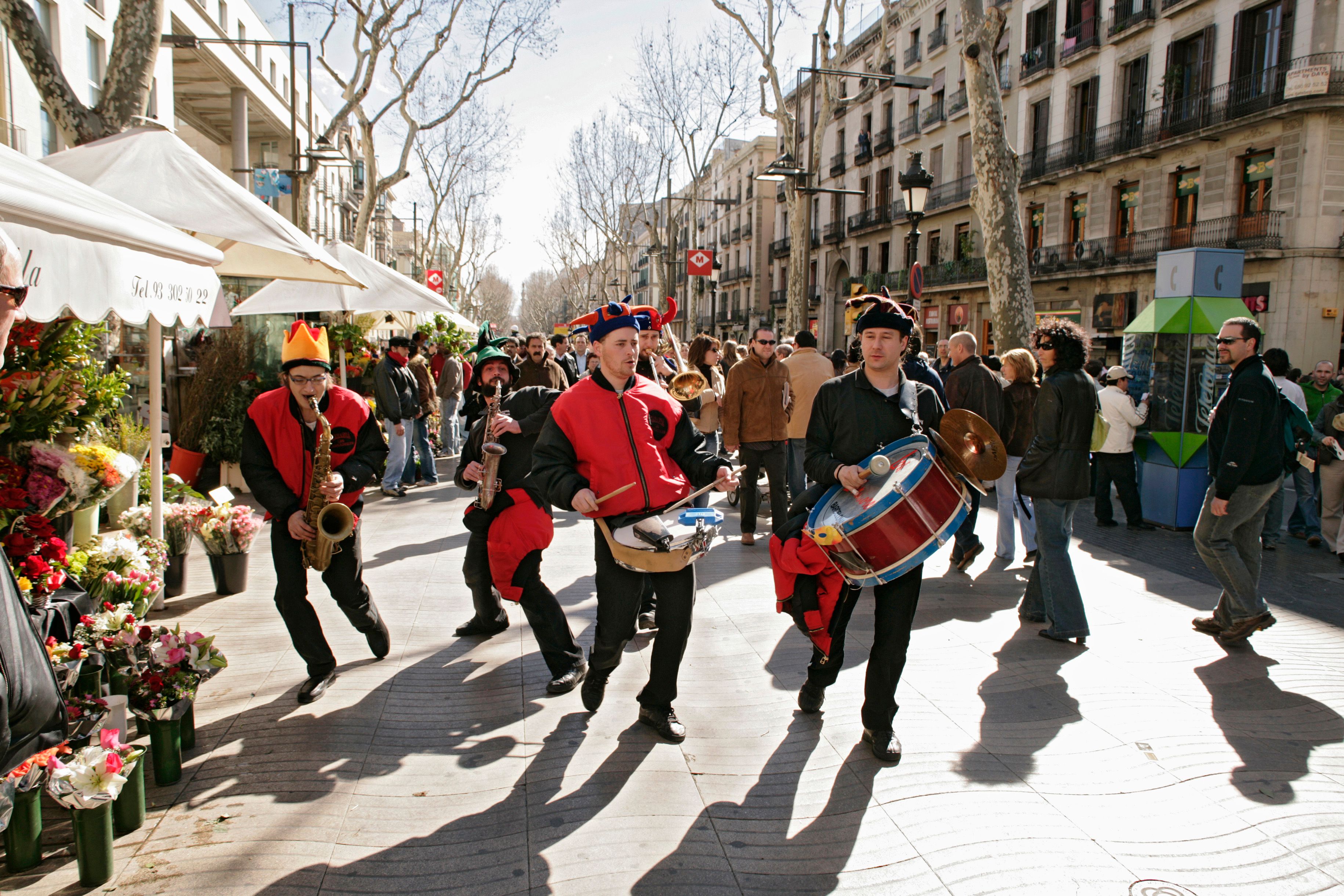
This iconic boulevard pulses with street performers, flower stalls, and sidewalk cafés from dawn until well past midnight. While famously touristy, savvy visitors know to explore the Mercat de la Boqueria food market at its midpoint and the Gran Teatre del Liceu opera house at its upper end.
Beyond the Tourist Trail: Barcelona’s Vibrant Neighborhoods
While first-time visitors cluster around the Gothic Quarter, Barcelona’s true magic lies in discovering its diverse districts:
La Ribera: From Picasso to Modern Boutiques
Northeast of the Gothic Quarter lies this medieval merchant’s quarter, now home to the phenomenal Picasso Museum housed in five Gothic palaces. By day, explore boutiques along Carrer Montcada. By night, join locals at El Born’s trendy wine bars and tapas joints.
El Raval: Barcelona’s Bohemian Soul
Once notorious, this multicultural neighborhood now blooms with contemporary art galleries, vintage stores, and innovative eateries surrounding MACBA (Museum of Contemporary Art). Don’t miss the breathtaking Renaissance hospital turned cultural center at Sant Pau del Camp.
Eixample: Modernist Wonderland
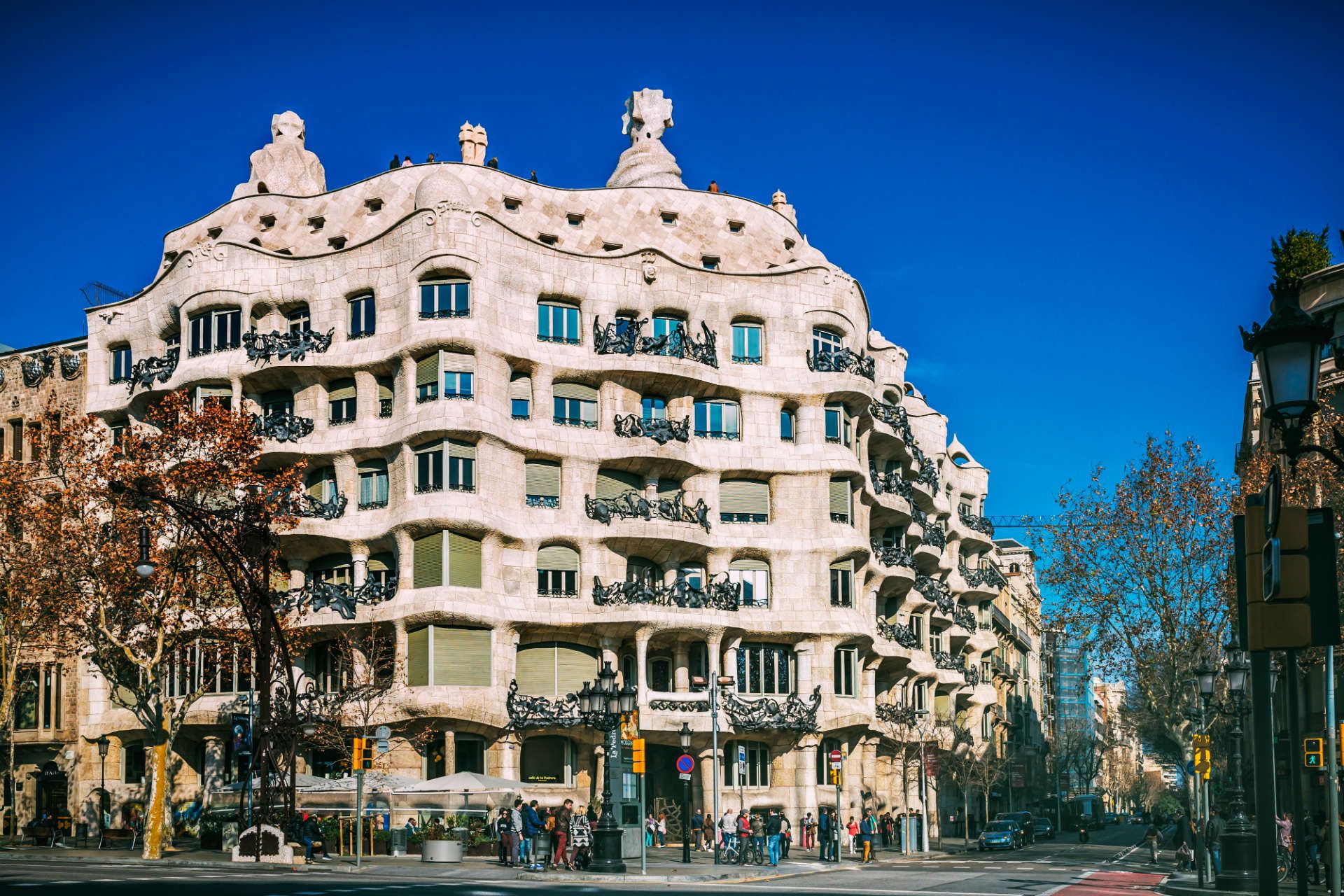
Gaudí fans rejoice! This grid-planned extension boasts the architect’s surreal Casa Batlló with its dragon-inspired roof and La Pedrera’s wave-like stone façade. Art nouveau enthusiasts will discover dozens of lesser-known modernist gems hidden along broad boulevards.
Venture beyond Barcelona’s old town to discover these enriching experiences:
Montjuïc: Art, History, and Panoramic Views
This hilltop fortress offers breathtaking perspectives over Barcelona’s harbor. The Museu Nacional d’Art de Catalunya houses one of Europe’s finest Romanesque art collections, while the Olympic Stadium recalls the 1992 Games. Evening visitors can enjoy the Magic Fountain light show.
Barceloneta: From Fishing Village to Beach Paradise
Once a sleepy fishing quarter, Barceloneta now tempts visitors with golden beaches and seafood paellas. Walk the wooden boardwalks, watch fishermen mend nets, or join locals for Sunday vermouth sessions at waterfront chiringuitos.
Hidden Gems Most Travellers Overlook
Escape the crowds at these local favorites:
Parc de la Ciutadella: Barcelona’s Green Oasis
This 19th-century park offers shady promenades, a boating lake, Gaudí’s first fountain design, and Catalonia’s Parliament building. Perfect for picnics away from the urban bustle.
Santa Maria del Mar: The People’s Cathedral
Often overshadowed by the more famous cathedral, this 14th-century Gothic masterpiece in El Born features the purest Catalan Gothic architecture, built by sea merchants for sea merchants.
Montserrat: Spiritual Retreat in the Mountains
Just an hour from Barcelona, this mountaintop monastery houses the revered Black Madonna statue. Hike dramatic rock formations or listen to the centuries-old boys’ choir sing daily in the basilica.
Barcelona After Dark: Tapas, Flamenco, and Sunset Views
As dusk falls, Barcelona transforms into a different city:
Tapas Bar Hopping Like a Local
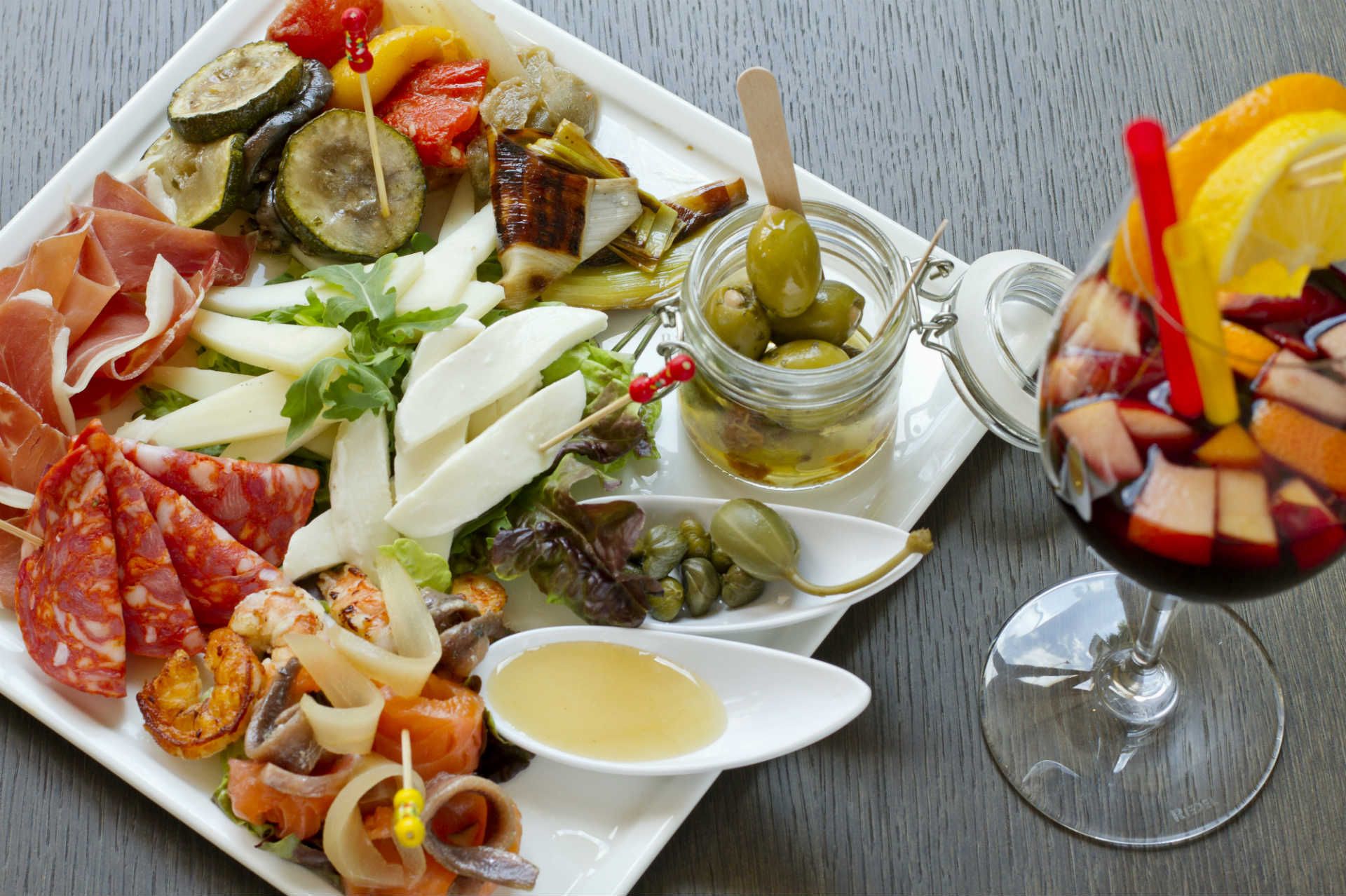
Follow the tradition of tapeo – moving from bar to bar sampling small plates. In Gràcia, try patatas bravas at La Pepita. In Poble Sec, join the queue for Quimet & Quimet’s legendary montaditos (gourmet tapas on bread).
Flamenco in Hidden Cellars
Experience authentic flamenco away from tourist traps at spaces like Tarantos or Palau Dalmases, where raw emotion and virtuoso guitar playing create unforgettable evenings.
Sunsets with a View
Barcelonans know the best sunset spots: Bunkers del Carmel overlooking the entire city, the Miraestrada terrace in Gràcia, or beachside at Somorrostro with a cocktail in hand.
Planning Your Barcelona Adventure: Practical Tips
Make the most of your visit with these insider suggestions:
Best Times to Visit
Spring (April-May) and autumn (September-October) offer pleasant weather with fewer crowds. July-August brings festivals but intense heat. November-February sees cooler temperatures but lower hotel rates.
Getting Around
Barcelona’s metro system is fast and comprehensive. Consider a Hola BCN! travel card for unlimited transport. Walking reveals hidden gems, while bicycles offer efficient beach-to-city exploration.
Tickets and Tours
Book Sagrada Família tickets weeks in advance for timed entry. Consider skip-the-line passes for major attractions. Food tours in Gràcia or street art walks in Poblenou offer unique local perspectives.
Day Trip Possibilities
Consider venturing to:
Girona – Medieval walls and Game of Thrones filming locations
Sitges – Charming coastal town with modernist architecture
Figueres – Surreal Dalí Theatre-Museum
The Barcelona Experience: More Than Just a City
Barcelona isn’t just a destination – it’s a sensory celebration. The clatter of vermouth glasses in a century-old bodega. The scent of fresh-baked ensaïmada pastries drifting from bakery doors. The afternoon light turning Gothic stone facades golden. The murmur of Catalan conversations in shaded plazas.
This city rewards travelers who linger – who pause to watch elderly couples dance the sardana in front of the cathedral, who get lost in the textile district’s hidden passages, who take a siesta like locals before joining the evening paseo along the beach promenade.
Whether you come for Gaudí’s architecture, the Mediterranean cuisine, or the vibrant street life, Barcelona will capture your heart. One visit inevitably leads to planning the next – there’s always another secret courtyard to discover, another market stall to sample, another modernist façade to admire. That’s the magic of Barcelona: it constantly reveals new layers to those willing to explore beyond the obvious.
Book tickets and tours in Barcelona to start planning your unforgettable Catalan adventure today.
Ultimate Barcelona Travel Guide: Exploring Catalonia’s Vibrant Heart
The Ultimate Barcelona Travel Guide: Discover Catalonia’s Crown Jewel
When Barcelona Shines Brightest: Finding Your Perfect Season
Imagine strolling through sun-dappled plazas with just the right breeze carrying the scent of orange blossoms. That’s Barcelona at its magical best – a city that transforms with the seasons yet never loses its vibrant spirit. Whether you’re dreaming of summer festivals or peaceful winter retreats, timing your visit can make all the difference in your Catalan adventure.
The Goldilocks Zone: Barcelona’s Perfect Weather Windows
For that “just right” Barcelona experience, late spring (April-May) and early fall (September-October) are pure gold. Picture daytime temperatures hovering around 21-25°C – warm enough for terrace dining yet cool enough for exploring Gaudi’s masterpieces without melting. These seasons work their magic across the city, with the Mediterranean light casting everything in a luminous glow even during the famous hora dorada (golden hour).
Local’s Tip: Always pack a light jacket – evenings near the harbor can bring refreshing sea breezes unexpected by first-time visitors.
Barcelona’s Festival Calendar: Where Culture Comes Alive
Catalans know how to throw a celebration that lingers in your memory. During Carnaval (February-March), Barcelona transforms into a riot of color with parades snaking through the Gothic Quarter – giant papier-mâché figures dancing alongside fire-breathing performers. Come September 11th, the city erupts in a sea of senyeres (Catalan flags) during La Diada, when cultural pride fills the air alongside lively political debates in plaza cafes.
Beyond the City: Seasonal Coastal Charms
The Catalan coast offers delightful seasonal contrasts. While Sitges sparkles in summer, savvy travelers head to Tarragona’s Roman ruins during spring’s temperate weather. Those in the know escape to Girona’s medieval streets when coastal temperatures peak – its stone walls create natural air conditioning in the Jewish Quarter’s narrow lanes.
Barcelona’s Neighborhood Symphony: Finding Your Perfect Rhythm
Barcelona unfolds like a musical composition – each barri (neighborhood) plays its distinct tune while contributing to the city’s unforgettable harmony. Whether you’re hunting for Gothic mystery, Modernist marvels, or beachside bliss, discovering these urban villages will make you feel like a local in no time.
The Heartbeat of History: Gothic Quarter & Born
Step into the Barri Gòtic and suddenly you’re walking through 2,000 years of history. The cathedral’s gargoyles peer down stone alleyways unchanged since medieval times, while hidden plaza cafes offer front-row seats to Barcelona’s daily theater. Just next door, El Born dazzles with its designer boutiques housed in former merchant palaces and the breathtaking Santa Maria del Mar basilica – a masterpiece of Catalan Gothic simplicity.
Gaudi’s Playground: Eixample’s Modernist Marvels
No visit feels complete without marveling at the honeycomb windows of Casa Milà or the dragon-scale roof of Casa Batlló. But the Eixample district offers more than Instagram-worthy facades – stroll its broad boulevards to discover Modernista pharmacies with original woodwork, century-old specialty shops, and perhaps the most breathtaking structure of all, the Sagrada Família. Time your visit for late afternoon when its stained glass turns the nave into a kaleidoscope.
Beyond the Postcards: Gràcia’s Village Charm
Leave the tourist track behind in this former independent village where plaças become communal living rooms at dusk. By day, artisan workshops and specialty bookstores line its winding streets; by night, the scent of Catalan cava mingles with laughter from packed terrace bars. Don’t miss climbing to Gaudí’s magical Park Güell at sunset when the lizard fountain glows amber against the city below.
The Mediterranean isn’t just Barcelona’s backdrop – it’s central to the city’s identity. The transformed waterfront invites you to walk from Barceloneta’s fisherman cottages to Frank Gehry’s shimmering Peix d’Or sculpture in a single afternoon. Stop for patatas bravas at a beachside xiringuito (beach bar) or rent a bike to ride past sailboats bobbing in the Olympic Port.
Barcelona’s Secret Garden: Montjuïc’s Urban Oasis
Escape the urban buzz in this hilltop haven where Olympic stadiums coexist with tropical gardens. Ride the cable car for panoramic views before wandering through the Botanical Garden’s global ecosystems. Culture vultures shouldn’t miss the National Art Museum’s Byzantine collection or the Joan Miró Foundation’s surrealist treasures. Stay until evening when the Magic Fountain puts on its hypnotic light-and-water show.
Las Ramblas: Barcelona’s Living Theater
The Ramblas isn’t just a street – it’s a daily festival of human spectacle. From dawn flower stall setups to midnight street performers folding up their acts, this mile-long promenade pulses with relentless energy. Follow the locals’ lead: walk slowly, watch for pickpockets, pause for fresh coconut at a kiosk, and let the carnival atmosphere wash over you.
Mercat de la Boqueria: A Feast for the Senses
Step beneath the market’s Modernist ironwork into a Willy Wonka factory for foodies. The riot of colors hits first – strawberry-red pyramids next to saffron-yellow spice mounds, emerald artichokes tumbling into violet eggplants. Join breakfasting locals at the counter of El Quim for sizzling garlic shrimp, or hunt for edible souvenirs like velvety ibérico ham or jewel-toned marzipan fruits.
The Raval Revolution: Barcelona’s Creative Crucible
West of Las Ramblas lies El Raval – once neglected, now Barcelona’s hippest melting pot. By day, browse vintage shops and contemporary galleries around MACBA (look for skateboarders turning the plaza into their personal park). As night falls, follow the buzz to innovative cocktail bars and tiny eateries serving Pakistani biryani alongside Catalan classics.
Beyond the City Limits: Catalan Day Trip Wonders
Barcelona might captivate you, but Catalonia’s countryside promises equally unforgettable encounters. These accessible escapes reveal the region’s diverse soul from mountain monasteries to coastal hideaways.
Montserrat: Where Earth Meets Heaven
The sawtooth mountain ridge appears almost surreal as you approach. Choose between riding the rack railway that clings to cliffs or taking the cable car that floats over evergreen forests. At the top, the Benedictine monastery houses the mystical Black Madonna statue pilgrims have revered for centuries. Time your departure late afternoon – nothing compares to seeing those peaks turn to liquid gold in the setting sun.
Coastal Charms: Sitges & Costa Brava
Sitges embodies Mediterranean chic – palm-lined promenades leading to seafood restaurants where the catch literally comes off neighboring boats. For wilder beauty, drive north to Costa Brava’s hidden calas (coves), where pine forests meet crystalline waters perfect for snorkeling. Don’t miss medieval Begur village overlooking the sea – its castle ruins offer breathtaking sunset vantages.
Artistic Pilgrimages: Figueres & Girona
Surrealism lives in Figueres’ Dalí Theatre-Museum – a mind-bending monument where artworks blend with architecture in typical Dalí fashion. Equally enchanting, Girona’s medieval core spans the Onyar River via rainbow-colored houses. Walk its ancient walls for stunning views, then refuel with xuixo, the local cream-filled pastry that’s practically worth the trip alone.
Barcelona Unwrapped: Essential Tips for Savvy Travelers
Getting Around Like a Local
Barcelona’s metro will whisk you nearly everywhere, but nothing beats exploring central areas on foot. Invest in an Hola BCN! travel card for unlimited journeys – it pays for itself after just a few rides. For Montjuïc or Tibidabo, the vintage tram and funicular aren’t just transport – they’re delightful mini-attractions themselves.
Timeless Traditions to Embrace
Join the paseo (evening stroll) around 7pm when whole neighborhoods pour into the streets. Learn basic Catalan phrases – a simple bon dia (good morning) earns appreciative smiles. Eat like locals do – late lunches (2-3pm), tapas at sunset, and dinners from 9pm onwards. In markets, wait for your turn politely – pointing works better than reaching.
Barcelona’s Culinary Soul
Beyond paella lies a world of Catalan delights. Be adventurous with mar i muntanya (surf and turf) dishes like rabbit with prawns. Find authentic tapas in Barceloneta’s family-run bodegas – look for bombas (spicy potato balls) on menus. For dessert, seek out crema catalana – the local crème brûlée with a citrusy twist that puts its French cousin to shame.
The Barcelona Effect: Why This City Steals Hearts
Barcelona doesn’t just welcome visitors – it enchants them. From the intricate mosaics under your feet at Park Güell to the haunting echoes of flamenco guitar in Gràcia’s moonlit squares, this city knows how to work its magic. It’s a place where ancient Roman walls flank cutting-edge cuisine, where Mediterranean light transforms familiar sights into daily miracles.
Pack comfortable shoes (those cobblestones are no joke!), bring your curiosity, and prepare to fall under the spell of Europe’s most charismatic metropolis. Whether you’re here for three days or three weeks, Barcelona always whispers the same tempting promise: “Tornaràs” – “You will return.”
La Rambla: Barcelona’s Iconic Boulevard of Dreams
Imagine a street that feels like a carnival every day of the year. That’s La Rambla, the pulsating artery of Barcelona where life unfolds in technicolor. This mile-long pedestrian boulevard connects Plaça de Catalunya with the Christopher Columbus monument at the waterfront, creating a living theater where flower stalls burst with color, street performers defy gravity, and the scent of fresh coffee mingles with salty sea air.
La Boqueria: A Feast for the Senses
Halfway down La Rambla, a portal to foodie heaven awaits. Mercat de Sant Josep de la Boqueria—mercifully shortened to “La Boqueria” by locals and visitors alike—is one of Europe’s great food markets. Since 1840, this kaleidoscopic wonderland has dazzled visitors with its artful displays. Towering pyramids of ruby-red strawberries sit beside alien-like dragon fruit, while butchers proudly display jamón ibérico like precious artworks.
The real magic happens at the market’s numerous tapas bars tucked between produce stalls. Pull up a stool at Pinotxo Bar near the Ramblas entrance—legend has it this spot serves the best chickpeas in Spain. Watch as veteran cooks transform market-fresh ingredients into culinary masterpieces right before your eyes. Pro tip: Wander deeper into the market aisles before buying. Those Instagram-perfect entrance stalls often charge premium prices compared to their interior counterparts.
The Living Statues: Street Theater at Its Best
No stroll down La Rambla is complete without encountering its famous human statues. These living sculptures have elevated street performance to an art form. Beyond the standard Statue of Liberty imitators, you’ll find true creativity. Keep an eye out for the “Fruit Lady”—a walking cornucopia balancing baskets of produce on her head—or the skeletal duo pedaling an invisible bicycle. Some performers embrace pure surrealism, like the woman perpetually crushed under a boulder (her mournful cries echo through the crowds) or the gentleman conducting his morning toilette on full display.
Tip: These artists work hard for their coins. If you take photos, consider leaving a euro—it’s how many make their living. The best time for statue-spotting is late afternoon when the golden Catalan light makes their metallic costumes sparkle.
Miró’s Barcelona: Following the Artist’s Footprints
As you navigate the Ramblas hustle, pause near La Boqueria and look down. Beneath your feet lies a giant circular mosaic created by Joan Miró in 1976. The vibrant primary colors and playful shapes reveal Barcelona’s deep connection with its famous son. Born just off La Rambla in Passatge del Crèdit (a commemorative plaque marks the spot), Miró’s influence permeates the city.
Barcelona transforms into an open-air Miró gallery for observant visitors. The starfish-shaped Caixa logo on buildings citywide? That’s his work. The enormous ceramic mural at El Prat Airport? Another Miró masterpiece. Of course, the Fundació Joan Miró museum on Montjuïc offers the ultimate immersion into his whimsical world. While Picasso gets much attention (he did create artworks for the local Four Cats tavern as a teenager), true connoisseurs know Barcelona beats with Miró’s colorful heart.
Barri Gòtic: Time Travel Through Barcelona’s Gothic Soul
Step east of La Rambla and suddenly Barcelona’s rhythm changes. The Barri Gòtic—Gothic Quarter—whispers stories in its shadowy lanes that Spain’s medieval glory days. This labyrinth of cobblestone streets and hidden plazas represents Europe’s best-preserved Gothic neighborhood, where 14th-century buildings lean together like old friends sharing secrets.
Must-See Marvels in the Gothic Quarter
The magnificent Barcelona Cathedral, known locally as La Seu, dominates the quarter with its gargoyle-studded façade. Time your visit for 1 PM on Sundays to see the sardana dance—Catalonia’s traditional circle dance—performed in front of the cathedral. Two blocks away, the Museu d’Història de Barcelona (MUHBA) lets you descend literally through time. Roman ruins sprawl beneath a glass floor, revealing Barcelona’s ancient past when it was called Barcino.
The real magic happens when you wander aimlessly. Duck through arched passageways to discover artisan workshops crafting leather goods using century-old techniques. Stumble upon Plaça Sant Felip Neri, its scarred church walls still bearing shrapnel marks from Civil War bombings—now softened by ferns growing resiliently in crevices. For panoramic views, visit the rooftop terrace of Hotel Colón, where Gothic spires pierce sky blue while enjoying a café con leche.
The Bohemian Heartbeat: Els Quatre Gats
Tucked under groin vaulted ceilings at Montsió 3 lies one of Europe’s most legendary cafés. Els Quatre Gats (“The Four Cats”) opened in 1897 as Barcelona’s answer to Paris’ Le Chat Noir. This was Picasso’s teenage haunt—the artist designed their first menu at age 17. Its Modernista interior still dazzles with carved wood details and the iconic tandem bicycle painting by Ramon Casas (a reproduction—the original’s safe in MNAC museum). Stop for midday vermouth amid whispers of artistic revolutions past.
Barcelona’s Secret Jewish Heritage
Few visitors realize Barcelona housed one of medieval Europe’s most vibrant Jewish communities until 1391. The Call Jueu (Jewish Quarter) centered around Sant Domènec del Call street hides poignant remnants. At Marlet 5, the restored Antiga Sinagoga may be Europe’s oldest synagogue—its small prayer room now hosts moving tours led by descendants of expelled Sephardic Jews. Nearby Plaçeta Manuel Ribé houses the Call Interpretation Center revealing daily life through archaeological finds like 700-year-old cooking pots and Torah fragments. Look for brass memorial plaques embedded in cobblestones—these commemorate families lost during the Inquisition.
Port Vell: Where Barcelona Reconnects With the Sea
Barcelona spent centuries turning its back on the Mediterranean—until the 1992 Olympics sparked a coastal renaissance. The “Old Port” now gleams as a maritime playground. From Ramblas’ end, stroll past Columbus pointing seaward from his towering column to discover reinvented docks. Bobbing sailboats create a forest of masts in Rambla de Mar marina, while the infamous nautical nightclub IceBarcelona beckons the adventurous (yes, the bar is literally carved from ice).
Make time for sunset at Luz de Gas floating bar—order a sparkling cava as golden light gilds Montjuïc hill. Foodies shouldn’t miss El Suquet de l’Almirall facing the fish market. Their suquet de peix (Catalan fish stew) uses catches unloaded just yards away. For unparalleled views, ride the glass elevator up the Hotel W’s sail-like tower—spanning ocean to mountains in one breathtaking panorama.
West of La Rambla unfolds Barcelona’s most complex neighborhood—El Raval. Once notorious as Barri Xinès (Chinatown), its alleys hid brothels and anarchist printing presses. Today, street art murals battle gentrification as vintage stores neighbor halal butchers. Come daytime, skateboarders pirouette outside MACBA contemporary art museum; come nightfall, hidden cocktail bars pour creative mixes to the soundtrack of clinking glasses.
MACBA: Art Revolution in Raval
The Museu d’Art Contemporani de Barcelona—all swooping white curves designed by Richard Meier—has catalyzed Raval’s transformation. Inside, rotating exhibitions spotlight Catalan avant-garde movements. Discover the radical Dau al Set collective’s mysticism-influenced works or Alexander Calder’s playful mobiles swirling overhead. Free admission Saturdays from 4 PM attracts student crowds debating art over café bombons. Before leaving, browse the museum shop’s selection of Catalan-designed jewelry—wearable art that beats standard souvenir fare.
Around MACBA, cool spills into the streets. Boutique hotels occupy former textile factories while third-wave coffee shops perfume the air with roasted beans. Look for Rambla del Raval’s gigantic Fernando Botero cat sculpture—it’s become the neighborhood’s beloved mascot. Food adventurers should try authentic Pakistani kebabs along Carrer de l’Hospital or Filipino halo-halo desserts on Carrer de Sant Pau.
Sant Pere: Barcelona’s Textile Treasure Trove
Northeast of the Barri Gòtic, Sant Pere reveals Barcelona’s industrial soul. This often-overlooked district pulses with creative energy rooted in its textile past. The magnificent Recinte Modernista de Sant Pau—a former hospital complex resembling a Gaudí-designed fairyland—offers peaceful gardens away from tourist crowds. Plaça de Sant Agustí hosts Sunday flea markets where you might unfind antique lace shawls or mid-century Catalan ceramics.
Sant Pere’s hidden gem is Elisabets Street’s workshops. Watch artisans restore 200-year-old ecclesiastical garments at Taller de Restauració Textil or create modernist-inspired jewelry at family-run Taller de Joieria. Don’t miss the Palau de la Música Catalana’s daily tours—this concert hall explodes with floral mosaics and stained glass, UNESCO-listed as Modernisme’s crowning achievement. Time your visit for 6 PM when sunlight transforms its central skylight into a kaleidoscopic rose.
Barcelona’s Living Traditions
What truly sets Barcelona apart is how history breathes alongside contemporary life. In Sant Pere, medieval processions honoring Saint Eulalia still march past concept stores selling 3D-printed fashion. The city celebrates 900 years of history not through sterile museums but through living culture—whether that’s craft breweries reviving ancient beer recipes or flamenco dancers reinventing century-old steps.
Whether you’re savoring market-fresh tapas where Picasso once dined or tracing Jewish heritage in Gothic stonework, Barcelona constantly surprises. Its magic lies in these layers—Roman foundations supporting Gothic cathedrals, medieval alleys leading to futuristic museums. Like the human statues of La Rambla, Barcelona strikes a perfect pose: simultaneously timeless and ever-changing, inviting you to become part of its ongoing story.
Where History Meets Modernity: Exploring Barcelona’s Via Laietana District
Cutting through Barcelona’s historic heart like a purposeful stroke of urban planning, Via Laietana tells a story of reinvention. Constructed in the early 20th century, this grand boulevard slices through layers of history while connecting travelers to two extraordinary destinations in the tranquil Sant Pere neighborhood. To the east, architectural wonders await – the Palau de la Música Catalana, a concert hall that looks like frozen music turned to stone, and the revitalized Mercat Santa Caterina, where Gaudí-esque mosaics dance across a undulating roof above bustling market stalls. This area perfectly embodies Barcelona’s talent for honoring its past while constantly reinventing itself.
Barceloneta: Where Barcelona Meets the Mediterranean
Imagine sunlight sparkling on waves as you savor paella at a waterfront table – welcome to Barceloneta, Barcelona’s beloved seaside quarter. Born in 1755 from former mudflats transformed into an elegant grid of streets, this neighborhood retains all its 18th-century charm while embracing modern comforts. Wander narrow streets lined with colorful buildings whose multiple windows seem to wink at passersby, each alleyway promising another hidden plaza or local secret.
The Heartbeat of Local Life: Mercat de la Barceloneta
No visit to this maritime district is complete without experiencing its vibrant market. The stylishly renovated Mercat de la Barceloneta (2007) offers an authentic taste of local life. Morning brings housewives debating the freshness of sardines, while lunchtime sees workers grabbing quick tapas at market bars. For seafood lovers, the harborside Passeig Joan de Borbó transforms into Barcelona’s most delicious promenade come evening. Picture this: warm Mediterranean breezes, twinkling harbor lights, and plate after plate of garlic shrimp, grilled octopus, and seafood rice arriving at your outdoor table.
Sky-High Thrills: The Cross-Harbor Cable Car Experience
For unparalleled city views, Barcelona serves up an unforgettable aerial adventure. The Trasbordador Aeri cable car sweeps travelers on a breathtaking journey from Barceloneta’s Torre Sant Sebastià to Montjuïc’s Torre Miramar. Though the intermediate Torre de Jaume I station sleeps during renovations, the remaining leg still delivers heart-pounding panoramas. Imagine floating 260 feet above shimmering waters while container ships glide beneath your feet like toy boats. Departures every 15 minutes (10:30am–6pm daily, extended to 8pm June–September) make this accessible – though sunset voyages demand patience as cars carry just twenty awestruck passengers at a time. At €10 one-way or €15 return, it’s Barcelona’s most scenic investment.
Port Olímpic: Barcelona’s Glittering Waterfront Playground
Walking Barcelona’s seafront promenade reveals an astonishing golden vision – Frank Gehry’s monumental copper fish glinting in the Mediterranean sun. This shimmering sculpture announces your arrival at Port Olímpic, Barcelona’s boldest waterfront transformation born from 1992 Olympic ambitions. Flanked by the twin titans of Torre Mapfre and Hotel Arts Barcelona (the city’s tallest landmarks), this area pulses with energy day and night.
By day, enjoy leisurely lunches at beachside chiringuitos (beach bars) where the dress code reads “barefoot chic.” As dusk falls, Port Olímpic undergoes a glamorous metamorphosis. Sophisticated cocktail bars light up beneath starry skies while exclusive clubs along Passeig Marítim attract Barcelona’s glitterati. Don’t be surprised to spot football stars or film celebrities sipping cava at waterside tables – this is where Barcelona plays as hard as it works.
Barcelona’s Urban Beach Paradise
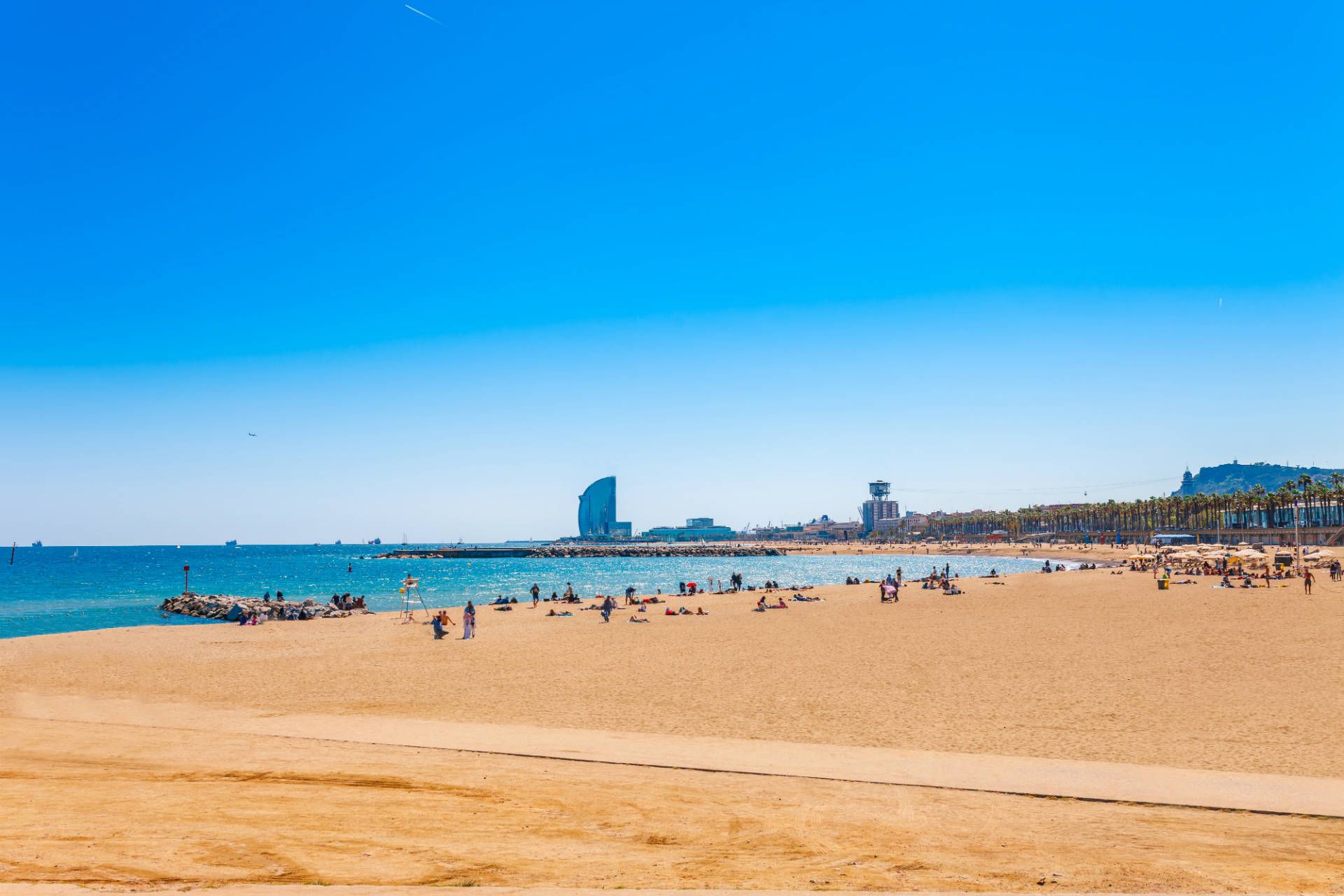
Beyond Port Olímpic unfolds one of Europe’s most remarkable urban beaches – a nearly 3-mile stretch divided into distinct personalities. From family-friendly Nova Icària with its volleyball courts to trendsetting Mar Bella attracting Barcelona’s LGBTQ+ community, each beach offers pristine sand, showers, playgrounds, and lively beach bars. Watch as locals indulge in their daily paseo – joggers tracing the water’s edge, cyclists weaving through palm trees, rollerbladers showing off tricks against a backdrop of sparkling Mediterranean waves. It’s a masterclass in urban livability where bathing suits and business attire coexist seamlessly.
Where avant-garde architecture meets Mediterranean leisure, Barcelona’s Diagonal Mar district showcases 21st-century urban vision. Born from the 2004 Universal Forum of Cultures, this area stuns with scale and innovation. Jacques Herzog’s dazzling Museu Blau resembles a gigantic futuristic jewelry box suspended in air, housing fascinating exhibitions on natural history. Beyond it sprawls the Parc del Fòrum – a massive seafront space hosting international concerts beneath the Mediterranean sky. This district proves Barcelona never stops reimagining itself, blending business, culture, and leisure in eye-popping fashion.
Rising majestically above Barcelona’s southwestern flank, Montjuïc isn’t just a hill – it’s an all-day cultural adventure. Since hosting the transformative 1929 International Exhibition, this elevated enclave has evolved into Barcelona’s grandest museum campus crowned by a formidable 17th-century castle. Allow at least a full day to explore this treasure trove where art, history, and panoramic views compete for your attention.
Artistic Royalty: MNAC – Museu Nacional d’Art de Catalunya
Dominating Montjuïc’s skyline, the monumental Palau Nacional houses Spain’s most comprehensive Catalan art collection. The Museu Nacional d’Art de Catalunya (MNAC) unfolds Catalan creativity across centuries, though its medieval collection merits special pilgrimage.
The Romanesque Revelation
Prepare for artistic time travel in MNAC’s Romanesque galleries – arguably the world’s finest collection of Pyrenean church art. Marvel at breathtaking 11th-century frescoes salvaged from rural churches, displayed in painstaking recreations of their original settings. The Master of Taüll’s Christ Pantocrator in the Sant Climent apse remains startlingly vivid after eight centuries, while tiny details like a painted leper’s suffering dog offer profoundly human connections across time.
Gothic Grandeur
Witness artistic evolution as Catalan masters transition from frescoes to wood panels. Gothic galleries reveal how artists like Jaume Huguet incorporated Flemish influences into religious narratives. Don’t miss the Master of La Seu d’Urgell’s haunting organ shutter paintings – six saints staring solemnly through centuries.
Renaissance to Modern: Europe’s Finest in Barcelona
MNAC’s later collections showcase Catalan talent alongside European masters. Antoni Viladomat’s twenty-painting St Francis cycle demonstrates local Baroque brilliance, while galleries overflow with Spanish Golden Age treasures – Velázquez’s brooding Saint Paul, Goya’s psychological intensity, and Zurbarán’s dramatic chiaroscuro. The modern collection culminates in stunning Modernisme exhibits where Gaudí’s contemporaries redefined art and design.
Modernist Marvels Beyond MNAC
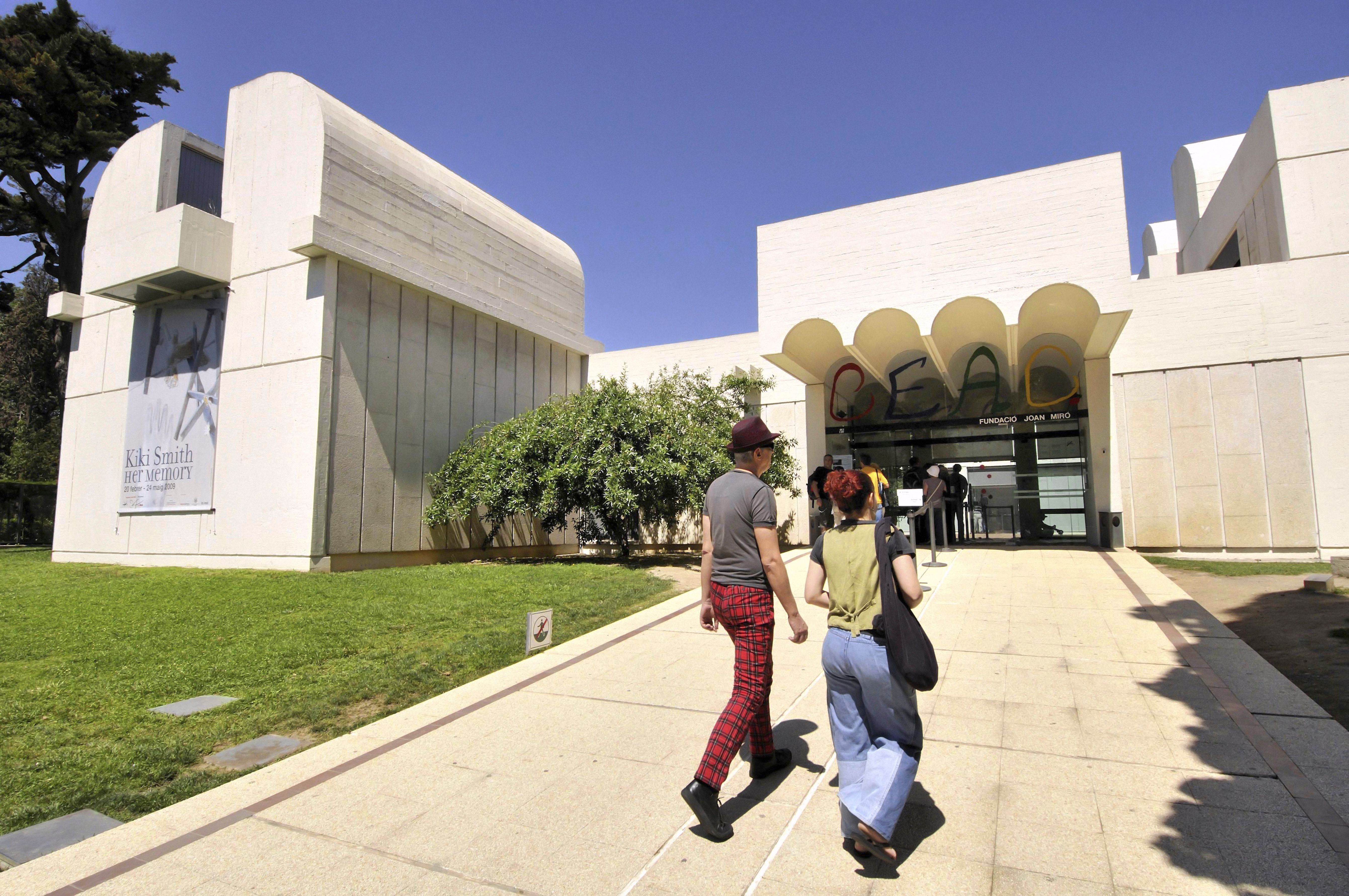
Montjuïc’s artistic banquet continues at sister institutions. The CaixaForum repurposes a Modernist textile factory into Barcelona’s premier contemporary art space, while the Fundació Joan Miró celebrates Catalonia’s most playful surrealist in a sun-drenched building designed by his friend Josep Lluís Sert. Temporary exhibitions here regularly draw international acclaim.
Olympic Legacy
No Montjuïc visit feels complete without exploring Olympic Stadium memories from 1992 – when Barcelona introduced itself to the modern world. The sweeping Plaça d’Europa offers staggering city views best enjoyed as sunset paints the Tibidabo hills gold.
Barcelona’s Neighborhoods: An Endless Discovery
From the lapping Mediterranean shores of Barceloneta to the artistic heights of Montjuïc, Barcelona reveals itself as a city of thrilling contrasts. Whether savoring seafood where fishermen once mended nets, marveling at Modernist masterpieces, or tracing Olympic glory, each neighborhood tells a distinct chapter in Barcelona’s ongoing story. Like the Mediterranean light that dances on its buildings, Barcelona constantly shifts and surprises – a city forever honoring its past while blazing toward the future. With hidden plazas around every corner and masterpieces in unexpected places, Barcelona doesn’t just deserve exploration – it demands it, one captivating neighborhood at a time.
Discovering Montjuïc: Barcelona’s Hill of Art, History, and Olympic Glory
Rising above Barcelona’s bustling port, Montjuïc hill offers visitors a spectacular blend of world-class museums, panoramic views, and Olympic legacy. This sprawling green space serves as the city’s cultural heart, where art enthusiasts, history buffs, and sports fans all find something to captivate them.
Museu Nacional d’Art de Catalunya (MNAC): A Palace of Artistic Treasures
Dominating Montjuïc’s skyline, the Palau Nacional houses Catalonia’s premier art collection – the Museu Nacional d’Art de Catalunya. This monumental palace, originally built for the 1929 World’s Fair, takes visitors on an unforgettable journey through Catalan art from medieval masterpieces to modern marvels.
Step inside the grand dome and you’ll discover Europe’s most complete Romanesque art collection. The museum’s jewel? The astonishing collection of 12th-century church frescoes painstakingly removed from Pyrenean chapels. Continue through time to explore exquisite examples of noucentista painting and sculpture that defined Catalonia’s 19th and early 20th-century artistic identity.
Modernisme enthusiasts shouldn’t miss the gallery dedicated to avant-garde interior design, featuring pieces by Antoni Gaudí himself. The museum constantly surprises with unexpected pockets of creativity – from haunting photography exhibitions to abstract sculptures that challenge perception.
Fundació Joan Miró: Where Art Meets Architecture
For many visitors, the Joan Miró Foundation represents Montjuïc’s crown jewel. Opened in 1975, this architectural gem designed by Josep Lluís Sert perfectly complements the vibrant works of Catalonia’s most celebrated modern artist.
Joan Miró (1893-1983) created a visual language all his own – blending childlike wonder with sophisticated surrealism. The foundation houses the artist’s personal donation of works spanning his entire career, from early impressionist landscapes to later minimalist creations that cement his role bridging surrealism and abstract art.
Exploring Miró’s Creative Universe
The museum layout invites discovery. Start in Sala K for a crash course in Miró’s evolution through 23 carefully curated pieces. Don’t miss his enormous tapestries – nine colorful masterworks donated specifically for this space. The outdoor sculpture garden reveals Miró’s playful side with bronze figures dancing among Mediterranean plants.
A clever design feature? The Espai 13 gallery dedicated to emerging artists continues Miró’s support for experimental creators. Hungry after your art exploration? The foundation’s sun-dappled café offers sandwiches and pastries (no museum ticket required) with panoramic city views.
Montjuïc’s Olympic Legacy: Where History Made History
The hill’s transformation for the 1992 Olympics created some of Barcelona’s most iconic landmarks. The Estadi Olímpic stands as a monument to sporting achievement – originally built for the 1929 International Exposition before its dramatic Olympic makeover.
Stand on the upper terrace for unrivaled city vistas, the shimmering Mediterranean stretching to the horizon. Here, Santiago Calatrava’s futuristic communications tower seems to defy gravity, its white arch symbolizing an athlete’s leap.
The Museu Olímpic nearby tells a gripping dual story. Exhibits explore both Barcelona’s triumphant 1992 games and the heartbreaking tale of the 1936 “People’s Olympics” – a planned protest against Berlin’s Nazi-hosted games, tragically canceled when civil war erupted. Touchscreen displays let visitors relive unforgettable Olympic moments while archival footage captures the city’s electrifying transformation.
Teatre Grec: Summer Magic Under Mediterranean Stars
When June’s warm evenings arrive, Montjuïc becomes Barcelona’s cultural epicenter during the Grec Festival. The namesake Teatre Grec – a former quarry transformed into an open-air Greek theater – hosts spellbinding performances under the night sky.
Imagine watching flamenco dancers stomp across the ancient-feeling stage as cicadas provide nature’s percussion. Or hearing opera voices soar against Barcelona’s glittering cityscape. From Shakespearean drama to avant-garde performance art, the Grec Festival offers magical experiences (ticket alert: book early when sales open in May).
Descend Montjuïc’s slopes and enter Barcelona’s most architecturally dazzling district – the Eixample (“Expansion”). This meticulously planned grid of wide boulevards and chamfered street corners became a canvas for the city’s modernist revolution.
Every block reveals architectural treasures along the Golden Quarter (Quadrat d’Or). The real magic lies in looking upwards – elaborate facades crowned with floral stonework, twisting iron balconies, and kaleidoscopic tile mosaics reveal how Barcelona’s early 20th-century elite used architecture as status symbols.
Birth of a Modernist Masterpiece
As 19th-century Barcelona burst its medieval walls, visionary engineer Ildefons Cerdà designed what would become Europe’s most revolutionary urban plan. His Eixample grid prioritized sunlight, ventilation, and green spaces – radical concepts for industrial-age cities.
Wealthy industrialists flocked to commission homes along new avenues like Passeig de Gràcia. Soon, brilliant young architects were transforming the district into Europe’s most concentrated collection of modernist architecture. Three visionaries led this creative explosion:
Antoni Gaudí: Nature’s Architect
The son of coppersmiths from Reus, Antoni Gaudí (1852-1926) became architecture’s ultimate rule-breaker. He drew inspiration from forests, ocean waves, and dragonfly wings rather than textbooks. His masterpiece Sagrada Família dominates the Eixample skyline, but hidden gems like Casa Batlló’s dragon-scale roof and La Pedrera’s undulating stone façade reveal his boundless imagination.
Lluís Domènech i Montaner: The Artisan Visionary
Before Gaudí’s meteoric rise, Lluís Domènech i Montaner (1850-1923) set the modernist standard. His magnum opus – the Palau de la Música Catalana – resembles a jewel box in architectural form, with its kaleidoscopic stained glass ceiling and floral mosaic pillars. The Hospital de Sant Pau, recently restored as a museum, showcases his genius for blending medieval motifs with modernist innovation.
Josep Puig i Cadafalch: The Gothic Revivalist
Completing the modernist triad, Josep Puig i Cadafalch (1867-1957) leaned into Catalonia’s medieval past. His Casa Amatller provides the perfect counterpoint to Gaudí’s Casa Batlló next door – a gabled fairytale palace adorned with chivalric motifs. Don’t miss his Casa Martí, birthplace of the legendary Els Quatre Gats tavern that launched Picasso’s career.
Modernisme Beyond Architecture: A Total Art Movement
The true magic of modernisme lies in its collaborative spirit. These architects worked closely with master craftsmen to create complete artistic environments:
– Glass artisans transformed sunlight into rainbows through stained-glass skylights
– Forge workers bent iron into botanical-inspired balconies
– Ceramicists cloaked buildings in floral tilework that glows in Mediterranean sun
– Sculptors carved mythological creatures into stone façades
This holistic approach created buildings that feel alive – where door handles mold intuitively to your hand and ceiling paintings blossom like gardens overhead.
Planning Your Barcelona Cultural Journey
To make the most of these artistic treasures:
1. Start early at MNAC when crowds are light
2. Combine Montjuïc visits – art in the morning, Olympic sites at lunch, sunset at Mirador del Alcalde
3. Purchase a modernisme route map for self-guided Eixample tours
4. Book “open roofs” access at Gaudí buildings for unparalleled city views
5. Time your visit for June-August to catch Grec Festival performances
Barcelona offers an unparalleled journey through art history – from medieval frescoes to modernist fantasies. Whether marveling at Miró’s colorful whimsy, tracing Olympic history, or getting lost in Eixample’s architectural wonders, you’ll discover why this Mediterranean capital continues inspiring artists and travelers alike. Every corner tells a story, every balcony sings with creativity, every visit creates memories to last a lifetime.
Barcelona’s Artistic Soul: From Modernista Craftsmanship to Local Charm
Few cities captivate the imagination like Barcelona, where art spills from museums into everyday life. At the heart of this creative explosion stands Josep María Jujol i Gilbert – a true maestro of mosaic work whose visionary collaborations with Antoni Gaudí left indelible marks across the city. But Jujol wasn’t working alone. Step into any Modernista masterpiece and you’ll encounter the exquisite carvings of Eusebi Arnau i Mascort, whose crowning achievement – the breathtaking fireplace at Raval’s Hotel España – still takes visitors’ breath away.
Masters of Modernisme: When Architecture Meets Craft
Barcelona’s Modernista movement wasn’t just about famous architects – it was a symphony of artistic talent. Picture this golden age collaboration: Domènech i Montaner’s Palau de la Música Catalana comes alive through Antoni Rigalt’s kaleidoscopic stained glass dancing with sunlight while Miquel Blay’s facade sculptures seem to breathe stone into life. This artistic ecosystem explains why Barcelona’s architecture feels so complete, so organic – every element from doorknob to dome was conceived as part of a greater vision.
Hunting Hidden Gems at Els Encants Vells
For those seeking Barcelona’s authentic pulse, no experience rivals Saturday morning at Els Encants Vells. Europe’s oldest flea market (operating since the 14th century!) sprawls beneath an angled mirrored canopy at Plaça de les Glòries, a treasure hunter’s paradise where Barcelonans have bartered for generations. Arrive as the first rays hit the mirrors and you’ll witness the ritual unfold:
Veteran dealers unpacking warped vinyl records alongside mid-century lamps
Grandmothers debating lace tablecloths as skateboarders haggle for retro sneakers
The scent of strong coffee mixing with the tang of antique brass
Come prepared to bargain like a local – a raised eyebrow and firm “és massa car” (it’s too expensive) often works wonders. While the market’s location stabilized after its controversial 2013 relocation, always verify current opening days at encantsbcn.com before planning your treasure hunt.
Gràcia: Barcelona’s Village Within a City
Beyond the Eixample’s grandeur lies Gràcia – a neighborhood clinging fiercely to its independence even 150 years after being absorbed into Barcelona. Unlike the tourist-thronged Barri Gòtic, here you’ll find:
Local grandmothers swapping gossip on blue-painted benches in Plaça de la Virreina
Indie boutiques along Carrer Verdi showcasing emerging Catalan designers
The electric hum of Plaça del Sol as craft beer bars fill with laughing friends
Gràcia’s magic lies not in check-list attractions but in palpable community spirit. Join locals at Bar Canigó for thick hot chocolate on chilly mornings or catch an arthouse film at the neighborhood’s original 1930s cinema. Whatever you do, save time for the area’s pièce de résistance…
Parc Güell: Where Imagination Takes Form
Perched on Carmel Hill’s slopes, Antoni Gaudí’s Parc Güell feels like stepping into a fairy tale. Originally conceived as a luxury housing development, nature slowly reclaimed the site until Barcelona transformed it into the world’s most surreal public park in 1926. Today, visitors navigate a dreamscape:
The Dragon Stairway
A Technicolor reptile greets climbers with shimmering trencadís scales – your perfect Instagram moment
Hall of Columns
Eighty-six Doric columns create an indoor forest supporting what would have been the estate’s marketplace
Serpentine Bench
The world’s longest mosaic bench curves like a sea creature along the park’s panoramic terrace
Inside Gaudí’s Mind: The Pink House Museum
Within the park sits Gaudí’s former home – a pink gingerbread house designed by his assistant Francesc Berenguer. The Casa Museu Gaudí offers intimate insights into the architect’s eccentric genius:
His Spartan bedroom with kneeling prayer stool
Original Calvet armchair prototypes testing ergonomic curves
Windows perfectly framed for dreamy city views
Planning Your Park Visit
Since 2013, park access has changed dramatically to protect Gaudí’s fragile masterpieces. Here’s what every visitor must know:
Free Areas: 95% of the park remains free to explore
Best Times: Sunset slots offer cool breezes and golden-hour photography
Book at least 48 hours ahead during peak seasons. Early birds score 8:30 AM slots with minimal crowds – perfect for meditative moments before tour groups arrive.
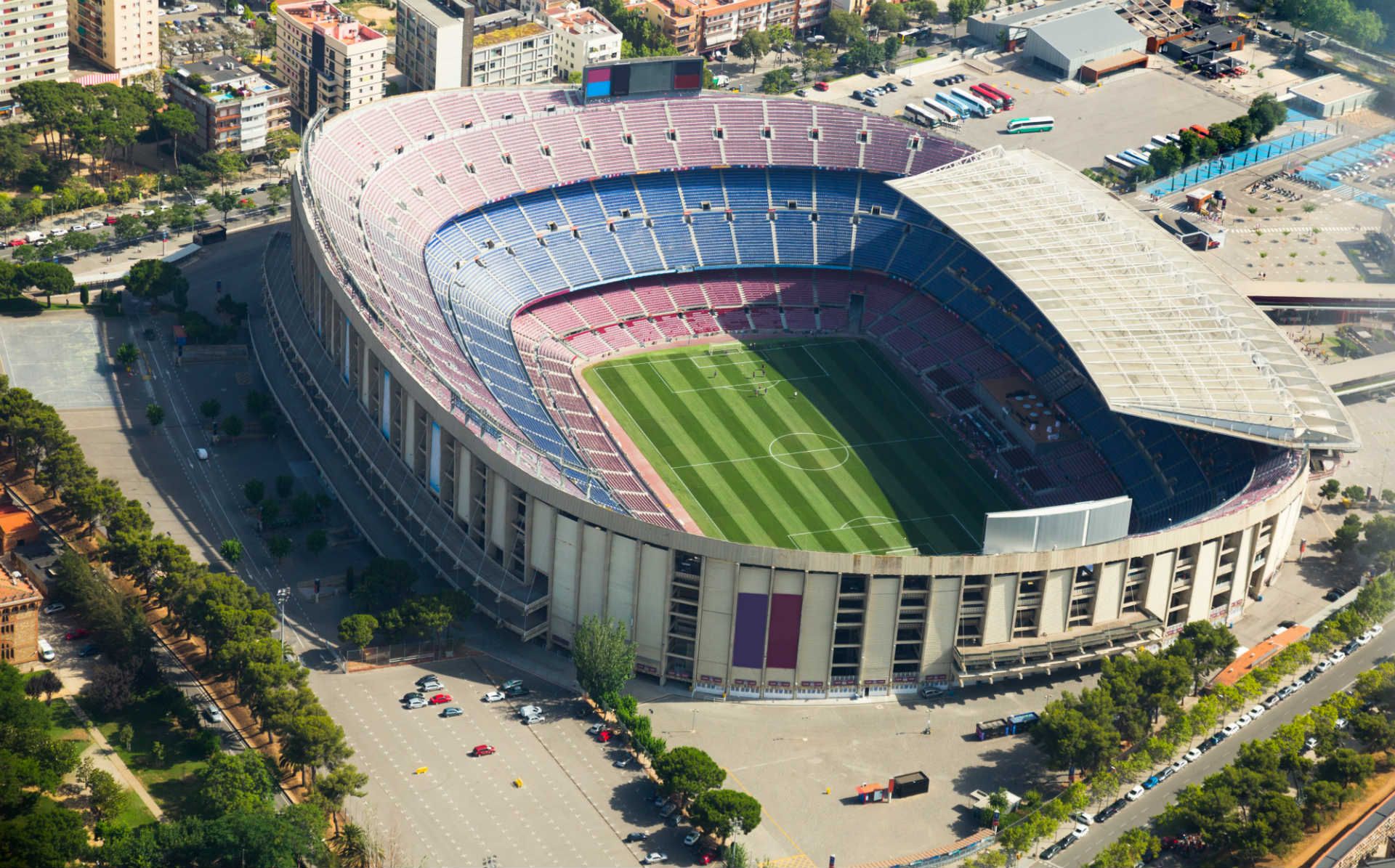
Northwest of the center lies Catalonia’s sacred ground – Camp Nou stadium. For FC Barcelona fans, this isn’t just a football club; it’s a symbol of Catalan identity forged during Franco’s repression. Experience the Camp Nou Tour and you’ll understand why “Més que un club” (More than a club) echoes through the halls:
The Tunnel Walk
Trace Messi’s footsteps through players’ tunnel, goosebumps rising as pitch lights blind you
Trophy Cathedral
Marvel at five gleaming Champions League cups under dramatic spotlighting
Interactive Glory
Virtual reality stations let you recreate Ronaldinho’s impossible goals
Pro Tips for Camp Nou Visitors
Enhance your football pilgrimage with these local secrets:
➔ Match Day Magic: If attending a game, arrive early for pre-match festivities at nearby Carrer d’Arístides Maillol bars
➔ Museum Shortcut: Buy “Barça Immersive Tour” tickets online for VR experiences beyond standard routes
➔ Souvenir Savvy: Skip megastore premiums – authentic jerseys cost 30% less at Rossy sporting goods chain
Mountain Escapes: Beyond the Urban Jungle
When Barcelona’s bustle overwhelms, locals escape northwest to Tibidabo’s peaks. The 550m summit delivers panoramic vistas where Pyrenees snowcaps meet Mediterranean waves. While most tourists flock to the vintage 1901 amusement park (don’t miss the manually-operated airplane ride), the real magic happens deeper in Parc de Collserola:
Font del Racó Secret
Hidden spring where shepherds watered flocks – perfect woodland picnic spot
Can Cuiàs Viewpoint
Undeveloped ridge revealing Barcelona’s vastness minus the tour buses
Science Meets Wonder
CosmoCaixa museum’s flooded Amazon dome with live piranhas at trailhead
Celebrate Like a Local: Barcelona’s Festival Calendar
Barcelona transforms completely during its legendary festivals. To experience the city at its most passionate, plan around these cultural milestones:
Santa Eulàlia Festival (February)
Honoring the city’s forgotten patron saint with fire runs through El Raval and human tower competitions outside Cathedral
La Diada de Sant Jordi (April 23)
Catalonia’s romantic answer to Valentine’s Day – men give roses, women give books along Rambla-filled stalls
Primavera Sound (Late May)
Europe’s coolest alt-music fest taking over Poble Espanyol with intimate gigs and beachside afterparties
Festival Survival Guide
Navigating Barcelona’s celebrations requires local knowledge:
✺ Fireworks Fear? During Festes de Gràcia (August), explore side streets away from correfoc fire devil parades
✺ Sant Joan Secrets: Join Barceloneta Beach bonfires by bringing pre-made coca flatbread to share
✺ Siesta Awareness: Many shops close during Mercè Festival (September) – use afternoons for museum visits
Imagine walking through Barcelona’s cobblestone streets as the soulful strains of flamenco guitar echo through ancient plazas. Last week’s Festival de Flamenco de Ciutat Vella transformed the Gothic Quarter into a living tapestry of passionate guitar recitals, haunting vocals, and rhythmic dances that pulsed late into warm spring nights. Locals and travelers alike reveled in DJ sessions spinning modern flamenco fusions until dawn, proving Barcelona’s cultural heartbeat never skips a beat.
A Year-Round Celebration: Barcelona’s Essential Festival Guide
June: Summer Ignites
As the Mediterranean sun grows warmer, Barcelona’s festival calendar erupts with creativity. By mid-June, Sónar Festival transforms the city into Europe’s electronic music capital, drawing nearly 100,000 avant-garde enthusiasts. The days pulse with experimental sound installations at MACBA and CCCB, while nights explode at L’Hospitalet’s massive open-air venues where beats reverberate until sunrise – with dedicated night buses ferrying revelers between city and festival grounds.
The real midsummer magic arrives June 23-24 during Verbena de Sant Joan. Barcelona transforms into a city-wide celebration where fireworks paint the Montjuïc sky, bonfires crackle along beaches, and champagne corks pop in spontaneous street parties. Join locals dancing barefoot on Barceloneta’s sands as dawn breaks on Catalonia’s most magical night – just remember the 24th is a public holiday, perfect for recovering from the night’s champagne-fueled poetry.
As June wanes, the Festival del Grec begins its multi-week celebration of performing arts. The crown jewel? Open-air performances in Montjuïc’s ancient Greek theatre, where Mediterranean breezes carry opera arias and contemporary dance beneath starry Barcelona skies.
July: Cultural Midnight Revelry
When suffocating summer heat descends, Barcelona moves its cultural life to moonlit hours. Montjuïc de Nit turns the entire hillside museum quarter into a single sprawling celebration. Imagine wandering between illuminated art installations at MNAC, catching open-air cinema under Mediterranean pines, or joining spontaneous dance workshops in modernist parks – all completely free and running until the early hours.
August: Neighborhood Charm
Mid-August finds Gràcia village erupting in its legendary Festa Major. Residents spend months creating fantastical street decorations – transforming ordinary alleyways into underwater kingdoms or intergalactic space stations. For a week, the neighborhood thrums with human tower builders (castellers), traditional gegants parades, and children chasing giant puppets. Don’t miss the nightly fire runs (correfoc), where drummers and flame-adorned devils create a Dantean spectacle.
September: Catalan Pride
National Day (September 11) sees Catalans honor their heritage with solemn floral offerings at Fossar de les Moreres. Just weeks later, La Mercè Festival (around September 24) unleashes five days of pure Catalan spectacle. Marvel at castellers teams forming human skyscrapers in Plaça Sant Jaume, gasp at pyrotechnic display over Montjuïc’s Magic Fountain, or join dancer conga lines through Barri Gòtic streets – all framed by the city giants (gegants) who’ve presided over these celebrations since the Middle Ages.
October/November: Musical Autumn
As leaves turn golden, Barcelona’s music scene reaches peak vibrancy. Ribermúsica’s free concerts transform medieval Born Quarter courtyards into intimate performance spaces – cellists playing in Gothic arches, jazz trios swinging in hidden gardens. Then comes the Barcelona Jazz Festival, where international legends share bills with Catalan virtuosos in converted warehouses and Modernista palaces.
December: Holiday Magic
The Fira de Santa Llúcia (December 1-22) brings Christmas cheer to the Cathedral steps. Artisans sell handcrafted nativity figures (pessebres) alongside cheeky caganer figurines – that Catalan tradition of nativity scenes featuring defecating peasants. Sip hot xocolata mentre as choirs perform beneath Gothic spires, proving Barcelona’s festive spirit rivals any Nordic Christmas market.
Finding the perfect Barcelona nest requires strategy. With tourism booming year-round, savvy travelers book at least three months ahead – especially for summer, Easter week, or during major festivals like La Mercè. Our hotel insider tips:
Budget hunters: Look beyond the Old City to Poble Sec or Sant Antoni, where simple pensiones offer charm for 50-60€. Hostel dorm beds near Barceloneta Beach offer prime location for 20€/night.
Midrange gems: Eixample’s Modernista buildings hide boutique hotels starting at 120€ – think vaulted ceilings and rooftop pools. Gràcia’s B&Bs offer village charm with metro access from 90€.
Splurge worthy: Seafront luxuries like Hotel Arts Barcelona (from 350€) deliver famous architect design, while Born’s Palau Fugit (from 400€) pampers in a restored medieval palace.
Pro tip: Use the city’s official tourism site for last-minute deals, especially during slower winter months when five-stars drop rates by 40%.
Taste Catalonia: Barcelona’s Food Secrets
Ditch overpriced Rambla eateries where tourists photograph mediocre paella. Barcelona’s authentic flavors hide in these neighborhoods:
El Raval: Join leather-jacketed artists at Bar Muy Buenas (Carrer del Carme 63) for reinvented montaditos. Their truffled bikini (Catalan grilled cheese) might ruin you for other sandwiches forever.
Poble Sec: Carrer Blai’s pintxo bars serve Basque-style bites on sticks – try Quimet & Quimet’s smoked salmon montaditos topped with creamy trufa honey (Carrer del Poeta Cabanyes 25).
Barceloneta: Can Solé’s century-old seafood stews (Carrer Sant Carles 4) have fed fishermen and Picasso alike – their suquet de peix tastes like Mediterranean liquid gold.
Eixample: Splurge at Disfrutar (Carrer Villarroel 163), where Michelin-starred chefs transform pan con tomate into molecular gastronomy poems.
Remember Barcelona’s dining rhythm: Late lunches (2-4PM), tapas hour (6-9PM), and dinners from 8:30PM onwards. Don’t ask for paella at night – locals consider it strictly lunch fare!
Barcelona After Dark: From Vermouth to VIP
Barcelona parties by the Mediterranean clock – sunset vermouth sessions morph into dawn beach raves. Navigate the night like a local:
Cocktail Alchemy: Speakeasy-style Paradiso (Carrer Rera Palau 4) hides behind a pastrami shop fridge door. Their smoke-infused negronis pair perfectly with Gaudi-inspired decor.
Vermouth O’clock: Join abuelos at Bormuth (Carrer del Rec 31) for midday vermut amb clara (vermouth with lemon soda) and boquerones so fresh they taste of sea spray.
Underground Beats: Industrial warehouses in Poblenou host techno temples like Input (Av. del Litoral 15), where world-class DJs spin until Sunday brunch time. Dress code? All black, comfort shoes, zero pretense.
Flamenco Fusion: Tarantos (Plaça Reial 17) offers authentic, affordable shows minus tourist traps. Their 10PM performances kickstart fiery Ramblas nights.
Remember: Nightclubs charge 10-20€ cover but include first drink. Pre-parties start in Plaça Reial’s iconic bars, while summer beach clubs like Opium require advance table bookings.
Beyond Zara: Barcelona’s Shopping Secrets
From centuries-old workshops to future fashion labs, Barcelona offers retail therapy beyond the ordinary:
Passeig de Gràcia: Not just for luxury brands! Discover local designers at Vinçon (No.96), where you’ll find surrealist homewares in a Modernista gem.
El Born: Lose afternoons in concept stores like Santa Eulalia (Carrer de Santa Eulàlia 7) – part fashion emporium, part art gallery, entirely Catalan cool.
Raval: Hunt vinyl treasures at Discos Castelló (Carrer dels Àngels 15), where crate-digging DJs find rare Spanish pressings from the Franco era.
Gràcia: Ceramicists like Taller Diana (Carrer Bonavista 15) continue generations-old traditions – their dragon-adorned tiles make perfect Barcelona souvenirs.
Time your spree: Winter sales start January 7th (Three Kings Day), summer sales launch July 1st. Smaller boutiques close Sundays and August afternoons.
Culture here isn’t confined to museums – it spills into streets, docks, and even metro stations. Beyond Gaudí’s legacy:
Performing Arts: L’Auditori (Carrer Lepant 150) hosts cutting-edge Catalan composers, while El Molino (Av. Parallel 62) revives burlesque traditions in a velvet-draped jewel box.
Street Spectacle: Every Sunday at noon, Plaça de la Seu fills with sardana dancers – Catalonia’s folk circle dance. Join hands with strangers; the steps are simpler than they look!
Hidden Galleries: Carrer Doctor Dou in Raval hides experimental spaces like Bombon Projects, where emerging artists transform tiny storefronts into provocative installations.
Cinema Under Stars:
Summer converts Montjuïc Castle’s moat into an open-air theater. Pack cava and tapas for film screenings with Mediterranean panoramas.
Booking tip: Same-day opera tickets at Liceu often sell for half price – ask about last-minute “butaca lateral” deals with surprisingly good views.
From the fiery passion of summer festivals to cozy winter nights in vermouth bars, Barcelona offers endless layers to uncover. This guide merely scratches the surface of a city that continually reinvents itself while honoring centuries-old traditions. The real secret? The best Barcelona moments happen when you wander without agenda – stumble upon that tiny plaça filled with dancing locals, discover the perfect backstreet tapas bar, or watch the Mediterranean sunset paint Gaudí’s spires gold. That’s when Barcelona truly works its magic, making you not just a visitor, but part of its living story.
Barcelona Unveiled: A Journey Through Catalan Culture and Unforgettable Experiences
There’s something magical about Barcelona that grabs your soul and never lets go. From its unique traditions that pulse through cobblestone streets to architectural wonders that defy imagination, this Catalan capital offers an intoxicating blend of history, passion, and contemporary flair. Let’s dive into what makes Barcelona truly special—from centuries-old festivals to must-see attractions that’ll leave you breathless.
The Heartbeat of Catalonia: Festivals That Define a Culture
The Sardana Dance: Where Community Takes Center Stage
Imagine strolling through Barcelona’s plazas on a warm evening when suddenly the air fills with the sound of cobla bands. Locals begin joining hands, forming expanding circles that ripple outward like stones dropped in water. This is the sardana—Catalonia’s beloved folk dance performed consistently from Easter through November.
There’s beauty in its simplicity: no age restrictions, no fancy costumes, just neighbors and strangers alike sharing space and movement. Participants often place personal items in the circle’s center—a hat, a bag, a flower—symbolizing unity and trust. While other Spaniards tease its measured pace (“more meditation than dance,” some joke), Catalans defend its democratic spirit. Here, grandparents sway alongside toddlers, and office workers twirl with tourists. To witness the sardana is to understand Barcelona’s soul—a city where inclusion is choreographed into daily life.
Parades That Bring History to Life
No Catalan festival feels complete without a spectacular parade. Religious processions during Easter or saints’ days mix solemnity with splendor, featuring ornate floats bearing sacred figures through flower-strewn streets. Contrast these with the riotous neighborhood celebrations during major festivals like La Mercè (September) or Gràcia’s August festa, where streets transform into kaleidoscopes of color and creativity.
Three things you’ll encounter at every turn:
Gegants (Giants): Towering up to five meters tall, these papier-mâché titans depicting historical figures bob through crowds with surprising grace. Their hollow eyes seem to watch centuries pass as they sway to traditional gralla music.
Correfoc (Fire Run): Not for the faint-hearted! Drummers set the rhythm as dragon-adorned performers and pitchfork-wielding “devils” unleash torrents of sparks upon exhilarated crowds. Tip: Wear natural fibers—synthetic jackets don’t fare well with fireworks!
Castellers (Human Towers): Barcelona’s most mind-boggling tradition. Teams called colles compete to build dizzying human structures, climbing barefoot onto teammates’ shoulders with balletic precision. The current record? A staggering ten-tier tower. Watching the anxaneta (youngest climber) raise four tiny fingers at the summit never fails to elicit goosebumps.
5 Unmissable Barcelona Experiences You Can’t Afford to Miss
#01 La Pedrera: Gaudí’s Stone Quarry Masterpiece
The locals call it La Pedrera—”The Stone Quarry”—and one glance explains why. Antoni Gaudí’s final civil work undulates like petrified ocean waves frozen in limestone. Completed in 1912, this UNESCO World Heritage Site blurs boundaries between architecture and sculpture.
Don’t just gawk at the honeycomb windows and seaweed-inspired balconies—go inside. The attic’s parabolic arches reveal Gaudí’s genius for biomimicry, resembling both whale skeletons and desert palm groves. Time your visit for golden hour when the rooftop’s mosaic-tiled chimneys glow like medieval warriors watching over the city. Pro tip: Spring for the nighttime tour when the terrace transforms into an illuminated dreamscape with cava in hand.
#02 Barcelona’s Golden Coastline: City Beaches Worth the Hype
Few cities marry urban energy with seaside bliss as seamlessly as Barcelona. A five-kilometer ribbon of sand stretches from Barceloneta to Diagonal Mar—all revitalized for the 1992 Olympics. Whether you’re a sunrise yoga enthusiast or sunset cocktail seeker, there’s a stretch with your name on it:
Barceloneta Beach: The classic. Fish restaurants line the promenade where waiters shout today’s catch over clinking glasses of vermut.
Nova Icària: Family central with volleyball nets and calm waters perfect for paddleboarding.
Mar Bella: Barcelona’s laid-back, clothing-optional zone with a lively LGBT+ scene.
Grab a wooden xiringuito (beach bar) stool around 11 AM when locals take their almuerzo (mid-morning snack). Order pan con tomate rubbed with garlic and ripe tomatoes alongside garlicky gambas (shrimp). The Mediterranean has never tasted better.
Forget sit-down dinners—Barcelona lives at its tapas bars. The ritual unfolds over evenings: drift between counters, ordering small plates and frosty cañas (small beers) while deciphering Catalan-Spanish chalkboard menus.
Must-try bites on your tapeo (tapas crawl):
Pa amb tomàquet: Crusty bread rubbed with tomato pulp, garlic, and olive oil—Catalonia’s edible flag.
Bombas: Spicy potato balls stuffed with minced meat, dubbed “the bombs” during anarchist times.
Espinacas a la Catalana: Spinach singing with raisins, pine nuts, and garlic.
Navigate like a pro: In El Born, family-run Els Sortidors del Parlament pairs small plates with sommelier-selected Catalan wines. In Gràcia, vermouth hour at Bodega Ca’l Pep means crispy croquetas beneath framed portraits of flamenco legends. Remember: Bars with paper napkins littering the floor? That’s where locals flock.
#04 Camp Nou: More Than a Stadium, a Catalan Shrine
“Més que un club” (More than a club)—FC Barcelona’s motto echoes through Camp Nou’s 99,000-seat arena. For Catalans, Barça represents cultural identity as much as athletic prowess. Even non-sports fans feel the electrifying atmosphere on match days when blaugrana jerseys flood the metro.
Barça Museum highlights span from Messi’s Golden Boots to interactive exhibits letting you “call” legendary goals. Time your stadium tour to avoid game days—wandering the pitch alone evokes spine-tingling moments from iconic matches. Insider secret: The museum’s chapel-like trophy room stirs goosebumps, displaying decades of dominance. Before leaving, grab an ensaïmada pastry at the cafe—sugar-dusted swirls enjoyed by players post-victory.
Perched on Montjuïc Hill, this sun-drenched museum designed by Josep Lluís Sert celebrates Joan Miró’s playful genius. Over 14,000 works—from bold canvases to whimsical sculptures—reveal how Barcelona’s light shaped the artist’s kaleidoscopic vision.
Don’t rush past the rooftop terrace, where Miró’s Woman and Bird sculpture seems to dance against skyline views. Downstairs, the “Miró Kids” exhibit encourages children to reinterpret his lunar symbolism—proof that art isn’t just for adults here. Pair your visit with lunch at the terrace café overlooking cityscapes through cypress trees.
Living Barcelona’s Rhythm: Insider Tips for Authentic Experiences
When to Visit: Festival Secrets Beyond the Guidebooks
While La Mercè in September draws crowds, locals know May-June offers perfect weather with Sant Ponç herbal fair (11 May) and Corpus Christi’s incredible floored patios. February’s Santa Eulàlia features stunning light installations minus summer’s queues.
Neighborhood Gems Where Barcelonins Play
Poble Sec: Tapas paradise with authentic bodegas like Quimet & Quimet—a standing-room-only jewel box of conservas (canned delicacies).
El Raval: Street art galore and MACBA’s skateboarders twisting beneath contemporary masterpieces.
Sarrià-Sant Gervasi: Leafy avenues hiding Modernist mansions like Casa Roviralta—aka “The White Friar”—now a romantic restaurant.
Barcelona’s Hidden Language: Understanding Catalan Pride
Notice senyeres (Catalan flags) draped from balconies? They’re symbols of identity, not decoration. Locals appreciate visitors trying simple phrases like “Bon dia” (Good day) or “Gràcies” (Thank you). Politics aside, sharing cava during a vermut hour bridges any divides.
The Barcelona Effect: Why This City Stays With You
Barcelona lingers in your senses long after departure: the salt-kissed breeze off Barceloneta, Gaudí’s mosaic dragons winking in sunlight, the echo of castellers’ grunts as human towers ascend. More than architecture or beaches, it’s the spirit of resistance and joy—the sardana circles ever-expanding—that tattoo this city onto your heart. Whether you’re marveling at miró’s colors or cheering with 90,000 Culés at Camp Nou, one truth emerges: In Barcelona, life is lived as art.
La Seu Cathedral: Gothic Grandeur in Stone and Light
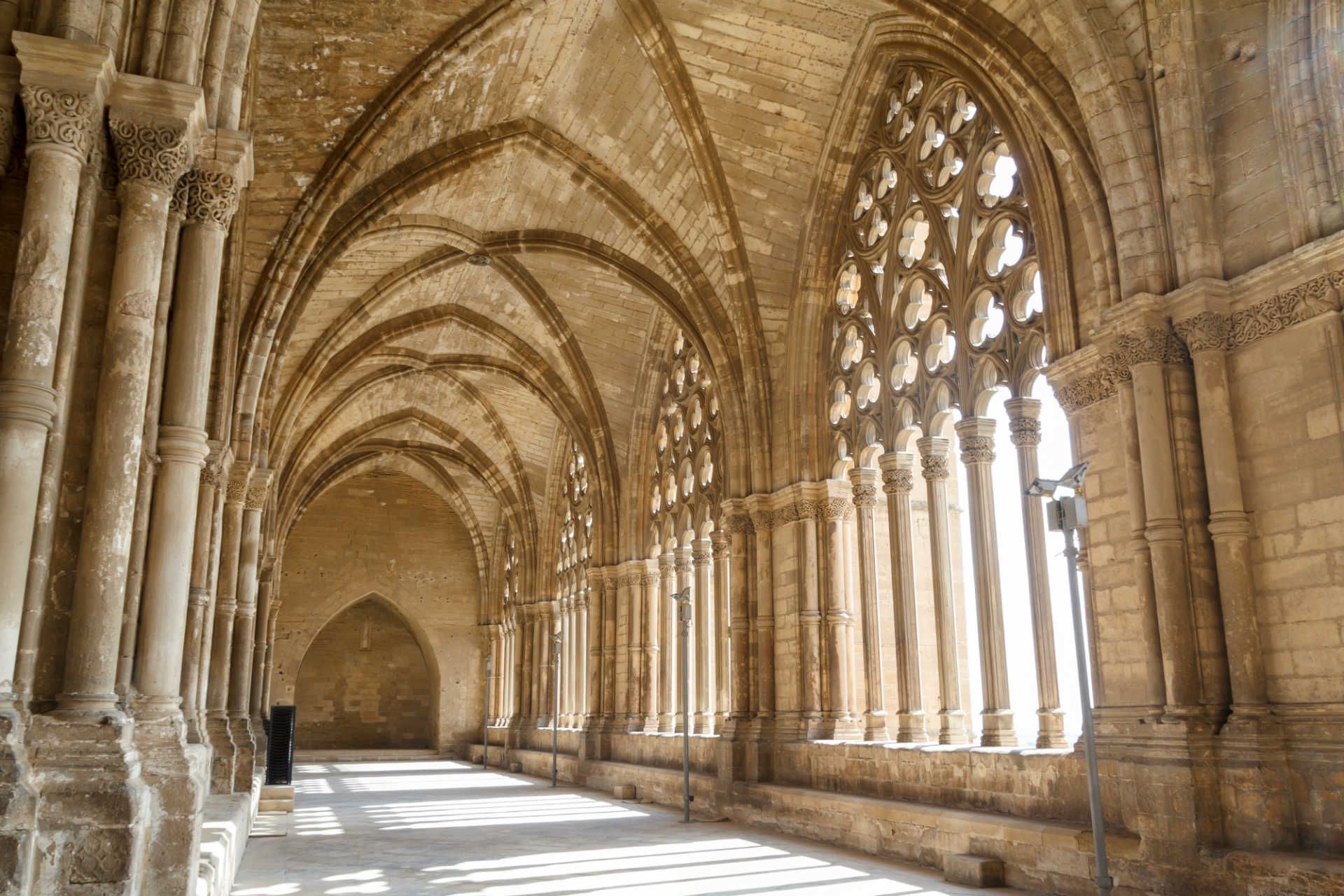
Standing proudly above Lleida, La Seu Cathedral represents one of Spain’s most spectacular achievements in Gothic architecture. Construction began in 1203 under King Peter II and continued for nearly 500 years, resulting in an extraordinary blend of architectural styles with Gothic elements taking center stage. But what truly sets this cathedral apart are the breathtaking spaces created by master builders – soaring vaulted ceilings that seem to touch the heavens and ethereal stained-glass windows that transform sunlight into divine kaleidoscopes.
Wander through the silent cloisters and you’ll understand why pilgrims have journeyed here for centuries. The cathedral’s museum houses priceless religious art, while the bell tower offers panoramic views of Catalonia’s countryside. Visitors should time their visit to experience the golden hour when sunlight streams through the rose window, bathing the stone interior in celestial hues. For those exploring Spain’s religious heritage, La Seu makes Barcelona’s cathedral seem almost modest in comparison.
Local tip: Combine your visit with exploring Lleida’s historic quarter, where medieval streets conceal charming tapas bars serving authentic Catalan cuisine. The adjacent bishop’s palace hosts rotating cultural exhibitions that complement the cathedral experience perfectly.
Museu del Modernisme Català: Barcelona’s Art Nouveau Jewel Box
Hidden in an architectural gem of its own, the Museu del Modernisme Català offers the most comprehensive collection of Catalan modernista art in its original context. Housed in a beautifully preserved 1902 modernista building designed by Enric Sagnier, the museum immerses visitors in the revolutionary artistic movement that changed Barcelona’s face forever.
Contemporary visitors might be surprised to discover how these turn-of-the-century artists and designers anticipated modern design principles. From Gaudí’s sinuous furniture to the dreamlike paintings of Ramon Casas, each piece demonstrates how Catalan modernisme blended functionality with organic forms inspired by nature. Don’t miss the stained glass collection where light becomes liquid color, or the furniture gallery showcasing pieces that look astonishingly contemporary despite their century-old origins.
The museum’s intimate size creates a contemplative atmosphere perfect for appreciating details often lost in larger institutions. Allow at least two hours to fully appreciate the collection, preferably during weekday mornings when crowds are sparse. The ground floor café serves excellent coffee amid modernista decor – the perfect spot to imagine yourself as a turn-of-the-century Barcelona intellectual.
Mount Tibidabo: Where Panoramic Vistas Meet Childhood Wonder
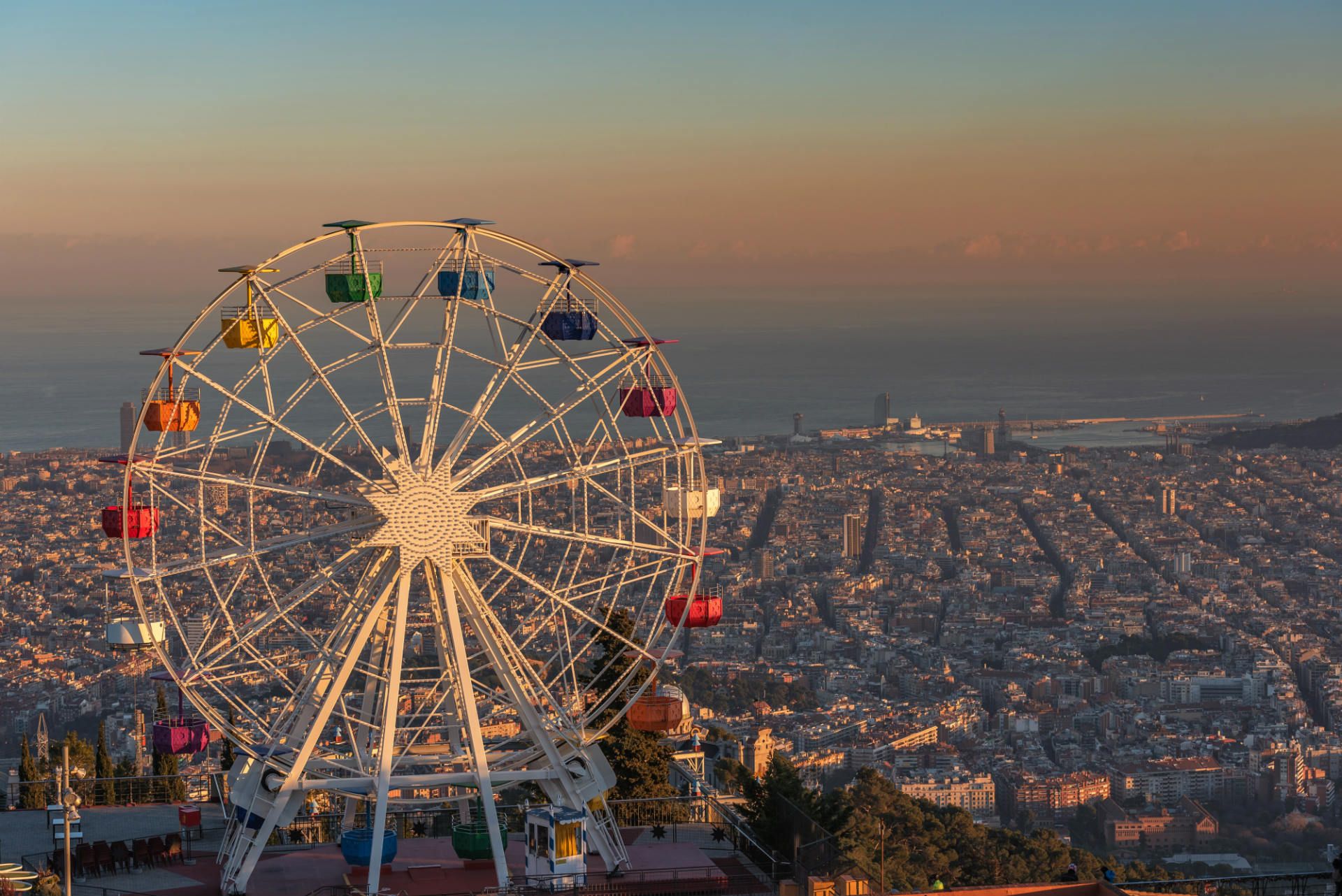
Rising dramatically above Barcelona’s skyline, Mount Tibidabo offers a dual attraction that delights visitors of all ages. At 512 meters, it’s the highest point in the Serra de Collserola range, providing breathtaking 360-degree views stretching from the Mediterranean Sea to the Pyrenees. Perched atop this natural wonder sits Tibidabo Amusement Park, Europe’s oldest operating amusement park that’s been enchanting visitors since 1899.
The journey to the summit is an adventure in itself. The historic Tramvia Blau (Blue Tram) connects with a funicular railway that climbs the final stretch at a thrilling angle. The vista from the Temple del Sagrat Cor church observation deck is worth the trip alone, but the park’s vintage rides add magical nostalgia. Don’t miss the iconic Avió ride – an actual 1920s airplane replica that swings guests over Barcelona’s rooftops.
Time your visit for late afternoon to enjoy golden hour photography opportunities followed by the park’s evening illuminations. Families with younger children will appreciate the charmingly old-fashioned attractions, while couples find the sunset views over Barcelona incredibly romantic. Locals love bringing picnics to enjoy in the surrounding Collserola Natural Park before descending into the city lights.
Casa Batlló: Gaudí’s Living Organism in Stone and Ceramic
Nicknamed the “House of Bones” for its skeletal balconies, Casa Batlló represents Gaudí’s architectural philosophy in its purest form. Built during 1904-1906, this residential masterpiece reimagines the concept of living spaces through undulating forms, marine-inspired designs, and revolutionary light management. The facade alone is a symphony of color and texture, with its glittering trencadís mosaic skin and dragon-backed roofline.
Inside, Gaudí’s genius unfolds room by room. The noble floor’s mushroom-shaped fireplace nook creates intimate conversation spaces, while the light well tiles graduate from deep blue to sky-white to distribute sunlight evenly. Modern multimedia installations enhance understanding of Gaudí’s structural innovations without compromising the building’s magic. The rooftop terrace, with its iconic scaled arches and chimneys resembling medieval warriors, offers remarkable city views along with insight into Gaudí’s playful approach to functional elements.
For an unforgettable experience, book the “Magic Nights” summer evening opening featuring rooftop concerts with sparkling cava in hand. Early morning visits beat the crowds, letting you appreciate the building’s soundscape – from the clamor of Passeig de Gràcia outside to the tranquil whispers within Gaudí’s carefully shaped spaces.
Mercat de la Boqueria: Barcelona’s Gastronomic Ground Zero
Step through the wrought-iron entrance of La Boqueria and prepare for a full-sensory feast. Founded in 1217 as an open-air market before moving to its current modernist hall in 1840, this bustling marketplace remains Barcelona’s culinary heart. Forget sterile supermarket aisles – here, ruby-red jamón ibérico hangs in fragrant rows, fishmongers skillfully fillet glistening Mediterranean catches, and fruit vendors create rainbow pyramids of seasonal produce.
Beyond the Instagram-worthy displays lies a deeper cultural experience. Watch grandmothers expertly choosing the perfect cut of meat, chefs haggling over first-catch seafood, and families sharing market breakfasts at century-old tapas counters. The market’s secret gem? Its cooking school offering workshops where visitors learn to create authentic paella or select Iberian ham like a pro. Foodies should arrive hungry and sample rainbow-colored fruit juices, paper cones of fried seafood, or the legendary €1.50 “market menu” at hidden bar stools.
Visit between 8-10am to avoid crowds and witness market setup – an art form in itself. Even non-shoppers will appreciate the architectural details like the stained-glass entrance bearing Barcelona’s coat of arms, or the cast-iron columns supporting the expansive roof. For culinary adventurers, explore the less-touristed upper level where specialty vendors sell rare spices, wild mushrooms, and other gourmet treasures.
Museu Nacional d’Art de Catalunya: A Journey Through Catalan Creativity
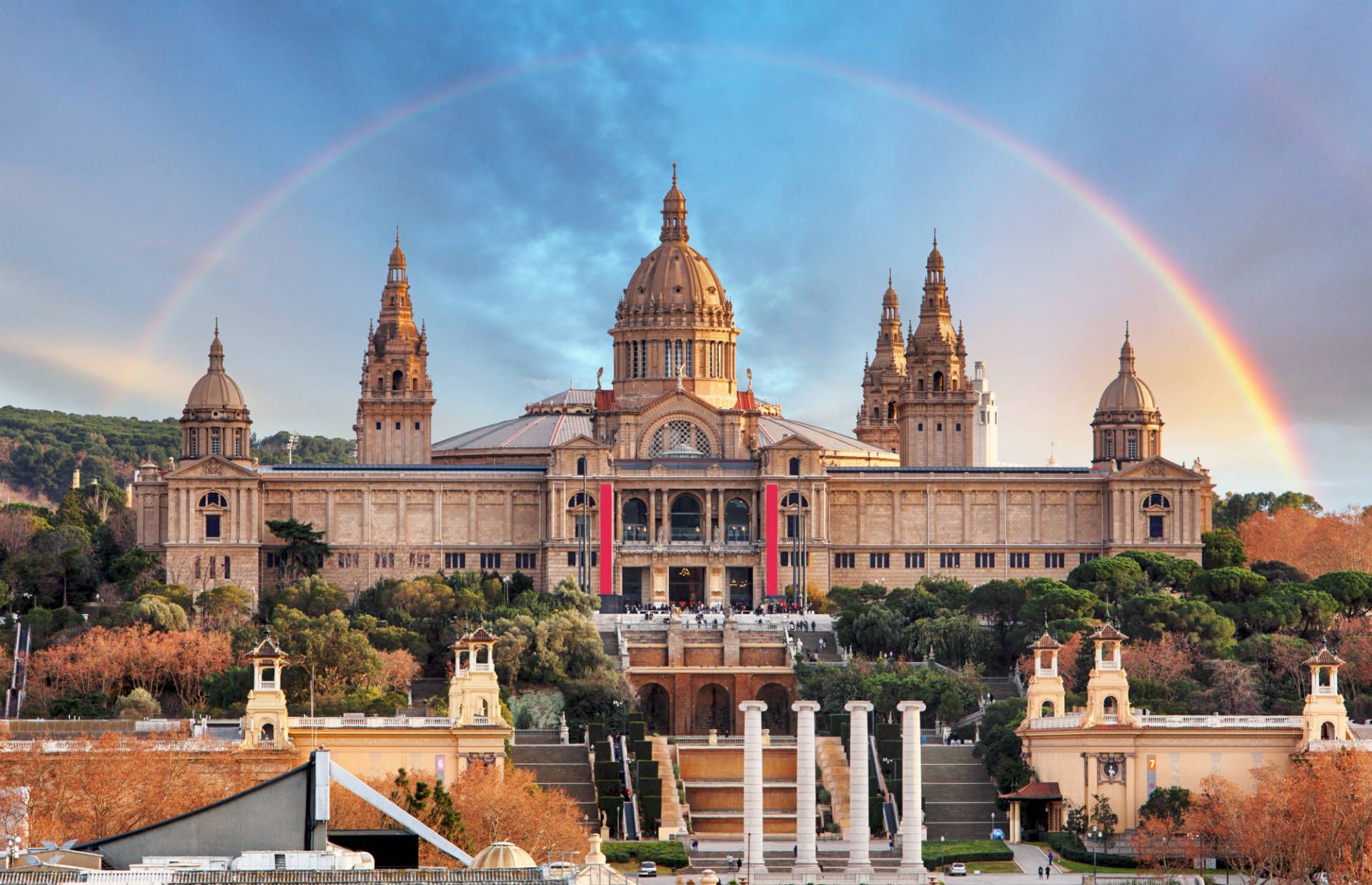
Housed in the imposing Palau Nacional atop Montjuïc hill, MNAC offers one of Europe’s most comprehensive Romanesque art collections alongside stunning Gothic, Renaissance, and modernist masterpieces. The museum’s location provides a fitting regal atmosphere for its treasures, with panoramic views over Barcelona’s Plaça d’Espanya from its grand staircase.
Art enthusiasts could spend days exploring the collection, from the astonishing 11th-century frescoes salvaged from Pyrenean churches to modernista furniture that looks strikingly contemporary. The Romanesque section is particularly noteworthy, housing the world’s best collection of its kind. Look for the Pantocrator from Sant Climent de Taüll, considered the “Mona Lisa of Romanesque painting” for its expressive power. The modernist section provides perfect context for understanding Gaudí’s revolutionary work through artworks by his contemporaries like Ramon Casas and Santiago Rusiñol.
Time your visit to coincide with the Saturday afternoon free entry period (3-8pm) and stay for evening light shows illuminating the palace facade. Don’t overlook the building itself – explore its Oval Hall domes decorated with allegorical murals, or relax in the serene courtyards. The rooftop café serves surprisingly affordable meals with million-euro views, while the library contains one of Spain’s most important art book collections accessible to serious researchers.
These landmarks merely scratch the surface of what makes Barcelona Europe’s most engaging city. Beyond architectural marvels and world-class museums lies a vibrant contemporary culture celebrating food, community, and Mediterranean lifestyle. Visitors become participants here – whether joining the paseo along Rambla Catalunya, learning to build human towers at a neighborhood festa major, or discovering hidden modernist gems in Eixample’s chamfered block corners.
The magic lies in contrasts: Gothic Quarter alleyways opening to sun-dappled plazas, centuries-old markets selling molecular gastronomy ingredients, fishing boats unloading beside superyacht harbors. By exploring both iconic sights and local haunts, travelers experience Barcelona’s true essence – a city deeply rooted in regional identity yet constantly reinventing itself. From Gaudí’s nature-inspired creations to the ever-changing Boqueria stalls, Barcelona celebrates life through constant beautiful reinvention. Return home, and you’ll understand why Picasso, Miró, and countless artists found their muse in this luminous Mediterranean capital.
Barcelona pulses with energy along Las Ramblas, the vibrant boulevard connecting Plaça de Catalunya with the waterfront. More than just a street – it’s an open-air theater where flower stalls perfume the air, living statues surprise visitors, and street performers dazzle with their skills. Locals know to grab fresh juices from La Boqueria market in the morning, while evening strollers admire the historic Liceu opera house. Though crowded, walking Las Ramblas offers the quintessential Barcelona experience: watch your belongings, sip sangria at a terrace café, and let the city’s rhythm carry you along.
Parc Güell: Gaudí’s Wonderland
No visit to Barcelona feels complete without stepping into Antoni Gaudí’s fantasy playground at Parc Güell. This UNESCO World Heritage Site treats visitors to a wonderland of colorful mosaic lizards, serpentine benches offering panoramic city views, and colonnaded pathways that could be from a fairy tale. Originally conceived as a luxury housing development that never took off, the park became Gaudí’s personal retreat. Today, it’s where locals come to picnic under palm trees while visitors photograph the Hansel-and-Gretel gatehouses. Tip: Arrive early to beat crowds and see the sunrise over Barcelona from the famous terrace.
In Barcelona’s charming El Born district, the Picasso Museum offers a profound look at the artist’s early development. Housed in five medieval stone mansions, the collection reveals how Picasso evolved from classical training to pioneering Cubism. Seeing his childhood sketches and blue-period paintings displayed beneath Gothic arches creates a magical contrast. The museum’s highlight? His 58-painting reinterpretation of Velázquez’s Las Meninas – a masterclass in deconstructing traditional art. Give yourself at least two hours to wander through rooms where Spain’s most influential modern artist first discovered his voice.
La Sagrada Família: Gaudí’s Unfinished Masterpiece
The Sagrada Família dominates Barcelona’s skyline like a stone forest growing towards the heavens. Gaudí devoted his final years to this basilica, combining Gothic inspiration with organic forms – columns branch like trees, stained glass bathes interiors in rainbows, and nativity facades teem with sculpture. Though unfinished since 1882, recent progress has been remarkable. Cranes work alongside towers topped with Venetian mosaics, promising completion by 2026. Inside, the forest-like nave demonstrates Gaudí’s structural genius – hyperbolic vaulting allows for both soaring heights and natural light. Tips: Book tickets online weeks ahead, and visit between 3-5PM when sunlight transforms the interior into a kaleidoscope.
In the eclectic Raval neighborhood, Barcelona’s Museum of Contemporary Art (MACBA) stands as a modernist beacon. Designed by Richard Meier, the luminous white building houses rotating exhibitions challenging artistic boundaries. This isn’t your traditional museum – installations might include Catalan video art one month and provocative political sculptures the next. The plaza outside serves as Barcelona’s creative melting pot where skaters perform tricks against an architectural masterpiece. Art lovers appreciate MACBA’s focus on post-1945 Catalan and Spanish artists, while casual visitors come for the buzzing atmosphere. Don’t miss the museum bookstore – a treasure trove of avant-garde art publications perfect for unique souvenirs.
While highlights like La Rambla and Sagrada Família deserve attention, Barcelona’s true magic lies in its diverse neighborhoods. Walk through medieval alleyways in the Gothic Quarter where Roman walls brush against nightlife hotspots. In stylish Eixample, Modernista buildings compete for attention at every corner. Foodies make pilgrimages to Barceloneta for seafood paella overlooking sailboat-dotted marinas. Each district reveals different facets of Barcelona’s personality, rewarding visitors who venture beyond tourist checklists.
Gothic Quarter Time Travel
Stepping into the Gothic Quarter feels like entering a time capsule. Streets barely wider than your shoulders twist past 13th-century cathedrals, hidden plazas with bubbling fountains, and Roman ruins beneath souvenir shops. Don’t miss the ancient Roman columns at Temple d’August or the shadowy passage leading to Plaça Sant Felip Neri, its walls still scarred from Civil War bombings. By night, the same alleys hum with intimate jazz clubs and candlelit bars pouring vermouth.
Eixample’s Architecture Extravaganza
Partially designed by urban planner Ildefons Cerdà, L’Eixample (pronounced “eye-sham-pla”) features Barcelona’s most stunning architecture beyond Gaudí. Wander the “Block of Discord” on Passeig de Gràcia, where Casa Batlló and Casa Amatller showcase competing Modernista styles. Explore lesser-known gems like Domènech i Montaner’s Hospital de Sant Pau – an art nouveau medical complex that resembles a palace. The district’s grid layout with chamfered corners makes navigation surprisingly easy while revealing photo opportunities at every intersection.
Barcelona’s Culinary Scene From Tapas to Starred Restaurants
Eating in Barcelona spans from crusty bread rubbed with tomato at old-school bodegas to molecular gastronomy temples. Traditional tapas bars like El Xampanyet serve anchovies and cava in the Born district, while contemporary spots experiment with Catalan ingredients like calcots (spring onions) and romesco sauce. For food adventurers, tickets should be booked months in advance for legendary spots like Tickets Bar by Albert Adrià. More casual food experiences include:
Morning chocolate con churros in historic cafés
Fresh seafood lunches at beachfront chiringuitos
Sampling artisanal cheeses at Mercat de Sant Antoni
Tasting avant-garde desserts in the Gràcia neighborhood
Cultural Traditions: Castells to Sardanes
Beyond architecture and food, Barcelona’s living traditions connect visitors to Catalan identity. Watch castells – human towers reaching eight stories high during festivals, where even young children climb to the top. On Sundays, locals dance sardanes in Plaça de Sant Jaume, forming circles to traditional cobla music. During summer’s Festa Major de Gràcia, entire streets transform into decorative wonderlands through community creativity. Understanding these traditions reveals Barcelona’s heart beyond its Instagram-famous sights.
Practical Tips for Barcelona Visitors
Navigating Barcelona smoothly requires some insider knowledge:
Purchase an Hola BCN! transportation card for metro/bus access
Make timed reservations for major attractions via official websites
Normal dinner time starts around 9PM – adjust your schedule accordingly
Learn basic Catalan phrases like “Bon dia” (good day) and “Gràcies” (thank you)
Beach etiquette: Use designated changing cabins and watch belongings
Consider visiting in shoulder seasons (April-June or September-October)
With sun-drenched plazas waiting around every corner and creativity flowing through its streets, Barcelona rewards those who embrace its rhythm. Whether marveling at Gaudí’s visions, savoring late-night tapas crawls, or joining locals in age-old traditions, visitors become part of the city’s vibrant story.
🌟 The Travaloca Travel Editors Community is a dynamic collective of individuals united by their passion for travel and their dedication to high-quality content creation. This community serves as the driving force behind Travaloca's informative and engaging travel resources.
✨ Core Identity:
This group consists primarily of passionate travel enthusiasts who have turned their love for exploration into a commitment to writing and content curation. Members are recognized for their:
Extensive Travel Experience: Possessing valuable firsthand knowledge from their journeys worldwide.
Aptitude for Writing and Editing: Demonstrating a keen interest and skill in crafting, reviewing, and perfecting travel narratives, guides, tips, and reviews.
Dedication to Storytelling: Transforming personal experiences and destination knowledge into accessible, inspiring, and reliable information for a global audience.
📝 Community Focus:
The community’s primary role is to contribute, edit, and maintain the diverse range of content on Travaloca's platform. They ensure the information provided is accurate, engaging, and reflective of current travel trends.
In essence, the Travaloca Travel Editors Community is where travel passion meets editorial excellence, enriching the user experience and solidifying Travaloca’s standing as a trusted travel resource.
We use cookies to offer you a better browsing experience, analyze site traffic, and personalize content (including via our affiliate partners). You can choose to accept all cookies or manage your preferences below. Learn more about how we use cookies and third-party data in our Privacy Policy.
Strictly Necessary Cookies
Always active
These cookies are essential for you to browse the website and use its features, such as accessing secure areas of the site or ensuring basic site security. They are usually only set in response to actions made by you, such as setting your privacy preferences. You cannot opt out of these cookies. Purpose: Site security, remembering consent status. Impact if blocked: The website may not function correctly or securely.
Preferences
The technical storage or access is necessary for the legitimate purpose of storing preferences that are not requested by the subscriber or user.
Performance Cookies
These cookies allow us to count visits and traffic sources so we can measure and improve the performance of our site. They help us know which pages are the most and least popular and see how visitors move around the site. The information gathered is aggregated and therefore anonymous. {Purpose}: Website performance analysis, tracking popular content, diagnosing technical errors. | {Data Collected}: Anonymized Usage Data (e.g., page views, visit duration). | {Third Parties}: Google Analytics (configured with IP anonymization), other analytical services.The technical storage or access that is used exclusively for anonymous statistical purposes. Without a subpoena, voluntary compliance on the part of your Internet Service Provider, or additional records from a third party, information stored or retrieved for this purpose alone cannot usually be used to identify you.
Targeting Cookies
These cookies may be set through our site by our advertising and affiliate partners. They are used by those companies to build a profile of your interests and show you relevant content or advertisements when you visit other sites. If you consent to these, they allow us to attribute referrals to Travaloca when you click out to an affiliate partner (e.g., a booking site). {Purpose}: Tracking affiliate referrals, delivering personalized content, retargeting. {Data Collected}: Browser and device identification data, referring source {Third Parties}: Affiliate networks (e.g., Commission Junction, PartnerStack), Google Ads. {Impact if disabled}: You will still see advertisements, but they will be less targeted and Travaloca may not receive credit for qualifying affiliate referrals.