
Dreaming of Iceland’s volcanic landscapes and roaring waterfalls? You’re not alone. This otherworldly destination has become a must-visit for adventurers and culture seekers alike – but planning your perfect Icelandic journey requires smart choices. Let me walk you through crafting an unforgettable trip that matches your travel style without draining your wallet.
1. Discover Your Iceland Travel Vision
Iceland isn’t a one-size-fits-all destination. Before diving into logistics, ask yourself what makes your heart race:
- Are you craving Reykjavík’s vibrant arts scene and steaming bakeries?
- Does hiking through moss-covered lava fields call to you?
- Are you determined to capture the Northern Lights dancing across the sky?
- Do you thrive on back-to-back adventures or prefer lingering in hot springs?
Pin down your non-negotiables first. Culture lovers might prioritize Reykjavík’s Harpa Concert Hall and Akureyri’s Christmas House. Nature enthusiasts could focus on Þingvellir’s tectonic plates or Jökulsárlón’s iceberg lagoon. This clarity transforms overwhelming options into your personal highlight reel.

Northern Lights, Jokulsarlon, Iceland
2. Match Your Trip to Iceland’s Magical Seasons
Your dream experiences determine when you should visit this Nordic wonderland:
- Summer sunshine (June-August): Midnight sun adventures with 24-hour daylight – perfect for road trips and whale watching. Pack your sunglasses along with prices 30% higher than other seasons.
- Sweet spot months (May/September): Golden autumn colors or spring blooms with fewer crowds. September delivers stunning photo light at lower costs.
- Winter wonderland (November-February): Dance with the Northern Lights in 4-hour daylight windows. Snow transforms the landscape into a crystalline dreamscape.
- Shoulder surprises (April/October): Unpredictable weather brings lower prices and unexpected beauty – snow one day, sunshine the next.
Pro tip: Always consult Iceland’s road.is website before your trip – those half-submerged mountain roads might surprise you!
3. Craft Your Ideal Icelandic Pace
Distance in Iceland deceives – every bend reveals jaw-dropping vistas begging for photo stops. Here’s how to match your timeframe:
- Weekend warrior (3 days): Reykjavík’s charm + Golden Circle highlights
- Week of wonders (7 days): Extend to south coast glaciers and black sand beaches
- Ring Road romance (14 days): Circle the country with spa stops
- Ultimate explorer (3+ weeks): Add Westfjords’ hidden gems and highland treks
From experience: Don’t try to cram the entire Ring Road into five days. Iceland rewards those who slow down – an hour staring at Skógafoss’ roar is time well spent.
4. Choose Your Iceland Exploration Vehicle
How you move changes everything in this land of fire and ice:
Road trip essentials:
- Compact cars work May-Sept on main roads
- 4×4 SUVs become essential for mountain F-roads
- Download the “Vegagerðin” app for real-time road status
Tour benefits:
- Leave driving to experts during snowstorms
- Meet fellow travelers on customized itineraries
- Access hard-to-reach ice caves safely
Road-tripping offers freedom to chase rainbows across the tundra, while tours provide peace of mind during Iceland’s moody weather. Your comfort with winter driving tips the scales.

Boat parking at the jetty of the town in Siglufjorour. Northern Iceland © Jordan Lye/Shutterstock
Ready to craft your Icelandic masterpiece? Remember this land of ice and fire rewards thoughtful travelers. From soaking in the Blue Lagoon as snowflakes land on your nose to hunting for puffin colonies along sea cliffs – your adventure begins with knowing what makes your travel heart sing.
Step 5: Lock in Your Stays and Tours Ahead of Time
Let’s be real—finding a place to sleep in Iceland can feel like scoring golden tickets during peak season. That’s why savvy travelers book their beds early, especially if you’re eyeing summer travel. Imagine sipping coffee with views of fjords versus scrambling for last-minute options—the choice is clear.
Your Iceland Sleep Options:
- Hotels in Reykjavík and larger towns (perfect for city explorers)
- Cozy guesthouses and farm stays (hello, countryside charm!)
- Hostels and budget lodges (great for wallet-friendly adventures)
- Campsites (a summer favorite for campervan road-trippers)
Tours fill up faster than erupting geysers. Whether it’s whale-watching in Husavik, glacier hiking in Skaftafell, or soaking in the Blue Lagoon’s milky waters, securing spots early is non-negotiable. Even spontaneous souls should book bucket-list experiences beforehand.
Road Trip Pro Tip: Plot your Ring Road journey by reserving stays in key towns like Vík, Höfn, Egilsstaðir, and Akureyri. You’ll thank yourself when you roll into town exhausted—your comfy bed waiting like a trusted friend.
Step 6: Crack the Iceland Budget Code
Yes, Iceland’s prices might make your wallet whimper—but with smart planning, you can enjoy this Arctic wonderland without financial panic. Aim for $150-$250 USD per person daily, and you’ll breathe easier.
What Your Króna Buys:
- Hotels: $120-$250/night (book early for deals!)
- Car rentals: $70-$100/day + fuel (smaller cars=bigger savings)
- Restaurant meals: $20-$40/person (lunch menus=better deals)
- Tours: $70-$150 (worth every penny for those glaciers and whales)
- Blue Lagoon: ~$70 entry (pro tip: try smaller hot springs too!)
Money-Saving Hacks: Shop at Bónus or Krónan (look for the piggy logo!), cook meals in guesthouse kitchens, and refill that reusable water bottle—Iceland’s tap water is pure liquid gold. Use no-foreign-fee credit cards, but stash some cash for rural gas stations.
Though prices sting, remember: Those waterfalls, midnight sun moments, and geothermal soaks? Absolutely priceless.

Blue Lagoon, Iceland @ Shutterstock
Step 7: Master the Art of Icelandic Layering
Packing for Iceland isn’t about fashion—it’s survival chic. The weather here changes faster than a puffin takes flight. Your mantra? Layers, waterproofing, and practicality.
Non-Negotiable Packing List:
- A trusty waterproof jacket and pants (your second skin)
- Thermal base layers + chunky wool sweaters (hello, Icelandic sweater vibes!)
- Sturdy waterproof hiking boots (say no to soggy socks)
- Beanie, gloves, scarf (yes, even in July!)
- Swimwear (because Iceland has more hot springs than traffic lights)
- Portable charger + universal adapter (keep those cameras snapping)
- Reusable bottle (nature’s water fountain is everywhere)
Pack light but smart—quick-dry fabrics beat bulky items any day. That magical waterproof jacket? It’ll handle rain, wind, and glacier mist like a champ. One pro tip: Always assume the weather will change, even if you wake up to sunshine.
Step 8: Stay Connected (Without Losing the Magic)
While digital detox sounds dreamy, staying connected in Iceland is safety-smart. You’ll need GPS for hidden waterfalls, real-time road updates, and last-minute Aurora alerts.
Your Connectivity Toolkit:
- Grab a local SIM at Keflavík Airport (Nova or Siminn work great)
- eSIM users: Download your plan before arrival
- Offline maps for remote areas (Google Maps lets you download regions)
While Reykjavík cafés offer Wi-Fi, don’t count on signals near glaciers or fjords. Download essential apps before you go—Vedur.is for weather, SafeTravel.is for alerts, and AppyHour for Reykjavík drink specials. Staying online means staying safe in this wild landscape.

Iceland Ring Road @ Shutterstock
Step 9: Ace Your Airport Arrival
Keflavík Airport sits 50km from Reykjavík—about the distance between two epic waterfalls. Here’s how to start strong:
Transfer Options Decoded:
- Flybus Shuttle: $25-$35, regularly scheduled, drops you downtown
- Private Transfer: ~$110, perfect for weary families
- Rental Car Pickup: Ideal if you’re hitting the Ring Road immediately
Skip the taxis—they’ll cost more than your first night’s dinner. Booking transfers beforehand means kicking off your adventure stress-free, jetlag and all.
Step 10: Travel Responsibly—Iceland’s Future Depends On It
Iceland’s raw beauty comes with raw risks. Comprehensive travel insurance isn’t optional—ensure it covers medical emergencies, cancellations, and rental car mishaps.
Safety First Checklist:
- Check vedur.is every morning (weather rules everything)
- Consult road.is before driving (especially October-April)
- Heed warning signs—geothermal areas aren’t hot tubs
- Never turn your back on waves or walk on unstable ice
Sustain Iceland Like a Pro:
- Stay on marked trails (that moss takes 70 years to regrow!)
- Pack out all trash (even biodegradable items)
- Choose local guesthouses over big chains
By treading lightly, you’re preserving Iceland’s magic for future travelers while creating unforgettable memories ethically.
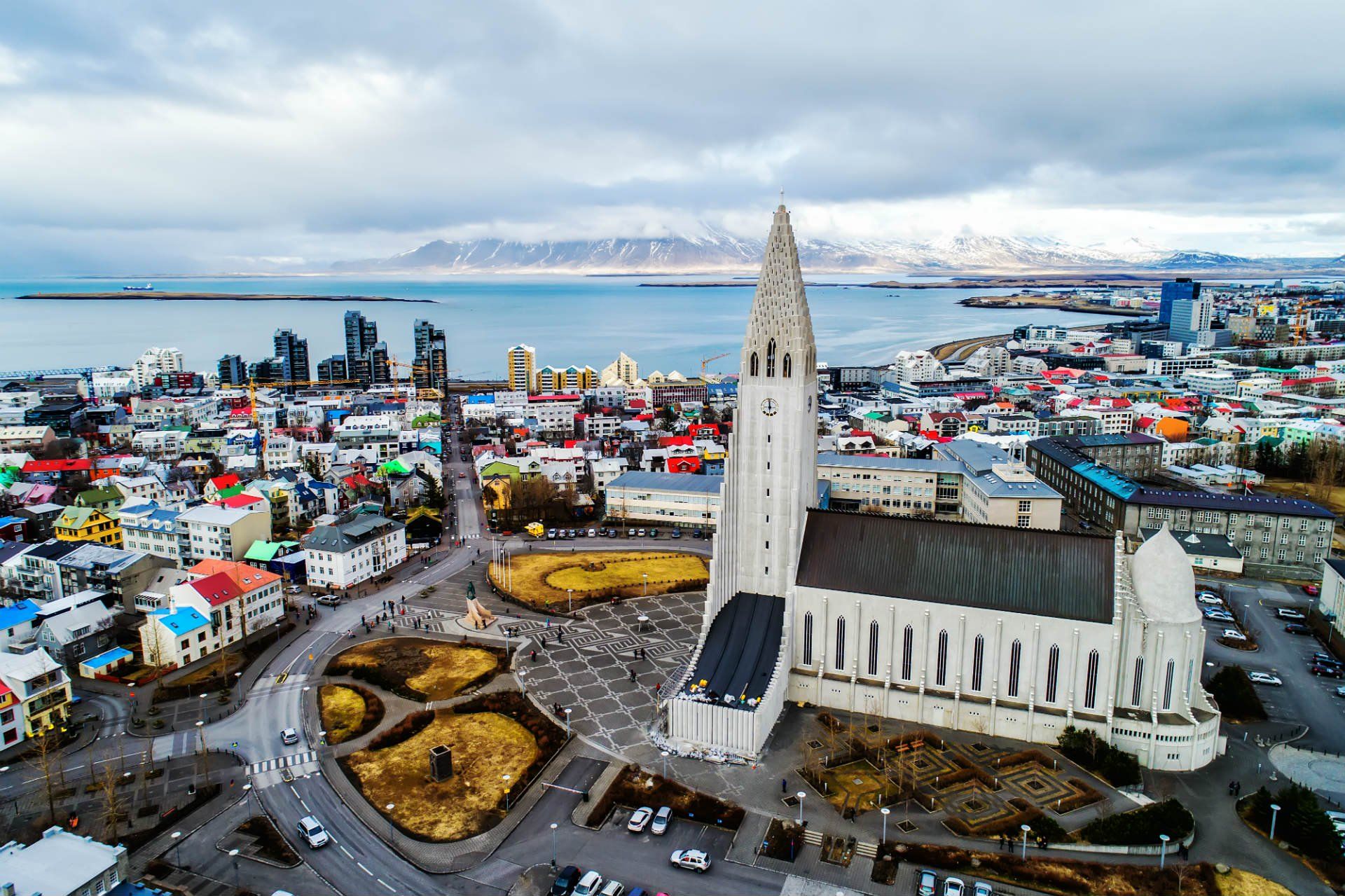
Hallgrimskirkja Cathedral towers over Reykjavik, Iceland @ Shutterstock
Top Iceland Travel Mistakes (And How to Dodge Them)
Even seasoned explorers still slip up in Iceland. Here’s how to sidestep common pitfalls:
- Road reality checks: That Google Maps estimate? Add 50% buffer time. Between sudden storms, photo stops, and gravel roads, journeys always take longer than expected.
- The itinerary trap: Trying to cram in every waterfall and hot spring? Pick 2-3 highlights per day max. Quality over quantity lets you actually experience Iceland’s magic.
- Weather amnesia: Sunscreen and swimsuits at breakfast? By lunch you’ll need gloves and a rain shell. Dress in layers and always pack waterproof outerwear.
Trust us – learning these lessons the easy way means more hot spring time and less windshield time!
Your Burning Iceland Questions Answered
Planning an Iceland adventure sparks plenty of questions. We’ve tackled the most frequent ones to help you voyage confidently.
Do Americans/Europeans need visas for Iceland?
Great news for most travelers! If you’re visiting from the US, Canada, or EU countries, you can stay visa-free for up to 90 days in this Schengen Zone nation. Just ensure your passport has 6+ months validity. Though not mandatory, we strongly recommend travel insurance – Iceland’s dramatic landscapes come with equally dramatic medical bills if accidents happen.
When and where can I spot puffins?
These clownish seabirds steal hearts between May-August when they nest along Iceland’s coastlines. For your best shot:
- Westman Islands – world’s largest puffin colony
- Látrabjarg cliffs – Europe’s westernmost point
- Dyrhólaey’s sea arches near Vík
Pro tip: Boat tours get you eye-level with these charismatic birds!

Strokkur geyser erupts every 6-10 minutes in Iceland’s Golden Circle
What’s the deal with money in Iceland?
Icelanders love plastic! The local currency is króna (ISK), but cards work everywhere from Reykjavik boutiques to remote gas stations. Skip exchanging piles of cash – just carry enough for:
- Rural restroom fees (yes, some charge $1-2)
- Farm stand purchases
- Tipping tour guides (optional but appreciated)
Before traveling: Set travel notices with your bank and get a no-foreign-fee card. You’ll thank us later!
Is Iceland kid-friendly?
With its safety, nature playgrounds, and Viking lore? Absolutely! Families adore:
- Splash-friendly geothermal pools
- Waterfall rainbows at every turn
- Easy wildlife spotting (sheep, horses, puffins!)
Pack all-weather gear (think waterproof overalls) and embrace early dinners – Icelandic summers have endless daylight!
Northern Lights hunting secrets
Chasing auroras? The prime window is November-February. Boost your odds with these local tricks:
- Track aurora forecasts on Vedur.is
- Head away from city lights – Thingvellir National Park works wonders
- Book flexible tours that chase clear skies
Remember: This celestial dance requires patience. Warm layers + thermos of cocoa = happy hunting!
Must-try Icelandic foods
Ditch the fermented shark horror stories – modern Icelandic cuisine shines! Don’t miss:
- Lamb: Grass-fed and bursting with flavor
- Skyr: Thick probiotic yogurt – try it with berries
- Hot dogs: “Ein með öllu” gets you the works at Bæjarins Beztu
- Fresh seafood: Lobster soup in Stykkishólmur is life-changing
To tip or not to tip?
Breathe easy – Iceland’s no-tipping culture makes budgeting simple. Service charges are baked into prices at:
- Restaurants
- Taxis
- Hotels
That said, rounding up bills or leaving 5-10% for exceptional guides always brings smiles. It’s the Viking way!


🌟 The Travaloca Travel Editors Community is a dynamic collective of individuals united by their passion for travel and their dedication to high-quality content creation. This community serves as the driving force behind Travaloca's informative and engaging travel resources. ✨ Core Identity: This group consists primarily of passionate travel enthusiasts who have turned their love for exploration into a commitment to writing and content curation. Members are recognized for their: Extensive Travel Experience: Possessing valuable firsthand knowledge from their journeys worldwide. Aptitude for Writing and Editing: Demonstrating a keen interest and skill in crafting, reviewing, and perfecting travel narratives, guides, tips, and reviews. Dedication to Storytelling: Transforming personal experiences and destination knowledge into accessible, inspiring, and reliable information for a global audience. 📝 Community Focus: The community’s primary role is to contribute, edit, and maintain the diverse range of content on Travaloca's platform. They ensure the information provided is accurate, engaging, and reflective of current travel trends. In essence, the Travaloca Travel Editors Community is where travel passion meets editorial excellence, enriching the user experience and solidifying Travaloca’s standing as a trusted travel resource.


