
Madagascar isn’t just another destination—it’s a living mosaic of rare lemurs, baobab forests, and beaches untouched by mass tourism. As the world’s fourth-largest island, it promises adventures most travelers only dream of. But let’s be real: crafting your Malagasy escape requires thoughtful planning. If you’ve been wondering how to plan a trip to Madagascar without losing your sanity, relax—you’ve found your roadmap.
How to Plan Your Dream Trip to Madagascar
Preparing for this island paradise isn’t like booking a weekend in Paris. Madagascar’s rugged beauty comes with winding roads, seasonal downpours, and limited tourist infrastructure—but trust us, every challenge rewards you tenfold. Want to watch indri lemurs leap through misty rainforests or snorkel translucent waters teeming with sea turtles? The secret lies in spreading your planning over time.
Treat your preparation like a Malagasy spice blend: mix early research with gradual bookings, sprinkle in local insights, and let it simmer. Inspired by my own trial-and-error journeys, I’ve broken the process into bite-sized steps you can tackle over several months. Whether you’re mapping routes between national parks or budgeting for pirogue rides, this guide turns overwhelm into excitement.

Masoala National Park: Where rainforests spill onto deserted beaches © Shutterstock
Step 1: Sketch Your Adventure (5-7 Months Before Departure)
Timing tip: Start even earlier (7+ months) if traveling during June-September high season
Madagascar unfolds differently in every season—your first decision shapes everything. Picture this: dry-season hikes through Isalo’s canyon lands versus cyclone-season jungle treks where rain slicks every leaf. Let’s find your ideal window.
Cracking Madagascar’s Seasonal Code
Prime time (June-September): Cooler temperatures (60-75°F), dry trails, and peak lemur activity make this most travelers’ favorite. Book early—lodges fill faster than a fossa snatches a chicken!
Shoulder seasons (April-May & October-November): My sweet-spot recommendation. You’ll dodge crowds while still enjoying lemur babies in Andasibe and migrating humpback whales off Île Sainte-Marie.
Navigating Rainy Season Realities (November-April)
While downpours drench the east coast and northern regions November through April, the south stays surprisingly arid. Cyclones occasionally batter the northeast January-March—flexible travelers willing to reroute can score lush landscapes and lodges at half-price.
Heat Check: When Madagascar Turns Up the Temperature
Coastal zones like Nosy Be sizzle at 95°F (35°C) from November-December. Retreat to Antananarivo’s elevated highlands where 77°F (25°C) breezes prevail year-round. Pro tip: coastal mornings and inland afternoons balance comfort with adventure.

Choose your transport style: domestic flights save time, 4WDs unlock remote parks, and boats access secret islands © Shutterstock
Budget Breakdown: What Madagascar Really Costs
Madagascar’s magic isn’t reserved for luxury travelers—here’s how your daily spend translates to experiences:
- Backpacker ($25-50/day): Think zebu steak at roadside hotely joints, bush taxi adventures, and basic bungalows. Best for self-sufficient explorers prioritizing wildlife over WiFi.
- Comfort Seeker ($50-150/day): Your sweet spot for private drivers, guided night walks in Ranomafana, and beach lodges with en-suite bathrooms. Most international travelers land here.
- Premium Explorer ($150+/day): Private helicopter transfers to Tsingy? Luxury safari tents overlooking Avenue of the Baobabs? If your budget allows, Madagascar delivers unforgettable exclusivity.
Money hack: Pay park fees in Ariary—foreigner rates in dollars cost 15% more! Always carry small bills; €50 notes get rejected far from banks.
How long should your Madagascar adventure last?
Planning the perfect Madagascar getaway? Consider dedicating at least two weeks to truly experience this extraordinary island. Why so long? Madagascar spans nearly 230,000 square miles – comparable to France – with transportation challenges that make distances deceptive. Potholed roads and limited infrastructure mean a 100-mile journey can devour an entire day. Focus on quality over quantity: select 2-3 regions to explore thoroughly rather than racing across the island.
Island hopping: Combining Madagascar with other destinations
While Madagascar shines as a standalone destination, many travelers enhance their experience with neighboring gems. Picture unwinding on Seychelles’ powder-soft beaches after trekking through Malagasy rainforests, or comparing Réunion’s volcanic landscapes with Madagascar’s stone forests. These island pairings work beautifully.
For those considering mainland Africa extensions, be prepared for complex logistics. Traveling between Madagascar and destinations like Kenya or South Africa typically requires separate flights and visa arrangements. Our golden rule? Prioritize Madagascar first – you’ll need every moment to appreciate its wonders without rushing.

Craft Your Ultimate Madagascar Bucket List
Begin your travel planning 4-6 months ahead with these pro tips. Start by dreaming big – imagine encountering lemurs in misty rainforests, swimming in crystal-clear island waters, and witnessing landscapes that resemble another planet. Use digital mapping tools to visualize locations and travel times, and collaborate with travel companions through shared wishlists.

Madagascar’s Unmissable Natural Wonders
Ninety percent of Madagascar’s wildlife exists nowhere else on Earth. These protected areas showcase nature at its most extraordinary:

Wildlife Encounters You’ll Never Forget
- Andasibe-Mantadia National Park: Just three hours from Antananarivo, this misty rainforest lets you experience nature’s alarm clock – the haunting dawn chorus of Indri lemurs. Visit March-November for optimal conditions. Don’t miss the evening walks to spot nocturnal creatures.
- Ranomafana National Park: Immerse yourself in cloud forests teeming with bamboo lemurs and over 100 bird species. The cooler months (April-November) offer ideal hiking conditions along trails ranging from gentle walks to challenging full-day treks.
- Isalo National Park: Discover an unexpected desert landscape with natural swimming pools and palm-lined canyons. Time your visit between May and October to combine comfortable temperatures with stunning golden hour photography opportunities.
Madagascar’s Wild Heart: Forests, Coasts & Natural Wonders
Imagine an island where 90% of wildlife exists nowhere else on Earth. Madagascar isn’t just a destination—it’s a living museum of evolution. From misty rainforests teeming with lemurs to coastlines where rainforest meets coral reefs, here’s how to experience nature at its most extraordinary.
Into the Wild: Madagascar’s Legendary Forests
Madagascar’s forests feel like stepping into another world. Whether trekking in mist-shrouded mountains or spotting predators in dry deciduous woodlands, each ecosystem tells a different story.
- Ranomafana National Park: Wander through emerald cloud forests echoing with birdsong. Watch golden bamboo lemurs nibble shoots along trails, or glimpse the elusive Milne-Edwards sifaka at dawn. Visit April-November when paths are driest. Morning treks offer prime wildlife sightings; night walks reveal mouse lemurs glowing in flashlight beams.
- Kirindy Forest Reserve: This is Jurassic Park meets Madagascar. Keep whispers low—fossa, the island’s cat-like predator, hunts here. By day, spot giant jumping rats and vibrant birds. After dark? Grab a flashlight! Night walks reveal wide-eyed sportive lemurs and chameleons sleeping like living jewels on twigs. Dry season (April-November) means smoother road access.
- Tsingy de Bemaraha National Park: Prepare for landscapes so surreal they defy belief. Razor-sharp limestone pinnacles tower over hidden canyons. Traverse swaying rope bridges on the Andamozavaky Circuit for dizzying views, or opt for the shorter Petit Tsingy trail. Dry season (April-November) is essential—monsoon rains make access impossible.
- Masoala National Park: Where jungle tumbles into the sea. Trek through primary rainforest bursting with red-ruffed lemurs, then snorkel coral reefs straight from a postcard. Best visited July-October for whale sightings and drier trails. Hike the Tampolo-Ambodiforaha route for the ultimate rainforest-to-beach adventure.

Madagascar’s chameleons—masters of disguise in a land of wild wonders
Coastal Dreams: Madagascar’s Best Beaches & Islands
With 3,000 miles of coastline, Madagascar’s shores offer everything from pirate-history hideaways to turquoise snorkeling havens. Here’s where to find your perfect beach escape.
- Nosy Be Archipelago: The classic island getaway. Snorkel with clownfish in Andilana’s coral gardens, or sail to Nosy Iranja—a sandbar-lashed island where whales breach offshore September-November. Don’t miss Ambatoloaka’s sunset drum circles—pure island magic.
- Île Sainte-Marie (Nosy Boraha): Wander past shipwrecks on quiet eastern beaches, or dive into calm western coves. July-September brings humpback whales so close, you’ll hear their haunting songs from shore. Visit Ambodifotatra’s pirate cemetery—rumor says Captain Kidd’s treasure still lies buried here.
- Tolagnaro (Fort Dauphin) Region: Mountains meet the sea in spectacular fashion. Watch sunrise paint wild waves at Libanona Beach, or kayak through manatee-filled lagoons around Lokaro Peninsula—accessible only by boat for true Robinson Crusoe vibes.
- Morondava Coast: Start with sunset at the Avenue of Baobabs—those ancient sentinels glowing crimson against the dusk. Then unwind on Nosy Kely’s beaches or swim Betania’s gentle tides. May-October evenings often end with locals grilling fresh seafood over beach bonfires.

Nosy Be’s beaches: Where barefoot luxury meets wild beauty
Landscapes Reimagined: Nature’s Greatest Hits
Madagascar’s isolation created landscapes that feel alien yet utterly breathtaking. These four natural wonders belong on every traveler’s bucket list.
- Avenue of the Baobabs: Walk among giants at dawn. These 800-year-old baobabs stand like cathedral pillars in golden light—the ultimate Madagascar photo moment. Visit from Morondava and stay for sunset, when locals crack open fresh coconuts as shadows stretch.
- Tsingy de Bemaraha Stone Forest: Clamber through Earth’s most theatrical geology. Those knife-edge limestone towers hide secret caves and rare Decken’s sifakas leaping between peaks. Brave the suspension bridges—your reward is views stretching to distant waterways.
- Masoala Peninsula: Where the jungle falls into the sea. Dive coral reefs at sunrise, spot leaf-tailed geckos by noon, and listen for aye-ayes tapping trees after dark. Sleep in a clifftop bungalow—sea breezes mingling with lemur calls create nature’s perfect lullaby.
- Southern Spiny Forests: Enter Mother Nature’s sculpture garden near Ifaty. Walking among octopus trees and bloated baobabs feels like exploring another planet. Time your visit April-October for cooler mornings—perfect for spotting radiated tortoises lumbering through the scrub.
Crafting Your Madagascan Adventure
Madagascar rewards those who embrace slow travel. Combine 2-3 regions to experience its diversity—say, Ranomafana’s rainforests + Morondava’s baobabs + Nosy Be’s beaches. Local guides unlock hidden wildlife sightings, while community-run lodges let tourism directly support conservation. One rule? Pack curiosity—every trail promises evolutionary marvels unseen anywhere else on the planet.

Avenue of Baobabs, Madagascar © Shutterstock
Madagascar Adventures: Where Unique Experiences Await
Imagine standing beneath thousand-year-old baobabs as the African sun paints the sky crimson. Picture exploring coral reefs teeming with sea turtles and trekking through forests where lemurs leap between trees. This isn’t fantasy – it’s Madagascar, an adventurer’s paradise that’s remained blissfully untouched by mass tourism.
Unforgettable Outdoor Experiences
With landscapes ranging from limestone pinnacles to pristine coastlines, Madagascar delivers once-in-a-lifetime adventures you won’t find elsewhere.
Whale Watching Wonder (July-September)
Summer brings spectacular marine migrations as humpback whales journey from Antarctic waters to the sheltered bays between Île Sainte-Marie and mainland Madagascar. These gentle giants often breach spectacularly, slap their mighty tails, and nurture calves in full view of awe-struck spectators. Reliable tours operate daily during peak season, with some offering responsible in-water observation at a respectful distance.
Undersea Explorations
Dive into crystal-clear waters around Nosy Be and Salary Bay where rainbow fish dart through vibrant coral gardens. Encounter graceful sea turtles and reef sharks in their natural habitat. For extended adventures, multi-day dive excursions take you to marine protected areas like Mitsio Archipelago’s thriving ecosystems or Nosy Tanikely’s underwater wonderland.
Trekker’s Paradise
Lace up your boots for Andringitra National Park’s legendary treks. Conquer Pic Boby – Madagascar’s second-highest peak – on a multi-day expedition or explore Tsaranoro Valley’s dramatic granite cliffs. Prefer shorter journeys? Ranomafana’s rainforest trails reveal hidden waterfalls and rare wildlife during half-day hikes. Local guides enrich every step with insights about terrain, ecology, and animal spotting.
River Time Travel
Glide down the Tsiribihina River in a traditional pirogue, trading roads for waterways. This three-day journey transports you past secluded villages, dramatic gorges, and wildlife-rich plains. Nights camping under star-studded skies might feature lemur sightings and fireside stories – an authentic glimpse into Madagascar’s soul.

The fossa is Madagascar’s largest predator © Shutterstock
Cultural Treasures: Connecting With Madagascar’s Heart
Beyond breathtaking landscapes, Madagascar’s cultural tapestry – woven from 18 ethnic traditions – offers equally compelling experiences.
Handmade Heritage
In Ambalavao, witness ancient paper-making techniques passed through generations at Antaimoro workshops. The rhythmic process transforms natural fibers into beautiful works of art – your purchase directly supports these artisan communities.
Market Adventures
Dive into bustling market scenes like Antananarivo’s Marché Artisanal La Digue. Whether you’re hunting souvenirs or simply soaking up vibrant energy, you’ll discover handcrafted treasures and connect with local creators.
Rhythms of Life
Keep your ears open for spontaneous musical performances featuring the haunting valiha (bamboo zither) – Madagascar’s national instrument. Folk dances often erupt like tropical storms – exuberant expressions of Malagasy culture accessible to curious travelers.

Wondering how to plan a trip to Madagascar? Don’t miss Tsingy de Bemaraha © Shutterstock
Essential Madagascar Travel Planning
Timeline: Start 4-6 months pre-trip
Smart travelers tackle these essentials early to ensure smooth sailing:
Visa Made Simple
Most visitors need visas, available as 30/60/90-day tourist visas through:
- Online application: Recommended for stress-free approval before departure
- Airport arrival: Requires valid passport (6+ months), accommodation proof, and return flight
For current requirements and extended stays, consult our detailed Madagascar travel advice guide.
Madagascar Travel Essentials: Visas, Health & Adventure Planning Made Simple
Dreaming of lemurs, baobabs, and turquoise waters? Before you lose yourself in Madagascar’s magic, let’s tackle the practical stuff. From visa applications to health prep and navigating this island paradise, here’s your stress-free guide to planning the ultimate Malagasy adventure.
The Madagascar E-Visa: Your Digital Gateway
Most travelers can now breeze through visa formalities with Madagascar’s e-visa system. Here’s the lowdown:
- What you need: A passport valid for 6+ months, digital passport photo, travel itinerary, and €30-35 in cash or card payment
- Special cases: Business travelers should add an invitation letter to their application
- Processing time: Typically 3-5 working days (opt for 24-48-hour express service if pressed)
Apply through Madagascar’s official immigration portal—create an account, upload documents, pay online, and receive your e-visa via email. Pro tip: Print two copies and keep the confirmation handy!
Health First: Vaccines & Malaria Protection
Essential Vaccinations:
- Mandatory: Yellow Fever certificate if arriving from affected areas
- Highly Recommended: Hepatitis A/B, Typhoid, Tetanus, MMR, Polio, and Rabies (especially for rural explorers)
Visit a travel clinic 4-8 weeks pre-trip for personalized advice. Don’t miss our complete Madagascar health guide.
Malaria Defense Strategy:
Coastal and lowland areas pose higher risks, especially November-April. Consult your doctor about:
- Antimalarials (Malarone, Doxycycline, or Mefloquine)
- 30-50% DEET repellent
- Permethrin-treated clothing
- Mosquito nets for rustic stays
Smart travelers pack fever reducers and DIY malaria test kits—better safe than sorry in remote areas!
Crafting Your Perfect Madagascar Itinerary
Transportation Unlocked:
Option 1: Domestic Flights
Air Madagascar and Tsaradia connect major hubs—ideal for saving time but watch for delays.
Option 2: Road Warriors
4WD is non-negotiable for national parks. Consider these combos:
- Fly long distances + drive locally
- Hire a knowledgeable driver (GPS lies!)
- Time-sensitive? Pair flights with shorter drives
Option 3: Coastal Cruising
Embrace slow travel with:
- Motorboat transfers in Nosy Be
- Tranquil Tsiribihina River journeys
- Island-hopping between Nosy Komba and Nosy Tanikely
Pro Planning Tips:
- Book must-do activities 3-5 months ahead
- Allow buffer days for weather disruptions
- Rainy season (Nov-Apr) = frequent road closures
- Western/southern regions often require flights

Andringitra National Park’s dramatic landscapes reward adventurous travelers © Robin Nichols/Shutterstock

Sainte Marie Island’s pristine beaches epitomize Madagascar’s coastal beauty © Shutterstock
Step 5: Secure Your Key Madagascar Bookings
Timing Tip: Reserve 4-5 months out (6+ for peak June-September travel)
This is where your island adventure starts taking shape! Madagascar’s most sought-after lodges near national parks vanish quickly, especially during the dry season rush. Don’t gamble on last-minute availability – secure flights to Antananarivo first, then prioritize accommodations in wildlife hotspots. Savvy travelers often bundle park transfers with guided tours to simplify logistics and stretch their budget further.
Cracking the Code to Madagascar Flights
Nearly all international visitors land at Antananarivo (TNR). Since direct routes are rare, you’ll typically connect through major hubs. European travelers often route through Paris or Istanbul, while African connections frequently use Nairobi or Addis Ababa. Top carriers include:
- Air France from Paris
- Turkish Airlines via Istanbul
- Kenya Airways through Nairobi
- Ethiopian Airlines via Addis Ababa
Middle Eastern travelers should explore Qatar Airways or Emirates options with stopovers. Pro tip: Check schedules early as many routes operate just 2-3 times weekly. Our detailed Madagascar flight guide reveals more booking secrets.

Avenue of Baobabs at dusk near Morondava © Pav-Pro Photography Ltd/Shutterstock
Finding Your Perfect Madagascar Base
Madagascar’s geography splits neatly into two distinct experiences. The lush northern circuit delivers rainforest treks and Nosy Be island escapes, while the southern route stuns with baobab alleys and desert landscapes. Trying both? Budget 3+ weeks to avoid feeling rushed. Our accommodation guide digs deeper into regional gems.
Antananarivo Neighborhood Guide
Madagascar’s layered capital rewards explorers who choose their base wisely. Most visitors allocate 1-2 nights pre-adventure. Top districts include:
- Haute-Ville (Upper Town): Colonial charm meets hilltop breezes. Nestle near the Queen’s Palace but pack good walking shoes – those cobbled inclines test your calf muscles!
- Lower Town: All about convenience. Taxi stands and markets sit steps from mid-range hotels, though expect more bustle than beauty here.
- Mid-Hill Zones: Sweet spots blending residential calm with central access. Ideal for travelers seeking local immersion without the Haute-Ville climb.
- Airport Corridor: Functional not fabulous. Choose this only for late arrivals or early departures when time matters most.
National Park Lodge Pro Tips
July-September visitors must book park-adjacent lodges 4-6 months ahead. Why pay premium prices? Prime positioning means:
- Sunrise wildlife access (lemurs love early hours!)
- Reduced transfer times on rough roads
- Exclusive evening forest soundscapes
While Andasibe National Park makes an easy day trip from Tana, remote jewels like Masoala require boat transfers and flexible expectations – think generator-powered evenings and digital detoxes. The splurge often proves worth it when you’re first on the trail!

Coquerel’s Sifaka lemur at Andasibe-Mantadia National Park © worldclassphoto/Shutterstock
Step 6: Craft Your Madagascar Adventure – When to Book & Why It Matters
Timing is everything: Start planning activities 3-4 months before your trip
This is where your Madagascar journey comes alive! But before you get lost in visions of lemurs and baobabs, let’s get real: spontaneity here needs a plan. Distances are vast, roads can be slow, and weather likes to call the shots. Build breathing room into your itinerary—you’ll thank us later.
The Insider’s Guide to Madagascar’s National Parks
Rule #1: You need a certified guide. No exceptions. Madagascar National Parks (MNP) trains these experts to navigate the terrain and decode its wild secrets—from the tiniest leaf-tailed gecko to towering baobabs. At smaller parks, you might snag a guide upon arrival. But for hotspots like Andasibe-Mantadia (hello, indri lemurs!) or Ranomafana’s cloud forests, book ahead, especially July-September.
Budget Tip: Park fees run 45,000–65,000 Ariary ($10–15 USD) daily—cash only. This directly funds conservation and local communities. Some parks like Tsingy de Bemaraha or Isalo deserve 2+ days. Trust us, you’ll want extra time when gaping at limestone cathedrals or canyon oases.
Choosing Your Park Pass: Savvy Traveler Edition
Pick your pass like a pro:
- Single-entry: Perfect for a one-park wonder
- Multi-entry: Pays off if you’re hitting 3+ parks within a month
- Passport to the Parks: Your golden ticket to all MNP sites
Photographers take note: Standard passes cover personal snaps. For drones or commercial filming, apply weeks ahead via MNP’s Antananarivo office.
Why a Private Guide Might Be Your Best Investment
Park guides are great, but private guides are next-level. For $30-60 USD/day, these wildlife whisperers know where panther chameleons hide or when fossa (Madagascar’s elusive predator) prowl. In dense forests like Masoala or Kirindy, their expertise is priceless. Pro tip: Book early—top guides vanish faster than a mouse lemur at dawn.

Madagascar Spiny Forest, Anosy. Deciduous succulent trees with their leaves sprouting directly from their trunks © Danita Delimont/Shutterstock
Don’t Miss Out: Activities Worth Booking Early
Madagascar isn’t built for last-minute planning. Lock down these experiences before they’re gone:
Must-Book (3-6 Months Ahead):
- Humpback whale watching in Sainte Marie (July-Oct peak)
- Masoala Peninsula treks or Tsingy de Bemaraha expeditions
- River cruises down the Tsiribihina
- Multi-day treks in Andringitra or Makay Massif
Nice-to-Do (1-2 Months Ahead):
- Night walks in Kirindy Forest
- Cultural homestays with local artisans
- Internal flights to remote airstrips
Antananarivo Unlocked: More Than Just a Layover
Ditch the transit mindset! Madagascar’s capital blends Malagasy soul with French colonial charm.
Historical Gems
Royal Hill of Ambohimanga: Feel the weight of Merina kingdom history at this UNESCO site—the royal baths and sacrificial stones whisper tales of the past. The panoramic views? Divine.
Rova Palace Complex: Rise above the city buzz to explore reconstructed palaces and royal tombs. Sunset transforms the stonework into a honey-gold spectacle.
Markets That Spark Joy
Analakely Market: Dive into Tana’s pulse—vendors hawk spices, fruits, and zebu horns amid joyful chaos.
Artisan Treasures: Find handwoven raphia baskets near Lac Anosy or elevate your souvenir game at Lisy Art Gallery. Don’t leave without Madagascar chocolate from La Chocolaterie Robert—their vanilla-infused bars are legendary.
Escape the City
Lemur Park: Introductory lemur encounters just 22km from town
Ambatolampy: Watch aluminum artisans cast pots using techniques unchanged for generations
Final tip: Let Madagascar surprise you. Beyond these bookings, leave space for roadside fruit stands, impromptu village dances, and guides who become friends. That’s where the real magic hides.
Nature enthusiasts seeking authentic Madagascar experiences shouldn’t miss the Anjozorobe Forest Corridor. Just a few hours from the capital, this tranquil rainforest sanctuary offers serene trails where you might spot the iconic indri lemur – the largest living lemur species with its unforgettable banshee-like call – along with diverse birdlife and lush vegetation.
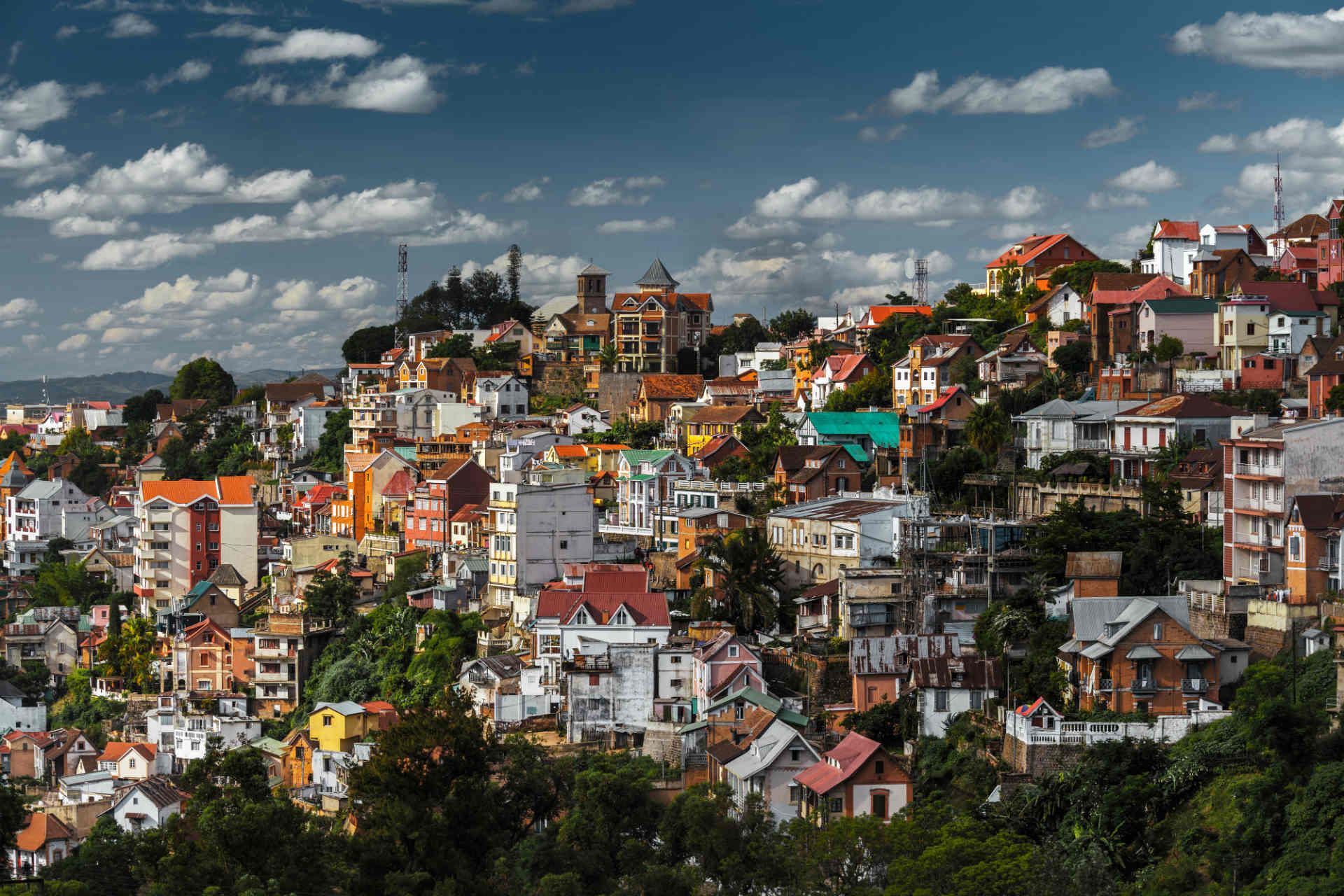
Planning a Madagascar adventure? Start your journey in vibrant Antananarivo © Shutterstock
Savor Madagascar’s Unique Culinary Journey
Madagascar’s cuisine tells the story of its diverse cultural influences through every flavorful bite. Meals typically center around rice accompanied by laoka – vibrant side dishes featuring locally-sourced meats, seafood, or vegetables. The island’s spice bounty, including world-renowned vanilla, cloves, and ginger, adds depth to both savory creations and sweet treats.
For authentic culinary immersion, visit bustling markets like Analakely Market in Antananarivo or coastal fish markets in Toamasina. These vibrant hubs showcase Madagascar’s freshest ingredients and everyday food culture.
Don’t miss these signature Malagasy experiences for your taste buds:
- Romazava at Hotel Colbert (Antananarivo): Madagascar’s beloved national dish – a comforting beef and pork stew simmered with indigenous greens. Its earthy, aromatic broth will warm you from within.
- Ravitoto at Chez Mariette (Toamasina): Creamy cassava leaves cooked with tender pork and coconut milk creates a texture reminiscent of creamed spinach but with richer, tropical undertones.
- Koba from Antsirabe street vendors: Portable banana-leaf packets reveal steamed layers of peanut-studded rice flour and banana – a sweet, dense snack perfect for adventures.
- Mofo Gasy morning treats (Fianarantsoa): Watch vendors pour batter into special molds creating these delightful rice flour pancakes. Best enjoyed warm with local coffee as the city wakes up.

Discover Madagascar’s incredible biodiversity in Andasibe National Park © Shutterstock
Essential Final Preparations for Madagascar
Timeline: Complete these steps 1-2 months before departure
Dotting the i’s and crossing the t’s ensures smoother travels through this incredible island nation. Confirm all bookings, prepare digital and physical document copies, and assemble necessary gear for diverse environments.
Is Travel Insurance Necessary for Madagascar?
Absolutely essential. Comprehensive coverage is your safety net in remote regions where quality medical facilities are scarce. Prioritize policies offering:
- Minimum $100,000 medical evacuation coverage
- Trip interruption protection (crucial during cyclone season December-March)
- Equipment coverage for cameras/drones vulnerable to bumpy transport
- Theft protection for valuable items
Staying Connected in Madagascar’s Remote Landscapes
Internet access becomes patchy once you leave urban centers. Smart strategies include:
- Local SIM cards: Purchase from Telma, Orange, or Airtel at Antananarivo Airport (ensure phone is unlocked)
- Offline preparations: Download maps, translation apps, and important documents beforehand
- Communication plan: Inform loved ones about potential connectivity gaps in national parks
Even upscale hotels often provide limited Wi-Fi – embrace this digital detox opportunity while exploring nature’s wonders.

Step into history at Ambohimanga Royal Hill, a UNESCO World Heritage site © Shutterstock
Managing Money in Madagascar
The Malagasy Ariary (MGA) is the local currency, with cash being king outside major cities. Helpful financial tips:
- Exchange initial funds at Antananarivo Airport or city banks
- Retain currency exchange receipts for departure requirements
- Withdraw cash in cities before visiting remote areas (ATMs become scarce)
- Carry small denominations for markets and rural transactions
While credit cards gain acceptance in upscale establishments, always have local currency handy for authentic experiences – from village handicraft purchases to roadside fruit stands.
Madagascar Travel Essentials: Your Ultimate Planning Guide
Madagascar’s Cash Culture: What You Need to Know
Is Madagascar a cash-only destination?
Plan on cash being king throughout most of Madagascar. While a handful of upscale hotels might accept cards (often with transaction fees), you’ll find cash is essential for paying guides, drivers, lodge stays, and local vendors. ATMs in cities like Antananarivo can be unreliable for international cards and frequently run out of cash. Your safest bet? Bring pristine US dollars or euros—think crisp bills printed after 2006 with no marks or tears. A smart mix of small and large denominations gives you flexibility.
Should you bring euros to Madagascar?
Absolutely! Euros can be a traveler’s best friend in Madagascar. Many tourist hotels and tour operators in popular areas accept euros directly—sometimes at better exchange rates than local Ariary. While you’ll still need Malagasy currency for street markets and rural areas, euros provide a crucial backup when ATMs fail. Just remember: banks and businesses often reject damaged foreign bills, so inspect your euros carefully before packing them.
Navigating Madagascar’s ATM Landscape
ATM access follows a simple rule: the more remote you go, the scarcer machines become. You’ll find reliable ATMs (mostly from BNI Madagascar and Bank of Africa) in major cities including Antananarivo, Nosy Be, and Toamasina. Beyond these hubs? Prepare for limited options. Even functional ATMs often impose low withdrawal limits (around €200 equivalent), and power outages can knock them offline for days. Savvy travelers withdraw enough cash in cities before venturing to national parks or rural villages—and always store it securely.
The Madagascar Packing List: Adventure-Ready Essentials
Madagascar demands practical packing for its diverse climates. Start with these adventure essentials:
- Lighting: A headlamp is non-negotiable for power outages and night walks
- Clothing: Quick-dry layers in earth tones (perfect for wildlife spotting), long sleeves/pants for forest protection, and a warm layer for cooler highland evenings
- Footwear: Sturdy hiking boots for rugged terrain plus waterproof sandals
- Weather Protection: Lightweight rain jacket, wide-brimmed hat, and high-SPF sunscreen
- Bug Defense: DEET 30%+ repellent, permethrin-treated clothing, and a portable mosquito net
- Health Kit: Prescription meds plus travel essentials: malaria prophylaxis, antibiotics, anti-diarrheals, and rehydration salts

Ground-Roller © Shutterstock
Madagascar Family Adventures: Making It Work With Kids
Madagascar transforms into a family classroom for nature-loving kids aged 7+. Younger children may struggle with long drives and limited amenities. Prioritize health prep: update typhoid/hepatitis A vaccines, pack child-sized medications, and maintain rigorous mosquito protection. These family-friendly spots deliver magic without excessive travel time:
- Vakona Forest Lodge: Hand-feed lemurs on their private island sanctuary
- Andasibe National Park: Night walks spotting mouse lemurs from a comfy base at Andasibe Hotel
- Nosy Be: Kid-friendly beaches with snorkeling and relaxed resorts
Smart itineraries balance adventure with downtime. Combine 2-3 days exploring Andasibe-Mantadia’s rainforests with beach relaxation—perfect for maintaining young explorers’ energy levels.
Solo Travel in Madagascar: Tips for Independent Explorers
Solo travelers discover Madagascar’s rich rewards with thoughtful preparation. Safety basics apply: avoid night travel, conceal valuables, and share itineraries with someone back home. First-timers benefit enormously from small group tours—companies like Intrepid Travel or G Adventures handle logistics while connecting you with like-minded explorers.
Want independence with social possibilities? These hubs offer the best of both worlds:
- Antananarivo: Join group day trips to royal palaces and craft markets
- Île Sainte-Marie: Connect with fellow travelers at guesthouse dinners
- Diego Suarez: Share 4WD excursions to Tsingy Rouge’s dramatic landscapes
Start with structured activities to build confidence before venturing solo into Madagascar’s wilder corners.

Tsingy de Bemaraha, Madagascar © Shutterstock
Luxury Madagascar Redefined
Forget marble lobbies—Madagascar’s luxury lies in exclusive access and extraordinary settings:
- Private Wilderness: Anjajavy Reserve’s secluded beaches with lemurs as neighbors
- Helicopter Adventures: Time + Tide Miavana’s swift transfers between dune forests and dive sites
- Designer Eco-Lodges: Mantasaly Resort’s chic villas overlooking deserted islands
High-end experiences focus on meaningful connections: breakfasts in ancient baobab groves, private wildlife walks with researchers, or community visits rarely offered to larger groups. Most luxury itineraries showcase three faces of Madagascar: rainforest wonders (Andasibe), desert mysteries (Ifaty’s spiny forest), and island serenity (Nosy Ankao).
Stress-Free Madagascar with Travaloca
Overwhelmed by logistics? Our Madagascar experts craft seamless adventures tailored to your travel style. Whether you’re seeking family-friendly wildlife encounters, solo explorer routes, or ultra-luxurious escapes, we handle it all with 24/7 local support. Your journey begins with a conversation—we’ll transform your Madagascar dreams into perfectly planned reality.


🌟 The Travaloca Travel Editors Community is a dynamic collective of individuals united by their passion for travel and their dedication to high-quality content creation. This community serves as the driving force behind Travaloca's informative and engaging travel resources. ✨ Core Identity: This group consists primarily of passionate travel enthusiasts who have turned their love for exploration into a commitment to writing and content curation. Members are recognized for their: Extensive Travel Experience: Possessing valuable firsthand knowledge from their journeys worldwide. Aptitude for Writing and Editing: Demonstrating a keen interest and skill in crafting, reviewing, and perfecting travel narratives, guides, tips, and reviews. Dedication to Storytelling: Transforming personal experiences and destination knowledge into accessible, inspiring, and reliable information for a global audience. 📝 Community Focus: The community’s primary role is to contribute, edit, and maintain the diverse range of content on Travaloca's platform. They ensure the information provided is accurate, engaging, and reflective of current travel trends. In essence, the Travaloca Travel Editors Community is where travel passion meets editorial excellence, enriching the user experience and solidifying Travaloca’s standing as a trusted travel resource.


