
Namibia doesn’t just fill your camera – it reshapes your understanding of space itself. Imagine skies that stretch forever, deserts whispering ancient secrets, and horizons that constantly redefine “empty.” This is a country where the journey between destinations becomes as magical as the destinations themselves, where gravel roads unfold like ribbons through landscapes so vast they recalibrate your soul.
With epic attractions scattered hundreds of miles apart—from Sossusvlei’s fiery dunes to Etosha’s wildlife-rich pans—smart planning transforms a good trip into an extraordinary one. While Namibia rewards adventurous spirits, it also respects preparation. Whether you’ve got seven days or fourteen, our curated itineraries reveal how to experience Africa’s ultimate wilderness with intention.
Your Namibia Adventure: Itineraries Decoded
Choose your own Namibian odyssey with these crowd-tested routes. Self-drivers love the freedom, while guided tours unlock hidden gems through local knowledge.
- 7-Day Essential Namibia: Perfect for first-timers craving diversity. Race up ochre dunes in Sossusvlei, breathe salty air along the Skeleton Coast, and track rhinos in Etosha National Park. Compact yet complete.
- 10-Day Desert Explorer: Dive deeper into Namibia’s soul. Marvel at desert elephants in Damaraland, decipher 2,000-year-old rock art, and feel the eerie magic of shipwreck-strewn shores. Bonus: Extra stargazing nights.
- 14-Day Epic Expedition: For true wanderers. Connect with Himba communities in Kaokoland, cruise Chobe River wetlands, and discover why Namibia’s contrasts create lifelong memories. Slow travel at its finest.
Want local expertise shaping your journey? Our Namibia travel wizards craft seamless adventures from airport to desert camp.

Sossusvlei’s timeless beauty © elleon/Shutterstock
One Week in Namibia: Dunes, Coast & Wildlife
Got just seven days? This whirlwind route packs Namibia’s greatest hits into an unforgettable week. Pro tip: Fly between regions to maximize exploration time.
Day 1: Enter the Dune Sea
Travel time: 75 minutes by scenic air transfer
As your bush plane descends over rust-hued dunes, you’ll understand why Sossusvlei mesmerizes photographers and adventurers alike. Settle into your desert lodge, then venture out as afternoon light gilds the sands. Watch oryx silhouette against dunescapes, their horns like desert calligraphy. After dark? Prepare for a celestial spectacle—Namibian night skies dazzle with undiluted starlight.
Don’t forget: That puffer jacket! Desert nights can plunge from 86°F (30°C) to 50°F (10°C) faster than you’d believe.

Brandberg’s ancient rock art © R.M.Nunes/Shutterstock
Day 2: Conquer the World’s Tallest Dunes
Set your alarm early—dawn transforms Sossusvlei into a golden dreamscape. Traverse the UNESCO-listed Namib Sand Sea to Deadvlei’s surreal clay pan, where 900-year-old trees stand sentinel. Channel your inner explorer with a Big Daddy Dune ascent (yes, 1,050ft/325m sounds daunting—but conquering it delivers bragging rights for life!). Cool off with an afternoon wander through Sesriem Canyon’s sculpted sandstone corridors before sundowners salute another perfect day.
Day 3: Desert to Drama – Your Damaraland Adventure Begins
Prepare for landscapes that redefine “rugged beauty” as you board a small aircraft (think Cessna Caravan) for your two-hour journey to Damaraland. Watch from your window as Namibia transforms below – golden dunes give way to rocky moonscapes and sprawling gravel plains that stretch like a golden quilt to the horizon.
Pro Travel Tip: Airport transfers here aren’t like city hailing! Arrange your lodge pickup or private guide in advance – this remote wonderland has no public transport. After landing near Twyfelfontein, you’ll immediately sense the shift. Damaraland feels ancient and wild, where every twisted tree tells a survival story. An afternoon guided drive reveals geological wonders and tenacious wildlife like desert elephants. As daylight fades, gather around a crackling fire with the Etendeka Mountains creating jagged silhouettes against a sky exploding with stars.
Don’t Forget: Those binoculars aren’t just for birds! Scan slowly – desert-adapted gemsbok or ostrich could be watching you from the vastness.

Day 4: Close Encounters of the Rhino Kind
This isn’t just a game drive – it’s front-row seats to conservation in action. Join Save the Rhino Trust trackers in the massive Palmwag Concession (think Rhode Island-sized wilderness) as they monitor critically endangered black rhinos. Move silently by 4×4, then perhaps continue on foot, learning to interpret cracked earth and bent twigs like the trackers do. Seeing these prehistoric creatures move freely through their ancestral home? Pure magic.
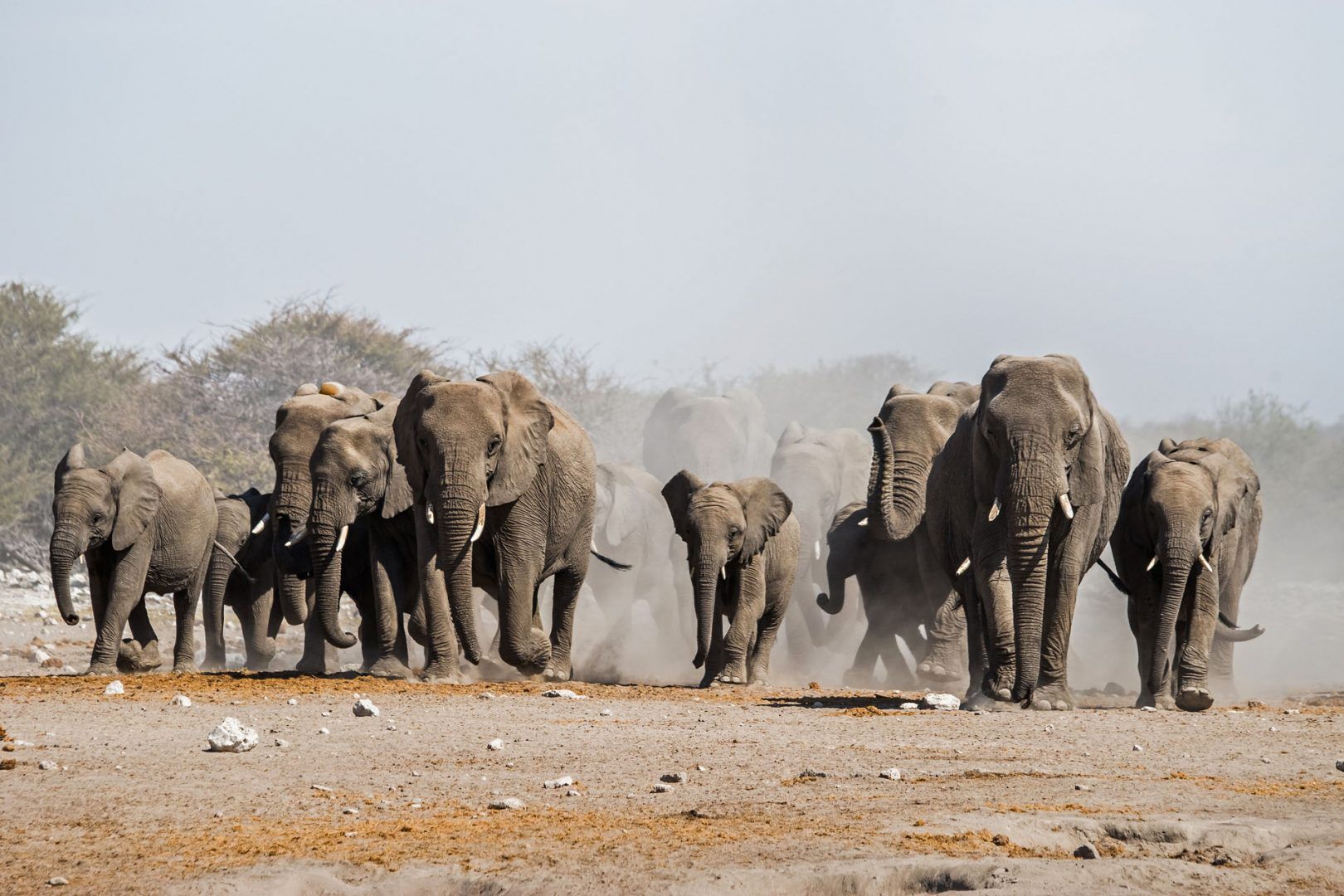
Later, go searching for Africa’s toughest survivors – desert elephants who trek marathon distances between waterholes. With luck, you might spot the elusive Hartmann’s zebra or even tracks of the legendary desert lions. Every rustle in the grass here feels like discovery.
Trackers Tell: Ask about rhino identification tricks – scars from old battles, unique horn shapes, even favored scratching trees become personal ID cards for these majestic creatures.
Day 5: Where Deserts Meet the Deep – The Skeleton Coast Beckons
Rise with the desert sun, soaking in Damaraland’s morning glow before boarding another short flight (90 minutes). Choose wisely: Left-side seats offer prime views as the Kaokoland’s peaks melt into endless dunes that tumble into the Atlantic. Touch down near Shipwreck Lodge or Möwe Bay – welcome to Africa’s most hauntingly beautiful coastline.
Your afternoon reveals the Hoanib River’s secrets – dry to the eye but sustaining desert elephants that dig meters down for hidden springs. Spot springbok dancing across parched riverbeds and watch for giraffes moving like slow-motion ballerinas across this sandy stage. This is the Namibia of BBC documentaries, but it’s real – and you’re living it.
Safari Savvy: That ocean breeze carries destructive salt. Zip cameras away when not shooting – lens corrosion happens faster than you’d think here.

Days 6-7: Shipwrecks & Sand Lions – Skeleton Coast Deep Dive
Venture deeper into this maritime graveyard where the desert drinks from ocean fog. At Mudorib Springs, watch zebras perform delicate dances around precious water. Track rhino spoor along dry riverbeds that elephants have transformed into secret highways. Notice how their wider feet act as natural snowshoes on shifting sand.
Save your final full day for the coast itself. A thrilling 4×4 expedition traces the Hoanib River to its Atlantic mouth. Pass eerie whale bones half-buried in dunes and ghostly shipwrecks swallowed by sand. At Möwe Bay, thousands of Cape fur seals create a cacophony of barks and splashes – bring your nose plugs but cherish the wild spectacle!
Considering a fly-back? The aerial perspective reveals the Skeleton Coast in full drama – endless shoreline where the Namib’s orange sands plunge into frigid blue waters. It’s Earth at its most raw and beautiful.

Your Ultimate 10-Day Namibia Road Trip Adventure
Discover Namibia’s soul-stirring landscapes on a self-drive journey blending iconic destinations with hidden desert magic. Over ten days, you’ll conquer rusty-red dunes, witness wildlife dramas in Etosha, and sleep beneath star-studded skies near ancient rock cathedrals. Just pack your sense of adventure, secure a sturdy 4×4, and get ready to write your own desert tale.
Day 1: Touchdown in Windhoek – Desert Gateway
Your African adventure begins in Windhoek, where German colonial architecture meets vibrant Namibian culture. After collecting your trusty Toyota RAV4 (or similar) at the airport, take a stroll down Independence Avenue. Don’t miss the National Museum – its exhibits create the perfect primer for the natural wonders awaiting you.
Pro Traveler Move: Grab an MTC SIM card at Maerua Mall before leaving town. Trust us, you’ll thank us when navigating remote desert tracks later.
Day 2: Into the Dune Sea – Windhoek to Sossusvlei
Drive Time: 5-6 hours | Route: C26 through Khomas Hochland
Watch Namibia’s landscapes transform as you descend Spreetshoogte Pass into the Namib Desert. Arriving in Sesriem, swap sunset cocktails for something extraordinary – night walks with UV torches reveal glowing scorpions and nocturnal desert dwellers.
Fuel Wisdom: Top up in Windhoek and at Solitaire’s famous pitstop. Gas stations become mythical creatures deeper in the desert.

Day 3: Sossusveli’s Golden Spectacle
Beat the desert heat with a pre-dawn entry to Namib-Naukluft Park. As first light hits Dune 45, the sands blush crimson – worth every gritty step to the summit. But the true showstopper? Deadvlei. Walk the cracked clay pan amongst 900-year-old skeletal trees, feeling like the last human on Earth.
Desert Survival Kit: Pack 3 liters of water per person, closed-toe shoes, and respect for the rapidly intensifying heat.
Day 4: Desert to Coast – Sossusvlei to Swakopmund
Drive Time: 5 hours | Must-Stop: Solitaire’s legendary apple pie
Trade towering dunes for the icy Atlantic breeze at Swakopmund. En route, Walvis Bay’s flamingo-dotted lagoon offers perfect pitstop photography. Arriving in Namibia’s adventure capital, you’ll swap dust for mist – the cold Benguela Current ensures sweater weather year-round.
Taste of Town: Skip tourist traps for fresh jetty fish ‘n chips or German pastries at local bakeries.

Day 5: Dunes Meet Ocean – Swakopmund to Spitzkoppe
Morning Adventure: Guided 4×4 tour to Sandwich Harbour’s dunes-plunging-into-sea spectacle
Drive Time: 2.5 hours | Landmark: Namibia’s “Matterhorn” emerges from the plains
Leave the coast for Spitzkoppe’s granite wonderland. These 120-million-year-old peaks hide San rock art galleries and natural rock pools. Book east-side camping for breathtaking moonrises over Martian landscapes.
Day 6: Ancient Art to Wildlife Heartland – Spitzkoppe to Etosha
Drive Time: 6-7 hours | Cultural Detour: Himba community visit near Outjo
Begin with a guided rock art tour before heading north toward Etosha’s wildlife paradise. Consider a respectful Himba village visit en route to understand Namibia’s living heritage. Arrive at Etosha’s gates ready for tomorrow’s safari adventures.
Day 7: Etosha’s Wild Symphony at Dawn
Wake before the African sun paints the horizon when you spend a full day exploring Etosha National Park. For self-drive adventurers, those magic hours around sunrise offer front-row seats to nature’s theater – predators stretch their legs, giraffes gracefully emerge above the treeline, and zebra herds create living patterns across the savanna. Keep eyes peeled near waterholes where elephant families parade through and rhinos occasionally make rare appearances.
As midday heat intensifies, make your way to Okaukuejo’s legendary watering hole. Here’s where patience becomes your greatest safari skill. Settle in during late afternoon when temperatures dip – the wildlife viewing transforms into nature’s happy hour as animals gather to drink. While you watch nature unfold, remember these pro tips: keep vehicle doors securely locked (curious elephants and clever baboons might investigate!), maintain silence, and let binoculars become your silent companions.
Day 8: From Etosha to Waterberg’s Natural Fortress
Journey Duration: 3 hours via the eastern park exit
Swap Etosha’s golden plains for Waterberg Plateau’s dramatic cliffs – a 650-foot sandstone mesa rising from the Kalahari like nature’s castle. More than just geological wonder, this conservation stronghold shelters endangered species like black rhinos and rare antelope in its unique microclimate. After checking in at your lodge, lace up hiking boots for an afternoon ascent. Well-marked trails lead to panoramic viewpoints where Namibia’s vastness unfolds beneath your feet.
Birders should keep lists handy – the plateau’s varied habitats attract colorful Rüppell’s parrots and numerous winged species. As daylight softens, find a cliffside perch to witness the plains below transition through golden hour hues.

Day 9: Conservation Encounters & Return to Civilization
Travel time: 3.5 hours (174 mi / 280 km)
Begin your final journey day with a guided walk along Waterberg’s base as dawn mist lifts. Trails come alive with baboon troops descending cliffs and small antelope foraging in morning light. If your return to Windhoek allows, detour to the Cheetah Conservation Fund near Otjiwarongo – no ordinary tourist stop, but rather where scientists and farmers collaborate to save Africa’s fastest land animal. Witness their ambassador cheetahs and learn groundbreaking conservation techniques.
As you descend through Namibia’s central highlands toward Windhoek, watch the landscape transform – lush hills replacing arid vistas. Before airport farewells, consider two meaningful stops: Heroes’ Acre memorial overlooking the capital’s hills, and the Namibia Craft Centre in a repurposed brewery where artisans offer authentic wood carvings, woven baskets, and fabrics – perfect ethical souvenirs directly supporting local communities.
14 Days Through Namibia’s Soul
This fortnight-long expedition reveals Namibia’s essence – from Martian landscapes and desert-adapted wildlife to cultural encounters and conservation triumphs. While distances demand planning, the rewards come in desolate beauty untouched by crowds. Embrace early starts for magical dawn moments and leisurely afternoons at wilderness waterholes. Let red dust coat your boots as you discover why Namibia remains Africa’s best-kept secret for adventurous spirits seeking roads less traveled.
Want this adventure tailored to your travel style? Our Namibia-based experts craft personalized journeys blending must-see highlights with hidden gems only locals know.


Your Kalahari Adventure Begins: Day 1 in Namibia
Touch down in Windhoek where the desert air greets you with warm whispers of adventure. After breezing through customs, claim your rugged 4×4 companion—your ticket to Namibia’s wild heart. Most flights arrive by midday, giving you perfect timing for the scenic three-hour glide southeast.
Watch the landscape transform through your windshield: city outskirts melting into golden farmlands before surrendering completely to the Kalahari’s russet sands. Feel that first crunch of red earth beneath your boots at your desert lodge—this soil will travel with you like a souvenir throughout your journey.
Catch the sunset painting the dunes in molten gold before an early night. Desert mornings come swiftly here.
Pro Traveler Tip: Opt for high-clearance vehicles—they’ll handle Namibia’s gravel roads and occasional washboards like champions.
Day 2: Kalahari’s Hidden Secrets Revealed
Awaken to a silence so profound you’ll hear your own heartbeat. Even during peak season, this reserve offers precious solitude. Join a guided morning walk where every grain of sand tells a story. Knowledgeable trackers reveal nature’s ingenious survival tactics—beetles navigating by starlight, hidden burrows holding entire ecosystems.
Afternoon brings wildlife encounters: elegant oryx posing against thorn trees, springbok pronking through scrubland, and giraffes grazing in acacia groves. As shadows lengthen, consider a cultural detour—some lodges arrange visits with San communities preserving ancient traditions of fire-making and tracking. Ensure these experiences directly benefit local residents.
Road Wisdom: Drive slow at golden hour! Steenbok materialize like desert ghosts, and jackals patrol roadside shadows.

Day 3: Journey to “Africa’s Grand Canyon”
Route: Kalahari to Fish River Canyon (4-5 hours)
Hit the C14 at dawn—a ribbon of road connecting two geological wonders. Marvel at Namibia’s vastness as the highway stretches toward the horizon with hypnotic consistency. Fuel up in Keetmanshoop, then make your pilgrimage to the Quiver Tree Forest. These surreal aloe giants stand like nature’s sculptures, their branches once crafted into hunting quivers by San people.
Arrive at Fish River Canyon by afternoon and head straight for Gondwana Canyon Park. Hartmann’s mountain zebra blend with granite landscapes as you wind toward your lodge. Cap the day scanning canyon vistas from your private deck, gin-and-tonic in hand.
Day 4: Fish River Canyon Immersion
Rise to conquer the rim trail at first light—a primordial landscape etched over millennia. The Grand Canyon’s only African rival stretches 100 miles long, plunging 550 meters deep in places. Your morning hike showcases this epic chasm when colors dance across sedimentary layers.
Later, a guided 4×4 tour reveals hidden viewpoints and geological secrets your rental car can’t reach. Learn how the river carved through five rock layers over 300 million years. Reward your canyon exploration with a soak in Ai-Ais’s thermal springs, where hot water relaxes muscles under limitless desert skies.

Day 5: From Canyon Depths to Diamond Ghosts
Route: Fish River Canyon to Kolmanskop (5-6 hours)
Northwest we go along the B4 highway—one of Namibia’s most lonesome yet stunning drives. Flat plains yield to the cryptic Diamond Restricted Zone near Garub. Slow at the waterhole where Namibia’s famous desert-adapted horses congregate—wiry survivors descended from WWI cavalry mounts.
Approach Lüderitz as afternoon fog creeps inland from the Atlantic, swallowing desert features whole. This atmospheric phenomenon breathes life into your final destination: Kolmanskop Ghost Town. Time your arrival for tomorrow’s exploration of its sand-filled rooms—haunting relics of a diamond rush that once made this the richest town per capita on Earth.
Day 6: Ghost Towns & Desert Dreams (Kolmanskop to the Namib)
Journey Time: 4-5 hours | Perfect road trip playlist required!
Morning greets you with whispers of abandoned grandeur at Kolmanskop – Namibia’s iconic ghost town. Step into a time capsule from the 1900s diamond rush, where German miners imported marble bathtubs and built a bowling alley in the desert. Now? Wind whistles through skeletal houses where sand drifts like liquid gold across warped floorboards. Snap otherworldly photos as sunlight filters through collapsed roofs before hitting the road toward the Namib Desert.
Watch your surroundings transform during the drive north. Crimson sands fade into chalky plains as the air grows crisper. Around hour three, the first dunes appear – mere ripples at first, then towering coppery waves cresting on the horizon. Roll down your windows: this is prime oryx-spotting territory. By sunset, you’ll reach your desert lodge, where silence speaks louder than words.

Day 7: Dancing with Dunes in the Ancient Namib
Welcome to Earth’s oldest desert – where the sands have whispered secrets for 55 million years (older than the Amazon rainforest!). At dawn, shadows stretch like liquid across the NamibRand Nature Reserve, a conservation-focused private oasis larger than Singapore. Let your guide reveal the desert’s “little five” – not giants, but intricate traces left by nocturnal geckos, sidewinding snakes, and industrious beetles in the virgin sand.
Skip the crowds and conquer Elim Dune for sunset. This golden ridge offers panoramic views without the grueling climb of larger dunes. Watch camelthorn trees cast long shadows across salt pans as the sinking sun sets the desert ablaze in ochres and ambers. Pro tip: Sip sundowners atop the dune – many lodges pack gourmet picnic baskets for this exact moment.
Day 8: Sossusvlei Sunrise & Coastal Charms
Journey Time: 5-6 hours | From Mars-like dunes to misty coasts
Set your alarm for celestial magic – nothing compares to a Namib Desert sunrise. Arrive early at Sossusvlei to watch morning light ignite Big Daddy, the tallest dune here at 325 meters. Feel the burn in your calves as you climb (even halfway rewards you with views worth the effort!). Below lies Deadvlei – a cracked clay pan dotted with 900-year-old skeletons of camelthorn trees, preserved in time like nature’s modern art installation.
By mid-morning, trade scorching sands for the cooling Atlantic breeze. The Kuiseb Pass delivers air-conditioned relief as you descend through billion-year-old rock canyons where mountain zebras roam. By late afternoon, the coastal fog greets you like an old friend as you roll into Swakopmund – Namibia’s adventure capital where colonial architecture meets ocean freshness.
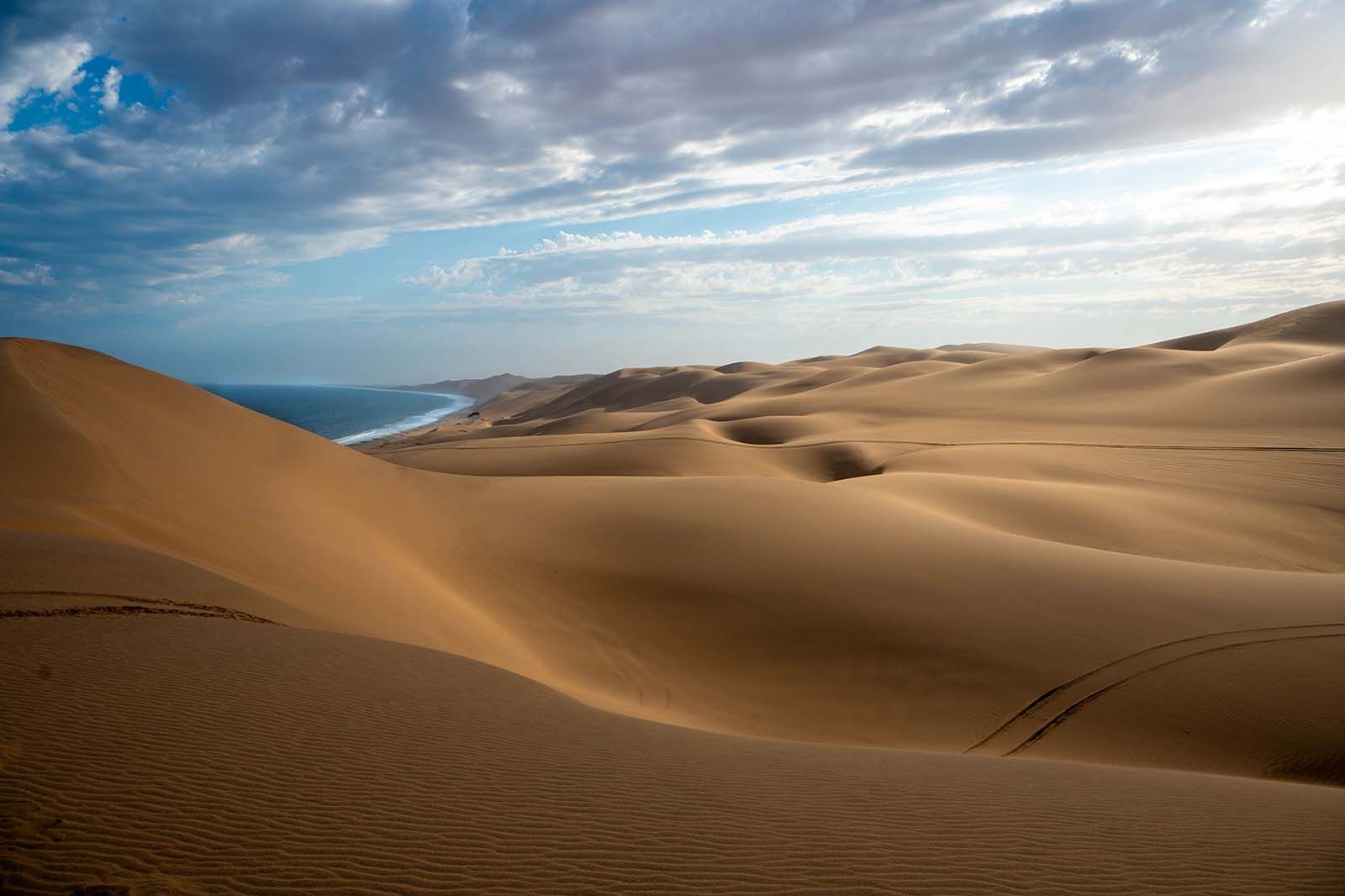
Day 9: Ocean Meets Desert – Walvis Bay & Sandwich Harbour
Port & pancakes in Walvis Bay set the perfect coastal morning. Keep your camera ready as bottlenose dolphins arc alongside your catamaran and cheeky seals photobomb your shots. At the salt pans, thousands of flamingos create living pink brushstrokes across turquoise waters – Instagram gold at its most natural.
The afternoon cranks up the adrenaline with a 4×4 dash to Sandwich Harbour. Here, 100-meter dunes plunge straight into the Atlantic – one of only four places worldwide where this phenomenon occurs. Expert drivers “surf” salty tidal flats between shifting sand walls, pausing at viewpoints where desert and ocean stare each other down without blinking.
Day 10: Damaraland – Where Giants Walk
Journey Time: 5-6 hours | Prehistoric landscapes await
Trade seal barks for desert elephants as you venture north into Damaraland’s raw wilderness. This volcanic wonderland looks freshly plucked from a sci-fi movie set – think burnt umber mountains, petrified forests, and boulder fields stretching to infinity.
Don’t miss Twyfelfontein’s ancient rock art gallery, where 6,000-year-old San Bushman engravings reveal a Stone Age Google Earth. Nearby, the Organ Pipes’ geometric rock columns and Burnt Mountain’s multicolor slopes form nature’s own sculpture garden. Keep binoculars handy: this is prime territory for spotting desert-adapted rhinos and elephants that vanish like mirages into the heat haze.

Day 11: Damaraland – Where Wilderness Whispers
By now, your Namibia road trip has treated you to sweeping desert vistas, towering dunes, and hauntingly beautiful riverbeds. But Damaraland? This raw, untamed landscape takes adventure to another level. Picture jagged mountain ranges piercing endless horizons, valleys where silence speaks louder than words, and roads so remote you’ll forget what traffic looks like.
Kick off your day with a leisurely birding walk. Keep your binoculars ready for flashes of color – Damaraland’s skies host rare feathered residents like the striking Herero chat and the charismatic Monteiro’s hornbill.
Later, embark on a quest for Damaraland’s legendary desert elephants. Unlike their savannah-dwelling cousins, these resilient giants navigate moonscape terrain using ancestral knowledge, digging for groundwater beneath dry riverbeds and resting in the sparse shade of mopane trees. Patience pays off when you finally spot these magnificent survivors.
Round out your afternoon at the Damara Living Museum. This community-run gem offers fascinating insights into ancient survival techniques – from crafting tools to harvesting scarce water sources – giving you newfound appreciation for human resilience in this harsh yet beautiful environment.
Day 12: Damaraland to Etosha – Into the Wild Heart
Journey Time: 4-5 hours
As you cruise along the C39 toward Etosha National Park, watch the landscape transform subtly outside your window. Make a pit stop in Outjo – this charming pitstop offers perfect lunch spots and a well-stocked grocery store for pre-park supplies. Top off your fuel tank here too; stations become scarce beyond this point.
Crossing through Andersson Gate feels like stepping into nature’s theater. Suddenly, wildlife takes center stage: zebras kick up ochre dust clouds, springbok clusters decorate golden grasslands, and giraffes strike statuesque poses against thorn trees.
Your destination? Okaukuejo Camp, home to Africa’s most famous floodlit waterhole. As daylight fades, grab a spot on the viewing wall. Elephants trumpet their arrival under cover of darkness, black rhinos materialize like prehistoric shadows, and the haunting calls of jackals weave through the night air. Pro tip: Bring your camera – and extra memory cards.

Day 13: Etosha Unplugged – Safari Magic
Set your alarm early – predator o’clock starts at dawn in Etosha. As golden light spills across the grasslands, embark on a slow eastern loop toward Halali and Namutoni waterholes. Each stop offers different theater: some stages wide open for spotting herds, others wooded with intrigue as shapes move between trees.
The Etosha Pan’s shimmering vastness will steal your breath. This ancient lakebed stretches to infinity, especially mesmerizing in the dry season when wildlife congregates religiously at remaining water sources. Lions often patrol these liquid lifelines – remember to keep windows up if they’re nearby; curiosity comes naturally to these big cats.
Day 14: Farewell Etosha – Taking the Wilderness Home
Drive Time: 5-6 hours
Your final Namibia journey follows the smooth B1 highway back to Windhoek. Break up the drive in Otjiwarongo or Okahandja, where exceptional woodcarvings make perfect authentic souvenirs. If possible, book a late-afternoon flight – this avoids dawn dashes and allows impromptu stops for that last perfect photo.

Craft Your Perfect Namibia Adventure
No two Namibia journeys should look alike. Want more time tracking rhinos? Craving remote desert star camps? Our local experts design personalized Namibia itineraries that match your travel rhythm. They handle the logistics – boutique lodges, expert guides, once-in-a-lifetime experiences like Skeleton Coast flights – while you soak up every moment of Namibia’s soul-stirring beauty.
With 24/7 local support and smart route planning that maximizes your precious time, you’ll discover Namibia’s magic exactly as you imagined – only better. Ready to turn your travel dreams into reality? Connect with our Namibia specialists today to begin crafting your unforgettable African chapter.

Ultimate Namibia Adventure: Two Unforgettable Itineraries
Namibia’s dramatic landscapes and rich wildlife make it a dream destination for explorers. Whether traveling with kids or venturing off-grid, these carefully crafted routes reveal the country’s diverse magic. Pack your sense of wonder as we dive into Namibia’s greatest highlights.
The Perfect Family Safari Through Namibia
This two-week family-friendly journey balances adventure with downtime, sparking curiosity in travelers of all ages. Discover desert stars, ocean wonders, and wildlife spectacles at a comfortable pace.
Windhoek & Sossusvlei Magic (Days 1-3)
Ease into your adventure in Windhoek before venturing south to the iconic red dunes. Climb family-friendly Dune 45 at sunrise when temperatures are cool. Kids love exploring Deadvlei’s ghostly camel thorn trees against bright white clay. After dark, enjoy guided stargazing that turns constellations into captivating bedtime stories.
Coastal Cool in Swakopmund (Days 4-5)
Trade desert heat for the Atlantic coast’s refreshing breezes. Half-day boat trips reveal dolphins surfing waves and seal colonies barking greetings. Desert tours focus on fascinating “little five” creatures like dancing spiders. Older kids can try gentle quad biking across coastal dunes.
Damaraland Discoveries (Days 6-7)
At Twyfelfontein’s ancient rock art, guides bring 6,000-year-old engravings to life. Track rare desert elephants with expert spotters before visiting the Damara Living Museum. Kids get hands-on making traditional tools and tasting bush cuisine during this living history lesson.
Etosha Wildlife Wonders (Days 8-10)
Game viewing reaches new heights at Etosha National Park’s floodlit waterholes. Stay up late spotting rhinos at Okaukuejo or join morning “safari bingo” challenges tracking springbok and giraffes. Guides help young explorers understand animal behaviors through entertaining stories.
Waterberg Plateau Finale (Days 11-14)
Conclude your adventure hiking family-friendly trails through this biodiversity hotspot. At Na’ankuse Wildlife Sanctuary, meet rescued baboons and cheetahs before returning to Windhoek. The perfect finale for budding conservationists!

Northern Namibia’s Hidden Gems: An Off-Grid Adventure
Venture beyond the tourist trail into Namibia’s wild north where desert meets lush waterways. This 16-day expedition reveals rarely-seen landscapes and vibrant cultures.
Cheetahs & Cultural Crossroads (Days 1-3)
From Windhoek, head north through cheetah conservation country. At Otjiwarongo, visit the Cheetah Conservation Fund’s rehabilitation program before continuing to Kamanjab. Watch Damaraland’s boulder-strewn plains transform as you drive.
Epupa Falls Frontier (Days 4-7)
The rugged Kaokoland reveals Namibia’s raw beauty. Stock supplies before exploring golden grasslands dotted with Himba villages. At Epupa Falls, baobab-dotted gorges frame the thundering Kunene River – perfect for natural infinity pool dips.
Rundu River Life (Days 8-9)
Travel east to the Okavango River frontier. Browse vibrant Owambo craft markets before sunset boat cruises along the Angola border. Listen for fish eagles’ cries while local fishermen cast their nets in golden light.
Zambezi Wilderness (Days 10-13)
Enter the lush Zambezi Region where elephants wade through waterways. Glide past hippos on Kwando River boat safaris in Bwabwata National Park. Expect leisurely days absorbing the sights and sounds of Africa’s greenest corridor.
Victoria Falls Finale (Days 14-16)
Cross into Zambia to witness “The Smoke That Thunders.” Walk rainforest trails beside Victoria Falls’ mighty cascade before helicopter flights reveal its full grandeur. Return to Namibia for a final night on the Zambezi’s peaceful banks.

Discover Namibia Travel Guide: Stellar Skies, Epic Landscapes
Imagine standing under a dome of brilliant stars so clear you can trace the Milky Way with your finger. Namibia offers this and more – a celestial wonderland where Earth’s most dramatic landscapes meet the universe’s grandest spectacles. Pack your sense of adventure (and warm layers!) as we guide you through Africa’s ultimate stargazing destination.
Astronomy Lover’s Dream Itinerary
This 14-day route takes you to Namibia’s darkest skies while showcasing its breathtaking wilderness. Bring your sense of wonder along with these essentials:
- Red-light headlamp (preserves night vision)
- Sturdy tripod for astrophotography
- Warm layers (desert nights get chilly!)
- Days 1-3: Starry Welcome in Kalahari
- Collect your vehicle in Windhoek and venture southeast into the Martian-like Kalahari landscape. Though not your darkest skies yet, the region offers perfect stargazing initiation. By day, explore ochre dunes and spot oryx grazing near dry pans. At twilight, watch the Southern Cross emerge as city lights fade into memory.
- Days 4-7: Cosmic Brilliance at NamibRand
- Welcome to Africa’s first International Dark Sky Reserve! After dinner beneath a glittering canopy, let your eyes adjust for 20 minutes – satellites become moving stars and the Milky Way reveals its true splendor. By sunrise, discover Sossusvlei’s iconic Deadvlei, where ancient camelthorn trees stand as sentinels against towering dunes in the golden dawn light.
- Days 8-10: Granite Giants at Spitzkoppe
- After refreshing in Swakopmund’s coastal mist, journey inland to Namibia’s Matterhorn. These dramatic granite formations create surreal natural frames for night photography. Climb to Bushman’s Paradise arch after dark – when moonlight illuminates thousand-year-old San rock art – then sleep beneath constellations unseen in the northern hemisphere.
- Days 11-14: Star Safari in Erongo Mountains
- Your cosmic journey culminates amidst colossal boulders teeming with hyrax colonies. Peering through high-powered telescopes, discover star clusters unseen by naked eyes. Daylight adventures include tracking rehabilitated leopards with Okonjima’s conservationists before your final night under Namibia’s celestial showstopper skies.
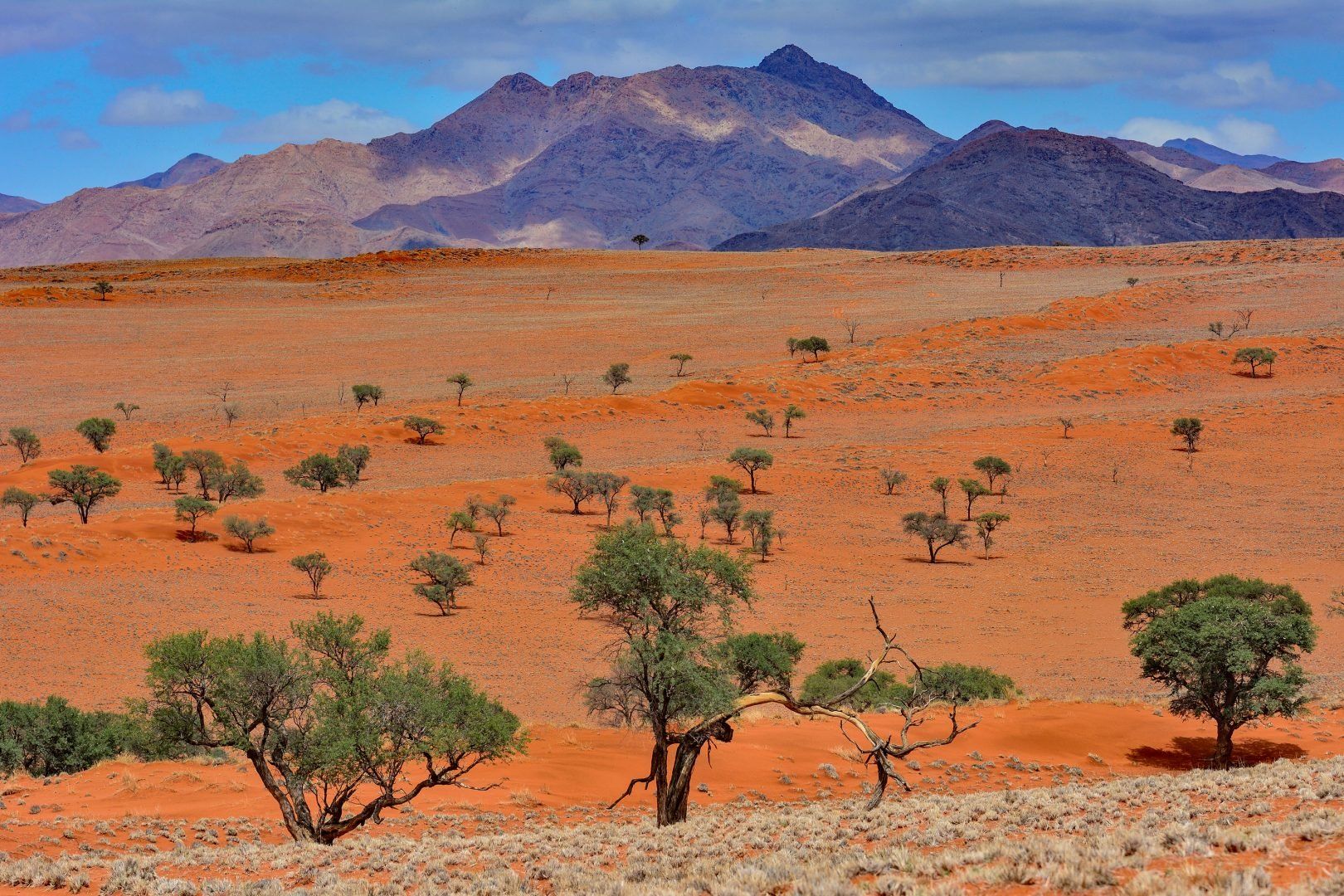
Planning Your Namibia Adventure
How Many Days Do You Need?
With Namibia spanning twice California’s size, timing is crucial:
Ideal Duration: 10-14 days allows comfortable exploration of key highlights without rushing: Etosha’s wildlife mecca, Sossusvlei’s surreal dunes, dramatic Atlantic coastline, and either Damaraland’s rock formations or Zambezi’s waterways.
Short Visits (7-9 days): Focus on the essential trio – Windhoek, Etosha, and Sossusvlei. Expect full days on Namibia’s scenic gravel roads connecting these iconic destinations (4-6 hour drives average). Domestic flights between Windhoek and coastal/desert airstrips save time but increase costs.

Best Time to Visit Namibia
Timing transforms your experience:
Prime Season (May-Oct): Dry winter months deliver cooler temperatures (20-30°C/68-86°F days) and exceptional wildlife viewing. Etosha’s waterholes become natural theaters in August-September as animals congregate. Pack warm layers for near-freezing desert nights.
Green Season (Nov-Apr): While temperatures soar past 40°C (104°F), summer storms create magical transformations. Lush landscapes burst with migratory birds, prices drop, and you’ll experience Namibia’s seldom-seen verdant beauty. April-May offers the sweet spot – green vistas under clear, temperate skies.
Getting Around Namibia
Self-Drive Adventures: Renting a 4×4 at Windhoek Airport gives freedom to explore Namibia’s 80% unpaved roads. High-clearance vehicles handle rugged detours to hidden gems. Sedans work for paved routes between major sites.
Guided Experiences: From budget group safaris to luxury private guides, organized tours remove navigation stress on unfamiliar roads.
Air Connections: Light aircraft efficiently connect Windhoek to coastal Walvis Bay or northern safari hubs when time outweighs budget concerns.
Whether chasing constellations across dark sky reserves or witnessing desert elephants roam ancient riverbeds, Namibia redefines adventure at every turn. Its vast horizons remind us how small we are in the universe – and how extraordinarily beautiful our planet remains.

Namibia Travel Costs: What You Need to Budget
Planning a trip to Namibia? Let’s talk numbers. Your daily budget can swing dramatically based on comfort level. Midrange travelers typically spend $200-$350 per day, while luxury experiences start at $450+. Here’s how it breaks down.
Accommodation offers options for every wallet – from no-frills campsites under starry skies to lavish desert lodges. The real budget-buster? Your wheels. A 4×4 rental isn’t just recommended for Namibia’s rugged terrain – it’s essential. Factor in fuel costs for long drives between attractions, and this could become your biggest expense.
Pro tip: Visit just outside peak season (June-October) for better rates. Self-drivers save money but trade convenience for planning time. Those premium experiences – scenic flights over Deadvlei or private safaris – pack serious wow factor but demand deeper pockets.
Traveling Responsibly in Namibia: A Conscious Traveler’s Guide
Namibia’s stark beauty deserves thoughtful exploration. Here’s how your visit can support local communities:
Sleep where it matters – locally-run guesthouses and conservancy lodges directly benefit residents. These community partnerships fund wildlife conservation and improve living standards. When quenching your thirst, remember water’s precious here – quick showers beat long soaks.
Wildlife encounters demand respect. Keep safe distances, never feed animals, and let binoculars be your zoom lens. Hunt authentic souvenirs at Windhoek’s Katutura Craft Market or Penduka Women’s Cooperative, where purchases support artisans directly.
Ethical Cultural Tourism: Supporting Namibia’s Communities
Not all cultural tours are created equal. Here’s how to ensure your visit genuinely benefits locals:
Look for community-based tourism enterprises (CBTEs) or conservancies – Namibia’s gold standard for ethical tourism. Guides should proudly share their heritage and explain how tourism income supports their community. Red flags? Vague answers about fund allocation or outside operators without local partnerships.
The conservancy system offers transparency. Areas like Doro !Nawas or Torra Conservancy publicly track how tourism dollars fund schools and anti-poaching efforts. Verify operators through nacobta.com.na or meft.gov.na – reputable outfits welcome these checks.

The Great Namibia Travel Debate: Self-Drive vs Guided Tours
Freedom of the open road or local expertise at your fingertips? Let’s compare:
Self-driving pros: Complete itinerary control, spontaneous stops at hidden gems, potential cost savings. Namibia’s gravel roads are generally well-maintained, and traffic is minimal outside urban areas. Just watch your fuel gauge – stations can be scarce in remote regions.
Guided tour advantages: Stress-free navigation, insider knowledge about wildlife hotspots, and handled logistics during peak season. Perfect for first-timers or those nervous about remote navigation.
Hybrid approach: Drive yourself between major sites like Sossusvlei or Etosha, then book guided add-ons for specialized activities. This balances independence with deep local insights where it matters most.
Dreaming of desert landscapes where elephants roam free? Namibia delivers unforgettable adventures – but smart travelers always ask these key questions first.
How Safe is Namibia for Visitors?
Let’s cut to the chase: Namibia stands out as one of Africa’s safest destinations. While petty theft happens in urban areas like Windhoek, common sense goes a long way. Lock your rental car, avoid flashing expensive cameras at night, and you’ll likely breeze through your trip unscathed.
The real dangers? Namibia’s wild beauty itself. Those Instagram-perfect gravel roads turn treacherous if you speed. Watch for wandering warthogs at dawn and antelope crossing at dusk. And that African sun? It doesn’t play nice. Pack double the water you think you’ll need and reapply sunscreen like religion.
Pro tip: Medical centers in towns handle basics well, but remote adventures demand evacuation coverage. That flight from Damaraland back to Windhoek could cost more than your entire trip without proper insurance.

Why Brave the Skeleton Coast?
Picture this: endless dunes cascading into Atlantic waves, fog weaving through shipwreck skeletons. This 300-mile stretch earns its ominous name honestly – but that’s precisely why it captivates. While not your classic safari destination, the Skeleton Coast delivers raw, otherworldly beauty you won’t find elsewhere.
The payoffs for adventurous souls:
– Ghostly ship remains emerging from swirling mists
– Massive Cape fur seal colonies buzzing with activity
– Rare desert-adapted predators like golden-maned lions
– Landscapes so stark they’ll recalibrate your sense of scale
Most visitors stick to the southern reaches via 4×4. True explorers can fly north with specialized operators – just don’t expect Wi-Fi or cocktail bars. This is Mother Nature at her most untamed.
Can You Tackle Multiple Countries in One Trip?
Absolutely! Namibia sits at the center of Southern Africa’s greatest hits. Savvy travelers often pair it with:
Botswana: Drive the Caprivi Strip into the Okavango Delta’s wetland wonderland or Chobe’s elephant paradise.
Victoria Falls: From Namibia’s Zambezi Region, you’re just hours from Zambia or Zimbabwe’s thunderous “Smoke That Thunders.”
South Africa: Cross at Noordoewer to explore the Northern Cape’s wildflowers or Kgalagadi’s red dunes.
For seamless multi-country adventures:
– Allow 3-4 weeks minimum
– Verify cross-border rental policies (premium fees usually apply)
– Consider guided overland tours for stress-free border hops
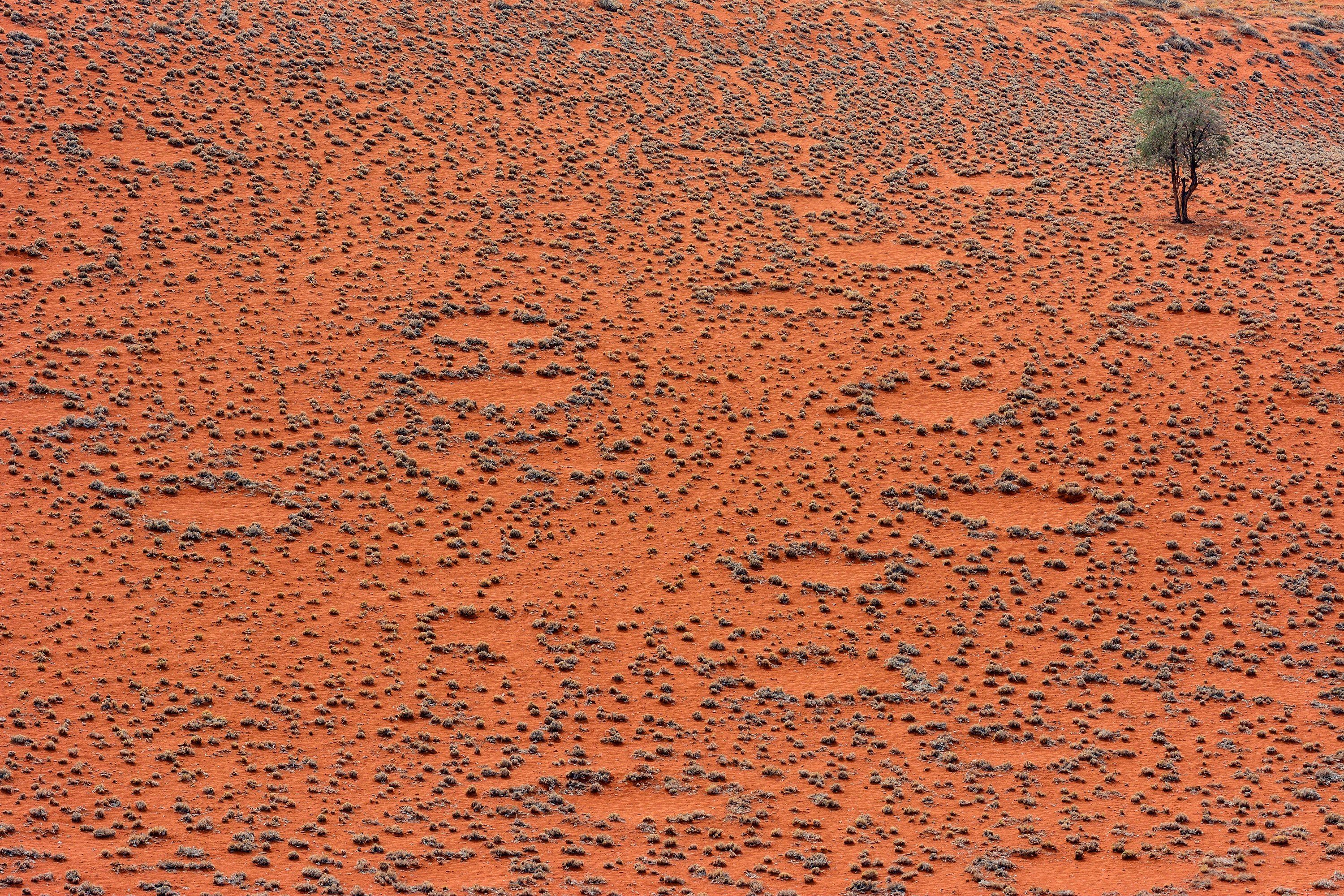
Whether you’re chasing desert-adapted rhinos, standing where deserts drown in oceans, or collecting passport stamps across Southern Africa, Namibia rewards the curious. Just remember – this isn’t a destination you simply visit. It’s one you feel in your bones long after you leave.


🌟 The Travaloca Travel Editors Community is a dynamic collective of individuals united by their passion for travel and their dedication to high-quality content creation. This community serves as the driving force behind Travaloca's informative and engaging travel resources. ✨ Core Identity: This group consists primarily of passionate travel enthusiasts who have turned their love for exploration into a commitment to writing and content curation. Members are recognized for their: Extensive Travel Experience: Possessing valuable firsthand knowledge from their journeys worldwide. Aptitude for Writing and Editing: Demonstrating a keen interest and skill in crafting, reviewing, and perfecting travel narratives, guides, tips, and reviews. Dedication to Storytelling: Transforming personal experiences and destination knowledge into accessible, inspiring, and reliable information for a global audience. 📝 Community Focus: The community’s primary role is to contribute, edit, and maintain the diverse range of content on Travaloca's platform. They ensure the information provided is accurate, engaging, and reflective of current travel trends. In essence, the Travaloca Travel Editors Community is where travel passion meets editorial excellence, enriching the user experience and solidifying Travaloca’s standing as a trusted travel resource.


