
Imagine a place where fairy-tale palaces peek through mountain fog, where castle walls whisper ancient secrets, and where every winding path reveals a new natural wonder. Welcome to Sintra, Portugal – a hilltop paradise that deserves not just a fleeting visit but a full immersion into its magical landscapes. While one action-packed day can showcase its headline attractions, those who linger for two or three days uncover hidden gardens, coastal treasures, and a tranquility that transforms visitors into lifelong admirers.
Once the exclusive summer playground for Portuguese royalty seeking refuge from Lisbon’s heat, this enchanting town has captivated everyone from Romantic poets to Gothic novelists. Lord Byron famously called it a “glorious Eden,” while writer William Beckford found inspiration in its misty forests. Today, as Lisbon’s weekend escape evolves into an international bucket-list destination, you’ll discover what’s earned Sintra its UNESCO World Heritage status – an extraordinary marriage of artistic vision and natural beauty that reshaped European architecture forever.

A kaleidoscope of colors greets visitors at Pena Palace, the crown jewel of Sintra’s architectural wonders © Shutterstock
Finding Your Way to Portugal’s Enchanted Forest: Sintra’s Location Revealed
Sintra doesn’t just feel like another world – physically, it sits apart in the most perfect way. Nestled in the lush foothills of the Serra de Sintra mountains, this enchanting town floats just 30km northwest of Lisbon’s bustling streets. The journey takes mere minutes by train but transports you to a realm where temperatures drop, forest air freshens your lungs, and even the sunlight filters differently through towering pines.
This strategic location near Portugal’s capital means you can chase Lisbon’s city buzz in the morning and be photographing medieval castle walls by afternoon. Yet Sintra offers more than convenience – it serves as the perfect basecamp for coastal adventures too. Within easy reach lie sun-drenched beaches at Praia das Maçãs, dramatic clifftop villages like Azenhas do Mar, Europe’s westernmost point at Cabo da Roca, and the historic vineyards of Colares where wine flows as richly as the local legends. Truly, Sintra occupies that rare sweet spot between accessibility and escapism.
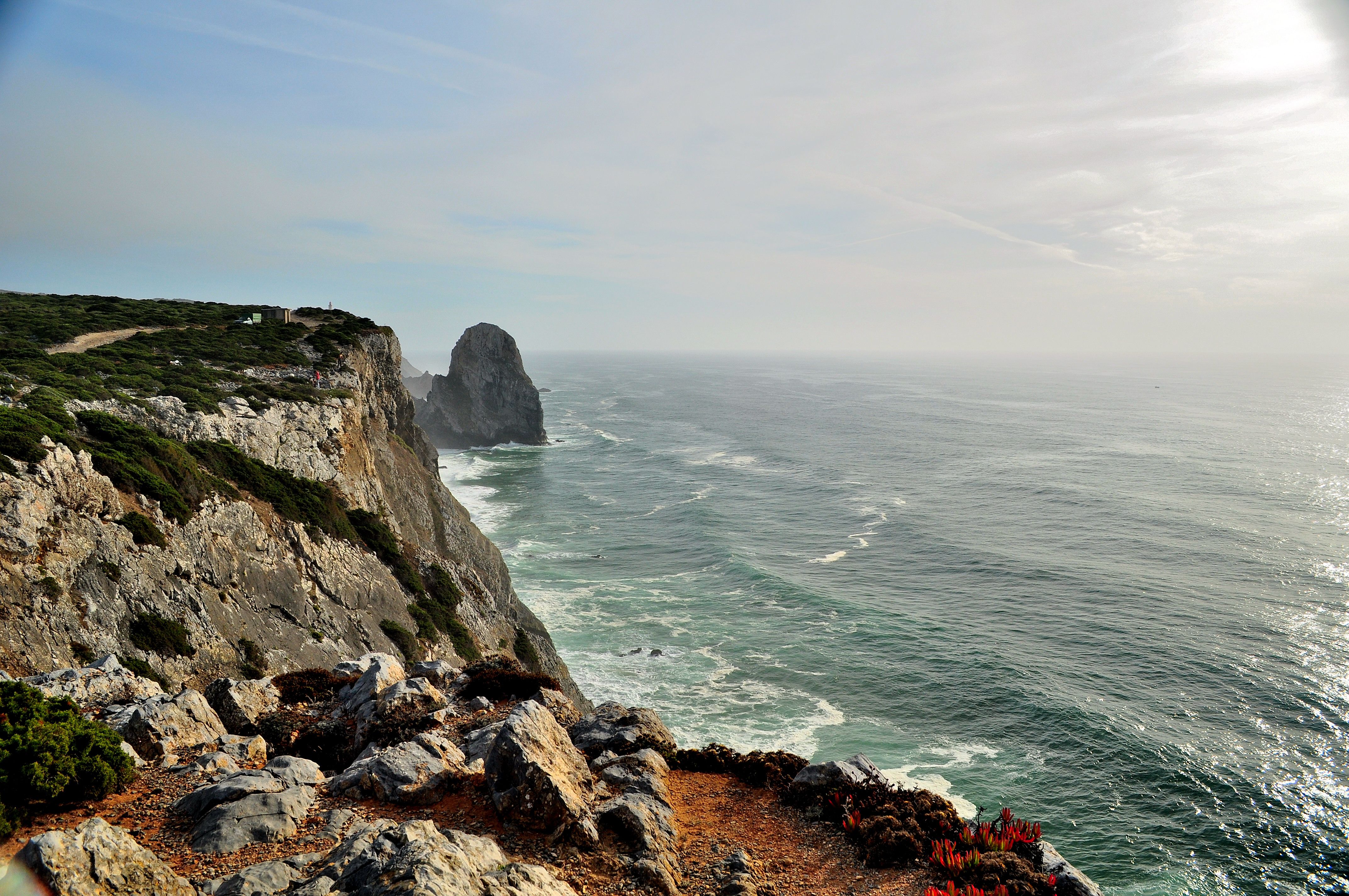
Sintra’s dramatic coastline offers rugged beauty just beyond its forested mountains
Conquering Sintra’s Hills: Your Guide to Stress-Free Exploration
Sintra’s magic comes with geographical realities – palaces perch on steep hillsides, scenic paths wind through dense forests, and attractions sprawl across this mountainous landscape. While the historic center invites leisurely strolls past pastry shops and boutiques, tackling the full UNESCO sites requires a smart mobility strategy.
Let’s decode your transportation options to maximize both time and energy:
Sole Power: Walking Sintra
Lace up sturdy shoes for Sintra’s cobblestone town center – exploring pastel-colored buildings, the National Palace’s iconic chimneys, and traditional queijadas (cheese tart) shops demands pedestrian access. However, attempting climbs to hilltop wonders like Pena Palace tests even avid hikers. While forest trails between Monserrate and the Moorish Castle offer breathtaking walks for the fit, most visitors combine walking with other transport.
Tourist Buses: Circular Sightseeing
The vibrant 434 Bus (€12.50 circuit) becomes your best friend during peak season. Circling every 15-20 minutes, it connects the train station with Sintra National Palace, Moorish Castle gates, and the technicolor dream of Pena Palace. Pro tip: Board before 9:30 am to dodge the longest lines, especially July-August when waits can exceed 90 minutes at popular stops.
Its companion, the 435 Bus, serves Sintra’s western wonders: the mystical Quinta da Regaleira (don’t miss its initiation well), golden-hued Seteais Palace, and the Moorish-inspired Monserrate. Schedule these for afternoon visits when eastern attractions like Pena Palace face biggest crowds.
Taxis & Rideshares: The Speed Solution
When time outweighs budget concerns, Sintra’s taxis offer door-to-door efficiency. Expect fares around €10 between Pena Palace and town center – pricier than buses but invaluable when you’re racing sunset views from the Moorish Castle walls. Uber operates here, yet local drivers sometimes offer better rates during busy periods.
Eco-Options: E-Bikes & Scooters
New electric bike rentals make ascending Sintra’s inclines exhilarating rather than exhausting. Several shops provide maps of bike-friendly routes connecting major sites, while electric scooters zip through town efficiently. Note that narrow roads get congested – consider this option during shoulder seasons rather than summer’s peak.
Private Vehicles: Proceed With Caution
Driving in Sintra brings challenges – scarce parking near palaces, steep narrow lanes, and summer traffic jams. If you do drive, target less crowded attractions first: arrive early to secure parking at Monserrate or Cabo da Roca before circling back to Pena Palace. Many visitors park at Vila Sassetti’s garage in town (€15/day), then utilize buses or taxis for upland exploring.
Crafting Your Sintra Story: Itineraries For Every Travel Style
How long you devote to Sintra transforms your experience from tourist snapshot to immersive journey. Let’s match timeframe to travel personality:
The Express Adventure (1 Day)
Possible but packed, a single day demands military precision. Start at opulent Pena Palace at opening (9 am), descend to the Moorish Castle by noon, lunch in town, then afternoon at mysterious Quinta da Regaleira. You’ll glimpse Sintra’s icons but miss lingering moments – sunset from castle walls or garden exploration. Best for time-constrained travelers or cruise stopovers.
The Immersive Experience (2 Days)
Two days unlock Sintra’s rhythm. Day one focuses on eastern icons – Pena Palace, Moorish Castle, and Sintra National Palace – with evening strolls through town. Day two drifts west to Quinta da Regaleira, Monserrate’s botanical wonders, and optional coastal detours. This allows deeper exploration, relaxed meals at family-run tascas (taverns), and avoiding worst crowds through strategic timing.
The Deep Dive (3+ Days)
Three days reveal Sintra’s soul. Beyond major palaces, you’ll discover Seteais Palace’s neoclassical beauty, trek forest trails between attractions, picnic in Parque da Pena’s hidden corners, then escape to coastal gems like Praia da Ursa’s wild beach. Add wine tastings in Colares (home to Europe’s oldest root-surviving vines) or hiking coastal paths from Cabo da Roca. This pace suits photographers, nature lovers, and travelers seeking authentic connections beyond checklists.
Local Insight: Sintra’s microclimate creates frequent morning fog that magically clears by midday when taking photos. Schedule castle and palace view points for afternoons to get those coveted clear vistas.

Mystical pathways crisscross Sintra’s Natural Park, inviting discovery around every bend
Rest Your Head Like Royalty: Sintra’s Accommodation Guide
Choosing where to stay in Sintra shapes your entire experience – from royal luxury to secret garden hideaways. Consider these options:
First-Time Visitors: Historic Center
Position yourself near Sintra’s leafy main squares (Largo Rainha Dona Amélia or Praça da República) for easy access to shops, restaurants, and transport. Wake to the scent of freshly baked travesseiros (almond pastries) drifting from Casa Piriquita. Mid-range options like Sintra Bliss House offer traditional charm with modern comforts.
Romantic Escapes: Palace Hotels
Live your regal fantasy at Tivoli Palácio de Seteais – a 18th-century palace with frescoed ceilings where Byron himself once wandered. Alternatively, the neo-Manueline style of Lawrence’s Hotel (Britain’s oldest continental inn) offers literary-inspired luxury.
Nature Immersion: Serra Hillsides
Eco-retreats like Quinta da Capela blend rustic elegance with vineyard views near Monserrate Palace. Wake to birdsong instead of bus engines, while still being minutes from town via rental car or taxi.
Budget-Friendly Hideouts: Local Guesthouses
Family-run gems like Casa do Valle demonstrate Portuguese hospitality in a restored 19th-century farmhouse. Tucked into hillside gardens, it reduces costs without sacrificing atmosphere.
Insider Tip: Wherever you stay, book at least 3 months ahead for June-Sept visits. Sintra’s limited accommodations fill rapidly, especially palace hotels offering that magical overnight experience.
The Ultimate Sintra Travel Guide: Discovering Portugal’s Enchanted Mountain
Nestled amidst the pine-covered hills of Portugal’s Serra de Sintra, this UNESCO World Heritage site has captivated visitors for centuries with its misty forests, pastel-colored palaces, and sense of timeless magic. Whether you’re planning a romantic getaway or an adventure through history, our comprehensive guide reveals exactly where to stay and how to experience the best of Sintra’s wonders.
Finding Your Perfect Base in Sintra
Choosing where to stay in Sintra greatly impacts your experience. From the lively historic center to secluded hillside retreats, each neighborhood offers distinct advantages depending on your travel style:
Historic Center (Vila) – The Beating Heart
Positioned beside the iconic National Palace, Sintra’s historic center puts you steps away from charming cafés, authentic Portuguese restaurants, and convenient bus connections. This area shines for first-time visitors eager to maximize their sightseeing moments. As evening falls, the daytime crowds disperse, leaving cobblestone streets bathed in golden lamplight – perfect for romantic evening strolls past centuries-old buildings.
Seteais and Pena Hillside – Romantic Hideaways
For couples seeking luxury surrounded by nature, the hillside areas near Pena Palace offer five-star hotels and intimate boutique accommodations framed by lush gardens. Wake to birdsong and panoramic valley views, with private forest trails leading directly from your doorstep. This serene environment provides respite from daytime tourist bustle while keeping major attractions within easy reach.
São Pedro de Sintra – Local Charm on a Budget
Just beyond the main tourist zone lies São Pedro de Sintra, where traditional guesthouses offer excellent value without sacrificing convenience. Immerse yourself in authentic Portuguese neighborhood life while enjoying easier parking and local eateries favored by residents. The 434 tourist bus route still connects you to palaces within 10-15 minutes, making this both economical and practical.
Colares Coastline – Where Palaces Meet the Ocean
For travelers craving both cultural treasures and coastal relaxation, the Colares region combines breathtaking Atlantic views with vineyard-dotted landscapes. Stay near Praia das Maçãs or Azenhas do Mar to enjoy sunset beach walks after palace-hopping. Though requiring a rental car or patience with bus schedules, you’ll trade crowds for empty cliffside footpaths and seafood dinners overlooking roaring waves.
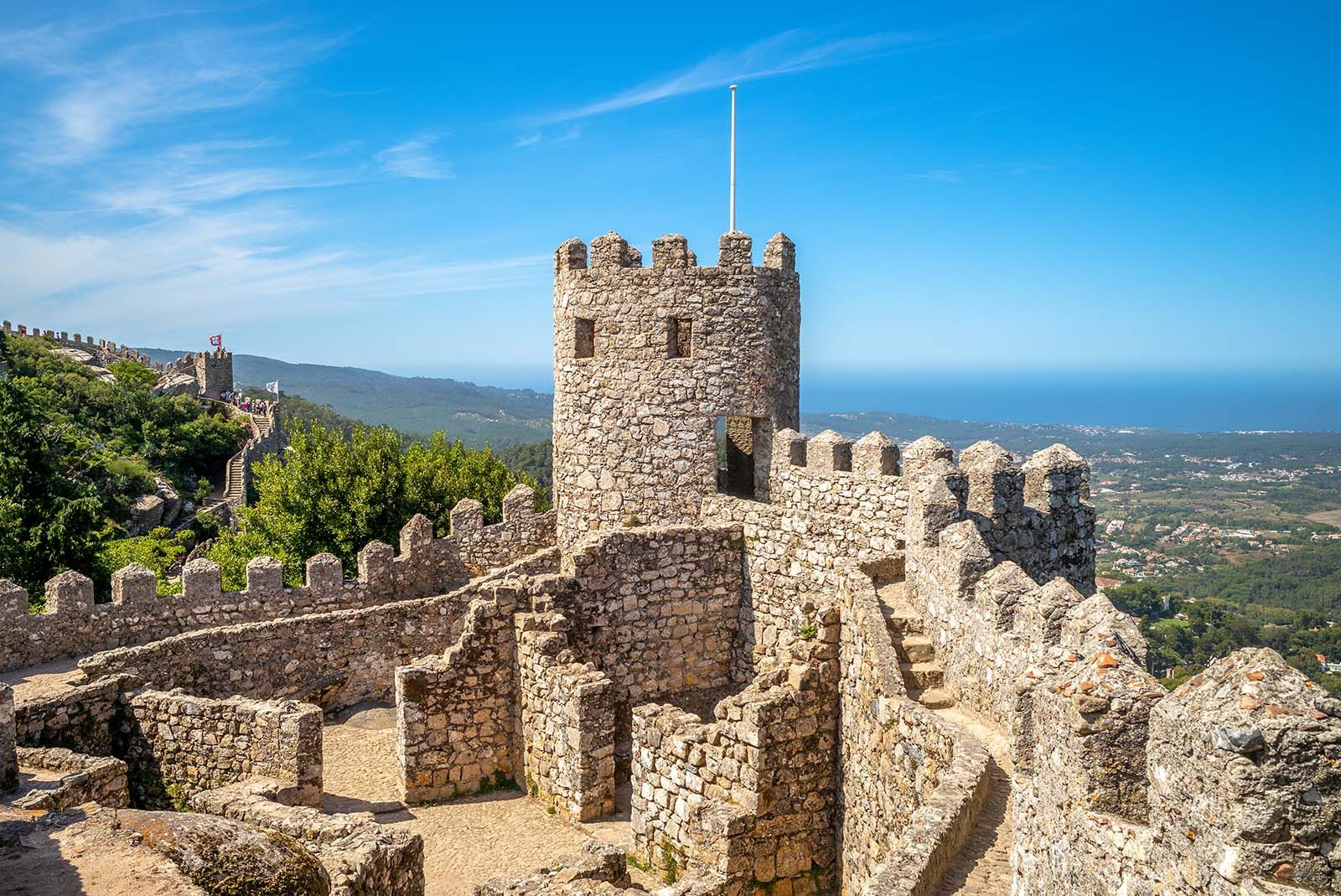
Castle of the Moors at Sintra, Portugal © Shutterstock
10 Unmissable Sintra Experiences
Sintra’s unique charm lies in its density of extraordinary attractions within a small area. From hilltop castles to mystical gardens, these are the experiences that define any visit to Portugal’s magical mountain retreat.
Pena Palace: A Rainbow in the Clouds
The vibrant hues of Pena Palace emerge dramatically from the forest mists, creating one of Europe’s most photographed landmarks. More than just a pretty facade, this 19th-century Romanticist masterpiece blends Moorish, Gothic, and Renaissance elements in a architectural fantasy come to life. Arrive as doors open to enjoy the terraces in peaceful solitude, marveling at views stretching from Lisbon to the Atlantic.
Pro Tip: Pre-book timed tickets online and head straight to the upper terraces before exploring the ornately furnished royal apartments. Allow at least three hours including the massive surrounding park – home to hidden garden houses, ornamental lakes, and winding forest trails.
Castle of the Moors: Walking Through History
Just a stone’s throw from Pena Palace, the ancient Moorish Castle offers a completely different perspective – both literally and historically. These 8th-century fortifications snake dramatically along mountain ridges, their weathered stones telling tales of medieval battles. Climb the crenellated walls for spine-tingling panoramas across Sintra’s entire cultural landscape.
Pro Tip: Wear sturdy walking shoes for the uneven stone steps and bring water for the climb. Morning visits provide cooler temperatures and spectacular photo opportunities with sunlight illuminating Pena Palace in the distance.
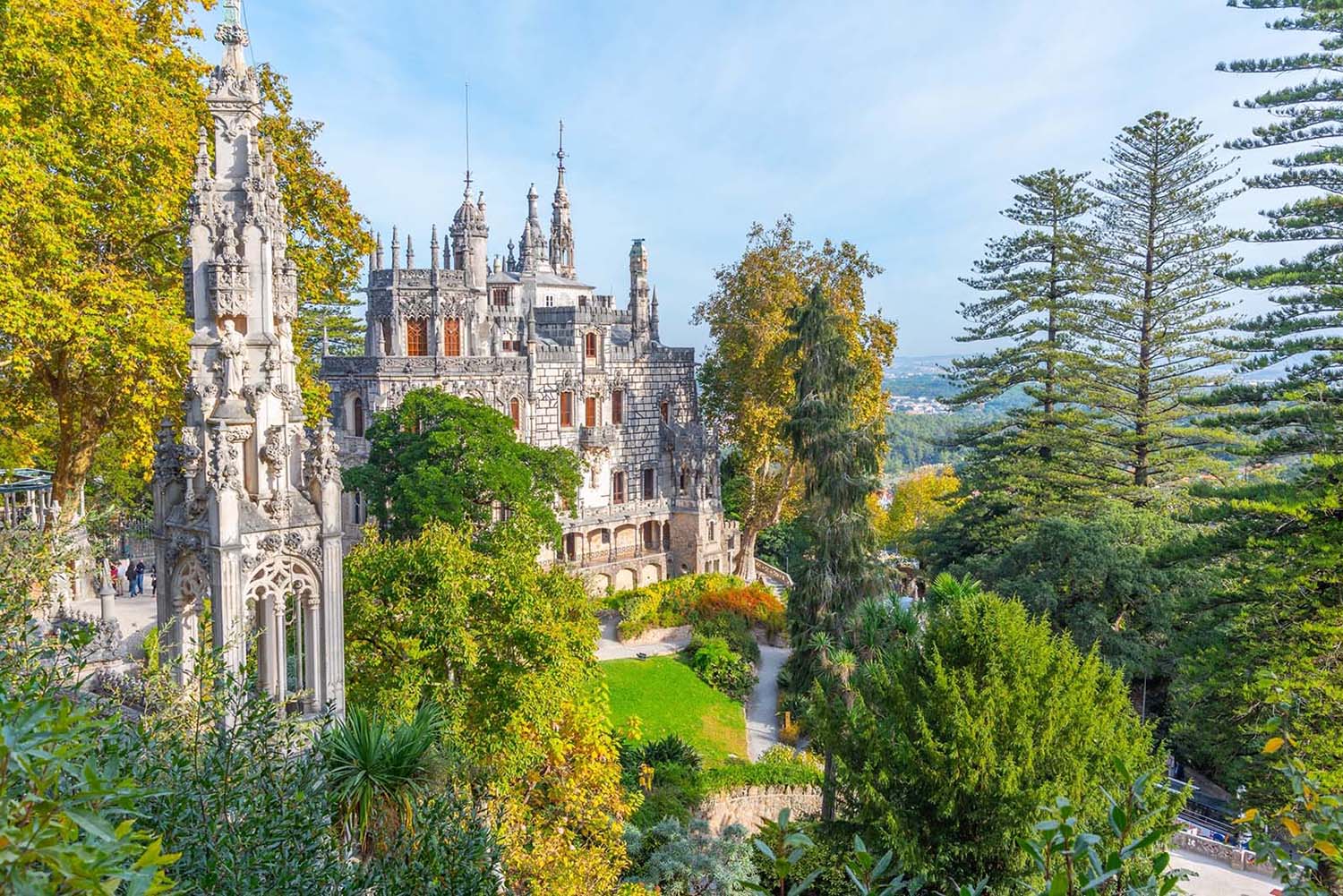
Quinta da Regaleira palace in Sintra, Portugal © Shutterstock
Quinta da Regaleira: An Esoteric Wonderland
Prepare to lose yourself in the mystical symbolism of Quinta da Regaleira, where underground tunnels connect to inverted towers and secret waterfalls tumble into mossy grottoes. The star attraction remains the Initiation Well – a breathtaking subterranean spiral staircase descending into the earth’s embrace. Every carved stone and hidden pathway reveals new surprises in this early 20th-century estate designed as a philosophical journey.
Pro Tip: Visit during late afternoon when tour groups thin out. Wear comfortable shoes for exploring uneven pathways and don’t rush – discovering hidden nooks is half the fun.
Monserrate Palace: The Botanical Beauty
Often overlooked for more famous neighbors, Monserrate Palace rewards visitors with sublime architecture and what many consider Sintra’s finest gardens. The palace itself showcases an exquisite blend of Gothic and Indian motifs, while the surrounding grounds feature plants from every corner of Portugal’s former empire. Winding paths reveal Japanese gardens, Mexican agaves, and Australia tree ferns all thriving in Sintra’s unique microclimate.
Pro Tip: Photography enthusiasts should arrive early to capture morning light filtering through the palace’s stunning arched windows without crowds.
National Palace of Sintra: Medieval Majesty
Distinguished by its distinctive twin chimneys, Sintra’s National Palace served as royal residence for nearly eight centuries. Inside, rooms decorated in Moorish, Gothic, and Manueline styles display Portugal’s architectural evolution. Don’t miss the Swan Room’s magnificent painted ceiling featuring those elegant birds, or the Arab Room’s dazzling geometric tilework showing clear Islamic influences.
Pro Tip: Combine your visit with lunch in the historic center. Morning and late afternoon tours avoid the largest crowds.
Seteais Palace: Viewpoint Perfection
Although now operating as a luxury hotel, Seteais Palace welcomes visitors to stroll its magnificent gardens and admire panoramic views through its famous arch. This neoclassical masterpiece frames picture-perfect vistas of Pena Palace, Moorish Castle, and the distant Atlantic – particularly breathtaking at sunset.
Pro Tip: Enjoy afternoon tea on the terrace after visiting nearby Quinta da Regaleira. The walk between the properties takes you through charming woodland paths.
Capuchos Convent: Simple Beauty
Experience a radical contrast to Sintra’s opulent palaces at this humble 16th-century monastery. Known as the “Cork Convent” for its cork-lined cells, this spiritual retreat celebrates simple living amidst the trees. Wander through tiny chapels and meditation spaces carved directly into rock formations – a powerful reminder of Sintra’s diversity beyond the royal retreats.
Sintra-Cascais Natural Park: Beyond the Palaces
Escape the crowds by hiking through Sintra’s protected natural landscapes. Well-marked trails lead to isolated beaches, dramatic cliff viewpoints, and mysterious megalithic monuments. The Seven Hanging Valleys Trail offers spectacular coastal vistas, while Monserrate Park’s forested routes provide shaded summer walks.
Cabo da Roca: Edge of Europe
Complete your Sintra experience with a visit to continental Europe’s westernmost point. The dramatic cliffs of Cabo da Roca deliver breathtaking Atlantic vistas where waves crash against 150-meter-high rock faces. The historic lighthouse and stone monument make perfect photo subjects as sunset paints the sky in fiery hues.
Gastronomic Adventures
Sintra offers its own distinctive culinary delights beyond palace visits. Sample pillowy travesseiros (almond-filled pastries) at Piriquita bakery or savor fresh seafood stews in coastal restaurants. Local vineyards produce excellent Colares wines from unique sand-grown vines – perfect pairings for sunset dinners.
Crafting Your Perfect Sintra Itinerary
To maximize your Sintra experience while avoiding frustration, strategic planning is essential. Consider these itinerary suggestions:
One-Day Wonders
Morning:
1. Early entry at Pena Palace
2. Moorish Castle walk
Afternoon:
3. Lunch in historic center
4. National Palace visit
5. Quinta da Regaleira exploration
Two-Day Immersion
Day 1:
– Pena Palace and Moorish Castle
– Monserrate Palace gardens
Day 2:
– Quinta da Regaleira
– National Palace
– Coastal excursion to Cabo da Roca
Three-Day Escape
Day 1: Main palaces (Pena, Moorish Castle, National Palace)
Day 2: Quinta da Regaleira, Monserrate, and Seteais
Day 3: Coastal exploration including beaches and Cabo da Roca
Essential Tips for Visiting Sintra
- Timing Matters: Arrive at major palaces before 10 AM or after 3 PM to avoid largest crowds
- Dress Smart: Comfortable walking shoes essential for uneven surfaces and steep climbs
- Transport Savvy: Use Uber/taxi between far-flung sites, or hike scenic forest trails connecting attractions
- Ticket Strategy: Purchase combination tickets online in advance for popular sites
- Weather Ready: Sintra’s microclimate creates cool, misty conditions even when Lisbon bakes
The Timeless Magic of Sintra
More than just a collection of beautiful buildings, Sintra offers travelers a journey through time and imagination. From medieval fortresses to Romanticist fantasies, every stone tells stories of kings, artists, and dreamers who found inspiration in these misty forests. By choosing the right accommodation and thoughtfully planning your explorations, you’ll discover why poets called this magical mountain “the glorious Eden” – a place where history, nature, and human creativity unite in perfect harmony.

Capo Da Roca, the most western point of Europe, Portuguese municipality of Sintra, near Azoia © Tsuguliev/Shutterstock
The Ultimate Travel Guide to Sintra: Where Fairytales Meet the Atlantic
Imagine a place where vibrant palaces rise from misty forests, where the westernmost point of Europe crashes against dramatic cliffs, and where every cobblestone street whispers centuries of history. Welcome to Sintra, Portugal – a UNESCO World Heritage site that feels like stepping into an enchanted storybook. This comprehensive guide reveals why this magical hill town should top every traveler’s bucket list.
Discovering Sintra’s Crown Jewels: Must-See Palaces and Castles
You haven’t truly experienced Sintra until you’ve wandered through its legendary palaces. Here are the architectural wonders that will leave you breathless:
The Rainbow-Hued Pena Palace
Perched high in the Sintra Mountains, Pena Palace looks like a royal fever dream come to life. Its lemon-yellow towers contrast with crimson walls, while intricate tile work and mythological statues complete this 19th-century Romanticist masterpiece. Arrive early to beat crowds winding through the palace’s opulent interiors, then explore the surrounding parklands – home to over 500 species of trees and hidden gazebos with panoramic views.
The Enigmatic Quinta da Regaleira
This 20th-century estate hides more secrets than Da Vinci’s codex. Wander through initiation wells that plunge deep underground, cross stone bridges guarded by mythical creatures, and discover grottoes hidden behind waterfalls. The Gothic mansion itself dazzles with marble fireplaces and frescoed ceilings, while the Chapel of the Holy Trinity displays alchemical symbols in its stunning stained glass.
Beyond the Palaces: Sintra’s Natural Wonders
Cabo da Roca: Where Europe Meets the Infinite Ocean
Standing on the windswept cliffs at Cabo da Roca offers an experience beyond ordinary sightseeing. You’re literally standing at continental Europe’s westernmost edge, where land gives way to the vast Atlantic expanse. The 18th-century lighthouse still guides ships through these treacherous waters, while coastal trails lead to secluded coves where waves crash against jagged rocks. Don’t forget to get your commemorative certificate from the visitor center – proof you’ve stood at the edge of the world.
Serra de Sintra: Hiking Through Misty Forests
Swap palace queues for meandering trails through Sintra’s magical forests. The Peninha Sanctuary trail rewards hikers with panoramic ocean views, while the Cruz Alta path culminates at the highest viewpoint in the mountains. These ancient woods transform with the seasons – spring brings carpets of wildflowers, autumn cloaks everything in golden hues, and winter mists create an ethereal ambiance straight from romantic poetry. Pack sturdy shoes and a waterproof layer – the microclimate here creates weather that can change in minutes.
Sintra’s Coastal Charms: From Wine Country to Beach Escapes
Colares: Portugal’s Most Unique Wine Region
Just down the mountain from Sintra, the coastal Colares region produces wines unlike anywhere else on earth. Protected by ancient stone walls, vineyards grow in sandy soils that resisted the 19th-century blight that devastated European grapes. The result? Deep, earthy Ramisco reds that age beautifully for decades. Visit family-run adegas (wine cellars) for tastings straight from wooden barrels, then pair your discoveries with fresh seafood at Azenhas do Mar’s cliffside restaurants.
Praia das Maçãs: Sun, Sea, and Vintage Trams
Reach this golden beach via one of Europe’s most charming journeys – the vintage Sintra tram. Operating since 1904, the rattling wooden carriages wind past pine forests and countryside farms. At journey’s end, the oceanfront village awaits with grilled sardines sizzling at beachfront tascas and children building sandcastles below dramatic cliffs. Time your visit for low tide to explore fascinating rock pools teeming with marine life.
Mastering Sintra’s Microclimate: When to Visit
Sintra’s unique weather patterns demand strategic planning – here’s your seasonal guide:
Spring Blossoms and Mild Adventures (March-May)
As temperatures climb from 60°F to 70°F (16-21°C), Sintra’s gardens erupt in floral fireworks. This is prime time for exploring outdoor sites like Monserrate Palace’s botanical wonders. Pack layers for unpredictable mountain mists and book Easter accommodations early when Portuguese families flock to the area.
Summer Sunshine and Strategic Sightseeing (June-August
While Lisbon swelters, Sintra offers cool 77°F (25°C) respite – but you’ll battle peak crowds. Beat the tour buses with 8 AM palace visits and late afternoon coastal drives. The extra daylight hours allow leisurely dinners in Sintra’s historic center after day-trippers depart.
Golden Autumn Perfection (September-November)
September’s lingering warmth makes this many locals’ favorite time to visit. Hike forest trails carpeted with fallen leaves, enjoy harvest festivals in Colares vineyards, and photograph palaces bathed in soft golden light. As November approaches, pack waterproof gear for occasional showers.
Misty Winter Magic (December-February)
With temperatures hovering around 57°F (14°C), winter reveals Sintra’s moody, atmospheric soul. Fog swirling around Quinta’s towers creates photographer’s dreams, while fires crackle in palace fireplaces. Coastal storms make Cabo da Roca visits dramatic but pack warm layers as Atlantic winds bite fiercely.
Making the Most of Your Sintra Adventure
Conquering the Crowds: Pro Tips
- Purchase combo tickets online for major attractions to skip queues
- Use the 434 tourist bus circuit efficiently by visiting sites in reverse order
- Book weekday visits when Lisbon day-trippers are fewer
Sintra’s Sweetest Secrets: Local Treats
Fuel your explorations with Sintra’s delicious specialties. Sample queijadas – sweet cheesecakes perfected by nuns since the Middle Ages – at Casa Piriquita. For savory cravings, try freshly baked travesseiros (puff pastry stuffed with almond cream) at regional bakeries.
Beyond the Day Trip: Where to Stay
Base yourself centrally at historic hotels like Tivoli Palácio de Seteais for ultimate luxury, or choose charming guesthouses like Chalet Saudade to wake up immersed in fairytale ambiance. For budget travelers, Lisbon’s excellent train service allows easy return after sunset.
The Verdict: Why Sintra Captivates Travelers
Unlike anywhere else in Europe, Sintra combines architectural grandeur, mystical energy, and breathtaking natural beauty in one unforgettable package. Whether you’re exploring underground tunnels at Quinta da Regaleira as dusk falls, sipping century-old wine in Colares vineyards, or listening to Atlantic waves crash against Cabo da Roca’s cliffs, this magical Portuguese wonderland creates memories that linger long after you’ve left its misty mountains.
Your Ultimate Guide to Sintra’s Culinary Magic
Sintra’s dining scene is like stepping into a fairy tale where cobblestone streets lead to culinary treasures. Between exploring pastel-hued palaces and mystical forests, you’ll discover an enchanting mix of time-honored Portuguese kitchens, quaint bakeries whispering centuries-old recipes, and sophisticated dining rooms hidden within UNESCO-listed buildings. Whether you’re fueling up between castle visits or savoring a moonlit dinner, this guide reveals where your taste buds can join the adventure.
The Flavors That Define Sintra
Sintra’s cuisine tells stories of Moorish influences, royal banquets, and monastery kitchens. These four iconic dishes are your edible passport to Portuguese tradition:
Queijadas de Sintra: The Sweet Taste of History
Imagine biting into a golden pastry that’s survived eight centuries. These miniature cheesecakes blend fresh cheese with just the right amount of sugar and cinnamon—a recipe so cherished it’s remained virtually unchanged since the 13th century. Locals swear the best come from fog-kissed dairy farms in Sintra’s hills. Enjoy them warm with a bica (Portuguese espresso) at sunrise while watching mist swirl around the Castle of the Moors.
Travesseiros: Sintra’s Edible Clouds
In 1942, a humble bakery near the National Palace created magic with puff pastry and almond cream. The name means “pillows”—and one bite explains why. These airy, sugar-dusted parcels with their secret-recipe filling have become so beloved that you’ll spot locals lining up before dawn at Piriquita. Pro tip: Grab an extra for the train ride back to Lisbon. They travel remarkably well!
Bacalhau à Brás: Portugal on a Plate
No dish better represents Portugal’s love affair with salt cod. In Sintra’s taverns, chefs transform this preserved fish into comfort gold by shredding it with matchstick potatoes, caramelized onions, and silken eggs. The finishing touches? Black olives wink from the surface while fresh parsley adds a bright note. For the full experience, pair it with a crisp vinho verde from the Minho region.
Sopa de Legumes: The Forest in a Bowl
After hiking through Sintra-Cascais Natural Park, nothing revives like this vegetable soup. Each family recipe varies, but expect a garden of kale, potatoes, carrots, and cabbage simmered in rich broth. Some versions surprise with sliced chouriço or beans. Look for cafés where elderly gentlemen linger—that’s where you’ll find the soul-warming kind.
Sintra’s Unforgettable Dining Experiences
From hole-in-the-wall gems to palace-worthy tables, these culinary destinations elevate eating to an art form:
Cantinho Gourmet: Where Tradition Meets Innovation
Tucked behind Quinta da Regaleira’s gardens, this intimate bistro charms with mismatched china and walls lined with local wines. Chef Maria blends her grandmother’s recipes with global flair—try octopus carpaccio with passionfruit vinaigrette followed by duck magret with Queijadas foam. Leave room for their showstopper dessert: a frozen variation of travesseiro served with chocolate “soil.”
Tascantiga: The Heart of Portuguese Petiscos
Escape the tourist bustle in this tile-covered eatery where smoky chouriço sizzles at your table in clay dishes. The petiscos (small plates) menu invites sharing: garlicky shrimp, regional cheeses drizzled with chestnut honey, and black pork sliders on bolo do caco bread. Come Friday nights for live fado—the raw emotion pairs perfectly with robust Douro reds.
A Raposa: Fairytale Dining
Housed in a 17th-century nobleman’s residence complete with secret garden, this Michelin Bib Gourmand winner makes every meal feel like a special occasion. Their tasting menu reads like a love letter to Sintra: crispy suckling pig with apple purée, foraged mushroom risotto, and deconstructed Quejadas with cinnamon ice cream. Request the table beneath the stained-glass window for dappled afternoon light.
The Sweet Icons: Casa Piriquita vs. Casa do Preto
While everyone flocks to Piriquita (and rightly so—their travesseiros are legendary), savvy locals whisper about Casa do Preto, founded in 1862. Their version, Queijadas da Sapa, uses a distinct cinnamon ratio and slightly charred edges that crunch delightfully. Try both and join the friendly debate—just be prepared for sugar-induced bliss.
Romaria de Baco: A Wine Lover’s Paradise
With over 300 Portuguese labels in a candlelit stone cellar, this enoteca showcases why Portugal is the wine world’s best-kept secret. Knowledgeable sommeliers guide you through rare finds like Colares wine—grown in sandy soils near Cabo da Roca since Phoenician times. Pair flights with petiscos like Azorean pineapple with black pepper or Alentejo black pork tacos.
Beyond the Palaces: Unforgettable Sintra Adventures
While Pena Palace rightly dazzles first-time visitors, Sintra’s true magic reveals itself when you venture deeper. These handcrafted experiences—conceived by locals who know every hidden waterfall and forgotten trail—transform a day trip into a lifelong memory.
Signature Day Excursions
The Royal Two-Step: Sintra & Lisbon Highlights
Why choose between Portugal’s two crown jewels? This expertly paced tour begins at Pena Palace when morning light sets its rainbow towers aglow. After descending through moss-covered staircases in Monserrate Park, you’ll glide to Lisbon for lunch at a century-old tasca in Alfama. The afternoon unfolds through storytelling walks past Roman ruins, royal processions at Comércio Square, and hidden miradouros with sweeping views. Ends perfectly with sunset ginjinha (sour cherry liqueur) at a kiosk where poets once gathered.
Sintra-Cascais Coastal Romance
Follow the Atlantic’s whispers from mountain to sea. After exploring Quinta da Regaleira’s initiation wells, wind along Europe’s westernmost roads to Cabo da Roca—where cliffs plunge dramatically into sapphire waters. Pause at Praia da Adraga for fresh percebes (gooseneck barnacles) at a cliffside shack. Continue to Guincho Beach where James Bond chased villains in “On Her Majesty’s Secret Service,” then conclude sipping salted caramel ice cream in Cascais’ yacht-dotted marina.
Multi-Day Immersions
Cultural Portugal: Lisbon to Porto via Sintra
A 10-day odyssey through Portugal’s soul: Start with Lisbon’s yellow trams and street art alleys, then dive into Sintra’s mystical woodlands. After days exploring convent ruins and palace turrets, head north to taste port wine in Douro Valley’s terraced vineyards. Your journey crescendos in Porto, where golden light dances on the river and Francesinha sandwiches (Portugal’s decadent answer to croque-monsieur) await.
Active Explorations
Hiking the Serra de Sintra
Trade crowded paths for trails known only to mushroom foragers and weathered hikers. A local guide leads you through enchanted forests where fern-covered stones mark ancient Celtic sites, past hermitage ruins where monks distilled mystical liqueurs, and up to Cruz Alta—Sintra’s highest point with views stretching to Lisbon. The “Picnic with a View” option includes sampler boxes of regional cheeses, smoked meats, and a flask of ginginha for that summit toast.
Mountain Biking the Atlantic Frontier
For adrenaline seekers, tackle the “Sintra Sentido” trail—a 35km rollercoaster from mountain peaks to crashing waves. You’ll zoom through eucalyptus-scented forests, brake abruptly at Moorish castle lookouts, then dash down to Praia das Maçãs where wooden fishing boats rest on golden sand. The tour includes bike rentals, GoPro footage of your best descents, and well-earned seafood feasts.
Family Expeditions
Sintra’s Treasure Hunts
Transform palatial visits into interactive adventures. Kids receive explorer kits with maps leading to secret symbols in Pena Palace’s tiles, Moorish Castle’s hidden chambers, and Monserrate’s botanical rarities. Along the way, they’ll learn about alchemy, Portuguese explorers, and mythical creatures said to roam Sintra’s forests. The grand prize? A golden Queijada and noble title from the “King of Sintra” at day’s end.
Coastal Tram & Tide Pooling
Sintra’s vintage tram line—operating since 1904—clangs its way to Praia das Maçãs through landscapes Monet would envy. After beachside fish tacos, naturalists guide families through volcanic rock pools teeming with anemones, crabs, and darting blennies. The “Young Marine Biologist” package includes illustrated guides and eco-friendly collecting kits.
Making the Most of Your Sintra Adventure
When to Visit
Sintra’s microclimate creates magical moods year-round but consider these seasonal highlights:
- Spring (March-May): Camellias explode in Peña Park, temperate hiking weather, Easter processions through cobbled streets
- Summer (June-August): Long twilight evenings perfect for romantic dinners, sandy beach outings, Sintra Music Festival
- Autumn (September-November): Misty mornings add drama to photos, mushroom foraging tours, harvest festivals
- Winter (December-February): Fewer crowds means palace access without queues, cozy taverns serving hot chocolate with cinnamon
Insider Tips
- Arrive at major monuments before 9:30 AM or after 3:30 PM to avoid cruise tour groups
- Purchase the Sintra Card for discounts at 30+ sites and free public transport between attractions
- Unlicensed tuk-tuk drivers often overcharge—verify they display official municipality licensing
- For rainy days, Lisbon’s MUDE design museum offers discounted transfer tickets from Sintra stations
- Market Day is every 2nd/4th Sunday—sample rare honeys and artisanal queijos at São Pedro Market


🌟 The Travaloca Travel Editors Community is a dynamic collective of individuals united by their passion for travel and their dedication to high-quality content creation. This community serves as the driving force behind Travaloca's informative and engaging travel resources. ✨ Core Identity: This group consists primarily of passionate travel enthusiasts who have turned their love for exploration into a commitment to writing and content curation. Members are recognized for their: Extensive Travel Experience: Possessing valuable firsthand knowledge from their journeys worldwide. Aptitude for Writing and Editing: Demonstrating a keen interest and skill in crafting, reviewing, and perfecting travel narratives, guides, tips, and reviews. Dedication to Storytelling: Transforming personal experiences and destination knowledge into accessible, inspiring, and reliable information for a global audience. 📝 Community Focus: The community’s primary role is to contribute, edit, and maintain the diverse range of content on Travaloca's platform. They ensure the information provided is accurate, engaging, and reflective of current travel trends. In essence, the Travaloca Travel Editors Community is where travel passion meets editorial excellence, enriching the user experience and solidifying Travaloca’s standing as a trusted travel resource.


