


The Ultimate Guide to Lisbon’s Alfama District: Uncovering the Soul of Portugal
Wind through cobblestone streets where laundry dances between pastel buildings, soulful fado music drifts through open windows, and stories of centuries unfold around every corner. Welcome to Alfama – Lisbon’s oldest neighborhood and undisputed heart of Portuguese culture. This maze-like district has survived earthquakes, invasions, and countless generations to become one of Europe’s most atmospheric urban villages. Whether you’re seeking panoramic viewpoints, immersive history, or authentic dining experiences, our comprehensive guide reveals everything you need to know to explore Alfama like a true Lisboeta.
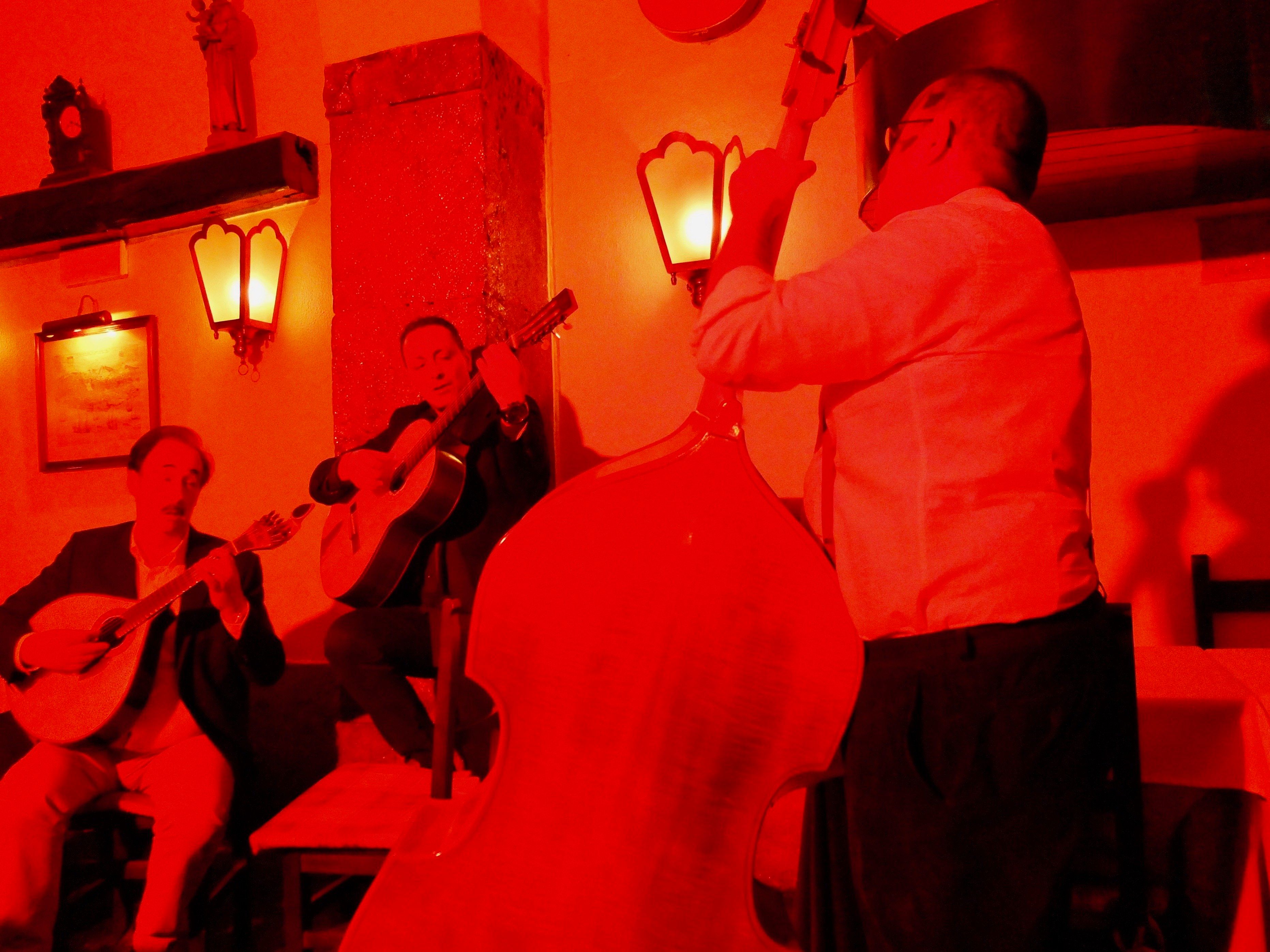
Experience authentic fado music while dining at Clube de Fado
8 Essential Experiences That Capture Alfama’s Magic
From hilltop castles to hidden museums, Alfama offers endless discoveries for curious travelers. These eight essential experiences will help you connect with the neighborhood’s rich history and living culture:
1. Castle Adventures at Castelo de Sāo Jorge
Perched high above Alfama’s rooftops, São Jorge Castle offers more than just Instagram-worthy panoramas. This 11th-century Moorish fortress witnessed the 1147 siege by Portugal’s first king Afonso Henriques – its thick walls echoing with centuries of European history. Today, visitors explore winding ramparts, hidden courtyards, and an archaeological garden revealing Phoenician artifacts. The castle becomes particularly magical during golden hour, when the Tagus River transforms into liquid gold below. Beat the crowds by arriving at opening time, and keep an eye out for the resident peacocks strutting through the grounds.
2. Time Travel at Museu de Artes Decorativas
Tucked inside the 17th-century Azurara Palace, the Museum of Decorative Arts feels like stepping into a Portuguese aristocrat’s home. Each room overflows with astonishing craftsmanship: gilded Baroque furniture, hand-painted Chinese porcelain, and embroidered silks that testify to Portugal’s Age of Discovery. Don’t miss the stunning chapel adorned with intricate woodcarvings or the preserved kitchen where copper pots hang above centuries-old hearth stones. The museum’s crown jewel? The breathtaking view from the upper-floor windows – private vistas that belonged to wealthy Lisbon families of centuries past.
3. Spiritual Awakening at Sé de Lisboa Cathedral
Lisbon’s oldest church stands as a stoic witness to history. Built in 1147 on the site of a former mosque, the fortress-like cathedral blends Romanesque solidity with Gothic additions and Baroque flourishes. Inside, sunlight filters dramatically through rose windows onto ancient tombs, while the shadowy cloister reveals ongoing archaeological excavations. Visit during mass to hear the magnificent pipe organ resonate through the stone nave – or come at twilight when the last rays illuminate the cathedral’s iconic twin bell towers against the darkening sky.
4. Fado Immersion at Clube de Fado
No Alfama experience is complete without surrendering to fado – Portugal’s soul-stirring musical tradition. At Clube de Fado, the haunting vocals of amália Rodrigues’ successor Mísia echo through 15th-century stone arches as diners savor black pork tenderloin and perfectly charred bacalhau. Unlike tourist traps with mediocre food, this intimate venue attracts top fadistas who perform shoulder-to-shoulder with guitarra players. Arrive early to explore the atmospheric wine cellar carved beneath Moorish walls, and let yourself be swept away by saudad – Portugal’s bittersweet longing made musical.
5. Architectural Marvel at Panteāo Nacional
Dominating Alfama’s skyline with its snow-white dome, the National Pantheon contains far more than the elaborate tombs of Portuguese luminaries. Originally conceived as Santa Engrácia Church in 1682, this Baroque masterpiece took nearly 300 years to complete due to political turmoil and budget woes. Today, visitors marvel at its vertigo-inducing interior height (Europe’s tallest unsupported dome when built) and mosaic floors depicting epic voyages. Climb to the rooftop terrace for 360-degree views where the river sparkles like blue topaz beneath your feet – one of Lisbon’s best photo spots without tour bus crowds.
6. Tile Masterpieces at Museu Nacional do Azulejo
Discover Portugal’s centuries-old obsession with azulejos at this exquisite museum housed in Madre de Deus Convent. Wander through blue-and-white tiled chapels retelling biblical scenes, then follow the evolution of tile art from Moorish geometric patterns to Art Nouveau florals. The pièce de résistance? A 75-foot-long panel showing pre-earthquake Lisbon in astonishing detail – ships crowd the Tagus while nobles parade through Rossio Square exactly as they did before 1755’s disaster. After exploring, recharge in the peaceful cloister cafe surrounded by orange trees and the quiet whispers of history.
7. Alfama’s Essential Viewpoints & Walking Routes
To truly understand Alfama, you must get deliciously lost in its vertical labyrinth. Begin beneath Sé cathedral’s imposing towers, following Rua de São João da Praça past hole-in-the-wall taverns where fishermen play cards. As you descend toward Largo do Chafariz de Dentro, notice how the air fills with aromas of garlic and grilled sardines – your cue to follow locals queuing at tiny tascas. Reward your climb to Miradouro das Portas do Sol with a crisp vinho verde at Portas do Sol café, where the panorama stretches across terracotta rooftops to the shimmering Tagus estuary. Pro tip: wear comfortable shoes and embrace wrong turns – Alfama’s magic lies in its hidden staircases and sudden vistas.
Savor Alfama: Where to Eat Between Explorations
Alfama’s dining scene reflects its unpretentious character – think family-run tascas serving time-honored recipes rather than trendy fusion spots. These five establishments offer authentic flavors and memorable ambiances:
1. Clube de Fado
More than just a music venue, this Alfama icon serves some of Lisbon’s finest traditional cuisine. Expect flawless preparations of classics like cabidela (blood rice with poultry) and leitão (suckling pig) paired with Alentejan reds. The vaulted stone dining room transforms during performances, waiters moving silently as patrons hold their breath during emotional fado crescendos.
2. O Beco
Tucked away on Travessa do Ferragial, this cozy spot marries traditional flavors with contemporary touches. Chef João’s arroz de tamboril (monkfish rice) arrives in the pan it’s cooked in, bursting with fresh herbs and crustacean essence. The wine list focuses on small Portuguese producers – ask for the unusual but delicious Alvarinho red from Minho region.
3. Farol de Santa Luzia
Positioned beside one of Alfama’s most famous viewpoints, this romantic restaurant features blue-and-white tilework and windows framing river sunsets. Their bacalhau à Farol stars cod simmered in olive oil with crispy potatoes and caramelized onions – paired perfectly with a crisp Encruzado white from Dao region.
4. Alfama Cellar
A wine lover’s haven in a 16th-century cistern. Sample rare Portuguese varietals like Alfrocheiro while nibbling on petiscos (tapas) such as lima-marinated octopus with sweet potato purée. The knowledgeable staff happily guide you through lesser-known regions like Beira Interior or Alentejo’s granite soils.
5. Sr. Fado de Alfama
For an intimate fado experience, Maria and Jorge’s ten-table restaurant feels like being invited into their home. The fixed menu features three generations of family recipes – try the sublime açorda de gambas (bread-thickened shrimp stew) followed by homemade passionfruit pudding. When the lights dim, prepare for raw, emotional performances that’ll raise goosebumps.
Planning Your Alfama Adventure: Insider Tips
Best Time to Visit: Early mornings let you experience Alfama’s quiet magic before crowds arrive. Evening brings the neighborhood alive with fado music and convivial dinner vibes.
Getting There: Tram 28 offers a scenic (if crowded) approach, but walking from Baixa district lets you climb gradually through atmospheric streets.
Wear Comfortable Shoes: Alfama’s steep, cobbled streets demand supportive footwear. Leave heels at your accommodation.
Fado Etiquette: During performances, maintain respectful silence. Applause comes only after the final guitar notes fade completely.
Street Art Hunting: Beyond traditional tiles, Alfama hides incredible murals by artists like Bordalo II – keep eyes peeled near Escolas Gerais street.
June Festivities: Visit during Santo António Festival (June 12-13) when Alfama erupts in grilled sardines, street parties, and paper lantern decorations.
The Heartbeat of Lisbon
Alfama doesn’t just showcase Portuguese history – it lives and breathes it daily. In this village within a city, ancient Roman walls share space with grandmothers hanging laundry, while melancholic fado lyrics mingle with the clatter of Lisbon’s iconic trams. By wandering its maze-like alleys, sipping ginja at sunset viewpoints, and sharing meals where fado was born, you’ll discover more than just attractions – you’ll connect with Portugal’s enduring soul. Whether it’s your first Lisbon visit or your fiftieth, Alfama always has new secrets waiting in its shadowed staircases and sunlit plazas.


