
Thailand is a country that truly has it all – a mix of futuristic cities, ancient temples, bustling markets, and breathtaking coastlines. But with such a varied climate across its regions, planning the perfect getaway can feel tricky. So let’s dive into the best time to visit Thailand based on what you want to experience and where you’re dreaming of going. And while you’re at it, don’t miss our full Thailand travel guide for deeper insights and local tips.
When is the Best Time to Visit Thailand?
If you’re aiming to explore Thailand’s beautiful diversity – from pristine beaches to mountain trails and cultural gems – timing is everything. The most popular window to visit is during the cooler, drier months between November and February, when the weather is mild and pleasant almost everywhere. That said, Thailand’s climate varies significantly from north to south, so your ideal travel dates may shift depending on your itinerary.
| Month | Jan | Feb | Mar | Apr | May | Jun | Jul | Aug | Sep | Oct | Nov | Dec |
|---|---|---|---|---|---|---|---|---|---|---|---|---|
| Avg temp. (°F) | 79.5 | 82.4 | 85.1 | 86.9 | 84.7 | 83.5 | 83.1 | 82.8 | 82.4 | 81.5 | 80.1 | 78.6 |
| Avg rain (inches) | 0.4 | 0.6 | 1.2 | 3.2 | 7.2 | 5.7 | 6.3 | 7.1 | 12.1 | 8.3 | 2.3 | 0.6 |
Northern Thailand
If ancient temples, misty mountains, and vibrant hill tribes are calling your name, aim for the cooler months from November to February. This is the sweet spot for trekking, temple visits, and cultural festivals like Loy Krathong and Yi Peng, where lanterns light up the skies.
- Best time: November to February
- Weather: Pleasant, dry days with cool nights – perfect for exploring
- Activities: Hiking, temple-hopping, and festive celebrations
- Avoid: March to May (hot and hazy) and June to October (rainy season)
Central Thailand
From the vibrant buzz of Bangkok to the ancient ruins of Ayutthaya, central Thailand shines brightest between November and February. The humidity drops, and the heat becomes much more manageable – perfect for soaking up the culture, food, and energy of the city.
- Best time: November to February
- Weather: Warm and dry with lower humidity
- Activities: Street food tours, shopping, and visiting historical landmarks
- Avoid: March to May (peak heat) and the rainy season from June to October
Southern Thailand (West Coast)
Dreaming of Phuket’s white sands or Krabi’s dramatic cliffs? The Andaman Coast is at its best from November to March. With bright blue skies, calm waters, and ideal beach weather, it’s paradise at its finest.
- Best time: November to March
- Weather: Sunny, dry, and warm – pure beach perfection
- Activities: Snorkeling, diving, island hopping, and sunbathing
- Avoid: May to October, when monsoon rains and rough seas can limit activities
Southern Thailand (East Coast)
For the Gulf Islands like Koh Samui, Koh Phangan, and Koh Tao, aim for December through April. These idyllic islands offer clear waters and sunny days during this window, making it ideal for diving, hiking, or simply unwinding on the sand.
- Best time: December to April
- Weather: Dry, warm, and great for water sports
- Activities: Scuba diving, beach parties, and jungle hikes
- Avoid: October and November, when the east coast gets its share of monsoon weather

Koh Yao Noi, Phang Nga, Thailand © Shutterstock
Best Time to Visit Thailand by Month
Not everyone can travel during the “perfect” season, so here’s a month-by-month guide to help you make the most of your trip—rain or shine.
January: Best for Cool and Dry Weather
January is a fantastic time to explore Thailand. Across the country, you’ll find cool, dry days that are perfect for sightseeing. In the north, light morning mists create a magical atmosphere over the mountains. Bring a light jacket if you’re headed to higher altitudes like Doi Inthanon.
The southern islands, including Koh Lanta and Koh Phi Phi, are basking in sunshine, with calm seas ideal for snorkeling and diving. Central regions like Ayutthaya and Kanchanaburi also enjoy mild weather, perfect for exploring temples and enjoying river cruises without the usual tropical humidity.
February: Best for Beach Vacations
February continues the dry season charm, with lovely temperatures and plenty of sun. It’s a top pick for beach lovers, especially along the Andaman Coast. The water visibility is superb for diving, and the islands are buzzing with energy.
February in Thailand offers picture-perfect conditions with comfortable temperatures and minimal rainfall, making it one of the best months for hitting the beaches. Sunshine blankets the entire country, from the golden shores of Phuket and Koh Samui to the cultural hubs of Bangkok and Chiang Mai. As peak tourist season, expect lively atmospheres and crowds in popular destinations.
Temperatures hover between a pleasant 73°F (23°C) in the northern hills to a warm 92°F (33°C) along the southern coast, creating ideal conditions for snorkeling, diving, and kayaking in calm, clear waters. It’s also a great time for exploring historical sites like Ayutthaya and Sukhothai without battling intense heat. For family travel, February’s dry weather ensures stress-free outdoor adventures. Just remember to book your accommodations early—this is a busy time of year!
March: Best for sun-seekers
March welcomes Thailand’s hot season with rising temperatures, making it perfect for sun worshippers eager to soak up the rays on beautiful beaches and islands. While the heat becomes more intense, especially inland, the southern islands remain pleasantly breezy, ideal for swimming and diving.
Average temperatures range from 77°F (25°C) to 95°F (35°C), with northern regions like Chiang Mai occasionally experiencing hazy conditions due to agricultural burning. Keep this in mind if you’re planning hikes or outdoor excursions.

Aerial view Phra Nang Cave Beach, Krabi, Thailand ©Shutterstock
April: Best for Songkran Festival and Thai New Year
April is Thailand’s hottest month, with temperatures soaring between 80°F (27°C) and 97°F (36°C), especially in central and northern areas. While the heat can be challenging, it’s balanced by the exhilarating Songkran Festival—Thailand’s famous New Year celebration. Prepare for nationwide water fights that offer a fun and refreshing way to cool off.
Beach destinations remain a great escape thanks to coastal breezes, and water activities like diving and snorkeling are still enjoyable—just be sure to pack strong sun protection.
May: Best for lesser crowds
May introduces the monsoon season with sporadic, heavy rainfall, but it’s an excellent time to visit for those seeking fewer tourists and a more laid-back atmosphere. Temperatures range from 81°F (27°C) to 94°F (34°C), and the rain transforms the countryside into lush, green paradise.
This is a wonderful month for exploring rural areas like Chiang Rai and Pai, where the landscapes are at their most vibrant. It’s also a great time for family travel, as popular spots are less crowded.
June: Best for lush landscapes
June continues the monsoon season, bringing frequent but short rain showers that breathe life into Thailand’s scenery. With temperatures between 80°F (27°C) and 92°F (33°C) and rising humidity, the countryside becomes incredibly lush and photogenic.
Northern regions are particularly beautiful, with clear skies between showers perfect for trekking, waterfall visits, and exploring local villages. The air is fresh and filled with the earthy scent of rain.

Similan island in Phang Nga, Thailand © Shutterstock
July: Best for quiet beaches
July continues the monsoon pattern with warm temperatures and regular, though brief, rain showers. With temperatures from 78°F (26°C) to 90°F (32°C) and high humidity, the landscape remains incredibly lush—think emerald rice paddies, vibrant jungles, and roaring waterfalls.
Northern Thailand shines during this time, offering some of the year’s most impressive scenery. The Gulf of Thailand tends to be drier than the Andaman coast, making it a better choice for beach days if you’re island-hopping.
August: Best for impressive scenery
August is the peak of the rainy season, bringing dramatic landscapes and fewer visitors. While showers are frequent, they are often short, leaving plenty of time for exploration. The countryside is at its most breathtaking, with Thailand’s natural beauty on full display—think lush forests, flowing rivers, and vibrant flora.
Temperatures remain warm but manageable, and the reduced crowds make it a great time for those seeking a more intimate travel experience. Whether you’re trekking in the north or relaxing on a quiet beach, August offers a unique and beautiful perspective on Thailand.
August: Best for lush landscapes and green scenery
August is the heart of the monsoon season in Thailand, bringing with it high humidity and frequent, intense showers. While rain can fall heavily across the country, showers are often short—though they may occasionally linger. The upside? August transforms Thailand’s scenery into something truly magical. Rivers swell, waterfalls roar, and the countryside glows with vibrant, lush greenery.
If you’re hoping to dodge the rain a bit, the eastern Gulf islands are your best bet. Thanks to their sheltered location, these islands tend to enjoy drier conditions and more sun compared to the Andaman coast and other parts of the country in August.
September: Best for budget travelers and fewer crowds
September stands out as one of the wettest months in Thailand, especially up north and in the central regions. Expect frequent showers, high humidity, and weather that can switch up on a dime. But here’s the silver lining: all that rain creates the most gorgeous green landscapes you’ll see all year. Think rice fields glistening, jungles bursting, and mountains blanketed in life.
With temperatures sitting between 76°F (24°C) and 88°F (31°C), September is a dream for travelers on a budget. Hotels, flights, and tours drop their prices due to the low season, and famous spots feel quieter and more personal. If you still want some beach time, islands like Koh Samui tend to stay a bit drier than the rest.

Mae Hong Son loop in North Thailand © Shutterstock
October: Best for exploring national parks and rural escapes
October marks the slow farewell to the monsoon, with rain easing up and temperatures starting to cool. It’s a month of transition—expect a mix of sunny days and occasional heavy showers. But overall, the rain becomes gentler, and by the end of the month, you’ll notice more sunny breaks.
Temperatures hover between 75°F (24°C) and 87°F (31°C), bringing more comfortable conditions for exploring. National parks and rural areas are at their peak beauty—lush, green, and bursting with life. Even coastal spots like Hua Hin and Pattaya begin to see better weather, making October great for both nature and beach lovers.
November: Best for all-around travel adventures
Welcome to Thailand’s cool and dry season—November delivers some of the year’s most pleasant weather. With temperatures ranging from 73°F (23°C) to 86°F (30°C) and lower humidity, it’s the perfect time for just about any activity, whether you’re relaxing on the beach, diving into culture, or heading out on an adventure.
In the north, the crisp air is ideal for trekking and soaking in mountain scenery. Down south, beaches sparkle under sunny skies, and the sea stays calm—great for snorkeling and diving with excellent visibility.
December: Best for festive spirit and cool, dry days
December is peak season in Thailand, and it’s easy to see why. With temperatures between 71°F (22°C) and 85°F (29°C) and low humidity, the weather is simply perfect. Mornings and evenings in the north are refreshingly cool—ideal for trekking, visiting hill tribes, and enjoying mountain views.
In the south, popular beach spots are in full swing with clear skies and calm seas. Even Bangkok and central Thailand enjoy milder weather, perfect for temple hopping and market exploring. Just remember: December’s popularity means bigger crowds and higher prices, so book ahead.

Waterfall Huay Mae Khamin in Kanchanaburi province, Thailand © Shutterstock
Best time to visit Northern Thailand
Wondering when to head up north? For trekking and soaking in the natural beauty, plan your visit between November and February. During these months, the weather is comfortably cool and dry—perfect for outdoor adventures, from hiking to waterfall visits and exploring hill tribe villages.
This period also brings festive energy to the region, with celebrations like Loy Krathong (usually in November) lighting up the skies with lanterns and adding a magical touch to your trip.
Planning your Thai getaway? This tropical paradise offers different experiences across its regions – from lush northern mountains to brilliant southern beaches. Let’s uncover each area’s sweet spots so you can perfectly time your adventure.
Northern Thailand Magic: When Mountains Bloom
November through February transforms Chiang Mai and Chiang Rai with crisp mountain air and daytime temps around 77°F (25°C). December brings perfect hiking weather amidst fog-kissed peaks. But the real showstopper? January and February’s flower festivals! Imagine Doi Inthanon and Doi Mae Salong blanketed in cherry blossoms while gardens explode with colorful hanging baskets – pure fairytale material.
Rain-chasers listen up: June to October paints the north emerald green. Yes, trails get muddy, but waterfalls gush powerfully and rice fields glow with electric vibrancy. Just pack quick-dry clothes and proper shoes – nature’s spectacle rewards the prepared!

Golden hour transforms Phuket’s Nai Yang Beach into pure magic – just another perfect Andaman Coast evening © Shutterstock
Southern Thailand Secrets: Two Coasts, Two Seasons
South Thailand splits into two beach paradises with different weather personalities:
Andaman Coast All-Stars (Phuket/Krabi/Koh Lanta): November through March is pure perfection. Expect cloudless skies, bathtub-warm seas, and prime diving conditions. These sought-after months deliver lower humidity and calm waters – ideal for island hopping and sunset cruises.
Gulf Coast Gems (Koh Samui/Koh Phangan/Koh Tao): Visit December-April for spectacular underwater visibility. Here’s a pro tip: When May storms hit the Andaman coast, the Gulf stays sunny! Avoid October-November though – this coast gets its heaviest rains then.

Koh Phangan’s famous beaches shine brightest during Gulf Coast’s dry season © Shutterstock
Central Thailand Charm: Culture Without the Swelter
November-February is Bangkok and Ayutthaya’s golden window – temperatures hover between 73-88°F (23-31°C) with mercifully lower humidity. You’ll actually enjoy temple-hopping at Wat Pho and Ayutthaya Historical Park without melting!
Bonus: This aligns with Loy Krathong festival (November) when rivers shimmer with floating lanterns and New Year celebrations light up Bangkok. Book early – everyone wants these perfect months!
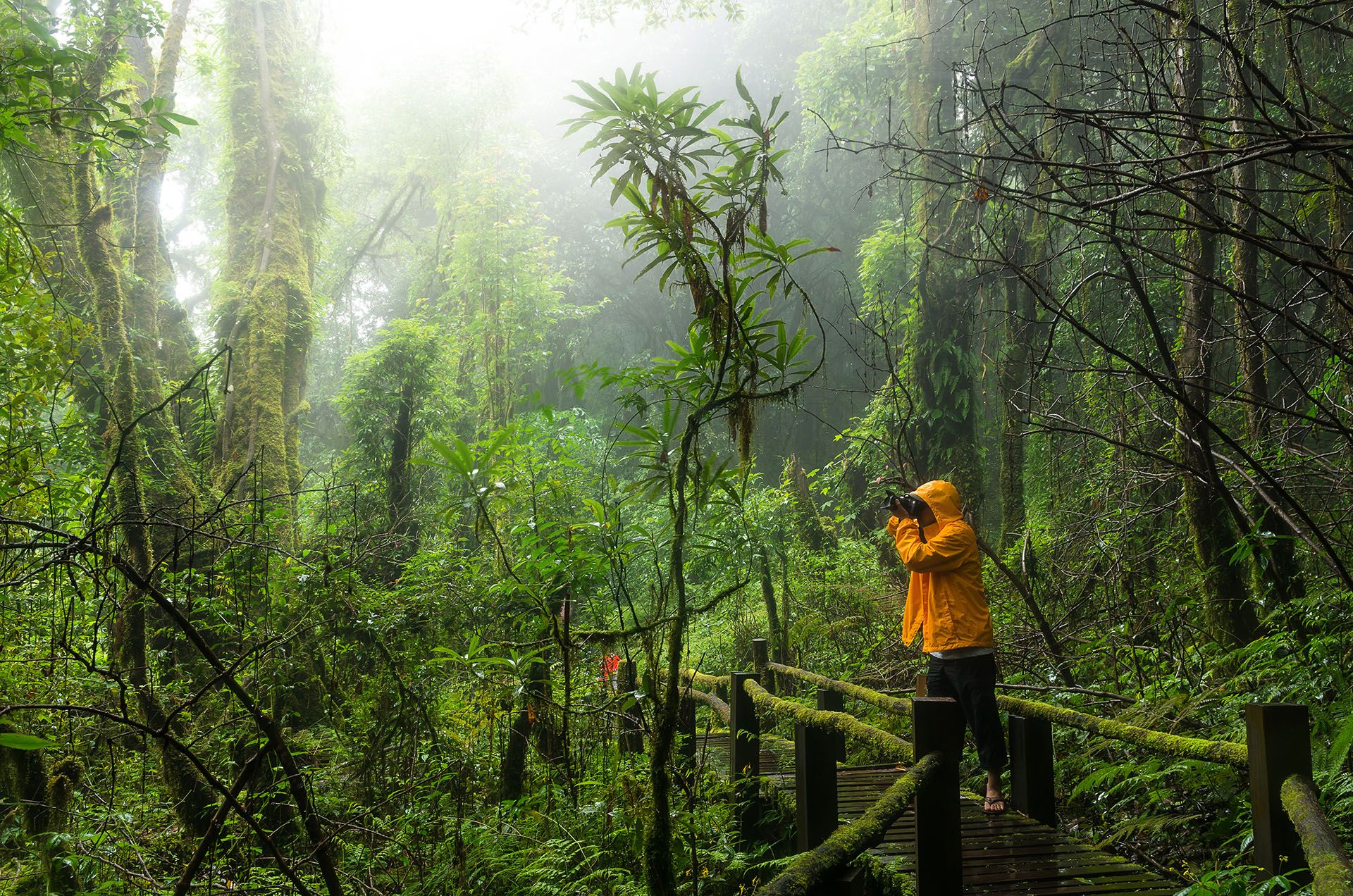
Doi Inthanon rainforest thrives during rainy season – but pack your rain boots! © TZIDO SUN/Shutterstock
Thailand’s Rain Rhythms: Regional Downpours Decoded
Don’t get caught in a monsoon! Thailand’s rainy seasons vary dramatically:
- North & Central: June-October showers, peaking August-September
- Andaman Coast: May-October downpours (roughest August-October)
- Gulf Coast Exception: Oddly dry May-September with October-December rain
Festival Magic: When Culture Comes Alive
Time your visit with Thailand’s vibrant celebrations! Loy Krathong’s glowing waterways (November), Songkran’s epic water fights (April), and Chiang Mai’s flower festivals (February) create unforgettable moments. Just remember – these popular events mean crowds, so plan accommodations well ahead!
Picture this: You’re sipping fresh coconut water as colorful processions pass by, the air filled with laughter and the scent of jasmine. This could be your Thailand experience if you time your trip with one of the country’s spectacular festivals. Beyond stunning beaches and bustling markets, Thailand comes alive during its cultural celebrations where ancient traditions meet infectious joy. Let’s explore two of the most mesmerizing events that transform ordinary visits into unforgettable adventures.
Songkran: Where Water Meets Renewal
Every April, Thailand transforms into the world’s biggest water park during Songkran. What began as a gentle Buddhist ceremony has evolved into a three-day nationwide celebration of renewal. From April 13-15 (sometimes longer in northern regions), locals and visitors alike take to the streets armed with water guns, buckets, and endless enthusiasm.
The magic begins quietly at dawn. Families gather at golden temples to bathe Buddha statues in scented water—a ritual cleansing that washes away last year’s troubles. Younger generations gently pour jasmine-scented water over elders’ hands, receiving blessings in return. By midday, these tender moments transform into the world’s happiest water fight. Chiang Mai’s ancient moat becomes a liquid playground, while Bangkok’s Silom Road turns into a laughing, splashing sea of people.
Beyond the playful chaos lies profound meaning. Songkran marks the Thai New Year, a time to reset relationships and seek forgiveness. Locals believe the water carries away negativity, making space for fresh beginnings. Just be prepared—this liquid celebration doesn’t discriminate between participants and spectators!
- Essential Know-How: Waterproof everything! Electronics belong in sealed bags, and quick-dry clothes beat denim every time.
- Pro Tip: Book accommodations months ahead—this popular festival fills hotels faster than a water bucket empties.
- Local Secret: Visit a temple before joining the water fights for the complete spiritual-to-playful journey.

Chiang Mai’s magical Yi Peng lantern release creates a starlit sky © Shutterstock
Loy Krathong: A Night When Rivers Glow
Imagine thousands of flickering lotus shapes drifting down moonlit rivers—this is Loy Krathong at its most enchanting. Held on November’s full moon night, this “Festival of Lights” sees Thais gather at waterways to release krathongs (delicate banana-leaf floats). Each decorated vessel carries candles, incense, and personal intentions, creating a shimmering tapestry of gratitude and hope.
In Chiang Mai, the celebration doubles its magic with Yi Peng—the simultaneous release of paper lanterns that turn the night sky into a constellation of floating wishes. Locals believe releasing both water and sky lanterns washes away misfortune while making space for new blessings. Many tuck nail clippings or hair strands into their krathongs, symbolically releasing past troubles.
- Cultural Insight: The ritual honors Phra Mae Khongkha, the water goddess, thanking her for life-sustaining rivers
- Must-See: Head to Chiang Mai for the synchronized lantern release—arrive early for prime viewing spots
- Eco Tip: Choose biodegradable krathongs (avoid styrofoam) to protect Thailand’s beautiful waterways
Whether you’re dancing through water battles or making wishes on floating lights, Thailand’s festivals offer more than just photo opportunities—they’re invitations to participate in living traditions. By aligning your visit with these celebrations, you’ll create memories steeped in culture and joy. Just remember: pack quick-dry clothes for Songkran’s aquatic adventures and reserve Chiang Mai hotels early for Loy Krathong’s luminous magic. Your unforgettable Thai experience awaits!


🌟 The Travaloca Travel Editors Community is a dynamic collective of individuals united by their passion for travel and their dedication to high-quality content creation. This community serves as the driving force behind Travaloca's informative and engaging travel resources. ✨ Core Identity: This group consists primarily of passionate travel enthusiasts who have turned their love for exploration into a commitment to writing and content curation. Members are recognized for their: Extensive Travel Experience: Possessing valuable firsthand knowledge from their journeys worldwide. Aptitude for Writing and Editing: Demonstrating a keen interest and skill in crafting, reviewing, and perfecting travel narratives, guides, tips, and reviews. Dedication to Storytelling: Transforming personal experiences and destination knowledge into accessible, inspiring, and reliable information for a global audience. 📝 Community Focus: The community’s primary role is to contribute, edit, and maintain the diverse range of content on Travaloca's platform. They ensure the information provided is accurate, engaging, and reflective of current travel trends. In essence, the Travaloca Travel Editors Community is where travel passion meets editorial excellence, enriching the user experience and solidifying Travaloca’s standing as a trusted travel resource.


