
Planning a trip to Peru means navigating a landscape where weather can change dramatically from one region to the next. The country’s diverse geography creates stark contrasts in temperature and climate, making timing essential for the perfect adventure. But don’t worry—the best time to visit Peru truly depends on what you want to see and do. Whether you’re dreaming of ancient ruins, misty rainforests, or sunny coastlines, there’s an ideal season just for you.
What’s the Best Time to Visit Peru?
Dry Season (May to September) – This is Peru’s peak travel season for a reason. From May to September, coastal spots like Lima and Paracas bask in mild temperatures with very little rain. It’s also the perfect window for exploring legendary sites like Machu Picchu, Cusco, and the Sacred Valley. Keep in mind: the Andes get colder, especially at high altitudes. Pack some warm layers if Arequipa or Lake Titicaca are on your list!
Wet Season (November to March) – If you don’t mind a little rain, the wet season offers its own charm. Rainfall is heavier in the Andes and the Amazon, sometimes closing trails like the Inca Trail. But here’s a secret: Peru’s coastal areas, including Lima and the north, are sunnier and warmer this time of year—plus, you’ll enjoy fewer crowds.
Shoulder Seasons (April and October) – These transitional months bring a mix of conditions. You might get some rain, but you’ll also find quieter trails at Machu Picchu and better deals on lodging and tours. If you like a bit of unpredictability and want to dodge the peak-season rush, April or October could be your sweet spot.
Feeling inspired? Our Peru travel experts are here to help you map out an unforgettable journey.

Morning sun rising with cloudy on Aden Mountain at Plaza de Armas, Cusco, Peru © Shutterstock
Finding the Perfect Month for Your Trip
Choosing the best month to visit Peru isn’t one-size-fits-all. For sunny coastlines, January is fantastic. If you’re aiming for the Andes, Machu Picchu, or the Amazon, May through September is your go-to window. But here’s the thing: You don’t have to chase perfect weather across every region. Peru’s magic lies in its diversity—there’s always something incredible to experience, rain or shine.
Weather in Peru in January
January delivers warmth and sunshine across Peru. On the coast, temperatures hover between 77°F and 82°F (25°C–28°C), making it ideal for beach days and water sports. In the highlands, expect milder weather—50°F to 68°F (10°C–20°C)—perfect for exploring archaeological treasures like Machu Picchu. The Amazon stays warm and humid, with temperatures in the upper 70s to mid-80s°F. Visiting in January often means fewer tourists and lower prices, too.
Weather in Peru in February
February continues January’s pleasant vibe. Coastal areas remain sunny and dry, while the Andes offer cool, comfortable conditions for hiking and sightseeing. In the rainforest, you’ll find tropical warmth with occasional showers—nothing a good rain jacket can’t handle. Like January, February is a great time to travel if you’re watching your budget and prefer smaller crowds.
Want more February getaway ideas? Check out our guide to the best winter vacation spots.
Weather in Peru in March
By March, the Amazon sees more rain, but Peru’s northern coast still enjoys plenty of sun. In the Andes, temperatures stay mild, offering great hiking conditions without the peak-season crowds. Traveling in March can mean quieter trails and better deals on tours and accommodations—ideal for travelers looking to explore off the beaten path.
Curious about hidden gems? Try one of our tailored Peru itineraries and uncover ancient ruins, sweeping landscapes, and rich cultural treasures.

Arequipa Church with the Misti Volcano Behind on sunset, Arequipa in Peru © JorgeAndres/Shutterstock
Weather in Peru in April
April offers a lovely balance for travelers. Along the coast, places like Lima see temperatures in the low 70s to low 80s°F with little rain—great for exploring cities and seaside attractions. The Andean highlands remain crisp and pleasant, perfect for hiking or soaking in the colonial beauty of Arequipa. In the Amazon, rainfall picks up, but the payoff is a lush, vibrant rainforest teeming with life.
Love nature? Our Peru nature-lover’s itinerary guides you through one of the world’s most biodiverse countries, from misty cloud forests to sprawling national parks.
Discover Peru’s Spectacular Weather: Your Month-by-Month Travel Guide
Imagine a country where you can experience nearly 90% of Earth’s climates within a single border. Peru’s dramatic landscapes – from coastal deserts to Andean peaks and Amazon rainforests – create one of the most biodiverse destinations on the planet. To help you plan your adventure, we’ve created this essential guide to Peru’s weather patterns throughout the year.
May: The Start of Prime Exploration Season
May marks the beginning of Peru’s golden window for travelers. Picture sunny days perfect for exploring Lima’s historic center with comfortable temperatures hovering between 70°F-75°F (21°C-24°C) and barely a drop of rain.
In the Andes, crisp mornings give way to pleasant hiking weather (50°F-68°F/10°C-20°C) – ideal conditions for tackling the Inca Trail or marveling at Machu Picchu without the crowds. While the Amazon basin welcomes you with warm embrace (77°F-86°F/25°C-30°C), pack your rain jacket for those refreshing tropical showers that keep the rainforest lush.
June: Peak Season Begins
As winter settles in, Lima cools slightly to 64°F-70°F (18°C-21°C) while maintaining its signature dry weather. The real magic happens in the highlands where chilly nights (down to 41°F/5°C) reward early risers with crystal-clear mountain views. Daytime highs around 59°F (15°C) create perfect trekking weather – just layer up!
The Amazon continues its warm, humid rhythm (77°F-86°F/25°C-30°C) with afternoon rains that transform the jungle into a living emerald wonderland.
July: Prime Time in the Mountains
July brings Lima’s coolest coastal weather (63°F-68°F/17°C-20°C) – great for museum hopping before evening pisco sours. In the Andes, temperatures hold steady (41°F-59°F/5°C-15°C) making this the busiest month at Machu Picchu. Book well ahead! The Amazon remains its vibrant, rainy self – a paradise for wildlife seekers.
August: Mountain Highs and Festival Vibes
As Peruvian winter peaks, Lima’s mercury drops to 61°F-66°F (16°C-19°C) beneath its characteristic coastal mist. The Andes offer some of the year’s clearest skies for photography enthusiasts. Meanwhile, the Amazon continues its warm, wet symphony (77°F-86°F/25°C-30°C) – perfect for spotting river dolphins between rain showers.
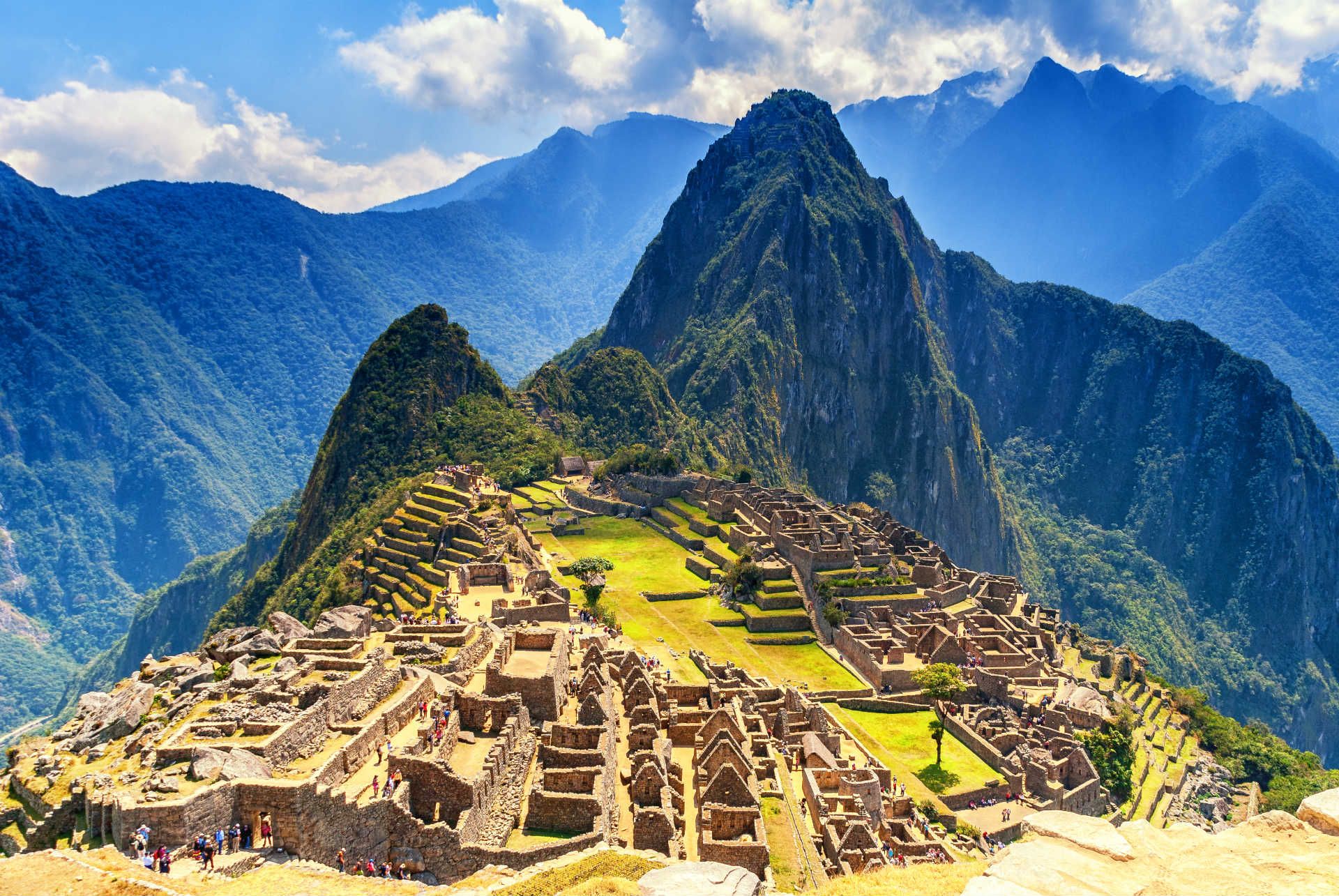
Machu Picchu, Peru © Shutterstock
September: Spring’s Gentle Arrival
Watch Lima’s famous “garúa” mist begin to lift as temperatures hover between 61°F-66°F (16°C-19°C). The Andean dry season starts winding down – a great time to swap mountain treks for exploring colonial gems like Arequipa. In the Amazon, nature puts on its most vibrant show (77°F-86°F/25°C-30°C) with frequent rains feeding spectacular waterfalls.
October: Sweet Spot for Savvy Travelers
Coastal temperatures remain refreshing while the Amazon enters its drier period – prime conditions for jungle expeditions. With minimal rain in Cusco and around Machu Picchu, October offers decent weather with fewer tourists than peak months. Just pack layers for cool Andean evenings.
November: Nature’s Reawakening
Coastal Peru warms to 68°F-73°F (20°C-23°C) with increasing humidity. The Andes come alive with fresh greenery and temperatures between 50°F-68°F (10°C-20°C) – perfect for photography. The Amazon’s drier weather makes November an excellent time for jungle exploration before the heavy rains return.
December: Summer Festivities Begin
Summer hits
Peru’s Rainy Season: When Clouds Bring Unexpected Magic
Picture this: While Northern Hemisphere travelers are bundling up for winter between December and March, Peru’s Andean highlands and Amazon Basin come alive with their own version of refreshing coolness. Surprisingly, locals call this rainy period “winter” – though you’ll still find blissful warmth in southern gems like Arequipa.
This watery season reveals Peru’s wild side. In the Amazon, rising rivers transform the jungle into a lush paradise where nature thrives. Hikers encounter greener landscapes and quieter trails, but do plan carefully: the legendary Inca Trail closes every February for maintenance (though Machu Picchu’s gates stay open). The payoff? Smaller crowds and wallet-friendly travel deals make rainy adventures worth considering.
By March, Peru begins its transition. Coastal breezes soften the summer heat while mountain rains taper off. May brings confidence to trekkers – clearer skies reveal Machu Picchu in all its glory, framed by fresh greenery from past showers.
From Desert Drops to Mountain Showers: Peru’s Rainfall Explained
Coastal regions like Lima get barely enough rain to fill a teacup – just 0-4 inches annually. But head to the Andes between December and March, and you’ll find dramatic downpours bringing 20-40 inches to nourish mountain ecosystems.

Inca trail in Peru © Shutterstock
Sun-Kissed Days & Starry Nights: Peru’s Dry Season Charm
When June arrives with bluebird skies, Peru’s dry season (winter to locals) transforms the landscape. While Northern Hemisphere tourists flock here June-September, smart travelers know the secret: spectacular conditions extend into shoulder months for better deals.
Cusco sparkles under cloudless skies, offering picture-perfect Andean trekking. But don’t be fooled by midday sunshine – pack layers for chilly nights when temperatures plummet after sunset. Meanwhile, the Amazon treats explorers to prime dry-season wildlife spotting routes.
Coastal Peru serves different moods depending on timing:
- December-February: Northern beaches sizzle near 84°F (29°C) with near-zero rainfall – like Chilean summer in reverse!
- June-October: Expect milder 68°F (20°C) days along the coast, though Lima’s famous garúa sea mist creates moody urban photography.
Machu Picchu Timing: Your Golden Ticket to Wonder
This iconic citadel draws crowds year-round, but timing changes everything. Peak season (June-September) guarantees sunshine yet requires booking the Inca Trail 6+ months ahead. For quieter visits, target wet-season shoulder months (October-April) – though February brings trail closures.
Our pro tip? Aim for May, when the last rains polish stones into emerald-green brilliance before summer crowds arrive. You’ll witness Machu Picchu glowing under crisp post-rain clarity without battling massive tour groups.

Woman in Cuzco, Peru © Marco Alhelm/Shutterstock
Lima: Catching the City’s Sunny Spirit
Peru’s capital reveals different personalities throughout the year. For postcard-perfect visits, target December-March when sunshine bathes colonial architecture and coastal parks buzz with energy. This is when Lima lives up to its “City of Kings” grandeur.
From April-November, the persistent garúa mist creates an atmospheric backdrop – perfect for museum-hopping and culinary adventures (Lima’s food scene shines rain or shine!). Just pack a light jacket for evening strolls along misty Malecón cliffs.


🌟 The Travaloca Travel Editors Community is a dynamic collective of individuals united by their passion for travel and their dedication to high-quality content creation. This community serves as the driving force behind Travaloca's informative and engaging travel resources. ✨ Core Identity: This group consists primarily of passionate travel enthusiasts who have turned their love for exploration into a commitment to writing and content curation. Members are recognized for their: Extensive Travel Experience: Possessing valuable firsthand knowledge from their journeys worldwide. Aptitude for Writing and Editing: Demonstrating a keen interest and skill in crafting, reviewing, and perfecting travel narratives, guides, tips, and reviews. Dedication to Storytelling: Transforming personal experiences and destination knowledge into accessible, inspiring, and reliable information for a global audience. 📝 Community Focus: The community’s primary role is to contribute, edit, and maintain the diverse range of content on Travaloca's platform. They ensure the information provided is accurate, engaging, and reflective of current travel trends. In essence, the Travaloca Travel Editors Community is where travel passion meets editorial excellence, enriching the user experience and solidifying Travaloca’s standing as a trusted travel resource.
